NoonPost NoonPost

NoonPost

  • Home
  • Politics
  • Economy
  • Society
  • Culture
  • Files
  • Long Reads
  • Podcast
AR
Notification Show More
نون بوست
“There Are Nights I Can’t Close My Eyes”: How Gazans Are Living in Homes on the Brink of Collapse
نون بوست
From al-Jolani to Ahmad al-Shara: The Evolution of Syria’s New Leader
نون بوست
When Political Islam Receded in Egypt: Who Filled the Void?
نون بوست
An Extension of Genocide: Gaza’s Detainees Speak Out
نون بوست
A Tightrope Between Survival and Sovereignty: The Syrian Government Faces Normalization Pressures
نون بوست
American Aircraft Carriers: Has the Era of “100,000 Tons of Diplomacy” Ended?
نون بوست
U.S. Regime‑Change Policies: Why They Are Destined to Fail
نون بوست
Transformations of Israeli Judaism: Between the Victim Complex and the Colonizer’s Doctrine
نون بوست
The Gulf’s Balancing Act: Iran, Israel, and Hidden Links
نون بوست
Iraq–Turkey Oil Export Treaty: Why Did Ankara Cancel It After 52 Years?
نون بوست
Syria’s Northeast on Edge: QSD Between Ankara and Damascus
نون بوست
Has Europe Changed Its Stance on Israel… or Just Its Language?
NoonPost NoonPost
AR
Notification Show More
نون بوست
“There Are Nights I Can’t Close My Eyes”: How Gazans Are Living in Homes on the Brink of Collapse
نون بوست
From al-Jolani to Ahmad al-Shara: The Evolution of Syria’s New Leader
نون بوست
When Political Islam Receded in Egypt: Who Filled the Void?
نون بوست
An Extension of Genocide: Gaza’s Detainees Speak Out
نون بوست
A Tightrope Between Survival and Sovereignty: The Syrian Government Faces Normalization Pressures
نون بوست
American Aircraft Carriers: Has the Era of “100,000 Tons of Diplomacy” Ended?
نون بوست
U.S. Regime‑Change Policies: Why They Are Destined to Fail
نون بوست
Transformations of Israeli Judaism: Between the Victim Complex and the Colonizer’s Doctrine
نون بوست
The Gulf’s Balancing Act: Iran, Israel, and Hidden Links
نون بوست
Iraq–Turkey Oil Export Treaty: Why Did Ankara Cancel It After 52 Years?
نون بوست
Syria’s Northeast on Edge: QSD Between Ankara and Damascus
نون بوست
Has Europe Changed Its Stance on Israel… or Just Its Language?
Follow US

“Will My Leg Ever Come Back?” A Child’s Story Captures the Tragedy of Amputations in Gaza

أميرة نصار
Amira Nassar Published 26 March ,2026
Share
نون بوست
نون بوست

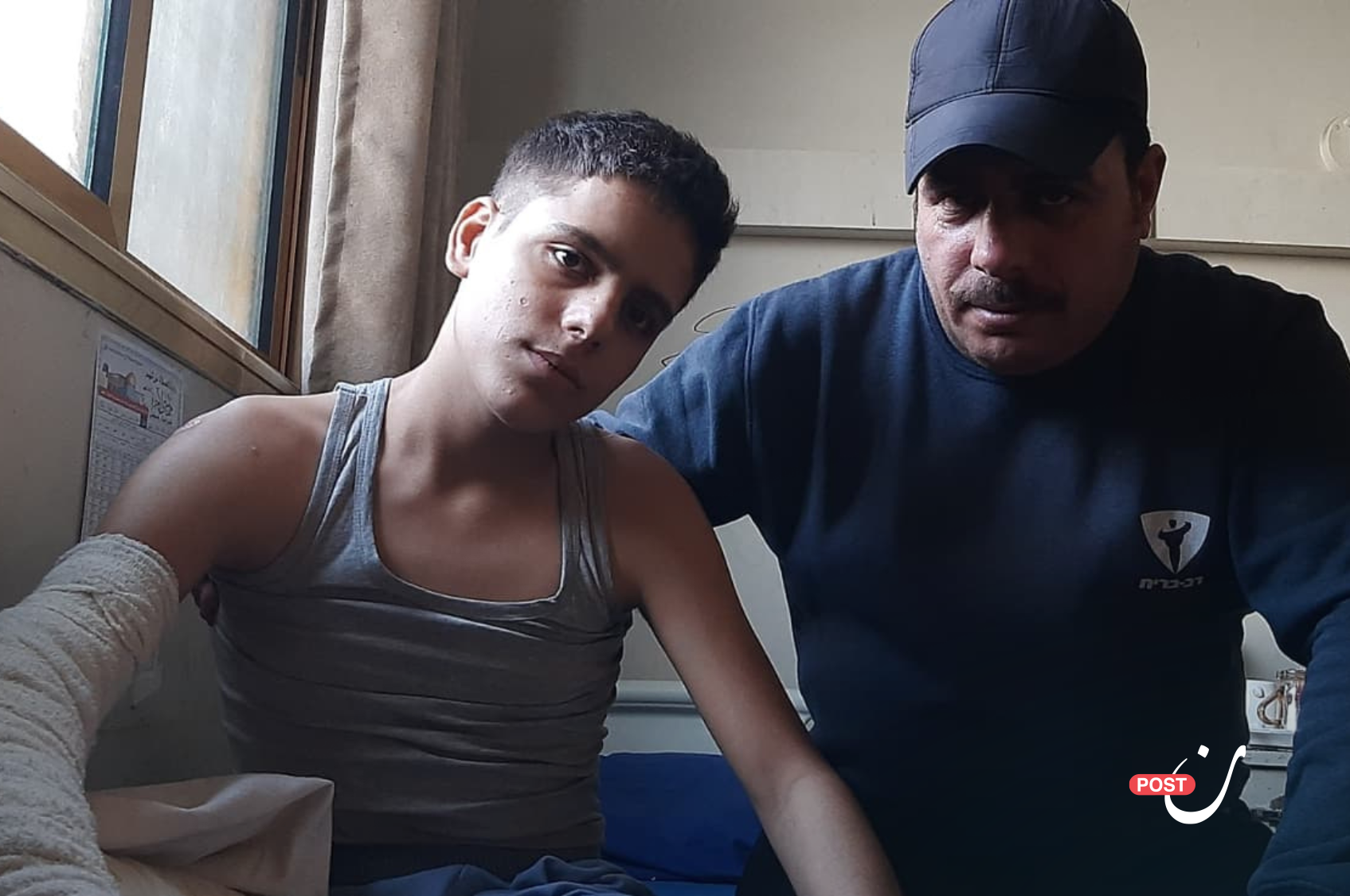
In the operating room of the Arab Ahli Baptist Hospital, 15-year-old Mahmoud al-Bahtini lies on a bed with his left leg amputated. His delicate body is wrapped in white gauze soaked in iodine and blood, while his father gently helps him sit up and wipes a warm tear from his right cheek. As he undergoes his first surgery, Mahmoud’s voice breaks through in a tone of sorrow:
“How am I supposed to start my life without my leg? Who will play soccer with me in the street?”

Mahmoud, now 15, recounts the devastating moment that changed his life. Speaking to Noon Post, he says:
“On November 1st, I stepped out of our house in al-Tuffah neighborhood to the street corner to pick up food from the community kitchen. It was just rice. Since we’ve been through famine, ‘the kitchen’ means food for the whole day. If I didn’t bring it home, my family of eight would go hungry.”

He runs his fingers over the spot where his leg used to be, feeling the wound.
“I didn’t even hear the Israeli drone drop the quadcopter bomb from above. I only felt the pain and saw the blood pouring from my body and leg. I still can’t forget lying on the ground in a tent outside the Baptist Hospital, bleeding, until hours later the doctors noticed me and gave me blood transfusions.”

As time passed, Mahmoud was rushed into surgery. His body writhed in pain and he screamed from the agony but it was too late to save his leg.
“I woke up in bed with a medical IV in my arm, and my body wrapped in white gauze,” he says, blinking.
“I was in so much pain in my upper thigh.” He pauses for a few seconds before continuing:
“I screamed and asked my dad: ‘Where is my leg?’ And he told me, ‘It was amputated above the knee… May God compensate you, Mahmoud.’”

The Weight of War

Mahmoud is one of over 6,000 Palestinians who have lost limbs, with children accounting for nearly 25% of all amputations during Israel’s genocidal war on Gaza. According to the United Nations, Gaza has become home to the largest group of child amputees in modern history.

During our interview, Mahmoud’s father, Saqr al-Bahtini, who is in his 40s, sat beside him, preparing a cup of tea.
“My son has now spent nearly three months confined to a hospital bed, unable to stand or take a single step without my help,” he says.
“Even going to the bathroom requires assistance. I feed him myself because his right arm is still undergoing surgeries it lost part of its muscle and is riddled with shrapnel.”

Mahmoud speaks in a trembling voice, his face heavy with sorrow:
“The occupation killed my older brother. The genocide took my leg. And shrapnel struck every part of my body.”
Wiping away a tear, he adds:
“I just want to play soccer again… to be able to walk on my own. Do you think my leg will grow back when I get older?”

Since October 7, 2023, Gaza has seen a surge in amputation cases caused by Israel’s devastating war, compounded by a severe shortage of medical supplies and prosthetic components due to the ongoing blockade and the closure of border crossings, according to the Palestinian Ministry of Health.

“Mahmoud is a man in a child’s body. He’s my right hand at home,” says Amal Rashid, his stepmother.
“His siblings are very young, no older than four. Mahmoud fetched water, chopped firewood, cooked food, and went to the market to get what we needed.”

With her hand resting on her cheek, Amal adds:
“Mahmoud is the son I never gave birth to. My heart breaks for his stolen childhood and the psychological toll he’s enduring every day since losing the leg he loved to kick a ball with. Soccer was his passion he dreamed of becoming a famous player like Ronaldo or Messi.”

When asked how the family is coping with Mahmoud’s psychological state, she tells Noon Post with a voice full of anguish and helplessness:
“Every day I visit him at the hospital, he always says, ‘Look, Mom… they cut off my leg.’ I try to lift his spirits, to tell him this isn’t the end. That he will continue his education and that we will do everything we can to get him a prosthetic leg. We pray every day for his recovery and for the chance to get him medical treatment abroad.”

The lack of prosthetic limbs and materials needed to produce them has deeply affected wounded Palestinians who now face intense physical pain and psychological trauma with little hope of returning to a normal life.

“Over two years of war on Gaza, the Ministry of Health has recorded more than 170,000 injuries and 6,000 amputations 25% of them among children and 12.5% among women,” says Zahir al-Wuhaidi, Director of the Health Information Center at the Ministry of Health in Gaza.
“More than 18% of injuries require long-term rehabilitation and physiotherapy, and may turn into permanent disabilities without proper care and services.”

He continues:
“There are 30,000 people in need of long-term physical therapy, rehabilitation, and support at a time when Israel’s policies continue to create critical shortages for the wounded in Gaza.”

“Israel is deliberately preventing the entry of medical supplies and prosthetic materials. Gaza once had a municipal prosthetics center and another in Sheikh Hamad Hospital for Rehabilitation and Prosthetics. Both are now out of service because they can’t access the raw materials needed to make prosthetics,” al-Wuhaidi explains.

He concludes his interview with Noon Post with a plea:
“We call on the global community to immediately open the Rafah crossing to evacuate the wounded and sick, and to allow the entry of medications, medical equipment, and prosthetic limbs. We also urge the dispatch of specialized medical teams to support Gaza’s health workers.”

Behind every amputated limb is a willpower determined to silence the pain—and carve out a path toward rebuilding a future.

Download this article as PDF
Share this Article
Facebook Twitter Whatsapp Whatsapp Telegram Email Copy Link
أميرة نصار
By أميرة نصار صحفية وكاتبة من غزة
Follow:
Previous Article نون بوست J.D. Vance: The Face of New Populism and a Potential Heir to Trumpism
Next Article نون بوست Abdullah bin Touq Al Marri: The Minister Driving the UAE’s Expansion in Africa

Read More

  • "There Are Nights I Can’t Close My Eyes": How Gazans Are Living in Homes on the Brink of Collapse "There Are Nights I Can’t Close My Eyes": How Gazans Are Living in Homes on the Brink of Collapse
  • From al-Jolani to Ahmad al-Shara: The Evolution of Syria’s New Leader
  • When Political Islam Receded in Egypt: Who Filled the Void?
  • An Extension of Genocide: Gaza’s Detainees Speak Out
  • A Tightrope Between Survival and Sovereignty: The Syrian Government Faces Normalization Pressures
part of the design
NoonPost Weekly Newsletter

You May Also Like

“There Are Nights I Can’t Close My Eyes”: How Gazans Are Living in Homes on the Brink of Collapse

“There Are Nights I Can’t Close My Eyes”: How Gazans Are Living in Homes on the Brink of Collapse

فريق التحرير Noon Post 8 April ,2026
From al-Jolani to Ahmad al-Shara: The Evolution of Syria’s New Leader

From al-Jolani to Ahmad al-Shara: The Evolution of Syria’s New Leader

أحمد سيف النصر Ahmed Seif EL-Nasr 8 April ,2026
When Political Islam Receded in Egypt: Who Filled the Void?

When Political Islam Receded in Egypt: Who Filled the Void?

أحمد عبد الحليم أحمد عبد الحليم 8 April ,2026

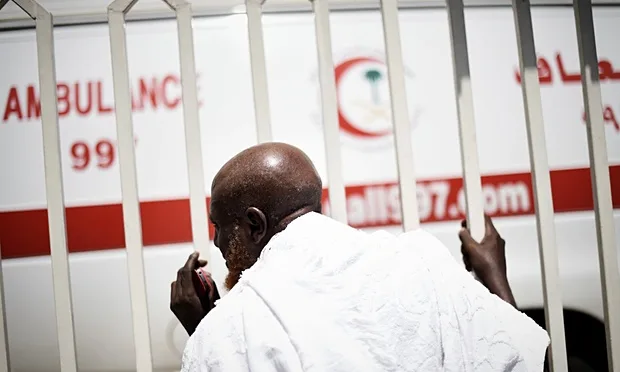
حادثة التدافع بمِنى اختبار صعب للنظام السعودي

الغارديان
الغارديان Published 28 September ,2015
Share
a-muslim-pilgrim-searches-009

ترجمة وتحرير نون بوست

عندما بسطت قوات ابن سعود سيطرتها على مكة المكرمة في عام 1924، أصدر ابن سعود إعلانًا مدويًا تعهد فيه بتوفير الرعاية الملائمة للأماكن المقدسة وتحسين ظروف الحجاج، وهي الظروف التي تدهورت في ظل وصاية الحكام الهاشميين الأردنيين في السابق، وهذا الواجب الذي افترضه ورتبه ابن سعود على نفسه، لم يلقَ قبولًا تامًا أو واضحًا في جميع أنحاء العالم الإسلامي، رغم جميع المؤتمرات التي انتزعت القبول المتردد من ممثلي بعض البلدان، ورغم ذلك، أصبحت رعاية السعودية للأماكن المقدسة، ولا تزال، أهم مصدرًا لشرعية الدولة السعودية التي تعصف بها داخليًا الانقسامات السياسية والدينية، والتي لا تتمتع بأي شعبية في المنطقة، حيث تحوز معظم الأنظمة فيها وجهات نظر متباينة للغاية عن وجهة النظر السائدة في الرياض، ولكن على أرض الواقع، أصبحت الوصاية الفعلية على الأماكن المقدسة إحدى الركيزتين الأساسيتين اللتين حافظتا على تماسك الدولة السعودية غير المعهودة في الظروف التي تكتنفها وتحيط بها، حيث تمثلت الركيزة الثانية باحتياطيات النفط الهائلة التي تم اكتشافها ضمن أراضي المملكة بعد فترة وجيزة.

لهذا السبب كارثة الأسبوع الماضي التي حصلت في وادي منى بالقرب من مكة المكرمة، والتي راح ضحيتها حوالي الـ1000 حاج، تعتبر أكثر من مأساة بالنسبة للمملكة السعودية، فضلًا عن كونها تمثل بالتأكيد حدثًا سياسيًا قد يكون له تداعيات هائلة، كما أن هذه الكارثة هي ليست الأولى من نوعها، حيث حصل حادث مشابه، ولكن على نطاق أصغر، في عام 2006، كما حصلت حادثة أسوأ في عام 1990.

حادث هذا العام المروع جاء في أعقاب حادث آخر وقع في وقت سابق من الشهر الحالي، عندما سقطت رافعة على المصلين في المسجد الحرام، مودية بحياة أكثر من 70 شخصًا؛ لذا فإن هذه المأساة سوف تؤدي إلى إثارة البعض لمسألة ما إذا كانت المملكة العربية السعودية، بالمعنى التقني، دولة حديثة قادرة على استخدام ثروتها لضمان سلامة وكفاءة مراسم الحج، أو ما إذا كان الاختلال الوظيفي الذي تعاني منه هائل لدرجة يصبح معها الخطأ وسوء التقدير أمران لا مفر منهما، وهذا هو بالتأكيد الاتهام الذي توجهه المنافس الرئيسي، إيران، للمملكة العربية السعودية.

وفي هذا السياق، طالب القائد الأعلى في إيران، آية الله علي خامنئي، المملكة العربية السعودية بإصدار اعتذار رسمي عن الوفيات الحاصلة في حادثة التدافع، وذلك إبان خطاب الرئيس حسن روحاني في الأمم المتحدة الذي دعا فيه لإجراء تحقيق واسع النطاق بالحادثة، ورغم تعهد السلطات السعودية بفتح تحقيق بالموضوع، ولكن من المرجح أن يرفض الإيرانيون نتائج هذه التحقيقات بشكل تام بشبهة احتمالات التحيز التي قد تشوبها.

الغضب الإيراني حول حادثة التدافع قد يكون مفهومًا، خاصة في ظل فقدانها لحوالي 140 مواطنًا على الأقل ضمن الحادثة، ولكن الأمر المثير للاهتمام، هو استغلال طهران لهذه المأساة كوسيلة لتقويض منافستها الإقليمية؛ فالسعودية وإيران كانتا على خلاف منذ سنوات، والحرب الأهلية السورية، بالإضافة إلى التدخل السعودي في اليمن، ساعدتا على صقل هذه المواجهة وتصعيدها، رغم وجود بعض العلامات العرضية على إعادة النظر في العلاقات بين طهران والرياض، متمثلة ببعض الاتصالات الدبلوماسية التي طفقت بين مد وجزر في الشهر الماضي، ولكن بشكل عام، لم يتغير النمط الأساسي لتوتر هذه العلاقة.

نظرة موضوعية لكلا البلدين، قادرة على أن توضح بأن كلًا من السعودية وإيران لا تمتلكان الوسائل ولا المؤهلات اللازمة للهيمنة على المنطقة؛ فمنبع عدم القدرة الإيرانية يتأتى من كونها شيعية، مما يعني اختلافها العرقي والمذهبي والديني عن الأغلبية العربية السنية التي تقطن الجزء الأوسط من منطقة الشرق الأوسط، أما عدم القدرة السعودية فتنبع من مواقفها الهامشية وقلة عدد سكانها، وبعبارة أخرى، الجائزة التي يتنازع الطرفان لاغتنامها بعيدة عن متناول كليهما، ومع ذلك لا يبدو أن هذا الأمر يردعهما عن المحاولة.

من هذا المنطلق، يمكن رؤية هذا النزاع على أنه الملاذ الأخير لبقاء كلا النظامين على المدى الطويل؛ فإيران لديها بالتأكيد نقاط ضعفها، ولكنها تتمتع بقدر معين من الاستقرار الداخلي، كما أنها وفي عهد الرئيس المعتدل نسبيًا، روحاني، كانت أكثر نجاحًا في سورية من المملكة العربية السعودية، فضلًا عن أن الاتفاق النووي الأخير عزز من موقفها.

أما بالنسبة للسعودية، فإنها تعاني من مشاكل أعمق؛ فهبوط أسعار النفط يصعّب من مهمتها في استمالة وشراء ذمم السخط والتبرم السياسي، كما أن الطبقة الأميرية ترامت أطرافها وأصبحت كبيرة للغاية بشكل لم يعد من الممكن معه إدارتها والمحافظة عليها بذات الطرق والأساليب المعتادة، فضلًا عن أن الطبقات المتوسطة والفقيرة لم يعد من الممكن استرضائها إلى أجل غير مسمى بمزيد من الدعم من دولة الرفاه، زد على ذلك بأن التدخل السعودي في اليمن كان تصرفًا يفتقر إلى الحكمة وبعد النظر السياسي، حيث تشير الأدلة إلى أنه على الرغم من أن اتهامات ارتكاب جرائم حرب في اليمن يصعب إثباتها حتى الآن رسميًا، ولكن من المثبت وجود استهتار سعودي واضح بسقوط ضحايا من المدنيين في الحرب، وحتى في حال نجاح التدخل السعودي في نهاية المطاف، فإن هذا النجاح سيثقل كاهل الرياض بمهمة إدارة اليمن وإعادة إعمارها المكلفة، والتي قد تطول وتمتد لسنوات كثيرة مقبلة.

تبعًا لما تقدم، تصبح كفاءة الرجال المكلفين بإدارة المناصب العليا في الدولة السعودية مسألة حاسمة، ففي ظل الشائعات التي تتحدث عن عجز ومرض الملك سلمان، وضعف موقف ولي العهد، الأمير محمد بن نايف، إبان حادثة التدافع بمنى، كونه كان مسؤولًا عن سلامة مراسم الحج، فضلًا عن طموحات وأسلوب الأمير محمد بن سلمان، ولي ولي العهد، والمحرك الرئيسي لمغامرة اليمن، كل ذلك أدى، حسب بعض التقارير، إلى اندلاع انتقادات داخل العائلة المالكة، وتحرك الشكوك حول ترتيب خلافة العهد، وهو الأمر الذي يجب أن يكون مضمونًا نتيجة لتطلب توافق الآراء حول خلافة العهد ضمن العائلة المالكة.

أخيرًا، مدى الضغط الذي يخضع له النظام السعودي نتيجة للحادثة الأخيرة يبقى أمرًا يصعب تخمينه، نظرًا للغموض الذي يكتنف هذا النظام، ولكن الأمر المؤكد هو أن وقوع حادث من هذا النوع، في سياق الصعوبات الأخرى التي ترزح تحت وطأتها البلاد، يجب أن يجلب معه بعض الأسئلة والتساؤلات الخطيرة للغاية.

المصدر: الجارديان

TAGGED: الأماكن المقدسة ، الحج ، السياسة السعودية ، العائلة السعودية المالكة ، العلاقات الإيرانية السعودية
TAGGED: الحج 1436
Download this article as PDF
Share this Article
Facebook Twitter Whatsapp Whatsapp Telegram Email Copy Link
الغارديان
By الغارديان تقارير صحيفة الغارديان البريطانية
Follow:
Next Article نون بوست The Stigma of “ISIS”: A Heavy Legacy Haunting Women and Children of Former Members

Read More

  • U.S. Regime‑Change Policies: Why They Are Destined to Fail U.S. Regime‑Change Policies: Why They Are Destined to Fail
  • The Gulf’s Balancing Act: Iran, Israel, and Hidden Links
  • Iraq–Turkey Oil Export Treaty: Why Did Ankara Cancel It After 52 Years?
  • Syria’s Northeast on Edge: QSD Between Ankara and Damascus
  • Has Europe Changed Its Stance on Israel… or Just Its Language?
part of the design
NoonPost Weekly Newsletter
dark

An independent media platform founded in 2013, rooted in slow journalism, producing in-depth reports, analysis, and multimedia content to offer deeper perspectives on the news, led by a diverse young team from several Arab countries.

  • Politics
  • Society
  • Rights & Liberties
  • Opinions
  • History
  • Sports
  • Education
  • Technology
  • Economy
  • Media
  • Arts & Literature
  • Entrepreneurship
  • Travel
  • Cinema & Drama
  • Food
  • Health
  • Culture
  • Latest Reports
  • Files
  • Long Reads
  • Interviews
  • Podcast
  • Interactive
  • Encyclopedia
  • In Pictures
  • About Us
  • Our Writers
  • Write for Us
  • Editorial Policy
  • Advanced Search
Some rights reserved under a Creative Commons license

Removed from favorites

Undo
Go to mobile version