NoonPost NoonPost

NoonPost

  • Home
  • Politics
  • Economy
  • Society
  • Culture
  • Files
  • Long Reads
  • Podcast
AR
Notification Show More
نون بوست
“There Are Nights I Can’t Close My Eyes”: How Gazans Are Living in Homes on the Brink of Collapse
نون بوست
From al-Jolani to Ahmad al-Shara: The Evolution of Syria’s New Leader
نون بوست
When Political Islam Receded in Egypt: Who Filled the Void?
نون بوست
An Extension of Genocide: Gaza’s Detainees Speak Out
نون بوست
A Tightrope Between Survival and Sovereignty: The Syrian Government Faces Normalization Pressures
نون بوست
American Aircraft Carriers: Has the Era of “100,000 Tons of Diplomacy” Ended?
نون بوست
U.S. Regime‑Change Policies: Why They Are Destined to Fail
نون بوست
Transformations of Israeli Judaism: Between the Victim Complex and the Colonizer’s Doctrine
نون بوست
The Gulf’s Balancing Act: Iran, Israel, and Hidden Links
نون بوست
Iraq–Turkey Oil Export Treaty: Why Did Ankara Cancel It After 52 Years?
نون بوست
Syria’s Northeast on Edge: QSD Between Ankara and Damascus
نون بوست
Has Europe Changed Its Stance on Israel… or Just Its Language?
NoonPost NoonPost
AR
Notification Show More
نون بوست
“There Are Nights I Can’t Close My Eyes”: How Gazans Are Living in Homes on the Brink of Collapse
نون بوست
From al-Jolani to Ahmad al-Shara: The Evolution of Syria’s New Leader
نون بوست
When Political Islam Receded in Egypt: Who Filled the Void?
نون بوست
An Extension of Genocide: Gaza’s Detainees Speak Out
نون بوست
A Tightrope Between Survival and Sovereignty: The Syrian Government Faces Normalization Pressures
نون بوست
American Aircraft Carriers: Has the Era of “100,000 Tons of Diplomacy” Ended?
نون بوست
U.S. Regime‑Change Policies: Why They Are Destined to Fail
نون بوست
Transformations of Israeli Judaism: Between the Victim Complex and the Colonizer’s Doctrine
نون بوست
The Gulf’s Balancing Act: Iran, Israel, and Hidden Links
نون بوست
Iraq–Turkey Oil Export Treaty: Why Did Ankara Cancel It After 52 Years?
نون بوست
Syria’s Northeast on Edge: QSD Between Ankara and Damascus
نون بوست
Has Europe Changed Its Stance on Israel… or Just Its Language?
Follow US

Sudan’s War Tests Europe’s Values: Will Principles Prevail Over Politics?

عماد عنان
Emad Anan Published 26 March ,2026
Share
نون بوست
نون بوست

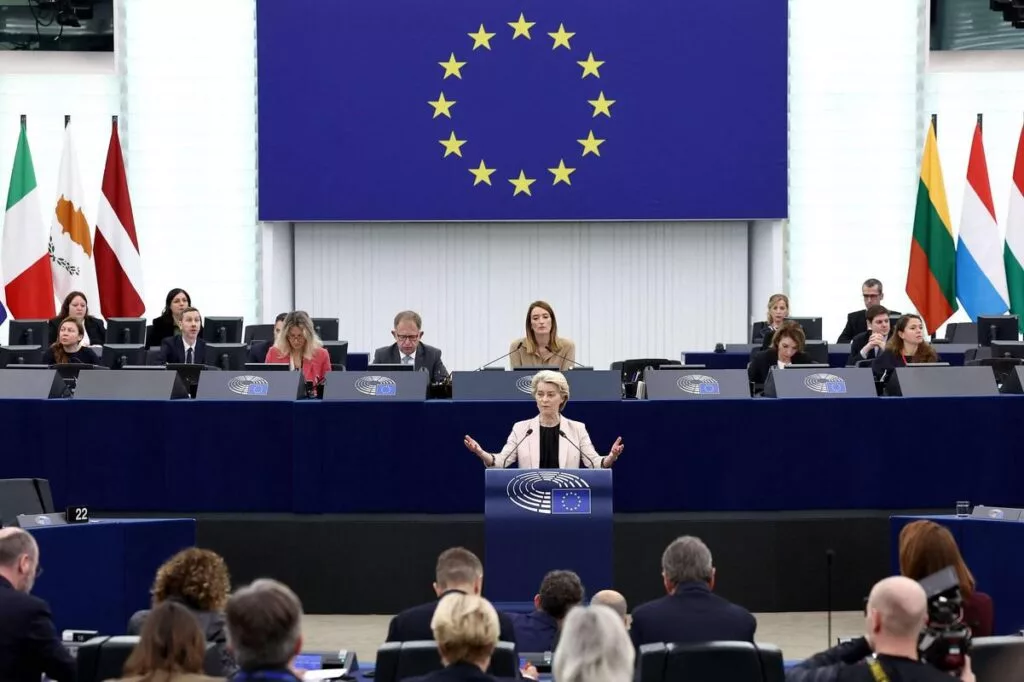
On November 27, 2025, the European Parliament issued a strongly worded resolution condemning the violence perpetrated by both sides of the conflict in Sudan the Sudanese Armed Forces and the Rapid Support Forces (RSF).

Analysts have described the resolution as a critical turning point in Europe’s handling of the Sudanese crisis.

With overwhelming support 503 votes in favor, 32 against, and 52 abstentions—the resolution employed unprecedented language, stating that the indiscriminate attacks on civilians, ethnic targeting, sexual violence, torture, child soldier recruitment, assaults on hospitals and humanitarian infrastructure, and deliberate starvation of civilians could amount to genocide.

Observers say the tone of the resolution marks a qualitative shift in the European stance, moving Brussels beyond conventional statements and diplomatic condemnation toward a firmer, more consequential approach.

This shift raises key questions: Does Europe see in Sudan a chance to reclaim its waning influence in Africa? And can it leverage this political pivot to reassert its relevance amid intensifying regional and global competition?

Cautious Diplomacy and Cold Neutrality

Since the war broke out in Sudan, the European Union has taken a cautious approach, maintaining equal distance from both warring parties. Its rhetoric has remained conventional expressing concern, condemning violence, and emphasizing the protection of civilians and support for ceasefire efforts and humanitarian aid.

Although Brussels’ tone began to shift in 2023 particularly after it labeled the conflict a civil war Europe’s role remained confined to limited diplomatic tools, repeatedly stressing a political solution and a return to the civilian-led path that the EU had warned was unraveling following the 2022 coup.

As abuses escalated through 2023 and 2024, European discourse hardened somewhat. Sanctions were issued against senior figures in both the army and the RSF, drawing on European and international human rights reports that placed criminal responsibility on both sides.

Nevertheless, this tougher stance remained bound by the framework of “neutrality,” despite repeated Sudanese appeals for Brussels to take a clearer position especially after the fall of El Fasher and the atrocities reportedly committed by RSF forces.

While Sudanese officials and rights groups urged the EU to name foreign backers chief among them the UAE the EU refrained from naming sensitive regional actors, opting instead to condemn violations without fully identifying the perpetrators.

This reluctance, coupled with deeper engagement in trade talks with Abu Dhabi, raised questions about the consistency of Europe’s approach. It also prompted voices within the European Parliament and rights circles to call for a firmer position one that restores the EU’s moral authority and bolsters its influence over the Sudanese crisis.

A Notable Shift in Rhetoric

Analysts agree that this recent EU statement, along with parliamentary debates surrounding it, marks a significant departure in tone and substance. It reflects a shift in the European political mood regarding the Sudanese conflict, particularly in response to RSF actions in Darfur, which have drawn widespread domestic and international condemnation.

The statement’s detailed language pointed to a pattern of organized violence, including mass killings, ethnic targeting, the use of sexual violence to terrorize communities, and obstruction of humanitarian aid.

This has moved Brussels from a language of concern to terminology closer to war crimes and crimes against humanity a transformation that underscores a deeper awareness of the crisis’s implications for the international order and civilian protection.

The European Parliament expressed grave concern over the rapidly deteriorating humanitarian situation, noting that famine has become a reality in some areas and that Sudan is experiencing one of the world’s worst humanitarian disasters.

It urged all warring parties to end the use of starvation and sexual violence as weapons of war, ensure unimpeded aid delivery, and prioritize the protection of women and girls.

The Parliament also called on external actors to comply with the UN arms embargo, viewing this as essential to de-escalating the conflict. Politically, it reaffirmed its support for Sudan’s sovereignty, territorial integrity, and the legitimacy of the civilian government in Khartoum, rejecting any attempts to establish parallel authorities in RSF-controlled areas.

Responsibility for ending the war, it stated, lies primarily with RSF and army leaders and their allied militias, along with their backers who must bear full accountability for the ongoing crisis and its humanitarian and security consequences.

UAE’s Role Omitted, Raising Eyebrows

Despite the resolution’s strong language on the Sudan war, its failure to mention the United Arab Emirates widely accused of funding and arming the RSF created a conspicuous gap that sparked widespread scrutiny.

The Sudanese government has formally accused Abu Dhabi at the UN Security Council of complicity in genocide, and a growing body of evidence points to the UAE’s direct involvement in fueling the conflict.

Many have interpreted the EU’s silence as a reflection of political and economic calculations. Politico reported that Abu Dhabi exerted significant pressure within the European Parliament ahead of the vote, seeking to soften the resolution and prevent explicit references to its role.

According to the report, the UAE delegation held multiple meetings in Strasbourg to promote its purported “constructive” role in Sudan despite mounting evidence of its support for RSF forces implicated in mass killings, sexual violence, and severe human rights abuses.

Although the final resolution called for punishing militias and “external funders,” it stopped short of naming names. Prominent EU lawmakers reportedly told the UAE delegation that they possessed information implicating Abu Dhabi in fueling the war.

Still, the resolution merely cited the UAE as a participant in regional mediation not as a party aggravating the conflict.

This scene unfolds at a sensitive moment in EU-UAE relations, with Brussels pushing for an ambitious free trade agreement with Abu Dhabi. Observers and human rights advocates have described the UAE’s efforts as an attempt to “contain the damage” and preempt a more explicit EU stance on its role in Sudan.

Some analysts argue that the Sudan war offers Europe a rare opportunity to regain influence in Africa, following its setbacks in the Sahel and the Horn of Africa amid rising competition from rival powers.

Across Europe, calls are growing for deeper engagement in Sudan, viewing it as a potential entry point to rebuild regional clout. Yet, this approach places Brussels in a delicate position.

On one hand, domestic political and rights-based pressure is mounting for a stronger stance on the violations supported by credible reports and testimonies calling for independent accountability mechanisms, sanctions, and tighter arms controls.

These demands position human rights as a central component of European influence.

On the other hand, regional and geopolitical dynamics impose constraints. Europe maintains complex ties with key players in the conflict foremost among them the UAE making it difficult to adopt a confrontational posture without jeopardizing strategic interests.

A Moment to Seize?

Despite criticism of the EU’s latest statement particularly its failure to openly condemn the UAE observers believe the window of opportunity remains open for Europe to restore its African influence and repair its moral credibility, which has been damaged by its ambiguous stance on the Gaza war.

Maintaining neutrality amid such severe violations not only weakens European impact but also reinforces the perception that Brussels has lost the ethical compass it once claimed creating a vacuum for other powers to fill.

Should Europe cling to traditional diplomacy and equal distance from both parties, it risks complete exclusion from the Sudanese equation and more broadly, from African geopolitics for decades to come.

But a pivot toward effective pressure tools, clear accountability paths, and an unequivocal stance aligned with international law naming violators without hesitation could open a new chapter for Europe in crisis management and reassert Brussels’ role as a credible mediator.

Caught between a bold moral stance and a return to tactical balancing, Europe now faces a critical test: Will it rediscover its principled compass and turn Sudan’s tragedy into a moment of renewed relevance? Or will it fall once again into the trap of narrow calculations, leaving the stage to rising global powers?

Download this article as PDF
Share this Article
Facebook Twitter Whatsapp Whatsapp Telegram Email Copy Link
عماد عنان
By عماد عنان كاتب صحفي وباحث في الإعلام الدولي
Follow:
Previous Article نون بوست Beit Jinn… A Testing Ground for Netanyahu’s Policies
Next Article نون بوست How Did Qatar and Turkey Navigate the “Deterrence of Aggression” Operation?

Read More

  • U.S. Regime‑Change Policies: Why They Are Destined to Fail U.S. Regime‑Change Policies: Why They Are Destined to Fail
  • The Gulf’s Balancing Act: Iran, Israel, and Hidden Links
  • Iraq–Turkey Oil Export Treaty: Why Did Ankara Cancel It After 52 Years?
  • Syria’s Northeast on Edge: QSD Between Ankara and Damascus
  • Has Europe Changed Its Stance on Israel… or Just Its Language?
part of the design
NoonPost Weekly Newsletter

You May Also Like

U.S. Regime‑Change Policies: Why They Are Destined to Fail

U.S. Regime‑Change Policies: Why They Are Destined to Fail

إسراء سيد Esraa sayed 8 April ,2026
The Gulf’s Balancing Act: Iran, Israel, and Hidden Links

The Gulf’s Balancing Act: Iran, Israel, and Hidden Links

فريق التحرير Noon Post 8 April ,2026
Iraq–Turkey Oil Export Treaty: Why Did Ankara Cancel It After 52 Years?

Iraq–Turkey Oil Export Treaty: Why Did Ankara Cancel It After 52 Years?

فريق التحرير Noon Post 8 April ,2026

السعودية: موجة من الغضب بعد تعرض ذوي الاحتياجات الخاصة للعنف الجسدي

فريق التحرير
Noon Post Published 30 September ,2015
Share
alshrouq-2798-1

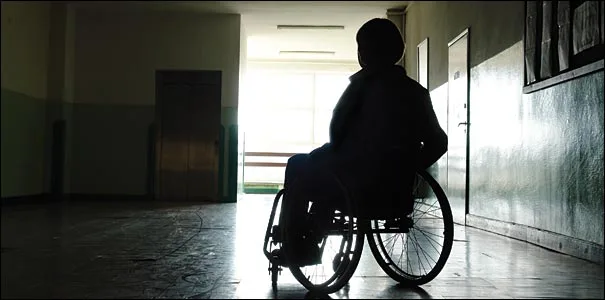
مجددًا تعود قضايا العنف ضد ذوي الاحتياجات الخاصة لتتصدر مواقع التواصل الاجتماعي في السعودية، حيث تعرض الشاب سلطان الشهري 18 عامًا، الذي يعاني من تخلف عقلي ويتلقى العلاج في مركز التأهيل الشامل بجدة لعنف جسدي على يد اثنين من العمالة الأسيوية – حسب تحقيقات المركز – ما دفع والده لتقديم بلاغ رسمي لشرطة الكندرة، ضد إدارة المركز.

وفي تصريح لصحيفة عاجل السعودية وقال والد الشاب، إنه جزع عند زيارة ابنه، الأحد 27 سبتمبر 2015، بعدما شاهد آثار العنف الجسدي على أنحاء متفرقة من جسد نجله سلطان، وذكر بأنه حاول استيضاح أسباب الواقعة من موظفي المركز، لكنه لم يجد إجابة شافية، الأمر الذي دعاه لاصطحاب ابنه المعنف لقسم الشرطة، حيث طالب بتقرير طبي لإثبات الواقعة.

وأكد التقرير الطبي الصادر عن مستشفى الملك عبدالعزيز بجدة، تعرض الضحية لكدمات وخدوش في الوجه مع تورم وخدوش متعمقة وتجمعات دموية، وتمت إضافته لملف التحقيق، تمهيدًا للقبض على المتسببين.

وكانت إدارة مركز التأهيل قد أجرت تحقيقًا داخليًّا لمعرفة ملابسات الواقعة، حيث وجهت التهمة لاثنين من العمالة الأسيوية، لكنها لم تعتدّ بكاميرات المراقبة بحجة عدم وضوح الصورة.

وبيّن “الشهري” أن المعلومات المتداولة داخل مركز التأهيل تؤكد أن حادثة العنف لم تكن الأولى، حيث سبقتها 3 قضايا، آخرها تعرض شابّ للضرب وكسر في اليد داخل دورة المياه.

وعزا موظفو المركز تزايد حالات العنف إلى الشركة الجديدة التي تم التعاقد معها مؤخرًا.

وطالب الشهري وزير الشؤون الاجتماعية، ماجد القصبي، بإجراء تحقيق عاجل ومعاقبة المتسبب، مع ضرورة اتخاذ الإجراءات الرادعة التي تمنع تكرار الواقعة.

المغردون عبروا عن غضبهم تحت هاشتاج  #سلطان_ضحية_تعذيب_مركز_تأهيل_جدة، حيث أشار بعض القانونين أن الحادثة لن تكون الأخيرة مالم يحال المسؤول  للمحاسية كمتسبب، البعض طالب بتأهيل مراكز التأهيل حتى تتمكن أن تتعامل مع ذوى الاحتياجات بنجاح، منوهين أن الإهمال وعدم مراقبة سير العمل وآداء الموظفين هو الذي أدى إلى تفاقم هذه الأزمة، كما استنكروا صمت وزير الشؤون الاجتماعية مطالبينه باتخاذ موقفًا حازمًا لاسيما أن القضية أصبحت رأي عام لا يمكن تجاهلها، أو التعذر بعدم العلم عنها.

أبو مهند يطرح عدة تساؤلات، إذ يقول:

أين كاميرات المراقبة ؟؟
أين المراقبين وين مشرفين العماله
أين مراقب الكاميرات
أين الادارة!!!#سلطان_ضحية_تعذيب_مركز_تأهيل_جدة

— أبو مهند♿ (@abumohandfahad) September 29, 2015

كما يصف مراكز التأهيل بـالقنبلة الموقوتة:

مراكز التأهيل قنابل موقوته في جميع المناطق
والخافي أعظم
في ظل تشعب ادوار الوزارة ونسيان ذوي الإعاقة #سلطان_ضحية_تعذيب_مركز_تأهيل_جدة

— أبو مهند♿ (@abumohandfahad) September 29, 2015

معلم التربية الخاصة، مانع اليامي يؤكد بأن موظفي مراكز التأهيل يحتاجون إلى تأهيل:

الظاهر مراكز التأهيل اصبحت تحت رعاية الاجانب… موظفي مراكز التأهيل بحاجة الى تأهيل #سلطان_ضحية_تعذيب_مركز_تأهيل_جدة

— Mana6 (@manamahdi) September 28, 2015

القانونية ولاء العطاس تشير إلى أن مثل هذه الحوادث يجب أن تقيل المسؤلين من العامل إلى المدير:

مثل هذا ينبغي ان يقيل سلسلة المسؤلين من العامل الى المدير! ولن يحصل سوى ترحيل العامل وإحضار اخر مثله! #سلطان_ضحية_تعذيب_مركز_تأهيل_جدة

— Walaa A.Alattas (@walaaattas) September 28, 2015

المغردة كيان حر، توجه انتقادًا إلى وزير الشؤون الاجتماعية ماجد عبد الله القصبي، فتقول:

#سلطان_ضحية_تعذيب_مركز_تأهيل_جدة
والله ستسائل عنهم يوم الدين بين يدي العادل المنتقم لهم من كل ظالم امثالك لاتأمن الدنياوالخلود @malkassabi

— Aisha ?? (@shodyy511) September 29, 2015

كما تطالبه المغردة سديم بالتفاعل والإحساس بالمسؤولية:

@malkassabi
تفاعل حس !!
شاب معاق تعرض للتعذيب في مركز تأهيل جدة على يد عمالة آسيوية.#سلطان_ضحية_تعذيب_مركز_تأهيل_جدة pic.twitter.com/6eHGXNsHEM

— سديم #تطوع (@sadeempoet) September 29, 2015

عبد الله الرتوعوي يؤكد بأنها لن تكون الأخيرة، كما ينوه بأن مراكز التأهيل أصبحت كارثية:

#سلطان_ضحية_تعذيب_مركز_تأهيل_جدة
ليست المرة الأولى ولا الثانية ولا حتى العاشرة، مراكز التأهيل ودور الرعاية تمثل كارثة حقيقية لدينا

— عبدالله الرتوعي (@AAlratoee) September 29, 2015

ويضيف بالقول:

لا يوجد برامج دمج جيدة للمعاقين ولا يوجد مراكز تربية فكرية جيدة والكارثة أنه لا يوجد خطة لمعالجة هذا الوضع!

— عبدالله الرتوعي (@AAlratoee) September 29, 2015

متى تنتهي هذه المعاناة؟  تتساءل لمياء أبو الجدايل وتقول:

في حين ينتقد فيصل الواصل إهمال وزارة الشؤون الاجتماعية، مؤكدًا أن تحركاتها مجرد ردة فعل:

#سلطان_ضحية_تعذيب_مركز_تأهيل_جدة
معظم الوزارات وبالأخص الشؤون الاجتماعية، لا تتحرك إلا كردّات فعل، أما الرقابة والتحركات الاستباقية فلا.

— فيصل بن عبد الرحمن الواصل ⚖ (@Faisal_ALWasel) September 28, 2015

القانوني صنهات السهلي، يؤكد أن إحالة مدراء هذه المراكز كمتسببين وليس كمباشرين للواقعة سيساهم في إيقاف هذه الممارسات:

لن تقف مثل هذه الممارسات الا بإحالة كل رئيس مركز تقع عنده مثل هذه الواقعة للشرع كمتسبب وليس كمباشر للواقعة #سلطان_ضحية_تعذيب_مركز_تأهيل_جدة

— المحامي صنهات السهلي (@sunhatm) September 29, 2015

يذكر أنه قبل عدة أشهر لقى الشاب “عبد الله المالكي” حتفه إثر تعرضه للضرب والخنق على يد أحد عمال المركز بحسب ما صرحت والدته، حيث اتهمت مركز التأهيل الشامل في الطائف بالتسبب في وفاة ولدها المعاق (49 عامًا)، واتهمت الأم المركز بضرب ابنها أكثر من مرة، لدرجة تعرضه في أوقات سابقة لكسر في يده وأسنانه، كما تعرض لجروح في الرأس استلزمت خياطتها بتسع غرز، كما تعرض لسوء تغذية.

TAGGED: ذوو الاحتياجات الخاصة ، مراكز التأهيل في السعودية
TAGGED: الإصلاح في السعودية
Download this article as PDF
Share this Article
Facebook Twitter Whatsapp Whatsapp Telegram Email Copy Link
فريق التحرير
By فريق التحرير تقارير يعدها فريق تحرير نون بوست.
Follow:
Next Article نون بوست The Stigma of “ISIS”: A Heavy Legacy Haunting Women and Children of Former Members

Read More

  • U.S. Regime‑Change Policies: Why They Are Destined to Fail U.S. Regime‑Change Policies: Why They Are Destined to Fail
  • The Gulf’s Balancing Act: Iran, Israel, and Hidden Links
  • Iraq–Turkey Oil Export Treaty: Why Did Ankara Cancel It After 52 Years?
  • Syria’s Northeast on Edge: QSD Between Ankara and Damascus
  • Has Europe Changed Its Stance on Israel… or Just Its Language?
part of the design
NoonPost Weekly Newsletter
dark

An independent media platform founded in 2013, rooted in slow journalism, producing in-depth reports, analysis, and multimedia content to offer deeper perspectives on the news, led by a diverse young team from several Arab countries.

  • Politics
  • Society
  • Rights & Liberties
  • Opinions
  • History
  • Sports
  • Education
  • Technology
  • Economy
  • Media
  • Arts & Literature
  • Entrepreneurship
  • Travel
  • Cinema & Drama
  • Food
  • Health
  • Culture
  • Latest Reports
  • Files
  • Long Reads
  • Interviews
  • Podcast
  • Interactive
  • Encyclopedia
  • In Pictures
  • About Us
  • Our Writers
  • Write for Us
  • Editorial Policy
  • Advanced Search
Some rights reserved under a Creative Commons license

Removed from favorites

Undo
Go to mobile version