NoonPost NoonPost

NoonPost

  • Home
  • Politics
  • Economy
  • Society
  • Culture
  • Files
  • Long Reads
  • Podcast
AR
Notification Show More
نون بوست
“There Are Nights I Can’t Close My Eyes”: How Gazans Are Living in Homes on the Brink of Collapse
نون بوست
From al-Jolani to Ahmad al-Shara: The Evolution of Syria’s New Leader
نون بوست
When Political Islam Receded in Egypt: Who Filled the Void?
نون بوست
An Extension of Genocide: Gaza’s Detainees Speak Out
نون بوست
A Tightrope Between Survival and Sovereignty: The Syrian Government Faces Normalization Pressures
نون بوست
American Aircraft Carriers: Has the Era of “100,000 Tons of Diplomacy” Ended?
نون بوست
U.S. Regime‑Change Policies: Why They Are Destined to Fail
نون بوست
Transformations of Israeli Judaism: Between the Victim Complex and the Colonizer’s Doctrine
نون بوست
The Gulf’s Balancing Act: Iran, Israel, and Hidden Links
نون بوست
Iraq–Turkey Oil Export Treaty: Why Did Ankara Cancel It After 52 Years?
نون بوست
Syria’s Northeast on Edge: QSD Between Ankara and Damascus
نون بوست
Has Europe Changed Its Stance on Israel… or Just Its Language?
NoonPost NoonPost
AR
Notification Show More
نون بوست
“There Are Nights I Can’t Close My Eyes”: How Gazans Are Living in Homes on the Brink of Collapse
نون بوست
From al-Jolani to Ahmad al-Shara: The Evolution of Syria’s New Leader
نون بوست
When Political Islam Receded in Egypt: Who Filled the Void?
نون بوست
An Extension of Genocide: Gaza’s Detainees Speak Out
نون بوست
A Tightrope Between Survival and Sovereignty: The Syrian Government Faces Normalization Pressures
نون بوست
American Aircraft Carriers: Has the Era of “100,000 Tons of Diplomacy” Ended?
نون بوست
U.S. Regime‑Change Policies: Why They Are Destined to Fail
نون بوست
Transformations of Israeli Judaism: Between the Victim Complex and the Colonizer’s Doctrine
نون بوست
The Gulf’s Balancing Act: Iran, Israel, and Hidden Links
نون بوست
Iraq–Turkey Oil Export Treaty: Why Did Ankara Cancel It After 52 Years?
نون بوست
Syria’s Northeast on Edge: QSD Between Ankara and Damascus
نون بوست
Has Europe Changed Its Stance on Israel… or Just Its Language?
Follow US

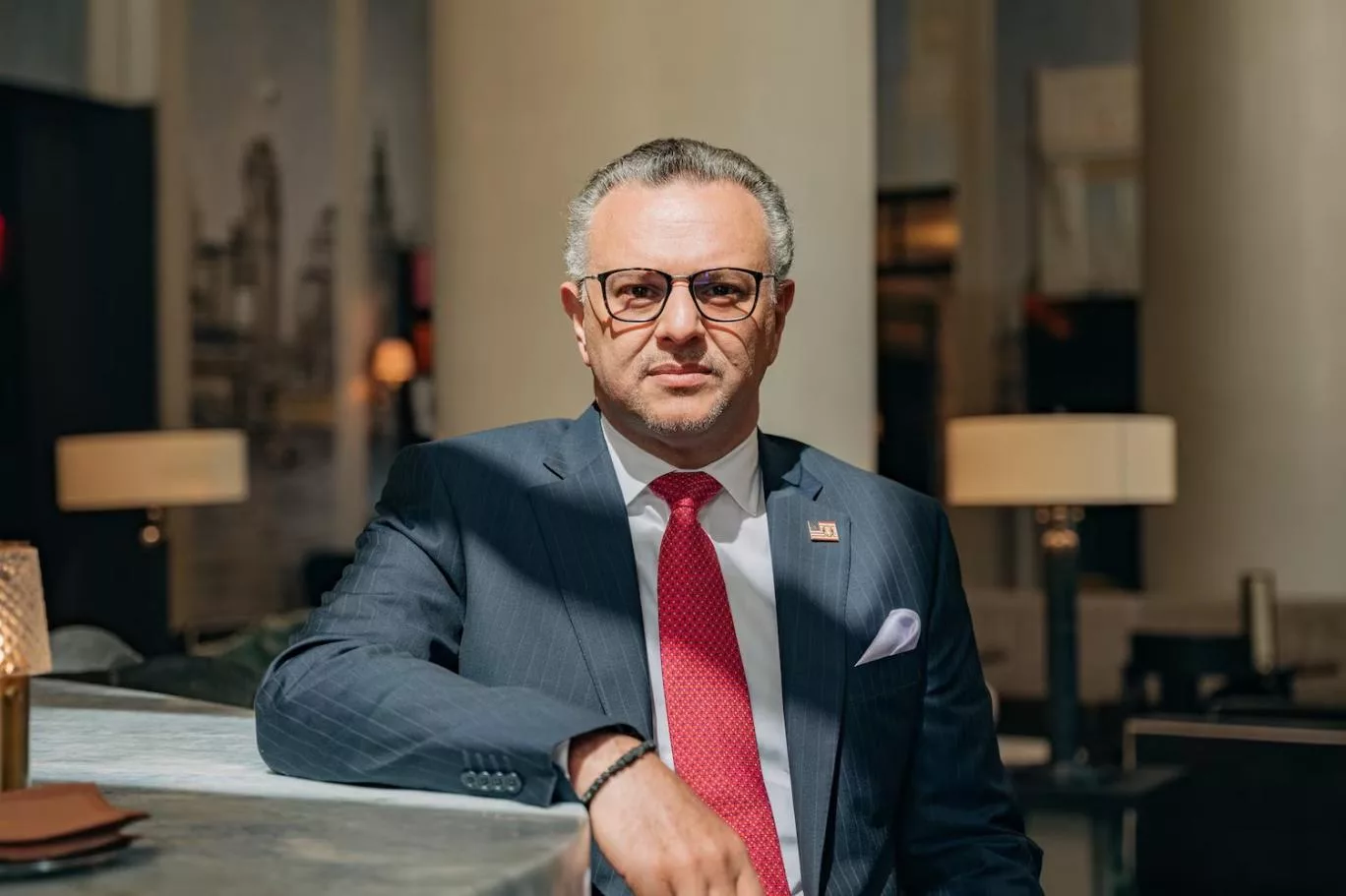
Masaad Boulos and His Suspended Political Role

أحمد الطناني
Ahmad Tanani Published 26 March ,2026
Share
نون بوست
نون بوست

While the administration of U.S. President Donald Trump seeks to grasp the threads of the Sudanese crisis and contain the spiral of fighting that culminated in the tragedy at Al‑Fasher, the name Masaad Boulos has resurfaced at the forefront as one of the key officials reportedly involved with the matter.

The man who officially holds the position of U.S. Special Envoy for African Affairs known as a Lebanese businessman and the president’s son‑in‑law has once again found himself at the heart of a deeply complex political scene, where African maps intersect with the delicate balances of the Middle East.

It was expected that Boulos would advance to the forefront of decision‑making on Middle Eastern issues upon Trump’s return to the White House especially after being promoted in the early days as “the President’s senior advisor on the Middle East.”

Yet despite retaining this ceremonial designation, the reality within the administration showed that the actual role in Middle Eastern files went to Steve Witkoff a move that seemed to respond to Israeli anxieties that Boulos’s Arab background might influence his handling of the occupation‑related dossiers.

Despite the high hopes that accompanied his entry into the administration whether from Arab circles that saw in him a potential channel to influence Washington’s policy, or from American quarters that regarded him as a bridge to a more balanced regional understanding his practical presence has remained limited.

Even in Africa, and especially in the Sudan file, which has become a global hotspot, his level of engagement remains below what one would expect from a figure with such political and familial proximity to the center of power.

Nevertheless, Masaad Boulos remains a player under watch: an official of Arab roots, close to the inner circle at the White House, but still operating in a gray zone between the role he was expected to play and the role he actually occupies in waiting for what the next developments in Sudan and the Middle East will reveal.

From Lebanon to the World via the United States

Masaad Boulos traces his roots to the town of Kfar Hata in the Koura district of northern Lebanon, where he was born in 1971 into an Orthodox family whose members played modest roles in Lebanese politics.

Meanwhile, his own family became involved in the public sphere through his father‑in‑law, a prominent backer of the Free Patriotic Movement.

This intricate Lebanese background, coupled with traditions of public affairs, formed the early environment from which Boulos emerged before his life took a completely different trajectory.

As a teenager, Boulos moved to the state of Texas in the United States, where he completed his high school studies and then university, culminating in a law degree from the University of Houston Law Center.

That period he is told by close associates was a pivotal turning point that opened wide doors to business and the political networks he would later approach.

After graduating, Boulos opted to return to the family business. He later became the CEO of SCOA Nigeria, one of West Africa’s largest conglomerates, specializing in the distribution of automobiles and industrial equipment. Economic reports indicate that the value of this conglomerate exceeds one billion dollars — a fact that made Boulos a significant player in the regional economy, and one of those businessmen who bridged Western expertise with African reach.

But his professional career was not only his gateway to prominence; his personal life also expanded across borders. He married Sara Boulos, a well‑known businesswoman and founder of a theatrical arts association in Nigeria, who holds the license for “Cred International Lagos Island.” They have four children.

This blending of Lebanese, Western, and African milieus gave Boulos a vast social and economic network that later enabled him to navigate complex political spheres with confidence. Professor Habib Badawi, a professor of International Relations at the Lebanese University, describes Boulos’s story as an exceptional model of an “immigrant’s success,” noting that his law studies in Houston, followed by his leadership of a major international company, “contributed to refining his ability to negotiate between different cultures” a skill that allowed him to later become a political connector across multiple worlds.

Entangled Political Attempts in the Lebanese Arena

Boulos’s political presence in Lebanon remains one of the most ambiguous aspects of his career, as he has moved on the margins of Lebanese politics without ever settling into a clearly defined position or reflecting a firm alignment with any particular current.

Although his political beginnings were associated with alliances to the Free Patriotic Movement — leveraging family relations and their ties to Nigeria his trajectory later took different turns as the nature of alignments in Beirut evolved.

In an early phase, Boulos attempted to enter the Lebanese Parliament from the Koura constituency, before withdrawing in favor of a slate that included the Free Patriotic Movement a group that represented his interests in Nigeria when he was overseeing the family business there.

Later on, his political compass shifted toward the camp of Sleiman Frangieh, leading him to find himself close to the “Murrada” movement, a Christian ally of Hezbollah.

Despite this history of shifting alliances, Boulos has been careful to present himself as politically non‑partisan, while at the same time maintaining a network of relationships across most of the Christian sectarian spectrum in Lebanon from groups close to Hezbollah to those who oppose it.

His ability to communicate within a deeply divided political environment is viewed as a sign of a flexible character skilled at operating across traditional fault lines.

This duality reflects a capacity to manage complex balances rarely found in figures who do not hold official state positions a blend of family influence, economic reach, and cross‑sectarian relationships.

Thus, Boulos’s political role in Lebanon never crystallized into a clear political project. Instead, it constituted a reservoir of diverse relations that later enabled him to enter U.S. political circles as a figure capable of understanding Lebanese and regional complexities without being fully aligned with any fixed bloc.

An Arab Face within Trump’s Electoral Machine

The name Masaad Boulos first emerged in American politics with the rise of Trump’s campaign, before later becoming one of the most prominent Arab faces within the election team. During the campaign, Boulos assumed a central role in outreach to Arab and Muslim communities in the United States particularly in critical states such as Michigan, which hosts one of the country’s largest Arab‑American populations.

He leveraged his relationships, background, and Eastern culture to build bridges with voters who felt disillusioned by President Biden’s Middle East policies especially those related to Gaza and Lebanon. It became clear that he succeeded in opening a breach within a constituency that had traditionally leaned toward the Democrats, exploiting deep dissatisfaction that the war on Gaza had stirred among the Arab and Muslim communities.

Boulos offered a simplified address directed at the Arab public, and appeared on major Arab TV channels in the United States and beyond to explain Trump’s vision for the region in terms more palatable to Arab sensibilities.

He did not shy away from defending some of the former president’s controversial decisions; on the contrary, he sought to reframe them politically arguing they were “security measures” misunderstood as policies targeting Arabs or Muslims.

As the election approached, Boulos expanded his role to become one of the central faces of the field campaigns in Michigan, participating in direct meetings with community leaders. He traveled with prominent Republican campaign members to Detroit to open channels with groups of Arabs who had long been neglected in GOP campaigns.

In this way, Boulos transformed from a Lebanese businessman turned-successful African and American entrepreneur into one of the most prominent Arab figures in the 2024 elections a feature rarely seen before in Republican campaign teams.

A Family Gateway into the Heart of Trump’s Circle

Before Masaad Boulos emerged as one of the prominent Arab faces in Trump’s electoral machinery, the marital tie was the turning point that redrew his political trajectory within the Trump circle.

His son Michael Boulos met Tiffany Trump the youngest daughter of the President from his second marriage to Marla Maples during a vacation in Mykonos, Greece.

The relationship quickly developed into a betrothal announced during Trump’s first term, specifically from within the Rose Garden at the White House.

In November 2022, the wedding was held at Trump’s Mar-a-Lago resort in Florida, in a ceremony attended by close associates a symbolic moment that marked the transition of the Boulos family from the realm of journalists and businessmen in Africa and Lebanon to the very core of the most powerful political family in the Republican Party. From that moment, Masaad Boulos’s name began to feature prominently in American political backstage not just as a successful businessman but as part of the family itself.

With the approach of the 2024 elections and the consolidation of the familial bond, Boulos appeared at the forefront alongside Trump before the latter announced his appointment as senior advisor for Arab and Middle Eastern affairs.

The official statement did not reference the marriage directly, but it praised Boulos as “a distinguished lawyer and respected deal‑maker, a staunch proponent of peace in the Middle East” language that suggested Trump wanted to present him as an independent political figure, even while everyone recognized that the family tie had opened the door to this extraordinary influence.

Before this appointment, Trump had revealed in a speech at the Detroit Economic Club that his daughter Tiffany was pregnant making the President soon to become grandfather to a half‑Lebanese child.

Thus the interplay between family and politics became intertwined, and Masaad Boulos’s transformation from Lebanese businessman into a special envoy with broad powers upon Trump’s return to the White House in his second term marked a step that reflected a mixture of familial trust and political calculation within the Republican administration.

A political Role Yet to Be Completed

Since entering the Trump family through marriage, Masaad Boulos began playing informal roles in opening back‑channel communications between the U.S. President and various Middle Eastern leaders.

In the context of Trump’s campaign and decision‑making circles, he became a hidden bridge allowing direct communication with a wide spectrum of Arab actors.

In this context, Boulos met in September 2024 with Palestinian Authority President Mahmoud Abbas on the sidelines of the U.N. General Assembly meetings in New York. Prior to that, in July of the same year, he reportedly conveyed a message from Abbas to Trump, expressing wishes for his safety after an assassination attempt in Pennsylvania.

While these meetings appeared to signal an opening of political engagement, they have not yet translated into a clear or influential role in the Palestinian dossier.

Perhaps Boulos’s first genuine test came with attempts to calm the situation between Israel and Lebanon. Although the initial steps of Trump’s administration in the Middle East focused on consolidating a cease‑fire in southern Lebanon, nothing has emerged publicly to prove that Boulos played the central role in this track despite his Lebanese heritage and the hopes of Arab‑American voters that he would represent their voice in the White House.

In the Sudan file where his role as Special Envoy should have given him a more direct and official involvement his influence remains limited. Although he has taken part in discussions of the international quartet handling Sudan (comprising the United States, Saudi Arabia, Egypt, and the UAE), the proposals he has put forward have not yet reached the level of impact expected in a deeply complex crisis, especially amid rising Saudi pressure urging Washington to move more decisively.

So far, reliance remains on Masaad Boulos’s role in Trump’s second administration as an Arab‑American voice capable of softening certain harsh angles of U.S. policies in the region intersecting with Trump’s ambitions to re-engineer the Middle East based on new calculations rooted in American influence and interests.

But after many months in office without clear steps or tangible impact, the space for expectations has shrunk raising a fundamental question: Will Boulos succeed in transcending the boundaries of his symbolic role as a front-facing Arab envoy to become an effective player in the complex files of the Middle East?
Download this article as PDF
Share this Article
Facebook Twitter Whatsapp Whatsapp Telegram Email Copy Link
أحمد الطناني
By أحمد الطناني كاتب وباحث في الشأن السياسي
Follow:
Previous Article نون بوست Experts Weigh In: What Does the Bill to Execute Palestinian Prisoners Really Mean?
Next Article نون بوست The “Economic Corridor”: An U.S. Attempt to Undermine China’s Global Ambitions

Read More

  • U.S. Regime‑Change Policies: Why They Are Destined to Fail U.S. Regime‑Change Policies: Why They Are Destined to Fail
  • The Gulf’s Balancing Act: Iran, Israel, and Hidden Links
  • Iraq–Turkey Oil Export Treaty: Why Did Ankara Cancel It After 52 Years?
  • Syria’s Northeast on Edge: QSD Between Ankara and Damascus
  • Has Europe Changed Its Stance on Israel… or Just Its Language?
part of the design
NoonPost Weekly Newsletter

You May Also Like

U.S. Regime‑Change Policies: Why They Are Destined to Fail

U.S. Regime‑Change Policies: Why They Are Destined to Fail

إسراء سيد Esraa sayed 8 April ,2026
The Gulf’s Balancing Act: Iran, Israel, and Hidden Links

The Gulf’s Balancing Act: Iran, Israel, and Hidden Links

فريق التحرير Noon Post 8 April ,2026
Iraq–Turkey Oil Export Treaty: Why Did Ankara Cancel It After 52 Years?

Iraq–Turkey Oil Export Treaty: Why Did Ankara Cancel It After 52 Years?

فريق التحرير Noon Post 8 April ,2026

لعبة السيطرة على المحيطات بين الهند والصين

فريق التحرير
Noon Post Published 3 October ,2015
Share
000

بينما تشتعل منطقة الشرق الأوسط جراء الصراع في سوريا والعراق، وتستمر المشاكل السياسية والاقتصادية في الاتحاد الأوروبي بدءًا من الصراع في أوكرانيا وحتى الأزمة اليونانية، تبدو الأمور في آسيا أكثر هدوءًا، إلا أن هذا لا يعني غياب الصراع عنها تمامًا، فالمنطقة الصاعدة اقتصاديًا والتي تشكل الآن أكثر من نصف الاقتصاد العالمي دفعت الولايات المتحدة إلى إعادة رسم ارتكازها الرئيسي ليكون المحيط الهادي بدلًا من الأطلنطي، وهو ما يعتقد البعض أنه سببًا في انهيار المنظومات الإقليمية التي ساعدت واشنطن على استقرارها في شرق أوروبا والشرق الأوسط، والتي نشهد انهيارها حاليًا.

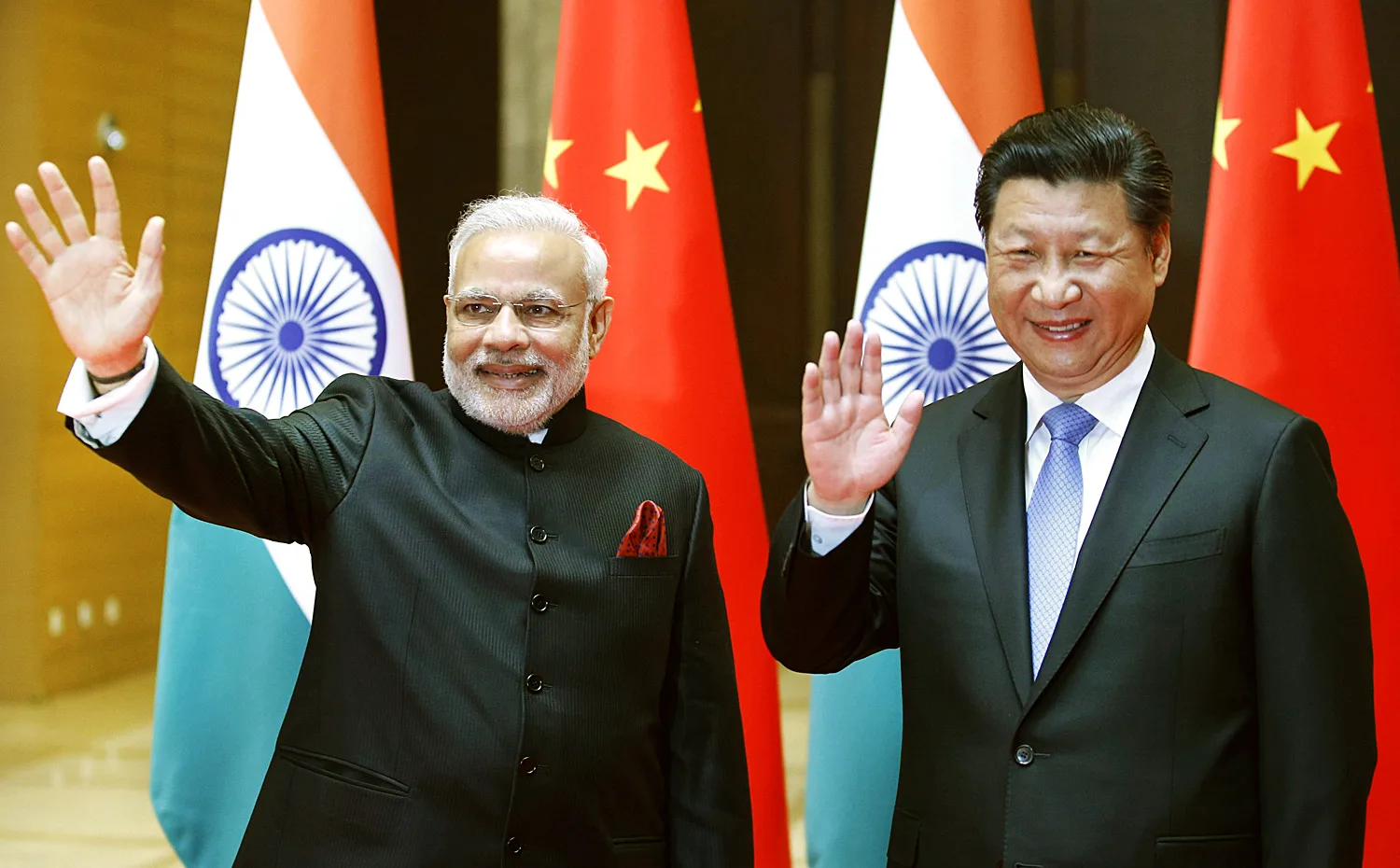
على الناحية الأخرى من الكرة الأرضية، وبينما يبزغ نجما كل من الصين والهند، يبدو أن طموحاتهما ومشاريعهما الإقليمية للهيمنة على التجارة في المحيطين الهادي والهندي لا تقل في وزنها عن المشروع الأمريكي، فالصين قد أعلنت منذ سنوات قليلة عن مشروع طريق الحرير البحري الممتد من سواحلها الشرقية وحتى الخليج الفارسي، بالتوازي مع طريق الحرير البري الممتد عبر آسيا الوسطى وإلى أوروبا، كما أعلنت الهند هي الأخرى عن سياسة “الفعالية الشرقية” التي تهتم بموجبها بمحيطها الآسيوي وشرق أفريقيا بشكل أكبر.

ملاكا: عنق التجارة الآسيوية والعالمية

نون بوست

حين نتكلم عن السيطرة على التجارة في آسيا، فإن أول ما يلفت الانتباه هو مضيق ملكة الواقع في ماليزيا، وهو بمثابة السويس والبوسفور مجتمعين في تلك المنطقة من العالم، بل ولربما تفوق أهميته حاليًا قناة السويس نتيجة أهمية شرق آسيا للاقتصاد العالمي، فهو يستقبل أكثر من نصف حركة الحاويات عالميًا، وثُلث القطع البحرية في العالم بشكل عام، والتي يمر معظمها من المحيط الهندي متجهًا نحو بحر جنوب الصين، حاملًا حوالي 80 بالمائة من احتياجات الطاقة الصينية، و60 بالمائة من الطاقة اليابانية.

مُعضلة استراتيجية إذن هي مشكلة ملاكا بالنسبة للصين، إذ يقتصر الوصول الصيني للمحيطات بشكل أوسع واتصالها بالتجارة العالمية على منفذ واحد، وهو منفذ لا يقع في أراضيها، بل وتحتاج معه إلى بسط هيمنتها في بحر جنوب الصين لتؤمن قدرتها على الدخول والخروج منه بحرية، وهو ما يفسر جهود الصين على مدار العقد الماضي في بناء جزر اصطناعية في البحر كقواعد عسكرية لها، وتوسّع نطاق المنطقة التي تعتبرها جزءًا من مياهها الإقليمية على حساب اليابان وفيتنام والفيليبين منذ أعوام قليلة بشكل ينافي المواثيق الدولية.

“بحر جنوب الصين هو بحر صيني،” هكذا قال نائب قائد القوات البحرية الصيني يوان يوباي صراحة، ضاربًا عرض الحائط أية قوانين أصدرتها الأمم المتحدة بخصوص المياه الإقليمية لكل بلد، فالصين تعتبر أن أهميتها للاقتصاد العالمي ووضعها الاستثنائي في المحيط الهادي مع حاجتها لتأمين عبور سلس للمحيط الهندي وما ورائه يحتمان عليها التعامل بشكل مختلف مع بحر الجنوب الصين، والسيطرة عليه بشكل أكبر وأوسع، وهو ما يجلب لها الكثير من العداوات بالطبع، أبرزها مع اليابان، وكذلك مع الهند التي تعتمد هي الأخرى وإن بدرجة أقل على المضيق في التجارة مع اليابان والصين وكوريا والكثير من اقتصادات جنوب شرق آسيا.

على الرُغم من جهود الصين تلك، لا يبدو أن ملاكا هو الرهان الوحيد لها، فهناك خطط بديلة تحاول بها تخفيف اعتمادها على ملاكا مستقبلًا عبر خلق موانئ وسكك حديدية تربطها بالمحيط الهندي مباشرة، وهي خطط تعتمد فيها بالطبع على حلفائها في حوض المحيط الهندي، مثل بنغلادش وسريلانكا وميانمار التي تغدق عليها بمليارات الدولارات في صورة دعم للبنية التحتية، وهو مرة أخرى أمر يضعها وجهًا لوجه مع الهند التي تعتبر المحيط الهندي نطاق نفوذ تاريخي لها.

سباق المحيط الهندي

نون بوست

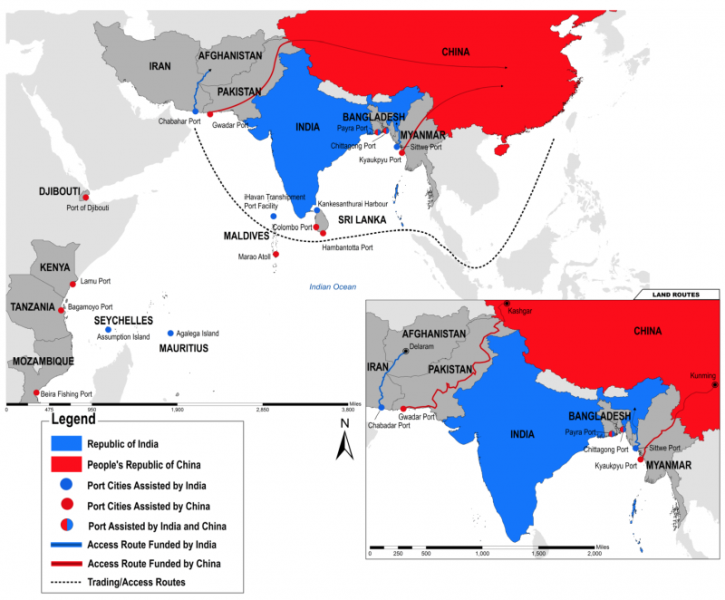
الموانئ وطرق التجارة التي تمولها كل من الصين (أحمر) والهند (أزرق) أو كلاهما

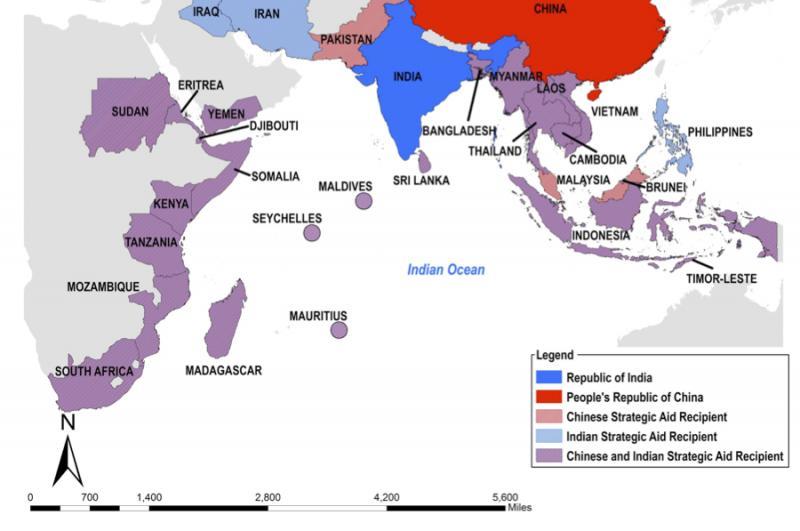
تتسم اللعبة الجارية في المحيط الهندي بين الصين والهند لحماية كل منهما لنصيبه من التجارة والحركة البحرية العالمية بتعقيدها الشديد، فليس ثمة تحالفات أو عداوات ثابتة هنا، بل وتتداخل أحيانًا أموال الهنود والصينيين حين تحاول البلدان الصغيرة مثل بنغلادش أو سريلانكا اللعب مع كليهما لتحقيق الاستفادة القصوى، وهو أمر تفعله أيضًا معظم دول شرق أفريقيا المطلة على المحيط، لتبقى لنا ربما العلاقة الوطيدة بين الصين وباكستان باعتبارها الملمح الثابت الوحيد في تلك المنطقة.

العداوة بين الهند وباكستان معروفة للقاصي والداني لأسباب كثيرة، وهو ما يتيح للصين ميزة رئيسية لا تمتلكها الهند من وجود حليف ثابت لها، وهو حليف قوي مقارنة بدول أخرى ضعيفة في المنطقة، بل وحليف قريب من الهند بشكل تستطيع معه الصين التلويح بقوتها البحرية في أي وقت، كما أنه موقع يتيح للصين حماية طرق التجارة والطاقة الواصلة إليها من الخليج والبحر الأحمر بشكل أفضل مقارنة بموقعها البعيد، لا سيما وأنها تعتمد على جزء لا بأس به من نفط الخليج.

أمام وضع كهذا لا يسع الهند بالتأكيد أن تقف مكتوفة الأيدي، حيث تتمتع بعلاقة قوية مع ماليزيا، التي يمكن اعتبارها ثاني أكثر عامل ثابت، وإن كان قابلًا للتغير أكثر من باكستان، في المنطقة، فالتوتر بين الصين وماليزيا له تاريخ طويل متعلق بهيمنة طبقة الصينيين في ماليزيا على حساب الملاوي، وهو ما يعني أن الهند تستطيع بعلاقتها تلك أن تتواجد على أبواب ملاكا مباشرة، لتوازن التواجد البحري الصيني على سواحل باكستان.

إيران أيضًا هي واحدة من الدول القريبة من الهند رُغم علاقاتها القوية مع الصين، فنتيجة الاستراتيجية الصينية في جنوب آسيا الداعمة لباكستان، والتي تحاول بها بكين تأمين نفوذها في آسيا الوسطى كذلك، تجد إيران أن هناك حدودًا لتشكيل تحالف مع الصين نتيجة التوتر بينها وبين باكستان في ملفات عديدة أبرزها أفغانستان، وهو ما يعني أن آفاق التحالف الوثيق مفتوحة لها مع الهند أكثر من بكين، وهو ما يتجلى بقوة في مشروع ميناء تشابهار الذي تقيمه الهند على سواحل إيران ليصلها إلى آسيا الوسطى هي الأخرى، ويتجاوز بها عُقدة كشمير التي تمنعها من الاتصال المباشر بقلب آسيا، وينافس في الحقيقة ميناء جوادر الصيني الذي يُقام لينافسه في باكستان.

نون بوست

بلدان المحيط الهندي الحاصلة على معونات استراتيجية صينية أو هندية أو كليهما

في منتصف الطريق تقريبًا بين باكستان وإيران من ناحية وماليزيا من ناحية أخرى، تقع بنغلادش، وهي واحدة من البلدان التي تكشف لنا مدى تركيبية المنافسة الصينية الهندية، فعلى الرُغم من علاقاتها التاريخية مع الهند التي حققت لها استقلالها من باكستان في مطلع السبعينيات، تُعَد بنغلادش ثاني أكثر بلد حصولًا على المعونات الصينية في المنطقة، والتي تذهب معظمها لقطاع النقل ولتدشين ميناء جديد هو تشيتاجونغ وطرق للسكة الحديد تعتقد معها الصين أنها تخلق بها موقعًا قريبًا من ملاكا وصمامًا للضغط عليه.

في نفس الوقت، لم تتراجع بنغلادش عن علاقاتها مع الهند، فهي واحدة من أكبر الحاصلين على المعونات الهندية أيضًا، والتي وصلت لـ800 مليون دولار في قطاعات المياه والسكك الحديدية والطرق، كما أن الهند أيضًا تطمح لبناء ميناء لها هي الأخرى في بايرا لتنافس به الصين، وهو الميناء الذي تحاول الصين أن تحوز حقوق بنائه، لتصبح بنغلادش ربما واحدة من أكثر الدول التي يتداخل فيها النفوذان الصيني والهندي، وأحد نماذج استغلال البلدان الصغيرة لصراعات الدول الكبرى لتحقيق أكبر قدر من المنفعة الاقتصادية لها.

إلى شرق بنغلادش تقع ميانمار (أو بورما) المحكومة بنظام عسكري منذ عقود، وهو النظام الذي تمتع بعلاقات وطيدة مع الصين أتاحت لبكين بناء الموانئ والطرق والهيمنة بشكل كامل على البلد، ولكن ليس قبل أن تبدأ انفتاحها مؤخرًا بإجراء انتخابات ولو شكلية، وبدء تفعيل علاقاتها بالهند والولايات المتحدة، ليبدأ الهنود في طرح مشروع للنقل يربط مينائي كالكوتا وسيتوي، ثم سكة حديد تربط سيتوي بالهند مجددًا برًا، كما أن دلهي لم تقف عند ذلك الحد، بل وتطرح دعمًا عسكريًا للنظام في ميانمار لتقطع الطريق على الدور الصيني، والذي تلقى بالفعل أول ضربة بإلغاء مشروع لبناء سد في 2011 بأمر الحكومة الجديدة.

بالدخول لأعماق المحيط والجزر المتناثرة فيه، تُعَد سريلانكا الجزيرة الأكبر والأبرز إلى جنوب الهند واحدة من مسارح التنافس الشديد بين البلدين، فالبلد التي تمتعت بعلاقات قوية مع الصين لفترة طويلة نتيجة دعم بكين لجيشها في وجه تمرد التاميل (والتاميل هي مجموعة عرقية موجودة في شمال سريلانكا وجنوب الهند)، انتخبت رئيسًا جديدًا قامت حملته الانتخابية على مراجعة فساد العلاقات التجارية مع الصين والرغبة في التقارب مع الهند، وهو ما يفتح باب النفوذ الهندي دون أن يلغي بالطبع النفوذ الصيني المتمثل في ميناء هامبانتوتا الضخم والأكبر في جنوب آسيا الذي أقامته الصين.

***

بين تلك القوتين بالطبع تدرك الهند أنها تتخلف عن الصين في قوتها الاقتصادية وقدرتها على ضخ الأموال لحلفائها، وهو ما يعني أنها يجب أن تقبل العمل في بلدان كثيرة تتمتع بنفوذ صيني وأن تراكم فيها الجهد لجني الثمار على المدى البعيد، دون القواعد السياسية الكلاسيكية التي تفترض الهيمنة الكاملة وإقصاء الطرف المنافس من بلد ما، كما أنها على الناحية الأخرى تدرك أن العلاقات الثقافية والتاريخية التي تجمعها بدول المحيط الهندي أكبر من الصين، كما أن إنتاجها الثقافي والفني المنتشر في تلك المنطقة يتيح لها على مستوى القوة الناعمة دورًا لا يتسنى لبكين أن تلعبه.

بين مياه المحيطين الهادي والهندي إذن تتجه الأنظار وتحتشد القطع العسكرية الأمريكية والصينية والهندية وتتدفق الأموال من بكين ودلهي لبناء الموانئ والسكك الحديدية والطرق في منطقة ستكون ربما هي الأكثر أهمية خلال العقود المقبلة بينما يستمر تراجع الشرق الأوسط نتيجة الحروب فيه ويستمر الركود الأوروبي نتيجة أزمة القارة العجوز الاقتصادية واضمحلالها الديمغرافي، وهو ربما ما يفسر اتجاه أمريكا الفتية ديمغرافيًا والغنية اقتصاديًا من الأطلنطي إلى الهادي.

TAGGED: آسيا ، الاقتصاد الآسيوي ، التجارة العالمية ، العلاقات الصينية الهندية ، القوة الصينية
TAGGED: الاقتصاد العالمي
Download this article as PDF
Share this Article
Facebook Twitter Whatsapp Whatsapp Telegram Email Copy Link
فريق التحرير
By فريق التحرير تقارير يعدها فريق تحرير نون بوست.
Follow:
Next Article نون بوست The Stigma of “ISIS”: A Heavy Legacy Haunting Women and Children of Former Members

Read More

  • U.S. Regime‑Change Policies: Why They Are Destined to Fail U.S. Regime‑Change Policies: Why They Are Destined to Fail
  • The Gulf’s Balancing Act: Iran, Israel, and Hidden Links
  • Iraq–Turkey Oil Export Treaty: Why Did Ankara Cancel It After 52 Years?
  • Syria’s Northeast on Edge: QSD Between Ankara and Damascus
  • Has Europe Changed Its Stance on Israel… or Just Its Language?
part of the design
NoonPost Weekly Newsletter
dark

An independent media platform founded in 2013, rooted in slow journalism, producing in-depth reports, analysis, and multimedia content to offer deeper perspectives on the news, led by a diverse young team from several Arab countries.

  • Politics
  • Society
  • Rights & Liberties
  • Opinions
  • History
  • Sports
  • Education
  • Technology
  • Economy
  • Media
  • Arts & Literature
  • Entrepreneurship
  • Travel
  • Cinema & Drama
  • Food
  • Health
  • Culture
  • Latest Reports
  • Files
  • Long Reads
  • Interviews
  • Podcast
  • Interactive
  • Encyclopedia
  • In Pictures
  • About Us
  • Our Writers
  • Write for Us
  • Editorial Policy
  • Advanced Search
Some rights reserved under a Creative Commons license

Removed from favorites

Undo
Go to mobile version