


NoonPost NoonPost

NoonPost

  • Home
  • Politics
  • Economy
  • Society
  • Culture
  • Files
  • Long Reads
  • Podcast
AR
Notification Show More
نون بوست
“There Are Nights I Can’t Close My Eyes”: How Gazans Are Living in Homes on the Brink of Collapse
نون بوست
From al-Jolani to Ahmad al-Shara: The Evolution of Syria’s New Leader
نون بوست
When Political Islam Receded in Egypt: Who Filled the Void?
نون بوست
An Extension of Genocide: Gaza’s Detainees Speak Out
نون بوست
A Tightrope Between Survival and Sovereignty: The Syrian Government Faces Normalization Pressures
نون بوست
American Aircraft Carriers: Has the Era of “100,000 Tons of Diplomacy” Ended?
نون بوست
U.S. Regime‑Change Policies: Why They Are Destined to Fail
نون بوست
Transformations of Israeli Judaism: Between the Victim Complex and the Colonizer’s Doctrine
نون بوست
The Gulf’s Balancing Act: Iran, Israel, and Hidden Links
نون بوست
Iraq–Turkey Oil Export Treaty: Why Did Ankara Cancel It After 52 Years?
نون بوست
Syria’s Northeast on Edge: QSD Between Ankara and Damascus
نون بوست
Has Europe Changed Its Stance on Israel… or Just Its Language?
NoonPost NoonPost
AR
Notification Show More
نون بوست
“There Are Nights I Can’t Close My Eyes”: How Gazans Are Living in Homes on the Brink of Collapse
نون بوست
From al-Jolani to Ahmad al-Shara: The Evolution of Syria’s New Leader
نون بوست
When Political Islam Receded in Egypt: Who Filled the Void?
نون بوست
An Extension of Genocide: Gaza’s Detainees Speak Out
نون بوست
A Tightrope Between Survival and Sovereignty: The Syrian Government Faces Normalization Pressures
نون بوست
American Aircraft Carriers: Has the Era of “100,000 Tons of Diplomacy” Ended?
نون بوست
U.S. Regime‑Change Policies: Why They Are Destined to Fail
نون بوست
Transformations of Israeli Judaism: Between the Victim Complex and the Colonizer’s Doctrine
نون بوست
The Gulf’s Balancing Act: Iran, Israel, and Hidden Links
نون بوست
Iraq–Turkey Oil Export Treaty: Why Did Ankara Cancel It After 52 Years?
نون بوست
Syria’s Northeast on Edge: QSD Between Ankara and Damascus
نون بوست
Has Europe Changed Its Stance on Israel… or Just Its Language?
Follow US

Why Has Global Support for Gaza Waned After the War?

فريق التحرير
Noon Post Published 26 March ,2026
Share
نون بوست
نون بوست

In a recent report by The Guardian, British daily, the story of Australian activist Megan Hall is highlighted. Hall reportedly had to sell her furniture just to make rent payments for a family in Gaza. The report sheds light on a catastrophic decline in global donations to the besieged enclave.

Since the onset of the war of extermination against Gaza, Hall has been managing a humanitarian aid fund supporting 95 families. She says that since February 2024, she raised over $200,000, sending around $5,000 weekly during the war. However, by October 2025, she had managed to collect barely $2,000 for the entire month.

Activists involved in fundraising for Gaza attribute this alarming drop, according to the report, to a widespread belief that Gazans are no longer in need following the ceasefire.

Additional factors include mounting financial pressures on populations across the globe: in the United States, for instance, many public sector workers stopped receiving salaries due to the government shutdown; in the UK and other countries, people continue to struggle under the weight of the cost-of-living crisis.

On top of that, Meta’s algorithms biased against Palestinian content have reduced the visibility and reach of donation campaigns across its platforms.

This drop in support should not be seen as a natural decline that follows a long war. Rather, it should be viewed as a dangerous indicator of a shift in global sentiment driven primarily by a “widespread conviction that Gaza no longer needs help.”

This belief demands urgent dismantling and clarification not only because it is false, but because its persistence endangers the lives of hundreds of thousands who have not yet recovered from the war and continue to endure its most acute humanitarian consequences.

The recent images of tents being swept away in torrential rain are only a small glimpse into the ongoing catastrophe.

An overwhelming number of Gazan families are now at risk of severe and unprecedented harm due to the funding shortfall. The vast majority have lost their sources of income either due to the near-total destruction of the economic infrastructure, or the death of the primary breadwinner. As a result, women, children, the elderly, and the sick have been forced to take on the burden of securing the family’s basic needs.

During the war, there were harrowing scenes of women and children laboring under punishing conditions, performing exhausting tasks, standing for hours in lines for soup kitchens and aid centers, and risking their lives to reach the so-called American aid distribution points often referred to as “death traps.” Some were even killed in their pursuit of food.

What the cameras didn’t capture is even more desperate and impoverished than what the public saw. And now, with this steep drop in donations, these vulnerable populations face worsening conditions that exacerbate the residual impacts of war and push tens of thousands closer to starvation and helplessness.

Why This Decline Cannot Be Considered Normal

One could understand a gradual drop in donations after a protracted war that has drained donors globally especially as some countries face their own economic hardships. It might also be somewhat understandable that, following an official end to hostilities, people assumed the emergency phase had passed.

But what defies logic is the drastic plunge in donations just one month after the war’s end a time when affected communities are in urgent need of support to begin recovery and meet vital, non-negotiable needs that international agencies whether UN, local, or otherwise cannot possibly meet in volume or scope.

Historically, in all humanitarian crises, the post-war phase is typically when aid peaks encompassing reconstruction, housing, healthcare, food, mental health services, social support, and compensation for critical losses. Yet what’s happening in Gaza runs counter to this norm, signaling that there are more powerful and influential forces at play than just donor fatigue.

Throughout and after the war, Israeli propaganda worked aggressively to push a narrative that “Gaza is now thriving.” Claims that markets are bustling, shelves are full, and people are lining up outside restaurants were promoted extensively through media outlets, political platforms, and thousands of coordinated online accounts. Even top Israeli officials echoed these assertions.

More dangerously, this narrative was bolstered by a flood of photos and videos taken by residents or activists inside Gaza images showing malls or shops with very limited goods.

Whether intentional or not, these visuals created a false impression that life had returned to normal. In reality, such scenes reflect only a tiny fraction of the truth. Most of the available goods are imported in small quantities, unaffordable to 95% of the population, and are by no means representative.

The food that the Israeli blockade permits to enter is largely carbohydrate-heavy items that fill bellies quickly but lack the essential nutrients that starving people urgently need, such as proteins.

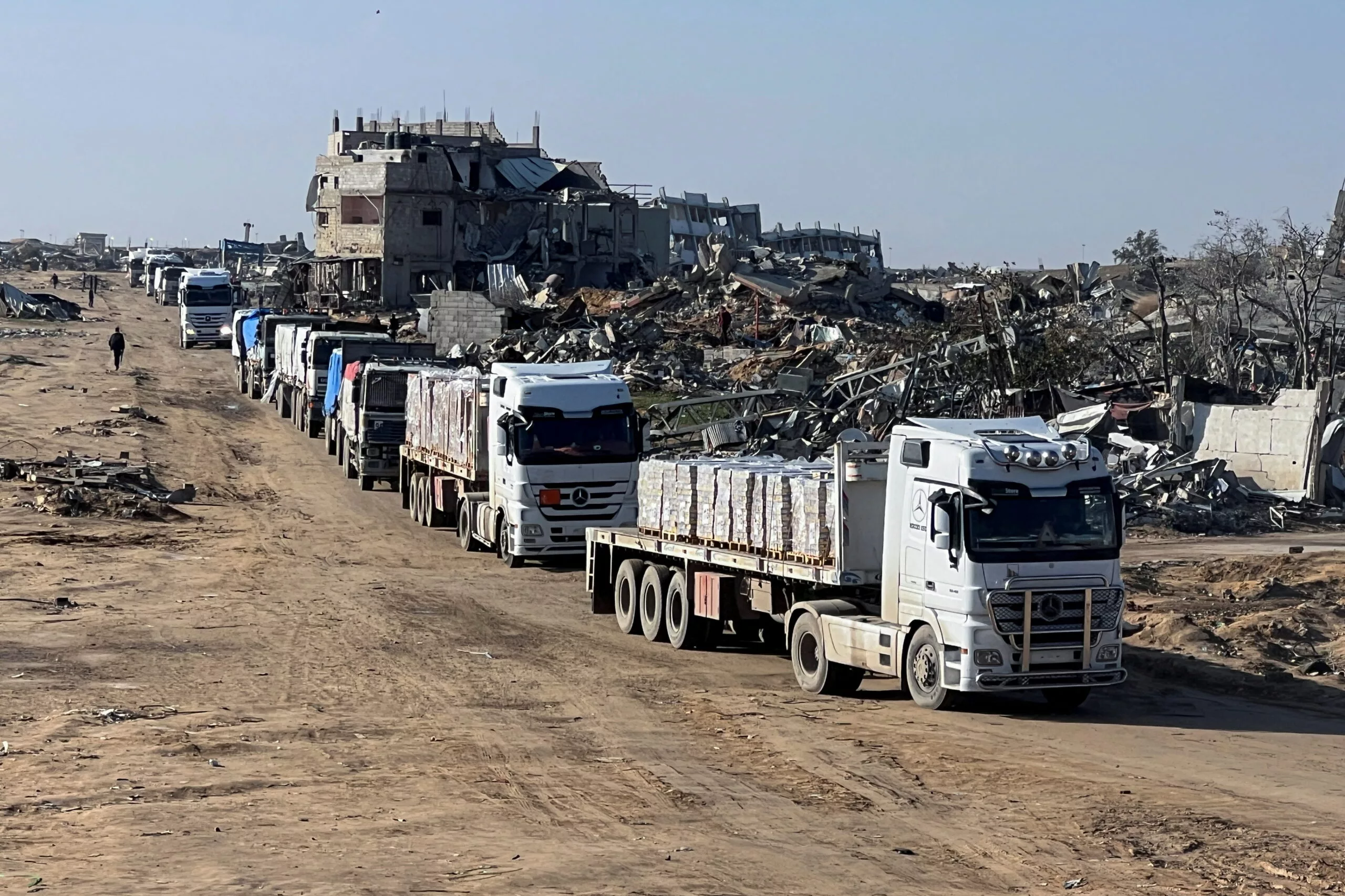
Meanwhile, the world is turning a blind eye to the lines of hundreds of thousands standing for hours at soup kitchens, water points, bakeries, and field clinics. The volume of media coverage of these scenes has dropped significantly.

Little attention is paid to the fact that Gaza remains one of the most densely populated areas on Earth west of the Yellow Line, under extreme conditions, with no functioning infrastructure, no stable electricity, no clean water, and no employment opportunities.

This dire situation places a tremendous moral, religious, and legal responsibility on every initiative leader, donor, volunteer, and charity. Aid reaching Gaza is at its lowest levels ever meaning every single dollar counts more than ever.

It is imperative that those handling donations act with the highest levels of transparency and integrity. These humanitarian efforts must not be exploited for personal gain, as has unfortunately occurred in isolated instances.

It is deeply troubling that some organizations have lost donor trust due to irresponsible conduct particularly at a time when trust is critical to ensuring the continued flow of aid. Recent reports should serve as a wake-up call for all stakeholders: the road ahead requires absolute integrity and professional management of relief funds.

If this situation is not actively countered in the media, disaster will befall those already devastated. There is a pressing responsibility on journalists, activists, and influencers — both inside and outside Gaza to continue sharing authentic images of suffering. The goal is not to elicit pity, but to present a complete and honest picture to global public opinion.

People outside Gaza only see what is broadcast to them. In the absence of accurate imagery, the Israeli narrative is left to dominate. It must be made clear that the silence of the guns does not mean the disaster has ended. The Israeli blockade continues to prevent the entry of essential items from nutritious food and shelter supplies to civil defense equipment, medical devices, and building materials.

Ongoing media coverage of the on-the-ground reality is not just a humanitarian and political necessity it’s a lifeline. Not only to save lives, but also to safeguard global consciousness from manipulation.

For the people of Gaza who once lived in warm, secure homes, enjoyed the fruits of their land, and lived with dignity it is a painful blow to feel abandoned by their own during their time of suffering, just as they were abandoned or left unaided during the war itself. Yet hope remains, and there is still time to reverse course.

This is an open call for the Arab and Muslim world and all those who value justice to reclaim their role in aiding Gaza, to offset the drop in international support, and to repay the debt owed to a people who have long been a symbol of steadfastness and sacrifice. This call begins first with the Palestinian people inside Gaza, the West Bank, and abroad and extends to all those of conscience everywhere.

Download this article as PDF
Share this Article
Facebook Twitter Whatsapp Whatsapp Telegram Email Copy Link
فريق التحرير
By فريق التحرير تقارير يعدها فريق تحرير نون بوست.
Follow:
Previous Article نون بوست Are Mummies Enough to Shape Egypt’s Future?
Next Article نون بوست The Daily Wire: The American Right’s Gateway to the Israeli Narrative

Read More

  • U.S. Regime‑Change Policies: Why They Are Destined to Fail U.S. Regime‑Change Policies: Why They Are Destined to Fail
  • The Gulf’s Balancing Act: Iran, Israel, and Hidden Links
  • Iraq–Turkey Oil Export Treaty: Why Did Ankara Cancel It After 52 Years?
  • Syria’s Northeast on Edge: QSD Between Ankara and Damascus
  • Has Europe Changed Its Stance on Israel… or Just Its Language?
part of the design
NoonPost Weekly Newsletter

You May Also Like

U.S. Regime‑Change Policies: Why They Are Destined to Fail

U.S. Regime‑Change Policies: Why They Are Destined to Fail

إسراء سيد Esraa sayed 8 April ,2026
The Gulf’s Balancing Act: Iran, Israel, and Hidden Links

The Gulf’s Balancing Act: Iran, Israel, and Hidden Links

فريق التحرير Noon Post 8 April ,2026
Iraq–Turkey Oil Export Treaty: Why Did Ankara Cancel It After 52 Years?

Iraq–Turkey Oil Export Treaty: Why Did Ankara Cancel It After 52 Years?

فريق التحرير Noon Post 8 April ,2026

شبيغل: الأسد لجأ لروسيا خوفًا من إيران

فريق التحرير
Noon Post Published 7 October ,2015
Share
نون بوست

نشرت مجلة دير شبيغل الألمانية بالأمس تقريرًا صحافيًا استنادًا لمصادرها تشير فيه إلى أن التدخل الروسي الأخير في سوريا أتى بعد لجوء بشار الأسد إلى موسكو مؤخرًا بحثًا عن الدعم، لا بوجه أعدائه من الثوار والمسلحين، ولكن بوجه حليفه الرئيسي كما يُفتَرَض، وهو النظام الإيراني، وهو ما أكده لها مصدر مسؤول روسي عمل طويلًا في سفارة روسيا بدمشق تحدّث للمجلة، حيث قال بأن الأسد ومعاونيه يتخوفون من إيران، وأنهم غاضبون من عجرفتها في التعامل مع نظام الأسد وسوريا بأكملها كمستعمرة خاصة بهم، ولا يثقون بأهدافها والتي قد لا يكون بقاء الأسد مهمًا لها هذه الأيام، وهو ما لجأ بهم إلى جذب موسكو إلى الساحة.

قد يبدو هذا الكلام غير منطقي نظرًا للواقع الذي يعرفه الجميع على الأرض، فلولا حلفاء إيران الشيعة في لبنان والعراق، ودعمهم للأسد سياسيًا وميدانيًا تحت إشراف الحرس الثوري الإيراني، لانهار نظام الأسد في سنة الثورة الأولى، غير أنه بالنظر الدقيق لأحداث كثيرة وقعت مؤخرًا، تبدو الصورة التي يقدمها لنا الدبلوماسي الروسي، والذي رفض الكشف عن هويته، أكثر منطقية، وتشي بصراع قوى معقد أكثر مما نعتقد في سوريا.

الإيرانيون في سوريا لا يحتاجون للأسد

على مدار السنوات التي اندلعت فيها، ولا تزال، الثورة السورية، كان الحرس الثوري الإيراني مسؤولًا عن معظم وأهم العمليات العسكرية التي قام بها النظام السوري، بما فيها الضربات التي وُجِهَت لحلب في الشمال ودرعا في الجنوب منذ حوالي عامين، وإن كان البعض يظن أن أهداف العمليات الإيرانية كانت دعم النظام القديم ليس إلا، فإن الواقع هو أنها تتجاوز مجرد الإبقاء على المنظومة السورية البعثية، وأصبحت في الحقيقة ترمي إلى ترسيخ وجود مباشر لها في سوريا شاء الأسد، الضعيف بدونها، أم أبي.

أبرز مناطق الخلاف مع النظام السوري وجيشه النظامي، والذي يعتمد عليه الأسد، هي تضاؤل أهميته على الأرض مقابل قوات الدفاع الوطني المعروفة بـ “الشبيحة”، والتي تأسست لحماية النظام منذ بضعة أعوام، وتُعَد ذراعًا للأهداف الإيرانية بآلاف من المقاتلين المدرّبين في إيران، وهي قوات غير نظامية يزداد تفككها مع الوقت إلى ميليشيات مختلفة وثيقة الارتباط بحزب الله اللبناني فيما يشبه “السلسلة الإيرانية” الممتدة من حلفاء إيران الشيعة في جنوب العراق وحتى جنوب لبنان، وهي سلسلة تتضاءل فيها بشكل يوم جدوى بقاء الأسد ونظامه فيها، وكذلك سلطته وسلطة جيشه عليها.

في خضم هذه التحركات الإيرانية، لم يكن غريبًا أن يتمدد نفوذها الشيعي مباشرة، في بلد لا يمثل مذهب الشيعة الجعفرية فيه سوى نسبة ضئيلة، فقد أمرت الحكومة السورية بتدريس المواد الشيعية منذ عام، كما أن بعض الحسينيات الشيعية قد افتُتِحَت في اللاذقية ودمشق مؤخرًا لنشر المذهب الشيعي بشكل أثار حفيظة العلويين أنفسهم نتيجة الاختلافات بينهم وبين الشيعة الجعفرية، وعدم استعدادهم لرؤية النفوذ الإيراني الثقافي المباشر في حياتهم اليومية كما قال أحدهم، “الإيرانيون يعودون بنا ألف سنة للخلف، فنحن لا نلبس الحجاب مثلهم ولسنا شيعة أصلًا”.

التمدد الثقافي لا ينفك بالطبع عن التمدد الاقتصادي المباشر، حيث انتشرت مؤخرًا مجموعات من رجال الأعمال الإيرانيين الذي انكبوا على شراء الأراضي والبنايات في دمشق، ليسيطروا بشكل شبه كامل على الحي اليهودي القديم فيها، وهو ما يعتبره طالب إبراهيم، أحد علويي سوريا ممن تركوا البلاد واتجهوا لأوروبا، سببًا رئيسيًا في لجوء الأسد مؤخرًا لروسيا ورغبته في الاعتماد على تدخلها المباشر، “الأسد يريد الإيرانيين كمقاتلين بجانبه ليس إلا، ولكنهم في الحقيقة يتدخلون بشكل أيديولوجي في شؤون سوريا الداخلية، أما الروس فهم لا يفعلون ذلك أبدًا”.

أسباب ذلك بالطبع هي أن روسيا لا تملك ميليشيات على الأرض كإيران، ولكن تعتمد على تحالفها التقليدي مع النظام السوري، مما يجعله في النهاية الطرف الأكثر أهمية في التحالف الروسي، على العكس من التحالف الإيراني الذي لا يُعَد الأسد سوى غطاء له يمكن الاستغناء عنه في أي وقت، وهو ما يدلل عليه ما جرى مؤخرًا في مدينة الزبداني شمالي غربي دمشق، والتي يحاول حزب الله منذ ثلاث سنوات السيطرة عليها لتكون هيمنته قد انتشرت بطول الحدود اللبنانية، ففي يوليو بدأ حملة عسكرية جديدة لدخولها، لتَرُد المعارضة السورية بضرب قرى يتمركز فيها مقاتلو الحزب بالآلاف، وترغم طهران على التوسط بين المعارضة، بما فيها جبهة النصرة، وحزب الله.

كل ذلك تم والإدارة السورية في دمشق خارج الصورة تمامًا، وقد أدى في النهاية لصفقة سرية يتم بمقتضاها حماية مجموعة من القرى والمدن في المنطقة من الطيران السوري، كنوع من التمتّع بفوائد الحظر الجوي، في مقابل اتجاه كافة السنة القاطنين في الزبداني إلى إدلب والسماح للشيعة من مدينتي الفوعة وكفريا اللبنانيتين بالتوجه للزبداني، علاوة على إطلاق سراح خمسمائة ممن سجنهم النظام السوري، وهو اتفاق تقول شبيغل إن الأسد يحاول أن يقاوم تطبيقه.

محاولات شتى يقوم بها جنرالات في النظام السوري لمقاومة ذلك التمدد الإيراني المباشر، والذي يُغني طهران عن الأسد وبالتالي يهدده ويهدد معاونيه، وهي محاولات لا تخفى على إيران والتي تقوم بكل ببساطة باستهدافهم أو تهديدهم، ففي ديسمبر الماضي تم تفجير أحد منازل الجنرال رستم غزالة، رئيس إدارة الأمن السياسي بالنظام السوري، وتم تصوير الواقعة ورفعها على الإنترنت، لتقوم بعد أيام مجموعة بالاعتداء عليه بالضرب حتى الموت كان من بينها إيرانيين، والسر كما تقول شبيغل إنه كان من الرافضين لتوسيع التعاون مع الإيرانيين على الأرض، بل وأن تفجير منزله تم بأمره لكيلا تستخدمه الميليشيات الإيرانية كما أرادت.

تباعًا، أتى الدور على اللواء ذو الهمة شاليش قائد الحرس الرئاسي وأحد أقارب بشار الأسد، والذي انتشرت أخبار تفيد باعتقال النظام له، وأشارت إلى أن تُهَم الفساد هي السبب الرئيسي في ذلك نتيجة دوره في عالم تهريب المخدرات وتجارة السلاح والأراضي وغيرها، بيد أن تلك الادعاءات لم تكن منطقية نظرًا لأهمية شاليش على مدار عقود في التجارة غير القانونية للنظام السوري بعيدًا عن العقوبات الدولية، والتي جلب بها الأسد مئات الآلاف من الدولارات وأطنان من الأسلحة عن طريق بغداد قبل أن يكتشف الأمريكيون أمره إثر غزو العراق عام 2003، “منذ رحيل شاليش، أصبح الإيرانيون يتمتعون بتواصل مباشر مع الأسد، وهو ما يعني أن حمايته مباشرة تتم عن طريقهم وأنهم قد يتخلوا عنه إذا أرادوا بسهولة”، هكذا صرّح أحد الدبلوماسيين الأوروبيين لشبيغل.

التدخل الروسي إذن يحفظ للأسد نوعًا ما احتمالية أكبر للبقاء حال اضطلعت روسيا بدور أكبر في الوساطة بخصوص الملف السوري، خاصة وأن روسيا لا يمكن بحال أن تثق في كل ذلك النفوذ الإيراني والذي يخدم طهران فقط ليس إلا، وحال اكتمال التقارب بين إيران والغرب فإن الخلافات التاريخية بين الروس والإيرانيين ستعاود الظهور حتمًا بشكل لا يجعل للروس أي وزن في المنطقة، وهو ما يحتّم على روسيا الآن أكثر من أي وقت مضى أن تستلم زمام أمور وجودها في المنطقة بنفسها، بل وربما التنسيق مع أعداء إيران كما سمعنا من محادثات بين نتنياهو وبوتين سبقت مباشرة العمليات الروسية في سوريا.

يبقى أن نشير في النهاية إلى أن شبيغل الألمانية، والمعروفة بمحاولاتها تفهّم الموقف الروسي وتهدئة التوتر بين الغرب وروسيا، قد تكون بمقالها تحاول أن تخلق قاعدة عقلانية نسبيًا للضربات الروسية، بربطها باحتواء النفوذ الإيراني وربما احتمالية الإبقاء على نظام تقليدي يتم تصويره وكأنه يريد الفكاك من “جحيم” إيران بحثًا عن قوى أكثر اتزانًا، وهو ما قد يبدو للقارئ أحيانًا وكأنه تبرير للموقف الروسي وإن لم يكن كذلك.

TAGGED: التدخل الروسي ، الثورة السورية ، الجيش الحر ، الحرب السورية ، الحرس الثوري
Download this article as PDF
Share this Article
Facebook Twitter Whatsapp Whatsapp Telegram Email Copy Link
فريق التحرير
By فريق التحرير تقارير يعدها فريق تحرير نون بوست.
Follow:
Next Article نون بوست The Stigma of “ISIS”: A Heavy Legacy Haunting Women and Children of Former Members

Read More

  • U.S. Regime‑Change Policies: Why They Are Destined to Fail U.S. Regime‑Change Policies: Why They Are Destined to Fail
  • The Gulf’s Balancing Act: Iran, Israel, and Hidden Links
  • Iraq–Turkey Oil Export Treaty: Why Did Ankara Cancel It After 52 Years?
  • Syria’s Northeast on Edge: QSD Between Ankara and Damascus
  • Has Europe Changed Its Stance on Israel… or Just Its Language?
part of the design
NoonPost Weekly Newsletter

You May Also Like

U.S. Regime‑Change Policies: Why They Are Destined to Fail

U.S. Regime‑Change Policies: Why They Are Destined to Fail

إسراء سيد Esraa sayed 8 April ,2026
The Gulf’s Balancing Act: Iran, Israel, and Hidden Links

The Gulf’s Balancing Act: Iran, Israel, and Hidden Links

فريق التحرير Noon Post 8 April ,2026
Iraq–Turkey Oil Export Treaty: Why Did Ankara Cancel It After 52 Years?

Iraq–Turkey Oil Export Treaty: Why Did Ankara Cancel It After 52 Years?

فريق التحرير Noon Post 8 April ,2026
dark

An independent media platform founded in 2013, rooted in slow journalism, producing in-depth reports, analysis, and multimedia content to offer deeper perspectives on the news, led by a diverse young team from several Arab countries.

  • Politics
  • Society
  • Rights & Liberties
  • Opinions
  • History
  • Sports
  • Education
  • Technology
  • Economy
  • Media
  • Arts & Literature
  • Entrepreneurship
  • Travel
  • Cinema & Drama
  • Food
  • Health
  • Culture
  • Latest Reports
  • Files
  • Long Reads
  • Interviews
  • Podcast
  • Interactive
  • Encyclopedia
  • In Pictures
  • About Us
  • Our Writers
  • Write for Us
  • Editorial Policy
  • Advanced Search
Some rights reserved under a Creative Commons license

Removed from favorites

Undo
Go to mobile version