NoonPost NoonPost

NoonPost

  • Home
  • Politics
  • Economy
  • Society
  • Culture
  • Files
  • Long Reads
  • Podcast
AR
Notification Show More
نون بوست
“There Are Nights I Can’t Close My Eyes”: How Gazans Are Living in Homes on the Brink of Collapse
نون بوست
From al-Jolani to Ahmad al-Shara: The Evolution of Syria’s New Leader
نون بوست
When Political Islam Receded in Egypt: Who Filled the Void?
نون بوست
An Extension of Genocide: Gaza’s Detainees Speak Out
نون بوست
A Tightrope Between Survival and Sovereignty: The Syrian Government Faces Normalization Pressures
نون بوست
American Aircraft Carriers: Has the Era of “100,000 Tons of Diplomacy” Ended?
نون بوست
U.S. Regime‑Change Policies: Why They Are Destined to Fail
نون بوست
Transformations of Israeli Judaism: Between the Victim Complex and the Colonizer’s Doctrine
نون بوست
The Gulf’s Balancing Act: Iran, Israel, and Hidden Links
نون بوست
Iraq–Turkey Oil Export Treaty: Why Did Ankara Cancel It After 52 Years?
نون بوست
Syria’s Northeast on Edge: QSD Between Ankara and Damascus
نون بوست
Has Europe Changed Its Stance on Israel… or Just Its Language?
NoonPost NoonPost
AR
Notification Show More
نون بوست
“There Are Nights I Can’t Close My Eyes”: How Gazans Are Living in Homes on the Brink of Collapse
نون بوست
From al-Jolani to Ahmad al-Shara: The Evolution of Syria’s New Leader
نون بوست
When Political Islam Receded in Egypt: Who Filled the Void?
نون بوست
An Extension of Genocide: Gaza’s Detainees Speak Out
نون بوست
A Tightrope Between Survival and Sovereignty: The Syrian Government Faces Normalization Pressures
نون بوست
American Aircraft Carriers: Has the Era of “100,000 Tons of Diplomacy” Ended?
نون بوست
U.S. Regime‑Change Policies: Why They Are Destined to Fail
نون بوست
Transformations of Israeli Judaism: Between the Victim Complex and the Colonizer’s Doctrine
نون بوست
The Gulf’s Balancing Act: Iran, Israel, and Hidden Links
نون بوست
Iraq–Turkey Oil Export Treaty: Why Did Ankara Cancel It After 52 Years?
نون بوست
Syria’s Northeast on Edge: QSD Between Ankara and Damascus
نون بوست
Has Europe Changed Its Stance on Israel… or Just Its Language?
Follow US

How Has the U.S. Position on the Muslim Brotherhood Changed?

فريق التحرير
Noon Post Published 26 March ,2026
Share
نون بوست
نون بوست

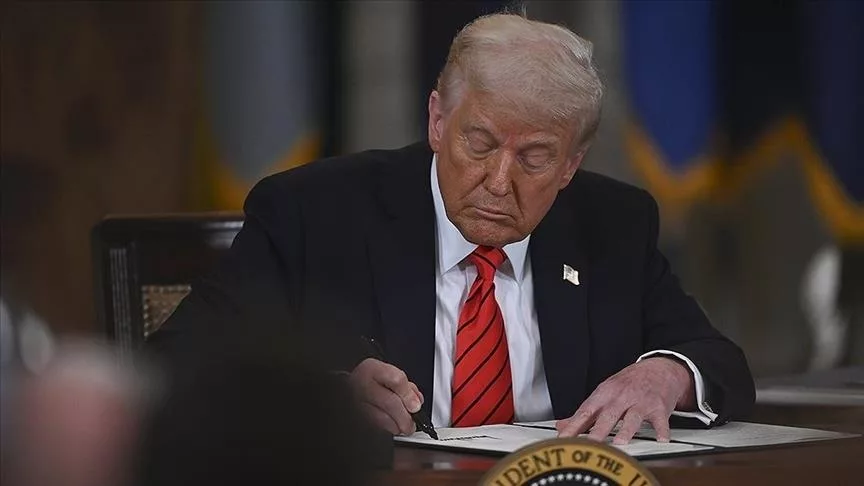
On November 25, 2025, U.S. President Donald Trump signed an executive order launching a formal process to designate certain branches of the Muslim Brotherhood in Egypt, Jordan, and Lebanon as “Foreign Terrorist Organizations” a move that paves the way for direct sanctions on the targeted entities.

This step, long avoided by successive U.S. administrations over decades, signals a fundamental shift in Washington’s approach to the Muslim Brotherhood. It also reflects a departure from the pragmatic policy that has dominated U.S. dealings with the group for more than ninety years.

Caution and Close Observation

When the Muslim Brotherhood was founded in 1928, Washington did not view it as a major player in the Middle East or Arab world. Instead, it was regarded as a religious and social movement aimed at spreading Islam through preaching, charity, and widespread youth and student engagement.

However, as British influence expanded in Egypt and the Brotherhood’s opposition to imperial rule grew, the U.S. began searching for a new foothold in the region one that could secure its interests without being tied to Britain’s colonial image. In this context, Washington’s interest gradually shifted toward monitoring the Brotherhood as a rising force opposed to British dominance.

Recognizing the group’s potential and growing role, the United States began reshaping its regional alliances to include local actors who could serve in the evolving balance of power. Among these were the Muslim Brotherhood, which Washington sought either to engage or at least understand its function in the Arab political and social landscape.

The First Official Contact

In the late 1940s, the first points of contact emerged between the Muslim Brotherhood and the U.S., when the group sent protest letters to the American embassy in Cairo denouncing Washington’s support for the Zionist project in Palestine and opposing France’s policies toward Algerians especially the granting of French citizenship, which the Brotherhood saw as undermining Algeria’s quest for independence.

These letters caught Washington’s attention, portraying the Brotherhood as a group with strong positions against Zionism and Israel’s presence.

By the early 1950s, however, U.S. calculations had shifted amid the rise of Soviet influence. Washington’s concerns over the Brotherhood’s anti-Israel rhetoric diminished, replaced by an interest in their strong anti-communist stance. This positioned the group as a potential ally in the broader U.S. strategy to curb Soviet expansion in the region.

This shift accelerated after Egypt’s 1952 revolution and the Free Officers’ alignment with the Eastern Bloc, prompting American policymakers to reclassify the Brotherhood more as a religious-social movement than as a militant organization.

Indirect Channels Through Regional Intermediaries

With the end of the Nasser era and Anwar Sadat’s rise to power in 1970, political Islam reemerged as a significant force in Egypt. Sadat saw Islamist currents foremost among them the Muslim Brotherhood as useful counterweights to leftists and Nasserists with socialist leanings.

This realignment facilitated the reintegration of Islamists into public life after years of suppression.

At the same time, U.S.-Egypt relations were warming, prompting Washington to reassess the Brotherhood’s place in Egypt’s political equation. Aware of the group’s wide-reaching influence, the U.S. began cautiously seeking indirect communication channels, careful to avoid domestic or regional backlash.

These channels were largely facilitated by regional intermediaries, chiefly Saudi Arabia, which had received many Brotherhood leaders fleeing Nasser’s repression in the 1960s. Through this Saudi connection, the U.S. began to quietly approach the Brotherhood, leveraging the network of relationships formed there to establish discreet lines of communication that served American interests without political noise.

The Afghan War Against the Soviets

The Brotherhood’s support for the Afghan jihad against the Soviet Union from 1979 to 1989 garnered interest and even admiration in Washington. Ideological and organizational figures aligned with the group played key roles in rallying Islamic support for the Afghan resistance, a priority for U.S. foreign policy at the time.

Driven by pure pragmatism, Washington saw the Brotherhood’s engagement as an opportunity to deepen indirect ties with a rising social and political force that could indirectly serve U.S. goals particularly given the group’s deep ties with Saudi Arabia, which remained a central U.S. ally.

In the 1990s, following the Soviet Union’s collapse, U.S. think tanks like the Carnegie Endowment and Brookings Institution began focusing on the Brotherhood, framing them as “non-jihadist political Islamist movements.” These studies increasingly portrayed the Brotherhood as a group that could be engaged rather than as a direct security threat.

The 9/11 Attacks

The September 11, 2001 attacks marked a turning point in America’s view of Islamist movements, including the Muslim Brotherhood. After years of indirect engagement and cautious containment, Washington adopted a more confrontational posture, treating political Islam in general as a direct threat to U.S. national security and domestic stability.

This shift prompted sweeping measures against Islamic movements: increased surveillance within the U.S., severe restrictions on their entry into the country, and sanctions targeting entities even loosely linked to extremist rhetoric.

Yet even then, some U.S. policymakers continued to distinguish between the Brotherhood and jihadist organizations, arguing that political inclusion through democratic processes might help stabilize the region and prevent radicalization.

The Arab Spring

The 2011 Arab Spring uprisings ushered in a new phase of engagement between the U.S. and the Muslim Brotherhood. As the group rose to power in Egypt and Tunisia and expanded its political activity elsewhere in the Arab world, Washington revised its stance once again.

The Obama administration officially opened channels with the Brotherhood, holding direct meetings with group leaders in Cairo and Washington. The U.S. treated the Brotherhood as a legitimate political authority with real influence in the region.

This engagement was not traditional support but rather a pragmatic effort to deal with a political reality acknowledging the Brotherhood’s organizational strength and regional presence.

The Military Coup

Following the Brotherhood’s ouster on July 3, 2013, the U.S. adopted a strictly pragmatic approach. With the group out of power, American discourse split into two opposing camps.

The first pushed to label the Brotherhood a terrorist organization, a proposal that reached Congress but failed to pass. The State Department maintained that the available evidence was insufficient for such a designation. Meanwhile, the second, more pragmatic camp warned that such a move could jeopardize U.S. interests in the region and provoke domestic backlash.

Consequently, Washington opted for a cautious middle ground: suspending all formal political contact with the Brotherhood while maintaining limited, informal research and observation channels.

Trump and the Far Right

President Trump’s administration, influenced by far-right ideologies, seized the opportunity to advance a long-debated goal: designating the Muslim Brotherhood a terrorist organization. During his first term (2017–2020), the administration pursued serious steps in that direction, though the effort was thwarted by strong resistance from U.S. national security institutions, citing insufficient legal grounds and the complexity of the Brotherhood’s global network.

Under President Joe Biden (2021–2024), the tone returned to caution. His administration prioritized study and assessment over escalation or direct engagement. U.S. think tanks resumed analyzing the Brotherhood as a sociopolitical phenomenon, without any official political contact.

However, with Trump’s return to power for a second term, the conditions were more favorable. He capitalized on shifting regional geopolitics and the Brotherhood’s declining influence to advance the long-awaited designation.

Why Now?

Trump’s administration accused Brotherhood branches in Egypt, Jordan, and Lebanon of supporting or inciting attacks against “Israel” and U.S. regional partners, and of financially aiding Hamas, according to reports by Reuters.

Designating the group as a Foreign Terrorist Organization allows the U.S. to impose a series of punitive measures, including freezing assets in American jurisdictions, banning members from entry, and imposing additional financial and security restrictions.

Observers also noted the political calculus behind the move: a bid to shore up support from Trump’s key allies in the Middle East—especially certain Gulf states that he has often described as “reservoirs of wealth” to be tapped for political and economic gain.

Download this article as PDF
Share this Article
Facebook Twitter Whatsapp Whatsapp Telegram Email Copy Link
فريق التحرير
By فريق التحرير تقارير يعدها فريق تحرير نون بوست.
Follow:
Previous Article نون بوست The Regional Kurdish Map: Multiple Political Experiences
Next Article نون بوست Will American Gas Break Israel’s Grip on Egypt’s Energy Equation?

Read More

  • U.S. Regime‑Change Policies: Why They Are Destined to Fail U.S. Regime‑Change Policies: Why They Are Destined to Fail
  • The Gulf’s Balancing Act: Iran, Israel, and Hidden Links
  • Iraq–Turkey Oil Export Treaty: Why Did Ankara Cancel It After 52 Years?
  • Syria’s Northeast on Edge: QSD Between Ankara and Damascus
  • Has Europe Changed Its Stance on Israel… or Just Its Language?
part of the design
NoonPost Weekly Newsletter

You May Also Like

U.S. Regime‑Change Policies: Why They Are Destined to Fail

U.S. Regime‑Change Policies: Why They Are Destined to Fail

إسراء سيد Esraa sayed 8 April ,2026
The Gulf’s Balancing Act: Iran, Israel, and Hidden Links

The Gulf’s Balancing Act: Iran, Israel, and Hidden Links

فريق التحرير Noon Post 8 April ,2026
Iraq–Turkey Oil Export Treaty: Why Did Ankara Cancel It After 52 Years?

Iraq–Turkey Oil Export Treaty: Why Did Ankara Cancel It After 52 Years?

فريق التحرير Noon Post 8 April ,2026

“الليلة الخامسة والعشرين .. للأصفهاني “

محمد ديريه
محمد ديريه Published 8 October ,2015
Share
056692998232

ربما لاختلافنا على تعريف الأغنية الجميلة تستمر الألحان فينا , تأخذ منا ترف الاتفاق الدائم وتجلس المتحابين على طرفي نقيض في ليلة مقمرة .

من جرب توتر الندماء وهم يستعدون لإدهاش بعضهم في سكتة بين أغنيتين , كيف لك أن تتخيل كمية الأنهار في دم صاحبك الليلة , هل نزل من جبل ذات يوم لتفاجئه بأغنية من كلمات طلال حيدر وصوت فيروز فكرتها الأساسية :

راحوا يرعوا غنمهن .. والعشب فوق .. ضلوعي

أم أن هوى رفيقكما الثالث حجازي , فتبحث عن دعج في العيون وغزل هارب على جال الطريق .. ذاك الذي .. يودي لبيتها ..

على مذهب لثغة في صوت طلال مداح رحمه الله .

تخاف من طعنة في قلب صديقك , تتجنب آهات الست , تفكر في فايزة , سيطول الليل , سنمشي على الحرير وحين تصل نجاة سيكون الليل كامل الزرقة , ستطوق الزمان وتوقف عقارب الساعه , ستظلم من يأتي دوره في الاختيار بعدك , نجاة تظلم الجميع حين يسقط الشال فتتناوله بضحكة صوتها الذي يأتي ولايصل حتى عندما يحاول عبدالوهاب تلقينها جيدا مخارج :

كل دا كان ليه ؟

تريد صنعاء , وكم في صنعاء من مغنى , يغمزك الحضرمي بدان في عز النشوة , تحاول أن تكون محايداً , تنزل من جبال الشمال فيطالعك السنيدار من بعيد : لاصاحب ترك صاحبه , وياحبوب لاتغضب لاتغضب , تفكر في الحارثي وجل من نفس الصباح , غناها كثيرون , شوهتها بلقيس وبقي بن عبده على الحياد , لكن محمد حمود – كما يناديه محبوه –  بملامحه الساقطة من شاهق كان أصدق من حضن العود وهو يودع ب .. السلام .. السلام .. صفاح .

تطل على جميلة من جبال صنعاء تغمزك أن اركب باتجاه الكبسي , يكاتفه عود حمود السمه , يصرح الرفيق العدني أن لاعتب على من ادعى أنه من اليوم وكيل العاشقين , يخرج أيوب من بين الخلاف , يعدل كوفيته ليبدأ بعزف يطوع الجميع :

 مطر مطر والضبا بينه تدور مكنة
يا ريت وأنا سقيف
يا ريت أنا خدر بدوي كلهن يدخلنه
لوما يروح الخريف
يا ريت أنا كوز بارد وحدهن يشربنه
على شوية صعيف

تذكر أصدقائك في تهامة , تنزل جازان , تتركون أبابكر لسهرة يكون فيها وحده لاشريك له , لايقاسم أبابكر في الليل ان ابتدأ به أحد , يقبل أن يبدأ الندماء بمقبلات من طينة صوت فضل وجورج ومياده , لكن ان جلس على عشاء اللحن وتربع , أسكر من حلب حتى آخر بيت في عدن .

تطالعنا المكلا من بعيد , لابأس ياحضرموت الفن , مادمت قد أنجبت عبدالرب فقد وصل صوتك حدود بغداد وتراقص عليه الساحل في خليج الكويت حتى أرخبيل في اندونيسيا وصله الاسلام بدانات أبناء حضرموت .

رحم الله كرامة أوغل في الوادي حتى كانت شهرته لاتتعدى مراكب الصيادين على ساحل البريقة , وغفر لأبي عادل المرشدي ناجي محمد حين بقي في آخر اللحن يعدل أوتاره بنحنات مع عود ابن قاسم ليست متاحة للجميع .

ينتصف الليل , يدور معمول بحريني وينزل بخور هندي , يمسك خالد الشيخ دفة الأشياء هنا , عيناك وينطرح عاشق كمن مسه جني أو لدغته عقرب ولا ورد أو حرزا بالجوار , لامكان آمن للحب في ألحان خالد , موسيقاه تشي به من اللحظة الأولى , يكفي من سكرة النبيذ ماجاور الشفتين .

يرخي الليل عباءته , يفكر محايد في تقاسيم نقتسم بها ساعة الليل الأخيرة , القانون سجادة فارسية , العود عماني على جمل باتجاه الحج , الناي مصري غرق في النيل , تبلل وأنقذه سوداني كان بالجوار , الطبلة زنجباري أنيق , الكمان بحريني يبكي على مأتم في تاروت .

رياض أحمد يرفع صوته لينوح عراقي في لندن , لاشام , كل الشام حزين يارفاق , لننزل نجداً ونرح ركابنا في الصحراء , لارمضاء في الليل تمنعنا الغناء قليلا , ماذا عن شعبيات محمد عبده , صوته حاد قليلا ولا سمار حوله يشبهوننا حين نخطيء في الغناء خلفه , عبادي , أرجوك لاتصلي العشاء دون وضوء , طلال , الليل هدهدة في لثغة من زجاج , عمر كدرس , دعه حين يقترب الآذان , يتململ الرفاق , يحرك رفيق يده لينزل الشاي , لقد نفد النعناع منذ عصر البارحه .

روعوه .. فتولى .. مغضبا

أعلمتم كيف ترتاع الظباء ؟

يرتجف القانون من صوت كسول , ثمل , ينسى أن يبدأ , يبدأ فننسى كل من مروا , ينزل بخفة الماهر من حافلة تحت مشربيات بيوت نصيف , يعطي الكمان فرصة تقطيع الهواء قطعة قطعة , يخطيء ثمل فيقول محمد عمر ترك عاداته وسافر لقطر, يصب الشاي سيد من سادات القوم يلبس سديرية بيضاء , يخضر المدى , يضحك شوقي من الظبي الجافل كيف سيوقفه لحن ؟

روعوه

فتولى

مغضبا

يمسك الموال من فورة رأسه , يمد كأن بصوته نسبا لحفص

لي حبيب كلما

قيل له

صدق القول

وزكى الريبا

..

تسقط عمامة مذهبة الأطراف , يدوس بآخر طبقات القرار على : لو رأونا والهوى ثالثنا  ويصلي للصبح بألا يقربا .

 ينتشي أول من مسك قدح الشاي , يزعم أن نعناعا طائفيا نبت في فمه , يبتسم جليسنا الثاني , يزعم أن الشاي عل طريقة العراقيين – هذه الليلة – مهيل , يقسم كريم من شمر أن هذه قهوة قدمت قبل شاي , يخرج بخاري سبحة من يده , صورة على الجدار تفتر عن أسنان بيضاء في سمرة هوساوي فخيم , عمر كدرس يتنازل عن دوره في الجلسة لابنه الشرعي , يشارك الندماء في الكورال , يضحك الليل , يدور الشاي , تخضر جنبات المجلس , يتأوه مفتون بحب طيبة , يزعم أنه في حضرة وقد ترائت له الروضة , من يحق له أن يمدح أحمد غيره , تطل ابنة الجيران , ترمي بباقة ورد قديمة , يمشي العود وحيدا مسافة دقيقتين , يدخل طبل سمين من بعيد ليزيد الكمان من نواحه , تموت نخلة في هجر , يلوي ذراع الهوى , يضم شفتيه بالميم , تتعثر حسناء من حجاج شنقيط .

يزهو آخر الليل على أوله , تنام صنعاء , مازالت غصة بحلق صاحب عدن , لكن عبدالرب يرضى كعادته أن يكون حاضرا كريما بلحن قريب لطيبة , يتأنق العقد الفريد سيخرج موال من بطن مكتبة حجازية , يمسك شاعر سوداني قلماً ليكتب قصيدة في طيبه , يخضر الزمان الآن , يرتفع الآذان , يتهادى الايقاع , النعناع يغازل البخور , وطلال سلامة كان في جلسة حبيه , عن نقاش قديم حول تعريف الأغنية الجميله .

TAGGED: اغاني شعبية ، الغناء الخليجي ، الفنون ، غناء لبناني
TAGGED: فنون
Download this article as PDF
Share this Article
Facebook Twitter Whatsapp Whatsapp Telegram Email Copy Link
محمد ديريه
By محمد ديريه طبيب وكاتب صومالي
Follow:
Next Article نون بوست The Stigma of “ISIS”: A Heavy Legacy Haunting Women and Children of Former Members
part of the design
NoonPost Weekly Newsletter
dark

An independent media platform founded in 2013, rooted in slow journalism, producing in-depth reports, analysis, and multimedia content to offer deeper perspectives on the news, led by a diverse young team from several Arab countries.

  • Politics
  • Society
  • Rights & Liberties
  • Opinions
  • History
  • Sports
  • Education
  • Technology
  • Economy
  • Media
  • Arts & Literature
  • Entrepreneurship
  • Travel
  • Cinema & Drama
  • Food
  • Health
  • Culture
  • Latest Reports
  • Files
  • Long Reads
  • Interviews
  • Podcast
  • Interactive
  • Encyclopedia
  • In Pictures
  • About Us
  • Our Writers
  • Write for Us
  • Editorial Policy
  • Advanced Search
Some rights reserved under a Creative Commons license

Removed from favorites

Undo
Go to mobile version