





NoonPost NoonPost

NoonPost

  • Home
  • Politics
  • Economy
  • Society
  • Culture
  • Files
  • Long Reads
  • Podcast
AR
Notification Show More
نون بوست
“There Are Nights I Can’t Close My Eyes”: How Gazans Are Living in Homes on the Brink of Collapse
نون بوست
From al-Jolani to Ahmad al-Shara: The Evolution of Syria’s New Leader
نون بوست
When Political Islam Receded in Egypt: Who Filled the Void?
نون بوست
An Extension of Genocide: Gaza’s Detainees Speak Out
نون بوست
A Tightrope Between Survival and Sovereignty: The Syrian Government Faces Normalization Pressures
نون بوست
American Aircraft Carriers: Has the Era of “100,000 Tons of Diplomacy” Ended?
نون بوست
U.S. Regime‑Change Policies: Why They Are Destined to Fail
نون بوست
Transformations of Israeli Judaism: Between the Victim Complex and the Colonizer’s Doctrine
نون بوست
The Gulf’s Balancing Act: Iran, Israel, and Hidden Links
نون بوست
Iraq–Turkey Oil Export Treaty: Why Did Ankara Cancel It After 52 Years?
نون بوست
Syria’s Northeast on Edge: QSD Between Ankara and Damascus
نون بوست
Has Europe Changed Its Stance on Israel… or Just Its Language?
NoonPost NoonPost
AR
Notification Show More
نون بوست
“There Are Nights I Can’t Close My Eyes”: How Gazans Are Living in Homes on the Brink of Collapse
نون بوست
From al-Jolani to Ahmad al-Shara: The Evolution of Syria’s New Leader
نون بوست
When Political Islam Receded in Egypt: Who Filled the Void?
نون بوست
An Extension of Genocide: Gaza’s Detainees Speak Out
نون بوست
A Tightrope Between Survival and Sovereignty: The Syrian Government Faces Normalization Pressures
نون بوست
American Aircraft Carriers: Has the Era of “100,000 Tons of Diplomacy” Ended?
نون بوست
U.S. Regime‑Change Policies: Why They Are Destined to Fail
نون بوست
Transformations of Israeli Judaism: Between the Victim Complex and the Colonizer’s Doctrine
نون بوست
The Gulf’s Balancing Act: Iran, Israel, and Hidden Links
نون بوست
Iraq–Turkey Oil Export Treaty: Why Did Ankara Cancel It After 52 Years?
نون بوست
Syria’s Northeast on Edge: QSD Between Ankara and Damascus
نون بوست
Has Europe Changed Its Stance on Israel… or Just Its Language?
Follow US

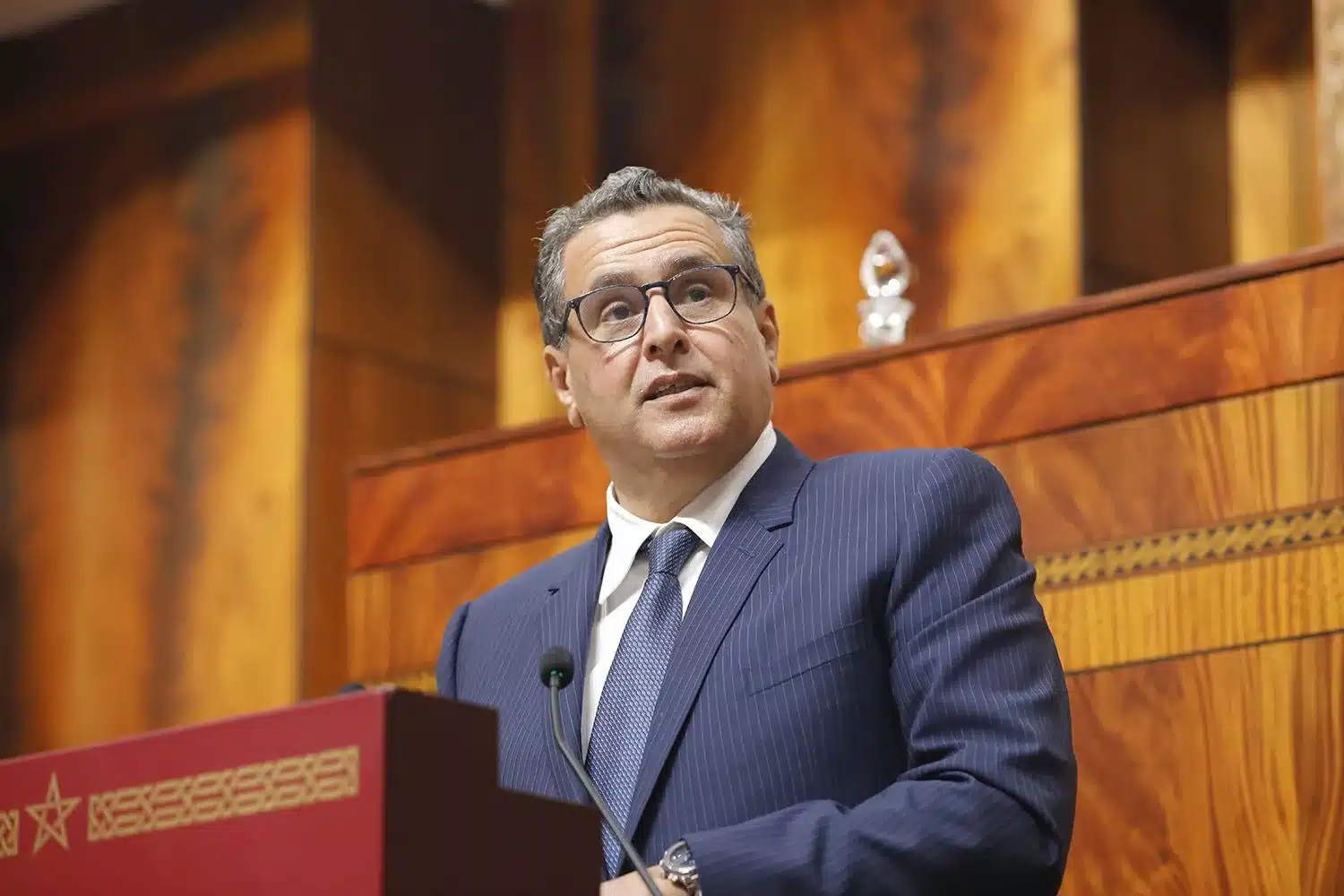
Akhannouch’s Government Engulfed in Conflict of Interest Scandals

يونس أوعلي
Youness Ouali Published 26 March ,2026
Share
نون بوست
نون بوست

The issue of conflict of interest has once again taken center stage in Morocco’s political discourse, with fresh accusations facing Prime Minister Aziz Akhannouch’s government this time over the controversial import of the drug potassium chloride.

The controversy erupted after Abdellah Bouanou, a Member of Parliament from the Justice and Development Party (PJD), raised concerns over the issuance of exceptional licenses allegedly benefiting a company owned by a sitting cabinet minister, reviving longstanding questions about ethical governance.

In response, the Ministry of Health and Social Protection issued a statement denying the allegations, calling them baseless and harmful to the credibility of national efforts to secure pharmaceutical supply chains and ensure continued treatment availability in hospitals.

However, the ministry did not deny that a government minister profited from the deal making this another chapter in the growing narrative of conflicts of interest shadowing Akhannouch’s administration since it took office.

Unpacking the Deal

During parliamentary discussions on the 2026 finance bill, Bouanou raised the issue of importing the drug from China under a temporary license. He noted that several hospitals had withdrawn the medication because its labeling was in an incomprehensible language.

Though Bouanou did not name the minister in question, media reports linked the matter to a company owned by Chakib Barada, the Minister of National Education.

An investigative report by Lissan Al-Maghrib magazine revealed that Barada also a member of the political bureau of the ruling National Rally of Independents (RNI) still holds a position in a pharmaceutical supply chain company despite his ministerial role.

According to the investigation, Barada remains registered as an “administrative officer” in BIP Partners, a stakeholder in the PharmaProm Group, which has come under scrutiny over its dealings with the Health Ministry, currently headed by fellow RNI member Amin Tahrawi.

This raises sharp legal questions about Barada’s conduct. Moroccan law explicitly prohibits ministers from continuing to manage or operate profit-oriented private entities during their tenure.

Article 33 of the organic law mandates a complete severance from any economic or commercial activity that could pose a potential conflict of interest, save for passive financial holdings.

Barada’s continued role in a company operating in a sector regulated and contracted by the government puts into question the principle of separating public office from private interests. It reignites the debate over the effectiveness of internal safeguards within the government to prevent such conflicts.

The Health Ministry, under Tahrawi’s leadership, responded vaguely to the allegations, avoiding any direct acknowledgment of whether companies owned by government members had benefited.

Its official statement denied any preferential treatment or monopolies, asserting that the deal adhered to a “legal and transparent” tendering process without disclosing the names of bidding or winning companies.

This evasive response sparked criticism among civic observers, who accused the ministry of sidestepping the core issue and focusing on procedural rhetoric instead of clarifying whether a minister-owned firm was indeed a beneficiary.

Government spokesperson Mustapha Baitas added that the government’s dealings with the company dated back to 2014, indirectly confirming that business ties persisted even after the minister assumed office. For many observers, this amounted to a tacit admission of what the Health Ministry sought to downplay.

In 2014, Barada was a businessman entitled to compete for public contracts; now, he is a government official wielding regulatory power with a private hand in lucrative sectors.

Part of a Larger Pattern

The potassium chloride case follows on the heels of another high-profile scandal involving the awarding of a desalination plant contract in the Casablanca-Settat region in 2024. The deal, worth approximately 6.5 billion dirhams, was granted to a consortium that included a company owned by Prime Minister Akhannouch.

This fueled allegations that the Prime Minister used his political position for personal gain a charge that led opposition figures to brand the case a “political scandal” undermining the government’s credibility.

Despite Akhannouch’s insistence that the bidding process was transparent, suspicions persisted, especially given the accumulation of similar cases. These include reports of private firms linked to government members or their associates receiving public contracts or financial subsidies such as in the “Farrakchia” case, where 18 individuals allegedly received 13 billion dirhams in subsidies for importing livestock, with no visible impact on the soaring prices of red meat and sacrificial animals in recent years.

Such cases point to a systemic flaw in the relationship between business and government. Business elites are increasingly occupying executive roles in sensitive sectors, raising the risk of public resources being funneled into private hands in the absence of robust transparency mechanisms.

While Moroccan law grants the executive broad authority in shaping public policy, it lacks sufficient oversight to ensure a clean break between public duties and private enterprises, especially in sectors like pharmaceuticals and infrastructure.

These unchecked powers render exceptions and contract processes vulnerable to exploitation by economically and politically connected elites.

As some analysts note, the Moroccan economic landscape suffers from a lack of political independence from private business interests. The current cabinet’s makeup reflects this overlap, with many ministers simultaneously serving as investors or business owners.

This convergence of public governance and private enterprise raises pressing concerns about the state’s ability to ensure fair competition and curb rent-seeking behavior.

Opposition’s Response

The Moroccan opposition has responded to these issues by framing each new case as part of a broader pattern of executive overreach and insufficient separation between political power and private gain.

The Justice and Development Party (PJD), in particular, has adopted a strategy of compiling and documenting such cases as evidence of deep-rooted governance failures. It has relied on constitutional oversight tools such as parliamentary inquiries most notably in the livestock importation case and repeatedly raised the issue during government questioning sessions.

In doing so, the opposition has sought to demonstrate that the conflict of interest problem is not limited to individual actors but is symptomatic of a broader governmental structure dominated by businessmen in critical decision-making positions.

The opposition has also taken steps to articulate a legal and political critique of the government’s response, which it argues is often superficial or overly technical avoiding the fundamental issue of overlapping public and private roles.

It has called for a revision of the laws regulating conflict-of-interest disclosures and for ministers to fully relinquish managerial roles in private enterprises while in public office.

This approach has allowed the opposition to frame conflict-of-interest scandals as a central political issue heading into the next elections. Opposition parties are betting that the cumulative weight of these controversies will erode public trust in Akhannouch’s government especially given the continued scrutiny over major contracts and a growing public perception that money and power are becoming indistinguishably entangled.

They also see an opportunity to tap into discontent among younger generations, particularly Gen Z, whom some analysts believe are increasingly disillusioned with current governance.

The opposition views this climate as fertile ground to present itself as a credible political alternative, one capable of restoring transparency and reviving oversight institutions that have been marginalized in recent years.

What Lies Ahead for the Akhannouch Government?

Observers predict that the fallout from these scandals will extend beyond media cycles and begin to strain the ruling coalition’s cohesion and electoral prospects. If the opposition continues to build a sustained campaign around these issues, the government may find itself increasingly vulnerable.

Analysts suggest that the National Rally of Independents (RNI), led by Akhannouch, stands to suffer most, given that both Minister of Health Amin Tahrawi and Education Minister Chakib Barada also belong to the party.

The repetition of these allegations risks damaging the RNI’s image as a whole particularly in a climate where Moroccans are growing more sensitive to issues of integrity and transparency. This could ultimately reshape the country’s political landscape.

The potassium chloride import scandal is thus the latest episode in a troubling saga of the fusion between wealth and power under a government dominated by business elites.

While the Health Ministry maintains that all procedures were conducted transparently and legally, statements from government spokesperson Mustapha Baitas indicate that the company linked to Minister Barada did indeed profit from the deal.

Without evidence to dispel the allegations such as publicly available documentation or a parliamentary fact-finding commission mere denials will do little to rebuild public trust.

As the next elections approach, many observers believe these issues may seriously undermine the ruling coalition’s chances of maintaining power.

Download this article as PDF
Share this Article
Facebook Twitter Whatsapp Whatsapp Telegram Email Copy Link
يونس أوعلي
By يونس أوعلي روائي وكاتب مغربي
Follow:
Previous Article نون بوست Will American Gas Break Israel’s Grip on Egypt’s Energy Equation?
Next Article نون بوست Investigation Reveals the Largest Forced Displacement in the West Bank Since 1967

Read More

  • U.S. Regime‑Change Policies: Why They Are Destined to Fail U.S. Regime‑Change Policies: Why They Are Destined to Fail
  • The Gulf’s Balancing Act: Iran, Israel, and Hidden Links
  • Iraq–Turkey Oil Export Treaty: Why Did Ankara Cancel It After 52 Years?
  • Syria’s Northeast on Edge: QSD Between Ankara and Damascus
  • Has Europe Changed Its Stance on Israel… or Just Its Language?
part of the design
NoonPost Weekly Newsletter

You May Also Like

U.S. Regime‑Change Policies: Why They Are Destined to Fail

U.S. Regime‑Change Policies: Why They Are Destined to Fail

إسراء سيد Esraa sayed 8 April ,2026
The Gulf’s Balancing Act: Iran, Israel, and Hidden Links

The Gulf’s Balancing Act: Iran, Israel, and Hidden Links

فريق التحرير Noon Post 8 April ,2026
Iraq–Turkey Oil Export Treaty: Why Did Ankara Cancel It After 52 Years?

Iraq–Turkey Oil Export Treaty: Why Did Ankara Cancel It After 52 Years?

فريق التحرير Noon Post 8 April ,2026

الاتفاق الليبي: السلام لا يزال بعيدًا

فريق التحرير
Noon Post Published 9 October ,2015
Share
54b773e6601e9bed338b45d3

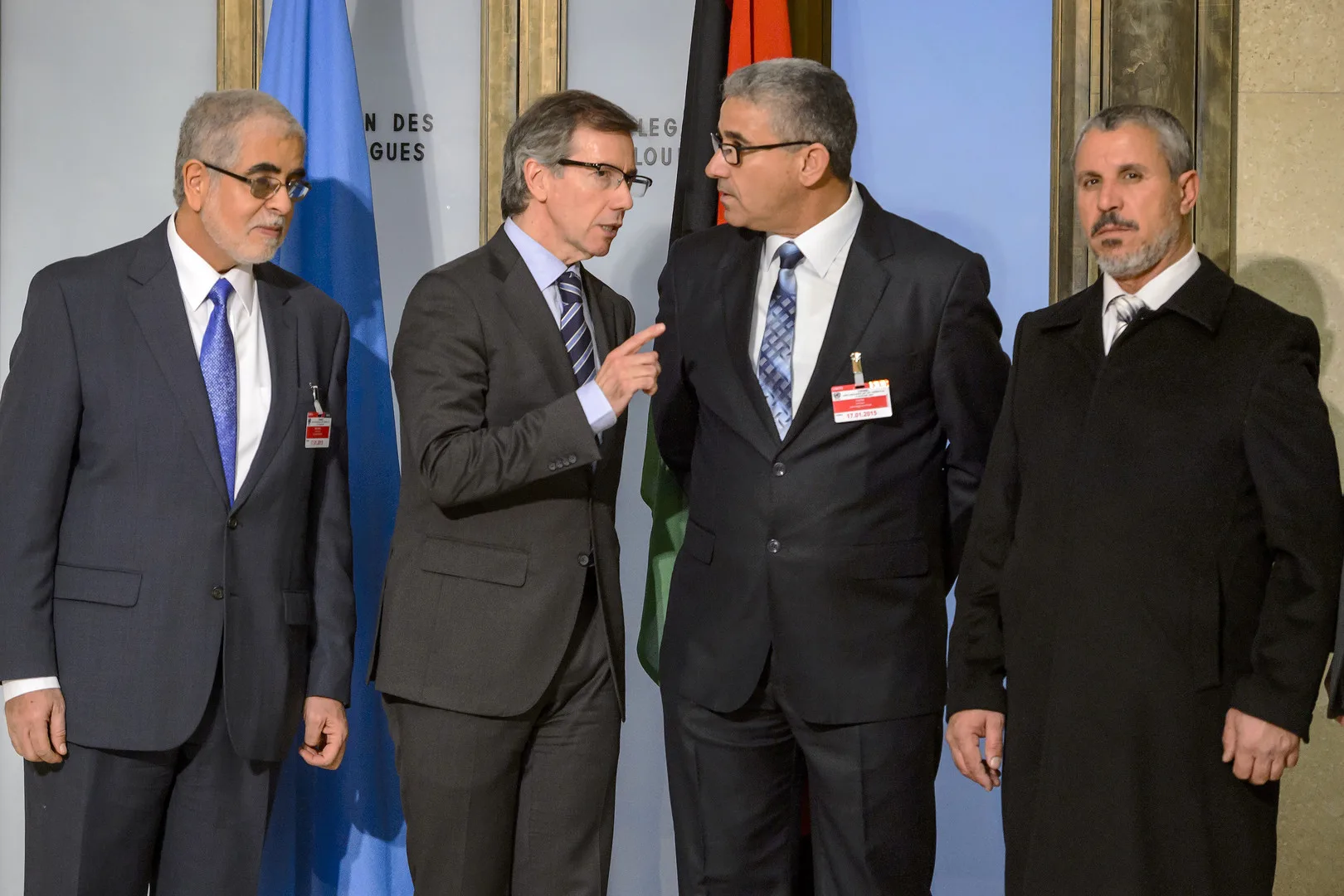
أشهر طويلة من الشدّ والجذب بين الفرقاء الليبيين، تخلّلتها عديد الخيبات والمواعيد النّهائية التي تم تجاوزها أكثر من مرّة. بين جنيف والصخيرات المغربية والجزائر، مرّ الحوار الليبي الذي تقوده الأمم المتحدة عبر مبعوثها ليوني بعديد الصّعوبات التي يبدو أنها باتت من الماضي مع النّجاح في إقناع طرفي النّزاع بالإمضاء على المُسودّة الأخيرة التي استمات المبعوث الأممي من أجل فرضها كخيار أخير غير قابل للتغيير أو التّحوير.

اتفاق ينظر له الجميع اليوم على أنه سيكون حجر تحقيق السّلام الدّاخلي في ليبيا، تم الإمضاء عليه مساء الخميس لينطلق تجاذب آخر يتعلّق بتنزيله خاصة في علاقة بالأسماء التي ستُمسك بدواليب السّلطة التنفيذية سواء تلك المُرشّحة لرئاسة حكومة الوفاق الوطني أو عضوية المجلس الأعلى للدولة أو مجلس النوّاب.

بنود الاتفاق الذي أمضاه الطرفان  

وينُص اتفاق الخميس على أن تُقاد ليبيا خلال الفترة الانتقالية عبر ثلاثة أجهزة رئيسية وهي حكومة الوفاق الوطني، ومجلس النواب والمجلس الأعلى للدولة.

  • حكومة الوفاق الوطني:

    فيما يخص حكومة الاتفاق الوطني، تم التنصيص على مهامها وهي أساسًا ممارسة مهام السلطة التنفيذية ويكون مقرها الرئيسي العاصمة طرابلس أو أي مدينة أخرى، ولايته سنة قابلة للتّمديد تلقائيًا لسنة أخرى في حال عدم الانتهاء من إصدار الدّستور، وسيكون من بين مهام مجلس رئاسة الوزراء أيضًا القيادة العليا للجيش الليبي، إضافةً إلى تعيين وإقالة رئيس جهاز المخابرات العامة بعد موافقة مجلس النواب وإعلان حالة الطوارئ والحرب والسلم والتدابير الاستثنائية بعد موافقة مجلس الدّفاع والأمن القومي.

    كما تنص المسودة على التزام حكومة الوفاق الوطني بتشكيل لجنة مشتركة من مجلس النواب ومجلس الدولة وحكومة الوفاق الوطني ومجلس الدفاع والأمن القومي للتوافق على مشروع قانون يحدد صلاحيات منصب القائد الأعلى للجيش الليبي.

  • مجلس النواب:

أما فيما يتعلّق بمجلس النّوّاب، فقد نص الاتفاق على أن يتولى السلطة التشريعية خلال المرحلة الانتقالية وسيكون من بين مهامه اعتماد الميزانية العامة والرقابة على السلطة التنفيذية، وإقرار السياسة العامة المقدمة من الحكومة.

وقد  نص الانفاق على ألا ينظر مجلس النواب في طلب الاقتراح بسحب الثقة من حكومة الوفاق الوطني إلا بطلب موقع من 50 عضوًا، ويقوم المجلس بالتشاور مع مجلس الأعلى الدولة بهدف الوصول لتوافق قبل المضي في إجراءات سحب الثقة.

  • المجلس الأعلى للدولة:

وبخصوص المجلس الأعلى للدّولة، فقد عرّفته الوثيقة على أنه أعلى مجلس استشاري للدولة مقره الرئيس يكون في طرابلس، ويجوز عقد اجتماعه في مدن أخرى، يعمل بشكل مستقل، ويتولى إبداء الرأي في مشاريع القوانين المقدمة من الحكومة خلال 21 يومًا فقط، كما يتولى إبداء الرأي الاستشاري والاقتراحات اللازمة لحكومة الوفاق الوطني في القضايا المتعلقة بالاتفاقيات الدولية.

كما كفل الاتفاق للمجلس تشكيل لجنة مشتركة لاقتراح مشروعي قانوني الاستفتاء والانتخابات العامة الضروريان لاستكمال المرحلة الانتقالية دون الإخلال بالصلاحيات التشريعية الموكولة لمجلس النواب.

رهان الاتفاق حول حكومة الوفاق الوطني

رغم أن الوصول إلى اتفاق إطار بين طرفي النّزاع في ليبيا يعدّ في حد ذاته إنجاز، إلا أن تنزيله على أرض الواقع خاصّة فيما يتعلّق بتحديد أسماء الشّخصيات التي يمكن أن تقود المرحلة الانتقاليّة لن يكون أيسر مما مضى بالنّظر إلى انخفاض منسوب الثّقة بين مختلف الأطراف.

وفيما يبدو أنه محاولة لاختزال الوقت الضائع ووضع الجميع أمام الأمر الواقع، أعلن مبعوث الأمم المتحدة إلى ليبيا بيرناردينو ليون عن الأسماء المقترحة لإدارة الفترة الانتقالية في ليبيا، خلال مؤتمر صحافي بمدينة الصخيرات المغربية صبيحة اليوم، حيث قال بأن الأطراف المشاركة في الحوار ومن بينها المؤتمر الوطني العام اتفقوا على ترأس عبد الرحمن السويحلي عضو المؤتمر الوطني للمجلس الأعلى للدولة، وفايز السراج، عضو مجلس نواب طبرق لحكومة الوحدة وطنية إضافة إلى ثلاثة نواب له وهم أحمد معيتيق وفتحي المجبري وموسى الكوني.

وقد حظي هذا الإعلان بترحيب الاتحاد الأوروبي حيث اعتبرته الممثلة العليا للأمن والسياسة الخارجية للاتحاد الأوروبي، فيديريكا موغريني، خطوة الهامة نحو استكمال مفاوضات صعبة في الأشهر الأخيرة، ودعت المسؤولة الأوروبية حكومة الوفاق الوطني لعدم إضاعة الوقت بالنظر إلى التحديات التي تواجه ليبيا، قائلةً بأنه ليس هناك مجال لتضييع الوقت في تشكيل حكومة الوفاق الوطني، بحيث يمكن – مع الاعتراف والدعم الكامل من المجتمع الدولي – بدء العمل لصالح كل الشعب الليبي.

من جانبه رحب الأمين العام للأمم المتحدة بان كي مون بالاقتراح، مشيدًا بالمشاركين في الحوار الوطني وتوصلهم إلى نص انهائي لاتفاق سياسي بعد مشاورات شاملة واسعة النطاق، مؤكدًا في الوقت ذاته التزامه بدعم  الشعب الليبي من خلال ممثله الخاص وبعثة الأمم المتحدة للدعم في ليبيا .

وعلى عكس ما أعلنه ليون، بيّنت أولى ردود الفعل من الطّرفين أن ما قيل عن وجود اتفاق حول هذه الأسماء لا يعدو أن يكون ضغطًا لإنهاء المسألة في أقصر وقت ممكن، حيث رفض عبد الرحمن السويحلي ترشيحه لمنصب رئيس المجلس الأعلى للدولة وصرّح لوسائل الإعلام بأنه لم يتم الأخذ برأي الوفد في الأسماء المقترحة التي أعلنها ليون لإدارة المرحلة الانتقالية، وبأن الأخير ليس مخولًا ليقرر من يتولى تلك المناصب.

في السياق ذاته، قال عبد السلام العاشور، عضو برلمان طرابلس، بأن البرلمان لم يقدم أي أسماء، وبالتالي فهو ليس جزءًا من هذه الحكومة المقترحة، ووصفها بأنها “لا تعني شيئًا بالنسبة لنا ولم يتم التشاور معنا بشأنها.”

كما قال إبراهيم زاغيات، عضو برلمان طبرق، إن هذه الحكومة المقترحة سوف تؤدي إلى تقسيم ليبيا وإن اختيار ليون لم يكن حكيمًا ولا ينسجم مع الاتفاق السياسي المطروح على الطاولة، وسيزيد الوضع تعقيدًا باعتباره يفتقد للتوازن كان يجب عليه التشاور مع الطرفين قبل الإعلان عنه.

الاتفاق الليبي: السلام لا يزال بعيدًا

ورغم الاحتفاء الدّولي الذي شهده إعلان ليون، وبالرّجوع إلى مسار المُفاوضات الطّويل وتفاصيله، من الضروري التعامل بتحفّظ مع كل الموجات الإيجابيّة المُتفائلة التي لم يكُف المبعوث الأممي عن إرسالها حتى في لحظات التوقّف التّام للحوار.

فبالإضافة إلى ردود الفعل الأولى الصّادرة من كلا طرفي النّزاع بخصوص الحكومة، يبدو غريبًا وغير منطقي مُحاولة فرض تركيبة حكوميّة يكون على رأسها مُتحزّبون في ظل انعدام الثقة بين طرفي النّزاع وعدم نجاح أشهر الحوار الطّويلة في تشكيل أرضية المُشترك الأدنى الذي يسمح بإطلاق عمليّة بناء مُشترك.

كما أن بنود الاتّفاق بدت فضفاضة لدرجة أنها ستعجز أمام أول تنزيل فعلي لها، فعدم تحديد مصير الجسم المُسلّح الليبي بتعبيراته المُختلفة وأساسًا مصير اللواء خليفة حفتر ومن معه لا يعدو أن يكون سوى تأجيل لإعلان الفشل، وكأن هذا الاتّفاق تم فقط من أجل التسويق لحصول تقدّم في المسألة الليبية، رغم أنه تم تجنّب الخوض في أمهات المشاكل.

لا يزال السلام في ليبيا بعيدًا، بُعد المسافة التي تفصل طرفي النّزاع عن نقطة اللقاء المُشترك وحاجز الثقة المُتبادل، ولئن كان مثل هذا الاتفاق الذي طال أمد انتظاره خطوة في الاتجاه الصّحيح، سيكون من الإيجابي إعطاءه حجمه الحقيقي لأن التقديرات المبنية على تقييمات خاطئة لا يُمكن إلا أن تُؤدّي نحو الفشل.

بناء جسم السّلطة الانتقاليّة مُهمّ جدّا ويُمكن اعتبار الإتفاق حول هيكلتها ومهام كلّ مُكوّن من مُكوّناتها أساس تحقيقه، وسيكون من الأجدى مُحاولة فرض شخصيات الوسط التي نأت بنفسها عن الصّراع الدّائر عوض البحث عن توزيع المناصب بين الأطراف، فالأهم من النّجاح في تشكيل الفرق، هو أن تكون الأخيرة قادرة على العمل مع بعضها وهو ما يبدو مُستحيلًا في ظل التّمشّي الذي انتهجه ليون ليُعلن حكومة وفاقه التي يُمكن التكبير عليها أربعًا منذ الآن.

TAGGED: الاتفاق الليبي ، الحوار الليبي ، المجلس الأعلى للدولة ، حكومة الوفاق الوطني ، مجلس النواب الليبي
Download this article as PDF
Share this Article
Facebook Twitter Whatsapp Whatsapp Telegram Email Copy Link
فريق التحرير
By فريق التحرير تقارير يعدها فريق تحرير نون بوست.
Follow:
Next Article نون بوست The Stigma of “ISIS”: A Heavy Legacy Haunting Women and Children of Former Members

Read More

  • U.S. Regime‑Change Policies: Why They Are Destined to Fail U.S. Regime‑Change Policies: Why They Are Destined to Fail
  • The Gulf’s Balancing Act: Iran, Israel, and Hidden Links
  • Iraq–Turkey Oil Export Treaty: Why Did Ankara Cancel It After 52 Years?
  • Syria’s Northeast on Edge: QSD Between Ankara and Damascus
  • Has Europe Changed Its Stance on Israel… or Just Its Language?
part of the design
NoonPost Weekly Newsletter

You May Also Like

U.S. Regime‑Change Policies: Why They Are Destined to Fail

U.S. Regime‑Change Policies: Why They Are Destined to Fail

إسراء سيد Esraa sayed 8 April ,2026
The Gulf’s Balancing Act: Iran, Israel, and Hidden Links

The Gulf’s Balancing Act: Iran, Israel, and Hidden Links

فريق التحرير Noon Post 8 April ,2026
Iraq–Turkey Oil Export Treaty: Why Did Ankara Cancel It After 52 Years?

Iraq–Turkey Oil Export Treaty: Why Did Ankara Cancel It After 52 Years?

فريق التحرير Noon Post 8 April ,2026
dark

An independent media platform founded in 2013, rooted in slow journalism, producing in-depth reports, analysis, and multimedia content to offer deeper perspectives on the news, led by a diverse young team from several Arab countries.

  • Politics
  • Society
  • Rights & Liberties
  • Opinions
  • History
  • Sports
  • Education
  • Technology
  • Economy
  • Media
  • Arts & Literature
  • Entrepreneurship
  • Travel
  • Cinema & Drama
  • Food
  • Health
  • Culture
  • Latest Reports
  • Files
  • Long Reads
  • Interviews
  • Podcast
  • Interactive
  • Encyclopedia
  • In Pictures
  • About Us
  • Our Writers
  • Write for Us
  • Editorial Policy
  • Advanced Search
Some rights reserved under a Creative Commons license

Removed from favorites

Undo
Go to mobile version