
NoonPost NoonPost

NoonPost

  • Home
  • Politics
  • Economy
  • Society
  • Culture
  • Files
  • Long Reads
  • Podcast
AR
Notification Show More
نون بوست
“There Are Nights I Can’t Close My Eyes”: How Gazans Are Living in Homes on the Brink of Collapse
نون بوست
From al-Jolani to Ahmad al-Shara: The Evolution of Syria’s New Leader
نون بوست
When Political Islam Receded in Egypt: Who Filled the Void?
نون بوست
An Extension of Genocide: Gaza’s Detainees Speak Out
نون بوست
A Tightrope Between Survival and Sovereignty: The Syrian Government Faces Normalization Pressures
نون بوست
American Aircraft Carriers: Has the Era of “100,000 Tons of Diplomacy” Ended?
نون بوست
U.S. Regime‑Change Policies: Why They Are Destined to Fail
نون بوست
Transformations of Israeli Judaism: Between the Victim Complex and the Colonizer’s Doctrine
نون بوست
The Gulf’s Balancing Act: Iran, Israel, and Hidden Links
نون بوست
Iraq–Turkey Oil Export Treaty: Why Did Ankara Cancel It After 52 Years?
نون بوست
Syria’s Northeast on Edge: QSD Between Ankara and Damascus
نون بوست
Has Europe Changed Its Stance on Israel… or Just Its Language?
NoonPost NoonPost
AR
Notification Show More
نون بوست
“There Are Nights I Can’t Close My Eyes”: How Gazans Are Living in Homes on the Brink of Collapse
نون بوست
From al-Jolani to Ahmad al-Shara: The Evolution of Syria’s New Leader
نون بوست
When Political Islam Receded in Egypt: Who Filled the Void?
نون بوست
An Extension of Genocide: Gaza’s Detainees Speak Out
نون بوست
A Tightrope Between Survival and Sovereignty: The Syrian Government Faces Normalization Pressures
نون بوست
American Aircraft Carriers: Has the Era of “100,000 Tons of Diplomacy” Ended?
نون بوست
U.S. Regime‑Change Policies: Why They Are Destined to Fail
نون بوست
Transformations of Israeli Judaism: Between the Victim Complex and the Colonizer’s Doctrine
نون بوست
The Gulf’s Balancing Act: Iran, Israel, and Hidden Links
نون بوست
Iraq–Turkey Oil Export Treaty: Why Did Ankara Cancel It After 52 Years?
نون بوست
Syria’s Northeast on Edge: QSD Between Ankara and Damascus
نون بوست
Has Europe Changed Its Stance on Israel… or Just Its Language?
Follow US

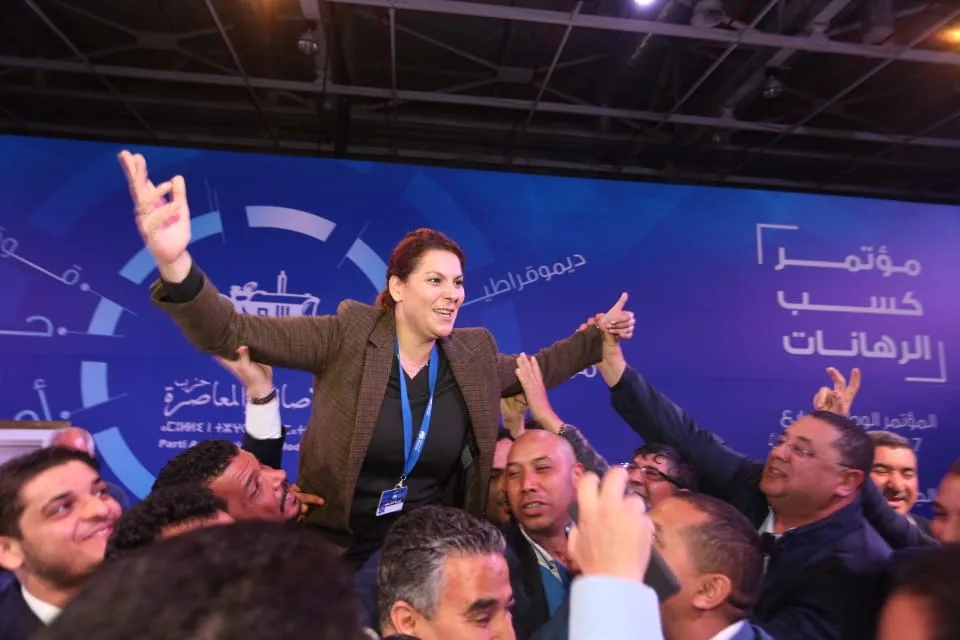
Fatima Zahra Mansouri: On the Brink of Leading Morocco’s Government

عبد الحكيم الرويضي
Abdelhakim ROUIDI Published 26 March ,2026
Share
نون بوست
نون بوست

As Morocco gears up for the 2026 parliamentary elections, one name has emerged to disrupt traditional calculations and reignite a question long postponed: Can a woman become head of government?

With every step Fatima Zahra Mansouri takes within the Authenticity and Modernity Party (PAM), debate deepens over the trajectory of her rise and whether it signals a historic turning point in the country’s relationship with women in power.

The Minister of National Planning, Urban Planning, Housing, and Urban Policy commands significant attention in Moroccan political circles. As PAM’s national coordinator, Mansouri is increasingly positioned by party members and officials as a leading contender to head upcoming government coalition talks, potentially paving the way for her to be nominated as a prime ministerial candidate after the upcoming vote.

This growing momentum is fueling a renewed conversation about whether Morocco is ready to entrust a woman with executive authority. What once seemed purely theoretical is now viewed as an increasingly viable scenario, particularly in a global context that has seen female leaders navigate high-stakes crises with exceptional skill.

Examples abound: In Taiwan, President Tsai Ing-wen earned global praise for her proactive, science-driven leadership during the COVID-19 pandemic keeping infection rates among the world’s lowest despite geographic proximity to the outbreak’s epicenter.

In New Zealand, Jacinda Ardern exemplified a blend of empathy and decisiveness, while in Germany, Angela Merkel guided her country through multiple crises with calm precision and scientific rigor, resulting in lower mortality rates than those seen in many other European nations.

From Law to Public Life

Born in 1976 into a family steeped in diplomacy and public service her father, Jihad Abdelrahman Mansouri, served as Pasha of Marrakech and later Morocco’s ambassador to the UAE Fatima Zahra Mansouri’s career reflects a steady progression through both academic and political institutions.

She earned a law degree from Mohammed V University in Rabat in 1998, followed by a postgraduate diploma in Business Contracts from the University of Montpellier in 1999. In 2000, she completed a program in Anglo-Saxon commercial law at New York University.

By 2005, she had joined the Marrakech Bar Association, focusing her legal practice on real estate issues. However, her interest in public affairs soon drew her beyond the courtroom and into the political arena.

When PAM was founded in August 2008, Mansouri quickly aligned with the new political force. The following year, she ran in the municipal elections and became the first woman to serve as mayor of Marrakech, and only the second woman to hold such a position nationwide. She entered Parliament in 2011 and was re-elected in both the 2016 and 2021 cycles.

In 2015, she was elected president of PAM’s National Council, the party’s highest consultative body. Her re-election to the same post solidified her role in helping to stabilize the party during a period marked by internal conflict and factionalism following the departure of its founding leader.

Leadership Shifts Within PAM

The Authenticity and Modernity Party was formed by Fouad Ali El Himma and a coalition of local officials as part of broader efforts to restructure Morocco’s political landscape and address fragmentation in the early 2000s.

When El Himma was appointed senior advisor to King Mohammed VI in December 2011, he distanced himself from PAM’s internal affairs, leaving the party to chart its own course.

Since then, several figures have cycled through the party’s leadership: Mohamed Cheikh Biadillah, then Ilyas El Omari who resigned after failing to counter the rise of Islamists in the 2016 elections followed by Hakim Benchamach, and then Abdellatif Ouahbi, currently Minister of Justice under Prime Minister Aziz Akhannouch. Ouahbi opted not to seek a second term as party chief.

At PAM’s fifth national congress in February 2024, the party adopted a collective leadership model for the first time. This restructuring resulted in a three-person general secretariat, with Mansouri appointed as the lead coordinator.

However, that fragile equilibrium soon fractured. In September 2024, Mansouri suspended fellow party leader Salah Eddine Aboulghali after allegations surfaced that he defrauded a senior member out of a substantial sum related to a land deal.

A month later, the National Council elected Fatima Saadi to replace Aboulghali in the leadership troika, joining Mansouri and Minister of Culture Mehdi Bensaïd.

Aboulghali publicly disputed the accusations, accusing Mansouri of turning the party into a “private estate” governed by personal interests and powerful connections. He claimed she pressured him to resign by linking his party role to a personal financial dispute, effectively politicizing a private matter.

The Al Haouz Earthquake

Mansouri has also come under scrutiny over her handling of the post-earthquake reconstruction project in Al Haouz, following the devastating 6.8-magnitude tremor in September 2023 that damaged or destroyed around 59,674 homes.

While she has touted the ministry’s achievements such as the construction of 51,000 new homes and major investments in roads, schools, and hospitals critics argue that progress has been uneven across regions. Many displaced families, they say, remain excluded from compensation or housing programs.

The divergence between official narratives and the lived experiences of earthquake survivors has reignited questions about the effectiveness of reconstruction policies. Victims report ongoing delays and a lack of clear communication, casting doubt on the ministry’s responsiveness and Mansouri’s ability to connect with affected communities.

The Second-Place Strategy

Within PAM, there appears to be a growing consensus that Mansouri is best positioned to lead the party into the 2026 elections. Her supporters are pushing to position her as a prime ministerial frontrunner, seeing this as a step toward gradually normalizing the idea of a woman occupying the kingdom’s second-highest executive role.

But the path is steep. According to Morocco’s constitution, the king appoints the head of government from the party that wins the most seats in the House of Representatives. Given the country’s multiparty landscape, achieving an outright majority remains extremely difficult.

Mansouri now faces a crucial test. If PAM can rally its base and engage meaningfully with voters, it may expand its electoral appeal. But if internal divisions persist or the party fails to present a compelling platform, it risks settling once again for second place.

Download this article as PDF
Share this Article
Facebook Twitter Whatsapp Whatsapp Telegram Email Copy Link
عبد الحكيم الرويضي
By عبد الحكيم الرويضي صحافي مغربي
Follow:
Previous Article نون بوست Investigation Reveals the Largest Forced Displacement in the West Bank Since 1967
Next Article نون بوست Winter Deepens Yemen’s Displacement Crisis

Read More

  • U.S. Regime‑Change Policies: Why They Are Destined to Fail U.S. Regime‑Change Policies: Why They Are Destined to Fail
  • The Gulf’s Balancing Act: Iran, Israel, and Hidden Links
  • Iraq–Turkey Oil Export Treaty: Why Did Ankara Cancel It After 52 Years?
  • Syria’s Northeast on Edge: QSD Between Ankara and Damascus
  • Has Europe Changed Its Stance on Israel… or Just Its Language?
part of the design
NoonPost Weekly Newsletter

You May Also Like

U.S. Regime‑Change Policies: Why They Are Destined to Fail

U.S. Regime‑Change Policies: Why They Are Destined to Fail

إسراء سيد Esraa sayed 8 April ,2026
The Gulf’s Balancing Act: Iran, Israel, and Hidden Links

The Gulf’s Balancing Act: Iran, Israel, and Hidden Links

فريق التحرير Noon Post 8 April ,2026
Iraq–Turkey Oil Export Treaty: Why Did Ankara Cancel It After 52 Years?

Iraq–Turkey Oil Export Treaty: Why Did Ankara Cancel It After 52 Years?

فريق التحرير Noon Post 8 April ,2026

انفجار دموي يهز العاصمة التركية أنقرة

فريق التحرير
Noon Post Published 10 October ,2015
Share
099

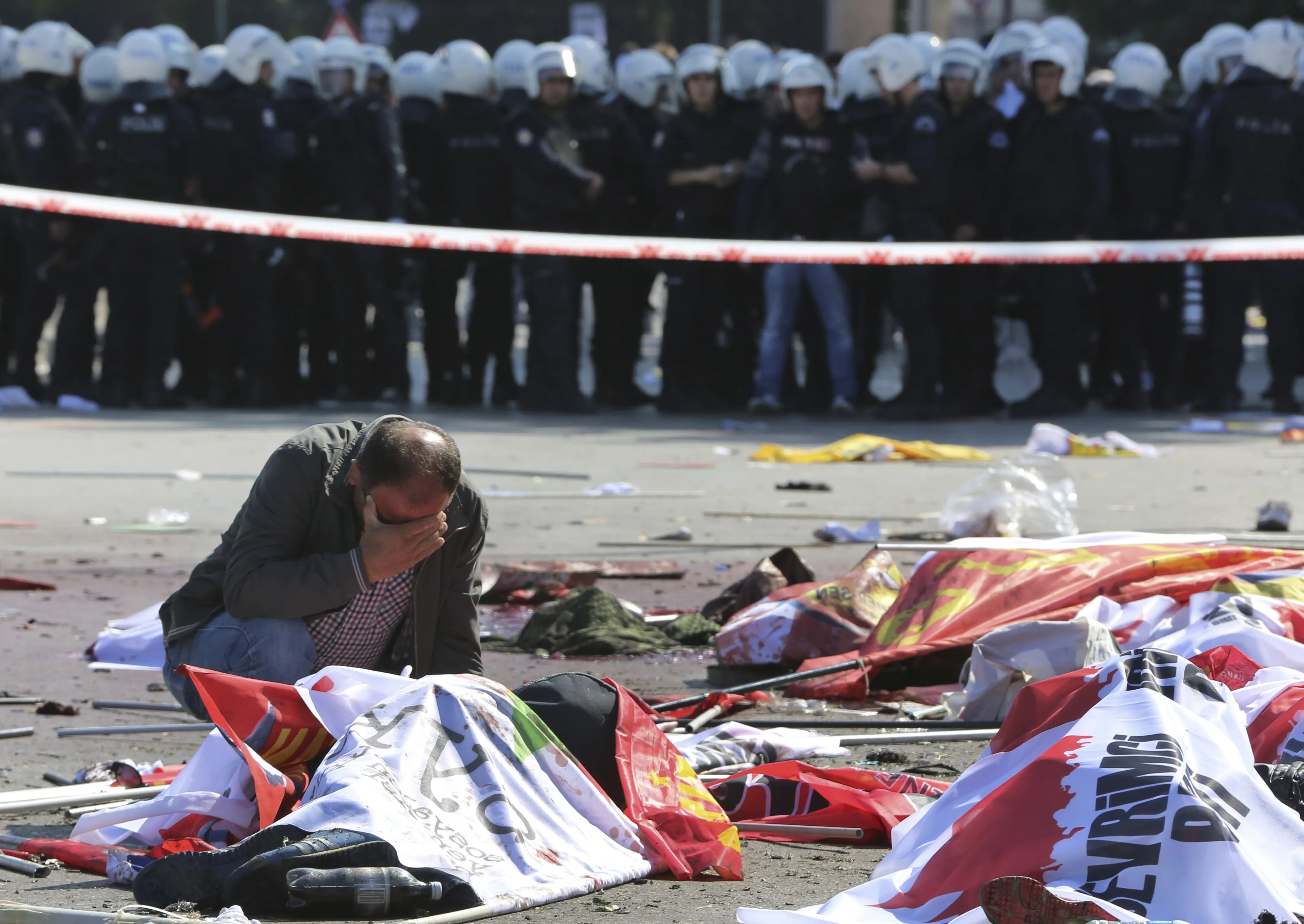
في تمام الساعة العاشرة صباحًا بتوقيت تركيا، وبينما استعدت كوادر حزب الشعوب الديمقراطي الكردي لبدء فعالية سلمية مناصرة للحوار ومعارضة للعنف المتزايد بين القوات التركية وحزب العمال الكردستاني في العاصمة التركية أنقرة أمام محطة القطار، بمشاركة مجموعات يسارية وعمالية عدة، وقع انفجاران متتاليان، على بُعد ثواني من بعضهما البعض، تاركَيْن 86 قتيلًا وأكثر من مائتين وخمسين مصابًا طبقًا للبيانات الرسمية الأولية التي أعلنت عنها وزارة الداخلية التركية، وحاجة ماسة إلى أكثر من 50 سيارة إسعاف وفق بيانات وزارة الصحة.

كان تجمّع المتظاهرين قد بدأ لتوه، بدءًا من أنصار حزب الشعوب الكردي وحتى أعضاء اتحاد النقابات العمالية للقطاع العام (KESK)، واتحاد النقابات العمالية التقدمية (DISK)، والاتحاد التركي للمهندسين والمعماريين (TMMOB)، واتحاد الأطباء الأتراك (TTB)، وهي تظاهرة أتت لها مجموعات كثيرة من مختلف أنحاء تركيا باسم “مسيرة العمال والسلام والديمقراطية،” ليقوموا بإلغائها بعد وقوع الانفجارين مباشرة، والدعوة للتبرع بالدماء في المستشفيات التي استقبلت الضحايا.

طبقًا لوكالة الأناضول الإعلامية التابعة للحكومة، وقع الانفجاران عند مخرجيّ محطة القطار الرئيسية في المدينة، والتي كان يتوقع أن تستقبل الكثيرين من الوافدين على المسيرة من خارج أنقرة، ويُرجح طبقًا لها أن يكون الانفجار قد تم عن طريق انتحاري فجر نفسه، نظرًا للأشلاء المتناثرة التي رآها شهود العيان، هذا وقامت الشرطة بإغلاق الساحة وجمع الأدلة فيها بينما حضر وزراء الداخلية والعدل والصحة مباشرة لموقع الحادث، كما تواجد نائب رئيس حزب العدالة والنتمية عمر تشليك.

نون بوست

محطة القطار الرئيسية في أنقرة بعد الانفجارين

من جانبه، أشار رئيس حزب الشعوب الكردي صلاح الدين دميرطاش إلى أن الهجوم شبيه بالانفاجرين الكبيرين اللذين وقعا في دياربكر وسوروج في وقت سابق من هذا العام، واستهدف نشطاء متعاطفين مع الحزب، وبالأخص هجوم دياربكر الذي وقع في الخامس من يونيو الماضي واستهدف مسيرة انتخابية للحزب في عقر داره بقنبلتين أيضًا كان من المفترض أن يتوجه لها دميرطاش آنذاك.

على المستوى الرسمي، أعلن رئيس الوزراء التركي أحمد داوود أوغلو وقف كافة الدعايا الانتخابية لحزب العدالة والتنمية لمدة ثلاثة أيام، وعقد اجتماعات طارئة مع نائبه يالتشِن أقدوغان، ووزير الصحة محمد مؤذن أوغلو، ووزير الداخلية سلامي ألطنوق، ورئيسا الشرطة والاستخبارات، وعُمدة أنقرة، بينما قطع الرئيس التركي رجب طيب أردوغان برنامجًا رئاسيًا له في مدينة إسطنبول متجهًا إلى العاصمة، وقال في أول تصريحات صادرة له بأن استهداف المسيرة لا يختلف عن استهداف الضباط الذي يجري في جنوبي شرقي البلاد، دون ذكر حزب العمال الكردستاني، في تضامن مع القائمين على المسيرة رغم الخلافات السياسية العميقة بينهما.

على صعيد المعارضة التركية، قال كمال قلجدار أوغلو رئيس حزب الشعب الجمهوري العلماني أنه قد ألغى كافة فعاليات الحزب لليوم، وأنه مستعد لتقديم كل ما بوسعه بوجه “الإرهاب،” ومرة أخرى دون ذكر فصيل بعينه، لا سيما وأن بعض أعضاء الحزب كانوا حاضرين بالفعل، مثل نائبه كورسل تكين، والذي قال بأن محامين منتمين للحزب كانوا ينتوون المشاركة في المسيرة في إطار جهود الحزب الرافضة للاستقطاب القومي الحادث الآن بين الأتراك والأكراد، أما حزب الحركة القومية القومي اليميني فلم تصدر عنه تصريحات حتى الآن، وهو المعروف بصراعه الطويل مع الفصائل الكردية واليسارية، في حين قام أحد مرشحيه بأنقرة بإلغاء اجتماع له.

نون بوست

الاتهامات لم توجه رسميًا لأحد، ولكن المنابر الإعلامية المختلفة بدأت بشكل غير مباشر في توجيه شكوكها ناحية الخصوم، فقد نشرت صحيفة يني شفق الموالية لحزب العدالة والنتمية والرئيس التركي تغريدات على حساب تويتر مرتبط بحزب العمال الكردستاني تناول بالأمس احتمالية وقوع تفجير كما جرى في سوروج وديار بكر، في محاولة للإشارة بأن حزب العمال ضالع في العمليات بإثبات علمه بها قبلًا، بينما نشرت من ناحية أخرى صحيفة راديكال اليسارية المعارضة على لسان أحد صحافيي مؤسستها الإعلامية بأن الشرطة كانت متواجدة بشكل ضعيف ولم تتخذ التدابير المعتادة مع تظاهرات كتلك، في محاولة للإشارة بأن الطرف المسؤول عن التفجير مقرب من السلطة حاليًا.

ما إذا كانت تلك التفجيرات تصعيدًا من حزب العمال الكردستاني، الذي لم يعلن مسؤوليته، أو عملية من المقربين من السلطة، مثل حزب الله الكردي الإسلامي المعارض منذ نشأته لحزب العمال والقريب من الجيش والمخابرات التركية طوال العقود الماضية والذي يتهمه نشطاء الأكراد دومًا بالقيام بعمليات تصب في صالح أنقرة، أو عملية من طرف خارجي مثل داعش، كما حدث في سوروج على الحدود السورية، هو أمر ربما تكشف عنه التحقيقات والأحداث في الأيام المقبلة، ولحين يتضح بالفعل من هو الفاعل، ستبقى أصابع الاتهام موجهة من الاطراف المختلفة لبعضها البعض كما هو واضح الآن من الصحف التركية بانتماءاتها المختلفة.

TAGGED: الإرهاب ، الإرهاب في تركيا ، السياسة التركية ، القضية الكردية ، حزب الشعوب الديمقراطي
TAGGED: الانتخابات التركية
Download this article as PDF
Share this Article
Facebook Twitter Whatsapp Whatsapp Telegram Email Copy Link
فريق التحرير
By فريق التحرير تقارير يعدها فريق تحرير نون بوست.
Follow:
Next Article نون بوست The Stigma of “ISIS”: A Heavy Legacy Haunting Women and Children of Former Members

Read More

  • U.S. Regime‑Change Policies: Why They Are Destined to Fail U.S. Regime‑Change Policies: Why They Are Destined to Fail
  • The Gulf’s Balancing Act: Iran, Israel, and Hidden Links
  • Iraq–Turkey Oil Export Treaty: Why Did Ankara Cancel It After 52 Years?
  • Syria’s Northeast on Edge: QSD Between Ankara and Damascus
  • Has Europe Changed Its Stance on Israel… or Just Its Language?
part of the design
NoonPost Weekly Newsletter
dark

An independent media platform founded in 2013, rooted in slow journalism, producing in-depth reports, analysis, and multimedia content to offer deeper perspectives on the news, led by a diverse young team from several Arab countries.

  • Politics
  • Society
  • Rights & Liberties
  • Opinions
  • History
  • Sports
  • Education
  • Technology
  • Economy
  • Media
  • Arts & Literature
  • Entrepreneurship
  • Travel
  • Cinema & Drama
  • Food
  • Health
  • Culture
  • Latest Reports
  • Files
  • Long Reads
  • Interviews
  • Podcast
  • Interactive
  • Encyclopedia
  • In Pictures
  • About Us
  • Our Writers
  • Write for Us
  • Editorial Policy
  • Advanced Search
Some rights reserved under a Creative Commons license

Removed from favorites

Undo
Go to mobile version