NoonPost NoonPost

NoonPost

  • Home
  • Politics
  • Economy
  • Society
  • Culture
  • Files
  • Long Reads
  • Podcast
AR
Notification Show More
نون بوست
“There Are Nights I Can’t Close My Eyes”: How Gazans Are Living in Homes on the Brink of Collapse
نون بوست
From al-Jolani to Ahmad al-Shara: The Evolution of Syria’s New Leader
نون بوست
When Political Islam Receded in Egypt: Who Filled the Void?
نون بوست
An Extension of Genocide: Gaza’s Detainees Speak Out
نون بوست
A Tightrope Between Survival and Sovereignty: The Syrian Government Faces Normalization Pressures
نون بوست
American Aircraft Carriers: Has the Era of “100,000 Tons of Diplomacy” Ended?
نون بوست
U.S. Regime‑Change Policies: Why They Are Destined to Fail
نون بوست
Transformations of Israeli Judaism: Between the Victim Complex and the Colonizer’s Doctrine
نون بوست
The Gulf’s Balancing Act: Iran, Israel, and Hidden Links
نون بوست
Iraq–Turkey Oil Export Treaty: Why Did Ankara Cancel It After 52 Years?
نون بوست
Syria’s Northeast on Edge: QSD Between Ankara and Damascus
نون بوست
Has Europe Changed Its Stance on Israel… or Just Its Language?
NoonPost NoonPost
AR
Notification Show More
نون بوست
“There Are Nights I Can’t Close My Eyes”: How Gazans Are Living in Homes on the Brink of Collapse
نون بوست
From al-Jolani to Ahmad al-Shara: The Evolution of Syria’s New Leader
نون بوست
When Political Islam Receded in Egypt: Who Filled the Void?
نون بوست
An Extension of Genocide: Gaza’s Detainees Speak Out
نون بوست
A Tightrope Between Survival and Sovereignty: The Syrian Government Faces Normalization Pressures
نون بوست
American Aircraft Carriers: Has the Era of “100,000 Tons of Diplomacy” Ended?
نون بوست
U.S. Regime‑Change Policies: Why They Are Destined to Fail
نون بوست
Transformations of Israeli Judaism: Between the Victim Complex and the Colonizer’s Doctrine
نون بوست
The Gulf’s Balancing Act: Iran, Israel, and Hidden Links
نون بوست
Iraq–Turkey Oil Export Treaty: Why Did Ankara Cancel It After 52 Years?
نون بوست
Syria’s Northeast on Edge: QSD Between Ankara and Damascus
نون بوست
Has Europe Changed Its Stance on Israel… or Just Its Language?
Follow US

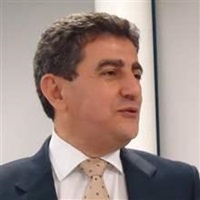
Who Is Jassem Al-Shamsi, the detainee in Syria?

فريق التحرير
Noon Post Published 26 March ,2026
Share
نون بوست
نون بوست

“To my Syrian brothers and sisters… you, more than anyone, understand the meaning of loss, of fear and uncertainty.” With these words, choked with pain and trembling with anxiety, Raghda Kiwan, the wife of detained Emirati dissident Jassem Al-Shamsi, issued a heartfelt appeal to the Syrian government and public.

Speaking with a broken voice, Raghda recounted the moment her husband was arrested before her eyes on November 6, as he was taken away by political security forces in Damascus. Since then, he has vanished without a trace.

The pain of his absence, she said, is not just heartbreaking it is devastating. The fear gnawing at her and their five children grows heavier each day in the absence of any official statement or clarity about his fate or detention conditions.

Raghda warned of serious concerns that Al-Shamsi could be handed over to Abu Dhabi, stressing that the deep opacity surrounding his case opens the door to the worst-case scenario: forced deportation that could endanger his life and expose him to the threat of torture, abuse, or prolonged imprisonment.

She ended her message with a desperate plea: “Syrians… you who know the pain of loss and disappearance… please don’t leave us alone. Raise your voices with us. Your solidarity may be the last line of defense protecting Jassem from a fate feared by everyone who knows and loves him.”

So who is Jassem Al-Shamsi? And why does this Emirati dissident now face the terrifying risk of deportation from Damascus to a homeland where his life and freedom are in grave danger?

The Story

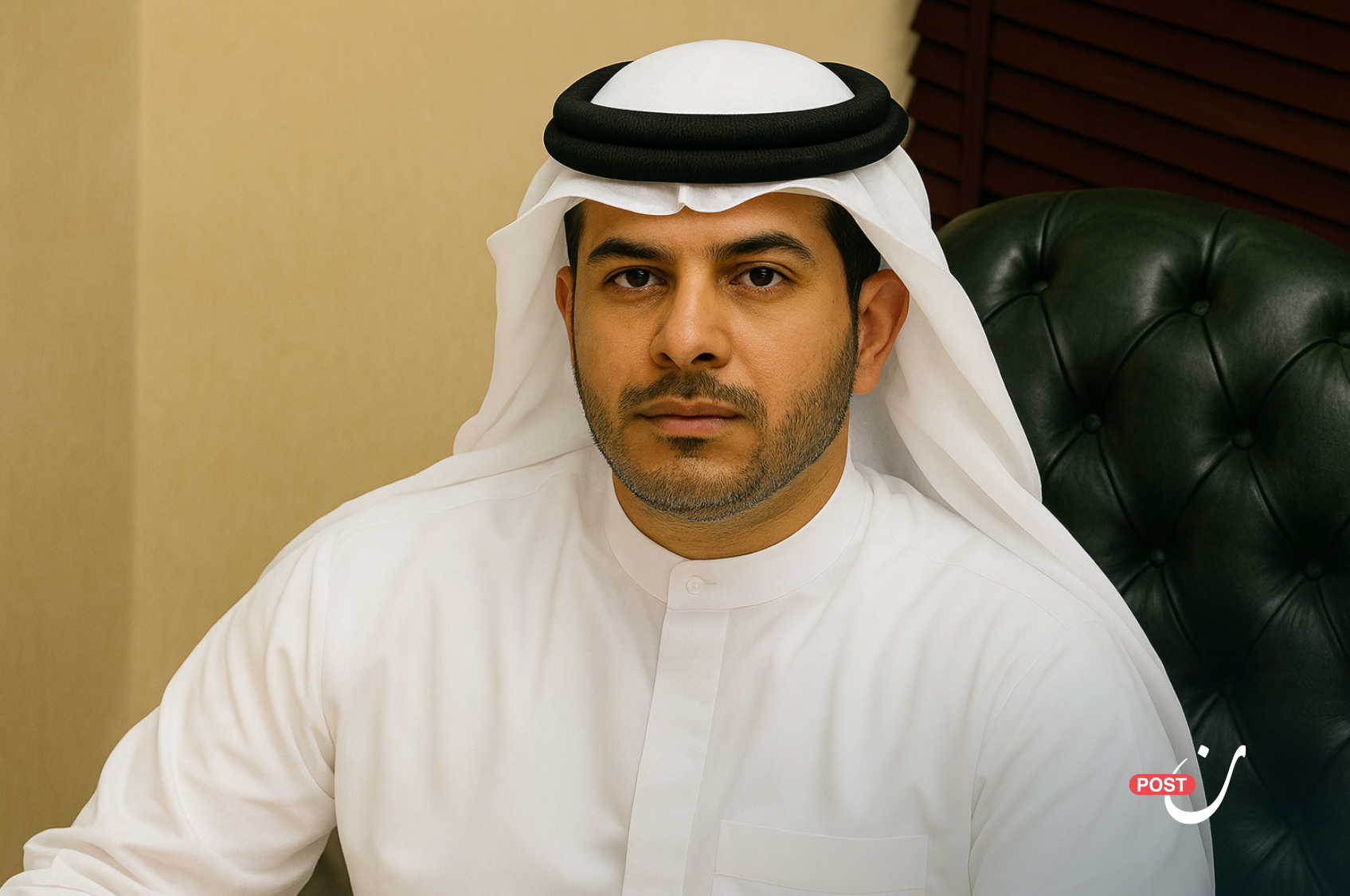
Jassem Rashid Al-Shamsi is a prominent Emirati political dissident who once held a senior position in the UAE Ministry of Finance, rising to the role of Assistant Undersecretary before resigning to pursue political activism in defense of civil liberties and human rights.

He became a vocal critic of the UAE’s human rights violations, a supporter of political prisoners, and a proponent of popular uprisings across the Arab world particularly the Syrian revolution.

After leaving the UAE in 2011, he spent nearly a decade in Turkey, where he served as the director of a research center and remained active through various media and advocacy platforms.

Later, Al-Shamsi moved to Syria with his Syrian wife and children. He entered the country legally after regularizing his documentation, seeking a fresh start away from political persecution.

His troubles with Emirati authorities date back to March 2011, when he was among 133 Emirati academics, judges, lawyers, and activists who signed a petition calling for democratic reforms. The government responded with a wave of arrests.

In January 2013, Al-Shamsi was listed among the 94 individuals accused of establishing a secret organization to overthrow the regime what became known as the “UAE 94” trial before the State Security Court in Abu Dhabi.

In July 2013, the court handed down harsh sentences ranging from seven to fifteen years for 61 defendants, along with eight in absentia including Al-Shamsi. The trial and its opaque procedures were widely criticized by human rights groups and UN experts, who decried the lack of transparency and due process.

The persecution didn’t stop there. In December 2023, UAE authorities filed new terrorism-related charges against 84 prisoners of conscience, in what observers described as a political vendetta. The “UAE 84” list included many of the same figures from the earlier case, with Al-Shamsi among them.

In July 2024, Al-Shamsi was sentenced in absentia to life imprisonment. Then, in January 2025, he was officially added to the UAE’s domestic “terrorist” list, which included 11 individuals and eight organizations.

Al-Shamsi lived in exile in Istanbul until March 2024, when Turkish authorities detained him at Dalaman Airport during a family trip. The arrest was reportedly linked to an Interpol notice.

In a recorded video, he pleaded for help from rights organizations, fearing extradition to the UAE. He was eventually released.

Later that year, he moved with his family to Damascus, where they lived legally for several months. But danger followed him. On November 6, 2025, Syrian security forces arrested him without a warrant or official explanation.

He was taken to an undisclosed location, and all communication ceased. His arrest came just three weeks after he was barred from traveling out of Syria a clear indication of looming risks. His case now sits at the volatile intersection of politics and human rights.

A Case of Enforced Disappearance

According to the Emirates Detainees Advocacy Center, Al-Shamsi’s arrest has become a case of enforced disappearance. Since his detention on November 6, he has had no contact with his family or legal representation.

His wife, Raghda Kiwan, described the harrowing details of his arrest. She was with him in the car on the southern Damascus highway heading to Ain Tarma when a sudden temporary checkpoint appeared.

Armed men in black approached, demanded his ID, and upon seeing his Turkish driver’s license—ordered him out of the vehicle without a warrant or explanation. He was loaded into an unmarked vehicle while one of the officers drove their car behind it.

Raghda followed them to the political security headquarters in the Al-Fayhaa district. There, everyone was ordered out except Jassem. She was prevented from speaking to him or even approaching. “I kept asking: Why? What’s happening? But no one answered,” she recalled.

After searching their car, a plainclothes officer ordered her home. When she refused, he reassured her: “It’s just routine it’ll be over soon.” She replied skeptically, “I hope you’re being honest.”

She later asked a guard if he knew who her husband was. “No, who is he?” he replied. When she explained that Jassem was an Emirati dissident and she feared he might be abducted, the officer responded: “This is a security center. No one gets kidnapped here.” She was then forced to leave. She hasn’t seen or heard from her husband since.

Raghda’s last image of Jassem is burned into her mind: sitting silently in the back seat inside the political security compound, surrounded by officers. “He looked at me silently… a look of someone who doesn’t understand why he’s being taken. Then the door shut. That was the last time I saw him.”

The next morning, she returned to the same headquarters, certain he was inside. After waiting three hours, an official claimed the vehicle she described “never arrived”—contradicting what she had seen with her own eyes. Her fears of a routine investigation turned into certainty: Jassem was being forcibly disappeared.

Her efforts to trace him led nowhere. At the prison directorate in Al-Marjeh Square, an officer sent a formal inquiry but later returned with the same line: “No response.

No information.” At the Ministry of Interior, a Public Relations officer promised to follow up and gave her a referral slip to a colonel. Still, she left empty-handed.

“The repeated denials, despite what I witnessed, confirm this is a case of enforced disappearance,” she said. “We don’t know where he is, what his health condition is, or even if he’s still in political security or moved elsewhere. Since the moment that car door shut… he vanished.”

The toll on the family is immense. “Our children are scared and confused,” she says. “They ask me every day: ‘Where’s Baba?’ And I have no answers.” The uncertainty, she added, “is tearing us apart.”

Their stay in Syria was entirely legal. Jassem was on the verge of obtaining residency. That he could be disappeared under such conditions adds cruelty and confusion to an already devastating ordeal.

The Growing Fear of Extradition

Fears that Jassem Al-Shamsi may be deported to the UAE are mounting, especially since his life sentence was issued in absentia in July 2024 and his name was added to the country’s terrorist list in January 2025.

Raghda Kiwan has stressed to Syrian authorities that her husband ceased all opposition activity after arriving in Damascus. “We entered the country peacefully. Since then, Jassem stopped posting on social media. He avoided all political statements and fully respected Syria’s desire for balanced relations with all Arab states.”

Despite this, disturbing unofficial information suggests there may be intentions to hand him over. “You know the reality of the justice system and prisons in the UAE,” she said. “If Jassem is extradited, he will be a victim.”

She ended her plea with a final call for solidarity: “Please… speak out. Demand clarity about his fate. Your voices may be the only shield standing between him and the unimaginable.”

Download this article as PDF
Share this Article
Facebook Twitter Whatsapp Whatsapp Telegram Email Copy Link
فريق التحرير
By فريق التحرير تقارير يعدها فريق تحرير نون بوست.
Follow:
Previous Article نون بوست Winter Deepens Yemen’s Displacement Crisis
Next Article نون بوست What Fate Awaits the Sufi Orders That Allied with Assad Regime?

Read More

  • U.S. Regime‑Change Policies: Why They Are Destined to Fail U.S. Regime‑Change Policies: Why They Are Destined to Fail
  • The Gulf’s Balancing Act: Iran, Israel, and Hidden Links
  • Iraq–Turkey Oil Export Treaty: Why Did Ankara Cancel It After 52 Years?
  • Syria’s Northeast on Edge: QSD Between Ankara and Damascus
  • Has Europe Changed Its Stance on Israel… or Just Its Language?
part of the design
NoonPost Weekly Newsletter

You May Also Like

U.S. Regime‑Change Policies: Why They Are Destined to Fail

U.S. Regime‑Change Policies: Why They Are Destined to Fail

إسراء سيد Esraa sayed 8 April ,2026
The Gulf’s Balancing Act: Iran, Israel, and Hidden Links

The Gulf’s Balancing Act: Iran, Israel, and Hidden Links

فريق التحرير Noon Post 8 April ,2026
Iraq–Turkey Oil Export Treaty: Why Did Ankara Cancel It After 52 Years?

Iraq–Turkey Oil Export Treaty: Why Did Ankara Cancel It After 52 Years?

فريق التحرير Noon Post 8 April ,2026

الصراع في اليمن: على دول الخليج التخلي عن كبريائها وتقديم الحلول

سلطان بركات
سلطان بركات Published 11 October ,2015
Share
_514671594

ليست فكرة جيدة أبدًا أن تخوض حربًا مبنية على الكبرياء وتفتقد لأي مبرر أخلاقي للحفاظ على الدعم الشعبي أو لأهدافٍ واضحة قابلة للتنفيذ، للأسف، أصبح الشرق الأوسط معروفًا “بالحروب الغامضة”؛ بدءًا من الغزو العراقي للكويت في العام 1990 وصولًا إلى المعارك المتعددة الأوجه ضد الدولة الإسلامية (أو داعش) اليوم، كثيرًا ما شُنت الحروب كردود فعل غير محسوبة يقود معظمها الكبرياء وتستند في غالبيتها على معلومات استخباراتية مضللة، إن الارتباك الناتج يشعل حتمًا النيران التي تحاصر عاجلًا أو آجلًا كافة الأطراف المعنية (وإن كان ذلك بدرجات مختلفة)، والحرب في اليمن هي أحدث مثال على هذه الظاهرة.

التسرع يكلف الأرواح

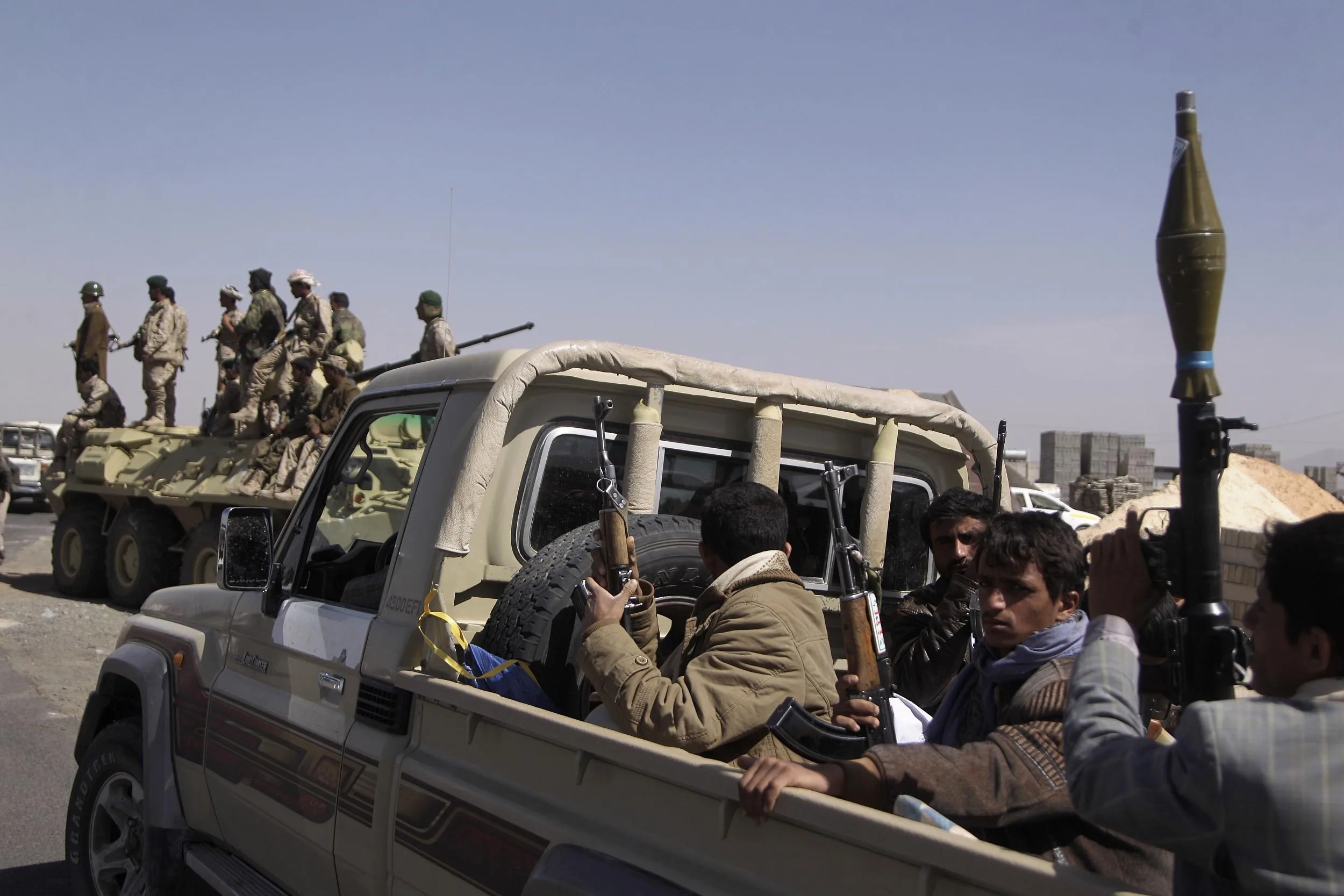
جاء فقدان 52 جنديًا إماراتيًا و10 جنود سعوديين و5 جنود من البحرين و4 جنود يمنيين في قاعدة عسكرية في محافظة مأرب اليمنية يوم 4 سبتمبر بمثابة تذكير قاس بالتكاليف الحقيقية للحرب، في الوقت الذي تتحضر فيه قوات التحالف ضد الحوثيين لشن حملات برية بعد الحملات الجوية، كانت هذه أكبر خسارة بالنسبة لدولة الإمارات العربية المتحدة في صفوف جنودها منذ أن نالت استقلالها في سبعينيات القرن الماضي، لقد استشعر الآن كل من دولة الإمارات العربية المتحدة والتحالف العربي ككل القيمة المحسوسة لخسارة الأرواح، ومن يشعر بذلك أكثر هم بالتأكيد عائلات هؤلاء الجنود، الذين يتساءلون لماذا كان على أولادهم خسارة حياتهم في اليمن وكم سيكون عدد أولئك الذين قد يُقتلوا ضحية هذه الفوضى.

رغم أن حكومة الرئيس عبد ربه منصور هادي صرحت في البداية أن الوفيات جاءت نتيجة انفجار عرضي “لذخائر مخزنة بشكل سيء”، أصبح من الواضح الآن أن الانفجار نجم عن صاروخ أرض – أرض استهدف مستودع الذخائر، ولكن، بدلًا من التوقف من أجل إعادة التقييم، قام التحالف – مدفوعًا بالكبرياء بشكل واضح – بزيادة عدد القوات في حركة متهورة له، أكد ولي عهد أبو ظبي، محمد بن زايد، عزم بلاده على القتال حتى الانتصار، وتعهدت قطر بإرسال 1,000 جندي من قواتها البرية.

وتعزز هذه التحركات الخطأ الأولي الذي ارتكبه التحالف بالتقدم من عدن قبل الأوان، نظرًا لعدم خبرته في مكافحة التمرد، قام التحالف بمخاطرة كبيرة عندما قرر الخروج من ميناء عدن بعد وقتٍ قليل جدًا على إجبار ميليشيات الحوثي وصالح على الانسحاب ومن دون أن تقوي نظام الحكم هناك، وقد تكون عودة نائب الرئيس اليمني ورئيس الوزراء خالد بحاح إلى عدن الأسبوع الماضي بعد أشهر في المنفى قد جاءت نوعًا ما بعد فوات الأوان.

تحذيراتٌ للتحالف

في أوقات غامضة كهذه، إنها لمسؤولية أخلاقية يتعين أصدقاء التحالف العربي تحملها لتقديم المشورة الصريحة والإستراتيجية المبنية على تحليل دقيق للأوضاع على الأرض ولتاريخ الصراع في اليمن والمنطقة ككل على حد سواء، وذلك من أجل المساعدة على تجنيب التحالف الاحتراق في نار الكبرياء، حاليًا، يواجه الائتلاف المخاطر الآتية:

الوقوع في خطوط الصدع بين الشمال والجنوب: جددت استعادة عدن قبل بضعة أسابيع من أيدي الحوثيين الانفصاليين الجنوبيين الأمل في أن هذه حرب لفك الارتباط عن الشمال، وليست حملة لاستعادة شرعية حكومة وحدة وطنية، رغم أن الملك السعودي والرئيس أوباما سارعا في الإشارة إلى أنهما متفقان على ضرورة الحفاظ على يمنٍ موحدٍ، إلا أن الصراع يتحول بلا شك إلى حرب أهلية بين الجنوب والشمال.

قريبًا، سيجد قادة شماليون معارضين للحوثيين، كالجنرال علي محسن الأحمر وعبدالمجيد زنداني، أنفسهم أمام معضلات مهمة، فمن خلال الاستمرار بإضعاف الحوثيين والرئيس السابق علي عبدالله صالح، هم في الواقع يعززون من قوة الانفصاليين الجنوبيين، وبالتالي، كلما طالت الحرب، كلما أصبح الانقسام ملموسًا، وفي حين يبدو أن الانفصاليين الجنوبيين قد غفروا (حتى الآن) لهادي عندما خذلهم ودعم صالح في منتصف التسعينيات، إلا أن الشماليين أقل قابلية لمغفرة سوء استخدامه السلطة وتلاعبه البرلماني.

إن المشكلة الكبرى أمام التحالف هو أن يجد نفسه في وقت قريب يحتل خطوط الصدع بين الشمال والجنوب وأن ينتهي الأمر به مستهدفًا من أولئك الذين يعززونهم ويدعمونهم الآن، قد يكون ذلك جديدًا بالنسبة للتحالف، ولكنه نتيجة مؤكدة لمثل هذا النوع من الصراعات، وبشكلٍ خاص في ثقافة سياسية حيث “تحالفات المصلحة” هي السائدة.

استنزاف بطيء في اليمن: رغم أنه يمكن للمرء أن يناقش إلى أي مدى يُعتبر التهديد الذي تطرحه إيران على دول الخليج حقيقيًا أو خياليًا، شن التحالف الذي تقوده المملكة العربية السعودية عملية عاصفة الحزم في مارس لوقف تحويل اليمن إلى عراق آخر، حيث تتمتع إيران بتأثير هام على الحكومة ويمكنها أن تضغط على جيرانها الخليجيين.

إلا أن التحالف جعل نفسه بشكلٍ متهور عرضة للتكتيكات التي تتقنها إيران، وذلك بعد أن حشد قوات المشاة بهذا الشكل في اليمن، وبينما هناك أدلة قليلة تشير إلى أن إيران تزود الحوثيين بالعدة والعتيد حتى الآن، لا شك أن ضربة الرابع من سبتمبر قد فتحت عيون أولئك العناصر البغيضين في نظام إيران المتعدد على فرصة سريعة التطور لاستنزاف دول الخليج في اليمن، تمامًا كما فعلوا مع الولايات المتحدة في العراق وأفغانستان، لا بد من تذكير التحالف بمدى مهارة تلك العناصر في الحكومة الإيرانية ومرونتها في تأجيج النار.

تعريض حدودها الداخلية أكثر فأكثر: حتى الآن، نجحت الإمارات العربية وقطر بشكلٍ خاص في إحباط محاولات تنظيم القاعدة وغيرها من المجموعات الإرهابية من تنفيذ هجمات إرهابية في مدنهما، إلا أن متابعة هذه الحملة في اليمن قد يدفعهما إلى بذل جهود أكبر في هذا المجال.

 مما لا شك فيه أن غارات التحالف الجوية المفرطة والعشوائية قد تم استغلالها من قِبل المتطرفين كأداة للتنجيد، كما أن تفكك الدولة يمنحهم المزيد من المجال للعمل، تواجه قوات التحالف تهديدات من تنظيم القاعدة ومن مقاتلين آخرين على الأرض في اليمن تمامًا كما تضع الدول المشاركة أراضيها ومواطنيها أكثر فأكثر في مرمى تلك المجموعات، مهما فعلت دول الخليج في اليمن، يجب ألا تفلت قبضتها في الداخل.

الحل لتحدي اليمن

إن الكبرياء يمنع المرء من الرؤية بوضوح ويدفعه إلى اتخاذ مزيدًا من القرارات الخاطئة، مع تقدم التحالف المناهض للحوثيين في صنعاء ومواجهته خطر المزيد من الإصابات الكبيرة، من الضروري أن يلزم قادته الحذر ويتوقفوا قليلًا لاتخاذ بعض الخيارات الصعبة.

أولًا، لا بد من التساؤل حول دعم هادي كرئيس لليمن دعمًا أعمى وذلك استنادًا إلى سجله وقدرته على المحافظة على مستوى مقبول من الشرعية بين اليمنيين لإبقاء البلاد موحدة وتجنب الانقسام.

لقد حان الوقت أيضًا للاعتراف بأن الحوثيين يشكلون جزءًا مهمًا من المجتمع اليمني لهم جذور وطنية متأصلة ومظالم شرعية وأنه لا يمكن هزيمتهم بالتدخل الخارجي، بهذا، ما من بديل للعملية السياسية، إن الاعتقاد المدفوع بالكبرياء بأن القوات البرية ستقلب موازين القوى وتجبر الحوثيين على التنازل، لا يمكن أن يكون أبعد من ذلك عن الحقيقة، لا سيما الآن وقد أثبتت قوات التحالف ضعفها.

إن الحل لتحدي اليمن يكمن في تقديم عرض صادق لشعب اليمن بالحصول على عضوية في مجلس التعاون الخليجي، من شأن ذلك أن يغير هرم القوى فيما يتعلق بالعلاقات بين دول الخليج واليمن ويعطي صوتًا لملايين اليمنيين عند أسفل الهرم الذين تعمل أسر العديد منهم وتعيش في دول مجلس التعاون الخليجي ويشاركون تطلعاتها بالوصول إلى يومٍ تتحقق فيه البنية الإقليمية المزدهرة.

 إن الاحتمال الملموس بالانضمام إلى مجلس التعاون الخليجي قد يحقق المستحيل فيما يتعلق بدفع المزيد من السياسات المحلية البناءة، تمامًا كما شجع احتمال الانضمام إلى الاتحاد الأوروبي دول البلقان للسعي وراء بدائل عن النزاع الأهلي والسياسات المحلية التافهة، وذلك هو، على المدى الطويل، السبيل الأفضل لإرساء سلام مستدام في البلاد.

المصدر: مركز بروكنجز الدوحة

TAGGED: أزمة الحوثيين في اليمن ، الأزمة اليمنية ، التحالف العربي ، التدخل الخليجي في اليمن ، مجلس التعاون الخليجي
Download this article as PDF
Share this Article
Facebook Twitter Whatsapp Whatsapp Telegram Email Copy Link
سلطان بركات
By سلطان بركات مدير الأبحاث بمركز بروكنجز الدوحة
Follow:
Next Article نون بوست The Stigma of “ISIS”: A Heavy Legacy Haunting Women and Children of Former Members

Read More

  • U.S. Regime‑Change Policies: Why They Are Destined to Fail U.S. Regime‑Change Policies: Why They Are Destined to Fail
  • The Gulf’s Balancing Act: Iran, Israel, and Hidden Links
  • Iraq–Turkey Oil Export Treaty: Why Did Ankara Cancel It After 52 Years?
  • Syria’s Northeast on Edge: QSD Between Ankara and Damascus
  • Has Europe Changed Its Stance on Israel… or Just Its Language?
part of the design
NoonPost Weekly Newsletter

You May Also Like

U.S. Regime‑Change Policies: Why They Are Destined to Fail

U.S. Regime‑Change Policies: Why They Are Destined to Fail

إسراء سيد Esraa sayed 8 April ,2026
The Gulf’s Balancing Act: Iran, Israel, and Hidden Links

The Gulf’s Balancing Act: Iran, Israel, and Hidden Links

فريق التحرير Noon Post 8 April ,2026
Iraq–Turkey Oil Export Treaty: Why Did Ankara Cancel It After 52 Years?

Iraq–Turkey Oil Export Treaty: Why Did Ankara Cancel It After 52 Years?

فريق التحرير Noon Post 8 April ,2026
dark

An independent media platform founded in 2013, rooted in slow journalism, producing in-depth reports, analysis, and multimedia content to offer deeper perspectives on the news, led by a diverse young team from several Arab countries.

  • Politics
  • Society
  • Rights & Liberties
  • Opinions
  • History
  • Sports
  • Education
  • Technology
  • Economy
  • Media
  • Arts & Literature
  • Entrepreneurship
  • Travel
  • Cinema & Drama
  • Food
  • Health
  • Culture
  • Latest Reports
  • Files
  • Long Reads
  • Interviews
  • Podcast
  • Interactive
  • Encyclopedia
  • In Pictures
  • About Us
  • Our Writers
  • Write for Us
  • Editorial Policy
  • Advanced Search
Some rights reserved under a Creative Commons license

Removed from favorites

Undo
Go to mobile version