















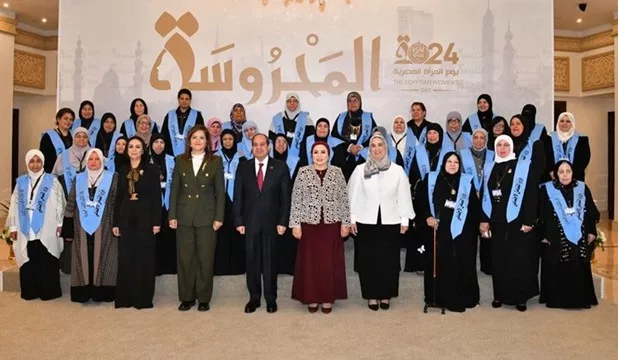
Just days ago, the 35th International Conference of the Supreme Council for Islamic Affairs, held by Egypt’s Ministry of Endowments, concluded its sessions. With a central theme of “Women and Their Role in Building Awareness,” scholars from around 60 countries praised the conference’s presidential patronage and lauded what they described as women reaching an “unprecedented status” under President Abdel Fattah el-Sisi, whose supporters have dubbed this era “the golden decade for women.”
Such glowing rhetoric, however, stands in stark contrast to the realities faced by most Egyptian women since the 2013 military coup. While a small elite have managed to balance work and life and receive ample media attention, the vast majority of women and girls continue to suffer under the repressive apparatus of Sisi’s new republic.
President of Women?
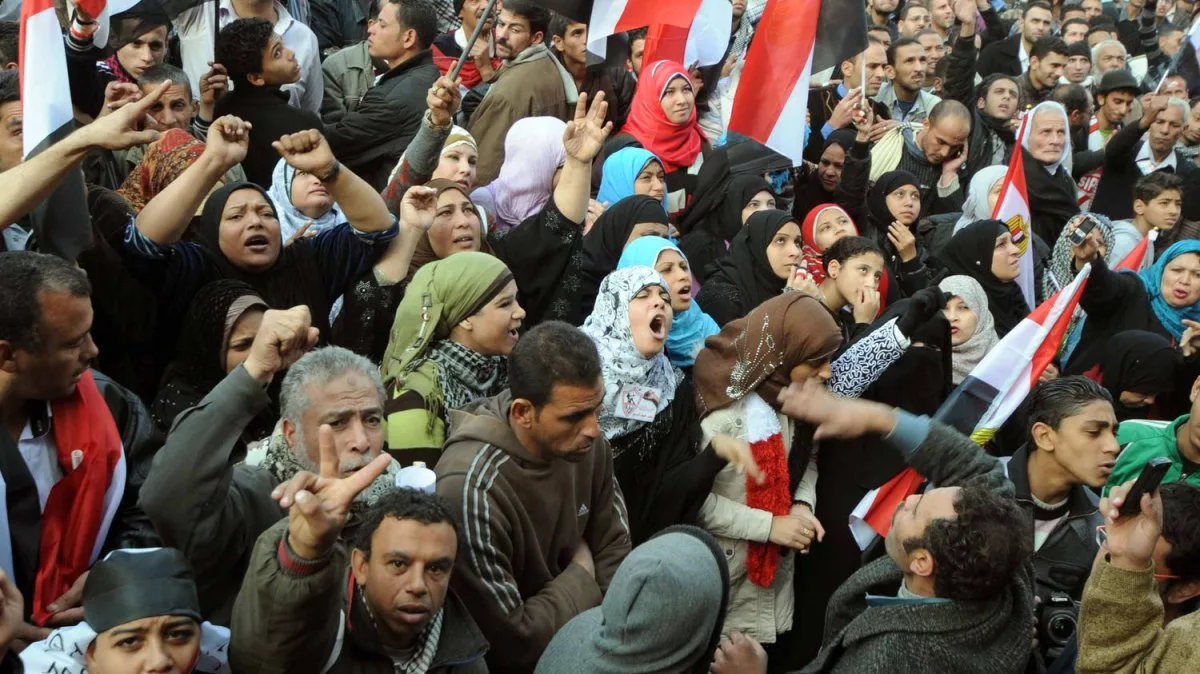
Since the 2011 January revolution, Egyptians have lived through political turbulence, constitutional overhauls, and governmental shifts. Amid this upheaval, violence against women remained a constant, with authorities repeatedly failing to take meaningful action.
Sisi positioned himself in the media as a champion of women’s rights, addressing them with reverence on International Women’s Day and even dubbing himself “the Minister of Women.” His image as a savior from the Muslim Brotherhood resonated with many fearful of losing their rights under Islamist rule.
Yet this narrative of selective feminism what critics term “purplewashing” masks a broader pattern of misogyny and systemic human rights abuses.
Initially successful, this strategy helped secure Sisi 54% of the female vote in the 2014 election. He frequently emphasizes Egypt’s progress on women’s rights, often claiming personal credit while ignoring decades of groundwork by independent feminist movements and civil society organizations. This self-congratulatory stance reveals a bloated ego built on fragile achievements.
In 2017, amid nationalistic fanfare and praise for his supposed masculinity, Sisi declared it the “Year of Egyptian Women.” Yet framing women as helpless victims in need of state rescue conceals the harsh truth: women under Sisi’s rule face unprecedented economic hardship, marginalization, and repression.
Economic Pressures and Gender Disparities
As Egypt’s economic crisis deepens with subsidy cuts, currency devaluation, and soaring living costs women are bearing a disproportionate burden. They are expected to replace collapsing public services by doubling as teachers, nurses, caretakers, and more within their households.
Faced with austerity, many women forfeit their rights to cope financially, leading to increased child marriage and the erosion of economic safety nets. The result is a sharp rise in poverty rates among women.
These economic strains force young girls into work, women into unwanted marriages, and divorced or widowed women into low-paying jobs. Even as some gains have been made on gender parity, labor market participation remains dismally low: for every working Egyptian woman, nearly four remain out of the workforce a trend stagnant for over two decades.
Videos of women pleading with Sisi over unaffordable prices or expressing regret for supporting him have recently gone viral. Still, their concerns are largely ignored, especially those of female prisoners and relatives of detainees. Their silent suffering shatters the polished image Sisi strives to project.
Women Are Not the Exception
In a 2019 UN Human Rights Council session, the head of Egypt’s National Council for Women claimed that the Sisi administration had prioritized women’s empowerment, contrasting it with the Brotherhood’s alleged sidelining of women.
Yet for many, progress remains elusive. The regime continues to discriminate, marginalize, and criminalize women’s rights activism.
Far from being a protector of moderate Islam, Sisi defended so-called “virginity tests” on detained female protesters during his time as head of military intelligence in 2011, claiming they were meant to protect the army from rape accusations.
Under the guise of counterterrorism, the Egyptian government has targeted activists men and women alike using arbitrary detention, forced disappearances, torture, travel bans, and asset freezes. NGOs like Nazra for Feminist Studies and the Egyptian Center for Women’s Legal Assistance have faced extreme restrictions.
Although women comprise a smaller percentage of the prison population (between 2% and 10%), the number of incarcerated women has surged. Since 2013, approximately 2,800 women and girls some under 18 have been detained, often tried in military courts that lack due process.
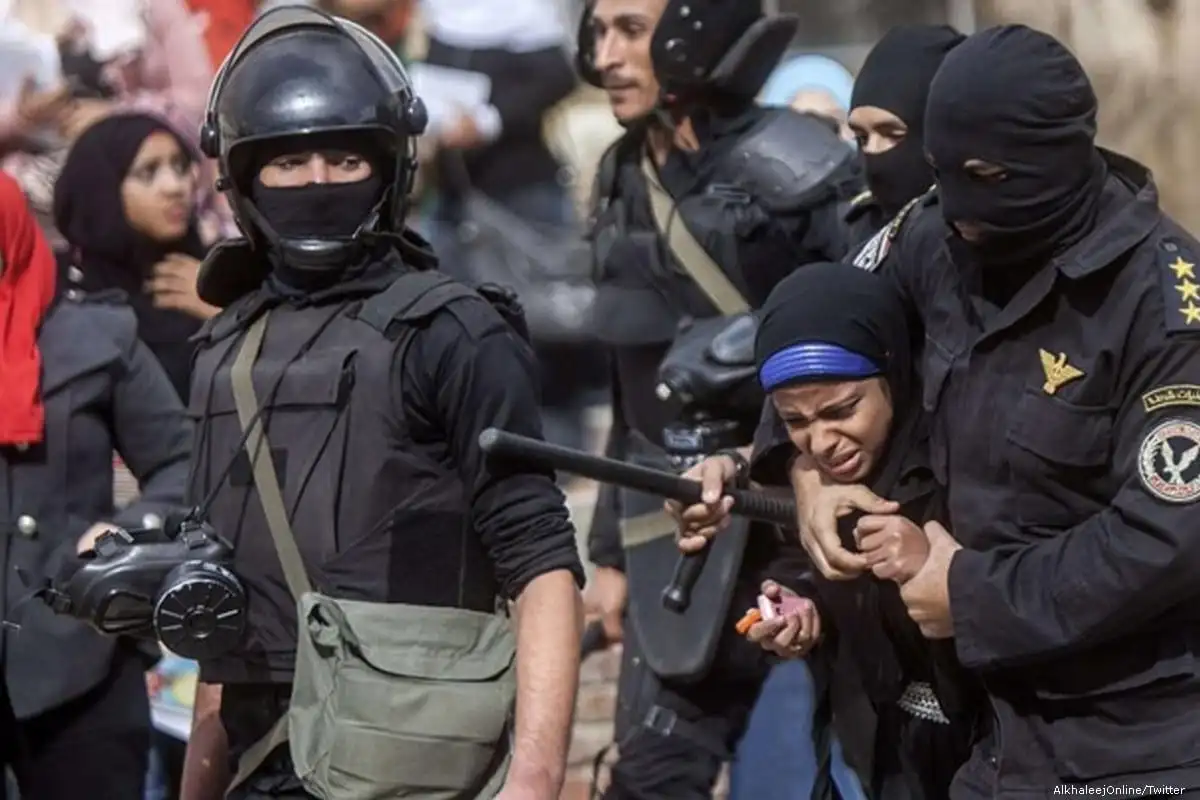
These detainees face virginity tests, beatings, verbal abuse, sexual violence, and other forms of torture. According to a 2021 report by the Justice Committee, 224 women endured 554 documented violations in 2020 alone, including 92 cases of enforced disappearance and 43 of torture.
Institutional Violence and Impunity
The state’s treatment of women amounts to institutionalized abuse. Women have been dragged into interrogations to pressure male relatives into surrendering, with security forces systematically engaging in sexual assault and public humiliation.
In some cases, women were detained for months without contact with the outside world.
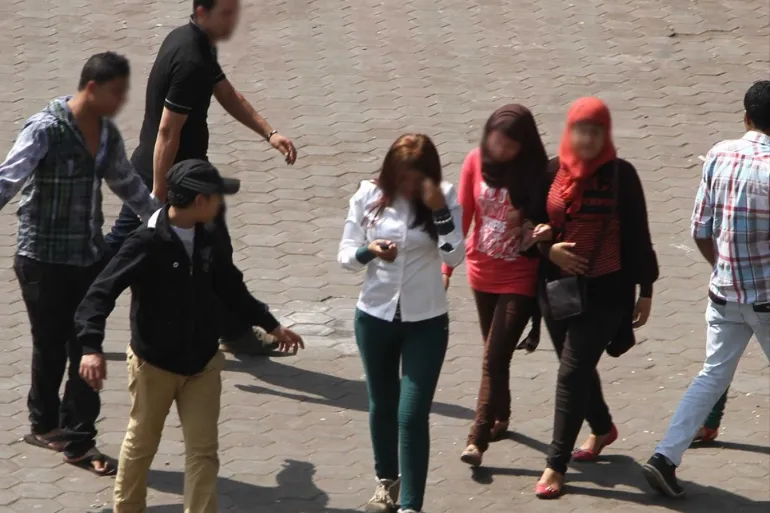
Such patterns reveal that violence against women in Egypt is not merely societal or familial it is state-sanctioned. International human rights groups, including Human Rights Watch, have documented widespread abuses carried out by police and national security forces.
Meanwhile, discriminatory laws and outdated moral codes remain. Women are prosecuted under vague charges like “harming public morals,” and prominent social media influencers have faced arrest for singing or dancing online.
The 2018 cybercrime law has been weaponized against female content creators, with authorities accusing them of undermining family values even when they appear fully clothed in their videos. Some were even victims of online abuse and sexual assault themselves.
Discriminatory prosecution extends to class. In high-profile rape cases, upper-class victims are treated with relative dignity, while working-class women are often blamed. In the infamous 2014 Fairmont Hotel case, government-linked media waged a smear campaign against survivors and witnesses, leaking their private data.
The Mirage of Progress
Despite constitutional promises and international treaty commitments, Egypt ranks 116 out of 189 on the Gender Inequality Index. Female illiteracy is nearly double that of men. Gains in education and employment have not closed the gender gap.
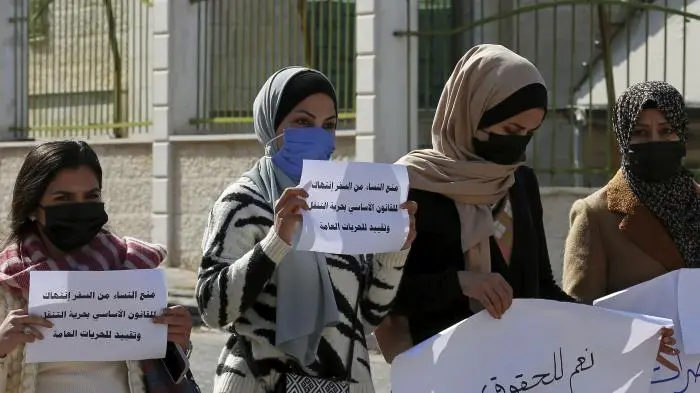
The celebrated political participation of women masks deeper exclusions. Though women held 162 parliamentary seats in 2020 (including 14 appointed by Sisi), only two female MPs opposed the controversial 2019 constitutional amendments. Female ministers are often appointed for loyalty, not merit, and some, like former Minister Nabila Makram, openly threatened critics of the regime.
While laws criminalizing sexual harassment (2014), female genital mutilation (2021), and inheritance denial (2017) exist, their implementation is weak. Reporting sexual violence remains risky. Police often discourage victims, demand illegal virginity tests, or are perpetrators themselves.
In 2021, the government attempted to pass a new personal status law that curtailed women’s autonomy in marriage, divorce, and child custody. Fierce public backlash forced its withdrawal, but the effort revealed systemic intent to curtail women’s rights under the guise of social stability.
The rate of domestic violence is staggering 86% according to the National Council for Women and divorce rates have soared to one every two minutes. Still, the state refuses to criminalize domestic violence or amend outdated rape laws.
International Complicity
Despite its appalling human rights record, the Egyptian regime continues to receive praise and funding from Western governments and agencies, including USAID and European donors. These resources often flow to state-affiliated organizations like the National Council for Women, which echo government talking points and sideline independent activists.
By focusing on non-threatening “soft issues,” the regime avoids tackling more controversial feminist demands. With international cover and domestic control, the government’s top-down feminism remains hollow.
Egypt’s official narrative of a women’s “golden age” under Sisi collapses under scrutiny. Real empowerment requires more than symbolic gestures, token appointments, or legislation without enforcement. It requires dismantling systemic discrimination, ending institutional violence, and amplifying the voices of those fighting for genuine equality.
Until then, the golden age will remain a myth an illusion crafted for foreign allies and domestic propaganda, while millions of Egyptian women continue their struggle in silence.


