








NoonPost NoonPost

NoonPost

  • Home
  • Politics
  • Economy
  • Society
  • Culture
  • Files
  • Long Reads
  • Podcast
AR
Notification Show More
نون بوست
“There Are Nights I Can’t Close My Eyes”: How Gazans Are Living in Homes on the Brink of Collapse
نون بوست
From al-Jolani to Ahmad al-Shara: The Evolution of Syria’s New Leader
نون بوست
When Political Islam Receded in Egypt: Who Filled the Void?
نون بوست
An Extension of Genocide: Gaza’s Detainees Speak Out
نون بوست
A Tightrope Between Survival and Sovereignty: The Syrian Government Faces Normalization Pressures
نون بوست
American Aircraft Carriers: Has the Era of “100,000 Tons of Diplomacy” Ended?
نون بوست
U.S. Regime‑Change Policies: Why They Are Destined to Fail
نون بوست
Transformations of Israeli Judaism: Between the Victim Complex and the Colonizer’s Doctrine
نون بوست
The Gulf’s Balancing Act: Iran, Israel, and Hidden Links
نون بوست
Iraq–Turkey Oil Export Treaty: Why Did Ankara Cancel It After 52 Years?
نون بوست
Syria’s Northeast on Edge: QSD Between Ankara and Damascus
نون بوست
Has Europe Changed Its Stance on Israel… or Just Its Language?
NoonPost NoonPost
AR
Notification Show More
نون بوست
“There Are Nights I Can’t Close My Eyes”: How Gazans Are Living in Homes on the Brink of Collapse
نون بوست
From al-Jolani to Ahmad al-Shara: The Evolution of Syria’s New Leader
نون بوست
When Political Islam Receded in Egypt: Who Filled the Void?
نون بوست
An Extension of Genocide: Gaza’s Detainees Speak Out
نون بوست
A Tightrope Between Survival and Sovereignty: The Syrian Government Faces Normalization Pressures
نون بوست
American Aircraft Carriers: Has the Era of “100,000 Tons of Diplomacy” Ended?
نون بوست
U.S. Regime‑Change Policies: Why They Are Destined to Fail
نون بوست
Transformations of Israeli Judaism: Between the Victim Complex and the Colonizer’s Doctrine
نون بوست
The Gulf’s Balancing Act: Iran, Israel, and Hidden Links
نون بوست
Iraq–Turkey Oil Export Treaty: Why Did Ankara Cancel It After 52 Years?
نون بوست
Syria’s Northeast on Edge: QSD Between Ankara and Damascus
نون بوست
Has Europe Changed Its Stance on Israel… or Just Its Language?
Follow US

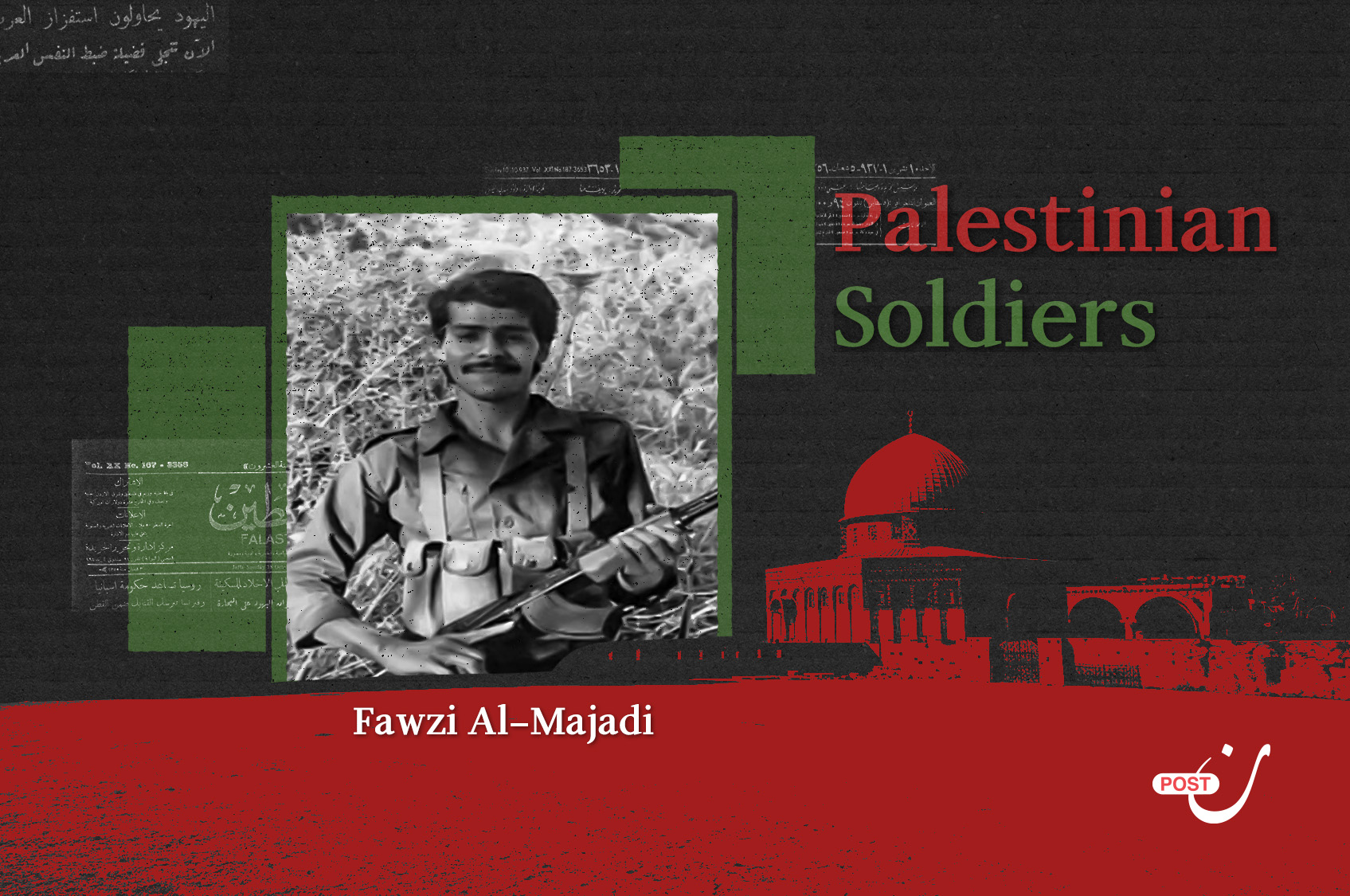
Fawzi Al-Majadi: A Story of Arab Blood Unity in Palestine

فريق التحرير
Noon Post Published 26 March ,2026
Share
نون بوست

نون بوست

On May 22, 1965, the Al-Majadi family welcomed a newborn they named Fawzi Abdul Rasoul, who was raised within the Arab tribe of Al-Sulbah one of the founding pillars of modern Kuwait and its coastal prosperity along the Arabian Gulf.

Barely two years after Fawzi’s birth, the Arab world suffered a major blow in the aftermath of the 1967 Six-Day War, which followed the Nakba of 1948.

Arab armies were defeated by Israel, and vast swathes of Palestinian, Egyptian, Syrian, and Lebanese lands fell under occupation including the West Bank, Gaza Strip, Egypt’s Sinai Peninsula, and Syria’s Golan Heights.

Israeli crimes against the local population only intensified, eventually igniting the Palestinian Intifada in 1987. On December 8 of that year, a popular uprising erupted after decades of oppression. It quickly evolved into a full-scale national movement encompassing all sectors of Palestinian society. Its primary weapon: stones.

Fawzi Al-Majadi

News of the Intifada reached the wider Arab world, including Fawzi Abdul Rasoul Al-Majadi, who closely followed developments in Palestine. According to his sister, he was deeply moved by the uprising and had adorned his room with slogans and posters supporting the Palestinian resistance.
نون بوست

Fawzi joined Kuwait’s Ministry of Interior early in his career, initially serving as a non-commissioned officer before shifting to a civilian role in the ministry’s financial department. Yet, he never intended to remain in government service for long his heart was set elsewhere.

He was deeply committed to supporting his Palestinian brethren. He had long been aware of their suffering and the brutal crimes inflicted upon them, aided by Western powers and met with silence by Arab leaders more concerned with preserving their seats of power than defending Palestine.

From a young age, Al-Majadi carried the burden of liberation, believing firmly in the Palestinian right to independence, to their stolen land, and to justice by any means necessary. He opposed the rush toward peace deals and advocated instead for armed resistance against the Israeli occupation.

Joining the Resistance

As the children of the Intifada faced bullets with stones, official Arab interest in the Palestinian cause waned. That same year, Palestine was conspicuously absent from the agenda of the Arab League summit held in Jordan. The Arab stance mirrored global indifference.
نون بوست

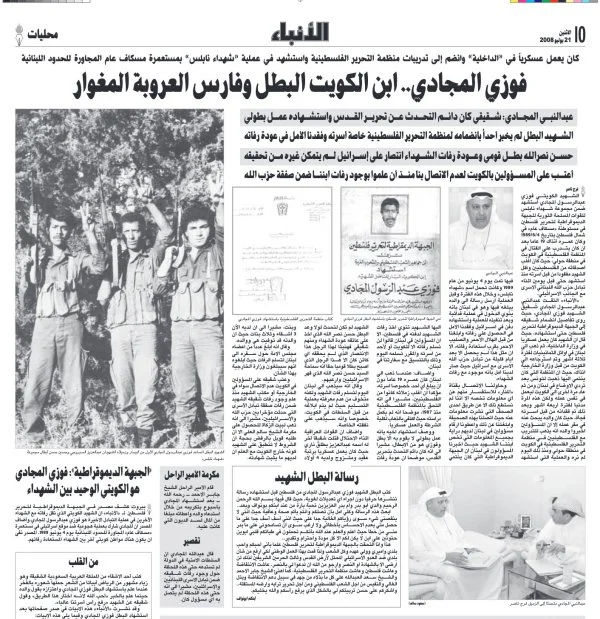
Many young Arabs felt compelled to act. Among them was Fawzi Al-Majadi, who joined the Democratic Front for the Liberation of Palestine (DFLP) a Marxist Palestinian political and military faction that is part of the Palestine Liberation Organization (PLO).

Fawzi first arrived in Palestine in 1988, but the visit was short-lived. His family urged him to return to Kuwait, especially as internal clashes erupted between DFLP members and Israeli forces in Lebanon, prompting most of the group’s fighters to relocate to Tunisia.

He returned home to Kuwait and reunited with his tribe, Al-Sulbah. But he could not reconcile a normal life with the continued massacre of Palestinians, whose blood stained the land while the world watched in silence.

In early 1989, Al-Majadi made his way back to Palestine. He rejoined the DFLP, which oversaw his training in various weapons over a three-month period in Naameh, south of Beirut. There, he received his nom de guerre: “Philip.”

Upon completing his military training, he formally requested to carry out a martyrdom operation inside the occupied Palestinian territories at a time when such missions against Israeli forces were on the rise.

The DFLP primarily limited its operations to targets within occupied territory, believing that attacks abroad harmed the Palestinian cause by branding fighters as terrorists rather than freedom fighters.

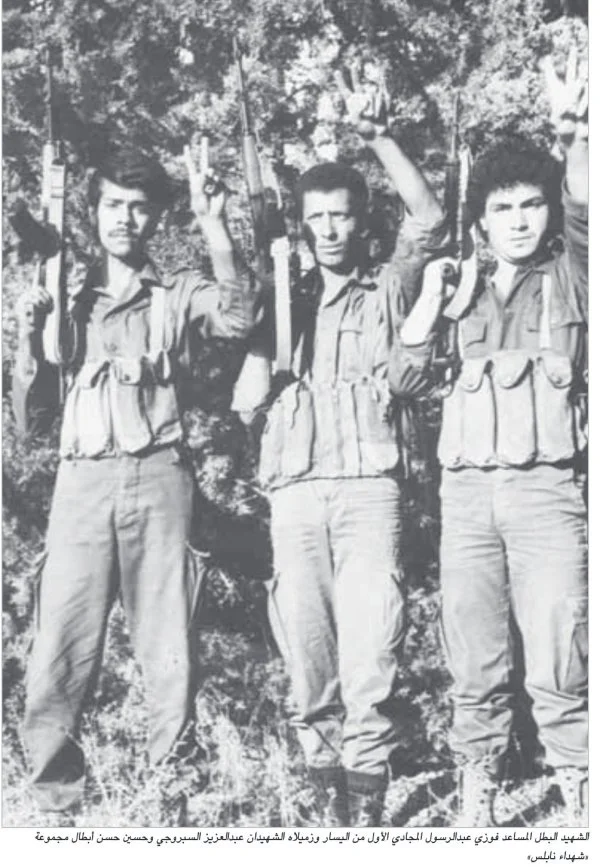
Given his discipline and unwavering commitment, Al-Majadi’s request was approved. He was selected for a high-risk operation alongside fellow fighters Ahmad Hussein Hassan and Riyad Al-Sabbouji.

Their training intensified as they prepared for the mission. For Fawzi, martyrdom and meeting his Creator seemed close at hand.

The Martyrs of Nablus Operation

Fawzi Abdul Rasoul Al-Majadi could not rest while Palestinian children were slaughtered. He longed for the operation that might bring justice even if it cost him his life.
نون بوست

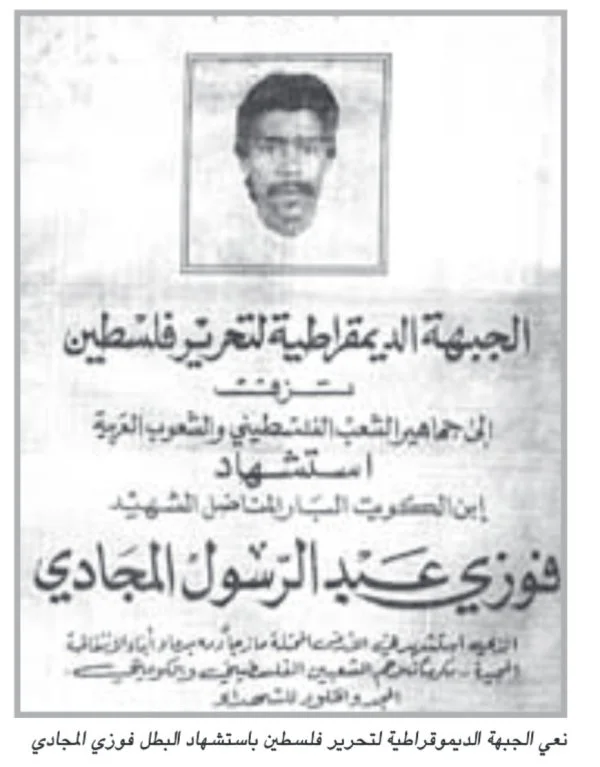
On June 4, 1989 during the holy month of Ramadan he and his comrades set out for their mission: a daring strike on the Misgav Am settlement in Upper Galilee near the Lebanese border. Their goal: to engage Israeli soldiers and inflict as many losses as possible.

Relying on sheer faith and determination, the trio crossed from Naameh into southern Lebanon, navigating a dangerous route filled with outposts of the South Lebanon Army led by Antoine Lahad.

Evading detection, they infiltrated northern Palestine and reached the entrance of the Zar’it settlement, where they engaged heavily armed Israeli forces. In the ensuing firefight, they killed or wounded 12 Israeli soldiers.

The fighters succeeded in breaching the settlement and capturing two Israeli soldiers, demanding safe passage in exchange. The Israeli military refused and sent in reinforcements.

After a fierce battle lasting over two hours with Israeli forces and South Lebanon Army units, the three resistance fighters were martyred, their blood soaking the sacred soil of Palestine.

The Martyr Returns Home

Israel held Fawzi Al-Majadi’s remains for over 19 years, finally returning them to his family in 2008 as part of a prisoner exchange between Hezbollah and the Israeli government.

In that deal, Israel released Lebanese prisoner Samir Kuntar (held since 1979) along with four others captured during the 2006 Lebanon War. Additionally, it handed over the remains of 199 Palestinian, Lebanese, and Arab martyrs. In return, Hezbollah provided the bodies of two Israeli soldiers killed in 2006.

Al-Majadi was laid to rest in Sulaibikhat Cemetery, carried on the shoulders of mourners. His life journey from Kuwait to Lebanon and finally Palestine told the story of a man who believed deeply in the justice of the Palestinian cause and sought martyrdom in its name.

Fawzi Al-Majadi and his fellow fighters showed that the road to liberating Palestine runs through sacrifice and resistance not empty agreements and fleeting diplomacy.

Download this article as PDF
Share this Article
Facebook Twitter Whatsapp Whatsapp Telegram Email Copy Link
فريق التحرير
By فريق التحرير تقارير يعدها فريق تحرير نون بوست.
Follow:
Previous Article نون بوست Waqf in Syria: Power Over Public Good
Next Article نون بوست Where Is Sudan’s Gold Headed?

Read More

  • U.S. Regime‑Change Policies: Why They Are Destined to Fail U.S. Regime‑Change Policies: Why They Are Destined to Fail
  • The Gulf’s Balancing Act: Iran, Israel, and Hidden Links
  • Iraq–Turkey Oil Export Treaty: Why Did Ankara Cancel It After 52 Years?
  • Syria’s Northeast on Edge: QSD Between Ankara and Damascus
  • Has Europe Changed Its Stance on Israel… or Just Its Language?
part of the design
NoonPost Weekly Newsletter

You May Also Like

U.S. Regime‑Change Policies: Why They Are Destined to Fail

U.S. Regime‑Change Policies: Why They Are Destined to Fail

إسراء سيد Esraa sayed 8 April ,2026
The Gulf’s Balancing Act: Iran, Israel, and Hidden Links

The Gulf’s Balancing Act: Iran, Israel, and Hidden Links

فريق التحرير Noon Post 8 April ,2026
Iraq–Turkey Oil Export Treaty: Why Did Ankara Cancel It After 52 Years?

Iraq–Turkey Oil Export Treaty: Why Did Ankara Cancel It After 52 Years?

فريق التحرير Noon Post 8 April ,2026

الإيموجي: لغة الوجوه الصفراء

فريق التحرير
Noon Post Published 14 October ,2015
Share
tmg-article_main_wide_2x

نحن نعيش في عالم وصل عدد مستخدمي برنامج واتس آب إلى 900 مليون مستخدم نشط، وعدد مستخدمي مراسل فيسبوك قد وصل مؤخراً إلى رقم 700 مليون مستخدم نشط.
هذه الملايين من المستخدمين تعتمد بشكل يومي على ما يعرف بالمراسلة الفورية، رسائل كانت حتى وقت قريب لا يمكن أن تزيد عن 180، وغني عن الذكر أن كل هؤلاء المستخدمين يعتمدون على هواتفهم الذكية لاستخدام هذه البرامج بشكل أساسي، أي أن هذا التواصل يتم جزء كبير منه بشكل سريع ومتنقل؛ رسالة من الحافلة وأخرى سريعة في استراحة القهوة من العمل.

في هذا السياق تظهر أهمية كبيرة لما يُعرف بالـ “إيموجي” أو الرموز التعبيرية، وهي تلك الوجوه الصغيرة الصفراء غالباً والتي تظهر طيفاً واسعاً من التعبيرات عن المشاعر، كما أنها استمرت في التوسع بالتدريج كي لا تقف عند الأوجه وتشمل عدداً من الحيوانات والرموز والأنشطة وغيرها.
وهنا يجب الإشارة إلى الفرق بين الإيموتيكون والإيموجي، حيث كانت الأولى هي البذرة التي تفتقت عنها الثانية لاحقاً، حيث ظهرت الأولى كاستخدام لمجموعة من علامات الترقيم بترتيب معين كي تظهر بشكل وجه باسم “:-)” أو حزين “:-(“، وأول استخدام مسجل لعلامات الترقيم بهذا الشكل كان عام 1982 على يد الدكتور سكوت فالمان أستاذ الحوسبة والشبكات في معامل جامعة كارنيجي ميلون.

مع انتشار الانترنت مع نهاية التسعينات وبداية الألفية الثانية؛ بدأ استخدام هذه الرموز وغيرها التي ابتكرها مستخدمي الشبكة بشكل كبير، وبالتدريج أمكن استخدام مجموعة من الأحرف وعلامات الترقيم بترتيب معين للتعبير عن عدد ضخم جداً من المشاعر، وكانت أهمية هذا نابعة بالأساس من ضرورة فك الالتباس الناتج عن استخدام النص حمال الأوجه في التواصل بشكل سريع.

“-كيف كان الامتحان؟
= الحمد لله”

عند النظر إلى المحادثة القصيرة السابقة يمكن فهم الرد بعدد من الأشكال المتناقضة، فقد تقال لفظة الحمد لله كدلالة على الفرحة، أو كدلالة على الحزن والمصيبة، أو حتى من الممكن فهمها كرد مقتضب لعدم الرغبة في استمرار الحديث.
أما إذا كانت: “الحمد لله 🙂” أو “الحمد لله 🙁” فالمعنى أصبح مختلفاً تماماً وأكثر وضوحاً.
فنحن كبشر غالباً لا يقف استخدامنا للغة في التواصل عند ما نقوله، بل يشمل الطريقة التي نقوله بها وتعبيرات الوجه ولغة الجسد بل ونبرة الصوت، كل هذه هي أجزاء من نظام معقد للغاية على المستويين الواعي وغير الواعي للتواصل عند البشر.

سابقاً عندما اعتمد الإنسان على الكتابة كوسيلة للتواصل الفعال؛ أخذت الرسائل العاجلة شكل البرقيات منزوعة المشاعر كما نعرفها جميعاً، إلا أن مستقبلها كان يعلم هذا عنها بوضوح، على العكس من الرسائل المكتوبة والمرسلة عبر البريد، والتي سمحت بتوافر مساحة واسعة للتعبير يمكن فيها للمرء أن يبذل وسعه للتعبير عن مشاعره كما يحلو له ببيت من الشعر، أو صورة مرفقة، أو حتى أريج من العطر على طرف الورق أو قبلة مطبوعة.

تكمن مشكلة وسائل التواصل الفورية في اقتصارها إلى حد كبير على النصوص المكتوبة والقصيرة نسبياً، وهذا الاعتماد يحتم وجود وسيلة لنقل المعاني غير المكتوبة، وهنا تأتي أهمية أدوات كالإيموجي والإيموتيكون في جعل التجربة أكثر كثافة وإنسانية.
إلا أن تطورين جديدين قد لفتا النظر مؤخراً إلى الطريقة التي يتم استخدام هذه الأدوات، التطور الأول هو التوسع المستمر لقواعد بيانات التعبيرات التي تتفق عليها كبرى شركات التكنولوجيا وفقاً لطلبات الناس كل عام، والتطور الثاني والذي نشرت عنه هيئة الإذاعة البريطانية تحليلاً مؤخراً عن تزايد اعتماد قطاعات الشباب على هذه الرموز مع التخلي عن استخدام النصوص المكتوبة بالأساس.

تساءل كاتب التحليل وهو خبير باللغة البصرية عن إمكانية تطور الإيموجي لتتحول بالتدريج إلى نظام لغوي كامل، وقد بدأ التفكير بذلك نتيجة تزايد استخدام الرموز لقول جمل قصيرة ذات فاعل ومفعول، وقد قام الباحث بمقارنة الإيموجي بكل من لغة الإشارة والرسم كنظم لغوية وتعبيرية، ويبدو أنه قد وصل إلى استنتاج ينفي إمكانية حدوث ذلك.

إذ تتكون اللغة بالأساس من مجموعة من الدوال (الكلمات وحروف الجر وغيرها) وقواعد لغوية تخص الترتيب والحذف وغيرها بما يسمح بتكوين معاني مركبة تنقل المراد، إلا أن الإيموجي تفتقد إلى عنصرين مهمين؛ الأول وهو المختص بالدوال؛ وهو أن كل رمز تعبيري يشكل في حد ذاته كلية مركبة تنقل معنى واضح، أي أنه من الصعب تفكيكها وإعادة لم شملها بطريقة جديدة لنقل معنى جديد.
والثاني مرتبط بانعدام وجود قواعد لتركيب الجمل من الإيموجي عدى الترتيب المباشر، مما يجعل التعبير عن الماضي أو المستقبل بها مثلاً أمراً شبه مستحيل.

لكن المحقق أنه ما زال هناك مجال تطور وتحور لهذا النظام اللغوي بشكل أكبر، ففي بداية الأمر كانت مجرد فكرة اتباع النقطتين بقوس لإظهار ابتسامة أو حزن خارج إطار التفكير بشكل عام، مما يعني أن إمكانية تحويل الإيموجي إلى نظام لغوي يناسب تواصل عصر الإنترنت في عداد الممكنات، والسبيل إلى هذا قد يبدأ بتفكيك الرموز وتحويلها إلى مجموعة متناسقة من المكونات الممكن استبدالها ببعضها، وأيضاً عبر الاتفاق العام على مجموعة من قواعد الاستخدام التي قد تضفي على هذا النظام اللغوي ثراءاً شديداً عبر إضافة أبعاد كالأزمنة المختلفة والضمائر مثلاً.

TAGGED: التكنولوجيا ، التواصل الاجتماعي ، وسائل التواصل الاجتماعي
TAGGED: علوم وتكنولوجيا
Download this article as PDF
Share this Article
Facebook Twitter Whatsapp Whatsapp Telegram Email Copy Link
فريق التحرير
By فريق التحرير تقارير يعدها فريق تحرير نون بوست.
Follow:
Next Article نون بوست The Stigma of “ISIS”: A Heavy Legacy Haunting Women and Children of Former Members

Read More

  • U.S. Regime‑Change Policies: Why They Are Destined to Fail U.S. Regime‑Change Policies: Why They Are Destined to Fail
  • The Gulf’s Balancing Act: Iran, Israel, and Hidden Links
  • Iraq–Turkey Oil Export Treaty: Why Did Ankara Cancel It After 52 Years?
  • Syria’s Northeast on Edge: QSD Between Ankara and Damascus
  • Has Europe Changed Its Stance on Israel… or Just Its Language?
part of the design
NoonPost Weekly Newsletter
dark

An independent media platform founded in 2013, rooted in slow journalism, producing in-depth reports, analysis, and multimedia content to offer deeper perspectives on the news, led by a diverse young team from several Arab countries.

  • Politics
  • Society
  • Rights & Liberties
  • Opinions
  • History
  • Sports
  • Education
  • Technology
  • Economy
  • Media
  • Arts & Literature
  • Entrepreneurship
  • Travel
  • Cinema & Drama
  • Food
  • Health
  • Culture
  • Latest Reports
  • Files
  • Long Reads
  • Interviews
  • Podcast
  • Interactive
  • Encyclopedia
  • In Pictures
  • About Us
  • Our Writers
  • Write for Us
  • Editorial Policy
  • Advanced Search
Some rights reserved under a Creative Commons license

Removed from favorites

Undo
Go to mobile version