NoonPost NoonPost

NoonPost

  • Home
  • Politics
  • Economy
  • Society
  • Culture
  • Files
  • Long Reads
  • Podcast
AR
Notification Show More
نون بوست
“There Are Nights I Can’t Close My Eyes”: How Gazans Are Living in Homes on the Brink of Collapse
نون بوست
From al-Jolani to Ahmad al-Shara: The Evolution of Syria’s New Leader
نون بوست
When Political Islam Receded in Egypt: Who Filled the Void?
نون بوست
An Extension of Genocide: Gaza’s Detainees Speak Out
نون بوست
A Tightrope Between Survival and Sovereignty: The Syrian Government Faces Normalization Pressures
نون بوست
American Aircraft Carriers: Has the Era of “100,000 Tons of Diplomacy” Ended?
نون بوست
U.S. Regime‑Change Policies: Why They Are Destined to Fail
نون بوست
Transformations of Israeli Judaism: Between the Victim Complex and the Colonizer’s Doctrine
نون بوست
The Gulf’s Balancing Act: Iran, Israel, and Hidden Links
نون بوست
Iraq–Turkey Oil Export Treaty: Why Did Ankara Cancel It After 52 Years?
نون بوست
Syria’s Northeast on Edge: QSD Between Ankara and Damascus
نون بوست
Has Europe Changed Its Stance on Israel… or Just Its Language?
NoonPost NoonPost
AR
Notification Show More
نون بوست
“There Are Nights I Can’t Close My Eyes”: How Gazans Are Living in Homes on the Brink of Collapse
نون بوست
From al-Jolani to Ahmad al-Shara: The Evolution of Syria’s New Leader
نون بوست
When Political Islam Receded in Egypt: Who Filled the Void?
نون بوست
An Extension of Genocide: Gaza’s Detainees Speak Out
نون بوست
A Tightrope Between Survival and Sovereignty: The Syrian Government Faces Normalization Pressures
نون بوست
American Aircraft Carriers: Has the Era of “100,000 Tons of Diplomacy” Ended?
نون بوست
U.S. Regime‑Change Policies: Why They Are Destined to Fail
نون بوست
Transformations of Israeli Judaism: Between the Victim Complex and the Colonizer’s Doctrine
نون بوست
The Gulf’s Balancing Act: Iran, Israel, and Hidden Links
نون بوست
Iraq–Turkey Oil Export Treaty: Why Did Ankara Cancel It After 52 Years?
نون بوست
Syria’s Northeast on Edge: QSD Between Ankara and Damascus
نون بوست
Has Europe Changed Its Stance on Israel… or Just Its Language?
Follow US

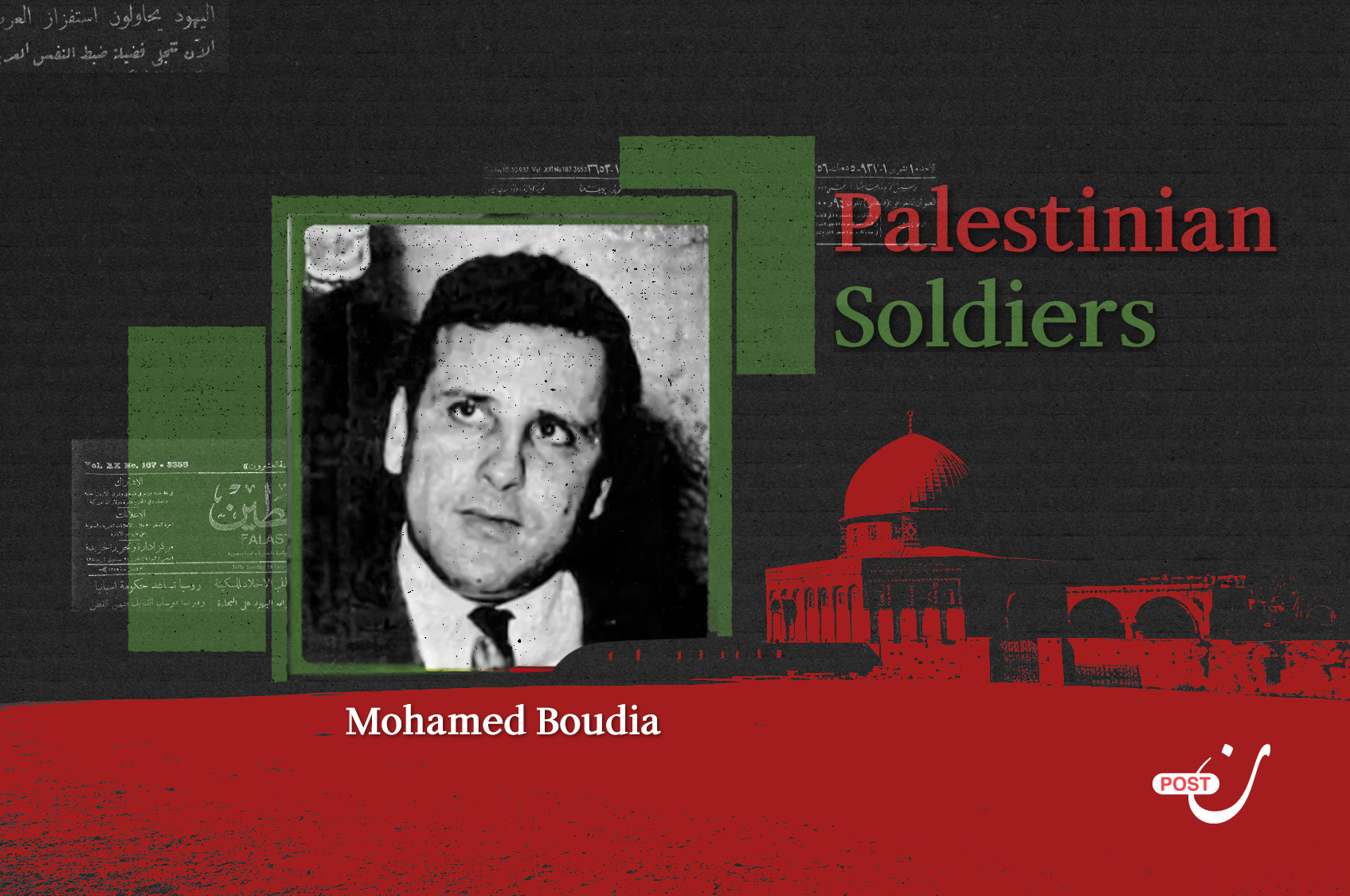
Mohamed Boudia: An Algerian Fought for Palestine from Europe

فريق التحرير
Noon Post Published 26 March ,2026
Share
نون بوست
نون بوست

The young Algerian revolutionary Mohamed Boudia believed deeply in his people’s right to self‑determination, free from French colonial rule. He joined the resistance at an early age and led the Algerian National Liberation Front’s Paris cell, which carried out numerous operations against colonial interests. When Algeria finally won its independence, he returned to his first love: theater.

Algeria was liberated, but he did not lay down his arms. Boudia was an internationalist revolutionary committed to struggles for liberation chief among them what he viewed as humanity’s central cause: Palestine. He decided to join the Palestinian struggle with his weapon, his pen, and his exceptional skills in planning clandestine operations.

His mastery of theater helped him craft elaborate disguises to evade Israeli intelligence and the French security services, which pursued him for years. Eventually, Mossad succeeded in assassinating him as part of Operation “Wrath of God” on the morning of June 28, 1973, in Paris. Yet despite his assassination, his legacy endures in the causes of Palestine, Algeria, and global liberation movements.

Mohamed Boudia: The Revolutionary Maker

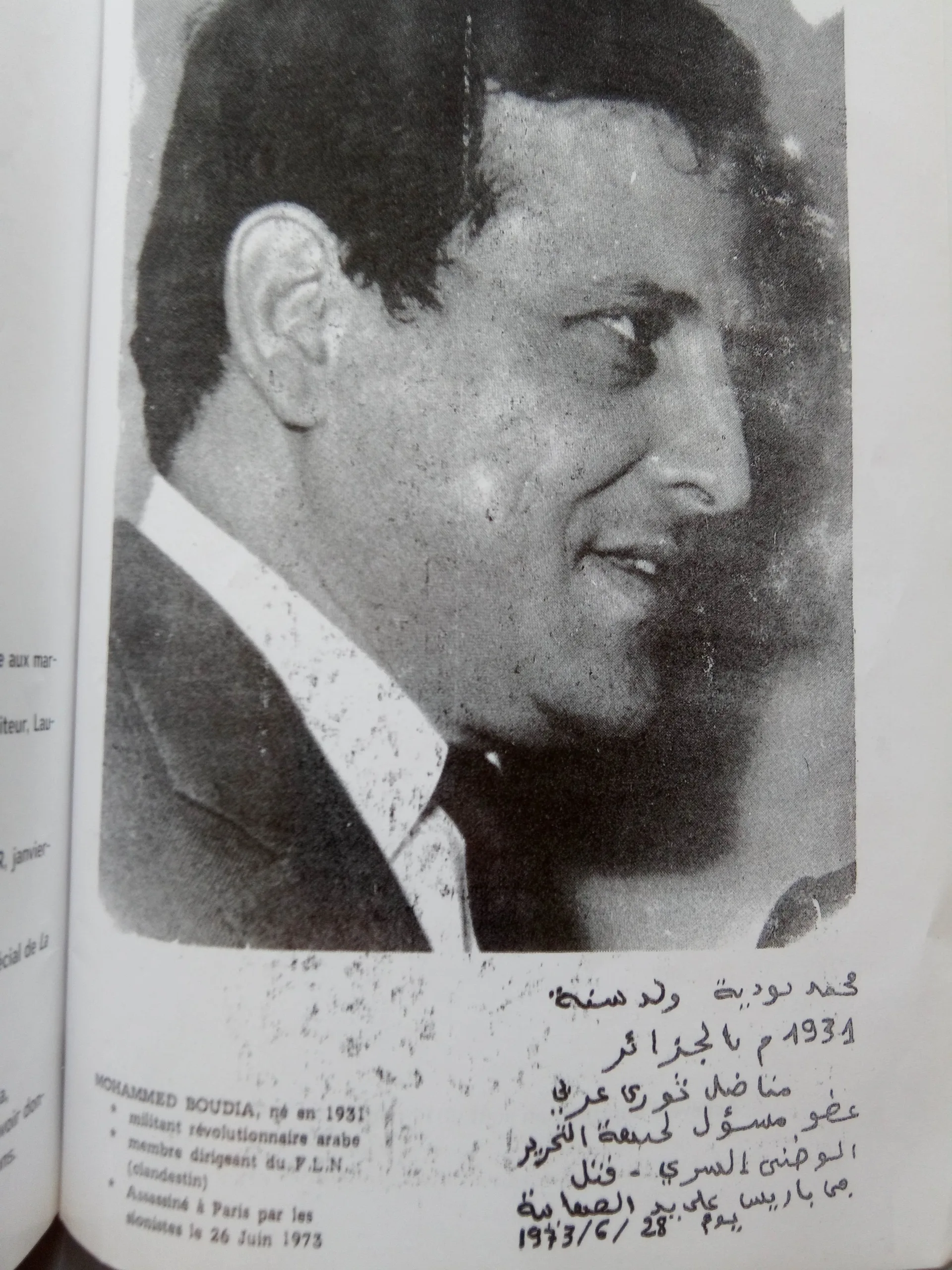
On February 24, 1932, in the Bab El Jedid quarter of the upper Casbah of Algiers, a child named Mohamed was born into the Boudia family. He grew up in the historic streets and schools of the Casbah and joined the Algerian Muslim Scouts.
نون بوست

During his school years, Boudia developed a passion for theater. At 22, he enrolled in the Regional Center for Dramatic Arts to hone his talent. He possessed a commanding eloquence, strong powers of persuasion, and notable talent in expression and writing.

His theatrical work in Algeria did not last long. He was conscripted into military service first in Algiers and later in Dijon, France under the compulsory draft imposed on Algerians since 1912. But in France, fate led him to meet an Algerian theater troupe in Dijon and, through them, Algerians active in the struggle for independence from a colonial power that had violated land, dignity, and wealth.

Boudia wanted to serve his country through the art he loved. He wrote plays celebrating resistance and denouncing occupation, works intended to stir people to revolt against colonial repression. He had lived through colonial brutality and was deeply marked by the massacres of May 8, 1945.

He believed passionately in the role of culture and theater in liberating his country. He used his pen and voice to lay the groundwork for a “theater of resistance.” For him, culture was synonymous with freedom, and theater an extension of the national struggle. Once independence was achieved, he believed theater should become a social and political instrument of liberation.

But the outbreak of the armed Algerian Revolution in late 1954 drew him into the clandestine ranks of the National Liberation Front (FLN), which had decided to bring the war to France. He quickly became head of the FLN’s Paris cell, which oversaw several operations in France between 1957 and 1958, including the August 25, 1958 bombing of oil pipelines near Marseille.

A few weeks later, French authorities arrested Boudia and sentenced him to 20 years of hard labor. However, on September 10, 1961, he escaped from Angers prison with the help of French anti‑colonial activists and fled to newly independent Tunisia.

The Beginning of a New Struggle

Months after his escape, Algeria gained independence. But the internationalist revolutionary Mohamed Boudia believed liberation would remain incomplete until all occupied lands were freed especially Palestine, which he saw as the foremost cause after its occupation by Israel with Western support.
نون بوست

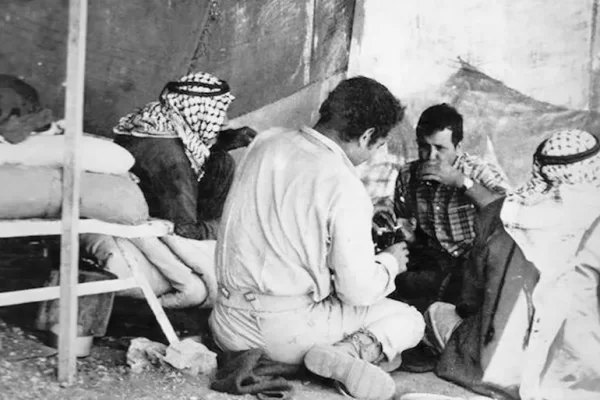
Boudia’s connection to the Palestinian cause began in Cuba, where he met Wadie Haddad, also known as Abu Hani, the head of external operations for the Popular Front for the Liberation of Palestine (PFLP). That meeting strengthened his conviction that his experience should be placed at the service of the Palestinian struggle.

This period coincided with the Arab defeat of June 1967, when Israel waged a six‑day war against Egypt, Syria, and Jordan, leading to vast territorial losses and the destruction of most Arab military assets.

Boudia wrote extensively on Palestine, driven by the fervor he carried from his years with the FLN and from political theater. He leveraged his wide network of artists, intellectuals, and political figures across Europe, the Arab world, and Latin America to promote awareness of the Palestinian cause.

Armed Struggle

After the Arab defeat, many revolutionaries shifted to armed resistance, expanding operations against Israeli targets abroad. Boudia embraced this path, convinced that rights are not granted but seized by force.

Wadie Haddad led an international coalition of armed groups known as the “External Operations Department.” In the early 1970s, Boudia was tasked with leading PFLP operations in Europe, following a short stay at Patrice Lumumba University in Moscow.

Boudia by then operating under the nom de guerre Abu Diya became the mastermind behind most PFLP operations and later Black September operations in Europe. These actions targeted Israeli interests in response to Israeli violence, international indifference, and to awaken the world’s conscience regarding Palestine.

He coordinated with several revolutionary groups, including the Japanese Red Army, Germany’s Baader‑Meinhof Group, Italy’s Red Brigades, and Spain’s ETA. He also recruited youth in support of the Palestinian struggle.

Among his operations was an attempt to send three East German women to Jerusalem to bomb Israeli targets, a plot that was uncovered. He also oversaw the bombing of the Shono Center in Austria, which processed Soviet Jewish migrants heading to Israel.

Boudia also supervised the bombing of Israeli warehouses and a petroleum refinery in Rotterdam, as well as the May 8, 1972 hijacking of an Israeli airliner at Lod Airport (Ben Gurion Airport), during which both militants and Israeli soldiers were killed in a failed rescue attempt.

He additionally oversaw the Japanese Red Army operation led by Kozo Okamoto targeting Israeli aircraft at Lod Airport, killing 26 people and injuring at least 80. He planned the August 5, 1972 explosion of a petroleum pipeline between Italy and Austria near Trieste, destroying nearly 250,000 tons of oil.

That same year, he hosted the Palestinian commandos responsible for the Munich operation, helping hide and eventually move them. The operation involved the capture of 11 Israeli athletes during the Munich Olympics and demands for the release of 236 Palestinian prisoners. The German security assault resulted in the death of all the hostages.

“The Man of 100 Faces”

Boudia supervised all these operations without leaving a trace. Reports from Mossad and Western intelligence services, including French and Swiss, indicated they were sure he was involved in planning attacks on Israeli interests and Mossad personnel, but they lacked evidence. He continued to work in theater openly and without raising suspicion.

According to a Swiss intelligence report, Boudia traveled through European capitals using numerous aliases and forged identities such as “Bertan Pierre,” “Bertan Roland,” “Boyer Maurice Andres,” “Rodrigue,” “Robert,” “Roger,” “Bethanchan,” as well as Arabic names like “Saeed Ben Ahmed,” “Abu Khalil,” and “Abu Khaled.”

He frequently changed residences in Paris to avoid leaving any trail that could lead those searching for the mastermind behind Palestinian operations in Europe—a skill he had refined during his time in the Algerian resistance and at Patrice Lumumba University.

The End of a Hero

For a long time, Mossad and Western intelligence believed multiple people were behind the operations targeting Israeli interests in Europe. Eventually, after exhaustive pursuit, they concluded it was the work of one man: Mohamed Boudia.
نون بوست

Mossad did not wait for definitive evidence. It decided to eliminate the Algerian revolutionary at the first opportunity as part of Operation “Wrath of God,” authorized by then‑Israeli Prime Minister Golda Meir and executed by the Kidon unit led by agent Michael Harari.

Their task was difficult Boudia had no stable residence and no consistent identity.

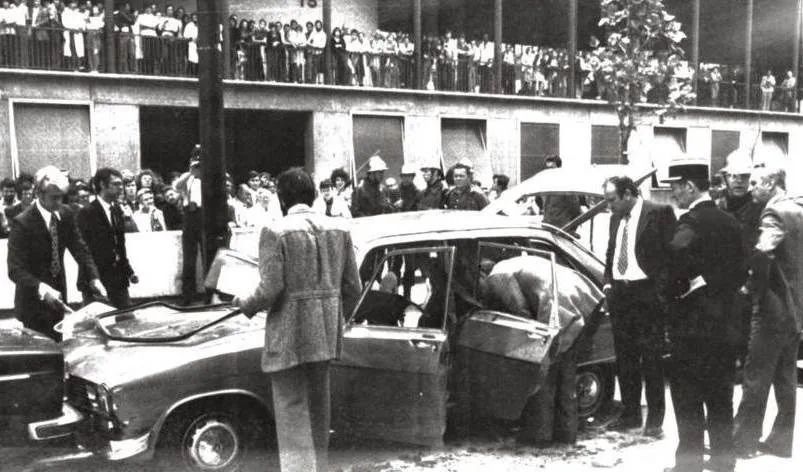
On the morning of June 28, 1973, Boudia prepared to leave an apartment he frequented in Paris’s Fifth District, dressed in his theatrical attire. He walked to his blue Renault 16 parked on Rue Fossés‑Saint‑Bernard. As he opened the door and touched the driver’s seat, a small explosive device hidden beneath it detonated.

He was killed instantly at 41, after spending more than half his life fighting for Algeria, Palestine, and global liberation movements.

Mossad succeeded in assassinating Mohamed Boudia that day, with assistance from French security elements. But it failed to halt the struggle for a just cause embraced by millions. After the martyrdom of the internationalist revolutionary, countless others carried the torch, and such resistance will not end until the Israeli occupation comes to an end.

Download this article as PDF
Share this Article
Facebook Twitter Whatsapp Whatsapp Telegram Email Copy Link
فريق التحرير
By فريق التحرير تقارير يعدها فريق تحرير نون بوست.
Follow:
Previous Article نون بوست What Is Israel Afraid of in the Regional Expansion of the F‑35 Fleet?
Next Article نون بوست Trapped Between the Yellow Line and the Rubble: Why Can’t Gazans Return Home?

Read More

  • U.S. Regime‑Change Policies: Why They Are Destined to Fail U.S. Regime‑Change Policies: Why They Are Destined to Fail
  • The Gulf’s Balancing Act: Iran, Israel, and Hidden Links
  • Iraq–Turkey Oil Export Treaty: Why Did Ankara Cancel It After 52 Years?
  • Syria’s Northeast on Edge: QSD Between Ankara and Damascus
  • Has Europe Changed Its Stance on Israel… or Just Its Language?
part of the design
NoonPost Weekly Newsletter

You May Also Like

U.S. Regime‑Change Policies: Why They Are Destined to Fail

U.S. Regime‑Change Policies: Why They Are Destined to Fail

إسراء سيد Esraa sayed 8 April ,2026
The Gulf’s Balancing Act: Iran, Israel, and Hidden Links

The Gulf’s Balancing Act: Iran, Israel, and Hidden Links

فريق التحرير Noon Post 8 April ,2026
Iraq–Turkey Oil Export Treaty: Why Did Ankara Cancel It After 52 Years?

Iraq–Turkey Oil Export Treaty: Why Did Ankara Cancel It After 52 Years?

فريق التحرير Noon Post 8 April ,2026

لبنانيون ينتحلون صفة سوريين للّجوء إلى أوروبا

مصباح العلي
مصباح العلي Published 20 October ,2015
Share
12093061954_64dba2c89f_k

جلس أبو أحمد، سائق سيارة الأجرة الذي يبلغ من العمر 60 عاماً، متهالكاً على كرسي في مقهى بالقرب من ساحة التل في قلب مدينة طرابلس بشمال لبنان، قلقاً على ما يبدو حول مصير ابنه، عمر أبو شنب وزوجته وأطفالهما الثلاثة، الذين غادروا إلى اليونان في طريقهم إلى ألمانيا.

“لا أعرف شيئا عنهم، كل ما أعرفه هو أن ابني جمع حوالي 8000 دولار وغادر طرابلس، تلقينا مكالمة منه قائلاً بأنه الآن في الجزر اليونانية، وما عدا ذلك، لم يردنا أي أخبار منه” قال أبو أحمد.
مخاوف الرجل الكهل لها ما يبررها، خاصة في أعقاب التقارير التي تفيد بأن اللاجئين الذين يستقلون قوارب الموت لقوا حتفهم أو فُقدوا قبل وصولهم إلى أوروبا خلال رحلتهم المحفوفة بالمخاطر من تركيا إلى اليونان.

أحدث مأساة حلّت بالأسر اللبنانية في البحر، حدثت الأسبوع الماضي عندما انقلب قارب يحمل عائلات لبنانية في طريقهم إلى اليونان من تركيا، مخلفاً سبعة قتلى على الأقل، ومن بين الـ12 شخصاً من أفراد أسرة صفوان اللبنانية، الذين غادروا لبنان في محاولة للبحث عن طريقهم نحو اليونان ومن ثم إلى ألمانيا، قلة فقط تم العثور عليهم على قيد الحياة.

كما انتشر الذعر بين سكان منطقة المينا في طرابلس، إبان التقارير، التي تبين بألا أساس لها من الصحة، والتي تتحدث عن غرق قارب آخر يحمل أفراداً من عائلة لبنانية أخرى، عائلة صيداوي، قبالة الشواطئ اليونانية.

عائلة صفوان وصيداوي ليسوا العائلات اللبنانية الوحيدة التي حاولت القيام بالرحلة المحفوفة بالمخاطر إلى أوروبا بحثاً عن مراع أكثر اخضراراً، حيث تشير التقارير الواردة من شمال لبنان، وخصوصاً من طرابلس، عن موجات مكثفة من الهجرة الجماعية التي تعقد العزم للوصول إلى ألمانيا والدول الاسكندنافية.

وفقاً لشهود عيان في طرابلس، سماسرة الهجرة في شمال البلاد يعملون على تزوير أوراق ثبوتية لمواطنين لبنانيين لتحويلهم إلى لاجئين سوريين، الأمر الذي يسهّل حصولهم على اللجوء في البلدان الأوروبية، وتكلفة تزوير الأوراق تتراوح ما بين 100 إلى 750 دولار أميركي.

اُبتلي شمال لبنان بالفقر والحرمان وزيادة معدلات البطالة، بالإضافة إلى حوادث الاقتتال الطائفي، مما دفع الكثير من الأشخاص لتجريب حظوظهم خارج البلاد.

الطابور الطويل الذي يصطف خارج مديرية الأمن العام في طرابلس يدلل على أن طلبات الحصول على جوازات سفر فاقت الأعداد المألوفة، حيث يطّرد عدد الأشخاص الذين يلتمسون الحصول على جوازات السفر بشكل كبير، وقالت مصادر أمنية بأن عدد الأشخاص الذين غادروا من منطقة المينا وحدها وصل إلى حوالي 3000 شخصاً، ووجهتهم المفضلة هي ألمانيا، البلد الأقوى اقتصادياً في أوروبا.

كما أقر مختار محلة الحدادين في طرابلس، ربيع مراد، بأن الآلاف من طلبات جوازات السفر قد وصلت إليه وإلى مخاتير المحلات الأخرى في طرابلس، وتابع مضيفاً: “إن الطلب على أوراق جواز السفر المقدمة من قبل كامل أفراد الأسرة أصبحت كثيرة للغاية، وصلاحياتنا القانونية تقتصر على وضع اللمسات الأخيرة على هذه الأوراق وتسليمها إلى أصحابها”، مردفاً بأن وضع حد لهجرة اللبنانيين من الشمال تقع على عاتق أجهزة الدولة والأمن.

محمود حداد، أحد نشطاء المجتمع المدني، أكد على مغادرة أكثر من 3000 لبناني من منطقة المينا، ومغادرة أكثر من 25.000 لبنانياً من طرابلس، مدفوعين بالوضع الاجتماعي والاقتصادي المتدهور في المدينة، ومشيراً إلى أن نحو 50 شخصاً يغادر طرابلس كل يوم، وموضحاً ذلك بقوله: “هناك مافيا منظمة تعمل على مساعدة سكان طرابلس للهجرة بالتعاون مع المافيا التركية، حيث يتم تقسيم العمل إلى قسمين، أولاً تزوير الجنسية السورية لخروج اللبنانيين، وثانياً التستر على جنسيتهم اللبنانية”.

وأضاف حداد شارحاً بأن مافيا الهجرة تحاول الاستحصال على تصاريح الإقامة وتصاريح العمل للبنانيين في ألمانيا دون الحاجة إلى تقديم أوراقهم الثبوتية.

وبغية شرح المعاناة التي تواجه اللبنانيين في محاولاتهم للوصول إلى أوروبا، يقول حداد بأن الرحلة الشاقة تبدأ من مرفأ طرابلس أو من مطار بيروت ليصل المهاجرون إلى إزمير، الميناء التركي الذي يُعتبر الطريق الأساسي للتهريب نحو الآلاف من الجزر اليونانية، والجزيرة الأهم هي جزيرة ميتيليني، الجزيرة اليونانية القريبة جداً من الشاطئ التركي، ومن ثم يتجه اللاجئون من اليونان نحو مقدونيا ومنها إلى صربيا وأخيراً إلى هنغاريا (المجر)، قبل أن يقرروا إما الدخول إلى ألمانيا أو متابعة الرحلة إلى السويد.

وأضاف حداد بأنه نتيجة لقوانين السويد الصارمة في إعطاء تصاريح الإقامة، فإنها تشهد إقبالاً “ضعيفاً” نسبياً من قِبل اللاجئين، أما ألمانيا فتستوعب العدد الأكبر من اللاجئين من سكان الشمال، وهو الأمر الذي يشجع اللبنانيين للتوجه قدماً نحو ألمانيا.

في الوقت الذي تشكل فيه ألمانيا حالياً الوجهة المفضلة للبنانيين، تسري شائعات في طرابلس حوا خطط أستراليا لفتح أبواب الهجرة لأولئك الذين يسعون لها في بداية الشهر المقبل.

وفي ذات السياق، أكدت المنظمة الدولية للهجرة بأن أكثر من  590.000 لاجئ ومهاجر وصلوا إلى شواطئ أوروبا منذ يناير من العام الجاري، في حين أودت رحلات الهجرة المحفوفة بالمخاطر بحياة أكثر من 3000 شخصاً بين قتيل ومفقود، والجدير بالذكر بأن ما يقارب 450.000 شخصاً من إجمالي عدد اللاجئين الذين حطوا الرحال في أوروبا وصلوا من اليونان.

أخيراً دعت أثينا ومن خلفها الأمم المتحدة الاتحاد الأوروبي لفتح المزيد من المعابر القانونية للاجئين اليائسين الفارين من الحرب والاضطهاد، لكي لا يضطروا للمخاطرة بحياتهم بغية الوصول إلى بر الأمان.

المصدر: ديلي ستار

TAGGED: أوروبا ، الأمن اللبناني ، الاقتصاد اللبناني ، الثورة السورية ، اللاجئون السوريون
Download this article as PDF
Share this Article
Facebook Twitter Whatsapp Whatsapp Telegram Email Copy Link
مصباح العلي
By مصباح العلي صحفي لبناني في صحيفة ديلي ستار
Follow:
Next Article نون بوست The Stigma of “ISIS”: A Heavy Legacy Haunting Women and Children of Former Members

Read More

  • U.S. Regime‑Change Policies: Why They Are Destined to Fail U.S. Regime‑Change Policies: Why They Are Destined to Fail
  • The Gulf’s Balancing Act: Iran, Israel, and Hidden Links
  • Iraq–Turkey Oil Export Treaty: Why Did Ankara Cancel It After 52 Years?
  • Syria’s Northeast on Edge: QSD Between Ankara and Damascus
  • Has Europe Changed Its Stance on Israel… or Just Its Language?
part of the design
NoonPost Weekly Newsletter

You May Also Like

U.S. Regime‑Change Policies: Why They Are Destined to Fail

U.S. Regime‑Change Policies: Why They Are Destined to Fail

إسراء سيد Esraa sayed 8 April ,2026
The Gulf’s Balancing Act: Iran, Israel, and Hidden Links

The Gulf’s Balancing Act: Iran, Israel, and Hidden Links

فريق التحرير Noon Post 8 April ,2026
Iraq–Turkey Oil Export Treaty: Why Did Ankara Cancel It After 52 Years?

Iraq–Turkey Oil Export Treaty: Why Did Ankara Cancel It After 52 Years?

فريق التحرير Noon Post 8 April ,2026
dark

An independent media platform founded in 2013, rooted in slow journalism, producing in-depth reports, analysis, and multimedia content to offer deeper perspectives on the news, led by a diverse young team from several Arab countries.

  • Politics
  • Society
  • Rights & Liberties
  • Opinions
  • History
  • Sports
  • Education
  • Technology
  • Economy
  • Media
  • Arts & Literature
  • Entrepreneurship
  • Travel
  • Cinema & Drama
  • Food
  • Health
  • Culture
  • Latest Reports
  • Files
  • Long Reads
  • Interviews
  • Podcast
  • Interactive
  • Encyclopedia
  • In Pictures
  • About Us
  • Our Writers
  • Write for Us
  • Editorial Policy
  • Advanced Search
Some rights reserved under a Creative Commons license

Removed from favorites

Undo
Go to mobile version