
NoonPost NoonPost

NoonPost

  • Home
  • Politics
  • Economy
  • Society
  • Culture
  • Files
  • Long Reads
  • Podcast
AR
Notification Show More
نون بوست
“There Are Nights I Can’t Close My Eyes”: How Gazans Are Living in Homes on the Brink of Collapse
نون بوست
From al-Jolani to Ahmad al-Shara: The Evolution of Syria’s New Leader
نون بوست
When Political Islam Receded in Egypt: Who Filled the Void?
نون بوست
An Extension of Genocide: Gaza’s Detainees Speak Out
نون بوست
A Tightrope Between Survival and Sovereignty: The Syrian Government Faces Normalization Pressures
نون بوست
American Aircraft Carriers: Has the Era of “100,000 Tons of Diplomacy” Ended?
نون بوست
U.S. Regime‑Change Policies: Why They Are Destined to Fail
نون بوست
Transformations of Israeli Judaism: Between the Victim Complex and the Colonizer’s Doctrine
نون بوست
The Gulf’s Balancing Act: Iran, Israel, and Hidden Links
نون بوست
Iraq–Turkey Oil Export Treaty: Why Did Ankara Cancel It After 52 Years?
نون بوست
Syria’s Northeast on Edge: QSD Between Ankara and Damascus
نون بوست
Has Europe Changed Its Stance on Israel… or Just Its Language?
NoonPost NoonPost
AR
Notification Show More
نون بوست
“There Are Nights I Can’t Close My Eyes”: How Gazans Are Living in Homes on the Brink of Collapse
نون بوست
From al-Jolani to Ahmad al-Shara: The Evolution of Syria’s New Leader
نون بوست
When Political Islam Receded in Egypt: Who Filled the Void?
نون بوست
An Extension of Genocide: Gaza’s Detainees Speak Out
نون بوست
A Tightrope Between Survival and Sovereignty: The Syrian Government Faces Normalization Pressures
نون بوست
American Aircraft Carriers: Has the Era of “100,000 Tons of Diplomacy” Ended?
نون بوست
U.S. Regime‑Change Policies: Why They Are Destined to Fail
نون بوست
Transformations of Israeli Judaism: Between the Victim Complex and the Colonizer’s Doctrine
نون بوست
The Gulf’s Balancing Act: Iran, Israel, and Hidden Links
نون بوست
Iraq–Turkey Oil Export Treaty: Why Did Ankara Cancel It After 52 Years?
نون بوست
Syria’s Northeast on Edge: QSD Between Ankara and Damascus
نون بوست
Has Europe Changed Its Stance on Israel… or Just Its Language?
Follow US

Going Back to School Has Become an Added Challenge for Syrian Children

فريق التحرير
Noon Post Published 26 March ,2026
Share
نون بوست
نون بوست

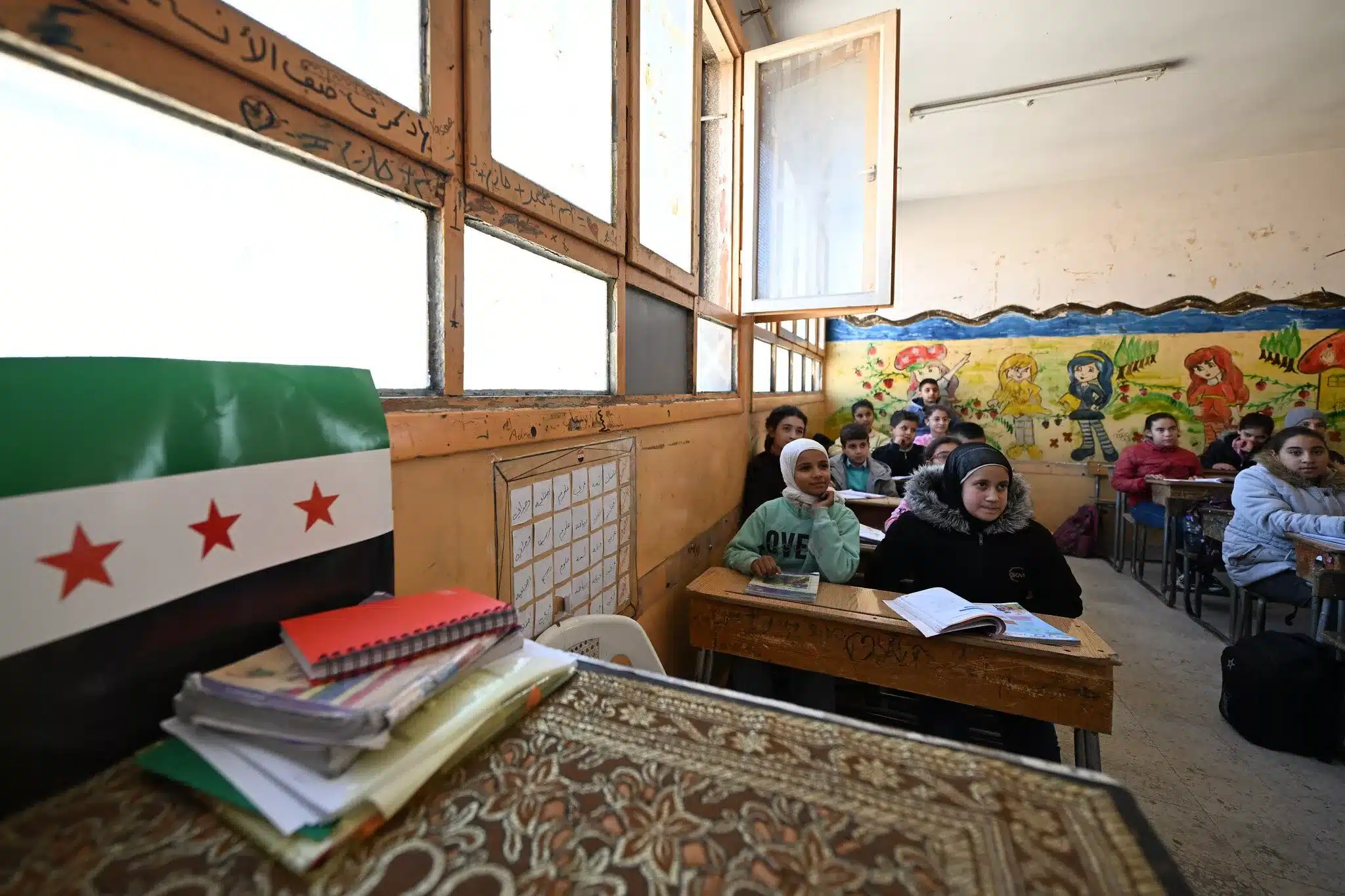
More than a decade into Syria’s war, education remains deeply scarred by destruction and displacement. Bombings have destroyed thousands of schools, transforming many into shelters for the displaced or leaving them as empty shells no desks, no books, no learning.

According to UNICEF estimates, more than 7,000 schools across the country have been damaged or completely destroyed particularly in Aleppo, Idlib, and Daraa resulting in over a 40% decrease in functioning schools. With the exodus of tens of thousands of qualified teachers and a severe shortage of resources and salaries, education has become one of the most fragile sectors in Syria, leaving hundreds of thousands of children out of the classroom.

But a new chapter has begun since areas were retaken and stabilized, marked by the return of thousands of Syrian families from countries of asylum such as Turkey, Lebanon, Germany, and the UK. According to the latest UNHCR report, between December 8, 2024, and November 6, 2025 just eleven months over 1.2 million Syrians returned to the country. Of these, nearly 57% are school-aged children.

Yet despite the hope that comes with return, the path to education has proven far from easy. Returning students are now confronting an educational landscape starkly different from what they experienced during their years in exile.

Having developed their academic skills in foreign languages, many returning students now struggle to adapt to Arabic-language curricula and a vastly different school system. For many, Arabic is no longer their primary language.

Teachers inside Syria report clear signs of confusion as these students transition from Latin-based alphabets to Arabic script, resulting in slow reading, weak writing skills, and poor verbal expression in class.

When Language Becomes a Barrier

The struggle of returning students extends beyond merely re-entering school it manifests as a deep academic gap that accumulated over years in exile. Many are forced to relearn the basics of the Arabic language almost from scratch.

While those returning from other Arab countries integrate more easily, students coming from non-Arabic-speaking nations face a double burden.
نون بوست

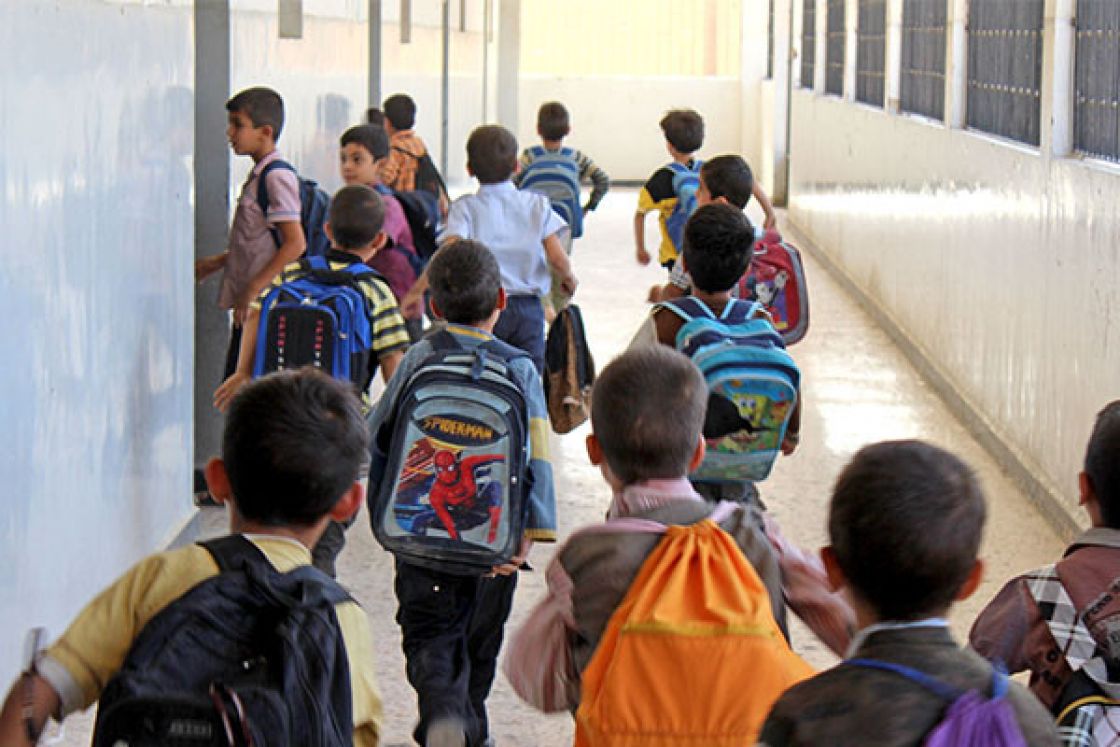
Their reliance on foreign languages has led to severe difficulties in reading and writing formal Arabic the standard in all Syrian schools making textbooks difficult to comprehend and eroding their self-confidence.

In Turkey, for instance, where schools operate in Turkish and use the Latin alphabet, some returning students cannot even recognize Arabic letters. Reports by Syria TV indicate that many such children are placed in early grades despite being older, simply because they lack foundational literacy.

Those coming from Europe face similar challenges. In the UK, for example, the entire national curriculum is built around mastery of English, with all subjects taught, assessed, and expressed in that language. Transitioning to Arabic thus represents a seismic linguistic and cognitive shift. Scientific concepts the student once learned in English become unfamiliar, forcing them to rebuild their academic vocabulary from scratch.

Samir Al-Ahmad, a father of two from rural Damascus who returned from Sweden in early 2025, explains that this sudden shift often results in the loss of academic competency during the first year, especially for children under the age of fifteen. His nine-year-old son Omar lost an entire academic year due to his weak Arabic, a reality that reflects the scale of the challenge facing thousands of returning students.

Curricula and Academic Performance

Language barriers are not the only challenge. Syrian curricula differ significantly from those abroad in both cultural perspective and ideological content, complicating the transition even for high-achieving students.
نون بوست

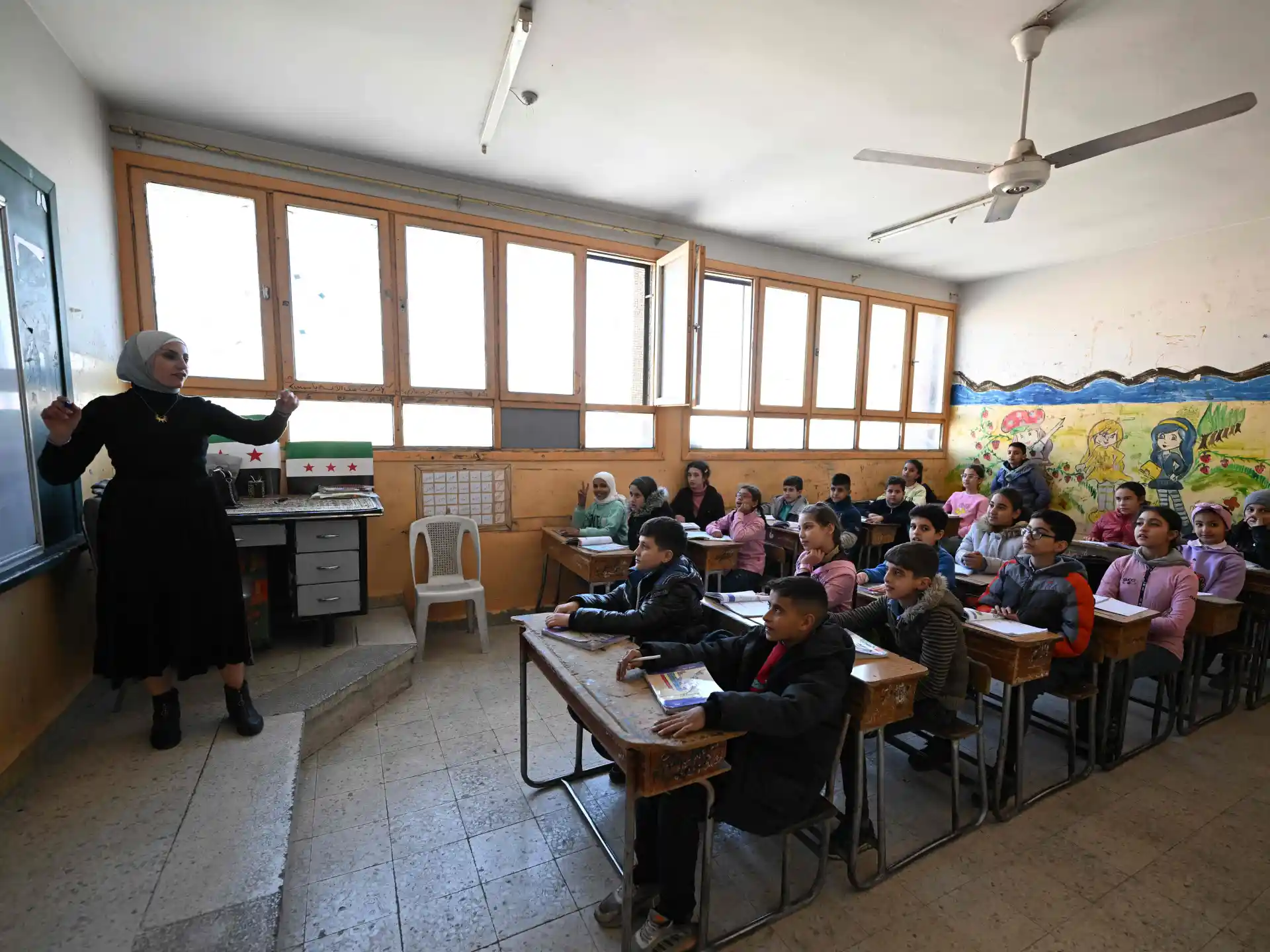
In Syria, the curriculum includes historical, religious, and cultural materials that shape a sense of Arab and national identity, whereas students abroad were educated within entirely different cultural and cognitive frameworks.

The shift to Syrian education thus feels like moving between two different educational identities.

Such differences are common between educational systems globally, but for returnee students, they can directly hinder comprehension and integration especially for those who experienced prolonged educational disruptions.

A student educated in a Western system is likely to view history and geography through a different lens and hold social concepts that do not align with Syrian textbook narratives, leading to frustration and a sense of alienation in class.

Samir confirms that the gap between Swedish and Syrian curricula is “vast, with almost no common ground.” Even in subjects like mathematics, his son struggles with simple problems because the methods and grading criteria differ.

In Sweden, students are awarded points for the problem-solving process even if the final answer is wrong. In Syria, only the correct answer matters. This, he says, makes his son feel like he is starting all over again despite years of schooling abroad.

Educational and Psychological Shock

The consequences of this academic gap are not limited to grades they extend deeply into students’ psychological and social well-being. A child who was once top of the class abroad might suddenly become one of the weakest in Syria, breeding feelings of failure and alienation. Many withdraw socially or drop out entirely.

Samir shares that his son Omar now suffers from social isolation, unable to follow many lessons and feeling left behind by classmates. Despite returning to his homeland, Omar finds it difficult to make friends, feeling disconnected from his environment.

Samir’s decision to return was driven by a desire to preserve his children’s Syrian identity and cultural heritage. Now, he questions that decision, worried about their future. “Seeing my son become this isolated breaks my heart. He used to love school. He was smart and enthusiastic,” he says. When asked about solutions, he mentions considering private Arabic tutoring but remains unsure if it will be enough.

Other reports confirm that this is not an isolated case. Many returnee children experience social anxiety, fear of bullying, and academic frustration due to unfamiliar curricula and teaching methods.

Experts warn that these psychological shocks may be more damaging than academic gaps themselves, threatening to push students out of the school system entirely.

Credential Recognition Procedures

The challenges don’t stop with the students. Their families face a maze of bureaucratic hurdles in trying to enroll their children in Syrian schools. The process begins with authenticating school certificates from host countries, which must first be approved by foreign ministries, then sent to Syrian embassies or consulates for formal verification.

The situation is worsened by severe backlogs at consular offices, where appointment delays can stretch for weeks. Some families wait over two months, while others pay extra fees or resort to intermediaries to expedite the process.

But paperwork is only the first obstacle. Upon return, students face the “sabr” placement exam, conducted by the Ministry of Education to determine their academic level and appropriate grade. The test typically covers Arabic, math, and national subjects such as history and geography.

The “sabr” exam is seen as both a psychological and educational hurdle. Students who studied for years in foreign languages often struggle to understand questions or respond in Arabic, leading to poor results and forced placement in lower grades sometimes two or three levels below.

One such case is Hassan Al-Hammadi, who told Syria TV he was demoted from 10th to 8th grade after failing the exam a situation teachers say is increasingly common among returnees from Turkey and Europe.

A report by the Harmoon Center for Contemporary Studies notes that the lack of a standardized national policy for recognizing foreign credentials leaves room for subjective decisions by school administrators, leading to significant disparities.

In some provinces, certificates are accepted without a “sabr” exam, while in others, students are demoted despite holding verified documents.

Government Support and Response Plans

To date, the Ministry of Education has not issued any clear policy regarding returnee students. There are no official programs to address their specific needs. As a result, many Syrian families in the UK told Noon Post they remain hesitant to return, fearing uncertainty about their children’s educational future.

A teacher at a private school in Homs told Enab Baladi that “the ministry has issued no directive or plan for dealing with these students the responsibility is left entirely to the teachers.”

In the absence of a clear national strategy, the burden of integration falls on parents, schools, and teachers who are already operating with limited resources. As refugee returns continue and the education sector remains under strain, the gap widens, and returning to school becomes less a fresh start and more an additional emotional and social burden.

Given these challenges, the Ministry of Education must urgently develop a comprehensive plan to support returnee students. This should include training programs for teachers, academic bridging classes, and psychological and social support systems.

After all, this is not just a matter of academic performance it is the future of an entire generation in need of an equitable, secure, and inclusive learning environment.

Download this article as PDF
Share this Article
Facebook Twitter Whatsapp Whatsapp Telegram Email Copy Link
فريق التحرير
By فريق التحرير تقارير يعدها فريق تحرير نون بوست.
Follow:
Previous Article نون بوست Why Saudi-Israeli Normalization Now Seems Unlikely
Next Article نون بوست U.S. Shift in Sudan: A Belated Correction or Strategic Repositioning?

Read More

  • U.S. Regime‑Change Policies: Why They Are Destined to Fail U.S. Regime‑Change Policies: Why They Are Destined to Fail
  • The Gulf’s Balancing Act: Iran, Israel, and Hidden Links
  • Iraq–Turkey Oil Export Treaty: Why Did Ankara Cancel It After 52 Years?
  • Syria’s Northeast on Edge: QSD Between Ankara and Damascus
  • Has Europe Changed Its Stance on Israel… or Just Its Language?
part of the design
NoonPost Weekly Newsletter

You May Also Like

U.S. Regime‑Change Policies: Why They Are Destined to Fail

U.S. Regime‑Change Policies: Why They Are Destined to Fail

إسراء سيد Esraa sayed 8 April ,2026
The Gulf’s Balancing Act: Iran, Israel, and Hidden Links

The Gulf’s Balancing Act: Iran, Israel, and Hidden Links

فريق التحرير Noon Post 8 April ,2026
Iraq–Turkey Oil Export Treaty: Why Did Ankara Cancel It After 52 Years?

Iraq–Turkey Oil Export Treaty: Why Did Ankara Cancel It After 52 Years?

فريق التحرير Noon Post 8 April ,2026

إيهود باراك أمام القضاء الأمريكي بسبب أسطول الحرية

فريق التحرير
Noon Post Published 21 October ,2015
Share
545181949

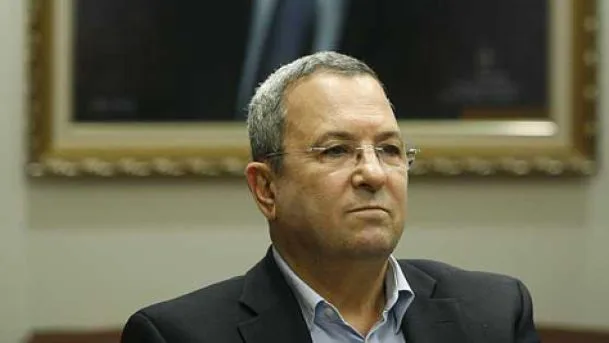
رفعت في الولايات المتحدة الأمريكية قضية بحق إيهود باراك رئيس الوزراء ووزير الدفاع الإسرائيلي السابق وأول من قام بوضع قرار الحصار المفروض على قطاع غزة وأحد المتهمين في الهجوم العدواني على سفينة مافي مرمرة، حيث قامت عائلة الشهيد فرقان دوغان أحد شهداء العدوان الإسرائيلي على سفينة مافي مرمرة وسفن أسطول الحرية الأخرى بتاريخ 31 مايو 2010 والذي كان يحمل الجنسية الأمريكية برفع دعوى قضائية في الولايات المتحدة الأمريكية بحق المسؤولين عن العدوان، وكان وزير الدفاع الإسرائيلي السابق إيهود باراك متواجدًا في الولايات المتحدة الأمريكية.

إيهود باراك هو من قام بإصدار قرار الحصار المفروض على قطاع غزة والبادئ بتطبيقه، كما يذكر اسمه بين المسؤولين الإسرائيليين المتهمين بالتورط في الهجوم العدواني على أسطول الحرية لغزة بشكل عام وسفينة مافي مرمرة بشكل خاص، وعلى الرغم من تواجد عملاء الموساد الإسرائيليين الذين يوفرون حماية مشددة لإيهود باراك خلال تواجده في الولايات المتحدة الأمريكية، تمكن محامو قضية ‘مافي مرمرة’ من الوصول إلى إيهود باراك وتبليغ ملف القضية التي قاموا بإعداده مسبقًا؛ لذلك من الممكن تقديم إيهود باراك الذي صدمه هذا الإشعار، أمام المحلفين في المحكمة بالولايات المتحدة الأمريكية.

نون بوست

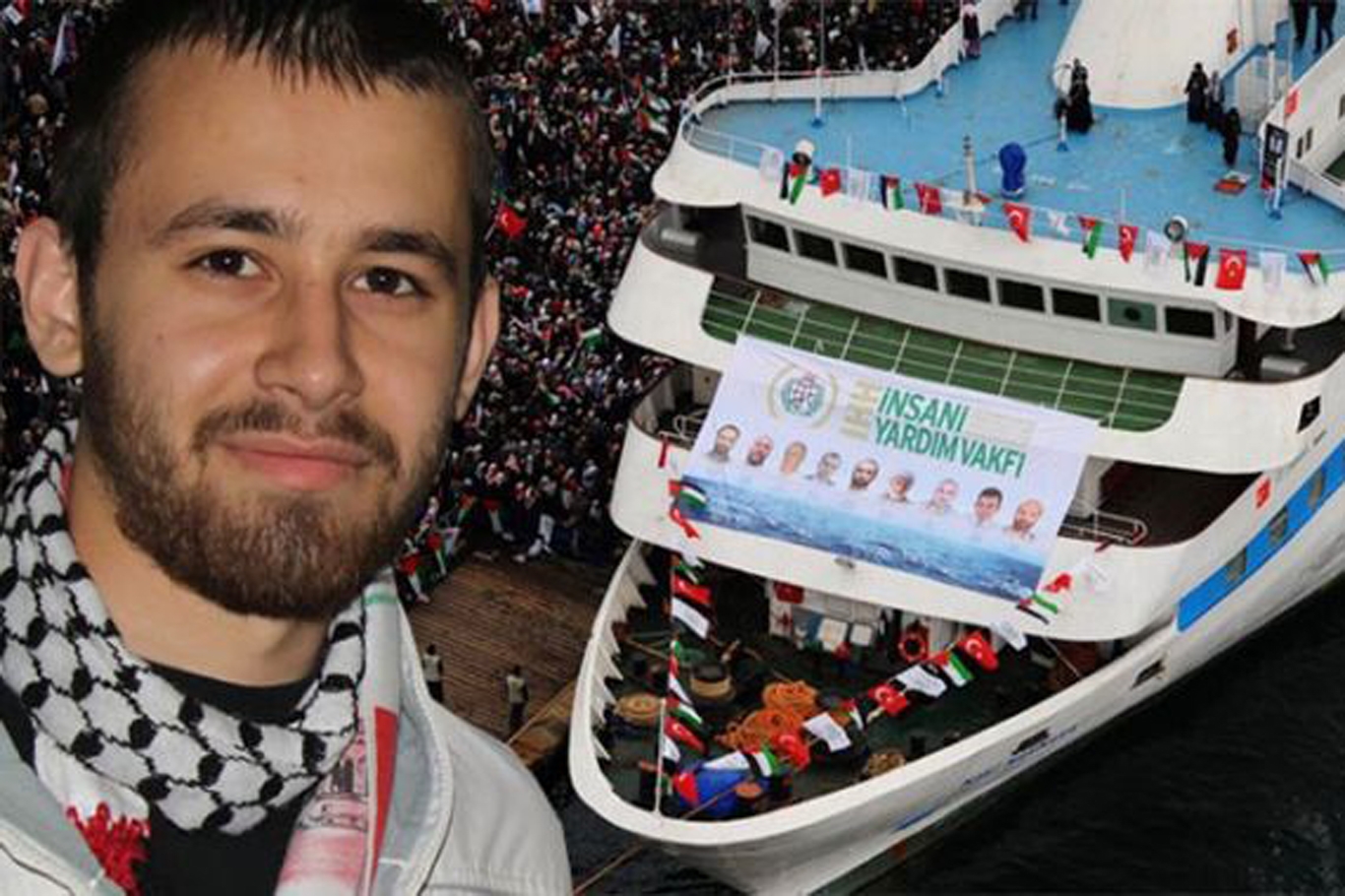
الشهيد فرقان دوغان

سيتم النظر في القضية التي رفعتها عائلة الشهيد فرقان دوغان في المحكمة الاتحادية المركزية في كاليفورنيا، وبفضل هذه القضية التي تم رفعها يوم تاريخ ميلاد الشهيد فرقان، سيكون من الممكن محاكمة إيهود باراك على الجرائم التي ارتكبها في مافي مرمرة، ومن الممكن أيضًا أن يتم الحكم بتعويضات مادية لأسرة الشهيد، وكذلك من الممكن لأقارب الشهداء الآخرين والمتضررين من الهجوم العدواني على سفينة مافي مرمرة المشاركة في هذه القضية.

يشارك في القضية التي رفعتها أسرة الشهيد فرقان دوغان في الولايات المتحدة فريق يرأسه البروفيسور السير جيفري نيس النائب العام الذي حاكم القاتل الصربي ميلوسيفيتش وبمشاركة المحاميين الأمريكيين هايدي ديجكستال ودان ستورمر بالتنسيق مع مكتب المحاماة ”ستوك أند وايت” والمحامي رودني ديكسون محامي الرئيس المصري محمد مرسي.

ستنظر المحكمة الاتحادية المركزية في كاليفورنيا في القضية التي سيحاكم فيها إيهود باراك بتهم العدوان على مدنيين في المياه الدولية وقتل المواطن الأمريكي فرقان دوغان عن قصد، كما وسيتم محاكمته بمختلف التهم من بينها الإرهاب الدولي والتعذيب وسوء المعاملة والمعاملة القاسية وغير المشروعة كمخطط وآمر بتنفيذ هذه الجرائم المخالة لكافة القوانين والأعراف الإنسانية.

وتعتبر هذه القضية أول قضية تم رفعها في الولايات المتحدة الأمريكية ضد مسؤولين إسرائيليين رفيعي المستوى، كما ستكون الأولى من نوعها التي يقدم فيها رئيس وزراء إسرائيلي للمحكمة بتهم تتعلق بجرائم الإرهاب الدولي.

وقد استطاع إيهود باراك الهرب من الاعتقال عام 2010 بنزوله من الطائرة في اللحظة الأخيرة بعد أن كان في طريقه إلى فرنسا للمشاركة في عرض أسلحة والتي افتتح فيها تحقيق نتيجة لطلب قدمته كل من زوجتي الشهيدين جودت كيليجلار ونجدت يلدرم بشأن العدوان.

من ناحية أخرى، تواصل المحكمة الجنائية الدولية تحقيقاتها في القضية المرفوعة بحق كافة المتهمين المتورطين في الهجوم العدواني، ومن المعروف أن النائب العام للمحكمة الجنائية الدولية قد قرر أن إسرائيل قد قامت من خلال عدوانها على أسطول الحرية لغزة بارتكاب جرائم حرب ضد المدنيين في المياه الدولية، ومن خلال الدعوى الجنائية المتواصل النظر فيها في المحكمة الجنائية السابعة بإسطنبول، حكمت المحكمة بإصدار نشرة حمراء لدى البوليس الدولي (الإنتربول) للقبض على المتهمين ومن المنتظر إرسال وزارة العدل التركية هذا القرار إلى المعنيين به.

وكانت عملية السيطرة الإسرائيلية على السفينة مرمرة أسفرت عن استشهاد 9 مدنيين أتراك كانوا على متن السفينة، فيما أصيب 56 شخصًا من النشطاء الذين كانوا على متن هذه السفينة، أما الناشط التركي العاشر “أوغور سليمان سويلماز”، فقد فارق الحياة في إحدى مستشفيات العاصمة التركية أنقرة، في مايو 2014، متأثرًا بالجروح الخطيرة التي تعرض لها.

أدى هذا الهجوم إلى تحول جذري في هذه العلاقات التي تدهورت بعد تاريخ طويل من الشراكة الإستراتيجية بين البلدين تعود للعام 1949 عندما قررت تركيا كأول بلد مسلم، إنشاء علاقات دبلوماسية مع إسرائيل، حيث يمكن الإعلان عن نهاية هذا التاريخ الطويل من التعاون السياسي والاقتصادي والعسكري والإستراتيجي، بصورة فعلية في عام 2010 عقب حادث أسطول الحرية.

وكان الادعاء العام للمحكمة الجنائية الدولية، أعلن في نوفمبر2014 أن إسرائيل ارتكبت جريمة حرب بهجومها على “مافي مرمرة”، إلا أن حجم الحادث لا يجعله يدخل ضمن نطاق عمل المحكمة، وهو ما اعترضت عليه تركيا.

TAGGED: أسطول الحرية ، العلاقات التركية الإسرائيلية ، مافي مرمرة
Download this article as PDF
Share this Article
Facebook Twitter Whatsapp Whatsapp Telegram Email Copy Link
فريق التحرير
By فريق التحرير تقارير يعدها فريق تحرير نون بوست.
Follow:
Next Article نون بوست The Stigma of “ISIS”: A Heavy Legacy Haunting Women and Children of Former Members

Read More

  • U.S. Regime‑Change Policies: Why They Are Destined to Fail U.S. Regime‑Change Policies: Why They Are Destined to Fail
  • The Gulf’s Balancing Act: Iran, Israel, and Hidden Links
  • Iraq–Turkey Oil Export Treaty: Why Did Ankara Cancel It After 52 Years?
  • Syria’s Northeast on Edge: QSD Between Ankara and Damascus
  • Has Europe Changed Its Stance on Israel… or Just Its Language?
part of the design
NoonPost Weekly Newsletter

You May Also Like

U.S. Regime‑Change Policies: Why They Are Destined to Fail

U.S. Regime‑Change Policies: Why They Are Destined to Fail

إسراء سيد Esraa sayed 8 April ,2026
The Gulf’s Balancing Act: Iran, Israel, and Hidden Links

The Gulf’s Balancing Act: Iran, Israel, and Hidden Links

فريق التحرير Noon Post 8 April ,2026
Iraq–Turkey Oil Export Treaty: Why Did Ankara Cancel It After 52 Years?

Iraq–Turkey Oil Export Treaty: Why Did Ankara Cancel It After 52 Years?

فريق التحرير Noon Post 8 April ,2026
dark

An independent media platform founded in 2013, rooted in slow journalism, producing in-depth reports, analysis, and multimedia content to offer deeper perspectives on the news, led by a diverse young team from several Arab countries.

  • Politics
  • Society
  • Rights & Liberties
  • Opinions
  • History
  • Sports
  • Education
  • Technology
  • Economy
  • Media
  • Arts & Literature
  • Entrepreneurship
  • Travel
  • Cinema & Drama
  • Food
  • Health
  • Culture
  • Latest Reports
  • Files
  • Long Reads
  • Interviews
  • Podcast
  • Interactive
  • Encyclopedia
  • In Pictures
  • About Us
  • Our Writers
  • Write for Us
  • Editorial Policy
  • Advanced Search
Some rights reserved under a Creative Commons license

Removed from favorites

Undo
Go to mobile version