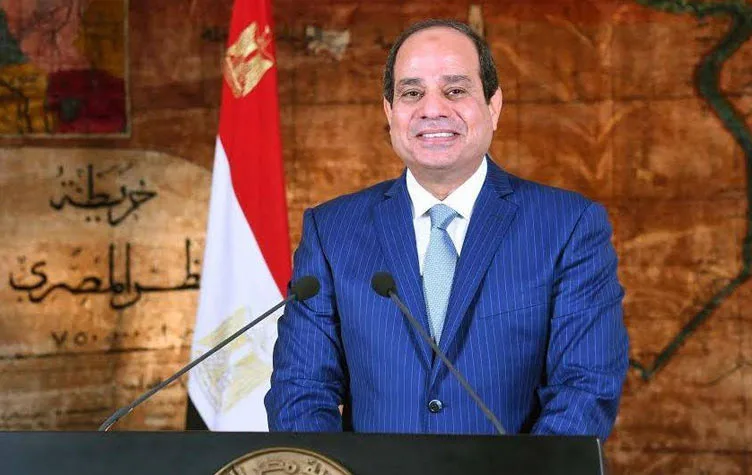

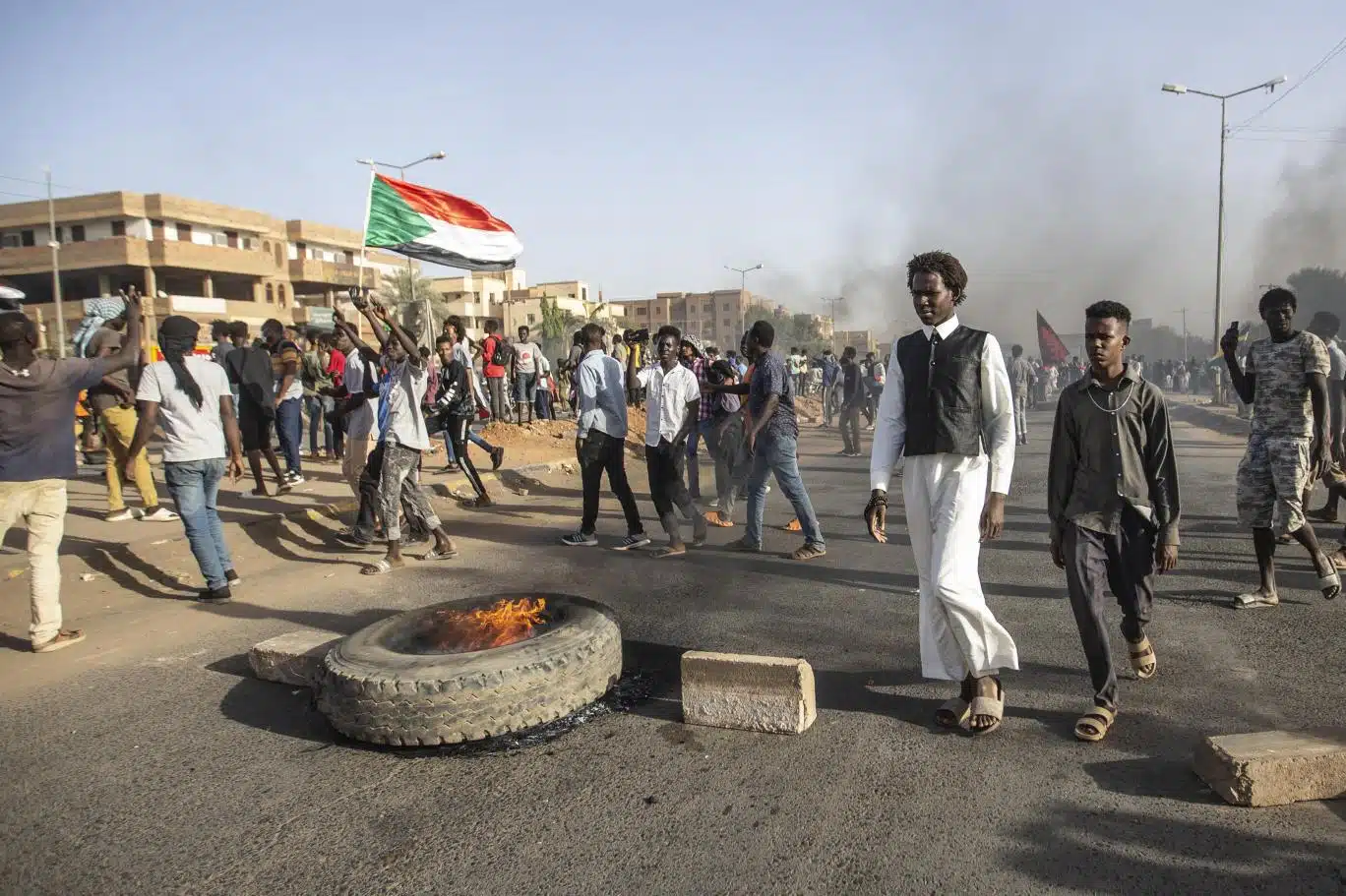
The U.S. stance on the war in Sudan has not been stable since its outbreak; American policy was marked by hesitation and caution, and Washington long refrained from taking any clear position toward the warring parties.
Yet in recent days we have witnessed a striking change in the tone of U.S. diplomatic discourse, suggesting that the United States is undertaking a thorough reassessment of how it engages with the war and its regional and international trajectories.
This shift has not only appeared in tougher statements, but also in the way Washington now views the matter: whether it still sees the possibility of investing in previous arrangements, or whether it has become compelled to revisit older calculations that are no longer viable in light of the developments on the ground and pressure from allies.
While Sudanese actors try to interpret what these new signals mean, fundamental questions emerge about the nature of the shift and its limits: Does it represent the beginning of a different U.S. policy, or is it merely a temporary adjustment in managing an increasingly complex crisis? This article attempts to analyze and understand its background and potential directions.
Marco Rubio’s remarks
On the sidelines of the G7 foreign ministers’ meeting in Canada, U.S. Secretary of State Marco Rubio made remarks that reflect a clear change in the U.S. position toward the Rapid Support Forces (RSF). He focused on one point as the core problem: the militia agrees to anything, but fails to comply, and is fundamentally incapable of carrying out what it promises thus demolishing the idea that this militia is a partner that can be relied upon in any political arrangements.
The essence of the U.S. message is that the militia is unrestrained, its leaders and regional sponsors have lost control of it, and the atrocities in al‑Fashir published by the RSF with exposed faces provide the most convincing evidence for Washington that control over the fighters is virtually non‑existent.
Additionally, the Secretary’s reference to the militia receiving arms from “several countries” without naming them was a direct message to the UAE and other states neighbouring Sudan such as Chad and Libya.
The nondisclosure was not flattery, but rather an attempt to keep the door open for pressure without igniting a public confrontation with allies. His emphasis on “thousands of missing civilians” and his confirmation that the level of atrocities in al‑Fashir remains unknown reflect the shock inside U.S. institutions.
For Washington, what took place in al‑Fashir made continuing to deal with the RSF ethically and politically costly, and no longer coverable by diplomacy as before.
His talk about the possibility of designating the RSF as a terrorist organization, and his implicit refusal to turn the “quad” (i.e., the U.S.‑UAE‑Egypt‑Saudi grouping) into a protective umbrella, suggest that Washington has begun treating the militia more as a security burden than as a tool of influence a transformation that was not in evidence just weeks ago.
These remarks also come under pressure from Congress, which sees backing a rogue militia possibly backfiring on U.S. interests in the Sahel and the Horn of Africa. Thus the U.S. administration chose to send a clear message: the bet on the RSF is no longer guaranteed, and the search for a partner capable of execution namely the army has become a more realistic option.
Reactions
In this context, the RSF’s statement was clearly defensive; it began with rejecting the accusations and accusing the U.S. of relying on “misleading information,” while attempting to invert the narrative by portraying the army as the party rejecting peace.
The statement claimed that the militia repeatedly agreed to truces, and that the United States did not respond to their proposals.
It also attempted to link itself to the discourse of “freedom, justice and equality,” asserting that it fights to prevent Sudan becoming “a hub for terrorism,” and accused the army and the Islamic movement of responsibility for the violence.
It also flatly denied receiving any external support, despite broad evidence of UAE‑sourced arms smuggling. The main objective of the statement was to blur the implications of the U.S. remarks.
By contrast, the Sudanese government welcomed the remarks with clear approval, viewing them as the start of an important shift in the international position. The Foreign Ministry’s statement focused on the idea that the U.S. description of the RSF as a militia prepares for a correction of the narrative that some states had been promoting, and reinforces Khartoum’s demands for a halt to the flow of arms and mercenaries across borders opened by regional actors.
The government affirmed that Washington’s recognition of the al‑Fashir atrocities places the international community in front of its responsibilities, and confirms Khartoum’s warnings about the siege and violations.
The government also stressed that the army is exercising its “constitutional right” to protect civilians, and that the popular rallying around it proves that the comparison between it and a lawless militia is unfair. At its core, the government’s response was an attempt to solidify political gains from the U.S. shift and present itself as a reliable partner in any forthcoming peace process.
Why did Washington ignore RSF’s crimes for so long?
For nearly two years since the war began in Sudan, Washington did not treat the reports from Sudan about the RSF’s crimes with seriousness, because part of its intelligence assessments were shaped by complex regional interests especially the influence of its nearest allies in the region: the UAE, Saudi Arabia and Egypt.
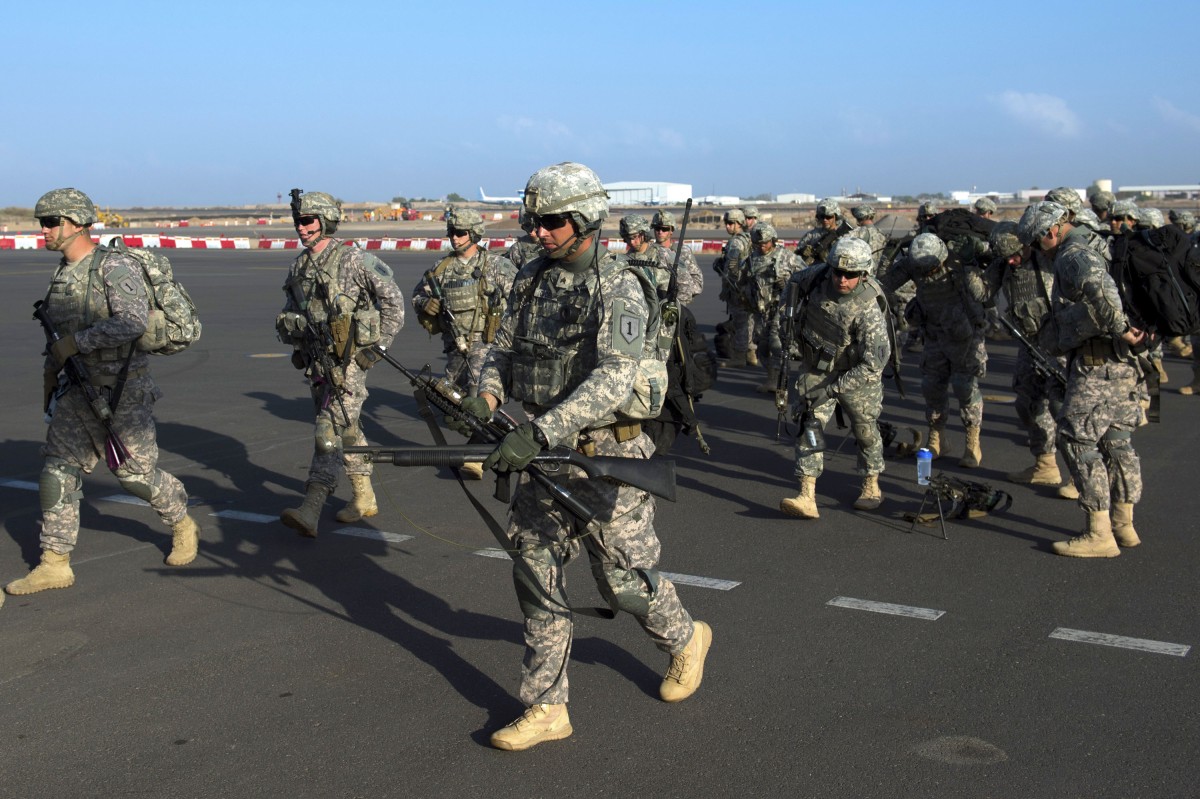
And since those capitals were pushing for a settlement that would keep the RSF as a key actor, Washington preferred to wait for a “solution acceptable to all” rather than early escalation that would complicate its regional relations.
The huge political and financial backing that the UAE provided to the RSF had a direct effect inside decision‑making circles in the U.S., especially via the active UAE‑Israeli lobbying in Congress and think tanks. This lobby presented the militia as a partner in which investment could be made and marketed it as a force “aligned with U.S. interests in the Red Sea and the region as a whole.”
Since the October 2021 coup, the United States did not have a clear concept to manage the Sudan file. The “civil‑military partnership” policy collapsed, and Washington reverted to the role of observer. This strategic vacuum made it deal with the war through crisis management logic rather than solving it.
Washington avoided closing its door to any party in the conflict, adopting a “long wait” policy to see who would control the ground. And because the RSF achieved early military gains, Washington preferred to avoid confrontation with it or its regional backers while order of force remained unclear. This waiting, in practice, contributed to ignoring its crimes until the al‑Fashir atrocities flipped the picture entirely.
What has changed now?
U.S. handling of the Sudanese crisis has undergone a gradual shift since early 2025, when the Joe Biden administration (prior to handing over power) recognized that the RSF had committed genocide in Darfur, and imposed sanctions on (Mohammed Hamdan Dagalo) and seven financing and arming companies based in the UAE.
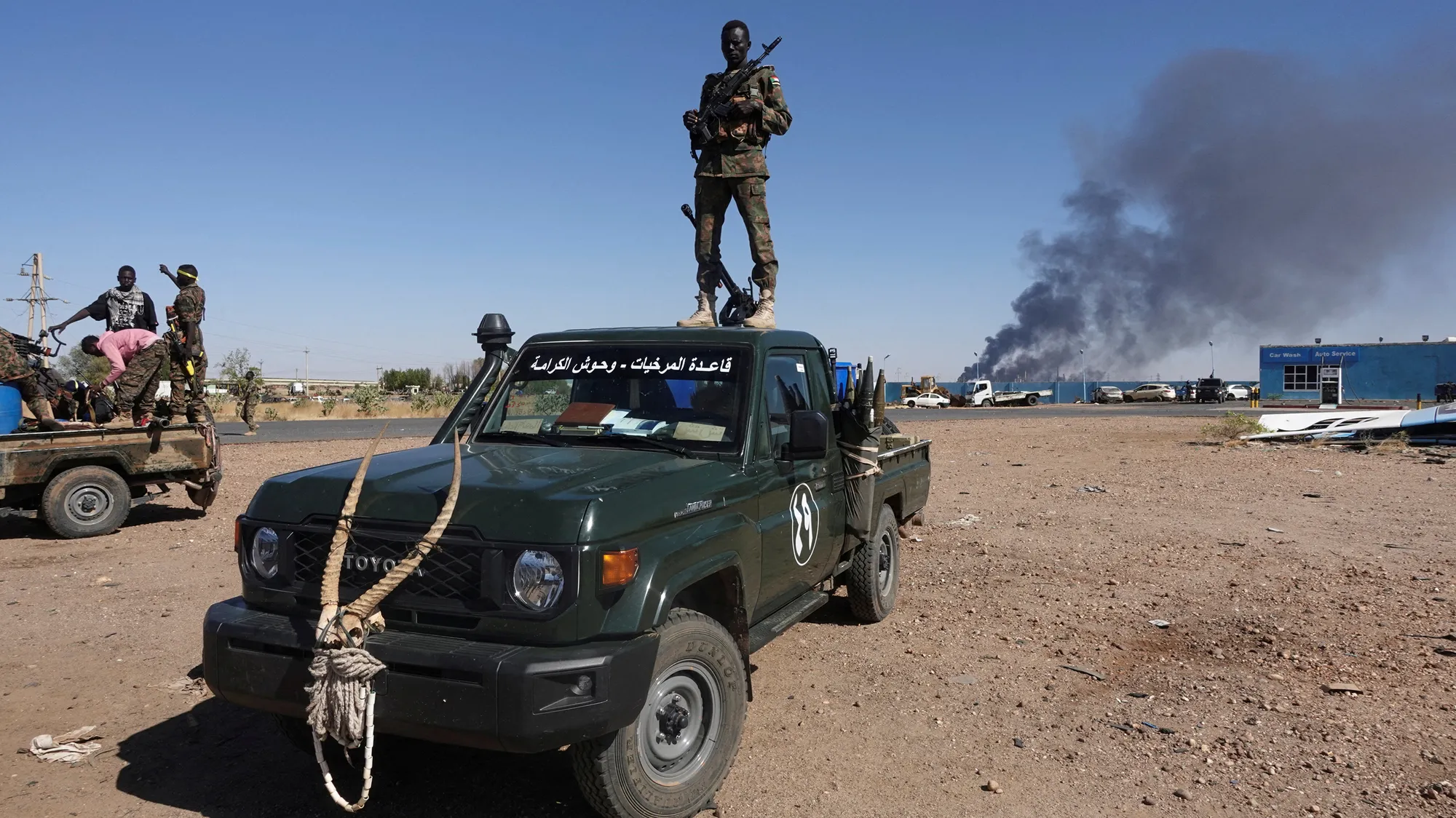
Following that, the Donald Trump administration remained silent for a long period, until the first real move came via reviving the “Quad”.
Add to this the broad documentation of atrocities by the RSF after the fall of al‑Fashir including genocide, ethnic cleansing, rape and looting which reached the United Nations Human Rights Council.
The UN High‑Commissioner for Human Rights, Volker Türk, said “there is a proxy conflict over Sudan’s natural resources and commodities, involving several states inside and outside the region.”
Accumulated pressure from rights groups, U.S. media and international public opinion led to a reassessment of U.S. policy toward the Sudan file, even though the Trump administration tends to focus more on deals and economic interests than humanitarian crimes.
Hence, the U.S. shift can be interpreted pragmatically: the project Washington and its decision‑making circles bet on is no longer viable practically, whether in terms of losses or in achieving gains. The situation resembles other shifts in U.S. policy when faced with adverse consequences for its standing, as we have seen in Gaza.
Moreover, the war has grown longer and more costly, and the Sudanese army regained the initiative before the fall of al‑Fashir, pushing the militia from much of Khartoum and central Sudan into Kordofan and Darfur.
The UAE and its allies responded by increasing qualitative military supply to the militia in an effort to restore balance and control over al‑Fashir, aiming to consolidate their gains in the field temporarily and ensure their military, political and economic presence as a prelude to swallowing the rest of Sudan in the future.
Washington understood that the expansion of the war and the extension of qualitative supplies to the militia threaten to turn Sudan into a centre of regional instability stretching to the Sahel and the Red Sea, pushing the U.S. administration to leave the “remote monitoring” phase and move into a more assertive crisis management role.
Also, Sudan’s opening to competitors of the United States especially Iran and Turkey helped drive the U.S. to review its policy to preserve a foothold in the new regional equation.
Regionally, these shifts created tensions between U.S. allies, where Saudi Arabia began to worry about the UAE because of its support for the RSF. A report revealed that the Saudi Crown Prince, Mohammed bin Salman, intended to raise the issue with President Trump during their upcoming meeting in Washington.
This tension reflects Riyadh’s desire to rebalance the regional equation and regain influence in the Sudan file after being bypassed by Abu Dhabi.
Observers note that the Riyadh–Abu Dhabi rivalry gives Washington an opportunity to reposition its policies either by pressuring the UAE or by backing the Sudanese army as a partner capable of imposing stability thereby preserving U.S. interests in the region and reducing future security and economic risks.
Why does Washington appear to bet on the army?
The U.S. is betting on the Sudanese Armed Forces (SAF) as a national institution that can be reformed and detached from politics, and is pushing for the restoration of civilian rule under defined security and stability conditions conditions that Washington communicated via its envoy Messad Paulus, who described General Abdel Fattah al‑Burhan in some interviews as “President”.
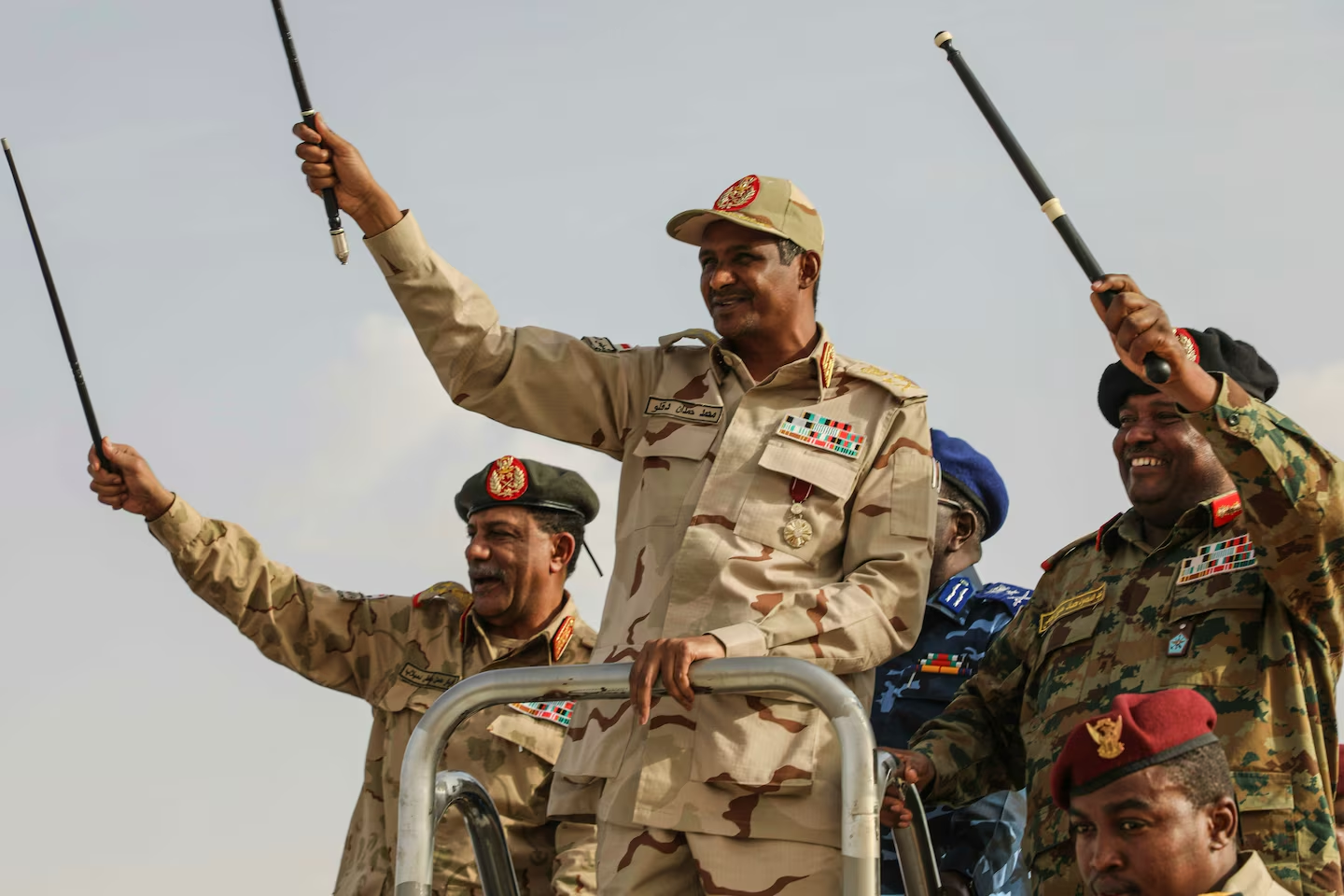
Al‑Burhan’s response to these demands included changes in the military leadership and sidelining officers linked to the Islamist current, after his meeting with Paulus in Switzerland and his return to Sudan which the U.S. envoy considered progress with respect to the army’s stop in receiving Iranian support.
These moves belong to a U.S. pragmatism seeking direct economic and political interests with the Sudanese state and its institutions including the army without being tethered to the UAE as a “sub‑imperialist” or to the militia, given that dealing with the army is less costly and more controllable.
Meanwhile, the army attempts to leverage this opening by attracting possible U.S. investment especially in sectors such as mining in exchange for easing sanctions and boosting its legitimacy, though concerns persist about repeating fragile economic‑peace scenarios like those in the Congo.
This bet also reflects U.S. recognition that supporting the army has become the less costly option to ensure Sudan’s survival as a state and prevent its disintegration, as well as being the main bulwark against Russian expansion through gold and the Red Sea routes, as well as against any arrangements that could give Moscow a military foothold in the region.
Press reports say closed meetings between al‑Burhan and the U.S. envoy including sessions in Geneva and Cairo have focused on new military supply channels that would enable the army to reduce its reliance on Iran and Russia without losing out to the RSF.
Al‑Burhan requested early‑warning systems and air‑defence capabilities to protect vital installations and urban centres from advanced drone attacks believed to be supplied to the RSF by the UAE.
According to the same reports, Paulus went to Egypt, which initially agreed to provide some of these systems to the army, despite its hesitation due to cost and operational burden as part of a strategic support package aimed at limiting drone dominance on the battlefield.
Limits of the U.S. shift and questions for the future
It appears that the recent U.S. shift toward Sudan, however visible in tone and stance, remains bounded by realistic limits that go beyond slogans and diplomatic declarations.
The United States is not acting purely out of moral or legal motives, but rather is recalibrating its compass based on influence calculations, ally pressure and the cost of sustaining a project that had failed to deliver.
In this context, the increasing bet on the Sudanese army is an extension of pragmatism.
But this transformation, significant as it is, does not necessarily mean that Washington has settled its choices or will translate its rhetoric into concrete commitments.
The scene is complex; the balance between Riyadh and Abu Dhabi within the U.S. orbit remains a pressure point, and American bureaucracy and crisis‑management methods may delay any step beyond political messaging.
Thus the central question remains open: to what extent can this U.S. bet on the army be sustained? Will it evolve into direct military or political support that reshapes the field balance, or will it remain within the confines of diplomatic pressure and regional tempo‑management?
And what happens if the mood in Washington shifts, or if the UAE through its traditional tools re‑regains influence and redirects the course?
Such questions leave the future of the war in Sudan open to multiple possibilities. The U.S. shift grants the army a new political margin, but it does not close the door on surprises that may derive from battlefield tests, regional influence contests, and the fluid nature of the international system.
What appears today as the beginning of a serious U.S. review may tomorrow be a passing moment -or a major turning point-depending on what the coming weeks and months bring in terms of new alignments and on‑the‑ground realities.
In this context, al‑Burhan’s call to general mobilisation takes on significance: maintaining the state and its institutions has become tied to its citizens’ ability to defend their land, not just reliance on external support.
This human and field‑level equation adds a new layer to understanding the limits of the U.S. shift, and confirms that the future of the war will remain open to multiple possibilities.