







NoonPost NoonPost

NoonPost

  • Home
  • Politics
  • Economy
  • Society
  • Culture
  • Files
  • Long Reads
  • Podcast
AR
Notification Show More
نون بوست
“There Are Nights I Can’t Close My Eyes”: How Gazans Are Living in Homes on the Brink of Collapse
نون بوست
From al-Jolani to Ahmad al-Shara: The Evolution of Syria’s New Leader
نون بوست
When Political Islam Receded in Egypt: Who Filled the Void?
نون بوست
An Extension of Genocide: Gaza’s Detainees Speak Out
نون بوست
A Tightrope Between Survival and Sovereignty: The Syrian Government Faces Normalization Pressures
نون بوست
American Aircraft Carriers: Has the Era of “100,000 Tons of Diplomacy” Ended?
نون بوست
U.S. Regime‑Change Policies: Why They Are Destined to Fail
نون بوست
Transformations of Israeli Judaism: Between the Victim Complex and the Colonizer’s Doctrine
نون بوست
The Gulf’s Balancing Act: Iran, Israel, and Hidden Links
نون بوست
Iraq–Turkey Oil Export Treaty: Why Did Ankara Cancel It After 52 Years?
نون بوست
Syria’s Northeast on Edge: QSD Between Ankara and Damascus
نون بوست
Has Europe Changed Its Stance on Israel… or Just Its Language?
NoonPost NoonPost
AR
Notification Show More
نون بوست
“There Are Nights I Can’t Close My Eyes”: How Gazans Are Living in Homes on the Brink of Collapse
نون بوست
From al-Jolani to Ahmad al-Shara: The Evolution of Syria’s New Leader
نون بوست
When Political Islam Receded in Egypt: Who Filled the Void?
نون بوست
An Extension of Genocide: Gaza’s Detainees Speak Out
نون بوست
A Tightrope Between Survival and Sovereignty: The Syrian Government Faces Normalization Pressures
نون بوست
American Aircraft Carriers: Has the Era of “100,000 Tons of Diplomacy” Ended?
نون بوست
U.S. Regime‑Change Policies: Why They Are Destined to Fail
نون بوست
Transformations of Israeli Judaism: Between the Victim Complex and the Colonizer’s Doctrine
نون بوست
The Gulf’s Balancing Act: Iran, Israel, and Hidden Links
نون بوست
Iraq–Turkey Oil Export Treaty: Why Did Ankara Cancel It After 52 Years?
نون بوست
Syria’s Northeast on Edge: QSD Between Ankara and Damascus
نون بوست
Has Europe Changed Its Stance on Israel… or Just Its Language?
Follow US

Who Cares for Gaza’s War Orphans?

سماح شاهين
Samah shaheen Published 26 March ,2026
Share
نون بوست
نون بوست

The latest Israeli war on Gaza has left behind an entire generation of orphans more than 50,000 children, many of whom lost their entire families in an instant. As calls intensify for sustainable solutions for their future, the community grapples with the challenges of adoption, which is largely prohibited under local customs and laws, leaving care institutions as the only refuge for these children.

Against this grim humanitarian backdrop, a deeper question lingers: how can a future be built for children who are left with nothing but memories? Who will carry the burden of life for those who have lost their only support?

Embracing Jana

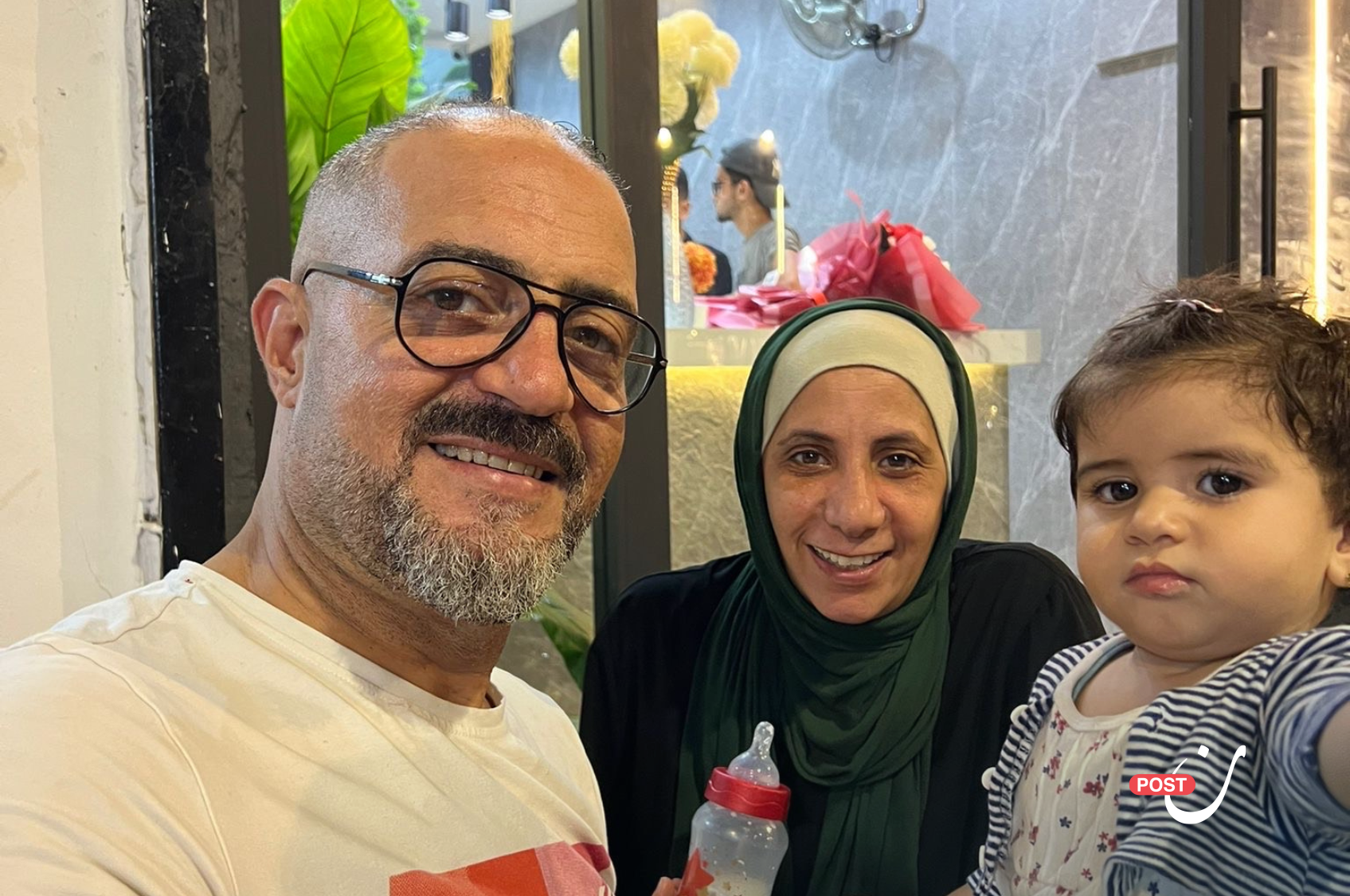
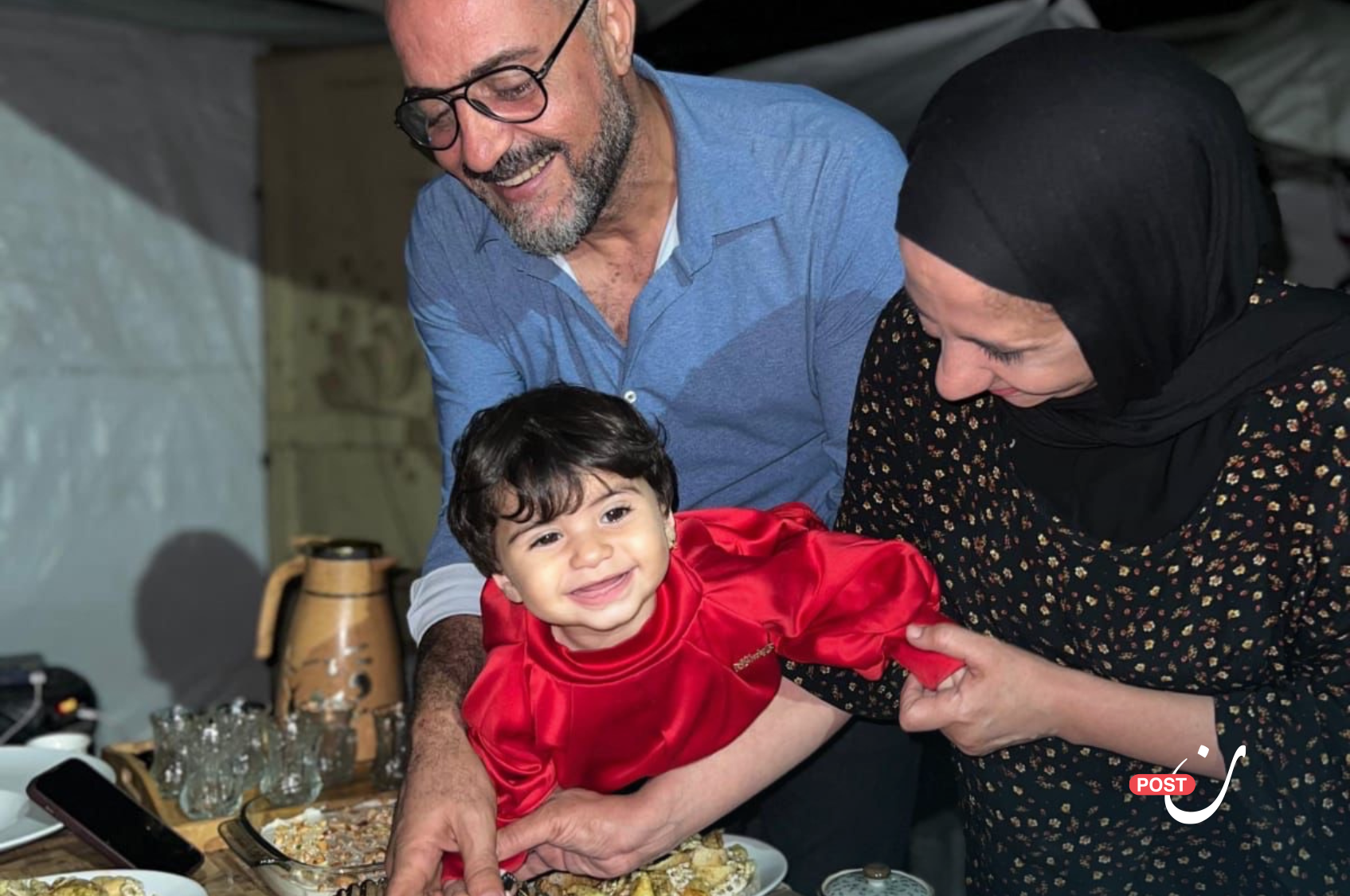
In their modest home, Rami Al-Arouqi and his wife Iman Farhat cradle baby Jana, who entered their lives at one of Gaza’s darkest moments. After two decades of childlessness, the couple saw the war’s devastation and the thousands of orphaned children as a moral call rather than a personal choice.

“With the daily rise in the number of martyrs, I couldn’t bear seeing surviving children left alone,” Rami told Noon Post. “As a human being and a Palestinian, I felt it was my duty to open my home to a child who had lost her family.
نون بوست

We never had children, but for the first time, I saw a chance to offer a new life to someone who needed a warm embrace.”

The journey to find an orphaned child wasn’t easy. Rami visited hospitals and shelters housing surviving children. During one visit to the American Hospital in Deir al-Balah, doctors told him about a baby girl identity unknown who was pulled from the rubble after her entire family was killed.

Though Jana is now an inseparable part of their family, Rami still searches for any clue that might lead to her past or surviving relatives. “I want to know her story,” he says, visibly emotional. “Gaza doesn’t forget its children. There might be a relative out there looking for her. But if no one comes forward, I will be her father, mother, and protector.”

For Rami and Iman, taking Jana in wasn’t about filling a void. It was a human response to a collective tragedy. Jana brought new life into their home, carrying with her a broader message: in Gaza, love still triumphs over war.

Raising 36 Grandchildren

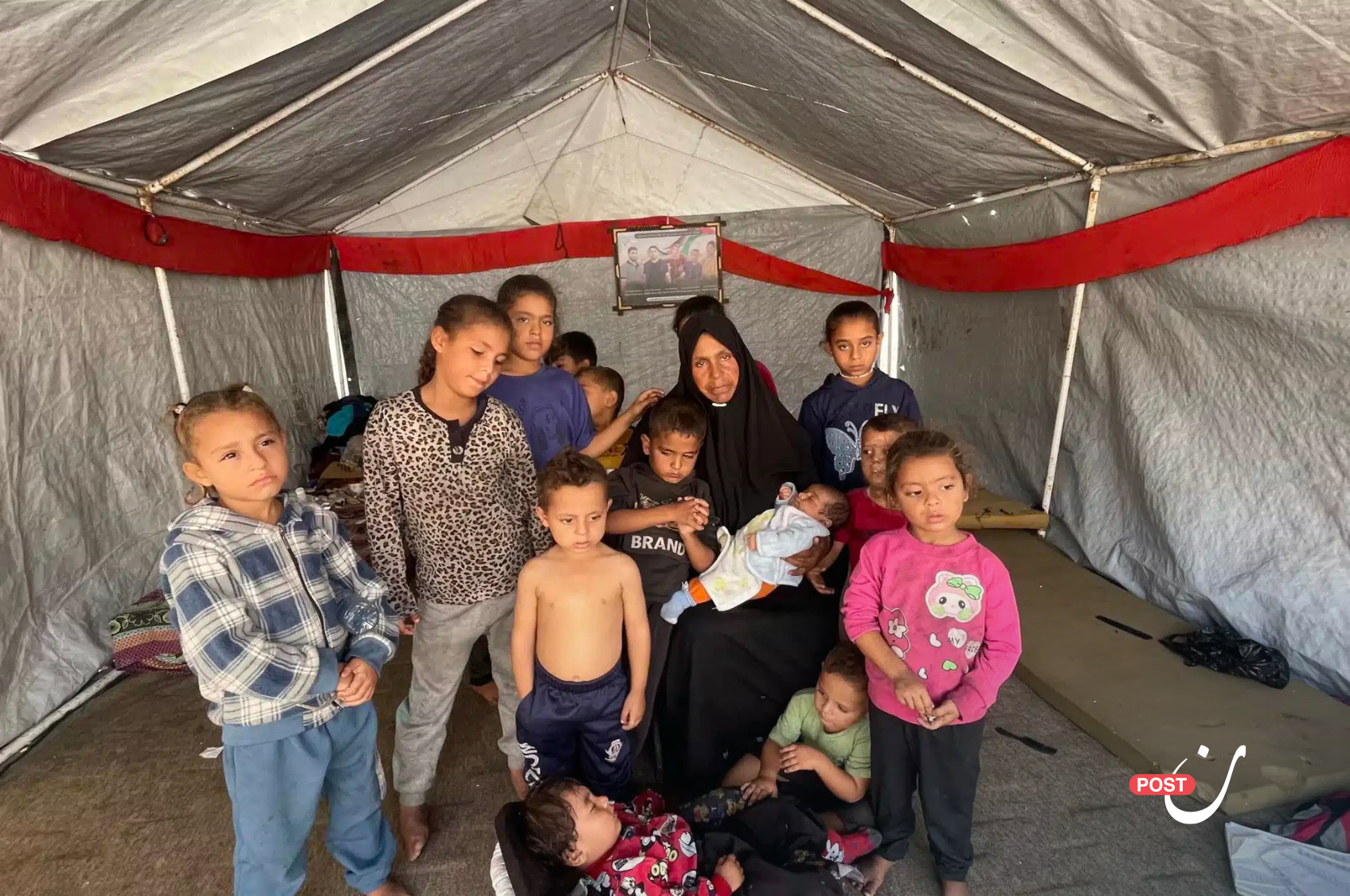
In a battered alley in eastern Gaza’s devastated Shujaiya neighborhood, a tattered tent stands against the winter winds. For Um Mohammed Alaiwa, it’s all that remains of home.

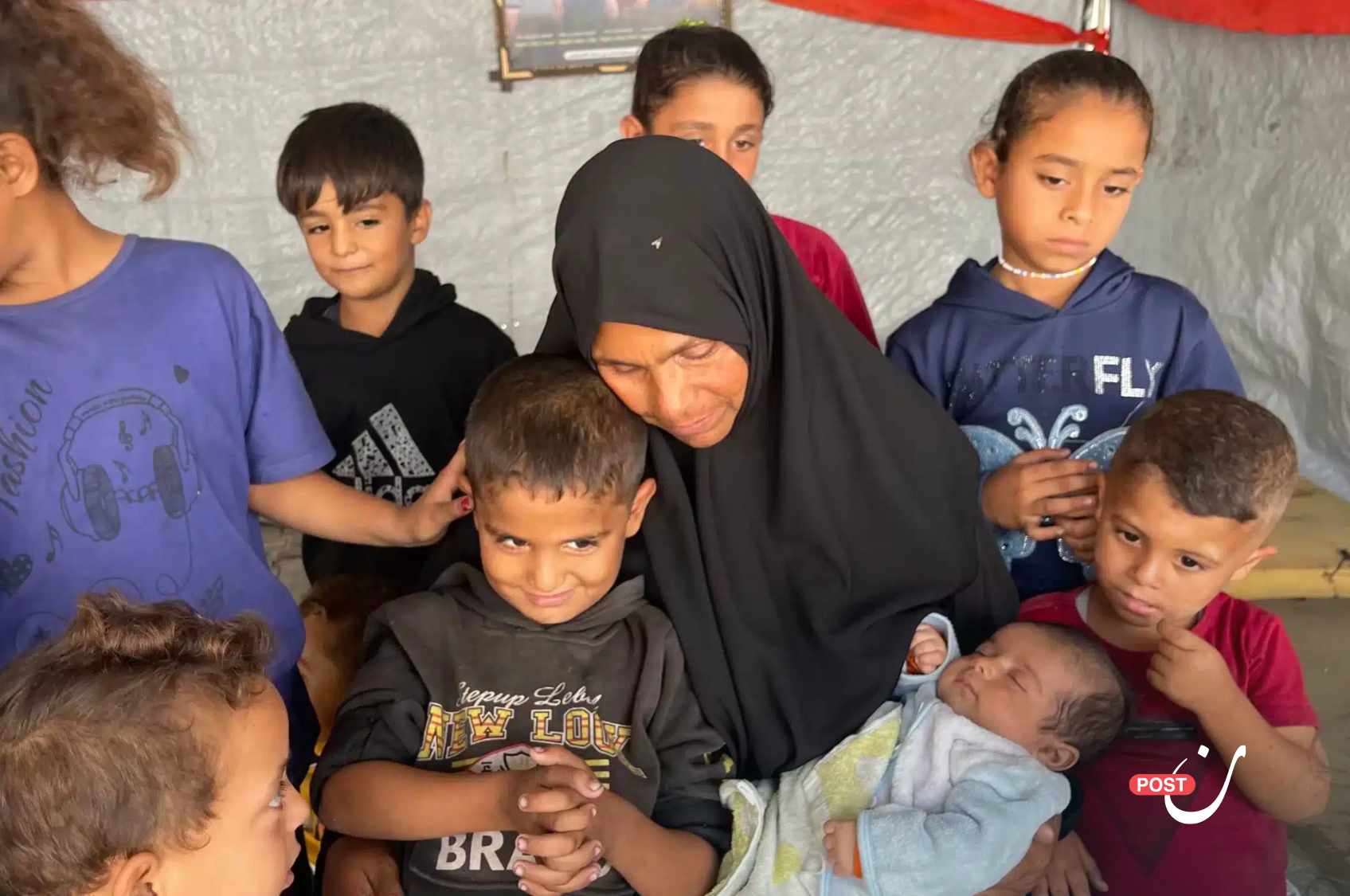
The 60-year-old lost five sons to the war and now finds herself responsible for 36 children her grandchildren and relatives’ children all orphaned and in desperate need of care and protection.
نون بوست

“The pain never leaves my heart,” Um Mohammed told Noon Post in a weary voice. “But when I see the children around me, I feel I must stay strong. I’m their last support. Each one of them has a story. Each one needs a mother’s hug. I try to be that for them.”

Despite losing her home and all her possessions, Um Mohammed refuses to give in. Every morning, she rises to collect firewood from the rubble, starts a fire, and bakes what little she can for the children. “We cook on open flames and search for anything to shield them from the cold,” she says. “Maybe it’s not much, but they are a trust I must protect.”

She and her husband live in conditions barely resembling life no home, no bedding, no warm clothes, and barely enough food. Still, they shoulder the burden of a small army of orphans who need everything. “We can’t provide proper shelter, good food, or medical care,” she says, her voice trembling.

“But I can’t abandon them. They are the scent of my martyred sons, and I promise them every day that I will stand tall.”

A terrifying question haunts her: “If I die, who will care for them? Who will hold their hands?” Her voice drops. “My health is failing, and I fear for them more than I fear for myself. I beg God to extend my life just for them.”

Despite poverty, illness, and despair, Um Mohammed stands as a powerful symbol of the resilience of Gaza’s women last lines of defense for entire families. In her tiny tent, pain is constant, but it is woven with boundless tenderness and a strength that seems greater than the war itself.

A Historic Surge in Orphan Numbers

Nidal Jarada, director general of Al-Amal Institute for Orphans in Gaza, revealed that the number of orphans in the Gaza Strip has reached unprecedented levels since the war began. Health institution statistics indicate that more than 50,000 children have been orphaned, with 34,000 now officially registered with the institute, in addition to around 14,000 who were registered before the war.
نون بوست

Jarada also noted a category known as “legal orphans” children whose fathers are missing but not confirmed dead. “Some may be prisoners or disappeared,” he told Noon Post. “We don’t include them in our official records, but their number approaches 10,000.”

Regarding adoption, Jarada emphasized that Al-Amal does not facilitate adoptions, explaining that “the vast majority of orphans have extended families.” As for newborns found after massacres without known relatives, he clarified that “they are not truly of unknown lineage, but their families’ fates remain uncertain due to deaths or disappearances.”

The institute places strong emphasis on psychological support, aiming to help children reintegrate into as normal a life as possible. This includes therapy, school and social activities, and various forms of rehabilitation.

Reflecting on the institute’s roots, Jarada said: “Al-Amal was founded in 1949 in response to the crimes and forced displacement caused by Israeli occupation. Seventy-six years later, the same crimes continue especially since 2023 so the institute continues its historic role of caring for children who lost their parents in this ongoing aggression.”

He described Al-Amal as “the oldest institution providing shelter and care for orphans in Palestine,” serving children from across Gaza, from Beit Hanoun to Rafah. Services include full housing, mental health support, internal schooling, vocational training, and economic empowerment programs for widowed mothers to help them earn a sustainable income.

The institute also offers monthly sponsorships, food and hygiene packages, and fresh produce distributions during wartime.

Jarada added that the institute is currently distributing winter relief kits to orphaned families, aiming to reach 33,000 children in the current phase.

Download this article as PDF
Share this Article
Facebook Twitter Whatsapp Whatsapp Telegram Email Copy Link
سماح شاهين
By سماح شاهين صحفية من غزة
Follow:
Previous Article نون بوست U.S. Shift in Sudan: A Belated Correction or Strategic Repositioning?
Next Article نون بوست Interview with Salah Khawaja: Inside Israel’s Expanding Settlement and Annexation Plan

Read More

  • "There Are Nights I Can’t Close My Eyes": How Gazans Are Living in Homes on the Brink of Collapse "There Are Nights I Can’t Close My Eyes": How Gazans Are Living in Homes on the Brink of Collapse
  • From al-Jolani to Ahmad al-Shara: The Evolution of Syria’s New Leader
  • When Political Islam Receded in Egypt: Who Filled the Void?
  • An Extension of Genocide: Gaza’s Detainees Speak Out
  • A Tightrope Between Survival and Sovereignty: The Syrian Government Faces Normalization Pressures
part of the design
NoonPost Weekly Newsletter

You May Also Like

“There Are Nights I Can’t Close My Eyes”: How Gazans Are Living in Homes on the Brink of Collapse

“There Are Nights I Can’t Close My Eyes”: How Gazans Are Living in Homes on the Brink of Collapse

فريق التحرير Noon Post 8 April ,2026
From al-Jolani to Ahmad al-Shara: The Evolution of Syria’s New Leader

From al-Jolani to Ahmad al-Shara: The Evolution of Syria’s New Leader

أحمد سيف النصر Ahmed Seif EL-Nasr 8 April ,2026
When Political Islam Receded in Egypt: Who Filled the Void?

When Political Islam Receded in Egypt: Who Filled the Void?

أحمد عبد الحليم أحمد عبد الحليم 8 April ,2026

أكاذيب “الإعجاز العلمي”

إبراهيم عبه
إبراهيم عبه Published 23 October ,2015
Share
9f906b0eaee18eff235d5c7cbabe4064697c6e92

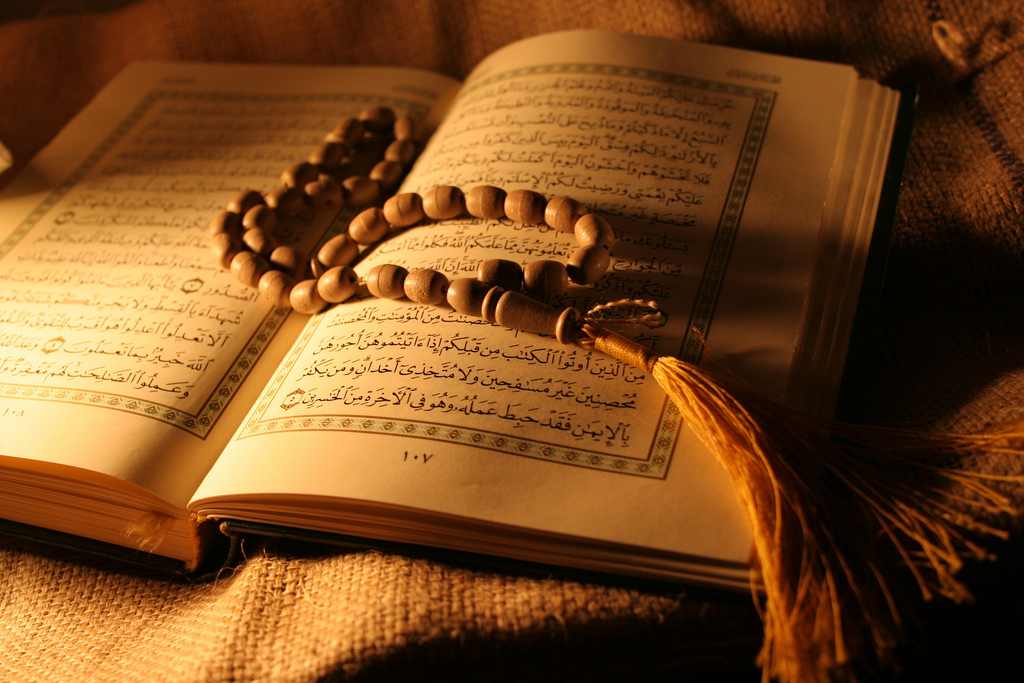
أثير بيني وبين صديقٍ لي منذ فترة نقاش حول الرسائل والمنشورات التي تحتوي مضمونًا علميًا ودينيًا في آنٍ واحد، والتي أصبحت تكتسب زخمًا مع انتشار وسائل التواصل الاجتماعي واتساع قاعدتها الشعبية، وكيف أن هذا النوع من المنشورات يلقى صدىً واسعًا واهتمامًا كبيرًا من قِبل مرتادي وسائل التواصل هذه، تطرقنا خلال الحديث هذا عن مضمون هذه المنشورات العلمي ومدى مصداقيتها، ومع تأكدنا أن أي إنسان يحمل علمًا في أي تخصص ويحترم هذا العلم الذي يحمله لا يمكن أن يصدق حرفًا مما يُكتب في مثل هذا النوع من المنشورات ولكن استغرابنا زاد عند ملاحظتنا كمية الإقبال على مثل هذه الأكاذيب ونشرها.

أسس صديقي فيما بعد مع رفقةٍ له مبادرةً إلكترونية على  الـ “فيسبوك” هدفها التحقق من كل ما يُكتب وينشر في وسائل التواصل هذه، ولاقت المبادرة نجاحًا طيبًا واستطاعت دحض الكثير من هذه الأكاذيب وتوضيح مكمن الخلل فيها، ولكن في الحقيقة فإن هذا ليس ما كنت أريد الكتابة عنه بالتحديد.

فمن خلال المزيد من البحث الذي قام به الرجل لفت نظري لأحد الدعاة المشهورين الذي يمتهن “الإعجاز العلمي في القرآن والسنة”، ولكن كان ما يقوم به هذا الرجل في الحقيقة هو البحث عن آياتٍ قرآنيةٍ أو أحاديث نبوية أو أحكام شرعية ثم شرحها بتفسير معين يفسرها به ولم يسبقه به أحد كي يوهم قرّاءه ومستمعيه أن تفسير هذا النص الديني يتوافق مع فرضية علمية في أي مجال من مجالات العلوم الطبيعية.

قد يتهمني البعض بأنني أبالغ، ولكن الحقيقة بالفعل أسوأ من ذلك، فمن خلال المزيد من البحث وجدت بعض الطوامّ التي ينشرها هذا “الداعية” وطوامٌّ أخرى ينشرها “داعيةٌ” آخر يمتهن الأمر نفسه، ولكن هذه الطوام ليست محاولة موالفة بين نص ديني ونظرية علمية بل هي في الحقيقة تأليف واختراعات وادعاء اكتشافات علمية ليس لها أيُّ صلةٍ بأي نوع من أنواع العلوم لا من قريب ولا من بعيد.

كلا الأمرين حقيقةً خطير، ففي الحالة الأولى يحاول الداعية أن يجد صلةً ما بين فرضية علمية كي يربطها بآيةٍ أو حديثٍ أو حكمٍ ما، ويتناسى أنه ينسب حقيقة دينية لفرضية علمية، وأن الفرضية قد يتم دحضها في المستقبل بسهولة، وأن ما نعتبره صحيحٌ علميًا اليوم قد نكتشف أنه خاطئ تمامًا في المستقبل، ومما سيترتب على ذلك أن الخطأ سينسب إلى النص الديني أو الحكم الشرعي وهذا مما يتعارض مع إيماننا المطلق كمسلمين بصحة ديننا وصحة نصوصه ومصادره، ولو سلمنا بحسن نية من يفعل هذا ولكننا لا يمكننا أن نجعله بمعزلٍ عن تحمل التبعات الخطيرة التي ستترتب على هذا الأمر.

أما في الحالة الثانية (وهي الحالة الأخطر) فإننا نجد أنفسنا أمام كذبٍ صريح بواح، فحتى الفرضيات التي يتم سردها من قِبل هؤلاء “الدعاة” على أنها حقائق علمية هي مجرد أكاذيب لا يمكن تحديد مصدرها بالتحديد، ولسنا هنا في مقام سرد أمثلة على هذه الأكاذيب التي لا تمت للعلم بصلة، ولكن الخرق اتسع على الراقع بالفعل والأكاذيب التي تنشر باسم الله والدين أصبحت كغثاء السيل.

في تحليلي للموقف وجدت أن هؤلاء الدعاة انتشروا وأن هذه القضية تلقى رواجًا بسبب طبيعة العقلية الجمعية التي تتمتع بها مجتمعاتنا العربية، نحن في الغالبية مسلمون بالفطرة، ونؤمن بصحة ديننا وسلامة معتقدنا، ولكن إيماننا في الحقيقة إيمانٌ جامد، أو بالأحرى إيمانٌ ساذج، إيمانٌ يتعلق بعواطف واهية وأكاذيب ملفقة كي يطمئن النفس ويريحها ويجعلها بمعزل عن التفكر والتدبر والعمل الذي يحث عليه الإيمان الحقيقي، ومما عزز على انتشار هذه الظاهرة كذلك بالإضافة لضعف الإيمان هو استهداف الإسلام والمسلمين المتكرر في وسائل الإعلام، هذا الاستهداف وهذه الإسلاموفوبيا ولدّت شعورًا لدى كثيرٍ منا بالهزيمة النفسية الداخلية التي تجعل من هذه الأكاذيب قشة يتعلق بها الكثير من الغرقى والتائهين متوهمين أنهم سوف يصلون بها إلى بر الأمان.

لا يمكن أن ننسب الغالبية العظمى من هذه الخرافات إلى أي علمٍ فضلًا عن أن ننسبها إلى الدين، فأغلبها يعتمد على مصادر مجهولة وأسماء غير معلومة، إذ يحرص من يكتب مثل هذه الأكاذيب أن يقطع الطريق على أي متتبعٍ لخطواته فيسعى لاختراع أسماء من يفترض أنهم علماء أجانب “وهذا من ضمن عقدة الأجنبي التي ابتلينا بها في هذا العصر” كي يُكسب القارئ المزيد من الثقة حال قراءته لهذه الخرافات.

وهنا أريد التنبيه على قضية مهمة، فكوني أنتقد ما يفعله هؤلاء الدعاة لا يعني بالضرورة تكذيب ما ورد في القرآن الكريم والسنة المطهرة من حقائق علمية، هذه الحقائق العلمية وردت بلسان عربي مبين ولا تحتاج إلى أساليب ملتوية في تفسير النصوص الدينية، لغة القرآن واضحة والقرآن ميسر للذكر والتفاسير منذ 14 قرنًا موجودة، فلا داعي ولا حاجة للتكلف واستدعاء فرضيات علمية غريبة أو مشكوك بصحتها وتلفيقها مع تفاسير غريبة لألفاظ اللغة العربية الواضحة في القرآن كي تشكل ما يحب هؤلاء أن يدعوه بالإعجاز العلمي.

فالقرآن الكريم – كما أسلفت – يتحدث عن بعض الحقائق العلمية البسيطة كي يذكرنا بعظمة الخالق ليس أكثر، فهو لم يأتِ ككتاب علمي ولا مرجع نرجع إليه في حال استعصت علينا حل المسائل العلمية، ولم يأتِ ككتاب ألغاز وأسرار يجب علينا الكشف عن ألفاظه، كما أنه لم يأتِ ككتاب تنجيم يطلب منا حل معادلات الأرقام فيه لنستطلع المستقبل، وإنما نزل القرآن وذُكرت هذه الحقائق العلمية فيه بهذه اللغة البسيطة لتكون دافعًا لنا على طلب العلم ومذكرةً لنا دائمًا بعظمة الخالق العليم وسعة علمه سبحانه لا أكثر.

أمرنا ربنا في القرآن بالسير والتفكر والتدبر، وذكر لنا حقائق بسيطة يفهمها الأمي بعقليته البسيطة قبل 14 قرنًا، وإعجاز القرآن العلمي الحقيقي واضح في آيات مراحل نمو الجنين مثلًا، أو في تذكير القرآن بحركة الأجرام السماوية، أو غير ذلك من الأمور البسيطة والواضحة والتي يستطيع الجميع فهمها.

القضية أصبحت تحتاج إلى وقفة جادة في وجه هذه الظاهرة المستمرة منذ حوالي العقدين تقريبًا، ومسؤولية الجهات الدينية والمرجعيات الشرعية مسؤولية كبيرة حيال هذه القضية، وأفضل حلٍ لهذا الرجل وأمثاله هو هجره من قِبل العامة تمامًا وعدم الاحتفاء به ولا بما يسوقه، نستطيع أن نقدر حجم المشكلة وخطرها عندما نعلم أن هذه المهزلة أصبحت بابًا واسعًا للهجوم على الإسلام من خلالها والإنترنت ملئ بمثل هذه الكتابات والمقاطع.

الله سبحانه الذي خلق السماوات والأرض وأنزل القرآن الكريم بلغة مبسطة وسهلة وجعله يسيرًا للذِكر غنيٌّ عن إثبات ربوبيته وإثبات صدق رسوله وصحة دينه بمثل هذه الوسائل الرخيصة التي يتبعها من يظن أنهم يحسنون صنعًا وهم على العكس من ذلك تمامًا. 

TAGGED: الإعجاز العلمي في القرآن ، البحث العلمي ، تجديد الخطاب الديني
TAGGED: فكر
Download this article as PDF
Share this Article
Facebook Twitter Whatsapp Whatsapp Telegram Email Copy Link
إبراهيم عبه
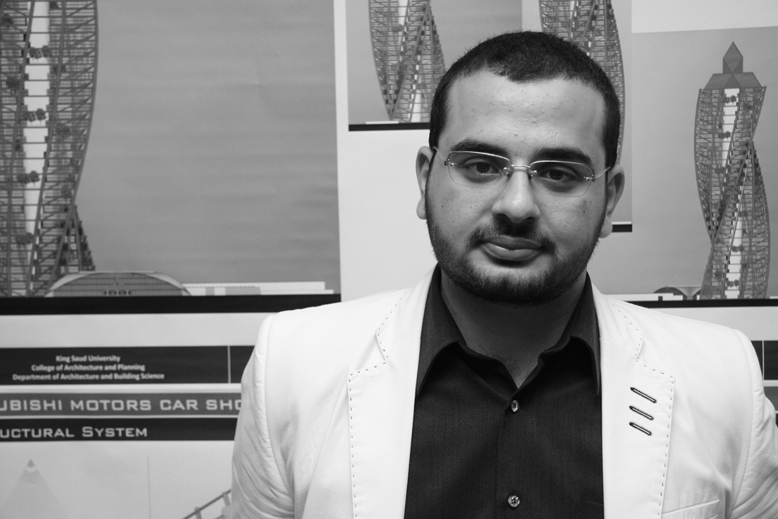
By إبراهيم عبه سوري مقيم في السويد، حاصل على بكالوريوس في هندسة العمارة، عمل لفترة كمحاضر جامعي مهتم بالوضع الحالي في سوريا خصوصاً والوطن العربي عموماً
Follow:
Next Article نون بوست The Stigma of “ISIS”: A Heavy Legacy Haunting Women and Children of Former Members
part of the design
NoonPost Weekly Newsletter
dark

An independent media platform founded in 2013, rooted in slow journalism, producing in-depth reports, analysis, and multimedia content to offer deeper perspectives on the news, led by a diverse young team from several Arab countries.

  • Politics
  • Society
  • Rights & Liberties
  • Opinions
  • History
  • Sports
  • Education
  • Technology
  • Economy
  • Media
  • Arts & Literature
  • Entrepreneurship
  • Travel
  • Cinema & Drama
  • Food
  • Health
  • Culture
  • Latest Reports
  • Files
  • Long Reads
  • Interviews
  • Podcast
  • Interactive
  • Encyclopedia
  • In Pictures
  • About Us
  • Our Writers
  • Write for Us
  • Editorial Policy
  • Advanced Search
Some rights reserved under a Creative Commons license

Removed from favorites

Undo
Go to mobile version