NoonPost NoonPost

NoonPost

  • Home
  • Politics
  • Economy
  • Society
  • Culture
  • Files
  • Long Reads
  • Podcast
AR
Notification Show More
نون بوست
“There Are Nights I Can’t Close My Eyes”: How Gazans Are Living in Homes on the Brink of Collapse
نون بوست
From al-Jolani to Ahmad al-Shara: The Evolution of Syria’s New Leader
نون بوست
When Political Islam Receded in Egypt: Who Filled the Void?
نون بوست
An Extension of Genocide: Gaza’s Detainees Speak Out
نون بوست
A Tightrope Between Survival and Sovereignty: The Syrian Government Faces Normalization Pressures
نون بوست
American Aircraft Carriers: Has the Era of “100,000 Tons of Diplomacy” Ended?
نون بوست
U.S. Regime‑Change Policies: Why They Are Destined to Fail
نون بوست
Transformations of Israeli Judaism: Between the Victim Complex and the Colonizer’s Doctrine
نون بوست
The Gulf’s Balancing Act: Iran, Israel, and Hidden Links
نون بوست
Iraq–Turkey Oil Export Treaty: Why Did Ankara Cancel It After 52 Years?
نون بوست
Syria’s Northeast on Edge: QSD Between Ankara and Damascus
نون بوست
Has Europe Changed Its Stance on Israel… or Just Its Language?
NoonPost NoonPost
AR
Notification Show More
نون بوست
“There Are Nights I Can’t Close My Eyes”: How Gazans Are Living in Homes on the Brink of Collapse
نون بوست
From al-Jolani to Ahmad al-Shara: The Evolution of Syria’s New Leader
نون بوست
When Political Islam Receded in Egypt: Who Filled the Void?
نون بوست
An Extension of Genocide: Gaza’s Detainees Speak Out
نون بوست
A Tightrope Between Survival and Sovereignty: The Syrian Government Faces Normalization Pressures
نون بوست
American Aircraft Carriers: Has the Era of “100,000 Tons of Diplomacy” Ended?
نون بوست
U.S. Regime‑Change Policies: Why They Are Destined to Fail
نون بوست
Transformations of Israeli Judaism: Between the Victim Complex and the Colonizer’s Doctrine
نون بوست
The Gulf’s Balancing Act: Iran, Israel, and Hidden Links
نون بوست
Iraq–Turkey Oil Export Treaty: Why Did Ankara Cancel It After 52 Years?
نون بوست
Syria’s Northeast on Edge: QSD Between Ankara and Damascus
نون بوست
Has Europe Changed Its Stance on Israel… or Just Its Language?
Follow US

The Case of the Missing: Syria’s Deepest Wound on the Path to Justice

حسن إبراهيم
Hasan Ebrahim Published 26 March ,2026
Share
نون بوست
نون بوست
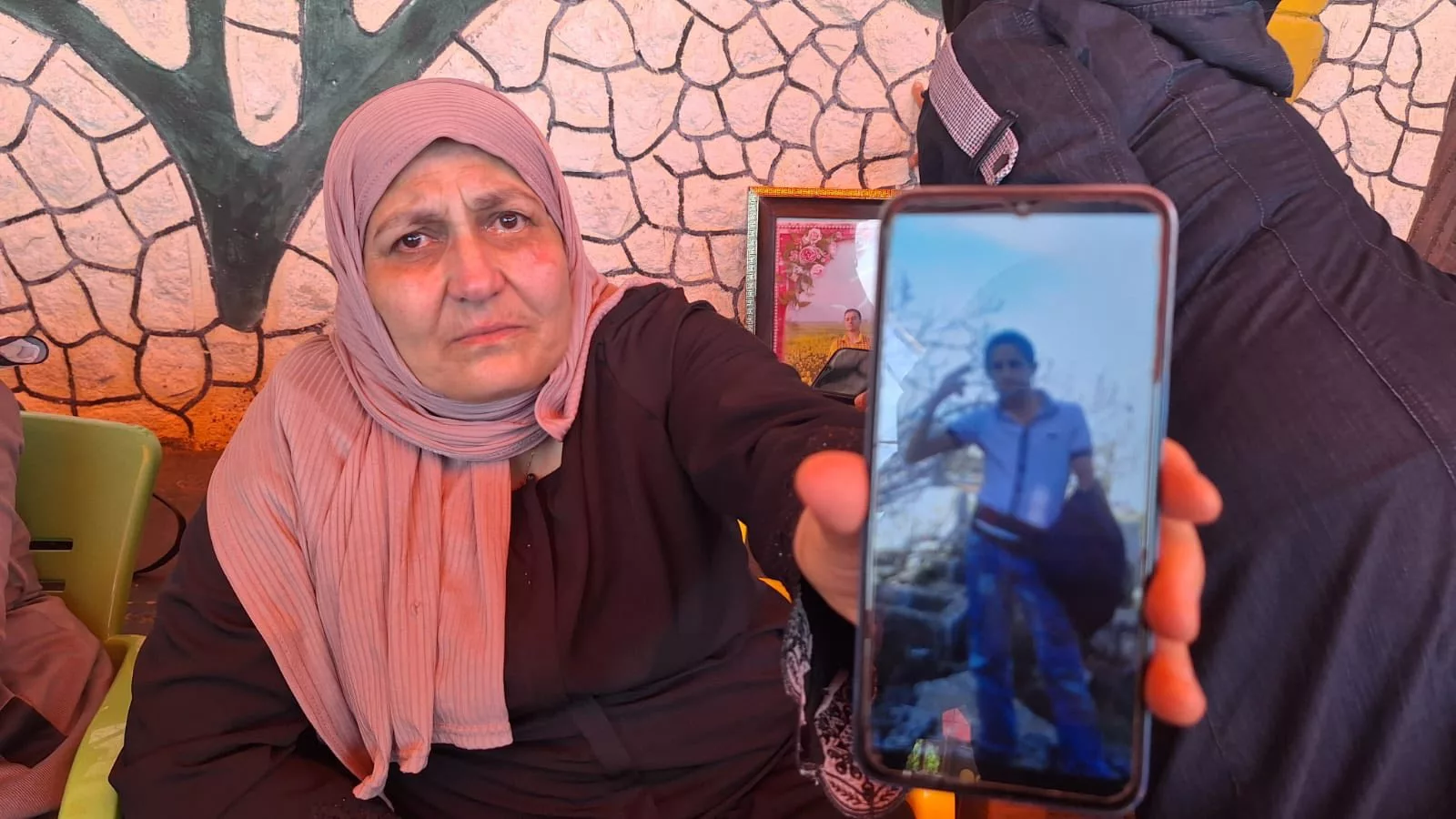
A woman from Families of the Missing at a solidarity gathering in Idlib – August 8, 2025.

The fall of Bashar al-Assad’s regime on December 8, 2024, did not mark the end of the suffering for tens of thousands of Syrian families. Instead, it opened a new chapter of anguish as they continued to search for any credible information about the fate of their loved ones who disappeared into the hands of the security apparatus and prisons.

As the prison doors opened, some survivors emerged physically depleted, mentally scarred while the vast majority remained unaccounted for. Photos of the released flooded phone screens as desperate families rushed to morgues, prisons, and mass graves in search of a clue, a trace, or even a fragment of remains.

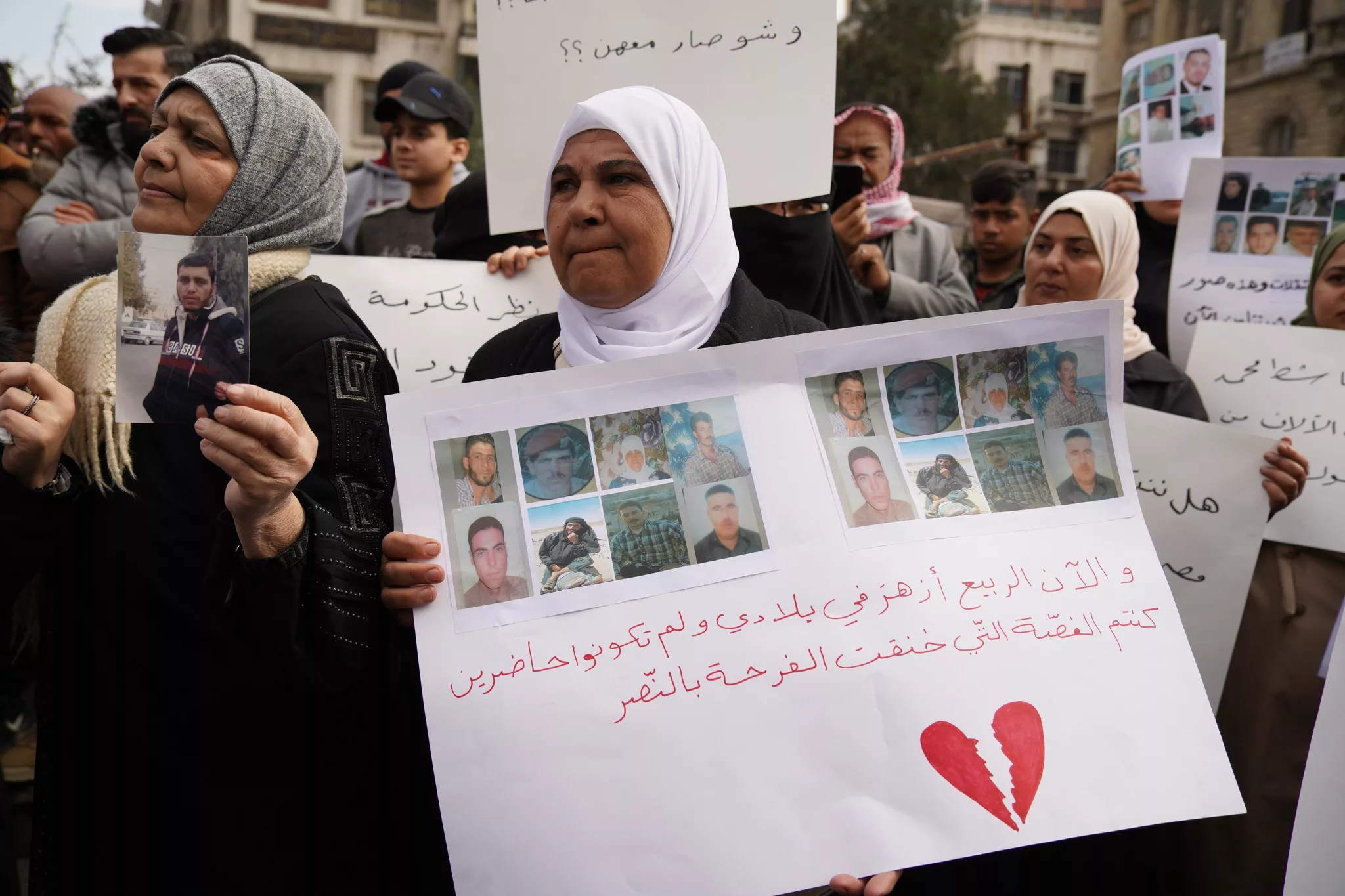
Enforced disappearance remains one of Syria’s most sensitive and complex humanitarian issues. Since the uprising against Bashar al-Assad began in March 2011, thousands of families have been searching tirelessly for their missing relatives.

The formation of the National Authority for the Missing, the discovery of dozens of mass graves, and the availability of documentation from security branches and prisons have offered a sliver of hope.

Families are now cautiously optimistic about learning the fate of their loved ones and seeing justice served through accountability and the establishment of legal safeguards to prevent such crimes from recurring.

The International Day of the Victims of Enforced Disappearances, marked on August 30, serves as an annual reminder to push for truth, justice, and accountability. In Syria’s case, it underscores the need to place the issue of the missing at the core of transitional justice, and to ensure truth and redress for victims.

According to the United Nations, enforced disappearance occurs when individuals are arrested, detained, or abducted against their will, followed by a refusal to acknowledge the deprivation of their liberty or to reveal their fate or whereabouts thus placing them outside the protection of the law.

Between 120,000 and 300,000 Missing

The Assad regime met the 2011 uprising with brutal force. Tens of thousands have been forcibly disappeared since then mainly at the hands of regime forces, allied militias, and paramilitaries who funneled detainees into a labyrinth of detention centers across the country. Others vanished at the hands of armed factions in areas beyond regime control.
نون بوست
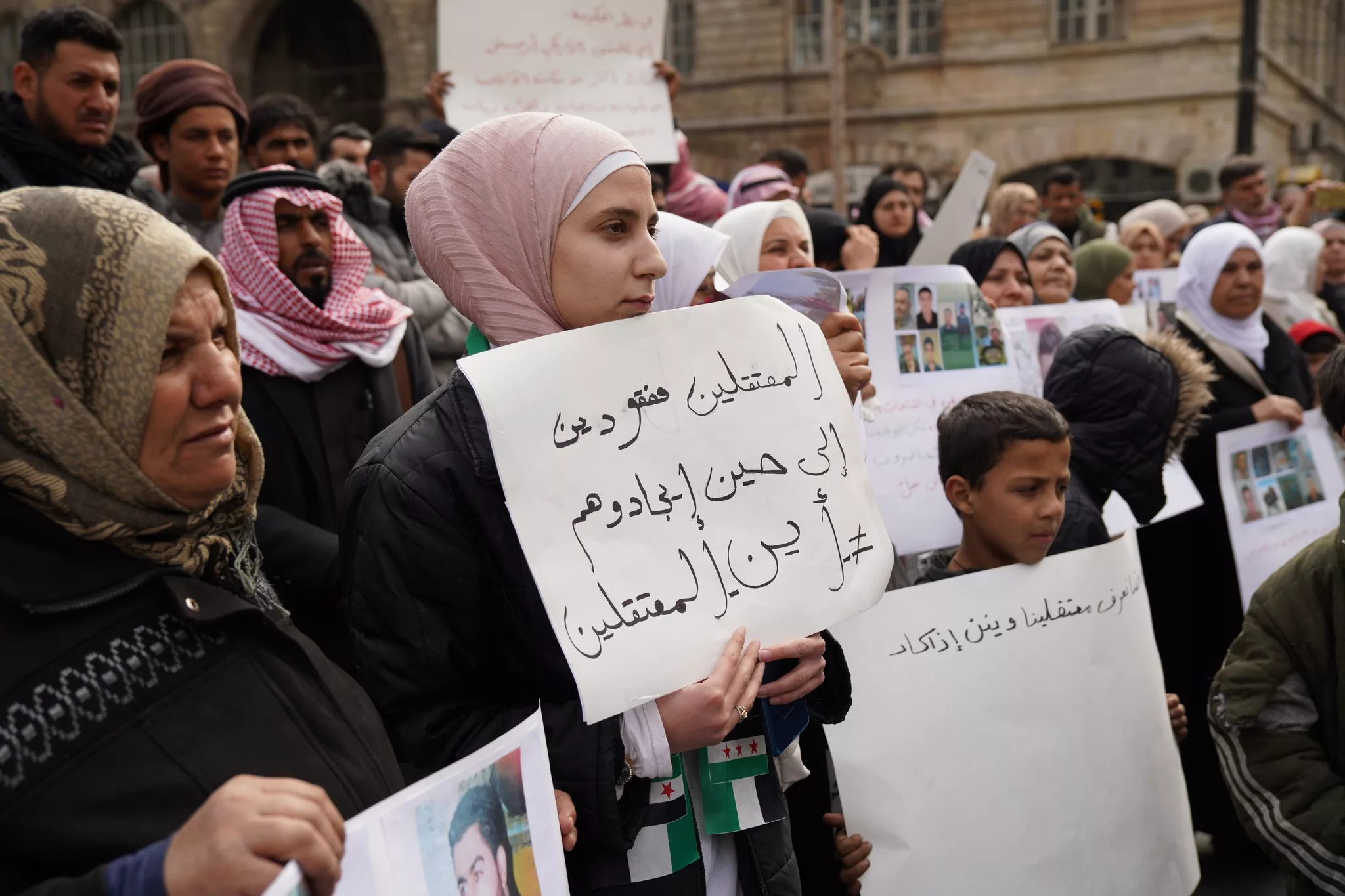
Syrian families to demand justice, accountability for criminals, and to reveal the truth about the fate of the missing – January 26, 2025

The Syrian Network for Human Rights has documented at least 181,312 individuals subjected to arbitrary arrest or enforced disappearance between March 2011 and August 2025. Of these, around 177,057 are classified as forcibly disappeared. The network holds the Assad regime responsible for nearly 90% of these documented cases.

The International Commission on Missing Persons estimates that approximately 200,000 people have gone missing in Syria since 2011 due to summary executions, arbitrary detention, abductions, chemical attacks, forced displacement, and other human rights abuses.

This phenomenon is not new. Bashar al-Assad continued the legacy of his father, Hafez al-Assad, under whose rule tens of thousands disappeared or perished in detention. Estimates suggest that between 120,000 and 300,000 individuals have gone missing since 1970, according to the National Authority for the Missing, established by a presidential decree issued by transitional president Ahmad al-Shara on May 17, 2025.

Syria’s prisons described as human slaughterhouses have long been execution sites where detainees were buried in mass graves without notifying their families. Over the past 14 years, the regime has also sought to shield its security branches from accountability by falsifying death certificates and relocating bodies, thus concealing evidence of torture and extrajudicial killings.

Investigative reports and data from organizations tracking detainees and the missing identify three main types of locations responsible for these crimes:

  1. Security branches spread across provinces, notorious for torture and extracting confessions.

  2. Prisons, including Adra Central Prison, Mezzeh Military Prison, Sednaya, and Palmyra Prison, alongside secret facilities in military zones and airports.

  3. Military hospitals, such as Harasta, Aleppo, Homs, al-Sanamayn, and Tishreen. The latter is a central hub for issuing forged death certificates and processing the remains of victims from Sednaya, security branches, and military police.

The National Authority for the Missing

Decree No. 19 by President al-Shara established the National Authority for the Missing. It is tasked with searching for missing and forcibly disappeared persons, documenting cases, building a national database, and providing legal and humanitarian support to families.

The body has full legal and administrative independence and jurisdiction across Syrian territory.
نون بوست
Syrian families to demand justice, accountability for criminals, and to reveal the truth about the fate of the missing – January 26, 2025

The establishment of the Authority has been welcomed by the international community and rights organizations, although many acknowledge the immense challenges it faces. These groups emphasize the need for transparency, collaboration, and the inclusion of victims’ families in the process.

According to Mohammad Rida Jalkhi, head of the Authority, 63 mass graves have been identified as of August 18. The estimated number of missing individuals ranges between 120,000 and 300,000, though the actual figure may be significantly higher due to underreporting and lack of documentation.

Jalkhi asserts that the Authority’s work is foundational for transitional justice and national reconciliation. This effort requires cooperation from official institutions, civil society, victims’ associations, and international bodies.

The Authority has outlined a six-phase plan to be implemented over three to six months:

  1. Launch national consultations on the missing.

  2. Establish legal and ethical frameworks.

  3. Recruit staff.

  4. Approve a final structure and bylaws.

  5. Define strategic objectives.

  6. Present the Authority’s first public report.

The first phase took place over three days in July, dedicating two days to family members and one to civil society. International consultations were also held in Geneva, where foundational principles for cooperation were defined emphasizing Syrian ownership of the process.

Currently, the Authority is working with the Syrian Bar Association, human rights groups, and international experts to design the legal framework. It is also signing cooperation agreements to strengthen capacity in forensic science, documentation, and infrastructure.

Jalkhi emphasized that all agreements are conducted within the framework of Syrian sovereignty and international norms.

A Cornerstone of Transitional Justice

Post-Assad Syria is fragile and deeply fractured, burdened by 53 years of authoritarian rule. Despite steps to establish justice-related institutions, families of the missing and survivors continue to demand truth and accountability from all sides.

Interviews conducted by Amnesty International reveal that families want more than justice; they seek recognition, compensation, education, healthcare, and guarantees that enforced disappearances will never happen again.

Nawras al-Abdullah, a legal researcher at the Syrian Dialogue Center, argues that uncovering the fate of the missing is central to transitional justice. In his view, truth-seeking may even outweigh criminal accountability, as truth is the bedrock of genuine peace.

He stresses that reconciliation in Syria depends on revealing the fate of the missing, dignified burials, and reparations to families. These steps offer relief from collective trauma and lay the groundwork for rebuilding a cohesive, rights-respecting society.

According to the UN, transitional justice encompasses mechanisms to help societies recover from violent histories marked by grave human rights abuses. Its goals include acknowledging victims, preventing future violations, rebuilding trust, and fostering sustainable peace.

The Complexities of Enforced Disappearance

Accessing hundreds of thousands of documents and identifying mass graves marks only the beginning of a long, arduous path. Determining victims’ identities is fraught with challenges, especially given the regime’s systematic use of disappearance as a tool of collective punishment.

Post-conflict Syria faces numerous obstacles: the sheer scale of the crisis, fragmented data, limited forensic expertise, and resource shortages. Around 130 suspected mass graves remain unexamined.

The International Committee of the Red Cross emphasizes that resolving the missing persons crisis requires coordinated efforts by families, civil society, authorities, international actors, and donors.

In January, UN Syria investigator Robert Petty confirmed that hundreds of detention facilities had been documented remotely since 2016 each one with its own mass grave. He warned that it would take years to grasp the full extent of the atrocities.

The Syrian Network for Human Rights faces critical documentation hurdles. Perpetrators deliberately conceal evidence and deny detention, hampering verification efforts.

A recent report obtained by Noon Post shows that the fall of Assad’s regime allowed for greater access to previously sealed facilities, revealing thousands of new cases through survivor testimonies and forensic evidence. The influx of data has overwhelmed documentation teams.

Al-Abdullah believes that while identifying mass graves and retrieving documents is essential, DNA-based identification will be a long, costly process requiring advanced technical resources.

Global Precedents in Truth and Accountability

Around the world, enforced disappearance has been a core issue in post-authoritarian and post-conflict justice efforts. Countries like Argentina, Morocco, and Chile provide important examples.

In Argentina, after the fall of the military dictatorship in 1983, President Raúl Alfonsín created the National Commission on the Disappearance of Persons (CONADEP). It documented over 8,000 disappearances—though estimates reach 30,000—and its findings laid the groundwork for historic trials of former regime leaders. The 1984 report “Nunca Más” (“Never Again”) became a cornerstone of accountability and memory.

In Morocco, the Equity and Reconciliation Commission (IER), established in 2004, investigated abuses between 1956 and 1999. It succeeded in truth-telling and compensation but was criticized for not prosecuting perpetrators and failing to clarify the fate of prominent disappeared individuals.

Syria, now at the dawn of its own transitional journey, faces a massive task. Truth, justice, and healing will require unwavering commitment, cooperation, and courage to confront decades of horror.

Download this article as PDF
Share this Article
Facebook Twitter Whatsapp Whatsapp Telegram Email Copy Link
حسن إبراهيم
By حسن إبراهيم صحفي سوري
Follow:
Previous Article نون بوست After the PKK: How the Kurdish Party Map Is Shifting?
Next Article نون بوست Sion Assidon: A Moroccan Jew Who Stands for Palestinian Justice

Read More

  • "There Are Nights I Can’t Close My Eyes": How Gazans Are Living in Homes on the Brink of Collapse "There Are Nights I Can’t Close My Eyes": How Gazans Are Living in Homes on the Brink of Collapse
  • From al-Jolani to Ahmad al-Shara: The Evolution of Syria’s New Leader
  • When Political Islam Receded in Egypt: Who Filled the Void?
  • An Extension of Genocide: Gaza’s Detainees Speak Out
  • A Tightrope Between Survival and Sovereignty: The Syrian Government Faces Normalization Pressures
part of the design
NoonPost Weekly Newsletter

You May Also Like

“There Are Nights I Can’t Close My Eyes”: How Gazans Are Living in Homes on the Brink of Collapse

“There Are Nights I Can’t Close My Eyes”: How Gazans Are Living in Homes on the Brink of Collapse

فريق التحرير Noon Post 8 April ,2026
From al-Jolani to Ahmad al-Shara: The Evolution of Syria’s New Leader

From al-Jolani to Ahmad al-Shara: The Evolution of Syria’s New Leader

أحمد سيف النصر Ahmed Seif EL-Nasr 8 April ,2026
When Political Islam Receded in Egypt: Who Filled the Void?

When Political Islam Receded in Egypt: Who Filled the Void?

أحمد عبد الحليم أحمد عبد الحليم 8 April ,2026

هل يشهد المغرب صعود نموذجه على غرار النموذج التركي؟

فريق التحرير
Noon Post Published 24 October ,2015
Share
I121023_163450_1167373

لم نسمع كثيرًا عن الربيع العربي في المغرب عام 2011، حيث كان الضوء في المغرب العربي مسلطًا على الثورات القوية التي هزت تونس وليبيا، غير أنه بينما آلت ليبيا لصراع مسلح لم ينتهي حتى الآن بين الثورة وأعدائها، وفشلت قوى الثورة في تونس في الحفاظ على السلطة رُغم نجاحها في وضع أسس نظام ديمقراطي لتخلق خلافًا حيال نجاح الربيع أو فشله فيها، فإن المغرب التي وصلها الربيع بشكل هادئ بتظاهرات مطالبة بالإصلاح السياسي يبدو وأنها صاحبة النموذج الأكثر نجاحًا الآن، وليس في المغرب العربي، ولكن من بين كافة البلدان العربية، وهو أمر لافت بالطبع بالنظر لكونها دولة ذات نظام ملكي.

على عكس إسلاميي تونس ومصر، اتسمت خطوات حزب العدالة والتنمية المغربي إبان الربيع العربي بالهدوء والذكاء الشديدَين في التعامل مع الملك محمد السادس، والذي ساهمت رغبته هو شخصيًا في استيعاب التظاهرات وإحداث بعض الإصلاحات في الوصول بالمغرب للنموذج الذي تسير وفقه الآن، فبينما تمتعت المغرب في السابق بنظام سياسي منفتح شكليًا قبل الربيع، قام الملك في 2011 بتعديلات دستورية خلقت وزنًا وقوة حقيقية لرئيس الوزراء، والذي أصبح من اختيار الشارع بضرورة اختياره من حزب الأغلبية في البرلمان.

كما هو متوقع، وكما حدث في مصر وتونس، فاز الإسلاميون مع أول انتخابات حرة وشفافة أجريت في نوفمبر 2011، ليصل حزب العدالة والتنمية الإسلامي للسلطة بقيادة عبد الإله بنكيران، والذي أصبح منذئذ رئيس الوزراء المغربي، غير أن لعبة السياسة بينه وبين السلطة القائمة الممثلة في الملك أبقته وحزبه في السلطة، على العكس من حزب النهضة في تونس والإخوان المسلمين في مصر، ليبدأ انطلاق التجربة المغربية منذ أربع سنوات، والتي تشهد في إطارها المغرب نظامًا سياسيًا أكثر استقرارًا من كل الدول التي آلت للتفكك، كسوريا وليبيا واليمن والعراق، وأكثر انفتاحًا في نفس الوقت من الدول التي عادت للخلف أو لم يصلها الربيع أصلًا، مثل مصر والسودان والسعودية والجزائر والأردن.

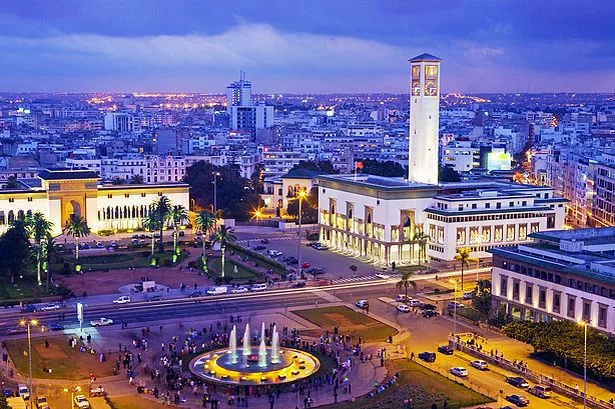
وجود منظومة سياسية مفتوحة نسبيًا وتتمتع بشرعية في تناغم بين القوى القديمة الممثلة في الملك وحاشيته، والقوى الجديدة الصاعدة المدعومة شعبيًا والممثلة في الإسلاميين، لم تكن ثمارها لتكون سياسية فقط، تمامًا كما حدث مع حزب العدالة والتنمية التركي في 2002، ولكن كان حتميًا أن تُحدث تحولًا اقتصاديًا، وهو ما بدأت بوادره في المغرب، التي وضِعت مدينتها الأكبر الدار البيضاء على قائمة أفضل عشر مدن مالية في العالم منذ أيام، كمدينة عربية غير خليجية وحيدة في القائمة.

الدار البيضاء بين ثلاث قارات

زحام كثير مؤخرًا ربما يشهده مطار الدار البيضاء، فهو لا يعج بالسياح التقليديين فقط الذين يأتون لزيارة المدينة التاريخية، ولكن أصبح إقبال المستثمرين عليه في تزايد، علاوة على مسؤولين ورجال دين كُثُر من دول أفريقية عديدة بدأ نفوذ وطموح المغرب في لعب دور أفريقي وإسلامي هام في اجتذابهم.

على الصعيد الاقتصادي يبدو وأن المغرب ستسفيد صناعيًا بقوة من الأزمة الأوروبية، إذ تحاول عدة شركات أوروبية كبرى تقليل اعتمادها على مصانعها الأم في القارة العجوز، والبحث عن أكثر بلد مناسب من حيث وجود أعداد كبيرة من الشباب المتعلم المناسب للعمل، وبيئة استثمارية مفتوحة، ونظام سياسي مستقر، وهو ما تمثله المغرب أكثر من سواها لا سيما بقُربها من أوروبا، لتدفع بعض شركات بالفعل إلى الاستثمار فيها بشكل قوي، كما فعلت شركة بيجو الفرنسية العريقة للسيارات.

أعلنت شركة بيجو وستروين منذ أيام بناء أول مصنع تجميع سيارات باستثمار مباشر لها في القارة الأفريقية بقيمة 577 مليون يورو، والذي بدأ بناؤه بالفعل قرب مدينة القنيطرة المغربية، وسيبدأ إنتاج أول سيارات عام 2019 بمعدل 90،000 سيارة سنويًا، طبقًا للعقد الموقع بين وزير الصناعة مولاي حافظ العلمي ورئيس الشركة كارلوس تافارِس.

الطاقة البديلة أيضًا هي واحدة من المجالات التي تهتم بها المغرب، أولًا نظرًا لرغبتها في التقليل على اعتمادها على النفط والغاز، وثانيًا لأنها بقُربها من أوروبا يمكن أن تصدر أي فائض في المستقبل بمشروعات بسيطة تصل شبكات الكهرباء فيها بإسبانيا ومن ثم فرنسا، وهو ما يفسر حصول المغرب على مشروعين من أكبر مشاريع الطاقة الشمسية في العالم، والتي ستقوم بتنفيذهما شركتان سعودية وإسبانية في جنوب المغرب، وليصبح لدى المغرب 2000 ميجاوات من الطاقة الشمسية بحلول عام 2020.

التعاون مع أوروبا والاستفادة من رغبتها في التحرك جنوبًا لن تكون نهاية القصة، ولكنها ما إن تحدث النقلة المرجوة في اقتصاد المغرب حتى ستبدأ في اجتذاب قارتين، القارة الأفريقية أولًا، والتي ستبدأ في النظر للمغرب باعتبارها القبلة الاقتصادية للقارة، لا سيما دول غرب أفريقيا والتي تمتلك روابط تاريخية ودينية مع المغرب العربي، وأمريكا اللاتينية ثانيًا، والتي بدأت تهتم بالفعل بالساحل الغربي للقارة الأفريقية بشكل عام، وبالمغرب وجنوب أفريقيا بشكل خاص باعتبارهما مفتاحًا للتعاون مع القارة.

التوسع في أفريقيا

ليس غريبًا إذن الاهتمام الكبير بالمغرب مؤخرًا بين دول غرب القارة، مثل مالي وساحل العاج، والتي تبحث عن ريادة المغرب في مجالات الاتصالات والبنوك والبناء، كما تشي بذلك زيارة الملك محمد سادس لساحل العاج هذا العام والتي تخللها الاتفاق على تدشين فرعين لاثنين من أكبر بنوك المغرب، والتي يمتلك أكبرها، التجاري وفا، 312 فرعًا في غرب أفريقيا فقط، ويساعد بالطبع في تمويل المشروعات المغربية.

في مجال الاتصالات لا يقل التوسع المغربي سرعة في نفس المنطقة من القارة، حيث قامت شركة ماروك تيليكوم بشراء شركة الإمارات للاتصالات في غرب أفريقيا مقابل 650 مليون دولار، وهي تنوي التوسع في المنطقة في السنوات الخمس المقبلة لمضاعفة ثقلها وأرباحها هناك، وكل تلك الروابط بالتبعية استتبعت اهتمامًا بالقارة الأفريقية دفع شركة رويال أير ماروك، وهي شركة الطيران المغربية، لزيادة عدد العواصم الأفريقية التي تطير إليها من الدار البيضاء لتصل لأكثر من 20 بلدًا في قلب أفريقيا.

النفوذ الاقتصادي يليه كما نعرف التأثير السياسي والثقافي، والذي لطالما هيمنت فيه الجزائر بينما اقتصرت المغرب على علاقاتها بأوروبا، وهو وضع يتيغير الآن لا سيما مع انتشار العنف في بلدان أفريقية إسلامية عدة، ورغبة حكوماتها في الاستفادة من التجربة المغربية أولًا، وتعزيز التيارات المعتدلة بنفوذ الملكية المغربية المتشابك مع الحركات الصوفية بالقارة الأفريقية ثانيًا، والتي قد تساعد في احتواء شرائح واسعة من الشباب المتطرف وإن لم تكن كافية بالطبع لمعالجة أسباب اتجاههم للتطرف من الأصل.

تأسيس مركز ضخم لتدريب الأئمة من غير المغاربة هو خطوة مفهومة إذن على طريق التأثير الثقافي واحتواء التطرف في غرب القارة، وهو مركز في العاصمة المغربية الرباط تهدف به المغرب لتدريب أئمة مسلمين من كافة أنحاء العالم، بما في ذلك الأئمة في دول أوروبية وآسيوية كبيرة كالصين وبريطانيا وفرنسا، والتي قد تكون هي الأخرى مهتمة بالتعاون مع المغرب في هذا المجال لتخفيف حدة الخطاب المتطرف الموجود لدى بعض من مهاجريها المسلمين.

المغرب بالتحديد تمتلك سجلًا جيدًا في التعامل مع التطرف بشكل هادئ بدلًا من العقلية الأمنية المنتشرة في بلاد عربية عدة، فبرنامج مكافحة التطرف فيها تشرف عليه وزارة الشؤون الدينية وأعضاء من المجالس الدينية المحلية ممن زاروا حوالي خمسة آلاف مسجون بتُهم متعلقة بالإرهاب، وهو برنامج يتيح لهؤلاء العودة لحياة طبيعية بعد الخروج بتقديم تدريبات في مجال عملهم ليتمكنوا من إيجاد الوظائف أو استكمال دراساتهم الجامعية، وهو منظور مختلف بشكل عام في التعامل مع التطرف والإرهاب عن ذلك الذي تبنته الجزائر في وقت سابق، وربما كان سببًا في الأزمة الجارية الآن بمالي.

***

رويدًا يزداد الحديث عن المغرب وتجربته، سياسيًا واقتصاديًا، بينما يزداد نفوذ الدار البيضاء في قارة لم تعد تمارس فيها مصر دورها التقليدي، وتراجعت فيها أوروبا نظرًا لانشغالها بأزماتها وتضاؤل قوتها عالميًا، في حين تبتعد أمريكا نسبيًا لتتجه نحو المحيط الهادئ وشرق آسيا، تاركين الساحة للتوسع المالي الصيني والهندي واللاتيني، وهي تحولات قد تعيد بالطبع رسم خارطة القارة، لا سيما في غربها حيث تزداد الاضطرابات، وهي خريطة سيكون للمغرب دور كبير في رسمها بالنظر لتصاعد دورها التدريجي فيها.

خلال العقد الأول من القرن الجديد كان حديث الجميع في المنطقة عن النموذج التركي ونجاحاته الاقتصادية والسياسية داخل تركيا، ثم توسع دوره تلقائيًا في محيطه الإقليمي بالمشرق العربي، بيد أنه بينما تعقدت المسائل في المشرق بعد الربيع العربي، وأصبحت الساحة السياسية في أنقرة أكثر اضطرابًا من ذي قبل، قد تتجه الأنظر الآن بعيدًا نحو سواحل المغرب الهادئة، حيث يقوم نموذج جديد مستوحى في الأصل من التجربة التركية وإن اختلفت ظروفه، وهو نموذج سنظل نتكلم عنه لسنوات قادمة على ما يبدو.

TAGGED: الإسلاميون ، الاقتصاد المغربي ، التجربة المغربية ، الربيع العربي ، السياسة المغربية
Download this article as PDF
Share this Article
Facebook Twitter Whatsapp Whatsapp Telegram Email Copy Link
فريق التحرير
By فريق التحرير تقارير يعدها فريق تحرير نون بوست.
Follow:
Next Article نون بوست The Stigma of “ISIS”: A Heavy Legacy Haunting Women and Children of Former Members

Read More

  • U.S. Regime‑Change Policies: Why They Are Destined to Fail U.S. Regime‑Change Policies: Why They Are Destined to Fail
  • The Gulf’s Balancing Act: Iran, Israel, and Hidden Links
  • Iraq–Turkey Oil Export Treaty: Why Did Ankara Cancel It After 52 Years?
  • Syria’s Northeast on Edge: QSD Between Ankara and Damascus
  • Has Europe Changed Its Stance on Israel… or Just Its Language?
part of the design
NoonPost Weekly Newsletter

You May Also Like

U.S. Regime‑Change Policies: Why They Are Destined to Fail

U.S. Regime‑Change Policies: Why They Are Destined to Fail

إسراء سيد Esraa sayed 8 April ,2026
The Gulf’s Balancing Act: Iran, Israel, and Hidden Links

The Gulf’s Balancing Act: Iran, Israel, and Hidden Links

فريق التحرير Noon Post 8 April ,2026
Iraq–Turkey Oil Export Treaty: Why Did Ankara Cancel It After 52 Years?

Iraq–Turkey Oil Export Treaty: Why Did Ankara Cancel It After 52 Years?

فريق التحرير Noon Post 8 April ,2026
dark

An independent media platform founded in 2013, rooted in slow journalism, producing in-depth reports, analysis, and multimedia content to offer deeper perspectives on the news, led by a diverse young team from several Arab countries.

  • Politics
  • Society
  • Rights & Liberties
  • Opinions
  • History
  • Sports
  • Education
  • Technology
  • Economy
  • Media
  • Arts & Literature
  • Entrepreneurship
  • Travel
  • Cinema & Drama
  • Food
  • Health
  • Culture
  • Latest Reports
  • Files
  • Long Reads
  • Interviews
  • Podcast
  • Interactive
  • Encyclopedia
  • In Pictures
  • About Us
  • Our Writers
  • Write for Us
  • Editorial Policy
  • Advanced Search
Some rights reserved under a Creative Commons license

Removed from favorites

Undo
Go to mobile version