
NoonPost NoonPost

NoonPost

  • Home
  • Politics
  • Economy
  • Society
  • Culture
  • Files
  • Long Reads
  • Podcast
AR
Notification Show More
نون بوست
“There Are Nights I Can’t Close My Eyes”: How Gazans Are Living in Homes on the Brink of Collapse
نون بوست
From al-Jolani to Ahmad al-Shara: The Evolution of Syria’s New Leader
نون بوست
When Political Islam Receded in Egypt: Who Filled the Void?
نون بوست
An Extension of Genocide: Gaza’s Detainees Speak Out
نون بوست
A Tightrope Between Survival and Sovereignty: The Syrian Government Faces Normalization Pressures
نون بوست
American Aircraft Carriers: Has the Era of “100,000 Tons of Diplomacy” Ended?
نون بوست
U.S. Regime‑Change Policies: Why They Are Destined to Fail
نون بوست
Transformations of Israeli Judaism: Between the Victim Complex and the Colonizer’s Doctrine
نون بوست
The Gulf’s Balancing Act: Iran, Israel, and Hidden Links
نون بوست
Iraq–Turkey Oil Export Treaty: Why Did Ankara Cancel It After 52 Years?
نون بوست
Syria’s Northeast on Edge: QSD Between Ankara and Damascus
نون بوست
Has Europe Changed Its Stance on Israel… or Just Its Language?
NoonPost NoonPost
AR
Notification Show More
نون بوست
“There Are Nights I Can’t Close My Eyes”: How Gazans Are Living in Homes on the Brink of Collapse
نون بوست
From al-Jolani to Ahmad al-Shara: The Evolution of Syria’s New Leader
نون بوست
When Political Islam Receded in Egypt: Who Filled the Void?
نون بوست
An Extension of Genocide: Gaza’s Detainees Speak Out
نون بوست
A Tightrope Between Survival and Sovereignty: The Syrian Government Faces Normalization Pressures
نون بوست
American Aircraft Carriers: Has the Era of “100,000 Tons of Diplomacy” Ended?
نون بوست
U.S. Regime‑Change Policies: Why They Are Destined to Fail
نون بوست
Transformations of Israeli Judaism: Between the Victim Complex and the Colonizer’s Doctrine
نون بوست
The Gulf’s Balancing Act: Iran, Israel, and Hidden Links
نون بوست
Iraq–Turkey Oil Export Treaty: Why Did Ankara Cancel It After 52 Years?
نون بوست
Syria’s Northeast on Edge: QSD Between Ankara and Damascus
نون بوست
Has Europe Changed Its Stance on Israel… or Just Its Language?
Follow US

The Bradley Sisters: Moroccan Women Who Traded Luxury for Resistance

فريق التحرير
Noon Post Published 26 March ,2026
Share
نون بوست
نون بوست

Morocco joined the wave of Arab normalization with the Israeli occupation in late December 2020, hastily following in the footsteps of the UAE, Bahrain, and Sudan. The move came as no surprise at the time, given the Jewish lobby’s longstanding influence over the Moroccan regime.

For decades, one of the top advisers to King Mohammed VI just as he had been to his father, King Hassan II has been Jewish.

Normalization extended across all sectors, including cultural and athletic spheres, which helps explain the silence of the Chairman of the Al-Quds Committee King Mohammed VI regarding Israel’s repeated violations against Palestinians and their holy sites. The most recent of these has been the ongoing genocide in Gaza since October 2023.

Despite the monarch’s habitual silence, Moroccan public sentiment has consistently aligned with the Palestinian people and their resistance. In fact, some Moroccans made their way to the Holy Land during the early years of the Nakba.

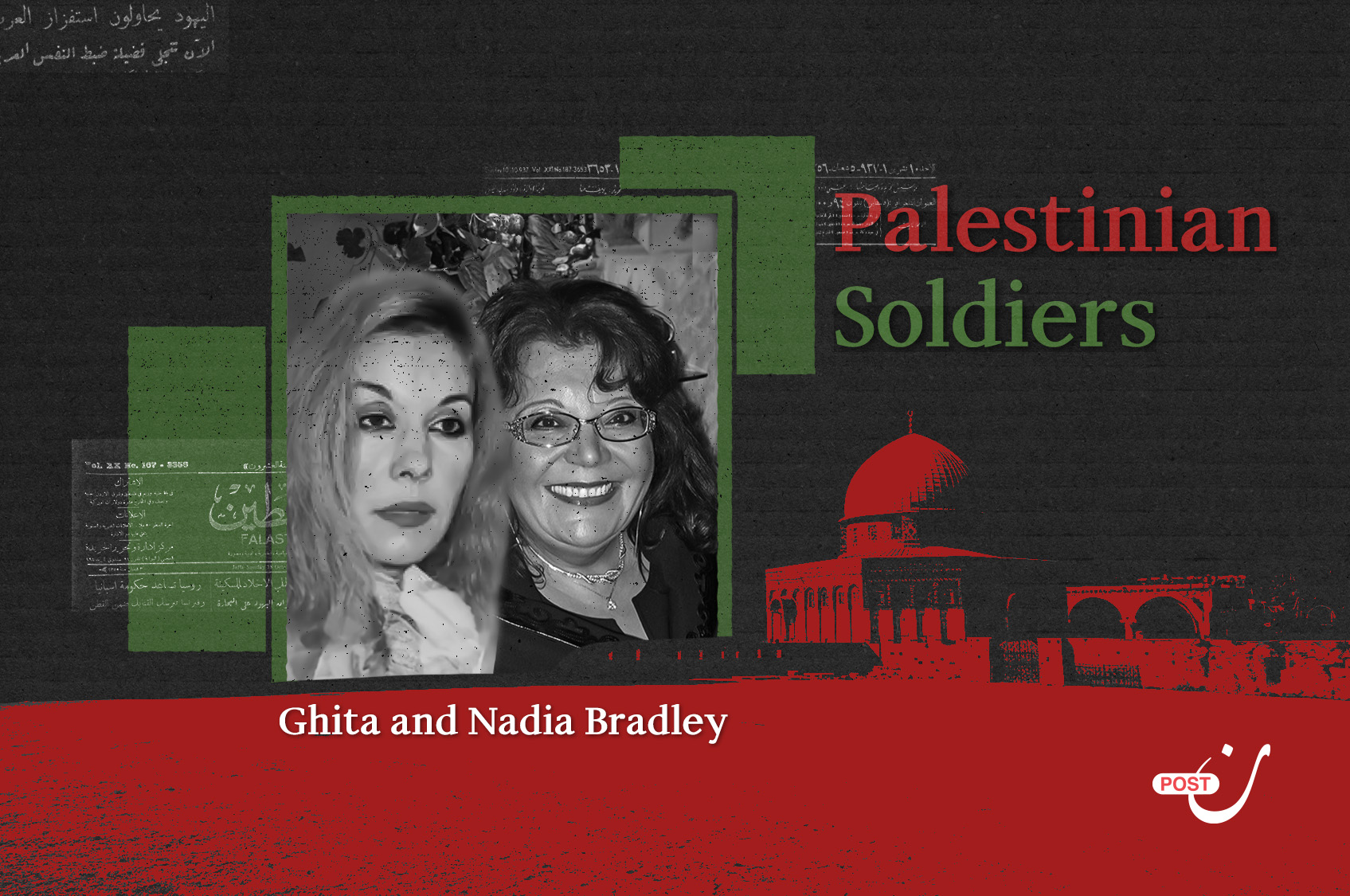
Among them were two sisters, Nadia and Rita Bradley, who led the first attempted bombing operation inside Israel by non-Palestinian foreigners.

The Bradley Sisters: Raised in a Revolutionary Home

Nadia and Rita were born into the prominent Bradley family in Casablanca. Their father owned a transportation company and a tourism agency offering travel to Spain and France. Yet, their hearts were captivated by the ideals of resistance and the right of nations to self-determination.

Their father, Bachir Ben Ammar Al-Shadmi nicknamed “Bradley” out of admiration for the American World War II general Omar Bradley was himself a resistance fighter against French colonialism.
نون بوست
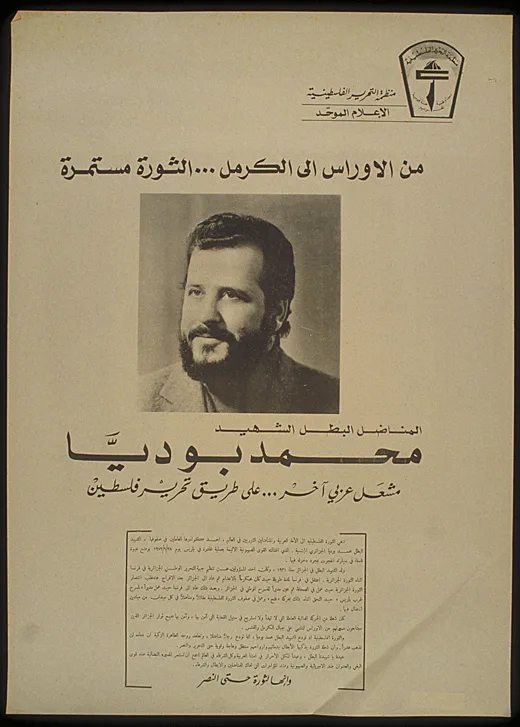
The family’s friend, the Algerian martyr Mohamed Boudia, who was assassinated by Israel in 1973.

In an interview with Al Jazeera, Rita recalled how their father was arrested multiple times for his activism and once sustained 17 gunshot wounds. Their mother, a Frenchwoman of Spanish origin, was also pursued by French authorities.

The two Moroccan sisters grew up with a deep sense of solidarity for the oppressed, and they believed that revolution was the path forward. At the time, they followed news of the Palestinian people’s suffering and repeated Israeli assaults against them, while the international community remained silent.

In the wake of the 1967 Six-Day War, and Israel’s further territorial expansions into Palestine, Egypt, and Syria, the sisters resolved to take action.

Nadia was then studying political science and economics at the Sorbonne in Paris, alongside theater studies. It was there that she met the playwright and revolutionary Mohammed Boudia, also known as “Mohamed Bou Diya.”

Inspired by Boudia’s revolutionary ideology, both Nadia and Rita became increasingly committed to the Palestinian cause. Their resolve was solidified in September 1970, when the Jordanian army launched attacks on armed Palestinian factions across several cities during the events of “Black September.”

Mission to Tel Aviv

The Bradley sisters turned their backs on the comforts of life and chose struggle in solidarity with the Palestinian cause. They joined the ranks of Arab fedayeen under the banner of the Democratic Front for the Liberation of Palestine (DFLP), hoping to contribute meaningfully to a cause long neglected by Arab leaders and the global community.

نون بوست
The Moroccan activist Nadia Bradley.

At the time, most resistance operations against Israel were taking place in Europe. But Nadia and Rita aimed higher: they planned a daring mission inside Israel itself. In 1971, they joined what became known as the “Easter Commandos,” a group preparing to carry out synchronized bombings at nine hotels across Israel.

Nadia was 25 years old; her younger sister Rita, just 19. The group spent three weeks preparing in Paris, frequently changing locations to avoid detection. The operation involved three additional French nationals.

Explosives were prepared with assistance from DFLP operatives and hidden inside clothing and the soles of shoes. The garments had been soaked in plastic-based explosives, making them essentially wearable bombs.

On April 11, 1971, the group landed at Lod Airport (now Ben Gurion International Airport), with the Bradley sisters posing as French tourists on holiday in the Holy Land, using French passports.

Everything was going according to plan until Israeli authorities discovered explosive powder and detonator batteries in their luggage. Nadia was arrested near the Hilton Hotel shortly after leaving the airport and passing through security.

The presence of a French woman named Evelyne Barge, a known former member of the Palestinian resistance under French surveillance, also helped expose the operation.

The mission shocked Israeli authorities, who never expected foreign women to carry out such a bold act on their soil. Commenting on the motivation behind the attack, Rita told Al Jazeera that “this operation was intended to put the Palestinian issue on the international stage. Palestinians were suffering immensely after Black September, and the world knew very little about it.”

During their interrogation, the Bradley sisters were tortured. They were placed in dark solitary cells, forced to sit for hours without rest, deprived of sleep, and injected with sedatives to coerce confessions.

After four months of continuous interrogation, they were brought before a military court. The trial lasted two months, resulting in a 10-year sentence for Rita and 12 years for Nadia.

Despite the sentencing, Israeli authorities continued questioning them. Nadia’s health deteriorated severely due to the sedative injections; she developed acute infections, gangrene, and severe swelling in her hands. As her condition worsened, Morocco and France exerted pressure on Israel for her release. After three years, she was deported to France. A few months later, Rita was also freed.

Training Camps in Lebanon

After their release, both sisters remained steadfast in their commitment to the Palestinian cause. Upon arriving in Paris, they soon planned their move to Lebanon the heart of Palestinian resistance at the time.

نون بوست
The Moroccan activist Rita Bradley.

In Lebanon, they were welcomed as heroes. Following a long recovery period, the sisters received intensive military training in the use of weapons, including the Kalashnikov and various rifles. However, Yasser Arafat, then Chairman of the PLO, assigned them a different mission.

They were offered a chance to host a Hebrew-language radio program on “Voice of Palestine,” aimed directly at Israelis. Nadia focused on ideological and political issues and the education of Palestinians, while Rita worked on security-related content with Nayef Hawatmeh, Secretary-General of the DFLP.

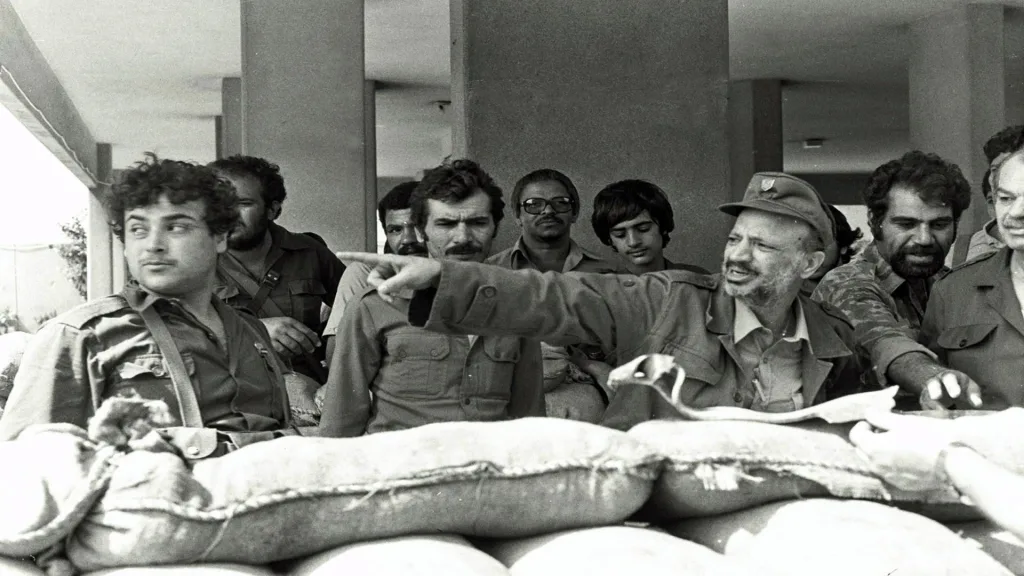
The sisters again came face-to-face with death during the Israeli invasion of Lebanon in 1982. On June 6, Israeli forces stormed across the border with 60,000 troops, backed by artillery, naval, and air power. Within days, they reached Beirut and occupied Baabda Palace on June 13.

For weeks, the sisters endured relentless Israeli bombardment cluster bombs, white phosphorus, and napalm resulting in over 26,000 casualties, including 11,840 children, 868 women, and 1,100 fighters.
نون بوست
Yasser Arafat alongside resistance leaders during the 1982 invasion of Lebanon.

The ordeal ended with the devastation of Beirut and the evacuation of Palestinian fighters under international guarantees from France, Italy, and the U.S. The Bradley sisters chose to return to Morocco and reunite with their family, who had long awaited their return.

Back in Morocco, the sisters resumed a normal life after years of sacrifice for a cause they had embraced since childhood. On August 10, 1995, Nadia passed away from complications linked to the illness she developed during her time in Israeli custody. She was 50 years old.

Despite their significant contributions to the Palestinian resistance, Nadia and Rita Bradley never received the recognition they deserved in Arab media. Their story remains largely unknown even among Palestinians and Moroccans. Few are aware that two Moroccan women gave up lives of comfort to fight for Palestine.

Download this article as PDF
Share this Article
Facebook Twitter Whatsapp Whatsapp Telegram Email Copy Link
فريق التحرير
By فريق التحرير تقارير يعدها فريق تحرير نون بوست.
Follow:
Previous Article نون بوست Abu Badr Al-Yemeni: A Witness to Zionist Massacres in Jaffa
Next Article نون بوست Gaza families search through the corpses for their loved ones

Read More

  • U.S. Regime‑Change Policies: Why They Are Destined to Fail U.S. Regime‑Change Policies: Why They Are Destined to Fail
  • The Gulf’s Balancing Act: Iran, Israel, and Hidden Links
  • Iraq–Turkey Oil Export Treaty: Why Did Ankara Cancel It After 52 Years?
  • Syria’s Northeast on Edge: QSD Between Ankara and Damascus
  • Has Europe Changed Its Stance on Israel… or Just Its Language?
part of the design
NoonPost Weekly Newsletter

You May Also Like

U.S. Regime‑Change Policies: Why They Are Destined to Fail

U.S. Regime‑Change Policies: Why They Are Destined to Fail

إسراء سيد Esraa sayed 8 April ,2026
The Gulf’s Balancing Act: Iran, Israel, and Hidden Links

The Gulf’s Balancing Act: Iran, Israel, and Hidden Links

فريق التحرير Noon Post 8 April ,2026
Iraq–Turkey Oil Export Treaty: Why Did Ankara Cancel It After 52 Years?

Iraq–Turkey Oil Export Treaty: Why Did Ankara Cancel It After 52 Years?

فريق التحرير Noon Post 8 April ,2026

الإضراب يهدد حياة الناشط المغربي المعطي منجب بسبب منعه من السفر

فريق التحرير
Noon Post Published 26 October ,2015
Share
maati

يدخل الناشط المغربي المعطي منجب اليوم الـ21 من إضرابه عن الطعام، احتجاجًا منه على قرار منعه من السفر خارج الأراضي المغربية، وهو الأمر الذي أثر على صحته سلبًا، حيث أخذت في التدهور بشكل سريع خاصة وأنه مصاب بمرض السكري والقلب، فيما يصر الناشط الحقوقي على إكمال إضرابه لحين عدول السلطات المغربية عن قرار حظر سفره، وكذلك وقف كافة أشكال التضييق عليه وحملات التشهير ضده.

وكانت اللجنة الطبية التي تتابع الحالة الصحية لمنجب قد أعلنت في وقتٍ سابق أن حالته الصحية تتدهور بسرعة كبيرة، مع هبوط معدلات دقات قلبه بشكل تدريجي ومعاناته صداع شديد، مؤكدةً أن الحالة الجسمانية لمنجب لا تتحمل الإضراب عن الطعام خاصة وأنه يعاني من أمراض صعبة، تسببت في تعرضه لحالات إغماء وسكتات دماغية خلال فترة إضرابه حيث اقتيد إلى المستشفى للعلاج، وأضافت اللجنة كذلك أنها حاولت إثناء الرجل عن استمراره في الإضراب لخطورة الأمر عليه، إلا أنه أكد استكماله لتلك الخطوة حتى يسترجع حقوقه كاملة.

الأستاذ في مركز الدراسات الأفريقية في الرباط ورئيس جمعية “الحرية الآن”، البالغ عمره 55 عامًا، كان قد دخل في إضراب مفتوح عن الطعام في 6 أكتوبر الماضي، بعد منعه من السفر إلى الخارج لمرتين متتاليتين في العام ذاته، حيث منعته شرطة الحدود في مطار الرباط من مغادرة المغرب أثناء سفره من أجل حضور اجتماعات أكاديمية في الخارج، وهذا بدعوى أن اسمه على قائمة المطلوبين وأن قرار منعه من السفر ساري المفعول منذ 10 أغسطس 2015.

 هذا وقد أرجعت السلطات منع منجب من السفر إلى اختلالات مالية في مركز بحثي أثناء رئاسته له، ورفضت وزارة الداخلية المغربية إرجاع قرار منع معطي منجب لأسباب سياسية أو لنشاطاته الحقوقية، وأوضحت أن منعه من السفر يعود إلى كونه متابعًا قضائيًا لاختلاسات مالية في مركز “ابن رشد للدراسات والتواصل”، الذي كان يتولى رئاسته في فترة سابقة.

من جهتها، طالبت منظمة الشفافية الدولية “ترانسبرنسي” فرع المغرب بوقف حملات التشويه التي تستهدف النيل من سمعة وصورة منجب، مؤكدةً أن مثل هذه الممارسات تتناقض كليةً مع ما تتبناه الدولة في خطابها حول إرساء قواعد الديمقراطية وصون الحقوق الجماعية والفردية، واعتبرت المنظمة، في بيانها الصادر قبل أيام، قرار حظر السفر مضايقات تطال الفاعلين في مجال حقوق الإنسان من طرف السلطة، كما طالب مكتب الجمعية المهتمة بالشفافية ومحاربة الرشوة الجهات المسؤولة بالتراجع الفوري عن هذه المضايقات.

وكانت سيارة إسعاف قد نقلت المؤرخ والأكاديمي المغربي في وقت سابق من مقر الجمعية المغربية لحقوق الإنسان في الرباط حيث يخوض إضرابه إلى الدار البيضاء التي تبعد عنها نحو 80 كم، ليخضع لتحقيق النيابة العامة، بينما رفض منجب الإجابة على جميع الأسئلة التي وجهت إليه من الفرقة الوطنية للشرطة، بدعوى تشبثه بحقه الدستوري في عدم الإجابة، موضحًا أنه لن يجيب إلا أمام قاضي، واستمر هذا اللقاء غير المثمر بالنسبة للشرطة نحو 35 دقيقة.

فيما تقدم عدد من أنصار منجب ومن بينهم زوجته كريستيان بدعوة إلى الرئيس الفرنسي فرانسوا هولاند نهاية الأسبوع لإنقاذ حياته، مشيرين إلى أن استهدافه جاء بسبب دفاعه عن حرية الصحافة، هذا وتقدم عدد آخر من النشطاء وأساتذة الجامعات من بينهم مقرر أممي سابق برسالة إلى الملك محمد السادس لإنهاء التضييق المتعمد ضد منجب، ودعوا كذلك إلى إيقاف التحقيقات الأمنية المهينة التي يتعرض لها منجب على اعتبار أنها مبنية على “اتهامات لا أساس لها”.

ويرى أنصار الرجل أن المضايقات التي يتعرض لها ضريبة لكتاباته ومقالاته وتحليلاته السياسية الجريئة التي ينشرها بلغات ثلاث وهي العربية والفرنسية والإنجليزية، ويرى آخرون أن سببها هو إطلاقه برامج تدريبية منذ 2009، حول صحافة التحقيق حيث إنها ساهمت في بروز صحفيين استقصائيين متميزين حصل عدد منهم على جوائز عربية ودولية، بالإضافة إلى مساهمته في التقريب بين التيارات المختلفة والمتصارعة أحيانًا، كالإسلاميين والعلمانيين.

منجب أعلن في العام الماضي، أن اثنين من عملاء المخابرات طلبوا منه التوقف عن الحديث عن الحريات في المغرب، ما اضطره حينها إلى مغادرة المغرب عدة أيام ثم عاد ثانية مؤكدًا على مواصلته عمله في الدفاع عن الحرية وحقوق الإنسان، وكان الرجل معروف في دفاعه عن بعض المعتقلين السياسيين والعاملين بالصحافة.

TAGGED: الإضراب عن الطعام ، المنع من السفر ، حظر السفر ، حقوق الإنسان ، ناشط مغربي
TAGGED: الحقوق والحريات
Download this article as PDF
Share this Article
Facebook Twitter Whatsapp Whatsapp Telegram Email Copy Link
فريق التحرير
By فريق التحرير تقارير يعدها فريق تحرير نون بوست.
Follow:
Next Article نون بوست The Stigma of “ISIS”: A Heavy Legacy Haunting Women and Children of Former Members

Read More

  • U.S. Regime‑Change Policies: Why They Are Destined to Fail U.S. Regime‑Change Policies: Why They Are Destined to Fail
  • The Gulf’s Balancing Act: Iran, Israel, and Hidden Links
  • Iraq–Turkey Oil Export Treaty: Why Did Ankara Cancel It After 52 Years?
  • Syria’s Northeast on Edge: QSD Between Ankara and Damascus
  • Has Europe Changed Its Stance on Israel… or Just Its Language?
part of the design
NoonPost Weekly Newsletter
dark

An independent media platform founded in 2013, rooted in slow journalism, producing in-depth reports, analysis, and multimedia content to offer deeper perspectives on the news, led by a diverse young team from several Arab countries.

  • Politics
  • Society
  • Rights & Liberties
  • Opinions
  • History
  • Sports
  • Education
  • Technology
  • Economy
  • Media
  • Arts & Literature
  • Entrepreneurship
  • Travel
  • Cinema & Drama
  • Food
  • Health
  • Culture
  • Latest Reports
  • Files
  • Long Reads
  • Interviews
  • Podcast
  • Interactive
  • Encyclopedia
  • In Pictures
  • About Us
  • Our Writers
  • Write for Us
  • Editorial Policy
  • Advanced Search
Some rights reserved under a Creative Commons license

Removed from favorites

Undo
Go to mobile version