







NoonPost NoonPost

NoonPost

  • Home
  • Politics
  • Economy
  • Society
  • Culture
  • Files
  • Long Reads
  • Podcast
AR
Notification Show More
نون بوست
“There Are Nights I Can’t Close My Eyes”: How Gazans Are Living in Homes on the Brink of Collapse
نون بوست
From al-Jolani to Ahmad al-Shara: The Evolution of Syria’s New Leader
نون بوست
When Political Islam Receded in Egypt: Who Filled the Void?
نون بوست
An Extension of Genocide: Gaza’s Detainees Speak Out
نون بوست
A Tightrope Between Survival and Sovereignty: The Syrian Government Faces Normalization Pressures
نون بوست
American Aircraft Carriers: Has the Era of “100,000 Tons of Diplomacy” Ended?
نون بوست
U.S. Regime‑Change Policies: Why They Are Destined to Fail
نون بوست
Transformations of Israeli Judaism: Between the Victim Complex and the Colonizer’s Doctrine
نون بوست
The Gulf’s Balancing Act: Iran, Israel, and Hidden Links
نون بوست
Iraq–Turkey Oil Export Treaty: Why Did Ankara Cancel It After 52 Years?
نون بوست
Syria’s Northeast on Edge: QSD Between Ankara and Damascus
نون بوست
Has Europe Changed Its Stance on Israel… or Just Its Language?
NoonPost NoonPost
AR
Notification Show More
نون بوست
“There Are Nights I Can’t Close My Eyes”: How Gazans Are Living in Homes on the Brink of Collapse
نون بوست
From al-Jolani to Ahmad al-Shara: The Evolution of Syria’s New Leader
نون بوست
When Political Islam Receded in Egypt: Who Filled the Void?
نون بوست
An Extension of Genocide: Gaza’s Detainees Speak Out
نون بوست
A Tightrope Between Survival and Sovereignty: The Syrian Government Faces Normalization Pressures
نون بوست
American Aircraft Carriers: Has the Era of “100,000 Tons of Diplomacy” Ended?
نون بوست
U.S. Regime‑Change Policies: Why They Are Destined to Fail
نون بوست
Transformations of Israeli Judaism: Between the Victim Complex and the Colonizer’s Doctrine
نون بوست
The Gulf’s Balancing Act: Iran, Israel, and Hidden Links
نون بوست
Iraq–Turkey Oil Export Treaty: Why Did Ankara Cancel It After 52 Years?
نون بوست
Syria’s Northeast on Edge: QSD Between Ankara and Damascus
نون بوست
Has Europe Changed Its Stance on Israel… or Just Its Language?
Follow US

From the Tawila Camp: Testimonies of Survival from Death Journeys

فريق التحرير
Noon Post Published 26 March ,2026
Share
نون بوست
نون بوست

Since the outbreak of war on April 15, 2023, displacement from the city of El Fasher has not ceased. Rapid Support Forces (RSF) tightened their grip on the eastern part of the city early in the conflict and gradually seized control over scattered areas until they encircled El Fasher completely for over a year and a half. On October 26, the city fell entirely under RSF control.

Throughout this period, civilians fled in waves under relentless artillery shelling that struck residential homes, government facilities, hospitals and even mosques. The RSF attacks did not spare displacement camps; camps like Abu Shouk were repeatedly shelled and stormed by RSF forces, violating all humanitarian norms and international laws.

“I Lost Contact with My Brothers”

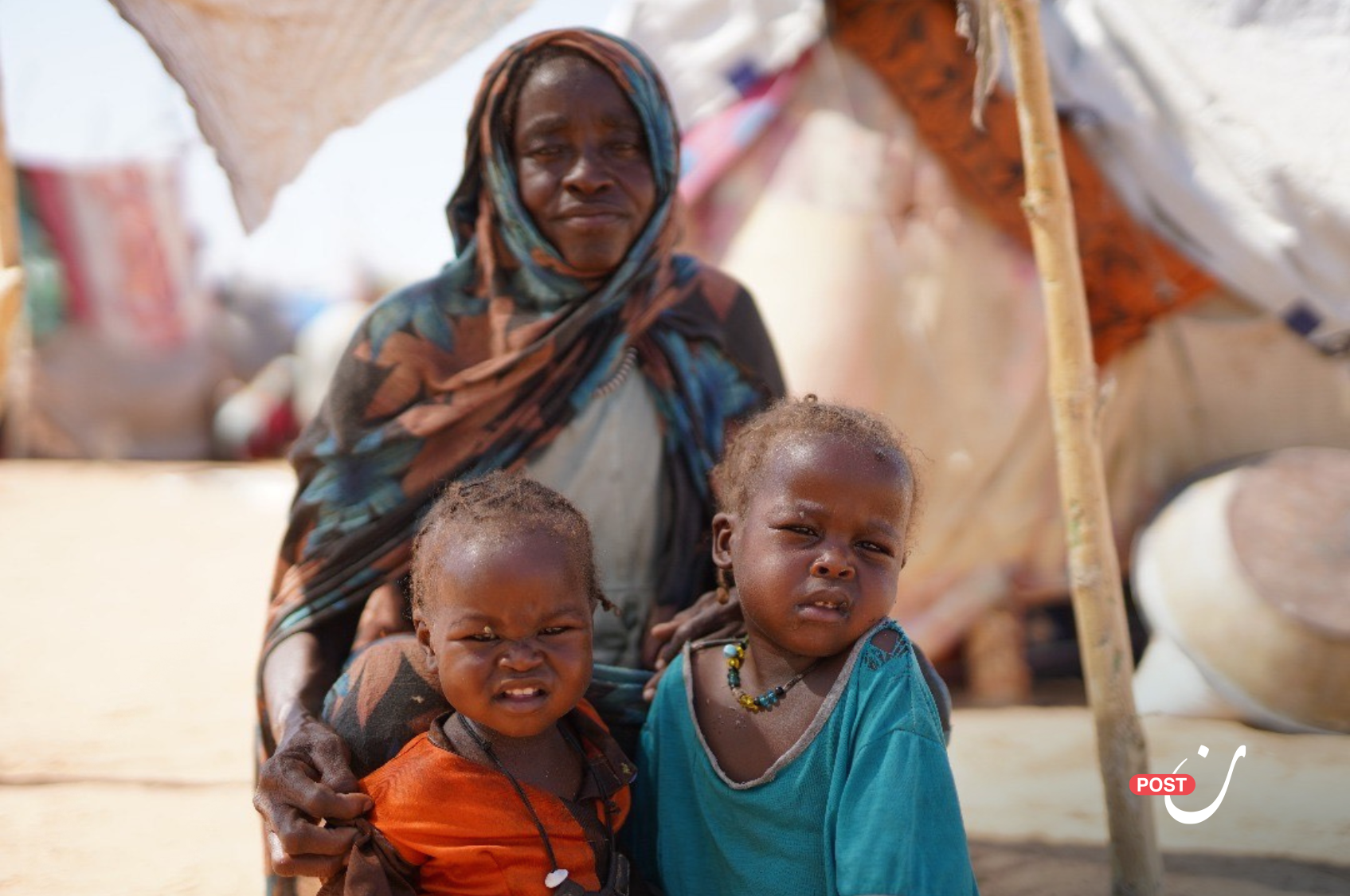
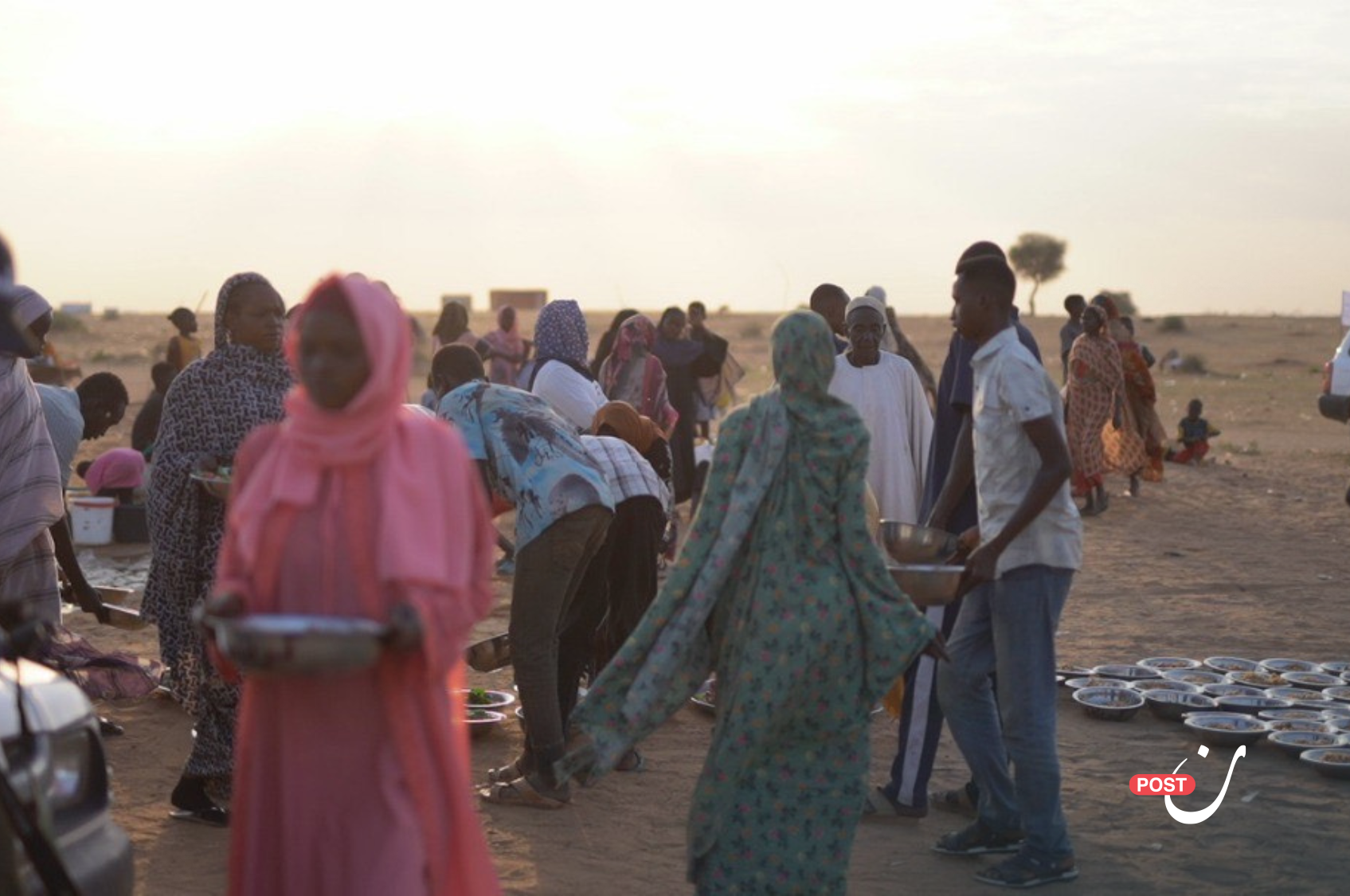
Noon Post spoke with several displaced women in the Tawila camp to document their harrowing escape stories and the perilous journeys that brought them to safety journeys fraught with danger and laced with death.

Rashida Taj Eddin Ibrahim, who fled El Fasher for the locality of Tawila, says she lost several relatives and her son to RSF artillery fire. “When the shelling intensified after the city fell, a shell hit our house. I decided to flee despite our exhaustion and hunger. I left on foot with my children until we reached the Qarni area.

The journey took over five hours. My children were exhausted, dehydrated, and scorched by the sun.”
نون بوست

Qarni is located around 30 kilometers west of El Fasher a trek that takes displaced people five to seven hours on foot. Some RSF fighters transport civilians over that same distance for as much as 500,000 Sudanese pounds per person about $150 USD.

Rashida has lost contact with her three brothers Faisal, Mohammed, and Ibrahim since leaving the city. “They are missing. I ask about them every day. I follow the newly arriving groups into the camp, but nothing. One person told me he saw Mohammed on the road days ago, but he hasn’t arrived. As for Faisal and Ibrahim, no one has seen them.”

She stressed that her brothers had no affiliation with any armed forces neither the Sudanese army nor allied factions. She believes the RSF continues to detain men fleeing El Fasher, accusing them of military ties and demanding ransoms of up to $3,000 for their release.

A report by the Mishad Human Rights Observatory documented the detention of nearly 68,000 civilians by the RSF in El Fasher. Over 2,000 young men and women were subjected to physical and psychological torture in clandestine detention centers. More than 3,000 remain missing.

Rashida now worries about the cold affecting her children. “We left with only the clothes on our backs. No blankets. Nothing.”

“They Searched Even Our Underwear”

Fatima Mohammed recounts how she and her family suffered in the final month before El Fasher’s fall. Water prices soared, and umbaz a crucial food source became unavailable. With dwindling supplies, intensifying shelling, and mounting fear, they moved constantly, seeking refuge.

On the day El Fasher fell, they fled on foot. After walking for hours, they neared the city’s defensive trench and paused to rest. But the shelling resumed. “We were forced to run, crawl, and eventually return. Exhausted, we took shelter in the frame of a nearby building.”
نون بوست

Within half an hour, RSF troops raided the structure. “They ordered us to hand over everything money, phones, anything. Then they told us to leave immediately.”

She continued, “Soon after, six RSF vehicles intercepted us. They searched us in a degrading manner even checking our underwear to make sure we weren’t hiding anything.”

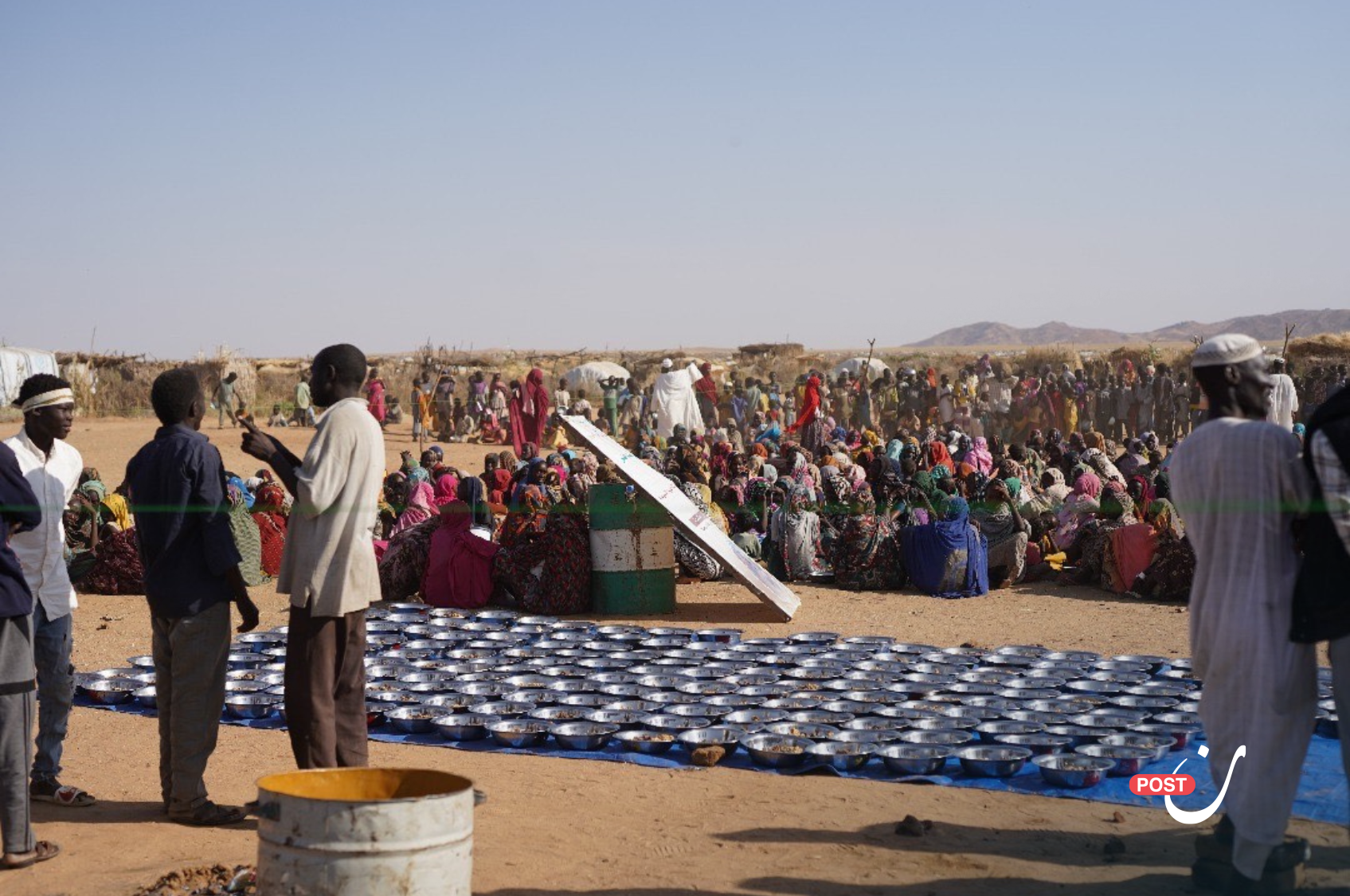
Further along the route, they encountered a group of civilians mixing flour with water to feed the displaced. RSF fighters showed up again, beating and humiliating the men and arresting them, while letting the women and children continue toward Qarni. “After resting for an hour, RSF trucks began transporting us to Tawila.

That ride was worse than the walk humiliation, exhaustion, and death. Some died in the truck. Children had broken bones. So many were injured. It was pure suffering.”

Fatima says she saw at least fifty dead or wounded on her way to Tawila. Still, she concludes with hope: “What’s past is gone. Now we start again. God willing, we’ll manage.”

The distance between El Fasher and Tawila is roughly 68 kilometers.

“We Were Displaced Twice”

“We lost our daughter in the shelling that struck our home,” recalls Naeema Musa. “After RSF took our neighborhood, I left with my parents and headed to the Saudi hospital where my sister works. We stayed there for about fifteen days, then moved to Abu Shouk.”
نون بوست

Naeema’s family, including her elderly parents and siblings, stayed in Abu Shouk for nearly a year. “Getting my parents into the trenches was incredibly difficult. They can barely walk. The artillery forced us underground often, and it was pure torment for them.”

Residents had dug trenches inside their homes to protect themselves from shelling during the siege.

Her brother abroad insisted they leave the city. “But our parents’ health, our hunger, and the rising cost of umbaz -up to 80,000 pounds- kept us from moving.”

Eventually, the shelling became unbearable. RSF forces stormed their neighborhood. Naeema and her family fled. Unable to walk far, her parents had to stop frequently. She hired a donkey cart to transport them to Halat Al-Sheikh, while she and her siblings walked alongside it.

When they reached the RSF trench around the city, RSF fighters intercepted them, searched them, and robbed them.

“I begged them, saying our situation was dire, especially my parents’ condition. They told me to shut up and keep moving.”

They continued on foot, passed through several RSF checkpoints, and eventually reached Qarni. From there, they were transported to Tawila.

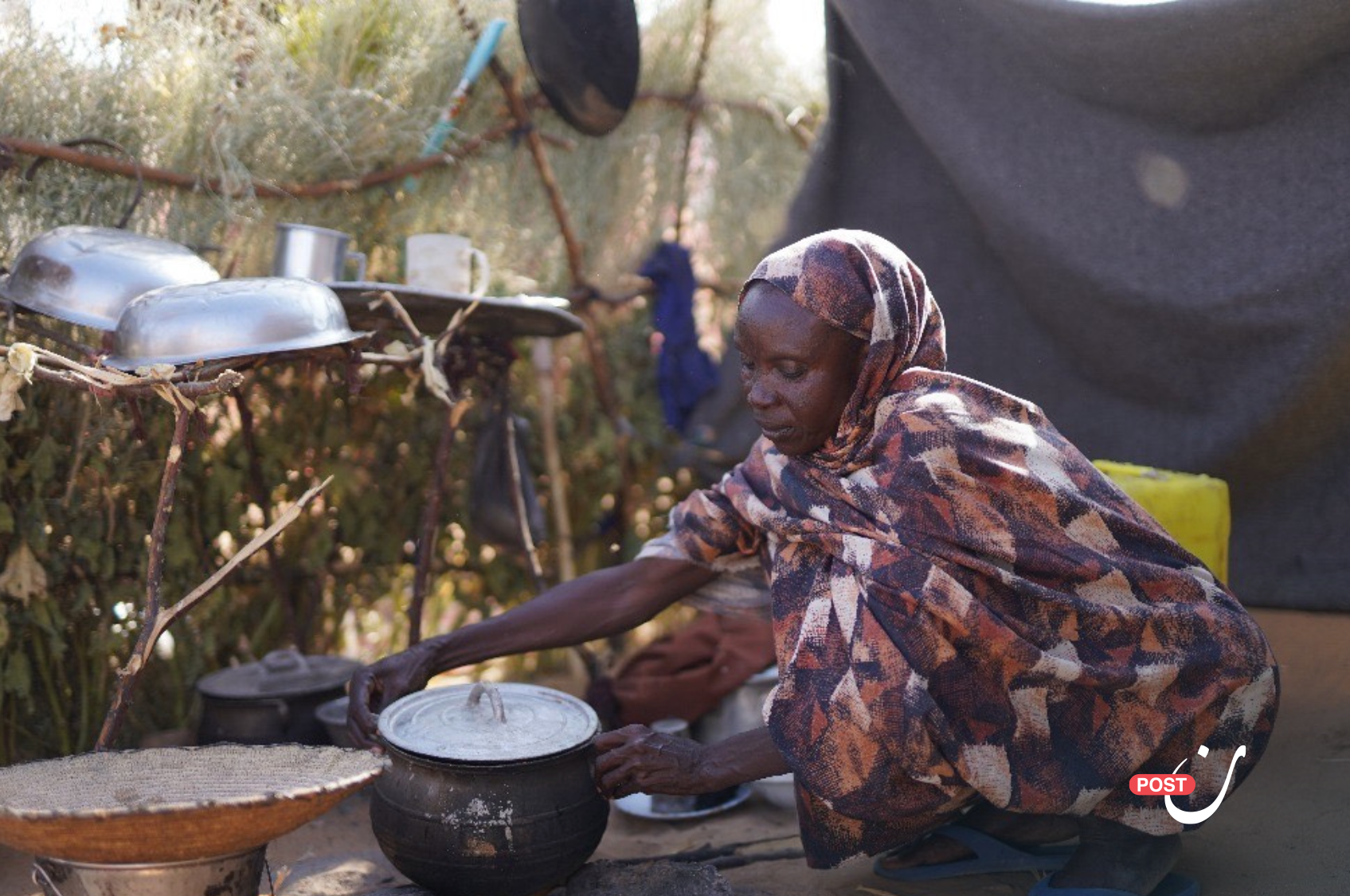
Today, Naeema and her family face immense hardship in the camp especially accessing restrooms due to her parents’ condition. The arduous journey left them physically worn out, with painful sores from lack of movement and exposure to the desert sun.

The RSF’s assault on El Fasher triggered a mass exodus some heading to Tawila 68 kilometers west, others to Al-Dabba in Northern State, nearly 779 kilometers away. The journey through the desert can take over ten days.

Despite the efforts of local and international humanitarian organizations, the needs of the displaced far outstrip the available resources and those needs grow by the day.

On October 26, after more than 15 months of siege, the RSF finally seized El Fasher. Residents had been starved and cut off from all humanitarian aid. The RSF used indiscriminate shelling and drone strikes to target civilian gatherings, homes, hospitals, and public infrastructure.

Reports by international organizations allege that RSF forces committed mass killings, ethnic cleansing, sexual violence, and abductions. Satellite imagery from Yale’s Humanitarian Research Lab revealed streets of El Fasher stained with blood visible even from space.

According to field reports, over 11,700 civilians have been killed, including 2,366 children under 18. Another 32,000 were wounded, and tens of thousands displaced many still fleeing to this day.

Download this article as PDF
Share this Article
Facebook Twitter Whatsapp Whatsapp Telegram Email Copy Link
فريق التحرير
By فريق التحرير تقارير يعدها فريق تحرير نون بوست.
Follow:
Previous Article نون بوست How the UAE Is Shaping Its Influence Through Chad
Next Article نون بوست Does the White House Meeting Signal Stability for Syria?

Read More

  • "There Are Nights I Can’t Close My Eyes": How Gazans Are Living in Homes on the Brink of Collapse "There Are Nights I Can’t Close My Eyes": How Gazans Are Living in Homes on the Brink of Collapse
  • From al-Jolani to Ahmad al-Shara: The Evolution of Syria’s New Leader
  • When Political Islam Receded in Egypt: Who Filled the Void?
  • An Extension of Genocide: Gaza’s Detainees Speak Out
  • A Tightrope Between Survival and Sovereignty: The Syrian Government Faces Normalization Pressures
part of the design
NoonPost Weekly Newsletter

You May Also Like

“There Are Nights I Can’t Close My Eyes”: How Gazans Are Living in Homes on the Brink of Collapse

“There Are Nights I Can’t Close My Eyes”: How Gazans Are Living in Homes on the Brink of Collapse

فريق التحرير Noon Post 8 April ,2026
From al-Jolani to Ahmad al-Shara: The Evolution of Syria’s New Leader

From al-Jolani to Ahmad al-Shara: The Evolution of Syria’s New Leader

أحمد سيف النصر Ahmed Seif EL-Nasr 8 April ,2026
When Political Islam Receded in Egypt: Who Filled the Void?

When Political Islam Receded in Egypt: Who Filled the Void?

أحمد عبد الحليم أحمد عبد الحليم 8 April ,2026

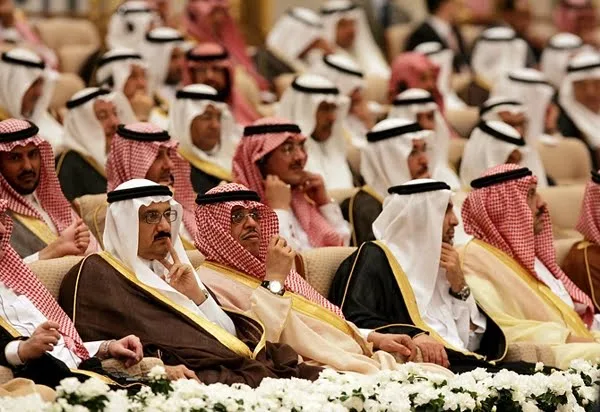
أمراء السعودية يستغلون نفوذهم في تهريب المخدرات

فريق التحرير
Noon Post Published 28 October ,2015
Share
saudi_princes

أوقفت قوات الأمن اللبنانية أمير سعودي في مطار بيروت بلبنان بعد ضبطه بكميات كبيرة من المخدرات كان يحملها على متن طائرته الخاصة، الاثنين الماضي، حيث كانت تستعد للتحليق نحو السعودية قبل أن يتم إيقافها، وأفادت وسائل إعلام لبنانية بأن الكمية بلغت نحو طنين من المخدرت، وهي عبارة عن حبوب الكبتاغون المخدرة وكمية من الكوكايين.

هذا وتمت إحالة الأمير إلى النيابة العامة بجبل لبنان هو وأربعة من مرافقيه للاستجواب، وكان موقع المنار قد نشر صورًا للصناديق المضبوطة البالغ عددها نحو 32 صندوقًا بالإضافة إلى 8 حقائب، وقال الموقع إن الصناديق حملت ملصقات تظهر أنها خاصة بالأمير.

 فيما تحدث مصدر أمني لبناني عن أن عملية تهريب المخدرات تلك هي الأكبر التي يتم إحباطها عبر مطار بيروت الدولي، بعد إحباط عملية تهريب 15 مليون حبة كبتاغون في أبريل الماضي، وذلك خلال تصريحاته لوكالة الأنباء الفرنسية.

ومن المتوقع أن يخرج الأمير السعودي من التحقيقات بسلاسة شديدة حيث أنه ليس الأول من العائلة الحاكمة السعودية وأمراء الخليج بشكل عام الذي يتورط في قضايا مشابهة، فيما تجنبوا جميعًا الملاحقة القضائية لاحتمائهم بالحصانة الدبلوماسية.

فكانت اتهامات مماثلة تلاحق الأمير نايف بن سلطان بن فواز الشعلان بتهريبه طنين من الكوكايين من فنزويلا إلى فرنسا في العام 1999، وتمت إدانته في العام 2007 حيث صدر بحقه حكم غيابي بالسجن 10 سنوات بالإضافة إلى غرامات مالية تصل إلى 100 مليون دولار، لاتهامه باستغلال حصانته الدبلوماسية من أجل إدخال المخدرات إلى الأراضي الفرنسية على متن طائرة خاصة، واتهمته الولايات المتحدة أيضًا بالتآمر على توزيع الكوكايين، ولكن الأمير السعودي تمكن من الفرار.

فيما تحدثت وثائق دبلوماسية أمريكية سرية نشرها موقع ويكيليكس في العام 2010 عن إقامة أمراء سعوديين لحفلات تفاخر بالشراب والمخدرات وموسيقى الروك أند رول والجنس، حيث أقام أحد الأمراء السعوديين عائلة الثنيان حفلة تحت الأرض لمناسبة هالوين وحضرها أكثر من 150 سعوديًا وسعودية في العشرينات والثلاثينات من العمر، حيث ساهمت شركة أمريكية لمشروبات الطاقة في تمويل الحفلة.

البرقية  المسربة من ويكليكس ذكرت أن استخدام الكوكايين والحشيش أمر شائع في هذه الأوساط الاجتماعية، لكن لا يتم معرفته في هذه المناسبات من الحفلات السرية المزدهرة في السعودية بفضل الحماية التي يتمتع بها أعضاء الأسرة الملكية الحاكمة كما تحدثت عن ارتفاع أسعار الكحول المهربة  إلى مبالغ ضخمة تصل إلى 400 دولار للزجاجة ما يجبر الشخص الذي يقيم الحفلة على إعادة ملء الزجاجات بالكحول القوية المصنعة  محليًا.

هذا وتعتبر حبوب الكبتاغون هي الأكثر انتشارًا في السعودية حيث أنها مادة ذات فعالية سريعة، وتتواجد بوفرة، ويستخدم السعودي للمساعدة على اليقظة أو لتخفيض الوزن، بينما تضبط  السلطات السعودية من هذ العقار نحو 60 مليون قرص سنويًا، أي ما يعادل 10% فقط من إجمالي الاستهلاك في السوق السعودي.

ورغم أن القانون السعودي شدد العقوبات على مهربي ومدمني المخدرات على السواء إلا أن استهلاك السعودية للمخدرات والمنشطات غير القانونية يظل الأعلى في منطقة الشرق الأوسط، بحسب تصنيف الأمم المتحدة، رغم أن عقوبة تهريب المخدرات أو إنتاجها في السعودية  قد تصل إلى الإعدام، كما أن حيازة مواد مخدرة  سواء أكانت بغرض التعاطي أو التوزيع  يعاقب عليها بالسجن ما بين عامين إلى 25 عامًا بالإضاقة إلى الجلد والتغريم المالي.

تلك العقوبات والتشديات الصارمة التي تمارسها السلطات السعودية لا تميل للتطبيق على أمراء وأميرات العائلة المالكة المحصنين غالبًا من أن تطبق عليهم تلك القوانين، حيث أنهم يتمتعون بالحماية بحكم انتمائهم للأسرة الحاكمة، فيما تنفذ تلك العقوبات على المواطنين العاديين أو حتى الأجانب.

الاتهامات التي يواجهها الأمراء السعوديون لا تقف عند حد الإتجار بالمواد المخدرة وحسب، ففي سبتمبر الماضي اعتقلت شرطة مدينة لوس أنجليس الأمريكية  الأمير السعودي ماجد بن عبد العزيز آل سعود، البالغ من العمر 28 عاما، لاتهاماتات تتعلق بمحاولته  إجبار عاملة في قصر بمنطقة بيفرلي هيلز على ممارسة الجنس الفموي معه، وأفرج عن الأمير السعودي في اليوم التالي بكفالة قدرها 300 ألف دولار، حيث أن الأمير لم يكن يحظى بحصانة دبلوماسية بحسب ما صرح به القسم القنصلي الخاص في إدارة الشرطة بلوس أنجليس.

كما اتهمت أميرة سعودية في لوس أنجلس، تدعى مشاعل العيبان، زوجة محافظ منطقة الخرج السعودية الأمير عبدالرحمن بن ناصر في العام 2013 بالإتجار بالبشر للاشتباه في احتجاز عاملة منزلية رغمًا عنها وأنها تعاملها كالعبيد، وأفرج عنها بكفالة بقيمة خمسة ملايين دولار وأسقطت الاتهامات عنها في نهاية الأمر.

ما يزيد من سوء استغلال الأمراء لنفوذهم  هو تمتعهم بالحصانة الدبلوماسية أو التيقن من وجود ظهير يحمي ويسند من يخطيء من الأمراء  تتمثل في الأسرة المالكة في السعودية.

TAGGED: #ويكيليكس_السعودية ، أمراء السعودية ، الأسرة الحاكمة في السعودية ، تجارة المخدرات في السعودية
TAGGED: الإصلاح في السعودية
Download this article as PDF
Share this Article
Facebook Twitter Whatsapp Whatsapp Telegram Email Copy Link
فريق التحرير
By فريق التحرير تقارير يعدها فريق تحرير نون بوست.
Follow:
Next Article نون بوست The Stigma of “ISIS”: A Heavy Legacy Haunting Women and Children of Former Members

Read More

  • U.S. Regime‑Change Policies: Why They Are Destined to Fail U.S. Regime‑Change Policies: Why They Are Destined to Fail
  • The Gulf’s Balancing Act: Iran, Israel, and Hidden Links
  • Iraq–Turkey Oil Export Treaty: Why Did Ankara Cancel It After 52 Years?
  • Syria’s Northeast on Edge: QSD Between Ankara and Damascus
  • Has Europe Changed Its Stance on Israel… or Just Its Language?
part of the design
NoonPost Weekly Newsletter
dark

An independent media platform founded in 2013, rooted in slow journalism, producing in-depth reports, analysis, and multimedia content to offer deeper perspectives on the news, led by a diverse young team from several Arab countries.

  • Politics
  • Society
  • Rights & Liberties
  • Opinions
  • History
  • Sports
  • Education
  • Technology
  • Economy
  • Media
  • Arts & Literature
  • Entrepreneurship
  • Travel
  • Cinema & Drama
  • Food
  • Health
  • Culture
  • Latest Reports
  • Files
  • Long Reads
  • Interviews
  • Podcast
  • Interactive
  • Encyclopedia
  • In Pictures
  • About Us
  • Our Writers
  • Write for Us
  • Editorial Policy
  • Advanced Search
Some rights reserved under a Creative Commons license

Removed from favorites

Undo
Go to mobile version