NoonPost NoonPost

NoonPost

  • Home
  • Politics
  • Economy
  • Society
  • Culture
  • Files
  • Long Reads
  • Podcast
AR
Notification Show More
نون بوست
“There Are Nights I Can’t Close My Eyes”: How Gazans Are Living in Homes on the Brink of Collapse
نون بوست
From al-Jolani to Ahmad al-Shara: The Evolution of Syria’s New Leader
نون بوست
When Political Islam Receded in Egypt: Who Filled the Void?
نون بوست
An Extension of Genocide: Gaza’s Detainees Speak Out
نون بوست
A Tightrope Between Survival and Sovereignty: The Syrian Government Faces Normalization Pressures
نون بوست
American Aircraft Carriers: Has the Era of “100,000 Tons of Diplomacy” Ended?
نون بوست
U.S. Regime‑Change Policies: Why They Are Destined to Fail
نون بوست
Transformations of Israeli Judaism: Between the Victim Complex and the Colonizer’s Doctrine
نون بوست
The Gulf’s Balancing Act: Iran, Israel, and Hidden Links
نون بوست
Iraq–Turkey Oil Export Treaty: Why Did Ankara Cancel It After 52 Years?
نون بوست
Syria’s Northeast on Edge: QSD Between Ankara and Damascus
نون بوست
Has Europe Changed Its Stance on Israel… or Just Its Language?
NoonPost NoonPost
AR
Notification Show More
نون بوست
“There Are Nights I Can’t Close My Eyes”: How Gazans Are Living in Homes on the Brink of Collapse
نون بوست
From al-Jolani to Ahmad al-Shara: The Evolution of Syria’s New Leader
نون بوست
When Political Islam Receded in Egypt: Who Filled the Void?
نون بوست
An Extension of Genocide: Gaza’s Detainees Speak Out
نون بوست
A Tightrope Between Survival and Sovereignty: The Syrian Government Faces Normalization Pressures
نون بوست
American Aircraft Carriers: Has the Era of “100,000 Tons of Diplomacy” Ended?
نون بوست
U.S. Regime‑Change Policies: Why They Are Destined to Fail
نون بوست
Transformations of Israeli Judaism: Between the Victim Complex and the Colonizer’s Doctrine
نون بوست
The Gulf’s Balancing Act: Iran, Israel, and Hidden Links
نون بوست
Iraq–Turkey Oil Export Treaty: Why Did Ankara Cancel It After 52 Years?
نون بوست
Syria’s Northeast on Edge: QSD Between Ankara and Damascus
نون بوست
Has Europe Changed Its Stance on Israel… or Just Its Language?
Follow US

Egypt and Ethiopia on the Edge of a New Confrontation

عماد عنان
Emad Anan Published 26 March ,2026
Share
نون بوست
نون بوست

Tensions between Ethiopia and Eritrea have recently reached a critical juncture, threatening to ignite a new conflict in the Horn of Africa. Both countries are locked in escalating political and military friction, marked by mutual accusations of destabilization through the support of armed groups and incitement of unrest in border areas.

At the core of these tensions is Ethiopia’s ongoing pursuit of a Red Sea outlet a move Eritrea sees as a direct threat to its sovereignty and territorial integrity.

Ethiopia’s escalation peaked with Prime Minister Abiy Ahmed’s pointed remarks in parliament, issuing an unprecedented warning that any confrontation with Eritrea could push Asmara into a “Ukrainian scenario,” alluding to catastrophic consequences of a full-scale war.

Though Abiy called on Eritrea to choose “peace and cooperation” over “grave consequences,” his message carried a veiled insistence on enforcing a new geopolitical reality one that grants Ethiopia access to the Eritrean coast.

Cairo, meanwhile, is far from a neutral observer. The Red Sea is central to Egypt’s national security calculus, tying directly to its maritime, economic, and military interests. Early on, Egypt made its position clear: Foreign Minister Badr Abdel Aaty declared that the governance of the Red Sea is an issue solely for its littoral states explicitly excluding landlocked countries like Ethiopia.

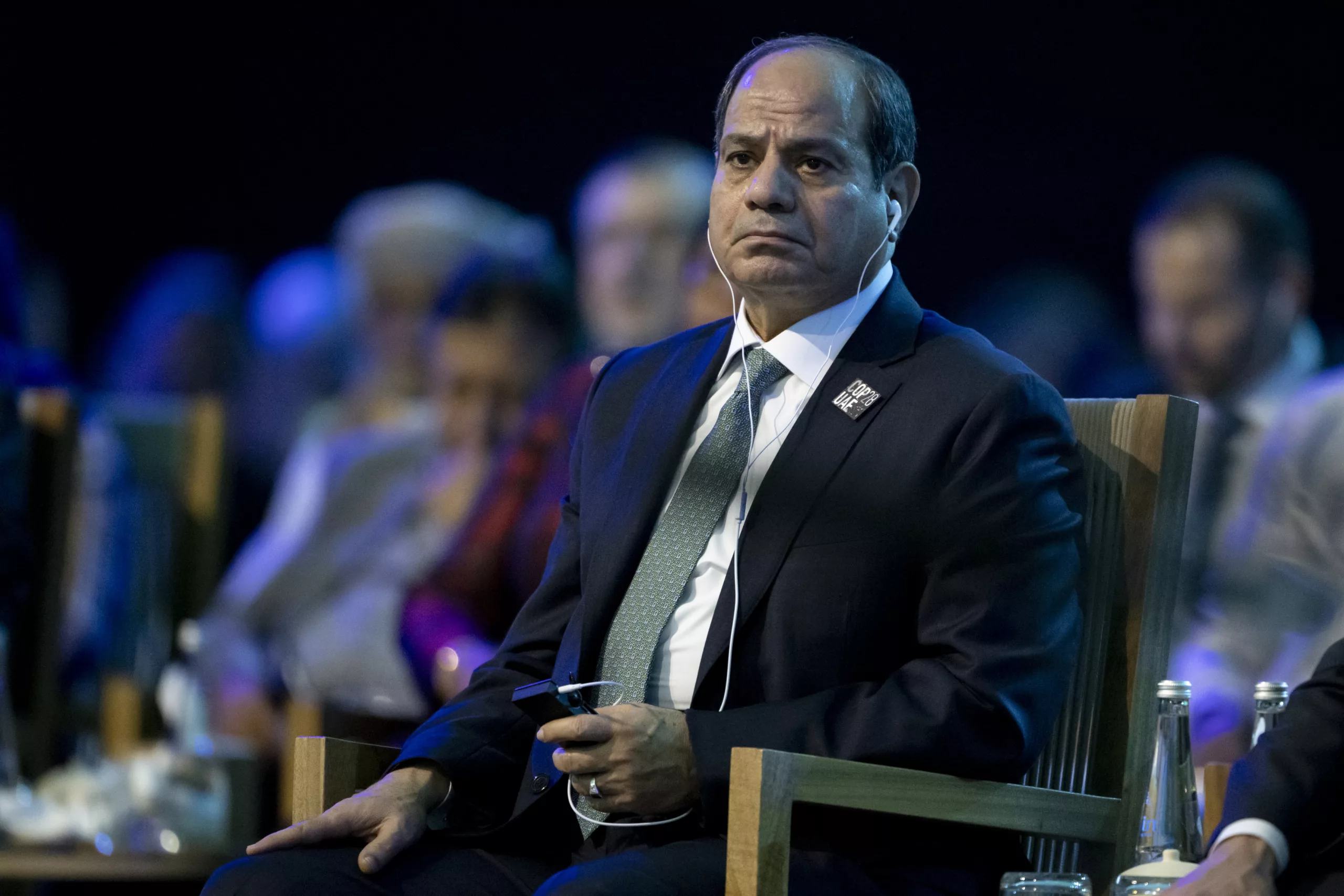
Just two days after Abiy’s threats, Eritrean President Isaias Afwerki visited Cairo for talks with President Abdel Fattah el-Sisi. According to Egypt’s presidential statement, the two leaders emphasized boosting cooperation to secure the Red Sea and intensifying coordination with both Arab and African littoral states.

This diplomatic maneuver is inseparable from Egypt’s long-running dispute with Ethiopia over the Grand Ethiopian Renaissance Dam (GERD) a prolonged political and diplomatic standoff. As tensions mount, key questions emerge: Can Egypt leverage this regional flare-up to regain political ground lost in the GERD battle?

Can it block Addis Ababa from achieving its historic ambition of reaching the Red Sea? Or is the Horn of Africa heading into a new era of complex, destabilizing conflicts?

Ethiopia–Eritrea: A Tense History Revisited

Contrary to popular belief that hostilities between Ethiopia and Eritrea began after Asmara’s independence in 1993, the roots of this conflict go much deeper, dating back to when Eritrea was part of a loosely federated Ethiopian state.

During that period, relations were fragile and volatile, punctuated by sporadic clashes that were temporarily contained without addressing underlying issues namely, competing visions of identity, sovereignty, and influence.

Eritrea’s independence in 1993 didn’t quell tensions; it marked the start of a new chapter of open border disputes, particularly over the contested town of Badme. The disagreement escalated into a full-scale war from 1998 to 2000, killing tens of thousands and crippling both nations’ economies. A peace accord brokered in 2018 finally brought some hope.

That historic deal, signed by Prime Minister Abiy Ahmed and President Isaias Afwerki, earned Abiy the Nobel Peace Prize and raised expectations for a fresh start in bilateral relations.

But the calm didn’t last. Since 2021, tensions have resurged. Addis Ababa accused Asmara of backing fighters from the Tigray People’s Liberation Front (TPLF), Ethiopia’s former dominant power. Eritrea denied the claims, accusing Ethiopia of deflecting blame for its internal crises.

Matters worsened after Ethiopia signed the 2022 Pretoria Agreement with the TPLF without consulting Eritrea, despite Asmara’s military support during the war. From Eritrea’s perspective, this amounted to political betrayal and eroded trust.

Abiy’s recent remarks about Ethiopia’s “natural right” to a Red Sea port reignited the crisis. Eritrea views the demand as a direct threat to its sovereignty, especially regarding the critical port of Assab a key military and economic lifeline. The issue has now escalated from a political dispute to a matter of national security, raising fears of another major confrontation.

Cairo and Addis Ababa

Prime Minister Abiy Ahmed frames Ethiopia’s desire for Red Sea access as an existential matter. Since Eritrea’s independence left Ethiopia landlocked in 1993, the country has depended almost entirely on Djibouti’s ports, costing around $2 billion annually in fees.

In a controversial September 2025 interview, Abiy described Ethiopia’s loss of coastal access as a “historic mistake that must be corrected” a phrase widely interpreted as signaling a broader strategy to reassert regional dominance.

Observers see this as a revisionist stance that challenges post-independence borders and implies potential use of hard power to secure access. It represents a direct challenge to Eritrea’s sovereignty and regional security.

Egypt, for its part, sees Ethiopia’s Red Sea ambitions not as economic necessity but as a strategic move to alter the balance of power potentially using Red Sea access as leverage in the GERD dispute and wider regional issues.

Cairo interprets Addis Ababa’s actions as geographic-political extortion, and has adopted a policy of early deterrence. After over a decade of failed GERD negotiations, Egypt now views any Ethiopian regional maneuver with deep suspicion.

Beneath the diplomatic rhetoric, a broader competition for African leadership emerges. Egypt, steeped in historical and cultural influence, considers itself the continent’s natural leader. Ethiopia, home to the African Union’s headquarters, sees that leadership as its own birthright.

Thus, the Egypt-Ethiopia relationship is a precarious tightrope of competing national visions. It’s a volatile blend of strategic interests and nationalist aspirations where missteps could have far-reaching consequences.

The Renaissance Dam

Egypt’s resistance to Ethiopia’s maritime ambitions cannot be divorced from the GERD saga, which culminated with Ethiopia inaugurating the dam in September 2025 despite fierce opposition from Cairo. This was seen in Egypt as a strategic defeat and exposed its waning regional influence.

The fallout from the dam’s completion has deepened Egypt’s mistrust. As the Horn of Africa becomes a theater of great-power rivalry, with rumors of an Israeli military base in Somalia, Cairo’s concerns are multiplying.

This legacy of mistrust has hardened Egypt’s stance. Even seemingly benign Ethiopian moves are now viewed through a lens of strategic suspicion, leading to swift and cautious Egyptian reactions.

Avoiding Entanglements

Egypt understands that blocking Ethiopia from gaining Red Sea access will not be easy, especially amid growing Western interest in boosting Ethiopia’s regional power. Reports of French and German support for an Ethiopian navy underscore this trend.

Thus, Cairo is pursuing a calculated diplomatic strategy to avoid direct military engagement. While a mutual defense pact with Eritrea has been floated, such a move could burden Egypt with further military and economic responsibilities at a precarious time.

Simultaneously, Egypt is aware that unchecked tensions between Ethiopia and Eritrea could spill over its southern border, especially given Sudan’s instability. A regional war could redraw power maps in ways that threaten Egypt’s security in the Red Sea and beyond.

Dissuasion, Diplomacy, and Alliances

In light of these challenges, Egypt is betting on diplomacy and regional alliances. It is strengthening ties with Eritrea and Somalia to contain Abiy’s ambitions, while leveraging international partnerships particularly with the Trump administration to bolster its position.

Egypt also seeks a stronger African institutional presence and greater intelligence-sharing with Eritrea to better monitor Red Sea developments. These steps aim to secure Egypt’s national interests and maintain its role as a regional power.

Looking ahead, Egypt envisions forming a regional coalition of Red Sea states to counter Ethiopia’s growing influence. This would increase collective bargaining power and reinforce Cairo’s diplomatic posture.

For Egypt, the Ethiopia-Eritrea crisis presents a chance to spotlight Addis Ababa’s destabilizing policies both in Red Sea ambitions and water rights disputes on the global stage.

Reframing these issues in today’s tense climate could help Cairo rally international support and pressure Ethiopia into honoring Nile water agreements.

The Real Battle for the Red Sea

Ultimately, the Red Sea standoff is more than a geographic tug-of-war it is a pivotal test of power in Africa. Ethiopia, emboldened by its success with GERD, now seeks strategic access to the sea. Egypt, long a guardian of Red Sea gateways, sees this as a dangerous precedent.

Faced with this, Egypt is mobilizing its diplomatic arsenal, deepening regional alliances, and bolstering its presence in the Horn of Africa not for confrontation, but to contain.

Still, this containment strategy may be as consequential as the GERD battle itself.

With history and geography weighing heavily on both sides, the stakes are high. The evolving conflict transcends bilateral animosities to touch on broader regional security and global alignments.

As tensions mount and global interests converge, the question remains: Can Egypt manage this confrontation without sliding into a new conflict with Ethiopia—or is the Horn of Africa on the brink of yet another transformation in its turbulent political landscape?

Download this article as PDF
Share this Article
Facebook Twitter Whatsapp Whatsapp Telegram Email Copy Link
عماد عنان
By عماد عنان كاتب صحفي وباحث في الإعلام الدولي
Follow:
Previous Article نون بوست Does the White House Meeting Signal Stability for Syria?
Next Article نون بوست The Yellow Line in Gaza: A De Facto Division of the Strip?

Read More

  • Militias and Iran Fuel Iraq’s Oil Crisis Militias and Iran Fuel Iraq’s Oil Crisis
  • Basra’s Water Crisis: Thirst Amid Oil and Salt
  • Chinese Investments in Egypt: Acceptable Privileges, Legitimate Concerns
  • Who Bears the Cost of Egypt's Generosity?
  • Money Laundering in Egypt: The Shadow Economy Devours the State
part of the design
NoonPost Weekly Newsletter

You May Also Like

Militias and Iran Fuel Iraq’s Oil Crisis

Militias and Iran Fuel Iraq’s Oil Crisis

فريق التحرير Noon Post 26 March ,2026
Basra’s Water Crisis: Thirst Amid Oil and Salt

Basra’s Water Crisis: Thirst Amid Oil and Salt

طه العاني Taha Alane 26 March ,2026
Chinese Investments in Egypt: Acceptable Privileges, Legitimate Concerns

Chinese Investments in Egypt: Acceptable Privileges, Legitimate Concerns

عماد عنان Emad Anan 26 March ,2026

يد الحوثيين تزج رقبة الاقتصاد اليمني في مشنقة عملاقة

فريق التحرير
Noon Post Published 28 October ,2015
Share
houthi%20%281%29

سلط الهبوط المفاجئ في سعر صرف العملة اليمنية مقابل العملات الأجنبية بنسبة 15% الضوء على جوانب العبث باقتصاد اليمن من جانب الحوثيين، والذي يقود البلاد إلى إفلاس مؤكد.

وسجل الريال اليمني أدنى مستوى له أمام الدولار الأمريكي في سوق الصرف المحلية، منذ مارس/أذار الماضي، حيث هوى إلى 270 ريالا للدولار الواحد، مقابل 242 في سبتبمبر/ أيلول، وسط امتناع البنوك المحلية عن صرف العملات الأجنبية، سيما الدولار واليورو.

ويرجع الخبراء الاقتصاد انهيار العملة المحلية، إلى القرار الذي اتخذه الحوثيون ب “تعويم” أسعار المشتقات النفطية، حيث زاد من وتيرة استنزاف النقد الأجنبي في البنك المركزي وسحبه لصالح القطاع التجاري، في حين فتح الباب علي مصراعيه للعبث باقتصاد البلد واستقراره التمويني.

حيث أن قرار كهذا تقدم عليه دولة متماسكة لديها احتياطي نقد أجنبي مريح، وليس في حالة إفلاس تام وصراع مسلح  كاليمن الذي يقبع نصف سكانه تحت خط الفقر من بينهم أكثر من عشرة ملايين شخص مهددون بانعدام الأمن الغذائي.

ولعل محافظ البنك المركزي، صدم بـ “تشعوبة” تعويم المشتقات، حيث رفض التعامل معها، نتاج إدراك “بن همام” ما الذي تتسبب به من كوارث إقتصادية على اليمن، ليعين الحوثيون قائماً بالأعمال ينوب عنه.

في هذه الأتناء، برزت النتائج الكارثية في الانهيار المقلق للعملة المحلية وسط تفاقم الوضع الانساني والمعيشي، نتاج ما ترتب على  السماح للقطاع التجاري باستيراد الوقود وقيام التجار بسحب الكمية المتوفرة من الدولار في السوق المحلية وبالتالي زاد الطلب على الدولار وارتفع سعره.

ومنعت السلطات المالية التي تخضع لسيطرة جماعة الحوثيين دفع الحولات من الخارج بالنقد الأجنبي والاكتفاء بدفعها بالريال اليمني وبالسعر الرسمي.

وقال صرافون ومديرو شركات ل “مسند للأباء” أن التدهور المستمر للعملة يرجع إلى توقف البنك المركزي عن تغطية حاجة السوق بالنقد الأجنبي منذ ثلاثة أشهر، مقابل استمرار تغطية اعتمادات التجار المستوردين، وبالنتيجة زاد الطلب على الدولار وبالتالي ارتفع سعره.

إنهيار العملة بداية لانهيار شامل

وأمام التدهور المثير للقلق لسعر الريال، بدت جماعة الحوثيين  عاجزة عن فعل شيئ يوقف التداعيات، عدا فرض اجراءات عقابية، على شركات الصرافة التي لا تلتزم ببيع العملات الأجنبية بالتسعيرة التي تحددها هي.

على أن الخطوات التعسفية لن توفف إنهيار العملة المحلية والقطاع الاقتصادي بصورة عامة، على المدى المنظور، لعدم وجود سياسات مالية سليمة، وحال استمرت سيطرة العقلية الميليشاوية على الإقتصاد اليمني بشكل عام.

ويعيش اليمن في أزمة اقتصادية معقدة، منذ سيطرة مسلحي جماعة الحوثيين على السلطة، في سبتمبر 2014، حيث أدت  إلى تفاقم أعباء الاقتصاد اليمني الهش، نتيجة الركود وتوقف النشاط الاستثماري، ووقف تدفق المساعدات الخارجية، ومغادرة عديد من الشركات الأجنبية للبلاد.

وتقول التقارير الدولية إن اقتصاد اليمن وصل إلى مرحلة العجز فيما يتعلق بالقدرة على دفع الأجور الشهرية للموظفين الحكوميين، ويبدو أن الضائقة المالية مرشحة للصعود مع توقف المساعدات الخارجية للحكومة بتأثير استيلاء الحوثيين على المدن وسيطرتهم على كامل مفاصل الدولة.

وثمة احتمالية كبيرة لانهيار الريال اليمني، وربما تعجز وزارة المالية التي يسيطر عليها الحوثيون دون دفع الرواتب للموظفين بحلول نهاية العام، بالرغم من إقدامها على ادخال تدابير تقشفية تتدرج من قيود على المكافآت الى أخرى تحجم سقف الراتب الأساسي للموظفين.

وتشير الأرقام إلى أن اليمن تحتاج شهريا إلى 84 مليارلات ريال(400 مليون دولار تقريبا) لسداد مدفوعات الرواتب لنحو 1.2 مليون موظف حكومي، وأفراد الجيش.

وبالرغم من انه من الصعب الوقوف على الأرقام المتعلقة بعملية السحوبات النقدية العشوائية من الاحتياطي النقدي للبنك المركزي، ثمة مؤشرات على أن البلاد تسير على طريق  الإفلاس.

هل يجهز العجز المالي على طموحات الحوثيين؟  

المؤكد أن الصراع الذي أججه الحوثيون، عمق مأزق الاقتصاد اليمني، حيث توقفت الدول المانحة بما فيها المملكة العربية السعودية، عن تقديم “المنح المالية الرسمية لليمن”، في الوقت الذي يعتمد عليها -بعد النفط- في الظروف الطبيعة.

في المقابل يشكل الاقتصاد تهديدا للحوثيين بدرجة أكبر من العملية العسكرية في الوقت الراهن، وله تأثيرات دراماتيكية على وضعهم السياسي والعسكري الميداني، كون التدهور المالي يعد وصفة لاستيلاء ميليشيا الحركة الحوثية على الدولة قبل نحو عام.

من جهة سوف يزيد الانهيار المالي منسوب السخط الشعبي من الحوثيين، ويقوض قدرتهم على مواصلة الاحتفاظ بقبول محدود في المناطق التي مازالت تحت سيطرتهم وتشكل حواضن اجتماعية وسياسية، بما فيها العاصمة صنعاء، ما يسرع وتيرة العملية العسكرية المضادة التي تحدث على ما يبدو الآن.

ويتوقع أنه إذا ساءت الأوضاع الاقتصادية أكثر سيكون من الصعب التوصل إلى حلول سياسية حول مستقبل اليمن، مع وجود مؤشرات بانتفاضة ضد الحوثيين تنطلق من وسط العوام.

واشتد الخناق الاقتصادي على الحوثيين مع مغادرة الشركات الأجنبية المشغلة لقطاع الطاقة،لليمن، وتعليق أخرى لأعمالها التشغيلية، تحت تأثير الوضع الناشئ عن انقلاب المتمردين على الحكومة الشرعية، وزج البلاد في حرب أهلية استدعت تدخلا عسكريا عربيا قادته السعودية.

وبلغ عديد الشركات الأجنبية التي فرت من اليمن، إثر سيطرة المسلحين الحوثيين على السلطة 180شركة، منها 34 شركة تعمل في قطاع النفط والذهب، وقد انطمت إليها شركات أخرى غادرت أو علقت نشاطاتها في الفترة الماضية.

بيد أنه بلغ مديات عليا مع سريان الحصار البري والبحري والجوي المفروض على اليمن من جانب قوات التحالف العربي، بحيث حرمت “حصالة” الحركة الحوثية، عوائد بيع النفط اليمني في الأسواق العالمية، لعدم مشروعية السيطرة على منابع النفط والواقع الذي فرضته بقوة السلاح.

TAGGED: أزمة الحوثيين في اليمن ، إعمار اليمن ، الاقتصاد اليمني
Download this article as PDF
Share this Article
Facebook Twitter Whatsapp Whatsapp Telegram Email Copy Link
فريق التحرير
By فريق التحرير تقارير يعدها فريق تحرير نون بوست.
Follow:
Next Article نون بوست The Stigma of “ISIS”: A Heavy Legacy Haunting Women and Children of Former Members

Read More

  • U.S. Regime‑Change Policies: Why They Are Destined to Fail U.S. Regime‑Change Policies: Why They Are Destined to Fail
  • The Gulf’s Balancing Act: Iran, Israel, and Hidden Links
  • Iraq–Turkey Oil Export Treaty: Why Did Ankara Cancel It After 52 Years?
  • Syria’s Northeast on Edge: QSD Between Ankara and Damascus
  • Has Europe Changed Its Stance on Israel… or Just Its Language?
part of the design
NoonPost Weekly Newsletter

You May Also Like

U.S. Regime‑Change Policies: Why They Are Destined to Fail

U.S. Regime‑Change Policies: Why They Are Destined to Fail

إسراء سيد Esraa sayed 8 April ,2026
The Gulf’s Balancing Act: Iran, Israel, and Hidden Links

The Gulf’s Balancing Act: Iran, Israel, and Hidden Links

فريق التحرير Noon Post 8 April ,2026
Iraq–Turkey Oil Export Treaty: Why Did Ankara Cancel It After 52 Years?

Iraq–Turkey Oil Export Treaty: Why Did Ankara Cancel It After 52 Years?

فريق التحرير Noon Post 8 April ,2026
dark

An independent media platform founded in 2013, rooted in slow journalism, producing in-depth reports, analysis, and multimedia content to offer deeper perspectives on the news, led by a diverse young team from several Arab countries.

  • Politics
  • Society
  • Rights & Liberties
  • Opinions
  • History
  • Sports
  • Education
  • Technology
  • Economy
  • Media
  • Arts & Literature
  • Entrepreneurship
  • Travel
  • Cinema & Drama
  • Food
  • Health
  • Culture
  • Latest Reports
  • Files
  • Long Reads
  • Interviews
  • Podcast
  • Interactive
  • Encyclopedia
  • In Pictures
  • About Us
  • Our Writers
  • Write for Us
  • Editorial Policy
  • Advanced Search
Some rights reserved under a Creative Commons license

Removed from favorites

Undo
Go to mobile version