NoonPost NoonPost

NoonPost

  • Home
  • Politics
  • Economy
  • Society
  • Culture
  • Files
  • Long Reads
  • Podcast
AR
Notification Show More
نون بوست
“There Are Nights I Can’t Close My Eyes”: How Gazans Are Living in Homes on the Brink of Collapse
نون بوست
From al-Jolani to Ahmad al-Shara: The Evolution of Syria’s New Leader
نون بوست
When Political Islam Receded in Egypt: Who Filled the Void?
نون بوست
An Extension of Genocide: Gaza’s Detainees Speak Out
نون بوست
A Tightrope Between Survival and Sovereignty: The Syrian Government Faces Normalization Pressures
نون بوست
American Aircraft Carriers: Has the Era of “100,000 Tons of Diplomacy” Ended?
نون بوست
U.S. Regime‑Change Policies: Why They Are Destined to Fail
نون بوست
Transformations of Israeli Judaism: Between the Victim Complex and the Colonizer’s Doctrine
نون بوست
The Gulf’s Balancing Act: Iran, Israel, and Hidden Links
نون بوست
Iraq–Turkey Oil Export Treaty: Why Did Ankara Cancel It After 52 Years?
نون بوست
Syria’s Northeast on Edge: QSD Between Ankara and Damascus
نون بوست
Has Europe Changed Its Stance on Israel… or Just Its Language?
NoonPost NoonPost
AR
Notification Show More
نون بوست
“There Are Nights I Can’t Close My Eyes”: How Gazans Are Living in Homes on the Brink of Collapse
نون بوست
From al-Jolani to Ahmad al-Shara: The Evolution of Syria’s New Leader
نون بوست
When Political Islam Receded in Egypt: Who Filled the Void?
نون بوست
An Extension of Genocide: Gaza’s Detainees Speak Out
نون بوست
A Tightrope Between Survival and Sovereignty: The Syrian Government Faces Normalization Pressures
نون بوست
American Aircraft Carriers: Has the Era of “100,000 Tons of Diplomacy” Ended?
نون بوست
U.S. Regime‑Change Policies: Why They Are Destined to Fail
نون بوست
Transformations of Israeli Judaism: Between the Victim Complex and the Colonizer’s Doctrine
نون بوست
The Gulf’s Balancing Act: Iran, Israel, and Hidden Links
نون بوست
Iraq–Turkey Oil Export Treaty: Why Did Ankara Cancel It After 52 Years?
نون بوست
Syria’s Northeast on Edge: QSD Between Ankara and Damascus
نون بوست
Has Europe Changed Its Stance on Israel… or Just Its Language?
Follow US

Omar Ali Al-Birkdar: The Iraqi Officer Who Liberated Jenin

فريق التحرير
Noon Post Published 26 March ,2026
Share
نون بوست
نون بوست

In November 1947, the UN General Assembly passed a resolution to partition Palestine into two states Arab and Jewish alongside an international regime for Jerusalem. Shortly after, the Arab League formed the Arab Liberation Army under the command of Syrian officer Fawzi al-Qawuqji to assist Palestinians in resisting Zionist armed militias.

Although the army ultimately failed due to betrayals, misjudgments, and foreign conspiracies, some Arab fighters left behind honorable legacies none more so than Colonel Omar Ali Al-Birkdar. He is the focus of this report in the “Soldiers of Palestine” series, which highlights Arab fighters who stood alongside Palestinians in their resistance to Israeli occupation.

Omar Ali Al-Birkdar: A Military Upbringing

Born in 1910 to the prominent Turkmen Al-Birkdar tribe in Iraq, Omar Ali was raised in a family known alongside other well-known Turkmen clans such as the Biyats, Wandawiya, and Darkazliya.

After completing high school in 1928, he enrolled in the Royal Military College in Baghdad (East Karrada). At the time, military education was the only real avenue for social mobility in Iraq, even though the army faced suspicion from certain social segments that viewed it as sectarian and aligned with foreign interests.

Al-Birkdar graduated as a second lieutenant in September 1931, just a decade after the Iraqi army’s formation in 1921. He joined the military education corps, then the staff college, steadily climbing the ranks to become a colonel in 1946 and later a division commander.

In 1941, he participated in the Anglo-Iraqi War also known as the May Revolution which marked a critical juncture in modern Iraqi history, leading to the reoccupation of Iraq by British forces until the Hashemite monarchy was overthrown in July 1958.
نون بوست
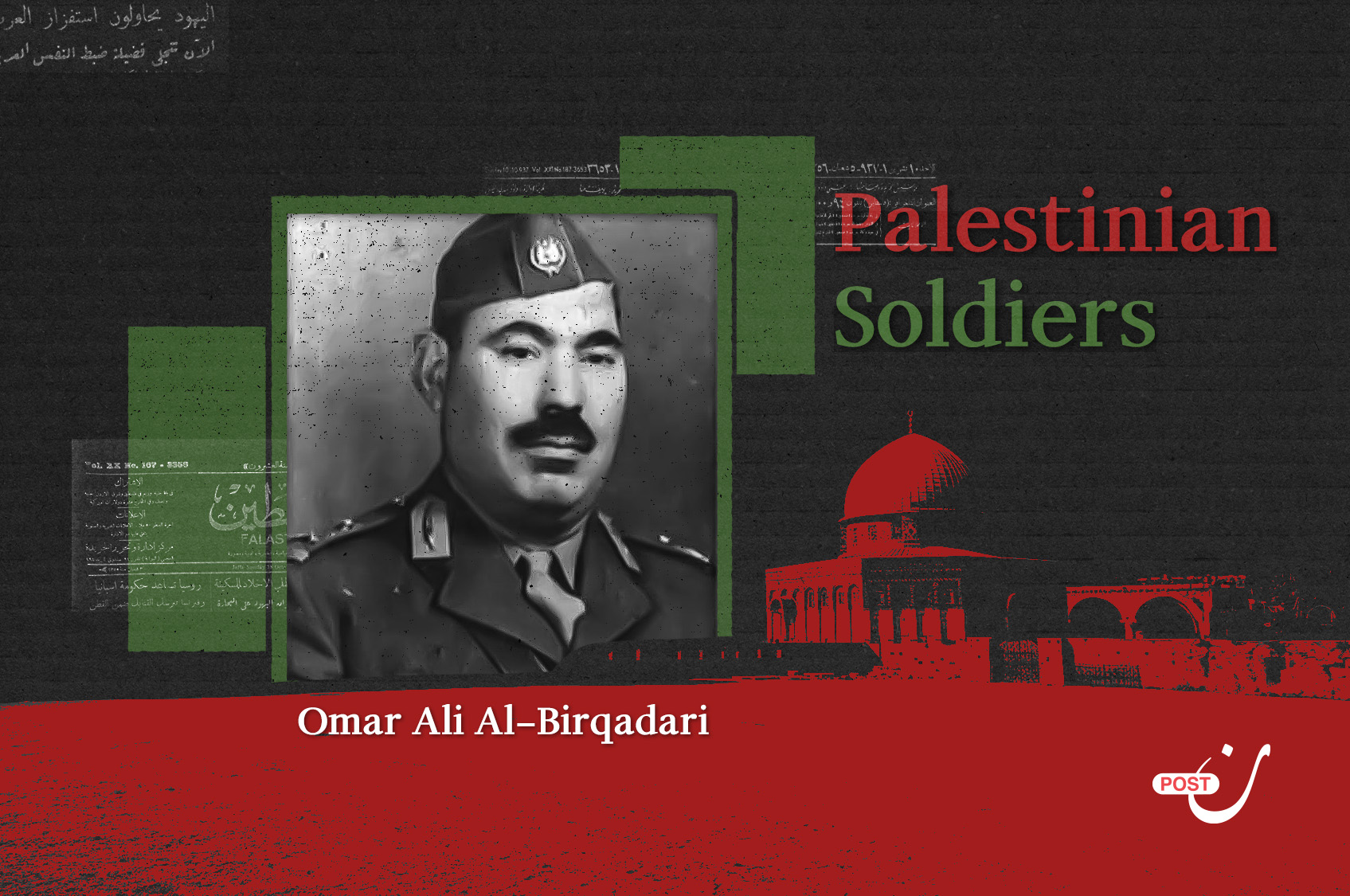
Brigadier General Omar Ali, commander of the 2nd Regiment of the 5th Brigade in the Iraqi Army during the Palestine War

Two years later, in 1943, Al-Birkdar led Iraqi military units to suppress Mustafa Barzani’s uprising in northern Iraq Barzani’s second rebellion demanding Kurdish autonomy. It was one of a series of Kurdish uprisings, including the earlier Barzan Revolt (1931–1932) and Sheikh Mahmoud Barzanji’s revolts in Sulaymaniyah (1919–1931).

Meanwhile, in Palestine, Zionist militias including the Haganah, Irgun, Betar, Stern Gang, and Palmach were terrorizing Palestinians, committing massacres that claimed the lives of thousands of unarmed civilians.

The Liberation of Jenin

Following the UN Partition Plan in 1947, mass demonstrations and student strikes erupted across Iraq, with protestors demanding that the government send troops to Palestine to resist the Zionist takeover.

The Iraqi army, just 27 years old at the time, consisted of about 35,000 soldiers in three divisions—primarily Arab Sunnis and some Kurds and was equipped with British-made conventional arms and 100 aircraft. Nevertheless, Iraq committed to the war in Palestine, deploying hundreds of soldiers and officers, accompanied by Arab volunteers.
نون بوست
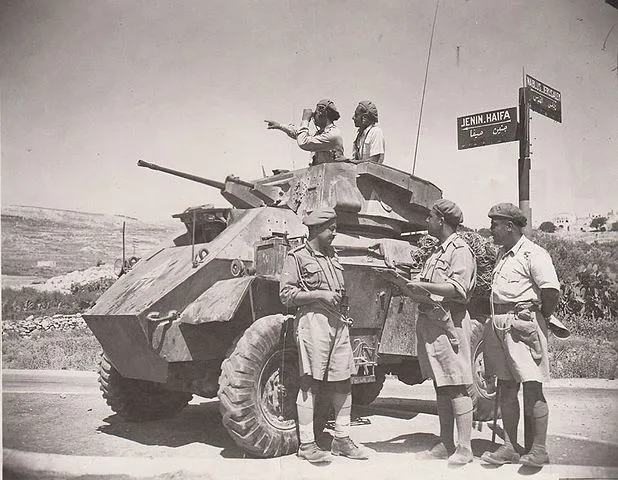
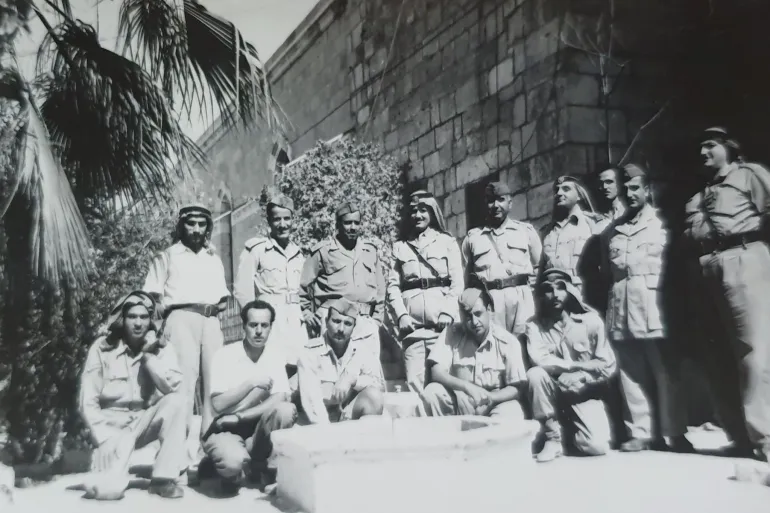
Members of the Iraqi volunteers in the Arab Liberation Army in 1948.

Under the command of General Noor al-Din Mahmoud, the Iraqi army fought fierce battles to defend Palestinian towns and prevent the displacement of its people. Among its ranks, Colonel Omar Ali Al-Birkdar stood out. He led the Second Battalion of the Fifth Brigade.

When Zionist forces attacked Jenin and surrounding villages, Al-Birkdar was initially preparing to head west toward Tulkarm. But upon hearing of the situation in Jenin one of Palestine’s most strategic cities he swiftly altered course and moved north to liberate it.

Al-Birkdar’s force, numbering fewer than 800 men (a mix of Iraqi soldiers and Arab volunteers), pushed into Jenin and established a base in the Qabatiya plain near Bir Janzur. From there, the effort to recapture the city began.

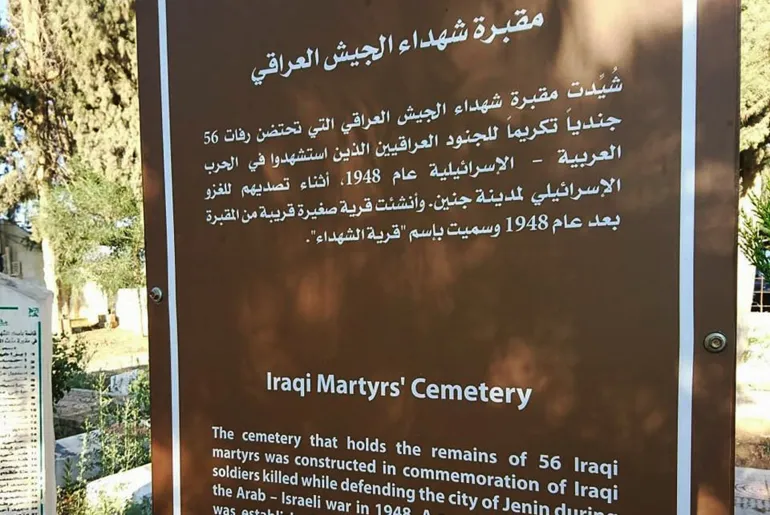
Employing tactical maneuvers, Al-Birkdar approached Jenin from the surrounding hills. On June 3, 1948, he launched a surprise attack on Zionist militias, striking from behind before they had time to regroup. He succeeded in liberating Jenin and driving out Zionist forces including the Haganah from the city’s southern hills, killing and wounding hundreds.
نون بوست

Reports indicate that Al-Birkdar’s forces seized 10 mortars, 20 machine guns, four radio sets, and 300 rifles of various models from retreating Zionist militias. This captured weaponry was later used in subsequent Iraqi army battles.

Not content with reclaiming Jenin, Al-Birkdar continued to fight alongside Iraqi soldiers and Arab volunteers in other areas, achieving notable victories in Tulkarm, Umm al-Fahm, and the Triangle region. The forces were close to liberating Haifa before being ordered back to Iraq in May 1949 as part of an agreement with Jordan, which assumed control of the area.

Thanks to Al-Birkdar’s leadership and the bravery of the regular army and volunteers, tens of thousands of Palestinians were spared displacement. Jenin and its surrounding villages remained intact, and residents were able to stay on their land, unlike many others who were forced to flee.

Al-Birkdar’s Fate in the New Republic

Omar Ali Al-Birkdar’s name became widely known among Iraqis and Palestinians alike for his heroism in defending Palestinian land. Upon his return to Iraq, he was appointed commander of the Fifth Brigade and commander of Mosul, later promoted to head of the Military College and elevated to the rank of Brigadier one of the highest military titles at the time.

He also served as acting governor of Sulaymaniyah until 1954 and was eventually promoted to Major General, commanding the First Division based in Diwaniyah (Qadisiyah), established in 1942.

On July 14, 1958, the Free Officers Movement, led by Abd al-Karim Qasim, overthrew the Hashemite monarchy and declared the Republic of Iraq. Al-Birkdar, unaware of the coup, first heard the news on Baghdad Radio. He immediately ordered units of the First Division stationed in Baghdad to intervene and protect the monarchy.

Qasim offered to meet with Al-Birkdar at the Ministry of Defense to explain the revolution. But as soon as he arrived, he was arrested on direct orders from Colonel Abdel Salam Mohamed Arif, charged with “conspiring against the revolution,” sentenced to death, and stripped of his rank.

However, in March 1960, Qasim commuted his sentence to seven years in prison, later reduced to five. Al-Birkdar was released in 1964 and returned to his hometown of Kirkuk, away from military life. A decade later, he died in a car accident near Rutba in Anbar Province.

Omar Ali Al-Birkdar’s name remains etched in the collective memory of every Arab who believes in the justice of the Palestinian cause. In 2019, the Palestinian Authority posthumously honored his family with the “Palestine Military Medal” in recognition of his bravery.

Download this article as PDF
Share this Article
Facebook Twitter Whatsapp Whatsapp Telegram Email Copy Link
فريق التحرير
By فريق التحرير تقارير يعدها فريق تحرير نون بوست.
Follow:
Previous Article نون بوست The Yellow Line in Gaza: A De Facto Division of the Strip?
Next Article نون بوست Laayoune: Where Abu Dhabi’s Ambitions Cast Shadows Over Western Sahara’s Sands

Read More

  • U.S. Regime‑Change Policies: Why They Are Destined to Fail U.S. Regime‑Change Policies: Why They Are Destined to Fail
  • The Gulf’s Balancing Act: Iran, Israel, and Hidden Links
  • Iraq–Turkey Oil Export Treaty: Why Did Ankara Cancel It After 52 Years?
  • Syria’s Northeast on Edge: QSD Between Ankara and Damascus
  • Has Europe Changed Its Stance on Israel… or Just Its Language?
part of the design
NoonPost Weekly Newsletter

You May Also Like

U.S. Regime‑Change Policies: Why They Are Destined to Fail

U.S. Regime‑Change Policies: Why They Are Destined to Fail

إسراء سيد Esraa sayed 8 April ,2026
The Gulf’s Balancing Act: Iran, Israel, and Hidden Links

The Gulf’s Balancing Act: Iran, Israel, and Hidden Links

فريق التحرير Noon Post 8 April ,2026
Iraq–Turkey Oil Export Treaty: Why Did Ankara Cancel It After 52 Years?

Iraq–Turkey Oil Export Treaty: Why Did Ankara Cancel It After 52 Years?

فريق التحرير Noon Post 8 April ,2026

الجيشان المصري والسوري في أعلى سلم الفساد

فريق التحرير
Noon Post Published 29 October ,2015
Share
ap_Egypt_ac_130708_16x9_992

كشف مؤشر مكافحة الفساد في قطاع الدفاع في الشرق الأوسط وشمال أفريقيا، تصدر الجيش المصري والسوري سلم الفساد في المنطقة، وأوضح التقرير الصادر اليوم في تونس العاصمة عن منظمة الشفافية الدولية، حلول مصر وسوريا في الفئة(F) من ترتيب المؤشر الحكومي؛ مما يجعلها على رأس مجموعة بلدان منطقة الشرق الأوسط وشمال أفريقيا الأكثر فسادًا، إلى جانب الجيش الجزائري والقطري واليمني والعماني والليبي والعراقي والمغربي والكويتي والبحريني.

وبيّن التقرير أن إشراك مؤسسة الدفاع (موازنة الدفاع في مصر 4.4 مليار دولار أمريكي) في القطاع الخاص بمصر يشكل خطرًا كبيرًا، كما أكد أنه ورغم وجود نص قانوني لعملية الترقية في قطاع الدفاع في مصر فإن في كثير من الأحيان يتم التعيين والترقية على أساس الولاء والطاعة لمن هم في السلطة.

أما في سوريا فقد أفاد التقرير أن كبار الأفراد داخل مؤسسات الدفاع والاستخبارات ممن لهم علاقة وثيقة بالنخبة الحاكمة عادة ما يكون لهم مصالح مالية راسخة في الموارد الطبيعية للبلاد.

وأوضحت منظمة الشفافية الدولية في تقريرها الصادر اليوم أن أي محاولة أو نهج لمناقشة السياسة الدفاعية أو الأمنية يُعد بمثابة خرق للأمن الوطني من قِبل السلطات، وأكد التقرير إنفاق الدول التي شملتها الدراسة أكثر من 135 مليار دولار أمريكي على الإنفاق العسكري سنة 2014)  7.6% من إجمالي الإنفاق العسكري العالمي) كأعلى معدل في العالم.

وتشهد منطقة الشرق الأوسط وشمال أفريقيا حسب المؤشر الحكومي لمكافحة الفساد في قطاع الدفاع، عدد من أسرع ميزنيات الدفاع نموًا في العالم.

وأكدت منظمة الشفافية الدولية مساهمة الفساد في قطاع الدفاع في تآكل قدرة الدولة على الوفاء بالتزامها الأساسي المتمثل في حماية مواطنيها.

ورغم زيادة الإنفاق الدفاعي، مازال هناك نقص في التخطيط الواضح والشفاف والإستراتيجي لضمان أن الحكومات تستثمر بحكمة في أولويات الأمن القومي التي تخدم مصالح بلدانها حسب هذا التقرير.

وأوضح التقرير أن كبار المسؤولين في كثير من مؤسسات الدفاع في العالم العربي يتحكمون في عمليات الشراء ولا يخضعون لأي رقابة، ويشير تقرير مؤشر مكافحة الفساد في قطاع الدفاع إلى أن الحكومات في المنطقة، حتى تلك التي لها جيوش تبدو قوية وجيدة التمويل، تعاني من نقاط ضعف كبيرة تتعلق بالفساد تجعلها أكثر هشاشة.

وحلت تونس في الفئة (D) في سلم الترتيب كأقل الجيوش فسادًا في المنطقة، وأرجع التقرير ذلك إلى نشر تونس موازنتها المتعلقة بالدفاع وتخصيص أحكام رسمية ولجنتين معنيتين بجهاز الدفاع لضمان التدقيق القانوني في شؤون المؤسسة.

وأوضح أيضًا أن ارتفاع واردات الأسلحة وضعف الرقابة والضوابط على الإستراتيجيات والإتفاق وانخفاض مستوى إشراك الجمهور هي أمور خطيرة تؤدي إلى تفاقم مخاطر الصراعات في المستقبل.

وينشر هذا التقرير تصنيف مستوى المخاطر للبلدان المختلفة بناء على البيانات المتوفرة لدى منظمة الشفافية الدولية، ويدرس الاتجاهات عبر مختلف أنحاء منطقة الشرق الأوسط وشمال أفريقيا، ويتضمن التقرير 17 بلدًا.

يقيس التقرير المؤشر الحكومي لمكافحة الفساد في قطاع الدفاع، مستويات المخاطر في مؤسسات الدفاع الوطني، ويحسب لكل بلد مستوى يتراوح من الأفضل(A) إلى الأسوأ (F) ويتم تحديد هذه التصنيفات على أساس الدرجة التي سجلتها الحكومة في تقييم مكون من 77 سؤالاً، ويتم تقسيم البلدان وفق خمسة مجالات للمخاطر: مخاطر سياسية، مخاطر مالية، مخاطر تتعلق بالعاملين، وأخرى تتعلق بالعمليات وكذلك بالمشتريات.

TAGGED: الإنفاق العسكري ، الجيش السوري ، الجيش المصري ، الفساد في مؤسسات الدفاع ، منظمة الشفافية الدولية
Download this article as PDF
Share this Article
Facebook Twitter Whatsapp Whatsapp Telegram Email Copy Link
فريق التحرير
By فريق التحرير تقارير يعدها فريق تحرير نون بوست.
Follow:
Next Article نون بوست The Stigma of “ISIS”: A Heavy Legacy Haunting Women and Children of Former Members

Read More

  • U.S. Regime‑Change Policies: Why They Are Destined to Fail U.S. Regime‑Change Policies: Why They Are Destined to Fail
  • The Gulf’s Balancing Act: Iran, Israel, and Hidden Links
  • Iraq–Turkey Oil Export Treaty: Why Did Ankara Cancel It After 52 Years?
  • Syria’s Northeast on Edge: QSD Between Ankara and Damascus
  • Has Europe Changed Its Stance on Israel… or Just Its Language?
part of the design
NoonPost Weekly Newsletter

You May Also Like

U.S. Regime‑Change Policies: Why They Are Destined to Fail

U.S. Regime‑Change Policies: Why They Are Destined to Fail

إسراء سيد Esraa sayed 8 April ,2026
The Gulf’s Balancing Act: Iran, Israel, and Hidden Links

The Gulf’s Balancing Act: Iran, Israel, and Hidden Links

فريق التحرير Noon Post 8 April ,2026
Iraq–Turkey Oil Export Treaty: Why Did Ankara Cancel It After 52 Years?

Iraq–Turkey Oil Export Treaty: Why Did Ankara Cancel It After 52 Years?

فريق التحرير Noon Post 8 April ,2026
dark

An independent media platform founded in 2013, rooted in slow journalism, producing in-depth reports, analysis, and multimedia content to offer deeper perspectives on the news, led by a diverse young team from several Arab countries.

  • Politics
  • Society
  • Rights & Liberties
  • Opinions
  • History
  • Sports
  • Education
  • Technology
  • Economy
  • Media
  • Arts & Literature
  • Entrepreneurship
  • Travel
  • Cinema & Drama
  • Food
  • Health
  • Culture
  • Latest Reports
  • Files
  • Long Reads
  • Interviews
  • Podcast
  • Interactive
  • Encyclopedia
  • In Pictures
  • About Us
  • Our Writers
  • Write for Us
  • Editorial Policy
  • Advanced Search
Some rights reserved under a Creative Commons license

Removed from favorites

Undo
Go to mobile version