NoonPost NoonPost

NoonPost

  • Home
  • Politics
  • Economy
  • Society
  • Culture
  • Files
  • Long Reads
  • Podcast
AR
Notification Show More
نون بوست
“There Are Nights I Can’t Close My Eyes”: How Gazans Are Living in Homes on the Brink of Collapse
نون بوست
From al-Jolani to Ahmad al-Shara: The Evolution of Syria’s New Leader
نون بوست
When Political Islam Receded in Egypt: Who Filled the Void?
نون بوست
An Extension of Genocide: Gaza’s Detainees Speak Out
نون بوست
A Tightrope Between Survival and Sovereignty: The Syrian Government Faces Normalization Pressures
نون بوست
American Aircraft Carriers: Has the Era of “100,000 Tons of Diplomacy” Ended?
نون بوست
U.S. Regime‑Change Policies: Why They Are Destined to Fail
نون بوست
Transformations of Israeli Judaism: Between the Victim Complex and the Colonizer’s Doctrine
نون بوست
The Gulf’s Balancing Act: Iran, Israel, and Hidden Links
نون بوست
Iraq–Turkey Oil Export Treaty: Why Did Ankara Cancel It After 52 Years?
نون بوست
Syria’s Northeast on Edge: QSD Between Ankara and Damascus
نون بوست
Has Europe Changed Its Stance on Israel… or Just Its Language?
NoonPost NoonPost
AR
Notification Show More
نون بوست
“There Are Nights I Can’t Close My Eyes”: How Gazans Are Living in Homes on the Brink of Collapse
نون بوست
From al-Jolani to Ahmad al-Shara: The Evolution of Syria’s New Leader
نون بوست
When Political Islam Receded in Egypt: Who Filled the Void?
نون بوست
An Extension of Genocide: Gaza’s Detainees Speak Out
نون بوست
A Tightrope Between Survival and Sovereignty: The Syrian Government Faces Normalization Pressures
نون بوست
American Aircraft Carriers: Has the Era of “100,000 Tons of Diplomacy” Ended?
نون بوست
U.S. Regime‑Change Policies: Why They Are Destined to Fail
نون بوست
Transformations of Israeli Judaism: Between the Victim Complex and the Colonizer’s Doctrine
نون بوست
The Gulf’s Balancing Act: Iran, Israel, and Hidden Links
نون بوست
Iraq–Turkey Oil Export Treaty: Why Did Ankara Cancel It After 52 Years?
نون بوست
Syria’s Northeast on Edge: QSD Between Ankara and Damascus
نون بوست
Has Europe Changed Its Stance on Israel… or Just Its Language?
Follow US

Kazakhstan Joins the Abraham Accords: Affirming Existing Ties – But Why Now?

عماد عنان
Emad Anan Published 26 March ,2026
Share
نون بوست
نون بوست
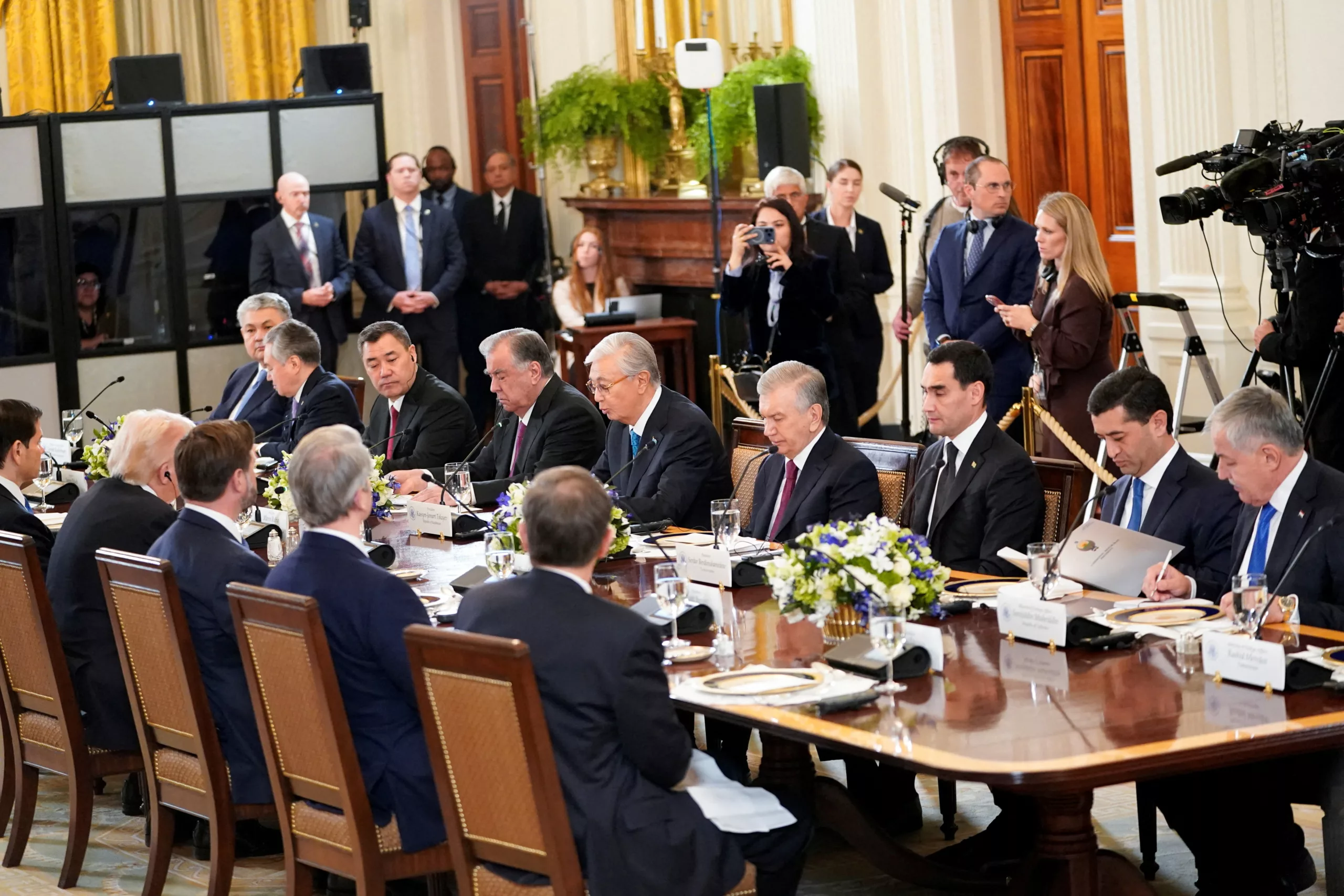
President Tokayev at 5+1 leaders’ dinner hosted by Trump – Nov 6, 2025. (Reuters)

As Israel faces one of its deepest ethical, political, and humanitarian crises due to its ongoing war on Gaza marked by mounting global outrage, unprecedented public pressure, and intensifying international isolation another development has raised eyebrows.

Just hours after a domestic political shock in the United States, with progressive Muslim Democrat Zohran Mamdani winning the New York mayoral race, former President Donald Trump announced that Kazakhstan has officially joined the Abraham Accords with Israel.

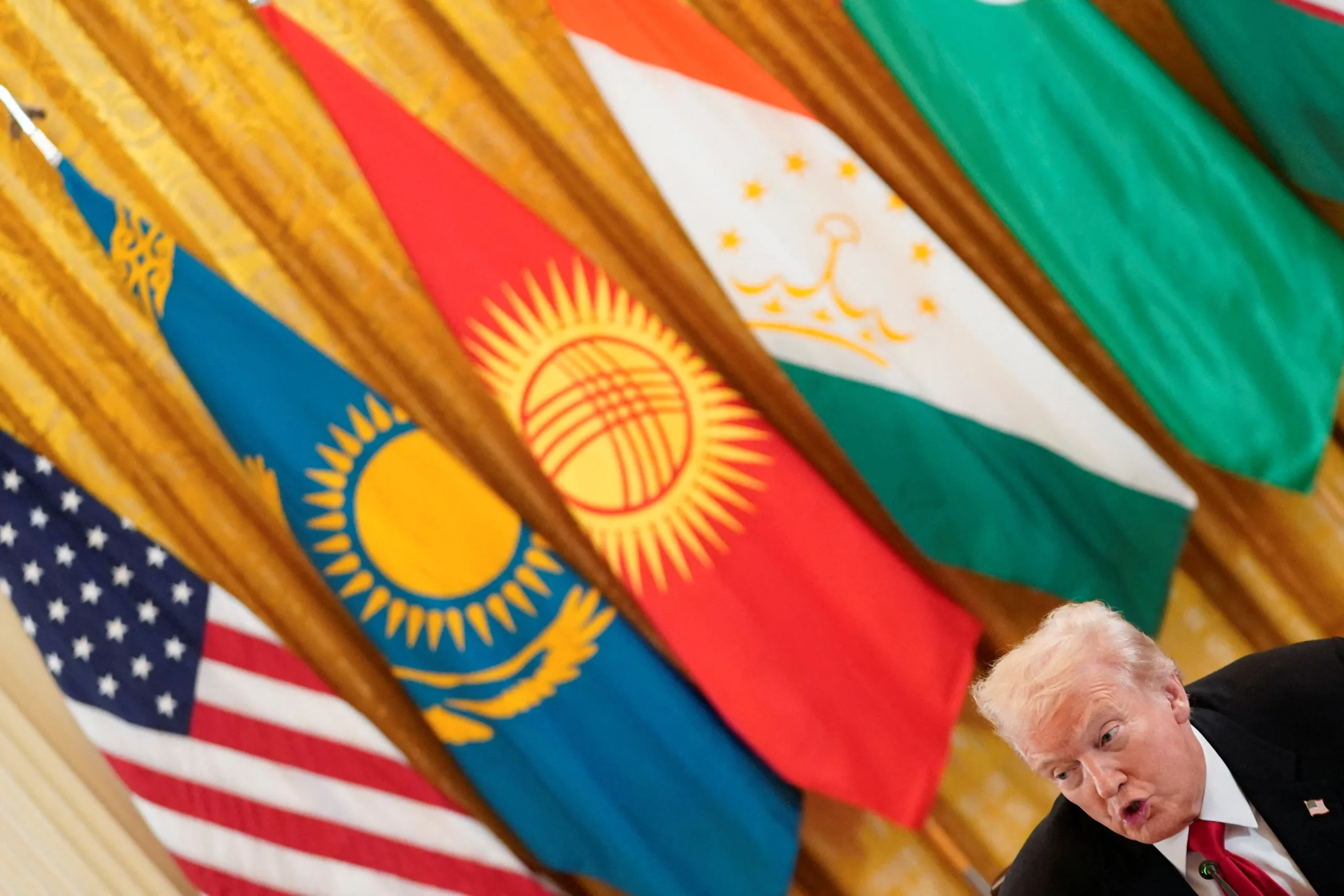
The announcement came during a formal White House dinner hosting the five Central Asian nations under the “C5+1” framework. Trump revealed he had held trilateral talks with Israeli Prime Minister Benjamin Netanyahu and Kazakh President Kassym-Jomart Tokayev, presenting Kazakhstan’s move as a diplomatic victory for his second term.

While U.S. officials had hinted at the imminent inclusion of a new country, Kazakhstan framed the decision as a natural extension of its balanced foreign policy, focused on dialogue and avoiding conflict.

Indeed, Kazakh-Israeli relations are not new. Since 1992, the two nations have cooperated across various sectors. This move is not a fresh normalization but a formal elevation of longstanding ties. Yet, the timing and symbolism suggest deeper political intent: the real question isn’t what will change but why now, and to whose benefit?

This development transcends bilateral interests and enters a global narrative struggle over the legitimacy of normalization amidst a genocidal war. It reflects a joint U.S.-Israeli attempt to reengineer international alignments in a moment where traditional power dynamics are unraveling, and their ability to impose dominant narratives is rapidly weakening.

A Formal Acknowledgment of a Longstanding Relationship

Kazakhstan’s step cannot be seen as a radical pivot from hostility. Its ties with Israel date back to its 1992 independence from the Soviet Union. The two countries have maintained steady political, economic, and diplomatic relations, with several joint institutions reflecting decades of cooperation.

This formal alignment merely shifts the relationship from quiet diplomacy to open political display.

The economic dimension plays a significant role especially energy. Kazakhstan is a key supplier of Israeli oil, with research estimates showing 10–25% of Israel’s oil imports coming from Kazakhstan. Defense is another facet: a 2014 agreement laid the groundwork for arms deals involving drones, guided missiles, radar systems, and even local production in Kazakh territory.

Cybersecurity has also grown, with Kazakhstan emerging as a key market for Israeli surveillance firms like NSO. Rights groups have documented spyware attacks on Kazakh activists’ phones.

In 2024, trade volume between the two nations reached $236 million, with around 140 Israeli-affiliated companies operating in Kazakhstan. A joint chamber of commerce, established in 2004, has long supported this cooperation.

Thus, Kazakhstan’s move appears more about optics than transformation, but carries symbolic weight in a sensitive geopolitical moment. It feeds into broader regional realignments rather than launching a new bilateral era.

What Do the US and Israel Want From This Move?

Though this step doesn’t create a new reality, its political symbolism opens the door to deeper questions about the motivations behind it especially from Washington and Tel Aviv. Their goals appear to unfold across five primary fronts:

1. Reviving the Abraham Accord Momentum

Four years after their 2020 launch, the Abraham Accords have stalled, especially amid Israel’s Gaza offensive. The inclusion of Kazakhstan injects new life into the agreements, suggesting normalization is still alive even among Muslim-majority states.

Analysts Gershom Sachs and Emily Miliken described this development in The National Interest as “unprecedented,” expanding the accords from the Middle East into Central Asia. Trump’s administration had previously courted Central Asian capitals, seeking to extend U.S.-Israeli influence.

2. Central Asia’s Mineral and Energy Race

The U.S. is locked in a geopolitical-economic rivalry with China and Russia over Central Asia’s critical minerals and strategic trade routes. The Abraham Accords become a vehicle to present Washington as a viable alternative partner.

Coinciding with the announcement were new U.S.-Kazakhstan economic deals on critical minerals and infrastructure investment. Trump also emphasized mineral supply chains, with projects like the “Middle Corridor” granting Israel and the U.S. potential access to the region’s resources.

3. Escaping the Gaza Quagmire

With Netanyahu’s government under fire for war crimes and civilian casualties in Gaza, external “wins” become politically vital. Kazakhstan’s move is cast as a symbolic success, painting Israel as globally accepted even amid widespread condemnation.

4. Trump’s Legacy and Personal Ambitions

Trump’s fixation on branding himself as a global peacemaker looms large. Failing to bring Saudi Arabia into the accords, Kazakhstan becomes his consolation prize—another feather in his diplomatic cap, potentially boosting his Nobel ambitions.

5. Undermining Russian-Chinese Influence

Kazakhstan’s pivot disrupts Moscow and Beijing’s dominance in Central Asia long seen as their strategic backyard. A U.S.-Israeli foothold signals a geopolitical realignment and challenges longstanding power balances.

Moreover, Kazakhstan’s Muslim-majority status adds symbolic heft, hinting that normalization isn’t exclusive to Arab states. This could open the door for broader Muslim-world participation, potentially chipping away at Russian and Chinese influence.

What’s in It for Kazakhstan?

Kazakhstan stands to gain economically and diplomatically. The move deepens its ties with Washington and Tel Aviv and positions it as a regional partner of choice.

By joining the Abraham Accords, Kazakhstan expands its geopolitical options amid the tight squeeze between Russia and China. It now holds a potential leverage card in balancing these powers, while also gaining access to investment, security cooperation, and tech partnerships.

Moreover, embedding cooperation with Israel under the U.S.-backed Abraham framework allows Kazakhstan to present this alliance as development-driven, not ideological a low-risk move given the relative absence of public pressure on the Palestinian cause.

A Quiet Message to Iran

Though not overtly stated, Tehran is clearly in the background. Making Israeli ties public sends a subtle but pointed message to Iran especially given Kazakhstan’s role as the world’s top uranium producer.
نون بوست

A 2009 leak exposed a failed attempt to send uranium to Iran, prompting international concern. Joining the Abraham Accords now seems to decisively shut that door. Trump alluded to this indirectly, noting that regional tensions had prompted Kazakhstan to secure its place among “stability-supporting nations.”

Kazakhstan’s entry into the Abraham Accords does not mark a dramatic policy shift. Its ties with Israel were already entrenched. Yet, the symbolism timed amid the Gaza crisis, regional power rebalancing, and an American presidential campaign carries significant geopolitical weight.

This is less about diplomacy and more about redrawing the strategic map. Normalization now becomes a cross-regional platform, intersecting with global mineral supply chains, power competition, and the recalibration of alliances in a post-Gaza world.

The Abraham Accords have evolved. What started as a Middle East project is now a Central Asian chessboard move with high stakes, deep meaning, and no guarantee of stability.

Download this article as PDF
Share this Article
Facebook Twitter Whatsapp Whatsapp Telegram Email Copy Link
عماد عنان
By عماد عنان كاتب صحفي وباحث في الإعلام الدولي
Follow:
Previous Article نون بوست A Deadly Legacy: How War Remnants Are Hindering Syria’s Recovery
Next Article نون بوست Iraq’s 2025 Election: Another Round in the U.S.–Iran Influence War

Read More

  • U.S. Regime‑Change Policies: Why They Are Destined to Fail U.S. Regime‑Change Policies: Why They Are Destined to Fail
  • The Gulf’s Balancing Act: Iran, Israel, and Hidden Links
  • Iraq–Turkey Oil Export Treaty: Why Did Ankara Cancel It After 52 Years?
  • Syria’s Northeast on Edge: QSD Between Ankara and Damascus
  • Has Europe Changed Its Stance on Israel… or Just Its Language?
part of the design
NoonPost Weekly Newsletter

You May Also Like

U.S. Regime‑Change Policies: Why They Are Destined to Fail

U.S. Regime‑Change Policies: Why They Are Destined to Fail

إسراء سيد Esraa sayed 8 April ,2026
The Gulf’s Balancing Act: Iran, Israel, and Hidden Links

The Gulf’s Balancing Act: Iran, Israel, and Hidden Links

فريق التحرير Noon Post 8 April ,2026
Iraq–Turkey Oil Export Treaty: Why Did Ankara Cancel It After 52 Years?

Iraq–Turkey Oil Export Treaty: Why Did Ankara Cancel It After 52 Years?

فريق التحرير Noon Post 8 April ,2026

داوود أوغلو في خطاب النصر: هذه انتخابات بلا خاسر

فريق التحرير
Noon Post Published 2 November ,2015
Share
112015211519959

أكد رئيس الوزراء التركي “أحمد داود أوغلو”، أنهم عازمون على العمل خلال الفترة المقبلة من أجل “تأسيس دولة تركيا جديدة تتمتع بالقوة والتقدم، وخالية من كافة أشكال الإقصاء، الاستقطاب، العنف، الفوضى، والإرهاب”.

جاء ذلك في كلمة ألقاها رئيس الحكومة التركية، بعد منتصف ليلة أمس الأحد، من شرفة مقر حزب العدالة والتنمية الذي يترأسه، بالعاصمة التركية أنقرة، بمناسبة فوز حزبه بالانتخابات النيابية المبكرة التي جرت أمس الأحد، بنسبة كبيرة تمكنه من تشكيل الحكومة منفردًا، وفق نتائج أولية غير رسمية.

واستهل رئيس الوزراء التركي، خطابه بإرسال التحية والسلام إلى المسلمين في كافة أنحاء العالم، ولا سيما المظلومين منهم، مؤكدًا لهم أن “بلاده ستواصل العمل من أجل رفع صوت الحق، والوقوف بجانب المظلومين في كل مكان”.

وتعهد أوغلو في خطابه “بمواصلة التقدم بشكل يتناسب مع الآمال والتطلعات التي علقها علينا من انتخبوا حزبنا، وغيرهم ممن لم ينتخبونا، وسنواصل الرقي والاستقرار من أجل رفعة البلاد”، مضيفًا “ولا يسعني في هذا المقام إلا أن أتقدم بالشكر لجميع أبناء الشعب التركي”.

وتابع قائلًا “سننأى بتركيا بعيدًا عن كافة أشكال الصراعات والمصادمات”، موضحًا أن “هذا الانتصار لكافة أبناء الشعب التركي، بموظفيهم، معلميهم، نسائهم، رجالهم، شيوخهم، وأطفالهم، انتصار لـ78 مليون تركي، وليس لأنصار حزب واحد فقط”.

وقال رئيس الوزراء التركي مخاطبًا جماهير الحزب، إن الكثيرين حاولوا التآمر على بلاده، “ولكن الأتراك أفشلوا ذلك”، مؤكدًا “نحن سنستمر بخدمة تركيا وخدمتكم إلى يوم القيامة”، وأضاف أن تركيا تخلصت من المشكلات والعوائق التي عرقلت مسيرتها، بعد أن أدت مشاركة الأتراك الواسعة بالانتخابات إلى إسقاط المؤامرات، على حد قوله.

وأضاف أن “الشعب التركي أوضح من خلال الانتخابات أنه يرغب في حل قضايا الأمن والاستقرار، تحدثت تركيا وتحدث شعبنا في هذا العرس الديمقراطي، وسمع العالم أجمع كلمتهم، لن نتراجع قيد أنملة عن القانون والعدالة والحب والرحمة فيما بيننا، فحقوق الجميع في أيد أمينة، بكل تأكيد سنحافظ على حقوق 78 مليون تركي”.

وشدد رئيس الحكومة على أن “تركيا ستكون أكثر قوة وأكثر رحمة، ستتخلص بكل تأكيد من لغة العنف والكراهية، نحن في طريقنا للحرية بما تملكه بلادنا من ديمقراطية، سنواصل طريق التقدم والتطور”، وذكر أن “هذه الانتخابات ليس فيها خاسر، والفائز هو تركيا وشعبنا وديمقراطيتنا، الفائز هم الفقراء والمظلومون، ومن لا مأوى لهم، النتيجة التي أسفرت عنها الانتخابات، انتصار للسلام والاستقرار والعدالة، وليكن الشعب مطمئنًا، فالرسالة التي تلقيناها منه، سيجد أثرها خلال السنوات الأربع القادمة”.

ولم ينس زعيم “العدالة والتنمية” الإشارة إلى أن “تركيا بهذه النتيجة تحررت من كافة أشكال القيود التي أراد البعض تقييدها بها، وتخطت كافة العقبات التي وُضعت في طريقها، وتلقى من أراد أن يحتكر إرادة الشعب الرد والجواب اللائق به، من الشعب نفسه”، واستطرد قائلًا، “ليعلم الجميع من أبناء الشعب التركي، أيًا كانت مذاهبهم أو أعراقهم، أننا سنواصل خلال السنوات الأربع القادمة، تحمّل مسؤوليتنا تجاه الجميع بشكل متساوٍ دون تمييز أو إقصاء”.

وسلط “داود أوغلو” في خطابه الضوء على التنوع الذي تعيشه تركيا قائلًا، “سنواصل النظر إلى التنوع الذي تحظى به البلاد على أنه مصدر ثراء لنا، نحن عازمون على حماية الحقوق، ولا يعتقد أحد أننا سنتنازل عن القيم الديمقراطية والمكتسبات التي حققناها على مدار الـ13 عامًا الفائتة”، وتابع قائلًا “وأقولها بكل صراحة نحن نضمن حرية الرأي والعقيدة لجميع المواطنين، ونضمن لكم أمن حياتكم وممتلكاتكم، بعد هذه النتيجة نحن عازمون على مواجهة الإرهاب بما لدينا من إرادة ورغبة في تعزيز أخوّتنا”.

وفي نهاية خطاب الفوز، ناشد أوغلو الأحزاب السياسية الأخرى قائلًا: “من هنا أناشد كافة الأحزاب السياسية، أن تكون جهودنا وطاقتنا من أجل مصالح تركيا ومستقبل هذا الشعب، النظام الحالي المعمول به في تركيا بات لا يلبي احتياجات البلاد، فلنشمر عن سواعدنا من أجل تركيا جديدة خالية من العنف والفوضى والاستقطاب، تركيا جديدة يلقي كل فرد فيها التحية على الآخر بحب وسلام”، هذا وتابع، “كما أناشد كافة الأحزاب السياسية الممثلة في البرلمان، التكاتف من أجل كتابة دستورًا قوميًا جديدًا، وذلك من أجل نظام انتخابي صحي وسليم، ومن أجل تشكيل حكومة شفافة ونزيهة، أتمنى أن نتعاون معًا لنترك الدساتير الانقلابية، ونكتب معًا دستورًا مدنيًا ليبراليًا”.

وأمس الأحد، شهدت تركيا إجراء انتخابات نيابية مبكرة، لجأت إليها الدولة، بعد فشل الأحزاب السياسية في تشكيل حكومة ائتلافية بعد الانتخابات النيابية التي جرت في يونيو الماضي، التي لم يفز فيها أي حزب بأغلبية تمكنه من تشكيل الحكومة منفردًا.

وأظهرت نتائج أولية غير رسمية للانتخابات البرلمانية المبكرة التي جرت في تركيا أمس الأحد، تحقيق حزب “العدالة والتنمية” فوزًا كبيرًا.

وبعد فرز 99.58% من الصناديق، وصلت نسبة الأصوات التي حصل عليها حزب “العدالة والتنمية” الذي يترأسه، أحمد داود أوغلو، إلى 49.41%، حاصلًا على 316 مقعدًا في البرلمان، مما يتيح له تشكيل حكومة بمفرده، وهو ما لم يتحقق في انتخابات 7 يونيو الماضي.

وحصل حزب الشعب الجمهوري، برئاسة كمال قليجدار أوغلو، على نسبة 25.38% من الأصوات (134 مقعدًا)، وحصل حزب الحركة القومية، برئاسة دولت بهتشلي، على نسبة 11.93% من الأصوات (41 مقعدًا)، بينما حصل حزب الشعوب الديمقراطي، بزعامة صلاح الدين دميرطاش على 10.70% من الأصوات (59 مقعدًا)، في حين حصلت الأحزاب الأخرى والمستقلون على 2.58% من الأصوات، وبلغت نسبة المشاركة في الانتخابات 85.46% من إجمالي من يحق لهم التصويت من الناخبين الأتراك.

TAGGED: الانتخابات البرلمانية التركية ، تشكيل الحكومة التركية ، حزب الحركة القومية ، حزب الشعب الجمهوري ، حزب الشعوب الديموقراطية
TAGGED: الانتخابات التركية
Download this article as PDF
Share this Article
Facebook Twitter Whatsapp Whatsapp Telegram Email Copy Link
فريق التحرير
By فريق التحرير تقارير يعدها فريق تحرير نون بوست.
Follow:
Next Article نون بوست The Stigma of “ISIS”: A Heavy Legacy Haunting Women and Children of Former Members

Read More

  • U.S. Regime‑Change Policies: Why They Are Destined to Fail U.S. Regime‑Change Policies: Why They Are Destined to Fail
  • The Gulf’s Balancing Act: Iran, Israel, and Hidden Links
  • Iraq–Turkey Oil Export Treaty: Why Did Ankara Cancel It After 52 Years?
  • Syria’s Northeast on Edge: QSD Between Ankara and Damascus
  • Has Europe Changed Its Stance on Israel… or Just Its Language?
part of the design
NoonPost Weekly Newsletter
dark

An independent media platform founded in 2013, rooted in slow journalism, producing in-depth reports, analysis, and multimedia content to offer deeper perspectives on the news, led by a diverse young team from several Arab countries.

  • Politics
  • Society
  • Rights & Liberties
  • Opinions
  • History
  • Sports
  • Education
  • Technology
  • Economy
  • Media
  • Arts & Literature
  • Entrepreneurship
  • Travel
  • Cinema & Drama
  • Food
  • Health
  • Culture
  • Latest Reports
  • Files
  • Long Reads
  • Interviews
  • Podcast
  • Interactive
  • Encyclopedia
  • In Pictures
  • About Us
  • Our Writers
  • Write for Us
  • Editorial Policy
  • Advanced Search
Some rights reserved under a Creative Commons license

Removed from favorites

Undo
Go to mobile version