NoonPost NoonPost

NoonPost

  • Home
  • Politics
  • Economy
  • Society
  • Culture
  • Files
  • Long Reads
  • Podcast
AR
Notification Show More
نون بوست
“There Are Nights I Can’t Close My Eyes”: How Gazans Are Living in Homes on the Brink of Collapse
نون بوست
From al-Jolani to Ahmad al-Shara: The Evolution of Syria’s New Leader
نون بوست
When Political Islam Receded in Egypt: Who Filled the Void?
نون بوست
An Extension of Genocide: Gaza’s Detainees Speak Out
نون بوست
A Tightrope Between Survival and Sovereignty: The Syrian Government Faces Normalization Pressures
نون بوست
American Aircraft Carriers: Has the Era of “100,000 Tons of Diplomacy” Ended?
نون بوست
U.S. Regime‑Change Policies: Why They Are Destined to Fail
نون بوست
Transformations of Israeli Judaism: Between the Victim Complex and the Colonizer’s Doctrine
نون بوست
The Gulf’s Balancing Act: Iran, Israel, and Hidden Links
نون بوست
Iraq–Turkey Oil Export Treaty: Why Did Ankara Cancel It After 52 Years?
نون بوست
Syria’s Northeast on Edge: QSD Between Ankara and Damascus
نون بوست
Has Europe Changed Its Stance on Israel… or Just Its Language?
NoonPost NoonPost
AR
Notification Show More
نون بوست
“There Are Nights I Can’t Close My Eyes”: How Gazans Are Living in Homes on the Brink of Collapse
نون بوست
From al-Jolani to Ahmad al-Shara: The Evolution of Syria’s New Leader
نون بوست
When Political Islam Receded in Egypt: Who Filled the Void?
نون بوست
An Extension of Genocide: Gaza’s Detainees Speak Out
نون بوست
A Tightrope Between Survival and Sovereignty: The Syrian Government Faces Normalization Pressures
نون بوست
American Aircraft Carriers: Has the Era of “100,000 Tons of Diplomacy” Ended?
نون بوست
U.S. Regime‑Change Policies: Why They Are Destined to Fail
نون بوست
Transformations of Israeli Judaism: Between the Victim Complex and the Colonizer’s Doctrine
نون بوست
The Gulf’s Balancing Act: Iran, Israel, and Hidden Links
نون بوست
Iraq–Turkey Oil Export Treaty: Why Did Ankara Cancel It After 52 Years?
نون بوست
Syria’s Northeast on Edge: QSD Between Ankara and Damascus
نون بوست
Has Europe Changed Its Stance on Israel… or Just Its Language?
Follow US

Rare Earths: China’s Strategic Cards Against the West

عبد الحكيم الرويضي
Abdelhakim ROUIDI Published 26 March ,2026
Share
نون بوست
نون بوست

Amid the global race for tomorrow’s technologies, rare earth elements those 17 “magical” minerals have emerged as one of the hidden axes of geopolitical competition in the 21st century. With China controlling the lion’s share of their supply chain, it has become the near-exclusive provider connecting electric vehicles, fighter jets, wind turbines, and even satellites to the world of critical minerals.

On October 9, China’s Ministry of Commerce announced new export restrictions on rare earths and related products, including technologies and equipment used in mining and refining. These restrictions were far from arbitrary they came in response to renewed trade tensions with the United States under Donald Trump’s second administration, which had imposed new tariffs on Chinese imports.

Chinese Sanctions Shake the West

The announcement sent shockwaves through European capitals, where industries such as automotive and defense depend on China for up to 90% of their rare earth supply. In Brussels, the European Commission warned that the move could paralyze vital supply chains, jeopardizing the EU’s green transition goals for 2030.

Washington responded with swift negotiations, culminating in a deal to maintain the flow of critical minerals to Boeing and Tesla factories. In return, China committed to purchasing 12 million metric tons of American soybeans before the end of 2025, and 25 million tons annually over the next three years, alongside the resumption of sorghum and timber imports.

For its part, the U.S. reduced tariffs on certain Chinese imports and extended a moratorium on retaliatory duties for one year, postponing the implementation of a planned 100% tariff on Chinese exports originally slated for next month.
نون بوست

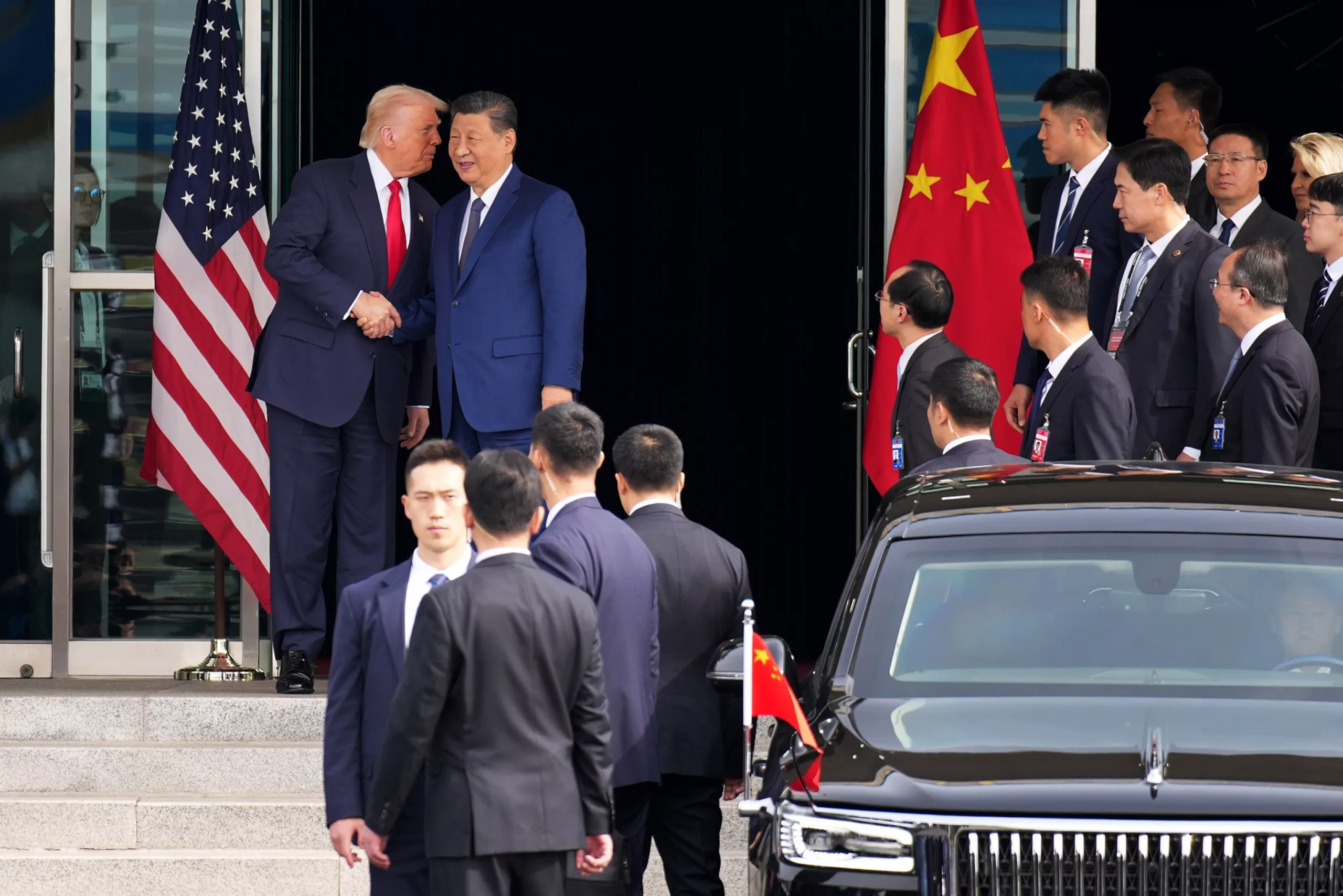
The deal was struck during the October 30 meeting between President Donald Trump and Chinese leader Xi Jinping in Busan, South Korea their first talks since 2019. But while Trump hailed the agreement as a “huge win,” it exposed stark divergences in Western strategies. Washington opted for a quick bilateral fix, while Brussels rejected unilateral negotiations.

A day after the Busan summit, the G7 met in Toronto and announced the creation of the “Western Wall” a rare earth alliance led by Canada and joined by nine other countries: France, Germany, Italy, Japan, Luxembourg, Norway, the United States, Australia, and Ukraine as a strategic partner. Together, they pledged $4.55 billion in investments for 26 projects in graphite, rare earth elements, and scandium processing.

Earlier, on October 20 in Washington, Trump and Australian Prime Minister Anthony Albanese signed an $8.5 billion critical minerals agreement aimed at breaking China’s monopoly over gallium (100% Chinese) and rare earth magnets (90% Chinese). Each country committed to investing at least $1 billion within six months in 12 priority joint ventures supporting defense and clean energy industries.
نون بوست
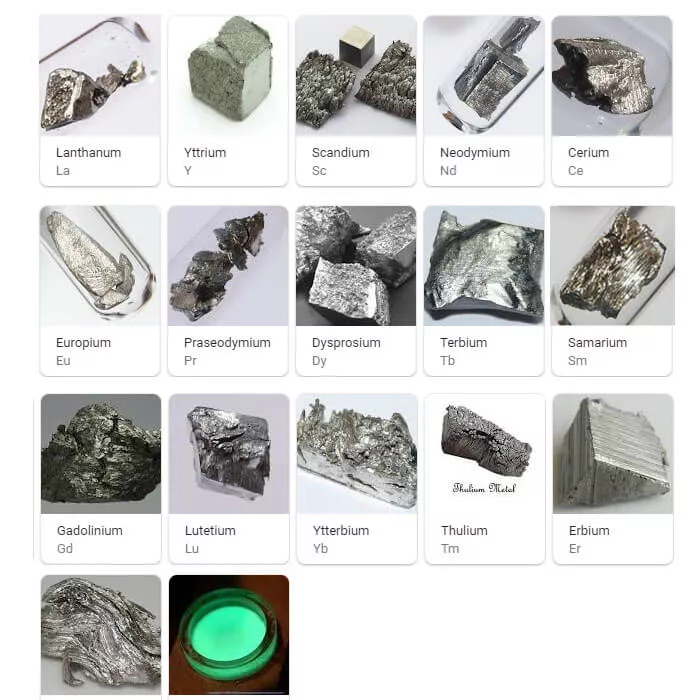
Critical minerals are a group of 17 elements in the chemical table, including scandium (Sc), yttrium (Y), and the lanthanides (from La to Lu).

Unlike its European allies, the U.S. has pursued a trade diplomacy strategy that buys time mindful that Beijing still holds critical minerals as a bargaining chip in future disputes. This strategic divide reflects a longstanding contrast: America’s direct-deal approach versus Europe’s collective, alliance-building strategy to counter Chinese monopolies.

U.S. Rebuilds Domestic Industry, Germany Feels the Strain

Recognizing China’s leverage, Washington began building a domestic rare earth production base, backed by the Department of Defense. More than $550 million was invested in MP Materials and Noveon Magnetics to expand mining and refining in California and develop new magnet factories on American soil over the next decade.

In Germany, China’s export restrictions sparked alarm in the defense sector, which relies on rare earths for fighter jets, submarines, and sensor systems. Berlin is now acutely aware of its vulnerability to China’s dominance in this critical market.

The German auto industry, too, faces serious concerns over potential production halts due to shortages of rare earth elements and magnets essential for electric motors, braking systems, and sensors.

The German Automotive Industry Association warned that China had issued only a limited number of export licenses insufficient to meet the demands of major firms like Volkswagen, Mercedes-Benz, and Bosch.

Meanwhile, Paris unveiled a national plan to conduct a comprehensive geological survey of France’s mineral resources. With French industries from EVs to aerospace and defense heavily reliant on Chinese components, President Emmanuel Macron urged the EU to activate its Anti-Coercion Instrument, the bloc’s toughest trade tool to date.

This legal mechanism is designed to deter economic blackmail by allowing retaliatory tariffs or restricting market access to companies from coercive states. However, Macron’s proposal unprecedented in EU trade policy risks triggering retaliatory measures rather than restoring balance, even if France is justified in testing Europe’s resolve.

Amid this industrial alert, the EU funded the opening of the largest permanent magnet plant in Narva, Estonia near the Russian border with €14.5 million in support. Canada’s Neo Performance Materials aims to produce 2,000 tons annually, scaling to 5,000, to meet demand from wind turbine and EV battery makers.

China’s “Silent Weapon”

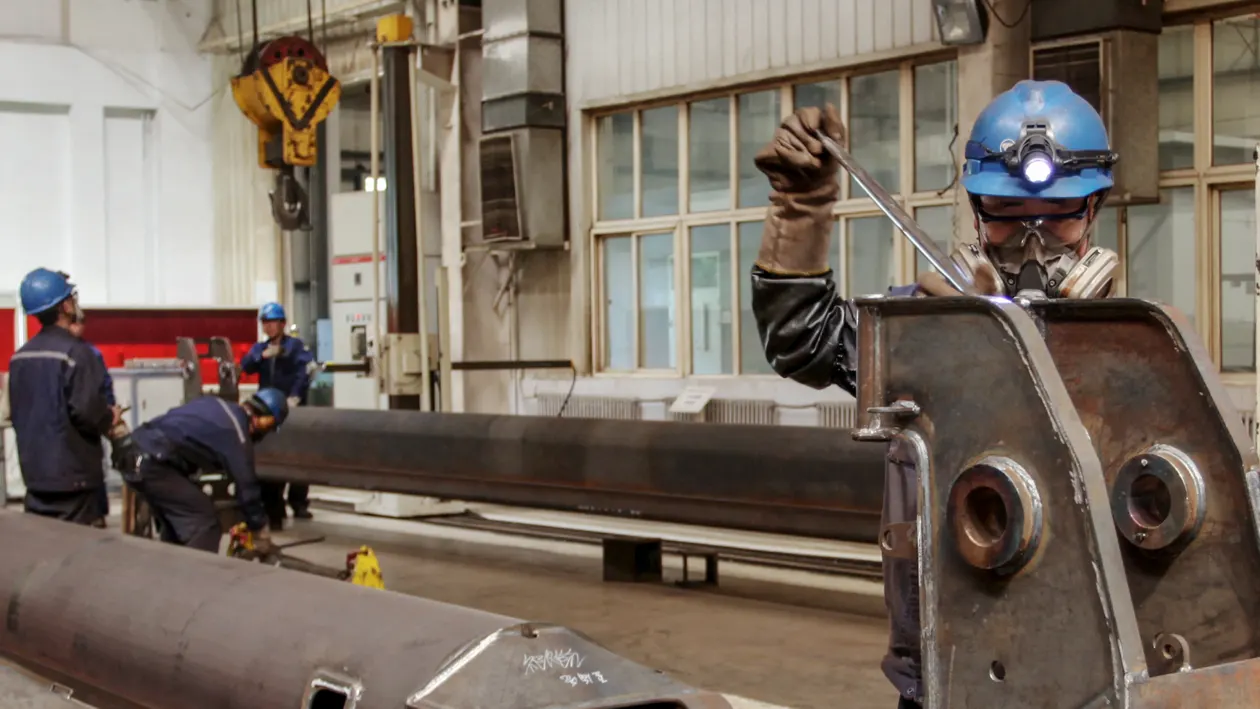
To date, China retains its grip on global supply chains critical to national and economic security, dominating roughly 70% of rare earth mining and 90% of global refining a result of strategic investments accumulated over decades.

As Western mines declined due to environmental concerns, Beijing became the de facto gatekeeper for the components powering electric cars, satellites, and even F-35 fighter jets each containing over 440 kg of rare earths. A Virginia-class submarine needs 4,200 kg.

نون بوست
The Chinese leader Deng Xiaoping was born in 1904 and died in 1997.

China’s quest began in the 1990s when then-leader Deng Xiaoping famously declared in 1992: “The Middle East has oil, China has rare earths.” Since then, Beijing has consolidated control over global supply chains not because it holds the largest reserves, but because it systematically invested in refining and processing technologies. Despite setbacks, China persisted until it secured dominance in the sector.

Meanwhile, the U.S. and other industrialized nations lost much of their processing expertise due to economic slowdowns and disinvestment, while China supported the sector through deliberate government policy making it a pillar of its geopolitical and economic strength.

By 2010, China’s share of global rare earth production peaked at 95%, before dropping to 60% by 2019 amid international efforts to diversify. Beijing doesn’t just possess geological wealth it controls the entire value chain, from exploration and chemical separation to magnet production.

Past Precedents: Japan and Trump

China has at times deployed rare earths as a “temporary gun” in diplomatic disputes. In 2010, during a maritime standoff with Japan over the detention of a Chinese crew, Beijing abruptly cut its rare earth exports to Japan, disrupting its tech industry and forcing Tokyo to back down within weeks.

This showcased China’s ability to convert industrial might into political leverage. However, such moves are short-term and tactical rather than sustained strategic weapons.

A similar pattern emerged during the 2018–2019 U.S.–China trade war, when Chinese state media hinted that rare earth export controls could become a “powerful weapon” against the U.S.

In April 2025, China retaliated against new U.S. tariffs by tightening restrictions on seven rare earth elements. Western automakers faced immediate shortages, with some forced to halt production for weeks due to a lack of critical magnets.

Though some of these measures were later eased or negotiated, China’s record shows a consistent willingness to weaponize its rare earth advantage in times of crisis.

China’s Corporate Octopus

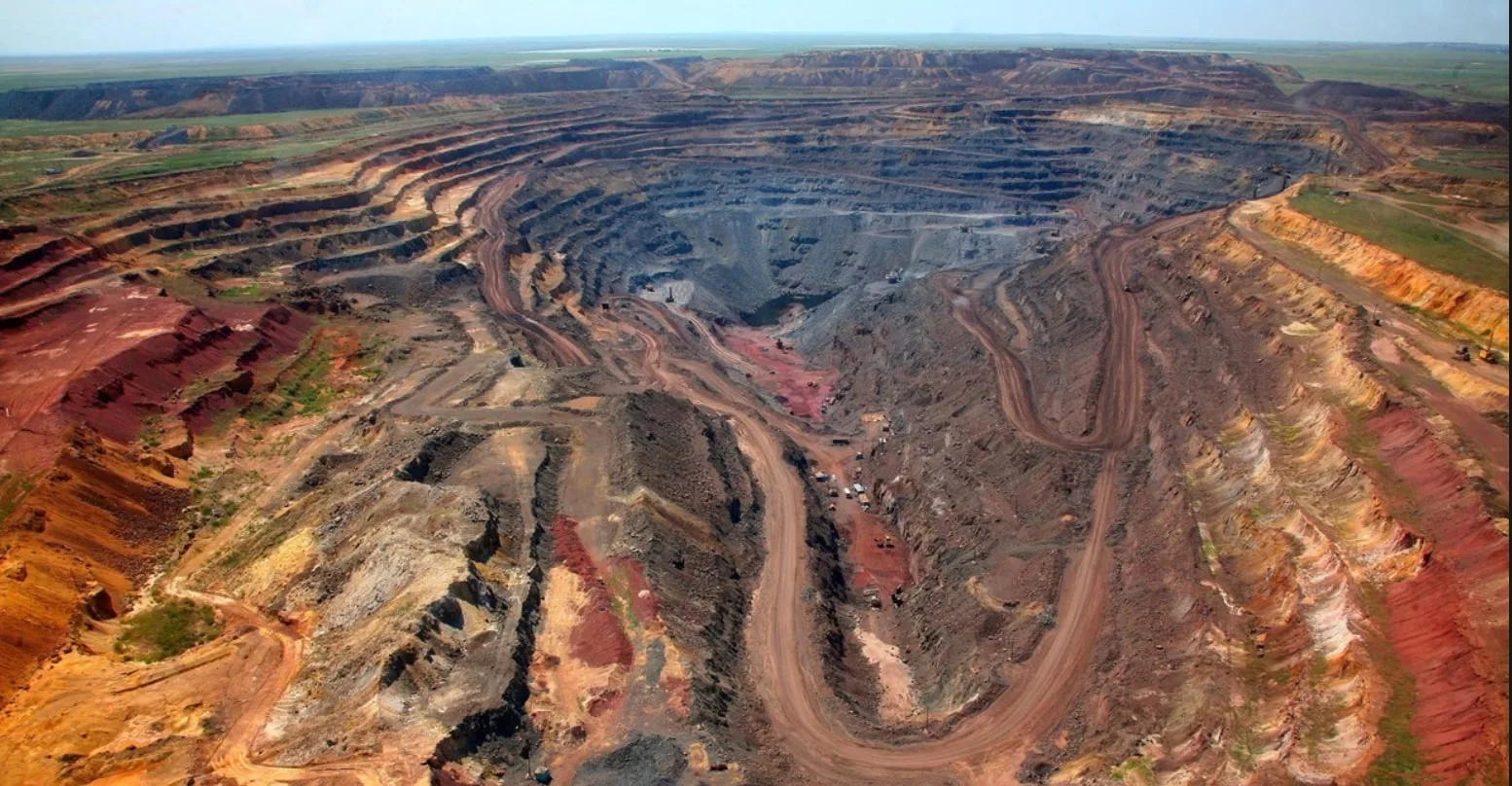
Globally, China has reinforced its strategy through acquisitions and investments in mining projects. In Africa, the past decade has seen unprecedented Chinese flows into strategic mines including stakes in copper, lithium, and cobalt mines across the Democratic Republic of Congo, Zimbabwe, and Madagascar.
نون بوست

In 2023 alone, China committed $21.7 billion to construction and investment projects in Africa the highest for any region with $7.8 billion directed at mining. This includes MMG’s $1.9 billion acquisition of copper mines in Botswana and investments in cobalt and lithium operations in Namibia, Zambia, and Zimbabwe.

Strategic mineral demand is also driving Chinese infrastructure projects across the continent. In January 2024, Chinese firms announced $7 billion in new infrastructure investments tied to revised mining agreements in the DRC.

Through its Belt and Road Initiative, Beijing is also securing major mineral resources in Latin America and Australia. While many projects support civilian industries like renewables and tech, the implications extend to defense. This global web of Chinese companies and projects mirrors Beijing’s domestic rare earth strategy.

The West’s Push for “Mineral Independence”

In response, Western governments are seeking gradual “mineral independence.” The EU launched a Critical Raw Materials Act to encourage local mining and set targets including extracting 10% of domestic needs and processing 40% within the bloc by 2030.

Swedish company Leading Edge Materials is preparing to restart rare earth extraction at the Norra Kärr mine in southern Sweden. State-owned LKAB plans to recover 2,000 tons of rare earths from waste at an old steel mine in the north. In France, the Solvay chemical group is expanding rare earth magnet production to meet 20–30% of European demand.

But reducing dependence on Chinese rare earths requires a comprehensive strategy from financing and technology to flexible regulations and partnerships. While geological alternatives, such as the 2022 discovery in Turkey, offer hope, turning them into commercially viable supply chains will take years and face local and environmental opposition.


Download this article as PDF
Share this Article
Facebook Twitter Whatsapp Whatsapp Telegram Email Copy Link
عبد الحكيم الرويضي
By عبد الحكيم الرويضي صحافي مغربي
Follow:
Previous Article نون بوست In the Farewell of Walid Jumblatt: The End of Ideology and the Rise of Pragmatism
Next Article نون بوست A New New York: Zohran Mamdani and the Future of American Politics

Read More

  • Militias and Iran Fuel Iraq’s Oil Crisis Militias and Iran Fuel Iraq’s Oil Crisis
  • Basra’s Water Crisis: Thirst Amid Oil and Salt
  • Chinese Investments in Egypt: Acceptable Privileges, Legitimate Concerns
  • Who Bears the Cost of Egypt's Generosity?
  • Money Laundering in Egypt: The Shadow Economy Devours the State
part of the design
NoonPost Weekly Newsletter

You May Also Like

Militias and Iran Fuel Iraq’s Oil Crisis

Militias and Iran Fuel Iraq’s Oil Crisis

فريق التحرير Noon Post 26 March ,2026
Basra’s Water Crisis: Thirst Amid Oil and Salt

Basra’s Water Crisis: Thirst Amid Oil and Salt

طه العاني Taha Alane 26 March ,2026
Chinese Investments in Egypt: Acceptable Privileges, Legitimate Concerns

Chinese Investments in Egypt: Acceptable Privileges, Legitimate Concerns

عماد عنان Emad Anan 26 March ,2026

أقلام الأندلس ورحلة التأليف في المُغْرِبُ في حُلَى المَغْرِبِ

هاجر سالم
هاجر سالم Published 5 November ,2015
Share
13688951992703

“المُغربُ في حُلي المَغرب” للمؤرخ الأندلسي القرطبي علي بن موسى بين محمد بن عبد الملك ابن سعيد الغرناطي الأندلسي المتوفى سنة 685 هــ، من الكتب المهمة في التراث الأندلسي وفي نقل الحياة الأندلسية والعمران المدني والاجتماعي فيها، إذ إنه يتألف من خمسة عشر سِفرًا، ستة منها جاءت لمصر، استعادوا فيها نوادر ابن شداد السلطانية والكامل لابن أثير، وثلاثة أخرى لبلاد المغرب ذاكرين كتبًا وفصولًا كثيرة، وستة للأندلس،  أطلق على القسم الخاص بالأندلس ” كتاب وشي الطرس في حلي جزيرة الأندلس”.

أُلف هذا المصنفُ بالموارثة، في مئة وخمسة عشر عامًا على يد ستة مؤلفين وهم بين أديب وشاعر، خمسة منهم من أسرة واحدة وآخرهم ابن سعيد الأندلسي أشهرهم وأذيعهم منزلة في التأليف والتصنيف حيث انتهى من تأليفه عام 645هـ، فكانت رحلة تأليفه 115 عامًا،  قام موسى بن محمد – وهو مؤلف وأديب – والد ابن سعيد بإتمام الكتاب بعد والده الذي قضى حياته قبل أن ينهي الكتاب، فصارت من بعده مهمة إتمام الكتاب على ابن سعيد الذي له مصنف آخر على غرار المغرب في الاسم والمضمون سماه “المُشرق في حُلى المشرق”.

لقد استمد ابن سعيد مادة هذا الكتاب من المسامراتِ والمشاهداتِ والرواياتِ الشّفوية والمصنّفات التي أُلفتْ حول الأندلس والأدب الأندلسي، فقد قام برحلة طويلة إلى الأمصار المختلفة تنقل فيها بين مصر والعراق والشام، وآخر محطاته كانتْ في تونس، حيث توفيّ فيها، وتقول بعض الروايات إنه توفي في دمشق.

إنَّ طريقة الكتاب والمنهج الذي سار عليه صاحبه في سرد المضامين قائمة على تصنيف الكتاب تصنيفًا مرتبًا، فكلما ذكر بلدًا ذكر كوره وما يحيط بها من أنهار ومتنزهات وكلّ من وفد إليه من ملوك وأدباء وشعراء؛ فبدأ بذكر طبقة الأمراء، فطبقة الرؤساء، ثم طبقة الشعراء، وبعدها طبقة من الأشخاص الذين لم يذكر لهم نظمًا، بالإضافة إلى ذكر النوادر لإبعاد الملل عن القارئ.

إن كتاب “الُمغرب في حُلى المغرب” يعد من مفاخر ابن سعيد ومحاسن، وقد جمع فيه بين العلم والأدب والهزل، وعلى كثرة ما جاء فيه من علم ومعرفة بالأدب واللغة والشعر وغيره،، وهو بذلك يمتاز  بسلاسة الأسلوب، نصاعة البيان، ثراء اللغة، دقة التعبير، تحديد الأسماء، والتمييز بين الأوصاف والعبارات.

 كما وقد ذُكر في هذا الكتاب التعريف بكثيرٍ من العلماء والأدباء والشعراء والأمراء، وتخريج الكثير من الشعر ونسبته إلى قائليه وتصحيح مفرداته من مصادر معتمدة ومن الديوان إن وجد، وكذلك التعريف بالبلدان والأماكن ليسهل تناوله من قِبل الباحثين والقراء.

أول ما جاء تقسيم المصنف إلى ثلاثة كتب: أولها كتاب “وشي الطرس في حلى جزيرة الأندلس” وينقسمُ هذا الكتاب إلى ثلاثة كتب هي:

1- كتاب العُرس في حلى غرب الأندلس.

2- كتاب الشفاه اللُّعس في حلى مَوْسَطة الأندلس.

3- كتاب الأنس في شرق الأندلس.

إن كل كتاب من هذه الكتب يشتمل على مجموعةٍ من التقسيمات، مثلاً كتاب “العُرس في حلى غرب الأندلس” ينقسم إلى سبعة كتب أولها كتابُ الحُلَّة المذهَّبة في حُلى مملكة قرطبة، وهذا الأخير بدوره ينقسم إلى أحد عشر كتابًا أولها كتاب الحلة الذهبيَّة في الكُورَة القرطبية، والذي ينقسم بدوره إلى خمسةِ كتبٍ أولها كتاب النغم المطربة في حلى حضرة قرطبة، وهكذا، فنجد أن   التقسيم الأول الذي شمل ثلاثة كتب يتفرع منه عدد كبير من التقسيمات التي تضم أسماء الكثير من الكتب، وكل كتاب يدور حول موضوعٍ معينٍ وجانب خاص من الحياة الأندلسية، أدبًا وفنًا، ويذكر فيه الكثير من أسماء الأمراء والعلماء والشعراء والعامة ممن ينظمون الشعر.

يذكر ابن سعيد  في بداية كتاب “النغم المطربة في حضرة قرطبة”  ملخصًا عن طريقة سير الكتاب فيقول: “حضرة قرطبة إحدى عرائس مملكتها، وفي اصطلاح الكتاب: للعروس الكاملة الزينة مِنَصَّةٌ وهي مختصة بما يتعلق بذكر المدينة في نفسها، وتاجٌ وهو المختص بالإيالة والسلطانية، وسلكٌ وهو مختصٌ بأصحاب دُرِّ الكلام من النثار والنظام، وحُلَّة وهي المختصة بأعلام العلماء والمصنّفين الذين ليس لهم نظم ولا نثر، ولا يجب إهمال تراجمهم، وأهدابٌ وهي مختصة بأصحاب فنون الهزيل وما ينحو منحاه .. المنصة … التاج..”، وهنا نجد أنه أوضح منهجية التأليف؛ حيث إن مفردة (كتاب) استخدمها المصنف لما نقول عنه في مصنفات العصر الحالي (الفصل) فجاء الكتاب بعدة أبواب وعدة كتب/ فصول، ولكل منها تقسيمات أصغر تنطوي تحتها كــ (المنصة، التاج، والعروس) مستخدمًا بذلك أسلوبًا فريدًا مختلفًا في التقسيم، يجعل المعنى أبلغ في الإشارة للأماكن، أو التقسيمات بين الشعراء والأمراء وأنواع الفنون كما أوضح في تعليقه.

ويشمل تقسيم المصنف على البقعة الجغرافية أيضًا، وهذا ما نجده جليًا واضحًا في الجزء الثاني من “المُغرب في حُلى المَغرب” حيث يورد ابن سعيد ذكر الممالك كمملكةِ طُليطلة وتقسيماتها، والحيّان وتقسيماتها، وكذلك إلبيرة والمرية وتدمير، حيث يذكر تقسيماتها والأمراء والشعراء والعلماء الذين سكنوها، ولا يقتصر الكتاب على الشعر فقط، فقد أورد أبن سعيد الكثير من علماء القرآن الكريم، الحديث، النحو، التاريخ، الفلسفة، التنجيم، الموسيقى، والطب.

إن هذه المنهجية التي سار عليها ابن سعيد جعلتْ للكتاب قيمة وأهمية كبيرة في العرض التاريخي للأندلس، رغم ما أخذ عليه من أنه نقل الكثير من مصنفات أخرى كنفح الطيب في غصن الأندلس الرطيب للإمام المقري، لكن ذلك لا يخدش من نصاعة ما قدمه ابن سعيد، إذ يعد الكتاب من المعاجم التي تنقل لنا الحياة الأندلسية من شعرها وأماكنها، إلى مصر وكتابها، والمغرب وروائع مبدعيها، فهو بمثابة التقرب إلى الزمن البعيد عبر ما قصه علينا ابن سعيد بسلاسلة الأسلوب وجمال الصياغة وحبكة التأليف، هو باختصار سفر مجاني إلى عوالم الأندلس.

الاقتباسات وتفصيلات التقسيم جاءت من:

*  “المغرب في حلي المغرب” لابن سعيد الأندلسي.

* “الأدب الأندلسي من الفتح حتى سقوط غرناطة” منجد مصطفى بهجت أستاذ الأدب الأندلسي في الجامعة الإسلامية العالمية بماليزيا.

TAGGED: إسلاميو المغرب ، الأدب الأندلسي ، الأندلس ، المغرب العربي ، مسلمو الأندلس
Download this article as PDF
Share this Article
Facebook Twitter Whatsapp Whatsapp Telegram Email Copy Link
هاجر سالم
By هاجر سالم كاتبة عراقية
Follow:
Next Article نون بوست The Stigma of “ISIS”: A Heavy Legacy Haunting Women and Children of Former Members

Read More

  • U.S. Regime‑Change Policies: Why They Are Destined to Fail U.S. Regime‑Change Policies: Why They Are Destined to Fail
  • The Gulf’s Balancing Act: Iran, Israel, and Hidden Links
  • Iraq–Turkey Oil Export Treaty: Why Did Ankara Cancel It After 52 Years?
  • Syria’s Northeast on Edge: QSD Between Ankara and Damascus
  • Has Europe Changed Its Stance on Israel… or Just Its Language?
part of the design
NoonPost Weekly Newsletter

You May Also Like

U.S. Regime‑Change Policies: Why They Are Destined to Fail

U.S. Regime‑Change Policies: Why They Are Destined to Fail

إسراء سيد Esraa sayed 8 April ,2026
The Gulf’s Balancing Act: Iran, Israel, and Hidden Links

The Gulf’s Balancing Act: Iran, Israel, and Hidden Links

فريق التحرير Noon Post 8 April ,2026
Iraq–Turkey Oil Export Treaty: Why Did Ankara Cancel It After 52 Years?

Iraq–Turkey Oil Export Treaty: Why Did Ankara Cancel It After 52 Years?

فريق التحرير Noon Post 8 April ,2026
dark

An independent media platform founded in 2013, rooted in slow journalism, producing in-depth reports, analysis, and multimedia content to offer deeper perspectives on the news, led by a diverse young team from several Arab countries.

  • Politics
  • Society
  • Rights & Liberties
  • Opinions
  • History
  • Sports
  • Education
  • Technology
  • Economy
  • Media
  • Arts & Literature
  • Entrepreneurship
  • Travel
  • Cinema & Drama
  • Food
  • Health
  • Culture
  • Latest Reports
  • Files
  • Long Reads
  • Interviews
  • Podcast
  • Interactive
  • Encyclopedia
  • In Pictures
  • About Us
  • Our Writers
  • Write for Us
  • Editorial Policy
  • Advanced Search
Some rights reserved under a Creative Commons license

Removed from favorites

Undo
Go to mobile version