NoonPost NoonPost

NoonPost

  • Home
  • Politics
  • Economy
  • Society
  • Culture
  • Files
  • Long Reads
  • Podcast
AR
Notification Show More
نون بوست
“There Are Nights I Can’t Close My Eyes”: How Gazans Are Living in Homes on the Brink of Collapse
نون بوست
From al-Jolani to Ahmad al-Shara: The Evolution of Syria’s New Leader
نون بوست
When Political Islam Receded in Egypt: Who Filled the Void?
نون بوست
An Extension of Genocide: Gaza’s Detainees Speak Out
نون بوست
A Tightrope Between Survival and Sovereignty: The Syrian Government Faces Normalization Pressures
نون بوست
American Aircraft Carriers: Has the Era of “100,000 Tons of Diplomacy” Ended?
نون بوست
U.S. Regime‑Change Policies: Why They Are Destined to Fail
نون بوست
Transformations of Israeli Judaism: Between the Victim Complex and the Colonizer’s Doctrine
نون بوست
The Gulf’s Balancing Act: Iran, Israel, and Hidden Links
نون بوست
Iraq–Turkey Oil Export Treaty: Why Did Ankara Cancel It After 52 Years?
نون بوست
Syria’s Northeast on Edge: QSD Between Ankara and Damascus
نون بوست
Has Europe Changed Its Stance on Israel… or Just Its Language?
NoonPost NoonPost
AR
Notification Show More
نون بوست
“There Are Nights I Can’t Close My Eyes”: How Gazans Are Living in Homes on the Brink of Collapse
نون بوست
From al-Jolani to Ahmad al-Shara: The Evolution of Syria’s New Leader
نون بوست
When Political Islam Receded in Egypt: Who Filled the Void?
نون بوست
An Extension of Genocide: Gaza’s Detainees Speak Out
نون بوست
A Tightrope Between Survival and Sovereignty: The Syrian Government Faces Normalization Pressures
نون بوست
American Aircraft Carriers: Has the Era of “100,000 Tons of Diplomacy” Ended?
نون بوست
U.S. Regime‑Change Policies: Why They Are Destined to Fail
نون بوست
Transformations of Israeli Judaism: Between the Victim Complex and the Colonizer’s Doctrine
نون بوست
The Gulf’s Balancing Act: Iran, Israel, and Hidden Links
نون بوست
Iraq–Turkey Oil Export Treaty: Why Did Ankara Cancel It After 52 Years?
نون بوست
Syria’s Northeast on Edge: QSD Between Ankara and Damascus
نون بوست
Has Europe Changed Its Stance on Israel… or Just Its Language?
Follow US

Amid the Rubble and Tents: Gaza’s Elderly Trapped in a Relentless Tragedy

فريق التحرير
Noon Post Published 26 March ,2026
Share
نون بوست
نون بوست

While cameras zoom in on the destruction, children, and the displacement of women, Gaza’s elderly remain at the heart of the tragedy those who spent their lives building homes and raising generations, now find themselves homeless, exhausted, without medicine or food.

They walk for miles under aerial bombardment, their cries unheard, as displacement begins on foot, beneath the scorching sun or in the rain, through rubble-strewn paths and unpaved roads.

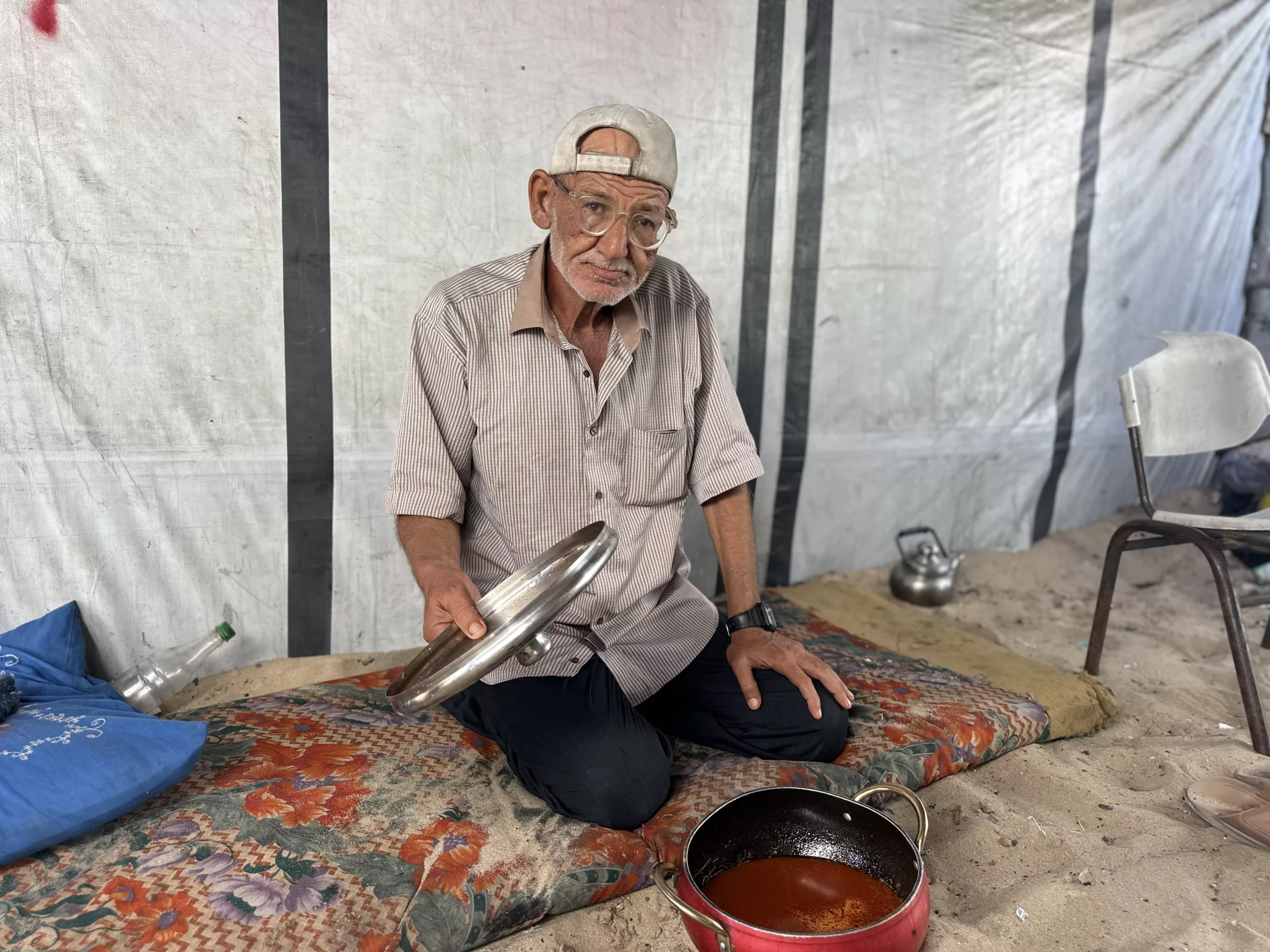
“I walked 12 kilometers on foot, moving from Rafah to several areas in Khan Younis and Al-Mawasi,” says 72-year-old Haj Basheer Farwana to Noon Post. A frail man clutching the remnants of a bag containing a few of his medications, he continues in a hoarse voice, “My knee hurts, and I’m nearly blind but I have no choice. No one carries me. I lost my sons under the rubble.”

Haj Farwana had lived in Rafah, in southern Gaza, in a home he built with his own hands. Surrounded by his children and grandchildren, he nurtured in them a love for the land and their homeland. But the war robbed him of his house and the warmth of family. Following Israeli military orders, he and his family were forcibly displaced from Rafah to the Al-Mawasi area of Khan Younis.
نون بوست
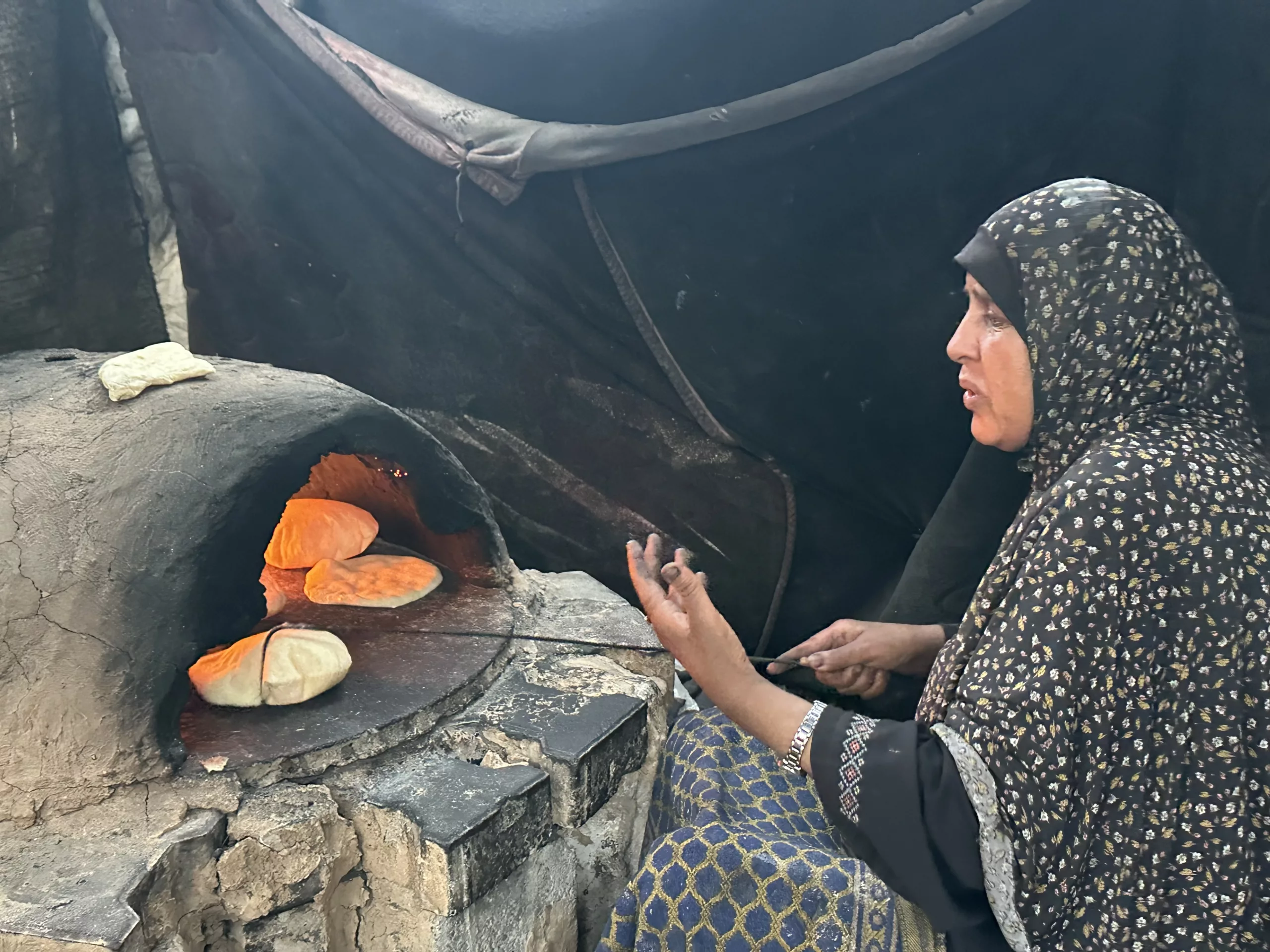
Hajja Sundus Nassar, 50 years old, sits in front of the clay oven from which she earns a living for her family.

He says he’s been forced to flee countless times, always in search of a so-called safe haven, even though there is no safe place in Gaza. His only wish is to return to Rafah, the place of his birth. According to the ceasefire agreement, the Israeli army is to withdraw from occupied areas, including Rafah, allowing residents to return to their homes.

Between the pain of war and the anguish of displacement emerges the story of 50-year-old Hajjeh Sundus Nassar from Beit Hanoun in northern Gaza a reflection of the suffering endured by thousands of women who have tasted the bitterness of homelessness and loss. Since the start of the war, Sundus has been forced to flee more than 25 times.

Each time, she left her home under shelling, walking with her children and grandchildren, carrying nothing but the remnants of her spirit.

After six months of holding out in the north, she reached Khan Younis through Israeli checkpoints known as halabat accompanied by eleven family members. She describes the journey as “a road between life and death,” as they passed under the threat of soldiers and constant danger.

Speaking with pain laced with pride, she says: “I used to live in my home like a queen, respected, with everything I needed. Now I sleep on a mat on the floor with my daughters no blanket, no pillow.”

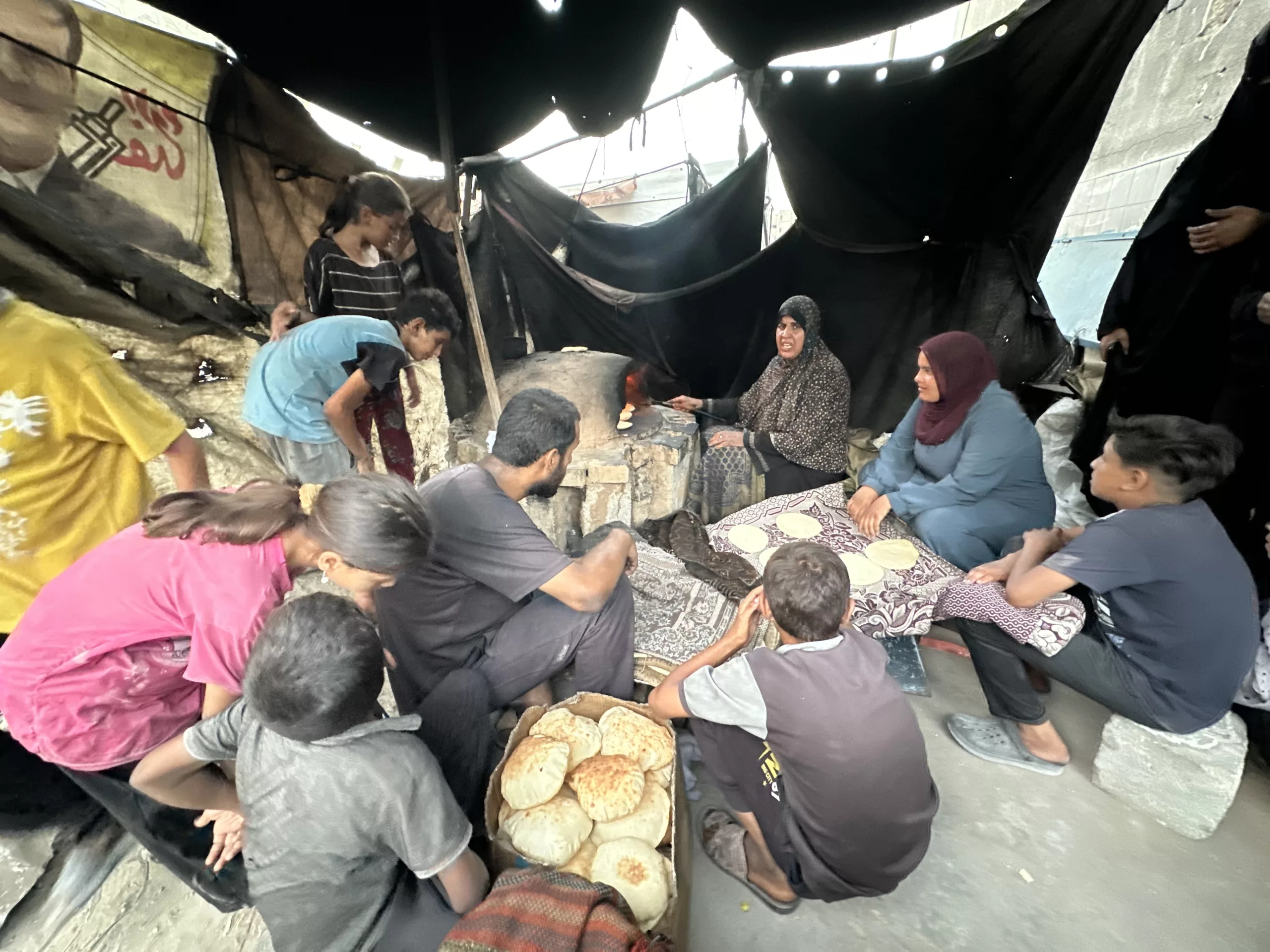
Despite physical exhaustion and illness, she refused to give in. After undergoing several surgeries, she returned to fight poverty with dignity. She built a mud oven beside her modest tent, baking bread for people in exchange for a small income just enough to feed her children, grandchildren, and her paralyzed son and his family.

From morning until sunset, she works under the heat of fire and toxic plastic fumes. Sweat pours down her face, and her eyes sting from the smoke, yet she continues. Wiping her forehead with a weary hand, she says that during the worst days of hunger, she didn’t even have money for a kilogram of flour and watched her children go hungry, unable to help.
نون بوست

Though physically, emotionally, and financially drained, she clings to the hope of one day returning to her home in Beit Hanoun without mourning the loss of any loved ones.

Gaza’s healthcare system is in a state of collapse. With hospitals targeted and many facilities out of service, the elderly have nowhere to go for treatment or even safe shelter. Among the hardest hit are those suffering from chronic conditions such as diabetes, hypertension, heart and kidney disease.

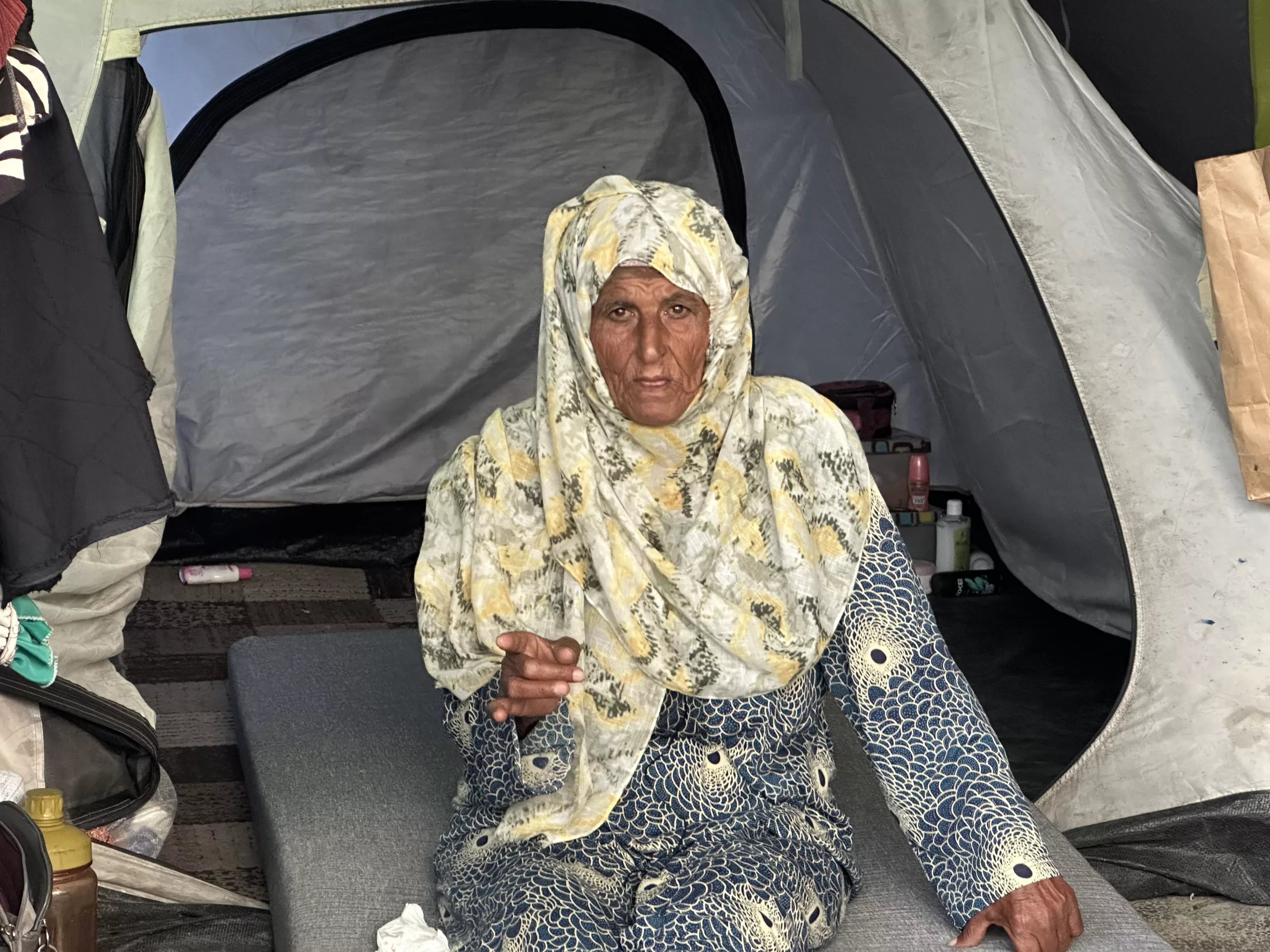
“I was displaced more than twenty times, all on foot, and it’s worsened my health,” says 75-year-old Rasmiya al-Najjar. Her elderly husband passed away during the war due to the lack of medication and proper nutrition. “I’m in dire financial straits below zero. I can’t even afford painkillers for my inflammation,” she says.

Rasmiya was hit by shrapnel in the abdomen while at Nasser Medical Complex, which she had visited for a routine checkup. Israeli forces had targeted the hospital grounds. Although she underwent multiple surgeries, she could not complete her treatment due to severe shortages and the dire conditions in the shelter where she now lives.
نون بوست
Hajja Rasmiya al-Najjar sits at the entrance of her tent in one of the shelters.

The elderly are suffering immensely from the lack of food and proper healthcare in shelters and camps. Everyone relies on aid from charities and NGOs, but it is rarely sufficient and it does not take into account the specific needs of seniors. Many elderly individuals are malnourished, making them more vulnerable to infections, disease complications, and early death.

Since the war began, thousands of Palestinian civilians have been killed or wounded including the elderly. Some were killed while fleeing, others died under the rubble, or due to delayed treatment, exposure to the cold, or starvation in shelters.

According to the Palestinian Central Bureau of Statistics, as of October 1 on the occasion of the International Day of Older Persons more than 65,000 people have been killed in the Gaza war, making up 2.9% of the Strip’s pre-war population.

Of them, around 7% were elderly. An estimated 2 million people have been displaced from their homes, out of a total pre-war population of 2.2 million.

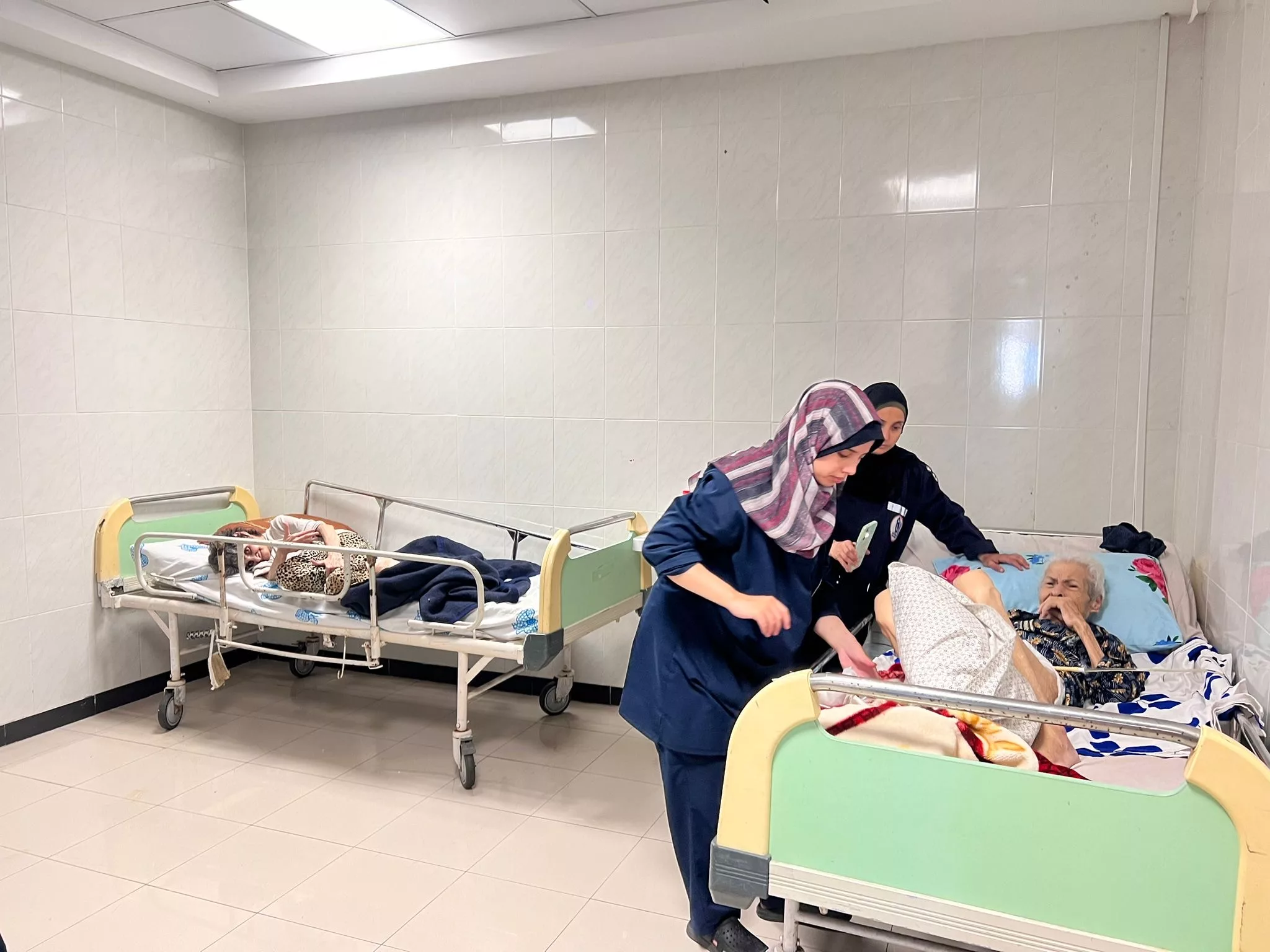
The staff at Al-Wafaa Hospital for the Elderly Gaza’s only geriatric center was forced to evacuate dozens of elderly patients from Gaza City to Al-Zahra, and later to Deir al-Balah, after intense and direct shelling. These evacuations were described as “the most harrowing and dangerous” since the war began.
نون بوست
A medical team is monitoring the elderly patients at Al-Wafa Hospital for the Elderly, “House for the Elderly”.

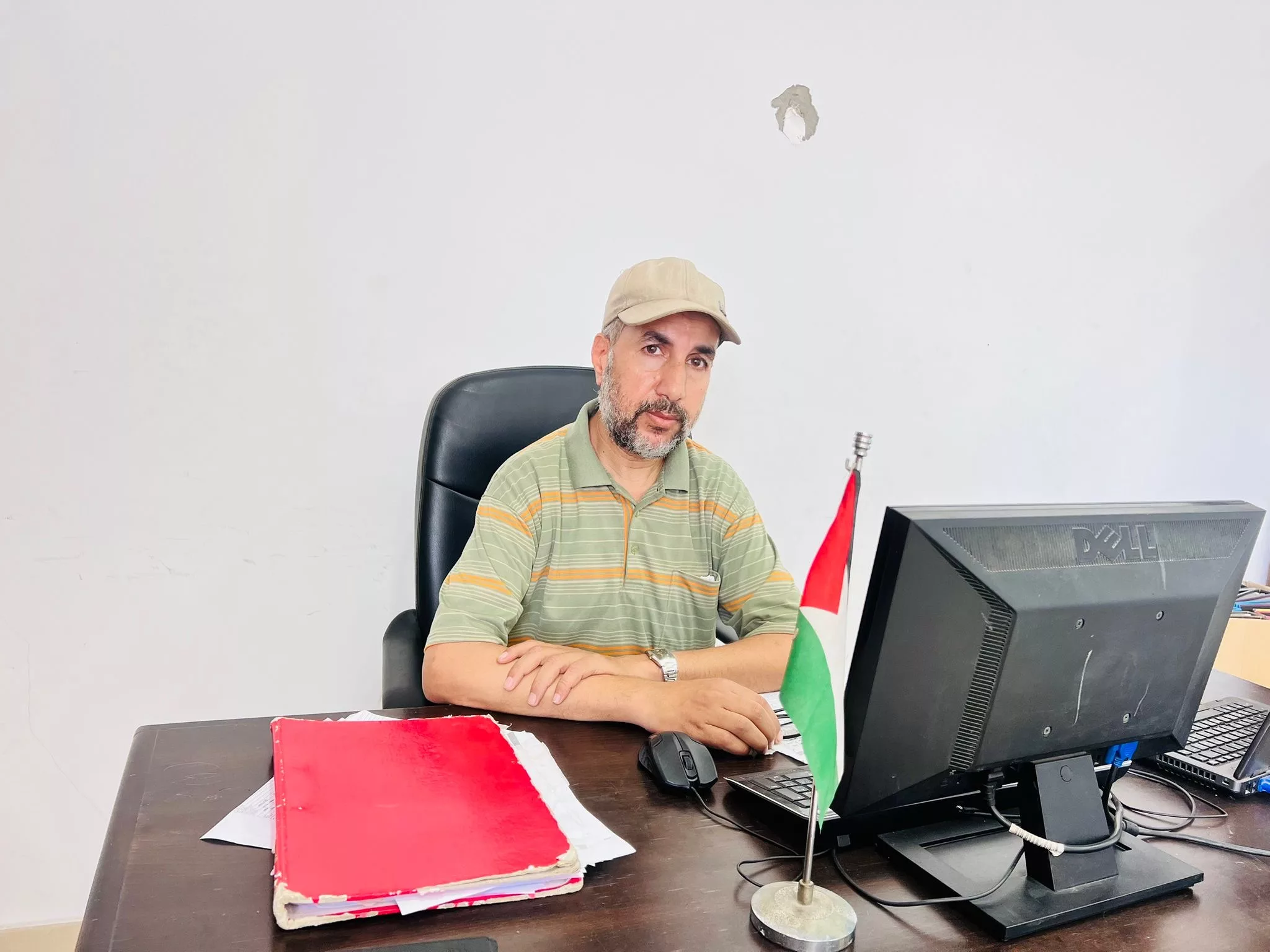
Dr. Ashraf Hamada, the hospital director, said the evacuation was carried out amid heavy bombing, a lack of transport, and dangerous road conditions. Medical staff were forced to carry patients by hand or on makeshift carts, amid a severe shortage of fuel and supplies.

Hamada noted that the elderly were overwhelmed by fear and panic due to constant drone and robot strikes. Some fell into comas from malnutrition and psychological trauma, while others sank into depression after losing their homes and sense of safety.

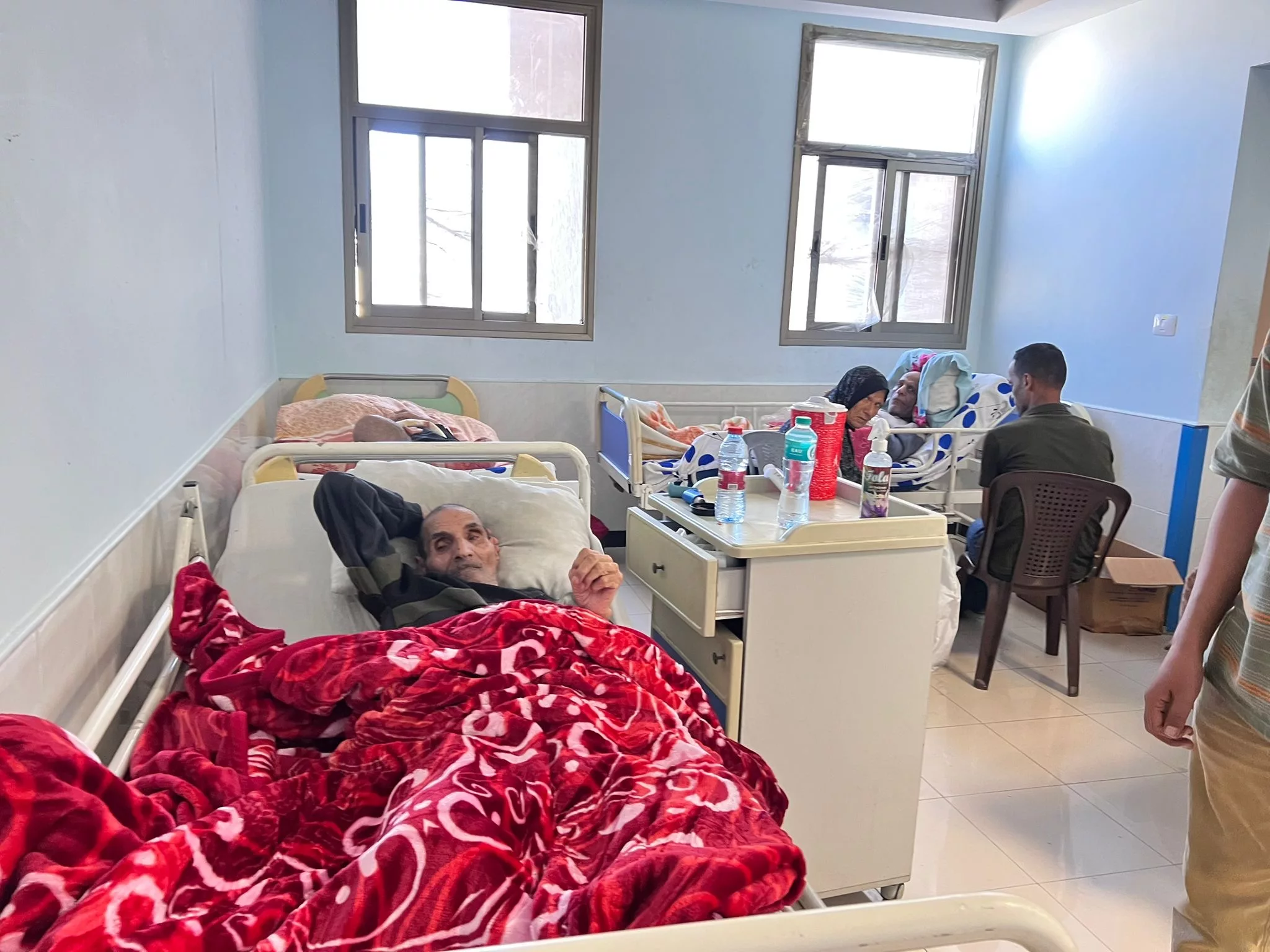
Speaking to Noon Post, Dr. Hamada described the situation as “catastrophic by all measures.” The nursing home suffers from a total lack of food and medicine, and virtually no medical equipment. Nearly 20 out of 40 residents died due to hunger, malnutrition, and the failure of medical devices caused by power cuts and fuel shortages.

He added that the remaining residents are physically frail, suffering from muscle wasting and immune system collapse, amid the total absence of medical or psychological care and the unavailability of vital medications, including insulin and heart or blood pressure medicine.
نون بوست
Director of Al-Wafa Hospital for the Elderly, Professor Ashraf Hamada

Dr. Hamada confirmed that Israeli forces had issued multiple threats to the hospital staff, warning of attacks on the building, forcing some doctors and nurses to temporarily evacuate to protect their lives further worsening the care crisis.

During the war, the hospital in Al-Zahra was struck without warning, killing several people, including the hospital’s director, Dr. Medhat Muhaisen, and injuring elderly patients who had been living there. The Gaza Health Ministry declared that the bombing of Al-Wafaa was deliberate a clear and targeted attack on the elderly.

In closing, Dr. Ashraf Hamada made an urgent humanitarian appeal to international organizations chiefly the United Nations, the World Health Organization, and the Red Cross to provide a safe and well-equipped refuge for Gaza’s elderly, complete with essential medical devices, as well as recreational and rehabilitative spaces to help them recover from trauma.
نون بوست

He also called for the rapid delivery of food and medical supplies to save what remains of Gaza’s elderly population those who have endured the horrors of one of the most devastating wars in human history.

Al-Wafaa remains the first and only medical rehabilitation center in Gaza dedicated to the care of senior citizens.
Download this article as PDF
Share this Article
Facebook Twitter Whatsapp Whatsapp Telegram Email Copy Link
فريق التحرير
By فريق التحرير تقارير يعدها فريق تحرير نون بوست.
Follow:
Previous Article نون بوست A New New York: Zohran Mamdani and the Future of American Politics
Next Article نون بوست Dick Cheney: The Raven of Death That Cawed for Iraq from the White House

Read More

  • "There Are Nights I Can’t Close My Eyes": How Gazans Are Living in Homes on the Brink of Collapse "There Are Nights I Can’t Close My Eyes": How Gazans Are Living in Homes on the Brink of Collapse
  • From al-Jolani to Ahmad al-Shara: The Evolution of Syria’s New Leader
  • When Political Islam Receded in Egypt: Who Filled the Void?
  • An Extension of Genocide: Gaza’s Detainees Speak Out
  • A Tightrope Between Survival and Sovereignty: The Syrian Government Faces Normalization Pressures
part of the design
NoonPost Weekly Newsletter

You May Also Like

“There Are Nights I Can’t Close My Eyes”: How Gazans Are Living in Homes on the Brink of Collapse

“There Are Nights I Can’t Close My Eyes”: How Gazans Are Living in Homes on the Brink of Collapse

فريق التحرير Noon Post 8 April ,2026
From al-Jolani to Ahmad al-Shara: The Evolution of Syria’s New Leader

From al-Jolani to Ahmad al-Shara: The Evolution of Syria’s New Leader

أحمد سيف النصر Ahmed Seif EL-Nasr 8 April ,2026
When Political Islam Receded in Egypt: Who Filled the Void?

When Political Islam Receded in Egypt: Who Filled the Void?

أحمد عبد الحليم أحمد عبد الحليم 8 April ,2026

الإمارات لبريطانيا: اقمعوا الإخوان وإلا ستخسرون أموالنا وصداقتنا

فريق التحرير
Noon Post Published 6 November ,2015
Share
5616

كتب محرر في صحيفة “الغارديان” رانديب راميش، أن دولة الإمارات العربية المتحدة طلبت من بريطانيا ملاحقة حركة الإخوان المسلمين وإلا ألغت أبو ظبي صفقات ضخمة مع لندن.

وقال راميش إن “دولة الإمارات هددت بوقف صفقات بمليارات الجنيهات ووقف الإستثمار في داخل بريطانيا وقطع التعاون الأمني إن لم يقم ديفيد كاميرون بالتحرك ضد الإخوان المسلمين”.

واطلعت صحيفة “الغارديان” على وثائق تظهر أن ولي عهد إمارة أبو ظبي قد اشتكى لرئيس الوزراء البريطاني من الإخوان المسلمين في حزيران/يونيو 2012 عندما وصل الرئيس محمد مرسي للحكم.

وطلب ولي العهد من كاميرون بممارسة الضغط على هيئة الإذاعة البريطانية لوقف تغطيتها للأحداث في مصر والتخلص من المتعاطفين مع الإسلاميين فيها.

وعرض ولي العهد على كاميرون مقابل ذلك عقود سلاح مربحة تحقق أرباحا بالمليارات لجناح صناعة الطيران في شركة أنظمة تصنيع السلاح “بي  إي إي سيستمز” والسماح لشركة النفط البريطانية “بي بي” بالتنقيب عن الطاقة في الخليج.

وتكشف الصحيفة أنه تم تحذير السفير البريطاني دومينك جيرمي في الإمارات العربية من قبل خلدون المبارك المعروف في  بريطانيا بملكيته لنادي “مانشستر سيتي” لكرة القدم ويعتبر أيضا اليد اليمنى لولي العهد حيث نقل للسفير البريطاني عدم رضا الإمارات من موقف بريطانيا اللامبالي من عملية الإخوان المسلمين.

نون بوست

خلدون المبارك مع ديفيد كاميرون

وجاء في التحذير الذي قدم لجيرمي أن “الثقة بين البلدين تعاني من تحد بسبب موقف بريطانيا من الإخوان المسلمين” و”لأن حليفنا لا ينظر إليهم مثلما ننظر إليهم: تهديدا وجوديا ليس للإمارات فقط ولكن لكل المنطقة”.

واشتكت كل من السعودية ومصر والإمارات من تحول لندن لقاعدة للإخوان المسلمين والتي تطورت من مصر وبدأت تنتشر حول العالم. وحظرت هذه الدول الثلاث نشاطات الإخوان وربطتهم بالإرهاب وهو ما ينفيه الإخوان ويؤكدون أن حركتهم سلمية.

وتزعم الوثائق الداخلية للإمارات أن الأخوان المسلمين “متجذرون” في المجتمع البريطاني وصورتهم مثل “طابور خامس” وبجماعة “ذكية في العمل السري وتقديم أنفسهم في ثوب حركة معتدلة”.

وتقول الصحيفة إن موضوع الإخوان قد يكون طرح على طاولة النقاش أثناء زيارة عبد الفتاح السيسي هذا الأسبوع إلى لندن، وقاد السيسي حملة قمع ضد الإسلاميين بعد الإطاحة بالرئيس المنتخب محمد مرسي. وتعهد السيسي بمحو الإخوان الذين وصفهم بالجماعة المتطرفة.

وكانت وزارة الخارجية البريطانية قد أكدت في اليوم الذي وصل فيه السيسي إلى لندن بأن ملخصا لمراجعة طلبت الحكومة البريطانية بإجرائها في فكر ونشاطات الإخوان سيتم نشره في نهاية العام الجاري.
وكان سير جون جينكنز السفير البريطاني السابق في الرياض قد أجرى المراجعة قبل عامين تقريبا ولكن لم يتم نشرها رغم التصريحات بقرب صدورها. ويتعلق تأخير الإعلان بمخاوف الحكومة من تحدي نتائجها أمام المحاكم.

وتقول الصحيفة إن الإمارات التي تعتبر واحدا من أهم داعمي السيسي بدأت برفع مستوى الضغط على بريطانيا بعد يوم واحد من فوز مرسي بالانتخابات الرئاسية في حزيران/ يونيو 2012.

وقابل ولي عهد أبو ظبي الشيخ محمد بن زايد النهيان ديفيد كاميرون في مقر الحكومة 10 داونينغ ستريت.

ونشرت الصحيفة أوراقا عن اللقاء تظهر حجم القلق الذي أبدته الإمارات من انعكاسات فوز مرسي. وتظهر المجموعة الأولى من الأوراق استراتيجية الشيخ محمد بن زايد للتعامل مع بريطانيا في ضوء الإنتخابات المصرية.

وكتب نقاط النقاش التي قدمها بن زايد لكاميرون سايمون بيرس، مدير مجلس إدارة نادي مانشستر سيتي والمسؤول عن تحسين صورة الإمارات دوليا.

وتبدو الملاحظات التي حملها بن زايد مع بأنها سلسلة من العروض المغرية “الجزرة” لرجال الأعمال البريطانيين والمؤسسة العسكرية البريطانية مقابل تحرك الحكومة ضد الإخوان المسلمين.

وبحسب نقاط بيرس فإن مظهر القلق الأول هو الإختراق المفترض لمتعاطفين مع الأسلاميين لقنوات هيئة الإذاعة البريطانية الدولية ( بي بي سي). وكتب بيرس بالتحديد أن “70% من التغطية الإخبارية الدولية تخرج من المملكة المتحدة ونسبة 70% منها سلبية” ونصح بيرس الشيخ محمد بن زايد مطالبة ديفيد كاميرون “بالمساعدة مع بي بي سي بالتحديد”.

 ويقول رجل العلاقات العامة العامل مع الشيخ إنه يجب عليه القول إن “هناك موظفون مصريون وشاميون ممن يسمحون لآرائهم الشخصية بتحديد نشاطاتهم المهنية، وأن الهيئة تمولها وزارة الخارجية والكومنولث: هل تفهم لماذا أعاني من مشكلة معها؟”.

وتقول الصحيفة إن الإمارات العربية المتحدة طلبت مدخلا “مدروسا” من بريطانيا للتعامل مع الإخوان .

وتظهر الأوراق أن الإمارات حددت 380 شخصية قالت إنها “ستتخذ إجراءات مناسبة ضدهم ..”. وبعد أسبوعين شجبت منظمة هيومان رايتس ووتش اعتقال الإمارات محامين وناشطين سلميين هناك.

وبحسب الأوراق التي حصلت عليها الصحيفة والتي تشير لملاحظات لقاء عام 2012  فقد كانت الإمارات تحضر الأجواء للإجراءات القمعية حيث قالت إنها “تمثل تحد محلي حقيقي”. وطلب  من ولي العهد أن يسأل كاميرون “ماذا يعني الإخوان للاستقرار الإقليمي والتقدم؟ وماذا يعني هذا للبنان والأردن؟ وماذا يعني لإسرائيل؟”.

وطلب من ولي العهد تذكير بريطانيا “في حماسك لنشر الديمقراطية لا تقدمي الأوكسجين لشيء قد يظهر على حقيقته”.

وتقول الصحيفة إن الإمارات عرضت مقابل “تحدي” الإخوان في بريطانيا “سلسلة” من الانتصارات الدبلوماسية.

وتظهر أوراق عام 2012 أن شركة النفط البريطانية يمكنها “العودة للعبة” والتنقيب في رمال أبو ظبي، وتقدم في صفقة طائرات تايفون وقيمتها 6 مليارات دولار و” تعميق التعاون في مجال تبادل المعلومات الاستخباراتية والعسكرية” وكذا أموال خليجية للإستثمار في بريطانيا.

وتشير الوثائق إلى أن الإمارات لديها استثمارات بقيمة 1.5 مليار جنيه استرليني في بريطانيا في ذلك الوقت وأنها تدعم  32.000 وظيفة. وجاء في الملاحظات أن “هناك فرص كبيرة للشركات البريطانية، (بي بي) و (بي إي إي) ورولز رويس في الإمارات العربية المتحدة ومستوى رائع للحياة”.

وتشير الصحيفة إلى أن الإمارات عبرت عن عدم رضاها عندما لم تتحرك بريطانيا رغم التهديد من خلال التجارة والسياسة.

وفي عام 2012 تم استبعاد “بي بي”  مؤقتا من عطاء للتنقيب عن النفط في مياه الخليج. وفي نهاية عام 2013 تجنبت الإمارات شراء طائرات تايفون والتي كانت ضربة قوية لشركة بي إي إي.

وأعلن رئيس الوزراء بعد أشهر من إلغاء صفقة الطائرات عن مراجعة لنشاطات الإخوان في بريطانيا. وكان أول بلد ذهب إليه جنيكنز للتحقيق في نشاطات الإخوان هو الإمارات. وقابل فيه خلدون المبارك في نيسان/ أبريل عام 2014.

وبحسب سجلات وزارة الخارجية الإماراتية أخبر المبارك جنيكنز في اللقاء الذي اطلعت “الغارديان” على تفاصيله أنه ” على بريطانيا التفكير في الآثار السياسية عندما اتخذت ثلاث دول حليفة لها في المنطقة ( السعودية والإمارات ومصر) قرارات واضحة فيما يتعلق بالإخوان”.

وإن لم تحترم بريطانيا حلفاءها أخبر المبارك جينكنز “فالنقاش الصعب الذي ندير سيصبح أصعب  ونحن نرفع الراية الحمراء”.

واعترف السفير البريطاني جيرمي الذي كان حاضرا اللقاء بأن القوى الأمنية وأجهزة الإستخبارات “ترى في التعامل مع تهديد القاعدة على بريطانيا أولوية” وهي مقدمة على نشاطات الإخوان.

وقال إن “بريطانيا يمكن أن تنتفع من المعلومات التي تحصل عليها الإمارات خاصة أن الكثير من الخطوط ليست مصدرا مفتوحا”.

 وللتأكيد لمضيفه أن بريطانيا لا تستمع لمظاهر قلق الإمارات قال جيرمي لمبارك إن “النية السياسية لديفيد كاميرون هي النظر في نتائج التقرير والذي قد يكون بداية لعملية يناقش فيها البرلمان تشريعات جديدة”.

وعلى ما يبدو لم يعجب كلام السفير الإماراتيين فبعد شهر من اللقاء عاد عشرات من المستشارين العسكريين البريطانيين إلى بريطانيا عندما لم تجدد الإمارات عقودهم.

TAGGED: الإخوان المسلمون ، الانقلاب العسكري في مصر ، العلاقات الإماراتية المصرية
TAGGED: انقلاب مصر
Download this article as PDF
Share this Article
Facebook Twitter Whatsapp Whatsapp Telegram Email Copy Link
فريق التحرير
By فريق التحرير تقارير يعدها فريق تحرير نون بوست.
Follow:
Next Article نون بوست The Stigma of “ISIS”: A Heavy Legacy Haunting Women and Children of Former Members

Read More

  • U.S. Regime‑Change Policies: Why They Are Destined to Fail U.S. Regime‑Change Policies: Why They Are Destined to Fail
  • The Gulf’s Balancing Act: Iran, Israel, and Hidden Links
  • Iraq–Turkey Oil Export Treaty: Why Did Ankara Cancel It After 52 Years?
  • Syria’s Northeast on Edge: QSD Between Ankara and Damascus
  • Has Europe Changed Its Stance on Israel… or Just Its Language?
part of the design
NoonPost Weekly Newsletter
dark

An independent media platform founded in 2013, rooted in slow journalism, producing in-depth reports, analysis, and multimedia content to offer deeper perspectives on the news, led by a diverse young team from several Arab countries.

  • Politics
  • Society
  • Rights & Liberties
  • Opinions
  • History
  • Sports
  • Education
  • Technology
  • Economy
  • Media
  • Arts & Literature
  • Entrepreneurship
  • Travel
  • Cinema & Drama
  • Food
  • Health
  • Culture
  • Latest Reports
  • Files
  • Long Reads
  • Interviews
  • Podcast
  • Interactive
  • Encyclopedia
  • In Pictures
  • About Us
  • Our Writers
  • Write for Us
  • Editorial Policy
  • Advanced Search
Some rights reserved under a Creative Commons license

Removed from favorites

Undo
Go to mobile version