NoonPost NoonPost

NoonPost

  • Home
  • Politics
  • Economy
  • Society
  • Culture
  • Files
  • Long Reads
  • Podcast
AR
Notification Show More
نون بوست
“There Are Nights I Can’t Close My Eyes”: How Gazans Are Living in Homes on the Brink of Collapse
نون بوست
From al-Jolani to Ahmad al-Shara: The Evolution of Syria’s New Leader
نون بوست
When Political Islam Receded in Egypt: Who Filled the Void?
نون بوست
An Extension of Genocide: Gaza’s Detainees Speak Out
نون بوست
A Tightrope Between Survival and Sovereignty: The Syrian Government Faces Normalization Pressures
نون بوست
American Aircraft Carriers: Has the Era of “100,000 Tons of Diplomacy” Ended?
نون بوست
U.S. Regime‑Change Policies: Why They Are Destined to Fail
نون بوست
Transformations of Israeli Judaism: Between the Victim Complex and the Colonizer’s Doctrine
نون بوست
The Gulf’s Balancing Act: Iran, Israel, and Hidden Links
نون بوست
Iraq–Turkey Oil Export Treaty: Why Did Ankara Cancel It After 52 Years?
نون بوست
Syria’s Northeast on Edge: QSD Between Ankara and Damascus
نون بوست
Has Europe Changed Its Stance on Israel… or Just Its Language?
NoonPost NoonPost
AR
Notification Show More
نون بوست
“There Are Nights I Can’t Close My Eyes”: How Gazans Are Living in Homes on the Brink of Collapse
نون بوست
From al-Jolani to Ahmad al-Shara: The Evolution of Syria’s New Leader
نون بوست
When Political Islam Receded in Egypt: Who Filled the Void?
نون بوست
An Extension of Genocide: Gaza’s Detainees Speak Out
نون بوست
A Tightrope Between Survival and Sovereignty: The Syrian Government Faces Normalization Pressures
نون بوست
American Aircraft Carriers: Has the Era of “100,000 Tons of Diplomacy” Ended?
نون بوست
U.S. Regime‑Change Policies: Why They Are Destined to Fail
نون بوست
Transformations of Israeli Judaism: Between the Victim Complex and the Colonizer’s Doctrine
نون بوست
The Gulf’s Balancing Act: Iran, Israel, and Hidden Links
نون بوست
Iraq–Turkey Oil Export Treaty: Why Did Ankara Cancel It After 52 Years?
نون بوست
Syria’s Northeast on Edge: QSD Between Ankara and Damascus
نون بوست
Has Europe Changed Its Stance on Israel… or Just Its Language?
Follow US

How Israel Is Undermining US Efforts to Lift Sanctions on Syria

باسل المحمد
Basil Almuhammed Published 26 March ,2026
Share
نون بوست
نون بوست

As the US Congress prepares to vote later this year on amending or repealing the Caesar Act sanctions on Syria, attention is increasingly focused on Washington. This critical political juncture coincides with reports of a potential visit by Syrian President Ahmad Al-Shara to the US on November 10, part of a growing push led by the Syrian-American diaspora.

Having gained greater influence in policymaking circles, this community has been advocating for the end of sanctions and the opening of a new chapter in US-Syrian relations since the fall of the former regime.

However, these efforts face stiff resistance from Israel and its allies within Congress and powerful lobbying groups. These actors are working to prevent any change to the sanctions framework, fearing that it could allow the new Syrian leadership to regain political and economic stability potentially shifting the regional balance of power.

The question remains: will Israeli pressure succeed in keeping the sanctions intact, or will Washington’s new strategic outlook backed by the Trump administration grant Damascus the opportunity to break out of its long-standing isolation?

Israel’s Lobbying Campaign

As the debate over the Caesar Act gains momentum in Washington, Israel has intensified its diplomatic and political maneuvering. This includes both official channels and efforts through pro-Israel organizations across the United States, all aimed at blocking any softening of sanctions.

Israel’s central argument has been a security-based one: lifting sanctions, it claims, could realign regional power dynamics in a way that threatens Israeli national security.

Reuters reported that Israeli officials have warned Washington that Syria’s new leadership “poses a threat to Israel’s borders.” Israeli figures have also expressed concern that renewed US engagement with Syria could empower Islamist movements or bring Turkey into the fold as a guarantor of a new, religiously-inclined government potentially turning Syria into a base for Hamas and other militant factions.

According to Al-Monitor, some pro-Israel organizations in Washington continue to support the sanctions on what they view as a potential threat to Israel and to minority groups such as the Alawites and Druze.

This stance persists despite arguments from many members of the Syrian Jewish diaspora including those still in Damascus who advocate easing sanctions to help preserve Syria’s rich heritage.

Sources also revealed that senior Israeli figures, including Ron Dermer a close advisor to Prime Minister Benjamin Netanyahu have directly lobbied US lawmakers to maintain the sanctions.

This pressure campaign has already borne fruit. A draft of the National Defense Authorization Act (NDAA) initially included a provision from Senator Jeanne Shaheen proposing the repeal of the Caesar Act.

However, the final version passed by Congress incorporated an amendment from Senator Lindsey Graham (R-SC) requiring the US president to certify every six months that the Syrian government is meeting several conditions such as refraining from military action against Israel and expelling foreign fighters. Failure to meet these conditions twice in a row would trigger the re-imposition of sanctions.

This compromise reflected Israel’s deep influence in Congress and raised concerns within the Trump administration about narrowing its diplomatic flexibility.

Netanyahu’s Personal Intervention

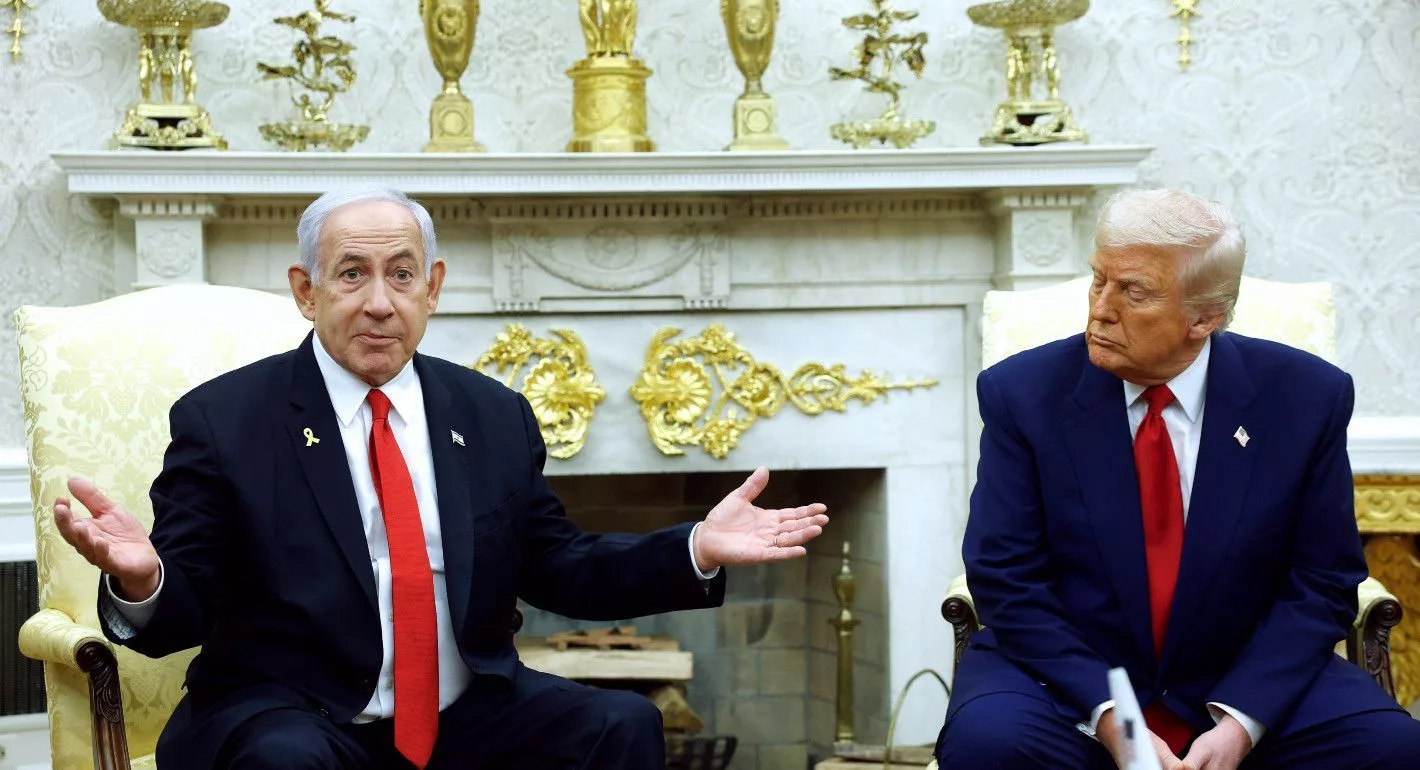
Beyond lobbying, Israel has elevated its pressure to the highest political level, with Prime Minister Benjamin Netanyahu personally intervening to block any US move toward lifting sanctions on Syria.

Israeli Channel 12 reported that Netanyahu directly asked President Trump to maintain the sanctions a request that was ultimately rejected. This followed Trump’s meeting with President Ahmad Al-Shara in Riyadh, during which Trump announced the lifting of economic sanctions on Syria.

Israel Hayom reported that while Israel America’s chief regional ally opposed the rapprochement with Al-Shara, Trump revealed that Saudi Crown Prince Mohammed bin Salman and Turkish President Recep Tayyip Erdoğan had helped mediate the meeting and the decision to lift the sanctions.

Zaki Lababidi, director of the Syria office at the Syrian American Council, confirmed to Noon Post that Netanyahu’s influence extends beyond rhetoric. According to Lababidi, Netanyahu exerts direct pressure on members of both the House and Senate, and even within the US executive branch.

He added that many Israeli officials also hold US citizenship, allowing them to more easily sway legislative and executive institutions.

Israel’s position rests on the belief that lifting sanctions could pave the way for a future Syrian adversary, even though the regional military balance of power remains heavily in Israel’s favor thanks to US-backed nuclear and conventional superiority, Lababidi noted.

As a result, Netanyahu is no longer a mere observer of US policy toward Damascus. He has become an active player seeking to institutionalize sanctions as part of a broader Israeli strategy to prevent Syria’s regional and international rehabilitation.

Syrian-American Advocacy Gains Ground

Counterbalancing Israeli influence, the Syrian-American community has emerged as a powerful force advocating for sanctions relief. Since the fall of the former regime, Syrian civil society organizations in the US have intensified their political engagement organizing forums and meetings with lawmakers and administration officials to argue that continued sanctions no longer serve as leverage against the regime but rather hinder reconstruction and long-term stability.

In what has been described as the largest mobilization since the regime’s collapse, the Syrian American Council organized an “emergency advocacy day” inside the Capitol building in Washington, D.C. The initiative aimed to persuade lawmakers to repeal the Caesar Act and offer direct stabilization aid to support the Syrian people.

According to Council President Farouk Bilal, the campaign succeeded in winning new congressional support for a repeal bill sponsored by Representative Joe Wilson, backed by both Republican and Democratic members.

Over the past few months, the diaspora has held more than 40 meetings with bipartisan lawmakers—marking one of the most organized and effective efforts on the Syrian file in US political history.

Syrian-American political analyst Ayman Abdel Nour emphasized that this advocacy is helping break Israel’s narrative monopoly in Congress. Many lawmakers, he said, previously had little exposure to Syrian perspectives outside of Israeli channels.

The community’s outreach, Abdel Nour explained to Noon Post, has shifted the tone of several congressional committees from one focused solely on conditions and pressure to one supporting the Syrian people and recognizing the importance of giving Damascus a chance to rebuild.

Zaki Lababidi added that the community’s efforts are unfolding along two parallel tracks in the lead-up to the Caesar vote. The first involves sending official letters from the Syrian American Council and other civil organizations to members of Congress. The second is mobilizing community members to call lawmakers’ offices directly tapping into the weight voter opinions carry in legislative decisions.

The first formal meeting between the diaspora and the new US administration took place on January 3, when former Secretary of State Antony Blinken met with community representatives.

The meeting highlighted key demands: lifting sanctions, boosting economic recovery, reestablishing diplomatic ties with Damascus, and reopening the US embassy in Syria.

Will Israeli Pressure Succeed?

The tug-of-war in Washington continues, with a clear American shift toward lifting sanctions facing off against Israeli efforts to preserve the Caesar Act as a strategic leverage tool. The US State Department has stated that the Trump administration supports repealing the law as part of the NDAA, viewing investment in Syrian stability as a step toward securing a safe and prosperous future for its people.

Still, nothing is certain. Inclusion of the repeal in the NDAA does not guarantee immediate implementation, as the Senate and House versions must be reconciled before the final bill reaches the president’s desk.

Observers estimate that a final decision may come before the end of 2025 the timeline the Trump administration is targeting for lifting the sanctions, according to Al-Monitor.

Political analyst Ayman Abdel Nour argues that the complexity of the issue lies not only in Israeli opposition but also in congressional concerns about how the new Syrian government will address minority political participation. He views President Ahmad Al-Shara’s upcoming visit to Washington as a crucial opportunity to offer lawmakers direct assurances—potentially clearing the way for full repeal of the Caesar Act.

Zaki Lababidi, meanwhile, downplayed the likelihood of Israeli success, stating: “I don’t think Israel will succeed. A new equation is in play: President Trump supports lifting the sanctions, and there is strong regional pressure from Saudi Arabia, Turkey, Qatar, and Jordan in favor of Syrian stability.”

These countries, Lababidi explained, see a stable, economically viable Syria as key to stopping drug smuggling and ending the violence threatening the region’s security. He also noted that the recent tensions between Washington and Tel Aviv over Gaza have limited Israeli influence on this particular issue.

This momentum was echoed in remarks by President Donald Trump, who described the Syrian people as “great” and President Ahmad Al-Shara as “strong and loyal,” saying the sanctions were lifted “to give Syria a chance.” Secretary of State Marco Rubio reinforced this message, stating that the US is taking steps to support “a unified and stable Syria.”

Rubio added on X that this move aligns with President Trump’s decision to lift sanctions and emphasized that US sanctions will no longer stand in the way of Syria’s future.

In the end, the battle over sanctions remains finely poised: between Israeli efforts to delay the process and a growing US–regional consensus pushing for their removal. As the congressional vote approaches, the world will soon learn whether Syria can finally move past the burden of Caesar or whether Israeli calculations will once again postpone a critical turning point.

Download this article as PDF
Share this Article
Facebook Twitter Whatsapp Whatsapp Telegram Email Copy Link
باسل المحمد
By باسل المحمد صحفي سوري
Follow:
Previous Article نون بوست How the Al-Fashir Massacres Sparked a Wave of Anger Against the UAE
Next Article نون بوست Two Decades of Democratic Doubt: Why Don’t Iraqis Trust the Political Process?

Read More

  • U.S. Regime‑Change Policies: Why They Are Destined to Fail U.S. Regime‑Change Policies: Why They Are Destined to Fail
  • The Gulf’s Balancing Act: Iran, Israel, and Hidden Links
  • Iraq–Turkey Oil Export Treaty: Why Did Ankara Cancel It After 52 Years?
  • Syria’s Northeast on Edge: QSD Between Ankara and Damascus
  • Has Europe Changed Its Stance on Israel… or Just Its Language?
part of the design
NoonPost Weekly Newsletter

You May Also Like

U.S. Regime‑Change Policies: Why They Are Destined to Fail

U.S. Regime‑Change Policies: Why They Are Destined to Fail

إسراء سيد Esraa sayed 8 April ,2026
The Gulf’s Balancing Act: Iran, Israel, and Hidden Links

The Gulf’s Balancing Act: Iran, Israel, and Hidden Links

فريق التحرير Noon Post 8 April ,2026
Iraq–Turkey Oil Export Treaty: Why Did Ankara Cancel It After 52 Years?

Iraq–Turkey Oil Export Treaty: Why Did Ankara Cancel It After 52 Years?

فريق التحرير Noon Post 8 April ,2026

لماذا يتبنى الغرب الحركات الصوفية ولماذا يفشل دومًا؟

فريق التحرير
Noon Post Published 8 November ,2015
Share
screen_shot_2015-11-08_at_3

منذ حوالي عام، أرسل جهاد اللحام المتحدث الرسمي باسم نظام الأسد رسالة للكونجرس الأمريكي، يطلب فيها دعم الولايات المتحدة في حرب النظام ضد الدولة الإسلامية بالعراق والشام (داعش)، وانتقد دعمها لقوات المعارضة السورية باعتبارها مساوية في تطرفها للدواعش، ثم أنهى رسالته باقتراح الترويج للصوفية كإستراتيجية لمواجهة واحتواء الحركات الإسلامية المتطرفة والإرهابية والعنيفة.

لم تكن تلك أول مرة يقترح أحد على حكومة غربية دعم الصوفية بشكل عام لمواجهة التيارات المتطرفة داخل العالم الإسلامي، فقد انتشرت تلك الأفكار داخل الولايات المتحدة وبريطانيا بالأساس، وغيرهما من بلدان الغرب، بعد حادث الـ11 من سبتمبر، وأدت بالفعل لتبني بعض منها لسياسات دعم بعض الحركات الصوفية، في إطار إستراتيجية أوسع لمكافحة الإرهاب، تضمنت أساليب أخرى منها ما هو عسكري وصلب ومنها ما هو ناعم، وكان تبني الحركات المعتدلة والمنفتحة داخل الإسلام، كما سميت، إحدى ركائز السياسات الناعمة آنذاك، والتي اعتقد معها صناع القرار في الغرب أنهم يقدمون بديلًا جذابًا لاحتواء الفكر الجهادي.

نون بوست

إستراتيجية قديمة

في حقيقة الأمر، يبدو وأن الغرب قد أتى متأخرًا في ركب الدعم الرسمي للصوفية، والتي تقوم أنظمة كثيرة حول العالم بدعمها منذ عقود، ففي الجزائر استثمرت الدولة الكثير من الموارد في الترويج للتعاليم الصوفية تحت حكم الرئيس عبد العزيز بوتفليقة، لا سيما بعد قمعها العنيف للإسلاميين في التسعينات، كما أن الملك محمد السادس في المغرب كما هي العادة يستخدم جذور أسرته وانتماءاتها للحركة الصوفية في المغرب وغرب أفريقيا للتأثير على المشهد الديني بشكل عام في المغرب، وكذلك للترويج لدور المغرب الثقافي في محيطها على حساب الجزائر، أضف لذلك رعايته مؤخرًا لمركز تدريب أئمة “معتدل” من المفترض أن يواجه به انتشار القاعدة والفكر الجهادي في الصحراء الأفريقية.

على الناحية الأسيوية من العالم الإسلامي، يقوم السياسيون في باكستان باستمرار بزيارة الأضرحة الصوفية للتعبير عن روابطهم بالطرق الصوفية كقواعد دينية لشرعيتهم السياسية، على النقيض من الأفكار الجهادية التي يستند لها الإسلاميون عامة، وطالبان خاصة، أما إلى الشمال في شرق أوروبا، فإن الرئيس الروسي فلاديمير بوتين هو الآخر قد فطن إلى تلك الآلية منذ زمن، وتبنى دعم الصوفية في الشيشان لمواجهة مسلحيها الإسلاميين، بل وعيّن واحدًا من المنتمين للطريقة الصوفية القادرية رئيسًا لجمهورية الشيشان، وهو رمضان قديروف، وهو أحد أقوى حلفاء الكرملين في القوقاز الآن، والذي يستخدم علاقاته بالطرق الصوفية لتعزيز سياسات الانفتاح على روسيا ونبذ دعاوى التطرف والاستقلال معًا.

نون بوست

السؤال المطروح الآن هو لماذا تصر كل تلك الأنظمة والجهات السياسية على دعم الصوفية؟ الإجابات متعددة بالطبع، ولكن أبرزها أن المنهج الصوفي بطبعه يرتكز على أفكار الجهاد والتطهر الروحي على مستوى الفرد أولًا قبل الجماعة، ولا يولي نفس الاهتمام بالمجال السياسي باعتباره مجالًا فاسدًا ويُفسِد كل من فيه، مفضلًا أن يبتعد عنه بالكلية، وهو ما يعتبره أصحاب المصالح السياسية منهجًا جيدًا ليسير عليه المسلمون المتدينون بشكل عام، بدلًا من انجذابهم للخطاب الإسلامي التقليدي الذي يؤكد على الشريعة بمعانيها السياسية والاجتماعية بنفس الدرجة التي يؤكد بها على التزام بالفرد بالعقيدة، دون الانغماس في تفاصيل روحية فردية، ولذلك فإن الصوفية في أماكن عدة لم تكن غريمًا سياسيًا، أو على الأقل لم تكن تهدد النظم القائمة بنفس الراديكالية التي تهددها بها الحركات الجهادية.

أضغاث أحلام

على الرغم من هذا التاريخ الطويل، لا يبدو وأن سياسات دعم الصوفية قد أثمرت في أغلب الأحيان، ولننظر هنا على سبيل المثال إلى بريطانيا، والتي قامت حكومتها بدعم تأسيس مجلس مسلم صوفي بعد تفجيرات لندن عام 2005، لتكون منظمة سياسية تمثل أصوات المسلمين الصوفيين في بريطانيا، وتكافح الحركات المتطرفة وتحتوي الأفكار الإرهابية بين المسلمين، غير أن المجلس عانى منذ تأسيسه من مشاكل عدة أحبطت كل الآمال المعلقة عليه، أولها أنه أدى للتوتر بين التنظيمات الإسلامية وبعضها بعضًا، حيث رآه الجميع بالطبع كطرف يحاول توسيع نفوذه وقوته ليس إلا مستخدمًا علاقاته بالحكومة، كما رأى آخرون أن الحكومة عانت من القصور بتركيزها على المجلس الصوفي دون غيره، وأنها ما كان يجب أن تتدخل في أمور دينية إسلامية.

في نهاية المطاف توقفت الحكومة البريطانية عن دعم المجلس نظرًا لإثارتها الجدل وفشل إستراتيجيتها تلك أصلًا، وهي نفس النتيجة التي توصل لها الأمريكيون قبلها بحوالي عامين، ففي عام 2003 انتشرت بين محللي مراكز الأبحاث أو الثينك تانكس أفكار وبحوث تثمن دعم الصوفية وقدرتها على المساهمة في تحقيق أهداف السياسة الأمريكية، وإمكانية قيام واشنطن بتخصيص تمويل لمراكز وساحات للحركات الصوفية، وتدشين مشاريع لحماية التراث الصوفي وغيرها، والهدف الأساسي كان باختصار دعم أي شيء يُعَد نقيضًا للإسلام المتطرف، كما قالت هدية مير أحمدي آنذاك، رئيسة المنظمة العالمية للتعليم وتنمية الموارد، لتقترح على المسؤولين الأمريكيين إعادة ترميم الأضرحة الصوفية، وحفظ وترجمة النصوص القديمة، وتشجيع الحكومات الحليفة لوشنطن على رعاية “نهضة فكرية صوفية”.

غير أن الأهداف الأمريكية الواضحة أولًا من جرّاء تلك السياسات اتضحت رويدًا وأضعفت من تأثيرها، ووصلت بالولايات المتحدة في النهاية إلى إهدار موارد لا طائل منها، لا سيما وأن الكثير من المحللين وصناع القرار لم يكونوا على علم أصلًا بالسجالات الفكرية القائمة بين الشباب على الناحيتين؛ الصوفية والجهادية، والتي لم تكن لتتغير بضخ بعض الأموال وإقامة الدعاية، بل الحقيقة أن من وقفوا على الناحية الجهادية بشكل خاص، وفي صف الإسلام السياسي بوجه عام، وجدوا في الدعم الغربي لغريمهم الصوفي (وهو غريمهم سياسيًا فقط في بعض الأحيان) مدعاة لمزيد من الهجوم والابتعاد عنه وليس العكس كما ظن الأمريكيون.

نون بوست

نائب الرئيس الأمريكي السابق ديك تشيني مع شيخ قباني أحد مشايخ الصوفية في أوزبكستان، والداعم للنظام القمعي الموجود فيها بوجه حركة أوزبكستان الإسلامية القريبة من طالبان

لم يكن هنا أوضح مما قاله عمدة نيويورك، ديفيد باترسون، عام 2010 حين أعلن عن خطط بناء مركز ثقافي إسلامي بالقرب من موقع حادث 11 سبتمبر، المعروف بـ”جراوند زيرو”، فحين احتج بعض سكان المدينة على خططه ورأوها إهانة لأرواح الضحايا، رد باترسون ببساطة قائلًا، “القائمون على هذا المسجد يعرفون بالمسلمين الصوفيين، وهم ليسوا كالشيعة أبدًا، هم مجموعة مركبة، بل وغربية تقريبًا، وهم ليسوا من عامة المسلمين العاديين كما أصنفهم”، هكذا تحدث ديفيد ضاربًا عرض الحائط بمشاعر السنة والشيعة في لحظة احتاج فيها لكسب تأييد الشارع الأمريكي الذي لا يعرف أصلًا الفرق الإسلامية.

يُعَد دعم الصوفية إجمالًا سياسة شديدة الضرر نتيجة العداوة التي تخلقها بين الصوفية، وهي حركة لها تاريخ نضالي في الحقيقة في حقبة الاستعمار، وبين بقية التوجهات الإسلامية الحالية، بشكل يخلق ثنائية بين إسلام حسن وإسلام قبيح كما يحلو للغرب دومًا أن يسميه، وهي ثنائية تنقلب بسهولة في البلدان المسلمة نفسها، ليصبح الإسلام الحسن من وجهة نظر أمريكا هو في الواقع الإسلام القبيح، دون أن يكون كذلك بالضرورة بذاته، والعكس أيضًا، دون أن يكون ما رأته واشنطن قبيحًا حسنًا بالكامل بالفعل.

يعني ذلك ببساطة أن دخول الغرب على خط الخلافات بين الفرق الإسلامية يزيد الطين بله ليس إلا في منطقة تقوم فيها صراعات كثيرة إما بين المسلمين وبعضهم البعض، بشكل يضر الأمريكيين في الحقيقة إن انحازوا لأحدهم، وإما بين تيارات الشباب بشكل عام، ومعظمها مسلم ملتزم، وبين الأنظمة القمعية، وإن كانت بعض تلك الأنظمة مهمة للسياسة الأمريكية، فإن دعم الصوفية لتعزيز بقائها لا يؤتي أكله أبدًا، بل يخصم من رصيدها نتيجة النظر لها باعتبارها حليف الغرب الحريص على عدم التدخل في السياسة لحماية مصالح النظام القائم، على غرار الحال في بلدان إسلامية عدة، مما يؤجج غضب الشرائح الساخطة بشكل عام، وتلك التي ترى أن الإسلام يحتم عليها التحرك بوجه الظلم والاستبداد بشكل خاص.

هذا المقال منقول بتصرف من فورين أفيرز

TAGGED: الإخوان المسلمون ، الإسلام السياسي ، الإسلام المعتدل ، الإسلام الوسطي ، الإسلام والغرب
TAGGED: الإسلام
Download this article as PDF
Share this Article
Facebook Twitter Whatsapp Whatsapp Telegram Email Copy Link
فريق التحرير
By فريق التحرير تقارير يعدها فريق تحرير نون بوست.
Follow:
Next Article نون بوست The Stigma of “ISIS”: A Heavy Legacy Haunting Women and Children of Former Members

Read More

  • U.S. Regime‑Change Policies: Why They Are Destined to Fail U.S. Regime‑Change Policies: Why They Are Destined to Fail
  • The Gulf’s Balancing Act: Iran, Israel, and Hidden Links
  • Iraq–Turkey Oil Export Treaty: Why Did Ankara Cancel It After 52 Years?
  • Syria’s Northeast on Edge: QSD Between Ankara and Damascus
  • Has Europe Changed Its Stance on Israel… or Just Its Language?
part of the design
NoonPost Weekly Newsletter
dark

An independent media platform founded in 2013, rooted in slow journalism, producing in-depth reports, analysis, and multimedia content to offer deeper perspectives on the news, led by a diverse young team from several Arab countries.

  • Politics
  • Society
  • Rights & Liberties
  • Opinions
  • History
  • Sports
  • Education
  • Technology
  • Economy
  • Media
  • Arts & Literature
  • Entrepreneurship
  • Travel
  • Cinema & Drama
  • Food
  • Health
  • Culture
  • Latest Reports
  • Files
  • Long Reads
  • Interviews
  • Podcast
  • Interactive
  • Encyclopedia
  • In Pictures
  • About Us
  • Our Writers
  • Write for Us
  • Editorial Policy
  • Advanced Search
Some rights reserved under a Creative Commons license

Removed from favorites

Undo
Go to mobile version