








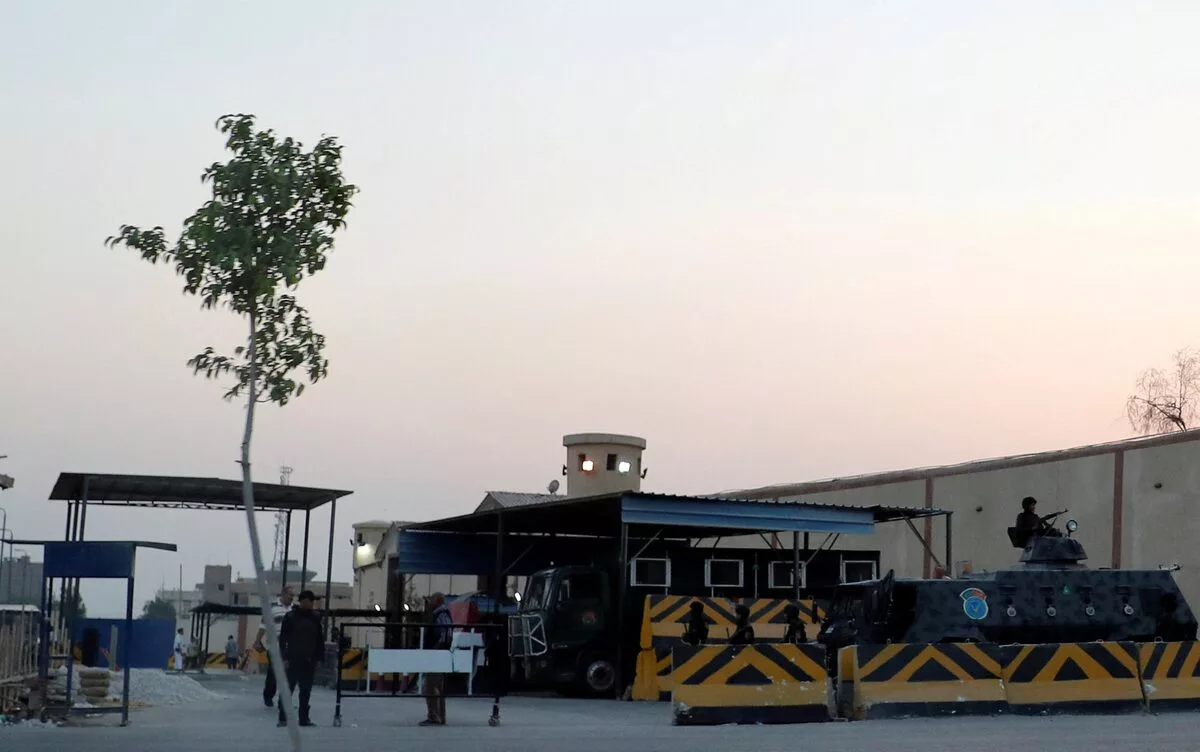
Since Abdel Fattah el-Sisi seized power, Egypt has witnessed an unprecedented expansion in prison construction. More than 45 new facilities have been built in just a decade, signaling a fundamental shift in the architecture of Egypt’s security state following the 2013 coup.
This expansion, however, was not solely a response to rising arrest rates or a tool of punishment. It evolved into a structured economic enterprise generating steady revenue for the regime and its security apparatus. Prisons became production units fueling a closed security economy, empowering agencies to self-finance and perpetuate the machinery of repression sustainably.
At the core of this transformation lies a complex web of interests linking the Ministry of Interior, military-affiliated contractors, and private service companies. Each prison construction, expansion, or management operation became a lucrative investment opportunity whether through food supply contracts or by draining detainees’ families via fees, bribes, and constant extortion in exchange for basic rights.
As this system took root, a new logic emerged one based on a “demand for repression.” The expansion of the prison network and the increase in detainees translated directly into higher profits. In this sense, repression itself became a sustainable business, and since 2013, prisons have become hidden engines of financial gain.
These prisons form a closed market in which funds are recycled through exclusive contracts and supply deals for Egypt’s security and military elite. Large-scale projects like the Minya, Wadi al-Natrun, and Badr prison complexes are essentially sealed-off economic ventures feeding the regime’s patronage networks with guaranteed returns.
How Did Prisons Become a Closed Economic Project?
Since 2014, Egypt’s prison system has undergone a dramatic shift in nature and function. Once officially presented as centers for rehabilitation, prisons have become pillars of a deeply entrenched military-security rule.
With a ballooning inmate population, prison openings became routine, reflecting their shift from punitive facilities to central components of the governing system.
This expansion wasn’t merely about security it carried increasingly significant economic dimensions. Prisons became closed investment zones providing both direct and indirect profits to the security establishment.
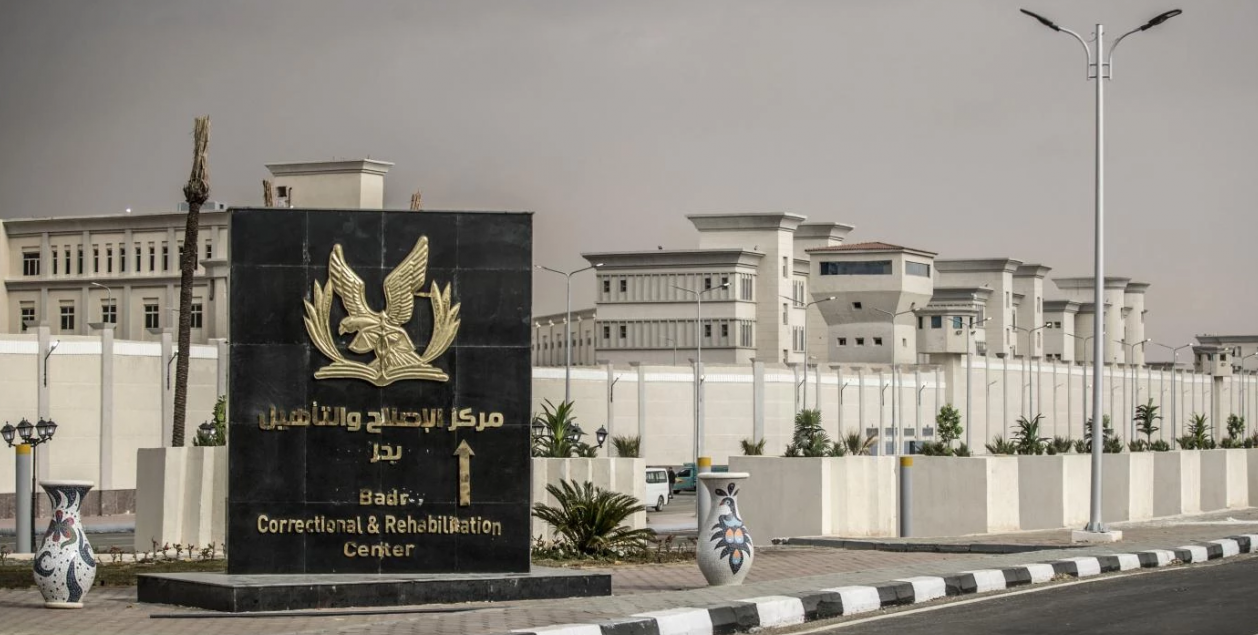
Construction, procurement, and supply contracts were awarded to companies affiliated with the military and Ministry of Interior, while the suffering of detainees and their families was monetized through imposed fees, canteen purchases, and daily bribes.
The explosion in arrests post-2013 created what could be called a security shadow economy an opaque, unregulated financial sphere operating beyond public oversight. The secrecy surrounding prison management allowed for the emergence of financial fields run like fiefdoms, built on a logic of extraction and profit.
This gave rise to layered networks of vested interests. At the micro level, inmates and their families are systematically extorted for access to basic needs like visitation, medical care, or medication.
Administratively, procurement contracts are often funneled to companies tied to security officials, while some detainees are forced into labor in covert, revenue-generating projects.
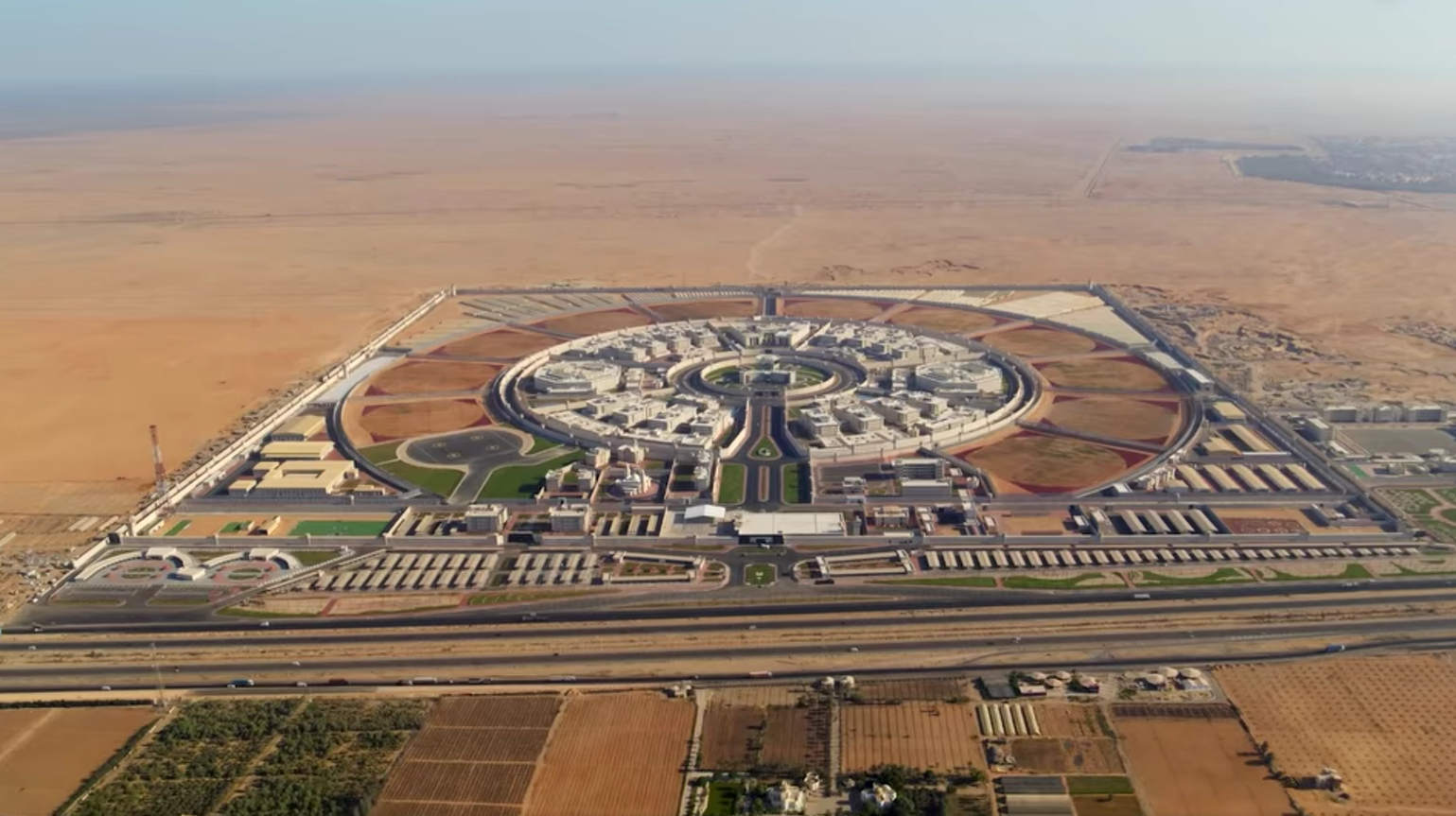
This transformation is starkly embodied in mega-prison projects like the Wadi al-Natrun and Badr complexes, marketed as modern, humane facilities but in reality operating as military-run investment fronts.
Contracts for their construction and outfitting were granted via direct orders without public tenders guaranteeing consistent profits and making each prison a self-contained financial asset within the security sphere.
Although funded by public budgets or government loans, the operation of these prisons follows a closed commercial model that recycles money within the security apparatus, completely bypassing any financial or legislative scrutiny.
Many facilities are built under vague construction agreements, often seizing public or agricultural lands through sovereign decrees that transfer ownership to the Ministries of Interior or Defense. These lands are then converted into perpetual profit-generating assets through construction and logistics cycles.
A Shadow Economy in Uniform
This parallel economy has increasingly extended into the private sector. The state no longer monopolizes prison management or its supply chains. Instead, tasks have been outsourced to private firms directly linked to the military-security complex, turning prisons into a closed trading market for contracts and deals.
Food, clothing, equipment, and logistical service contracts are handed to select companies often front organizations for military institutions or businessmen closely tied to the regime. Security firms connected to intelligence agencies have also expanded their role in supplying surveillance systems, cameras, and digital technologies in new prisons.
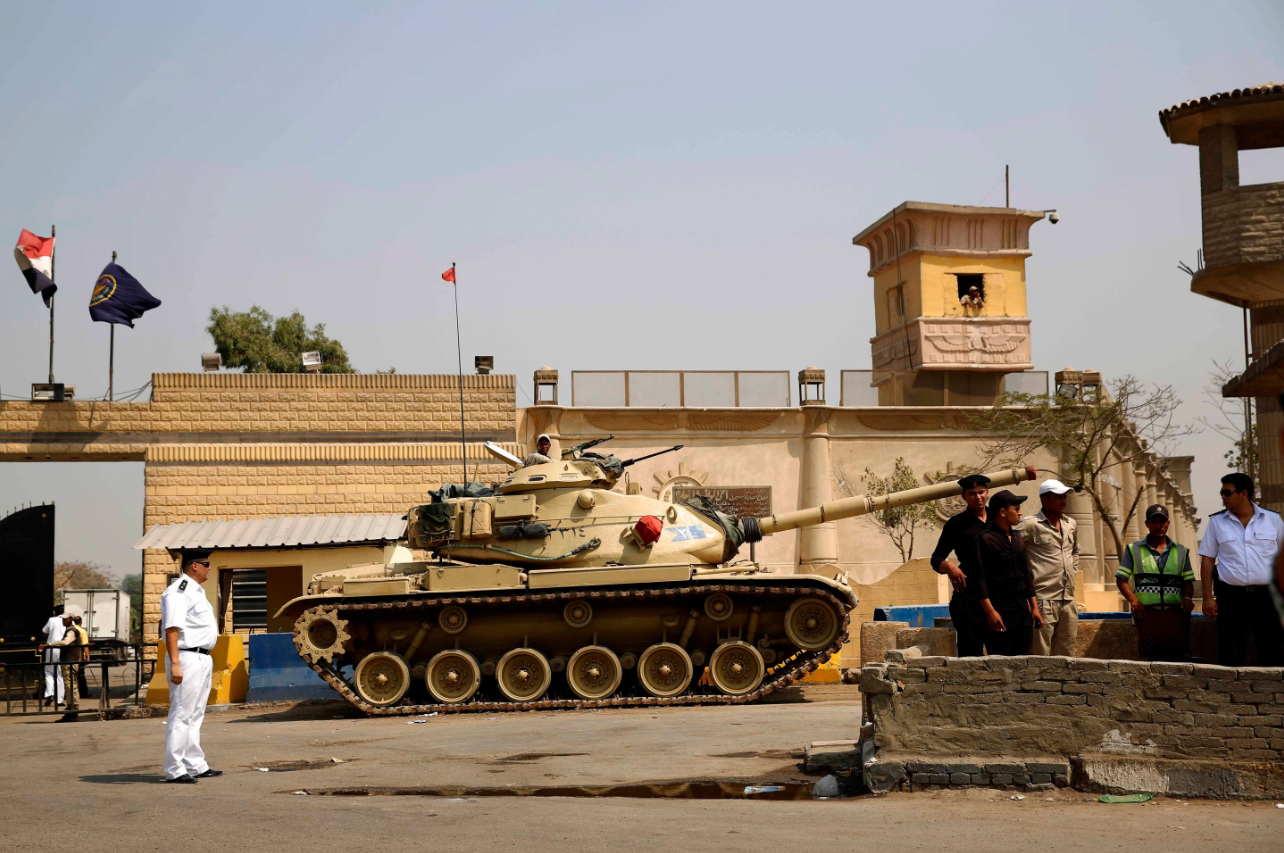
The Ministry of Interior’s relationship with these companies follows a closed contractual model, devoid of transparency. Public funds are transformed into private profits within a tight-knit network involving retired officers, current security officials, and regime-aligned business elites.
Retired officers are frequently rewarded with executive roles in these firms, solidifying a security economy based on loyalty-for-privileges exchanges.
In 2018, Law No. 182 on public contracts institutionalized this closed system. It granted the military and its affiliates the power to sign contracts directly under the guise of “protecting national security,” exempting them from oversight or accountability. The law entrenched complete secrecy in procurement, sales, and contracting.
Over time, repression has evolved into a sustainable business model. Every new prison, security law, or surveillance upgrade generates fresh financial flows. Security agencies receive increasing budgets, construction firms secure lucrative deals, and prison guards and administrators profit from routine extortion.
This has created what might be called an “economy of suffering” where the pain of detainees becomes a commodity sustaining an entire system. The more the arrests and extortion expand, the greater the revenue flowing into these unregulated channels. Human rights violations are no longer mere byproducts of authoritarianism they have become financial instruments.
Crucially, the profits generated by this economy do not return to the state treasury. They are distributed within a closed web of interests involving the Interior Ministry, military, and private security firms. This creates powerful incentives to maintain the status quo: continued arrests and prison expansion now represent reliable income streams for the regime and its operatives.
In this context, the state invests in prisons twice first as tools of social control, and second as financial reservoirs feeding loyalty networks within the security establishment. Ultimately, Egypt’s post-2013 prison experience demonstrates that prisons are no longer a financial burden they are financial assets that sustain the regime’s power. Fear itself has become a commodity; suffering a resource; prison, a long-term investment.
The Canteen: A Captive Marketplace
Since 2013, prison canteens in Egypt have transformed into fully monopolized markets. They are one of the most visible tools of financial extortion, draining prisoners and their families. Goods in the canteen are sold at highly inflated prices, while inmates are prohibited from receiving supplies from outside, ensuring daily profits for those operating the facility.
Over time, the canteen evolved into an entrenched economic institution within the broader economy of repression. Prisoners are forced into full dependence on its overpriced goods, converting even basic human needs into financial instruments of control.
Former detainee Ahmed Naji described the canteen as a “fully-fledged economic entity,” with daily cash flows from supply trucks and continuous purchases. Families are often barred from bringing food, not purely as punishment but also to enforce economic dependence on overpriced in-house goods.
This transforms food into a method of systemic extortion generating revenue for security services and deepening the financial burdens of already-struggling families. These transactions remain unregulated by Egyptian law, and the country’s prison codes make no mention of the canteen.
Visitation as Extortion
What should be humane family visits have been weaponized as primary revenue streams. Families are forced to pay bribes just to gain access or deliver basic supplies.
The relocation of prisons to remote areas like Badr and Wadi al-Natrun has increased the costs and logistics burden on families. Every visit becomes a financial and emotional drain, eroding dignity and depleting resources. These arrangements function more as mechanisms of collective punishment than security management.
Bribes and Parallel Services
Unregulated internal networks operate within prisons, commodifying even the most basic services. Medication, blankets, phone calls, or humane treatment all carry a price tag. Guards, soldiers, and loyal inmates share the spoils in a hierarchical system of extortion.
One account noted a family paying 250–300 Egyptian pounds weekly just to ensure medication reached their loved one. Another inmate claimed his family alone covered costs equal to the monthly salaries of three prison officers.
Even harassment and physical abuse of visiting families can reportedly be “avoided” through bribes. Detainees’ wives shared experiences of paying money to escape sexual harassment by guards. These are not isolated incidents, but part of a broader extortion economy driven by administrative and security personnel.
Medical Care as a Commodity
The lack of proper healthcare has created a black market for medicine. Families are often extorted to ensure the delivery of medication or are forced to buy it at marked-up prices through intermediaries.
Medical services in Egyptian prisons fall under the Ministry of Interior, not the Ministry of Health. This means everything from doctor assignments to medicine supply is handled by security agencies making healthcare another tool of material control, immune to civilian oversight or legal accountability.
Financial Bleeding Beyond the Walls
The financial toll extends well beyond prison walls. Families must often deal with lawyers and intermediaries tied to prison officials to secure visits or deliver essentials—paying increasing sums along the way. Prolonged pretrial detentions, now with no legal limit, exacerbate the financial drain, forcing many into debt.
This system preys on the vulnerability of detainees and their families, forming a web of economic exploitation that stretches from the lowest guard to the top of the security hierarchy. Every prisoner becomes an economic unit, every family a target for financial extraction.
Forced Labor: From Punishment to Profit
Since 2013, forced labor inside prisons has become a hidden pillar of Egypt’s repression economy. The Interior Ministry established vast production systems using inmate labor in workshops for furniture, garments, agriculture, cleaning supplies, and handicrafts.
Though publicly framed as “rehabilitation,” these are profit-driven ventures generating direct revenue for the Interior Ministry and its security partners. Run by prison administrators or affiliated officers, inmates work long hours for symbolic pay without legal protections or social insurance.
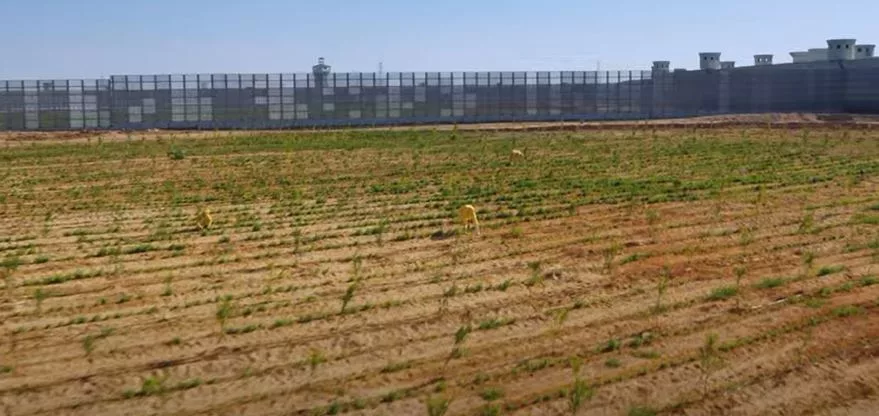
Products are sold through Interior Ministry outlets and local trade fairs, promoted as reform programs but actually generating income that bypasses the national budget. Revenues are held in private ministry accounts, out of reach of auditors or parliament, granting the security sector financial independence and expanding its unchecked power.
With this growing activity, prisons now function as sealed production units. Inmate suffering becomes capital; incarceration becomes investment. Every new prisoner is a cheap labor source; every new workshop a profit center.
This model mirrors authoritarian precedents: China’s Laogai system emphasized “reform through labor,” while the Soviet Gulag powered industrial production through forced labor. Since the 1980s, privatized US prisons have similarly exploited inmate labor for corporate profit.
Egypt’s post-2013 model combines all three political repression from the Soviets, production discipline from China, and covert privatization from the US. The result is a hybrid system: prison as both tool of control and source of sustainable income.