













NoonPost NoonPost

NoonPost

  • Home
  • Politics
  • Economy
  • Society
  • Culture
  • Files
  • Long Reads
  • Podcast
AR
Notification Show More
نون بوست
“There Are Nights I Can’t Close My Eyes”: How Gazans Are Living in Homes on the Brink of Collapse
نون بوست
From al-Jolani to Ahmad al-Shara: The Evolution of Syria’s New Leader
نون بوست
When Political Islam Receded in Egypt: Who Filled the Void?
نون بوست
An Extension of Genocide: Gaza’s Detainees Speak Out
نون بوست
A Tightrope Between Survival and Sovereignty: The Syrian Government Faces Normalization Pressures
نون بوست
American Aircraft Carriers: Has the Era of “100,000 Tons of Diplomacy” Ended?
نون بوست
U.S. Regime‑Change Policies: Why They Are Destined to Fail
نون بوست
Transformations of Israeli Judaism: Between the Victim Complex and the Colonizer’s Doctrine
نون بوست
The Gulf’s Balancing Act: Iran, Israel, and Hidden Links
نون بوست
Iraq–Turkey Oil Export Treaty: Why Did Ankara Cancel It After 52 Years?
نون بوست
Syria’s Northeast on Edge: QSD Between Ankara and Damascus
نون بوست
Has Europe Changed Its Stance on Israel… or Just Its Language?
NoonPost NoonPost
AR
Notification Show More
نون بوست
“There Are Nights I Can’t Close My Eyes”: How Gazans Are Living in Homes on the Brink of Collapse
نون بوست
From al-Jolani to Ahmad al-Shara: The Evolution of Syria’s New Leader
نون بوست
When Political Islam Receded in Egypt: Who Filled the Void?
نون بوست
An Extension of Genocide: Gaza’s Detainees Speak Out
نون بوست
A Tightrope Between Survival and Sovereignty: The Syrian Government Faces Normalization Pressures
نون بوست
American Aircraft Carriers: Has the Era of “100,000 Tons of Diplomacy” Ended?
نون بوست
U.S. Regime‑Change Policies: Why They Are Destined to Fail
نون بوست
Transformations of Israeli Judaism: Between the Victim Complex and the Colonizer’s Doctrine
نون بوست
The Gulf’s Balancing Act: Iran, Israel, and Hidden Links
نون بوست
Iraq–Turkey Oil Export Treaty: Why Did Ankara Cancel It After 52 Years?
نون بوست
Syria’s Northeast on Edge: QSD Between Ankara and Damascus
نون بوست
Has Europe Changed Its Stance on Israel… or Just Its Language?
Follow US

“Grief Doesn’t Fade, It Just Changes Shape”: On Prolonged Mourning in Gaza

فريق التحرير
Noon Post Published 26 March ,2026
Share
نون بوست
نون بوست
ABC NEWS

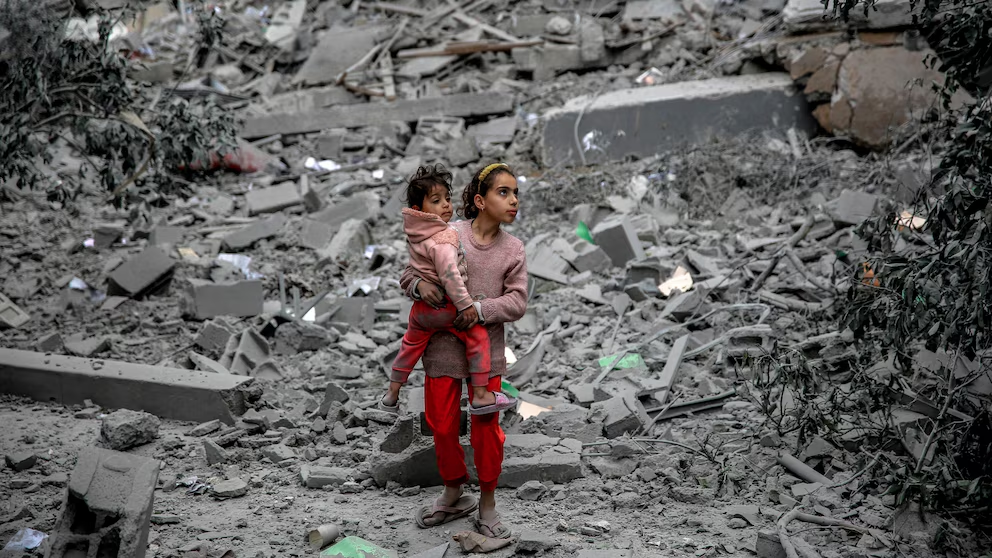
In a home that no longer exists in Tel al-Hawa, Zahra Sarsour, 37, left behind a lifetime of memories when news of its destruction reached her as she sheltered in southern Gaza in November 2023. That moment, she says, felt like an irreparable internal fracture.

With a voice heavy with sorrow, she recounts: “I’ll never forget the moment I lost my home. I got married there, gave birth, and lived for thirteen years everything that resembles me was there.”

But the loss of her home was only the beginning. Within days, Zahra began to lose loved ones—relatives, friends, even her longtime physician. She sighs, “I didn’t get to say goodbye to any of them. They were gone in an instant… and what hurts most is that I never told them how much I loved them.”

Each name lost meant a new part of her was gone. “Grief doesn’t fade,” she says, struggling to describe the indescribable. “It just changes shape. It becomes quieter, more silent, heavier on the heart. Photos and places hurt. They awaken my memory, so I avoid them.”

Every corner reminded her of laughter, of small celebrations, of beautiful details that no longer exist. It’s as if the place, though destroyed, continues to live inside her.

Today, she tries to return to life through small acts: tidying up her tent, cooking meals, caring for her three children. But she confesses, “There’s a broken part inside me. I try to live, to smile, but the numbness doesn’t go away. The part that shattered hasn’t healed. It lives with me like a heavy shadow that never leaves.”

Despite the weight of loss, her children’s laughter offers a fleeting kind of hope and a brief reprieve from the pain. “They’re the reason I resist my emotions. Joy, for me, is just a moment it can come in a smile or a simple scene. Those we’ve lost would want us to live a good life.”

At the end of her reflections, Zahra sums up mourning as she feels it, not as it’s conventionally defined: “I haven’t stopped living I’ve just started living beside the grief. I treat it as a part of me. I don’t try to escape it. That’s the mourning that lives inside me.”

When Grief Becomes Routine

From Gaza City’s al-Sabra neighborhood, journalist Hani Abu Rizq, 31, recalls the early days of the war, when he lost three colleagues during a bombing raid. His voice is tinged with longing: “It was a huge shock. Even though many colleagues were martyred after that, the first time hurt the most. It remains vivid their faces, their final words.”

He was unable to say goodbye due to the siege and the difficulty of moving between north and south Gaza. Instead, he spoke to their families, remembered them, and wrote about them. “They may be gone in body, but their souls live on in us and in their work. We’ll never forget them.”

For Hani, grief in Gaza has transformed into a daily routine, one that’s hard to escape. “We’ve gotten used to grieving. We mourn someone for two days, then carry on because every day brings new loss. Maybe this is the hardest kind of survival when pain becomes a habit.”

Everything around him evokes life before October 7. “The place, the smell, the sound… every little detail takes me back. To the days we dreamed of small, simple things that now feel out of reach.”

He pauses, then adds: “Even ordinary things have become painful the streets we used to walk, the sound of laughter, even the smell of morning coffee. They make me feel as if time stopped in that moment and never moved again.”

Hani believes this wasn’t a war with an end date it’s an open wound. “It will take decades to recover even a fraction of what we had. The war is over, but inside us, it’s still raging a war of memory, of loss, of surviving the echoes of what was.”

He draws strength from the small hopes offered by people’s words and his mother’s prayers. “The positivity of others, and my mom’s prayers, keep me going—even in the darkest times. Maybe that small faith in life is what keeps us from completely breaking.”

When asked what mourning means to him, he doesn’t hesitate. He offers a bitter smile and says: “Mourning? It’s pain. But pain that never ends.”

A Birthday Turned into a Day of Martyrdom

Though loss takes many forms, its pain is universal across Gaza. For Rasha Kaheel, 29, a single moment shattered her sense of safety her birthday became the day she lost her father.

On December 19, 2023, an Israeli sniper shot her father three times in the head. Rasha recalls the moment with trembling: “We were under siege. I couldn’t reach him. We had to break through neighbors’ walls and jump from house to house. When we finally got there, the men had already wrapped his body under drone fire and buried him. I never got to touch him or say goodbye.”

Since that day, absence has permeated every aspect of her life. “Every time I see someone who’s lost their father, I feel like my dad was just killed again. At the dinner table, with every decision I should’ve asked him about.

His scent still clings to the clothes we kept, and we’ve preserved the cap he wore when he was shot it still holds his pure blood and his smell.”

Her grief hasn’t disappeared, only changed shape. “Life goes on whether you like it or not, but everything feels incomplete. At first, I lost all appetite to eat or speak I felt like I died with my father. But the first time I visited his grave, I felt a strange hunger. That’s when I realized he wouldn’t want to see me like this.”

She describes mourning in words that encapsulate her pain: “Mourning is life without life.” Her voice carries more resignation than sorrow as if she’s grown used to its constant presence beside her.

Despite the brutality of her loss, she believes continuing forward is an act of faith, not a luxury of feeling. “Healing is something you’re forced into it’s not a choice or a moment of clarity.

It’s when you keep walking, even when you don’t want to. If you stay stuck in the moment of loss, you’ll end up in a dark place. But every attempt, no matter how small, is rewarded God sees that.”

Gaza’s Collective Grief

Dr. Ahmad Al-Arabeed, a sociology professor at Al-Aqsa University, affirms that the collective mourning now gripping Gaza is a natural consequence of the immense scale of loss. “This calamity has touched everyone. Mourning has become a collective experience, one people had no choice but to endure.”

While Gaza may currently be in a state of relative calm, he says this doesn’t mean life has returned to normal only that people are adapting to a new survival routine.

He explains that the mourning process starts to loosen its grip as society regains some degree of stability. “As the general situation improves, it reflects on people’s psychological states and their ability to return to normal life.”

Al-Arabeed stresses that society urgently needs comprehensive rehabilitation after a trauma of this magnitude—one that far exceeds any single individual’s capacity to bear. “The war has impacted people’s physical and mental health in deep and lasting ways.”

“Maybe the war has made us more resilient,” he adds, “but we can’t ignore the fact that everyone processes grief and loss differently.”

He also notes the crucial role of faith and spirituality in helping people come to terms with their reality, along with the importance of family and social support in reinforcing emotional resilience.

He concludes, “Human beings are naturally capable of recovering from crises, but that recovery requires real psychological support from families, communities, professionals, and a degree of stability that brings a sense of safety. We also need targeted programs to rehabilitate the most vulnerable groups during this time.”

Download this article as PDF
Share this Article
Facebook Twitter Whatsapp Whatsapp Telegram Email Copy Link
فريق التحرير
By فريق التحرير تقارير يعدها فريق تحرير نون بوست.
Follow:
Previous Article نون بوست How Sisi Turned Prisons into Profit Centers
Next Article نون بوست “Our land is our land” Palestinians’ tales in the olive‑harvest season

Read More

  • "There Are Nights I Can’t Close My Eyes": How Gazans Are Living in Homes on the Brink of Collapse "There Are Nights I Can’t Close My Eyes": How Gazans Are Living in Homes on the Brink of Collapse
  • From al-Jolani to Ahmad al-Shara: The Evolution of Syria’s New Leader
  • When Political Islam Receded in Egypt: Who Filled the Void?
  • An Extension of Genocide: Gaza’s Detainees Speak Out
  • A Tightrope Between Survival and Sovereignty: The Syrian Government Faces Normalization Pressures
part of the design
NoonPost Weekly Newsletter

You May Also Like

“There Are Nights I Can’t Close My Eyes”: How Gazans Are Living in Homes on the Brink of Collapse

“There Are Nights I Can’t Close My Eyes”: How Gazans Are Living in Homes on the Brink of Collapse

فريق التحرير Noon Post 8 April ,2026
From al-Jolani to Ahmad al-Shara: The Evolution of Syria’s New Leader

From al-Jolani to Ahmad al-Shara: The Evolution of Syria’s New Leader

أحمد سيف النصر Ahmed Seif EL-Nasr 8 April ,2026
When Political Islam Receded in Egypt: Who Filled the Void?

When Political Islam Receded in Egypt: Who Filled the Void?

أحمد عبد الحليم أحمد عبد الحليم 8 April ,2026

السلطات تستعمل تطبيقات جوجل لتعقب كل تحركاتك

جانا وينتر
جانا وينتر Published 10 November ,2015
Share
timeline-googlev2

ترجمة وتحرير نون بوست

التوسع الأخير بميزة التسلسل الزمني لجوجل يمكن أن يوفر للمحققين وصولًا لم يسبق له مثيل لسجل بيانات مواقع المستخدمين، بحيث يسمح لهم في كثير من الحالات بتعقب حركة أي شخص على مدى سنوات، وذلك وفقًا لتقرير عُمّم على سلطات إنفاذ القانون مؤخرًا.

“آثار هذه الميزة على الخصوصية الشخصية تبدو واضحة للغاية، وكذلك تبدو آثارها واضحة في مجال إنفاذ القانون”، جاء في التقرير الذي عُنون باسم “التسلسل الزمني لجوجل: تحقيقات المواقع على أجهزة الأندرويد”، والذي يحدد نوع المعلومات التي يستطيع المحققون اليوم الوصول إليها.

“نحن نطلب مذكرة تفتيش صحيحة من سلطات إنفاذ القانون، تستند على أسباب محتملة قوية، لتوفير هذه البيانات”، أوضح متحدث باسم جوجل لموقع ذا إنترسبت، وتابع قائلًا “مجرد تقديم استدعاء بهذا الأمر لن ولم يكن كافيًا للحصول على هذه البيانات من الشركة”.

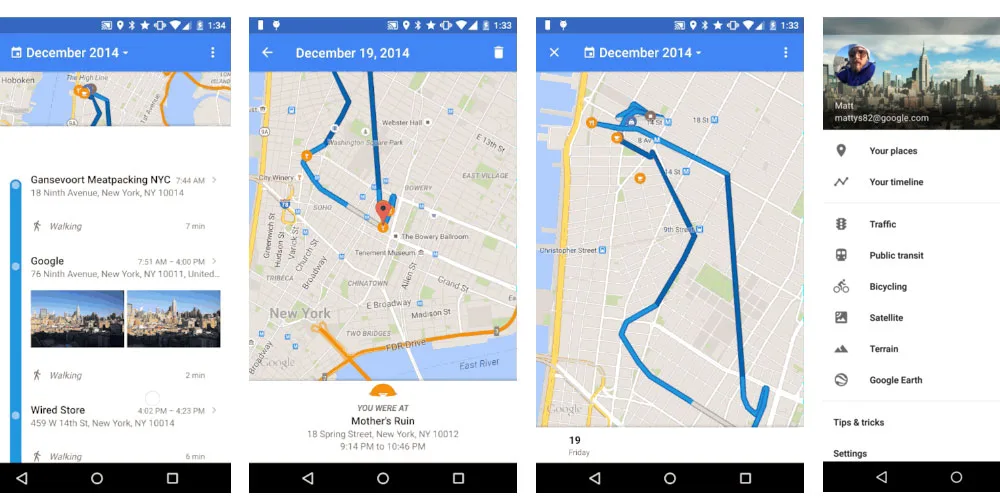
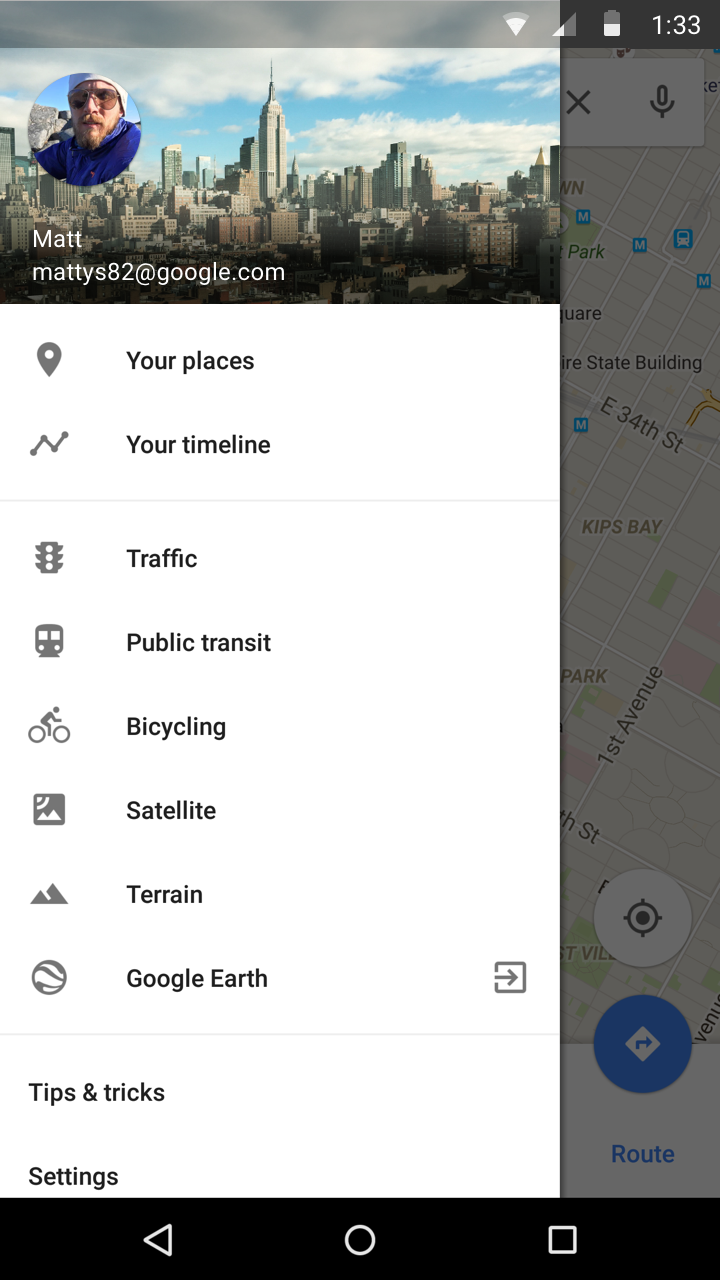
التسلسل الزمني (Timeline) الموجود داخل تطبيقات جوجل على الأجهزة الذكية، يسمح للمستخدمين أن يلقوا نظرة إلى الوراء على تحركاتهم اليومية ضمن خرائط جوجل، ولكن هذه المعلومات ذاتها قد تكون أيضًا ذات فائدة قصوى لسلطات إنفاذ القانون، “من الممكن الآن أن يتم تقديم طلب قانوني لجوجل لبيان تاريخ المواقع لمستخدم معين لفترة تزيد على ستة أشهر” يقول التقرير، ويتابع، “هذه الميزة يمكن أن تعيد تنشيط القضايا القديمة ومن المحتمل أيضًا أن تساعد السلطات في حل التحقيقات الجارية”.

نون بوست

التسلسل الزمني (Timeline) الموجود داخل تطبيقات جوجل على الأجهزة الذكية

تم كتابة التقرير من قِبل مدرّب في سلطات إنفاذ القانون، آرون إيدنس، حيث يوفر هذا التقرير إرشادات مفصلة حول الثروة العملية التي قد توفرها المعلومات المتاحة عن تاريخ المواقع ضمن خدمة التسلسل الزمني لجوجل، وكيفية طلب هذه المعلومات.

التوسع الأخير الذي تم استحداثه على خدمة التسلسل الزمني لجوجل في يوليو 2015، يسمح للمحققين بطلب معلومات مفصلة حول المكان الذي كان يوجد فيه شخص معين، وفقًا لخطوط الطول والعرض، على مدى سنوات، علمًا أن المعلومات التي كان يمكن توفيرها سابقًا كانت تشمل فقط معلومات عن المواقع الآنية للمستخدمين.

التقرير الذي جاء في 15 صفحة، يبين المعلومات التي استطاع كاتب التقرير، وهو خبير في تحقيقات الهاتف المحمول، استخلاصها من البيانات المخزنة في التسلسل الزمني الخاص به، حيث استطاع الحصول على بيانات، مفصلة للغاية، للمواقع التي زارها مسبقًا، والتي يعود تاريخها إلى عام 2009، وهي السنة الأولى التي استعمل فيها هاتفًا ذكيًا بنظام تشغيل أندرويد، تلك السنوات الست للبيانات، توضح نوع المعلومات التي يمكن للمحققين طلبها اليوم من جوجل.

يشير التقرير أيضًا أنه يمكن للمستخدمين تعديل أو حذف مواقع محددة في تاريخ التسلسل الزمني في أجهزتهم، أو حتى حذف بيانات يوم كامل، حيث يذكر التقرير “لسوء الحظ، سهلت جوجل للغاية من مهمة حذف المستخدمين لبيانات المواقع من موعد محدد”، علمًا أنه لا يوجد بيانات حاليًا تشير إلى قدرة جوجل على استرداد هذه المعلومات بمجرد حذفها، كما يقول التقرير.

يتم تخزين بيانات الموقع في حسابات مستخدمي جوجل فقط إذا قام المستخدمون بتفعيل هذه الميزة، كما يمكن لمستخدمي الأجهزة العاملة بنظام الأندرويد إيقاف تفعيل هذه الميزة، ولكن أغلب المستخدمين لا يفعلون ذلك.

تمتلك سلطات إنفاذ القانون قدرة مماثلة للحصول على البيانات المخزنة ضمن شركات الخصوصية، كمواقع دروب بوكس (Dropbox) أو آي كلاود (ICloud)، ولكن ما يميز المعلومات التي يمكن أن توفرها جوجل هو أن ميزة التسلسل الزمني تسمح للسلطات بالوصول إلى كنز من البيانات حول الحركة الفردية لشخص ما على مدى سنوات سابقة.

ينصح التقرير أيضًا المحققين بأن يتذكروا أن هناك كمية كبيرة من المعلومات الأخرى التي يحتفظ بها جوجل، حيث جاء في التقرير، “لا تنسوا أن تقوموا بالبحث أيضًا ضمن بريد الجي ميل، الصور والفيديو، بيانات تاريخ البحث، الاتصالات، التطبيقات، الأجهزة المتصلة، ميزة البحث الصوتي، ومحفظة جوجل، إذا كان لذلك صلة بالتحقيق”.

يُنصح الباحثون أيضًا بأن يتقدموا لشركة جوجل ببيان عدم الكشف عن المذكرات، والذي يمنع الشركة من إخطار صاحب الحساب الذي يتم التدقيق ببياناته الخاصة من قِبل سلطات إنفاذ القانون.

من المستحيل على أرض الواقع معرفة عدد الطلبات التي تقدمت بها سلطات إنفاذ القانون لجوجل للاستحصال على معلومات التسلسل الزمني لمواقع المستخدمين، لأن جوجل لا تحدد أنواع الطلبات التي تحصل عليها من السلطات، حيث يقتصر تقرير الشفافية الذي تصدره جوجل على تبيان عدد الطلبات الواردة من سلطات إنفاذ القانون فقط، وأحدث هذه التقارير يعود تاريخه إلى نهاية عام 2014، وهو بذلك لا يغطي الفترة الزمنية التي تم خلالها توسيع خدمة التسلسل الزمني في بداية يوليو المنصرم، علمًا أن تقرير عام 2014 يشير إلى أن الشركة تلقت في النصف الأول من عام 2014 حوالي 12.539 طلبًا قانونيًا جنائيًا في الولايات المتحدة، وفي النصف الثاني من العام وصل عدد الطلبات إلى 9.981 طلبًا.

العقبة الأساسية التي تقف في وجه سلطات إنفاذ القانون تتمثل بأن جوجل، وبمجرد تسليمها للبيانات بناء على استدعاءات السلطات، لا تقدم أي مشورة أو مساعدة إضافية لفك تشفير البيانات، “بناء على المحادثات التي أجريتها مع المحققين المكلفين بإنفاذ القانون وأعضاء النيابة العامة، فقد قاومت جوجل جميع محاولات إحضارها إلى المحاكم لمناقشة القضية”، كتب إيدنس في تقريره.

“جوجل لا تقدم شهادات الشهود الخبراء أمام المحاكم” قال إيدنس ردًا على سؤال موقع ذا إنترسبت، مشيرًا إلى أن ذات هذا النهج تعتمده أغلب الشركات الأخرى التي تحتفظ بمعلومات شخصية عن المستخدمين، كموقع الفيسبوك، وأضاف بأنه كتب تقريره لمساعدة سلطات إنفاذ القانون في ظل غياب المساعدة المقدمة من جوجل.

“لطالما كانت جوجل حذرة من أن يُنظر لها بأنها متعاونة مع سلطات إنفاذ القانون، حتى قبل إدوارد سنودن”، قال إيدنس للإنترسبت، وفي ذات السياق قال المتحدث باسم جوجل للموقع “علينا أن نستجيب لطلبات السلطات القانونية الصحيحة، ولكن الشركة تتمتع بسجل حافل بالدفاعات التي تقوم بها بالنيابة عن مستخدميها”.

المصدر: ذا إنترسبت

TAGGED: الإنترنت ، التجسس الالكتروني ، التكنولوجيا ، الحصول على المعلومات ، الخصوصية
TAGGED: جوجل
Download this article as PDF
Share this Article
Facebook Twitter Whatsapp Whatsapp Telegram Email Copy Link
جانا وينتر
By جانا وينتر صحفية أمريكية عملت في فوكس نيوز لها العديد من التحقيقات الاستقصائية
Follow:
Next Article نون بوست The Stigma of “ISIS”: A Heavy Legacy Haunting Women and Children of Former Members

Read More

  • U.S. Regime‑Change Policies: Why They Are Destined to Fail U.S. Regime‑Change Policies: Why They Are Destined to Fail
  • The Gulf’s Balancing Act: Iran, Israel, and Hidden Links
  • Iraq–Turkey Oil Export Treaty: Why Did Ankara Cancel It After 52 Years?
  • Syria’s Northeast on Edge: QSD Between Ankara and Damascus
  • Has Europe Changed Its Stance on Israel… or Just Its Language?
part of the design
NoonPost Weekly Newsletter
dark

An independent media platform founded in 2013, rooted in slow journalism, producing in-depth reports, analysis, and multimedia content to offer deeper perspectives on the news, led by a diverse young team from several Arab countries.

  • Politics
  • Society
  • Rights & Liberties
  • Opinions
  • History
  • Sports
  • Education
  • Technology
  • Economy
  • Media
  • Arts & Literature
  • Entrepreneurship
  • Travel
  • Cinema & Drama
  • Food
  • Health
  • Culture
  • Latest Reports
  • Files
  • Long Reads
  • Interviews
  • Podcast
  • Interactive
  • Encyclopedia
  • In Pictures
  • About Us
  • Our Writers
  • Write for Us
  • Editorial Policy
  • Advanced Search
Some rights reserved under a Creative Commons license

Removed from favorites

Undo
Go to mobile version