NoonPost NoonPost

NoonPost

  • Home
  • Politics
  • Economy
  • Society
  • Culture
  • Files
  • Long Reads
  • Podcast
AR
Notification Show More
نون بوست
“There Are Nights I Can’t Close My Eyes”: How Gazans Are Living in Homes on the Brink of Collapse
نون بوست
From al-Jolani to Ahmad al-Shara: The Evolution of Syria’s New Leader
نون بوست
When Political Islam Receded in Egypt: Who Filled the Void?
نون بوست
An Extension of Genocide: Gaza’s Detainees Speak Out
نون بوست
A Tightrope Between Survival and Sovereignty: The Syrian Government Faces Normalization Pressures
نون بوست
American Aircraft Carriers: Has the Era of “100,000 Tons of Diplomacy” Ended?
نون بوست
U.S. Regime‑Change Policies: Why They Are Destined to Fail
نون بوست
Transformations of Israeli Judaism: Between the Victim Complex and the Colonizer’s Doctrine
نون بوست
The Gulf’s Balancing Act: Iran, Israel, and Hidden Links
نون بوست
Iraq–Turkey Oil Export Treaty: Why Did Ankara Cancel It After 52 Years?
نون بوست
Syria’s Northeast on Edge: QSD Between Ankara and Damascus
نون بوست
Has Europe Changed Its Stance on Israel… or Just Its Language?
NoonPost NoonPost
AR
Notification Show More
نون بوست
“There Are Nights I Can’t Close My Eyes”: How Gazans Are Living in Homes on the Brink of Collapse
نون بوست
From al-Jolani to Ahmad al-Shara: The Evolution of Syria’s New Leader
نون بوست
When Political Islam Receded in Egypt: Who Filled the Void?
نون بوست
An Extension of Genocide: Gaza’s Detainees Speak Out
نون بوست
A Tightrope Between Survival and Sovereignty: The Syrian Government Faces Normalization Pressures
نون بوست
American Aircraft Carriers: Has the Era of “100,000 Tons of Diplomacy” Ended?
نون بوست
U.S. Regime‑Change Policies: Why They Are Destined to Fail
نون بوست
Transformations of Israeli Judaism: Between the Victim Complex and the Colonizer’s Doctrine
نون بوست
The Gulf’s Balancing Act: Iran, Israel, and Hidden Links
نون بوست
Iraq–Turkey Oil Export Treaty: Why Did Ankara Cancel It After 52 Years?
نون بوست
Syria’s Northeast on Edge: QSD Between Ankara and Damascus
نون بوست
Has Europe Changed Its Stance on Israel… or Just Its Language?
Follow US

Lebanon on the Edge: Between Pressure and Paralysis

أحمد الطناني
Ahmad Tanani Published 26 March ,2026
Share
نون بوست
نون بوست

The intensifying sound of Israeli air raids over southern Lebanon is now drowning out the waning echoes of political maneuvering, all amid an American tone increasingly tinged with frustration over the stalled plans to reshape the Lebanese landscape plans centered on disarming Hezbollah and reengineering the balance of power in the country.

While the official Lebanese stance, as represented by President Joseph Aoun, appears less aligned with the American vision for Lebanon’s future, Prime Minister Nawaf Salam leans toward a more aggressive approach to the security file.

Yet he has struggled to overcome institutional resistance chiefly from the Lebanese Armed Forces against direct confrontation with Hezbollah, which has openly declared its readiness for an “epic Karbala-like” battle to defend its weapons.

This internal divergence, coupled with Washington’s inability to secure a decisive political breakthrough, has tilted the Israeli calculus toward a more forceful intervention. The aim: to reimpose its agenda by force and seize what Tel Aviv views as a historic opportunity to reshape the regional order with minimal resistance.

Rising Threats and Relentless Attacks

The Lebanese front has seen a marked escalation in both field tensions and political rhetoric over recent weeks. Israel has ramped up its public threats to expand its aggression, citing Hezbollah’s alleged attempts to “rearm and rebuild its infrastructure.”

نون بوست
The wreckage of a vehicle after an Israeli airstrike in Kfar Reman, southern Lebanon. Photograph: Mahmoud Zayyat/AFP/Getty Images

These statements have been accompanied by a surge in airstrikes both in number and intensity leaving mounting civilian and material losses across southern Lebanon.

Israeli attacks have ranged from wide-scale strikes described by Hebrew media as targeting Hezbollah’s “military infrastructure” to targeted assassinations of field operatives, as well as bombardments of residential areas, resulting in numerous civilian casualties. Simultaneously, Israeli military vehicles have been spotted moving increasingly close to border villages in southern Lebanon.

Amid the escalation, Israeli Prime Minister Benjamin Netanyahu convened a security cabinet meeting focused on Lebanon. Shortly afterward, Israel’s public broadcaster “Kan 11” quoted an Israeli official claiming that Hezbollah was “succeeding in rebuilding its offensive and defensive capabilities and restructuring its military leadership.”

These claims echoed across Israeli media, including in Yedioth Ahronoth, which reported that Hezbollah had recently managed to smuggle hundreds of short-range missiles from Syria into Lebanon. The report prompted Israel’s security cabinet to hold an emergency meeting to discuss the “repeated breach of agreements and Hezbollah’s renewed militarization,” according to the Israeli narrative.

Israeli Foreign Minister Gideon Sa’ar, in a meeting with UN envoy to Lebanon Janine Hennis-Plasschaert, warned that “Hezbollah, with Iran’s backing, continues efforts to rebuild its power,” describing it as a threat to both Israel’s security and Lebanon’s future. “Israel will not ignore this trajectory,” he said.

Meanwhile, Israeli Defense Minister Israel Katz launched a new wave of threats, accusing Hezbollah of “playing with fire” and lambasting Lebanese President Joseph Aoun for “stalling in implementing his government’s obligations to disarm Hezbollah and expel it from the south.” In a post on X, Katz vowed that Israel would continue its “maximum enforcement approach” and “not allow any threat to residents of the north.”

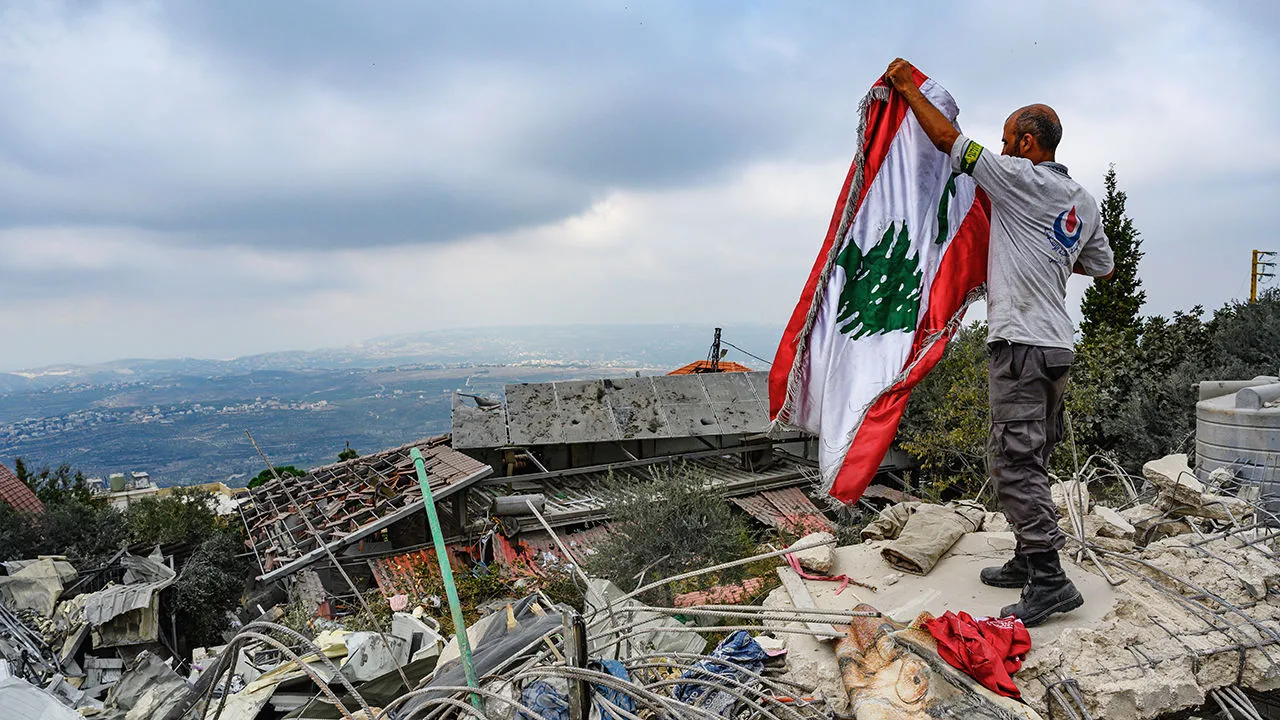
His threats came in the aftermath of one of the deadliest nights in southern Lebanon, during which the Israeli military targeted a civilian car in the town of Kfar Rumman (Nabatieh district), killing four young men and injuring three others. Earlier that same night, an airstrike on Kfarsir wounded another civilian.

These attacks, paired with increased military activity, reflect a clear Israeli inclination to gradually raise the level of confrontation. Lebanon has already endured a low-intensity war for over two years, marked by hundreds of Israeli strikes and a continuous violation of the ceasefire agreement signed in November 2024.

The Collapse of the Internal Conflict Gambit

Israeli strategists, with strong backing from the Trump-era American administration, had wagered that a mix of intensive airstrikes and diplomatic pressure would create a “perfect moment” to decisively weaken and subdue Hezbollah both politically and militarily.

This strategy played out on two fronts: first, giving the Israeli army near-complete freedom to operate along and across the border, effectively transforming Lebanese territory into a zone of daily air raids; second, applying relentless pressure on decision-makers in Beirut through an active US mediation effort led by envoy Thomas Barak and his deputy Morgan Ortagus, who pushed hard for a plan centered on disarming Hezbollah and reshaping Lebanon’s political scene.

In both Washington and Tel Aviv’s view, this moment would either force the Lebanese government to dismantle Hezbollah’s arsenal or trigger internal conflict between Lebanese factions. Either outcome, they believed, would ultimately favor Israel. But Lebanon’s internal dynamics and political constraints have thus far defied those expectations.

President Aoun has ruled out the use of force to disarm Hezbollah, citing the Lebanese army’s lack of capacity to confront a well-armed organization. He warned that any such move could spark a civil war.

Sources close to Aoun have reportedly said Hezbollah’s vow to defend its weapons is “not a bluff” but a serious commitment leaving any Lebanese official attempting such action exposed to catastrophic consequences.

The Lebanese army leadership has also made it clear, according to local sources, that it refuses to be tasked with forcibly disarming Hezbollah. In fact, it has conveyed that the army’s commander would rather resign than lead troops into a domestic confrontation.

Hezbollah, for its part, has enshrined this position in both its political and military rhetoric. Its leaders, particularly Secretary-General Hassan Nasrallah, have declared that disarming the group is tantamount to stripping Lebanon of its power and fulfilling Israeli demands vowing a “Karbala-style confrontation” if forced to relinquish its arms.

Together, these domestic indicators have rendered the internal conflict scenario unviable. Regional and international actors now understand that forcing Hezbollah’s disarmament through state institutions is unrealistic, and pushing Lebanon toward civil strife would carry a price too high for any party to accept especially a nation that has already suffered the ravages of a prolonged civil war.

Between Expansion and Escalation

Amid mounting tensions, the United States has been working to expand the mandate of the “Mechanism” the committee overseeing the cessation of hostilities so that it monitors all Lebanese borders, not just the southern boundary with Israel.

Arab sources link this move to recent Israeli reports alleging that Hezbollah has smuggled advanced weapons through the Syrian border. Washington now seeks to create a broader, more powerful monitoring structure under the banner of “border stability.”

But the American effort extends beyond the security realm. It aims to engineer a political breakthrough by transforming the “Mechanism” into a direct negotiation platform between Lebanon and Israel paving the way for gradual normalization or even a comprehensive political agreement, echoing other regional arrangements.

To that end, Washington has proposed including Lebanese civilian and political figures in the committee as “experts,” a move widely viewed in Lebanon as a soft entry into bypassing the military framework.

So far, this proposal has not received official Lebanese approval. Conflicting reports have emerged over the positions of the “three presidencies” (President, Prime Minister, and Parliament Speaker), each representing different sectarian and political forces.

While media coverage initially suggested the latest Mechanism meeting marked a “positive turning point,” that narrative quickly evaporated after another wave of Israeli airstrikes, including limited ground incursions and drone overflights above Beirut and its southern suburbs.

The latest Israeli escalation triggered an official outcry in Beirut. President Aoun ordered the army to respond to any Israeli ground intrusion after occupation forces gunned down a municipal worker in the southern town of Blida with dozens of bullets.

Aoun condemned the incident as part of a pattern of “Israeli aggression,” calling on the Mechanism to move beyond passive reporting and exert real pressure on Israel to halt its violations of the November 2024 ceasefire.

Israel’s military claimed the shooting came in response to an “immediate threat,” alleging the building where the worker was killed was used by Hezbollah for “terrorist activity” a claim officially rejected by Lebanese authorities and dismissed by local media as a transparent attempt to justify cold-blooded murder.

Pressure at the Edge of the Knife

The remarks by US envoy Thomas Barak cannot be seen in isolation from the growing Israeli political and military escalation. Together, these moves constitute a coordinated pressure campaign against the Lebanese state, pushing it toward one of two grim outcomes: either internal conflict with Hezbollah, or bracing for a full-scale Israeli assault.

This strategy aligns with a broader joint Israeli-American project in the Middle East, which Israeli planners believe begins with dismantling Hezbollah’s military structure. That, they argue, is the gateway to similar arrangements elsewhere especially Gaza.

In Yedioth Ahronoth, Israeli analyst Chaim Golovnich recently wrote that the November 2024 ceasefire and the formation of the Aoun-Salam government had sparked hopes for rebuilding Lebanon and disarming the resistance. According to him, that moment appeared to offer a “historic window” for transforming Lebanon.

Golovnich added that the US through envoys Tom Barak and Morgan Ortagus and in coordination with Saudi envoy Yazeed bin Farhan played a key role in shaping this new post-war reality. He asserted that Riyadh now holds significant sway over Prime Minister Nawaf Salam, who has effectively become its unofficial spokesman on governance and economic matters.

According to the article, Lebanon has now adopted what Israelis describe as a “ceasefire with assassinations” model: a state of relative calm punctuated by near-daily Israeli military operations. For Israel, this limited control is essential for deterrence. For Hezbollah, it constitutes a flagrant breach of Lebanese sovereignty. The group maintains that Israel has violated the ceasefire over 5,000 times since it was signed.

Golovnich concludes that disarming Hezbollah is now more urgent than ever, especially in light of the Gaza front. “Failure to disarm Hezbollah will upend the entire equation and likely kill off any chance of a similar outcome in Gaza,” he wrote. “Without resolution in Lebanon, there can be no resolution in Gaza. The two fronts once artificially separated have now merged into a single axis of resistance.”

From this perspective, Israel’s latest escalation can be understood as part of a comprehensive pressure strategy not just against Hezbollah, but against Lebanon’s entire political order, from allies to adversaries. The goal: force the country into a state of maximum tension and reposition disarmament as the nation’s central issue.

That said, it does not necessarily mean that Israel is preparing for an all-out war like the one that erupted last year. More likely is a strategy of “escalating fire,” gradually intensifying air raids and expanding its target list in southern Lebanon, with the aim of increasing human and material losses incrementally.

Through this approach, Israel hopes that destruction and bloodshed will trigger the political shift it seeks or at the very least, push Lebanon and its allies to revisit the ceasefire deal and accept a new agreement better aligned with Israeli security and political demands.

Download this article as PDF
Share this Article
Facebook Twitter Whatsapp Whatsapp Telegram Email Copy Link
أحمد الطناني
By أحمد الطناني كاتب وباحث في الشأن السياسي
Follow:
Previous Article نون بوست Gaza’s Generation Born Under Bombs: What Happens to Childhood Amid War?
Next Article نون بوست Israel Plays the Gas Card: How Cairo Was Cornered Twice

Read More

  • U.S. Regime‑Change Policies: Why They Are Destined to Fail U.S. Regime‑Change Policies: Why They Are Destined to Fail
  • The Gulf’s Balancing Act: Iran, Israel, and Hidden Links
  • Iraq–Turkey Oil Export Treaty: Why Did Ankara Cancel It After 52 Years?
  • Syria’s Northeast on Edge: QSD Between Ankara and Damascus
  • Has Europe Changed Its Stance on Israel… or Just Its Language?
part of the design
NoonPost Weekly Newsletter

You May Also Like

U.S. Regime‑Change Policies: Why They Are Destined to Fail

U.S. Regime‑Change Policies: Why They Are Destined to Fail

إسراء سيد Esraa sayed 8 April ,2026
The Gulf’s Balancing Act: Iran, Israel, and Hidden Links

The Gulf’s Balancing Act: Iran, Israel, and Hidden Links

فريق التحرير Noon Post 8 April ,2026
Iraq–Turkey Oil Export Treaty: Why Did Ankara Cancel It After 52 Years?

Iraq–Turkey Oil Export Treaty: Why Did Ankara Cancel It After 52 Years?

فريق التحرير Noon Post 8 April ,2026

7 أشياء يجب أن تعرفها عن فيلم The Martian

فاروق الفرشيشي
فاروق الفرشيشي Published 11 November ,2015
Share
the-martian-scott-kelly

أجلس في مقعدي داخل قاعة السينما، وأحاول أن أثبّت نظارات السينما ثلاثية الأبعاد فوق نظارات الرؤية العاديّة، بينما ذهني يسبح في بحر من الأسئلة: كيف ستكون عودة ريدلي سكوت إلى الخيال العلمي؟ فيلم آخر عن الفضاء، ماذا سيضيف لما قدّمه Gravity و Interstellar؟ مات دايمون في المريخ ولافتة ضخمة تقول “عودوا به إلى بيته”، ألا يبدو أنّني رأيت ذلك مرّتين من قبل (راجع إنقاذ الضابط ريان، وإنترستلر)؟ بدأ بناء الفيلم يتشكّل في ذهني من آلاف الصور النمطية التي عوّدتنا عليها هوليود، وقبل أن أنقذ البطل، هبّت العاصفة المرّيخيّة على الشاشة، وانهار البناء النمطيّ رويدا رويدا. لشدّ ما أدهشني أنّ الفيلم الذي يبدو في ظاهره رواية نمطية جدا، يحطّم الكثير من الكليشيهات، ويصنع رؤية مثيرة لفنّ الخيال العلمي. ولأنّ كاتب الرواية التي قدّمها سكوت على الشاشة (أندي وير) مهندس برمجيات فاسمحوا لي أن أجاريه في أسلوبه الرياضيّ، و أقدّم لكم فيلم رجل المرّيخ (The Martian) انطلاقا من الكليشيهات التي تجاوزها.

1 ـ ناسا لا ترسل إلى الفضاء سوى مفتولي العضلات:

ربما تجاوزت بعض الأفلام الأخرى هذه الصورة النمطية للبطل في الفضاء، لكنّ البطل دوما يستعين بقدراته القتالية والعضلية للوصول إلى مبتغاه. بطل الفلم “مارك واتني” عالم نباتات ومهندس يجد نفسه وحيدا في المريخ بعدما رحل طاقم بعثة ناسا لاعتقادهم بموته. مهمّته أن يظلّ حيا حتّى مجيء البعثة القادمة، وهي مهمّة تحتاج إلى العلم أساسا. لقد كان مارك رجلا ذا بنية جسدية ممتازة، ولقد كان ذلك ضروريا لتحمّل الحياة لأكثر من عامين خارج الأرض، لكنّك لن تشعر به، إنّها مسألة ثانوية مقارنة بالعمل الذهنيّ الخارق الذي بذله للبقاء.

2 ـ المهوس بالتقنيات والعلوم هو رجل مملّ في الغالب

ربّما الأمر كذلك بالنسبة لرفاقك الذين تعرفهم، لكنّ الأمر يختلف حتما مع بطلنا. لقد واجه محنته بمرح كبير. وكان تعامله العلميّ مع العقبات التي تواجهه مثيرا إلى درجة حوّلت العمل إلى فيلم أكشن حقيقيّ. سوف تنتظر في شوق بروز البراعم من الأرض، سوف تراقب في وجل تجربة استخراج الماء من الهايدرازين، وسوف تفكّر في قلق في طريقة التخاطب عبر كاميرا لا تنقل إلى صورة بعد 20 دقيقة من إرسالها… مع مارك، تتحوّل الحقائق العلمية إلى شيء مسلّ، وتتحوّل العلوم التي تهكّمت طويلا من عدم حاجتك إليها إلى أشياء ملموسة يدهشك أنها من حولك وتبقيك حيا دون أن تشعر!

3 ـ سينما الخيال العلمي عند ريدلي سكوت، هي سينما الخوف والتشاؤم

يبدو ريدلي سكوت في الغالب متشائما حينما يتحدّث عن المستقبل أو عن الفضاء. فخارج الأرض، سوف نجد في الغالب مخلوقا أكثر تطوّرا، جهزته الطبيعة تماما لافتراسنا (Alien) أما على سطح الأرض، فستحدث حتما تلك الطفرة التي تمنح الآلات الذكية وعيا ذاتيا يجعلها معادية للكيان البشريّ… كما أنّ الحديث عن المريخ في مدوّنة السينما الأمريكية، ليس حديثا لطيفا. لكنّ سكوت ومن ورائه الكاتب آندي وير يقطعان مع هذه الصورة النمطية، فيبدو المريخ أكثر واقعية، وبساطة، وأقلّ غموضا، بينما تتحلّى الشخصيات بطابع مرحٍ يضفي على الفيلم شعورا عارما بالتفاؤل رغم حضور الموت الدائم. لم يكن حبّ قائدة البعثة ميليسا لويس لموسيقى الديسكو المرحة أمرا اعتباطيّا، إنها الموسيقى التي ستكسر وحدة البطل، والفراغ الذي يفترض أن تحدثه عزلة أحدهم في كوكب المريخ. ريدلي سكوت ذلك الكهل الانكليزيّ الوقور، تجاوز صورته النمطية نفسها من خلال هذا الطابع المرح للفيلم، بل الكوميديّ أحيانا، لنجد أنفسنا أمام فيلم يقدّم رؤية شديدة الواقعية لمستقبل الغزو الفضائيّ. لم يحاول الكاتب استنباط تقنيات أو آلات غريبة لا نعرفها، بل حاول فقط تخيل شكل الأدوات التي نملكها اليوم في شكل أكثر تطورا، في شكلها المفترض بعد 10 سنوات من الآن. ربّما اضطرّ أحيانا لتجاوز منطقه للضرورة الروائية (العلبة العازلة للإشعاعات النووية يفترض أن تكون شيئا لا نعرفه، يسمح بوقايته من السرطان) لكنّه في العموم قدّم تصوّرا عقلانيا إلى حدّ بعيد للمستعمرات الأولى للإنسان خارج الأرض. هذا التصور العقلانيّ يعيد إلى الأذهان فكرة جول فيرن عن الخيال العلمي، أو فنّ عقلنة الخيال. إن “رجل المريخ” أشبه برؤى تبشيريّة لغد الإنسان.

4 ـ الخيال العلميّ هو تجاوز للحقيقة العلمية

في حين تتجه أغلب أفلام الخيال العلمي إلى تجاوز العلم عبر العلم نفسه، يأتي رجل المريخ ليعقلن الخيال، أو ليمنح العلمَ الخيال المناسب لتقدمه. لقد تأسست سينما الرحلات الفضائية على قدرة الإنسان اللامحدودة على التنقل في أرجاء الكون، دون أن تشرح لنا أو تبحث في مدى إمكانية هذا الطرح. في فيلم إنترستلر ظلّ أحد الرواد 23 سنة بانتظار رفاقه، دون أن يشرح لنا أحدهم ماذا أكل خلال تلك الفترة. ولا أية طاقة سمحت للسفينة بالقيام برحلتها بين النجوم. في فيلم رجل المريخ، تصرّ الأرقام على تثبيت حضورها الدائم في رحلة البطل. من خلال الرزنامة الدقيقة التي تذكّرنا برزنامة روبنسون كروزو، ومن خلال الحسابات الدقيقة التي أقحمنا فيها الكاتب لمعرفة قدرة السفينة هرمز (رسول الآلهة في الميثولوجيا اليونانية) على العودة إلى المريخ، بل إن واقعية التصوّر للموارد المتاحة، كانت محرّكا هامّا للخطّ الدراميّ.

لقد اعتبر الكثيرون أن رجل المريخ هو مزيج من أبولو 13 (بطولة توم هانكس) و الملقى بعيدا (Cast Away لنفس الممثل). لكنني أخالفهم الرأي، وأعتبر أن العمل هو أشبه بروبنسون كروزو في نسخته الفضائية. ومثلما كانت الرواية الانكليزية نوعًا ما من الوعي الخفيّ بمحيط الإنسان الخارجيّ، وبمجال معرفته المتمدّد، فإنّ رجل المريخ لا تختلف كثيرا وإن اتّسع المجال إلى حدّ يناسب الألفية الجديدة. هل يمكن بموجب ذلك الحديث عن “خيال” علمي؟

إن تنوّع الأعمال المنضوية تحت هذا الصنف الأدبيّ، يجعل السؤال مشكلة فعلية. خصوصا وأن هذا الفيلم يبدو “واقعيا” إلى درجة كبيرة. بل إنّه لا يخفي واقعيته قطّ، فالبطل ينتشل من أعماق الكوكب القاحل، تاريخ الصراع البشريّ مع المريخ، من خلال روبوت “Pathfinder” الذي أطلقته ناسا في تسعينات القرن الماضي. تلك اللفتة العبقريّة، تجعل من صراع مارك واتني، امتدادا لما تحقق بالفعل، وتختزنه ذاكرتنا لا ذاكرة كتبنا. فهل يمكن القول إن الفيلم “علميّ” وليس “خياليّا”؟

إنني أفضل العودة دوما إلى رائد الخيال العلميّ، الفرنسي جول فيرن، فهو حين قدّم تصوّراته المستقبلية، لم يكن يبحث عن استغلال بعض الحقائق العلمية لتقديم مشهد خياليّ. بل هو سمح لخياله بالجنوح وسط الممكن العلميّ، ليقدّم مشاهدا قد تكون يوما ما واقعية. وأعتقد أن هذا ما قدّمه سكوت و وير بالفعل.

رغم كل ذلك، يجب التذكير بوقوع الكاتب في نفس المشكلة التي وقع فيها نولان في إنترستلر، حيث إن العاصفة التي تسببت في إصابة البطل وبقائه على المريخ، لا يفترض أن تُحدث له جرحا ولو صغيرا لضعف الضغط الجوّي في المريخ. وهو ذات الضعف الذي استغله الكاتب في ما بعد لإطلاق بطله في مكوك لا سقف فيه. أجل كان الكاتب يعلم تماما لا منطقية فكرته، بل وصرّح أنه كان بإمكانه افتعال انفجار أو خلل تقنيّ لكنّه فضّل الاعتماد على الطبيعة لتركيز الصراع بين مارك والمريخ. فكرة جيّدة لكنّ ذلك لا يمنع من كونها نقطة ضعف رهيبة في العمل!

5 ـ هناك دوما شخص سيء لتكتمل الدراما

حتّى حينما تواجه الأرض كارثة طبيعية، أو حينما يحاول الجميع إنقاذ شخص ما، يجب أن يكون هناك شخصية معرقلة، صاحب قرار في الإدارة، لا يحبّ ما يحدث ويريد أن يغير الأمور لصالحه. يبدو أن مدير ناسا هو من يلعب هذا الدور، لكننا مخطئون. كلّ شخص في الفيلم يحاول أن ينظر إلى الأمور من الزاوية التي تناسب طبيعة عمله. المشرف على البعثة ميتش هندرسون (Sean Bean) يهتم أكثر بإنقاذ الجميع بمن فيهم مارك. المدير، بحكم طبيعة علمه، يحاول تخفيف الأضرار قدر ما أمكن. المسؤولة عن التواصل مع الإعلام، تفكر دوما في ردود فعل الرأي العام. وهكذا. أحيانا تتناسق المواقف وأحيانا تتضادّ. يمكن أن نقول إن تمرّد الطاقم أمرٌ نمطيٌّ جدا في الأفلام الهوليوديّة، لكن مرّة أخرى يقدّم المشهد في شكل معقلن جدا.

لقد بدت ناسا في بعض الأعمال الأخرى منظمة تعتمد على رجل واحد تقريبا (عد إلى إنترستلر). لكن في هذا الفيلم تظهر الوكالة في شكلها المعقلن الواقعيّ، عمل جماعيّ، و خليط كبير من البشر من مختلف الأعراق والاختصاصات. يجعلنا الفيلم نقترب أكثر من أولئك الأشخاص العجيبين الذين يهتفون كلّما انطلق صاروخ ما. يجعلنا نفهم ماذا يفعلون، وأي إرهاق يسبّبه العمل على شاشاتهم.

6 ـ الفضاء هو عالم أمريكيّ خالص

أفلام الفضاء عموما فرصة للشوفينية الأمريكية لاستعراض مواهبها. لحسن الحظّ، فكاتب هذا الفيلم عقلانيّ إلى حدّ تجاوز تلك الصورة المهترئة. في مكاتب الوكالة، نجد هنديا مشرفا على رحلات مكوكية، وامرأة شقراء تدرس صور الأقمار الصناعية، ورجلا آسيويّا مشرفا على أحد مراكز التصنيع، وفتى أسود عبقريّ يأتي بحلّ حاسم لإنقاذ البطل.

بل إن الكاتب يهرع إلى وكالة الفضاء الصينيّة لطلب المساعدة، رغم امكانية استعمال مكوك أمريكي (لو أنه لم يفجّره). لقد اختار الكاتب مرة أخرى طريق الواقعية والاعتراف بالمشهد الفضائيّ الذي يقدّم الصينيّين كتنين جديد يجوب الفضاء الخارجيّ. لقد اختار مرة أخرى التصوّر الأنسب والأكثر منطقية لفضاء الغد. وكذلك الخيال العلميّ الحق.

7 ـ الكاتب غير راض عن الفيلم

يحدث هذا كثيرا، ليس إلى درجة الكليشيه، ولكنّه يتكرّر خصوصا مع المخرجين الكبار. لكن الكاتب عبر عن سعادته التامة بما قدّمه الفيلم. يجب التنويه بأن الكتاب يحتوي على مشاكل أكثر بكثير، ولقد اختار المخرج اختصارها إلى ساعتين وربع فقط. فهل كان العمل السينمائيّ جيدا؟

شاهدت الفيلم بتقنية الأبعاد الثلاثة، وشاهدته دونها، ولم ألحظ فارقا لافتا. لكنّ الصورة تشي بالعمل المتقن والحرفية الكبيرة لمخرج بحجم ريدلي سكوت (وتشي أيضا بحجم الأموال التي أنفقتها 20th Century). كما كان آداء الممثلين في مستوى أسمائهم الرّنانة. عموما كان العمل السينمائيّ لائقا بأحد أكثر الأعمال الأدبية رواجا هذه السنة، لكن لا يمكن الحديث عن عمل سينمائيّ مذهل. الحقيقة أن سكوت بدا قنوعا جدا وخاليا من الطموح في الفيلم. لنتخيّل فقط، أن المخرج فكّر في مسألة اختلاف الجاذبية بين الأرض والمريخ (بحيث يكون الإنسان أخف بكثير مما هو عليه على الأرض)، وحاول إيجاد الطريقة المناسبة لتصوير الفيلم بإضافة هذه اللمسة الوحيدة. ألا يمكن أن يكون بذلك المرشح الوحيد للأوسكار؟

إن رجل المريخ يمثّل تصوّرا جديدا لإنسان الغد. هو رجل صار مجاله المعرفيّ أكبر من عالمه الضيق، وأقدر على النظر بعيدا في أرجاء الكون. ليس رجلا أبيض، ولا أسود، ولا هنديّ ولا مسيحيّ، ولا ذكر أو أنثى. إنه إنسان العولمة الجديد، وهو إنسان لا يبدو أنه يحمل ملامح عربية للأسف. هذا لا يدعونا للغضب بقدرما يدعونا للقلق!

TAGGED: الخيال العلمي ، السينما الأمريكية ، سينما ، فيلم ، ناسا
Download this article as PDF
Share this Article
Facebook Twitter Whatsapp Whatsapp Telegram Email Copy Link
فاروق الفرشيشي
By فاروق الفرشيشي مهندس برمجيات ومدوّن مهتمّ بعالم السينما. صدرت له مجموعة قصصية بعنوان "الخروج عن الخطّ"
Follow:
Next Article نون بوست The Stigma of “ISIS”: A Heavy Legacy Haunting Women and Children of Former Members
part of the design
NoonPost Weekly Newsletter
dark

An independent media platform founded in 2013, rooted in slow journalism, producing in-depth reports, analysis, and multimedia content to offer deeper perspectives on the news, led by a diverse young team from several Arab countries.

  • Politics
  • Society
  • Rights & Liberties
  • Opinions
  • History
  • Sports
  • Education
  • Technology
  • Economy
  • Media
  • Arts & Literature
  • Entrepreneurship
  • Travel
  • Cinema & Drama
  • Food
  • Health
  • Culture
  • Latest Reports
  • Files
  • Long Reads
  • Interviews
  • Podcast
  • Interactive
  • Encyclopedia
  • In Pictures
  • About Us
  • Our Writers
  • Write for Us
  • Editorial Policy
  • Advanced Search
Some rights reserved under a Creative Commons license

Removed from favorites

Undo
Go to mobile version