NoonPost NoonPost

NoonPost

  • Home
  • Politics
  • Economy
  • Society
  • Culture
  • Files
  • Long Reads
  • Podcast
AR
Notification Show More
نون بوست
“There Are Nights I Can’t Close My Eyes”: How Gazans Are Living in Homes on the Brink of Collapse
نون بوست
From al-Jolani to Ahmad al-Shara: The Evolution of Syria’s New Leader
نون بوست
When Political Islam Receded in Egypt: Who Filled the Void?
نون بوست
An Extension of Genocide: Gaza’s Detainees Speak Out
نون بوست
A Tightrope Between Survival and Sovereignty: The Syrian Government Faces Normalization Pressures
نون بوست
American Aircraft Carriers: Has the Era of “100,000 Tons of Diplomacy” Ended?
نون بوست
U.S. Regime‑Change Policies: Why They Are Destined to Fail
نون بوست
Transformations of Israeli Judaism: Between the Victim Complex and the Colonizer’s Doctrine
نون بوست
The Gulf’s Balancing Act: Iran, Israel, and Hidden Links
نون بوست
Iraq–Turkey Oil Export Treaty: Why Did Ankara Cancel It After 52 Years?
نون بوست
Syria’s Northeast on Edge: QSD Between Ankara and Damascus
نون بوست
Has Europe Changed Its Stance on Israel… or Just Its Language?
NoonPost NoonPost
AR
Notification Show More
نون بوست
“There Are Nights I Can’t Close My Eyes”: How Gazans Are Living in Homes on the Brink of Collapse
نون بوست
From al-Jolani to Ahmad al-Shara: The Evolution of Syria’s New Leader
نون بوست
When Political Islam Receded in Egypt: Who Filled the Void?
نون بوست
An Extension of Genocide: Gaza’s Detainees Speak Out
نون بوست
A Tightrope Between Survival and Sovereignty: The Syrian Government Faces Normalization Pressures
نون بوست
American Aircraft Carriers: Has the Era of “100,000 Tons of Diplomacy” Ended?
نون بوست
U.S. Regime‑Change Policies: Why They Are Destined to Fail
نون بوست
Transformations of Israeli Judaism: Between the Victim Complex and the Colonizer’s Doctrine
نون بوست
The Gulf’s Balancing Act: Iran, Israel, and Hidden Links
نون بوست
Iraq–Turkey Oil Export Treaty: Why Did Ankara Cancel It After 52 Years?
نون بوست
Syria’s Northeast on Edge: QSD Between Ankara and Damascus
نون بوست
Has Europe Changed Its Stance on Israel… or Just Its Language?
Follow US

Generation Z in Morocco: Where Did the Energy Go?

فريق التحرير
Noon Post Published 26 March ,2026
Share
نون بوست
نون بوست

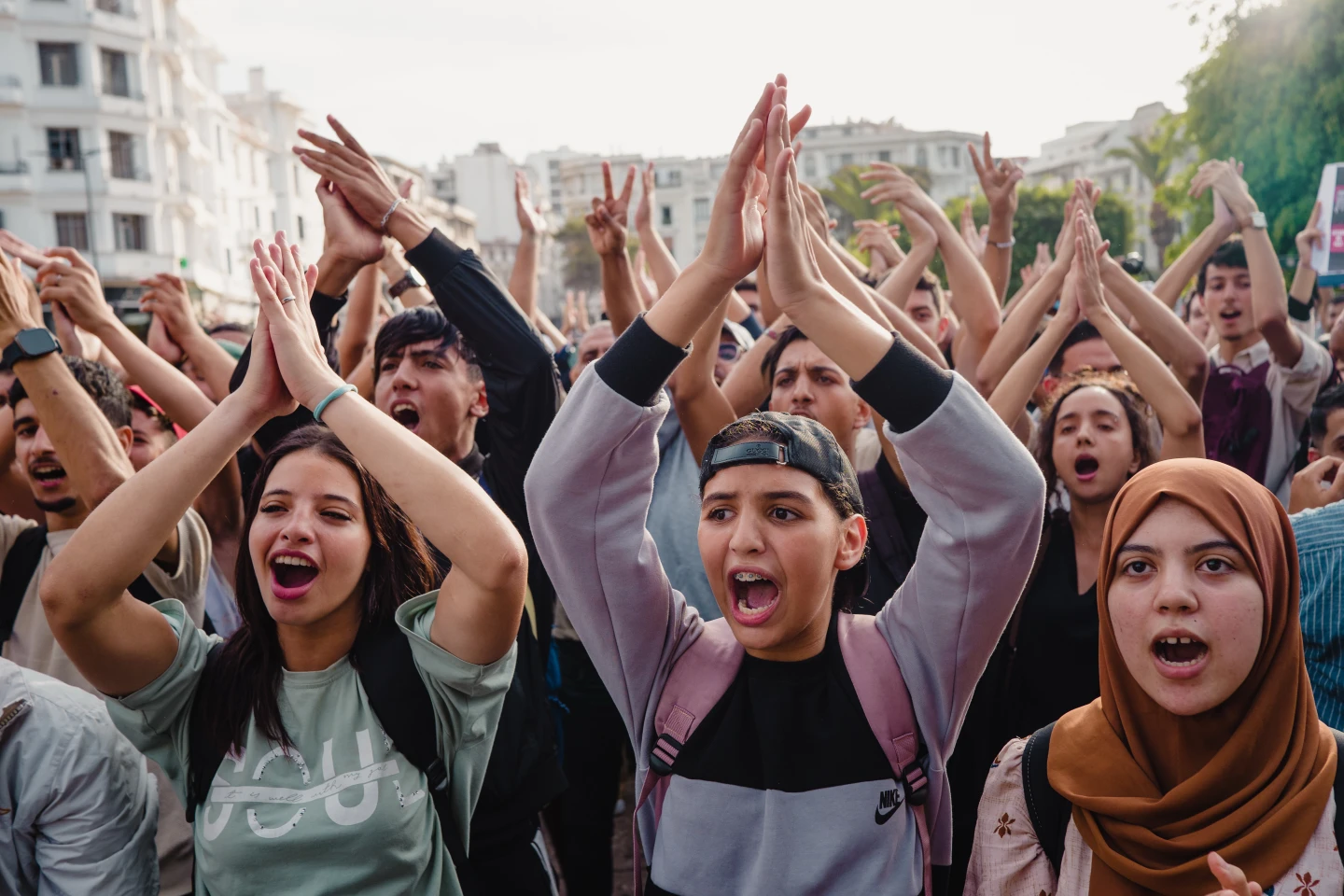
After weeks of sustained protests across several Moroccan cities, the youth-led movement known as “Generation Z 212” has recalibrated its tactics both on the ground and in the digital sphere.

Rather than continuing with daily demonstrations as it initially did, the movement has shifted to weekly protests, now held every Saturday. It has also refined its list of demands and placed greater emphasis on digital activism as a primary means of mobilization and communication.

Following a brief hiatus, the movement resumed its weekly protests, reiterating calls to strengthen the principle of accountability in governance and demanding the release of those arrested for participating in earlier demonstrations.

On the other side, Moroccan authorities have expressed willingness to engage in dialogue with youth representatives. In multiple official statements, the government highlighted its commitment to accelerating reform-oriented social programs and increasing budget allocations for education and healthcare in the upcoming finance law an apparent effort to defuse public anger and channel it into institutional discourse.

Observers see the movement’s strategic shift as an effort to avoid exhaustion and mitigate police pressure. After weeks of intense mobilization, the group seems to be banking on endurance, reducing its street presence to limit confrontations with authorities and ensure long-term viability.

Yet on the popular front, the movement appears to have lost its initial momentum. Protest turnout has dropped significantly, and the issue has faded from prominence on social media platforms.

Why Has the Movement Lost Momentum?

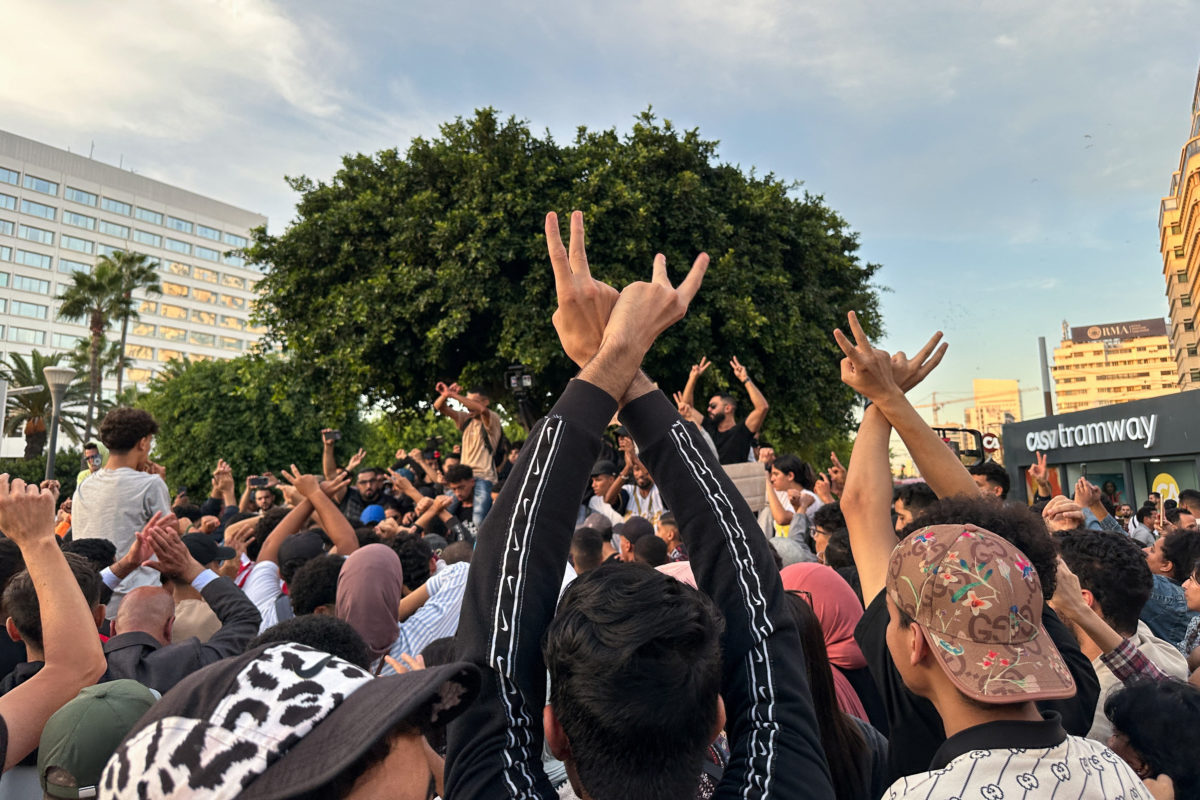
Firstly, despite its strong digital presence, the movement has lacked organizational coherence. With no clear leadership or centralized structure, it has operated more as a spontaneous collective than a coordinated campaign.
نون بوست

Without an internal framework capable of translating online outrage into a structured agenda or actionable fieldwork, the movement struggled to establish a sustainable trajectory. Reports have noted its absence of formal leadership, a gap made worse by widespread distrust of political parties and unions, which no longer resonate with the aspirations of the new generation.

What initially appeared to be a promising movement is now proving less capable of evolving into a long-term societal project. Despite its youthful legitimacy, the movement has yet to transform protest energy into an organized force that could push for systemic reforms in education, healthcare, or anti-corruption efforts.

Secondly, the group’s messaging and demands have become increasingly fragmented. The movement began with clear priorities education reform, improved healthcare, and anti-corruption measures. However, its discourse quickly expanded to include unemployment, cost of living, regional disparities, and even political demands such as calls for the government’s resignation or policy overhauls.

This expansion weakened internal cohesion. Some activists felt the original social demands were sufficient, while others insisted that political reform was the only viable path forward. The divergence in priorities made it difficult to formulate a unified vision. At one point, the movement released a list of demands, only to later retract it and label it a draft before issuing a broader, more complex version.

Thirdly, the movement’s heavy reliance on digital activism came at the expense of sustained, disciplined on-the-ground organizing. Initially, Generation Z leveraged platforms like Discord and social media to quickly gain visibility and support.

However, this digital momentum wasn’t matched by organized field operations capable of guiding protest activity. In some areas, protests linked to the movement descended into violence, vandalism, and the storming of public institutions and banks developments that undermined public support.

State Pressure and the Fear of Politicization

The challenges facing Generation Z 212 aren’t solely internal. External factors have also contributed to its decline.

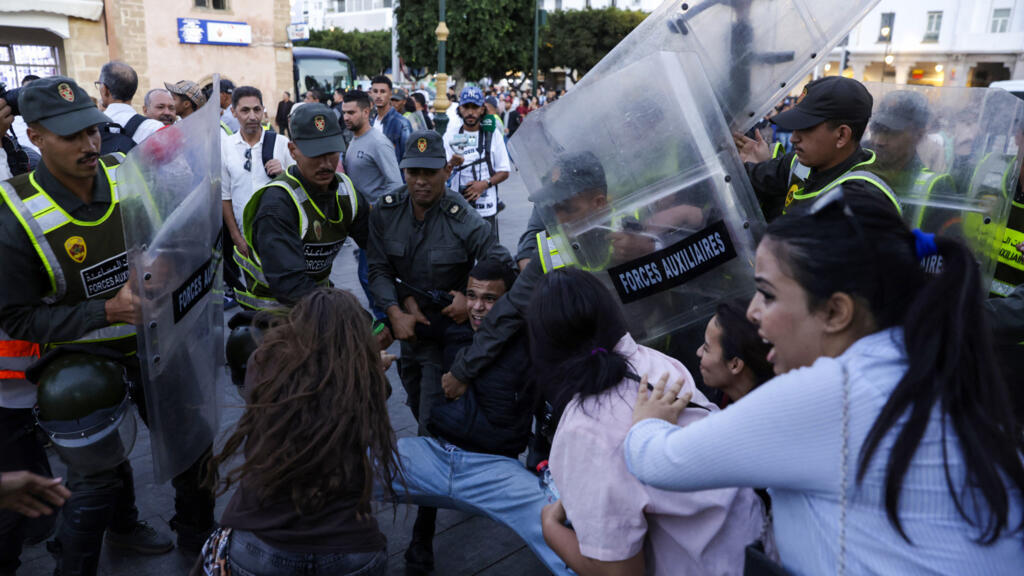
Chief among them is the state’s security response. In cities like Inezgane, Aït Amira, and Oujda, mass arrests and violent clashes were reported, with injuries sustained by both protesters and police.
نون بوست

These incidents sent a clear message: the state would not tolerate mass dissent instilling fear among youth participants.

A second factor is the fear of politicization. Many within the movement resisted co-optation by traditional political actors, adopting the slogan “No Parties” to underscore their independence. Yet this distancing from political frameworks weakened their ability to negotiate or expand, leaving them isolated within the existing power structure.

At the same time, political figures have attempted to appropriate the movement, seeking to leverage it for electoral or personal gain. This has put the movement on the defensive, wary of infiltration. Moreover, Morocco’s institutional framework offers little room for the emergence of independent youth movements without formal political affiliations or recognizable negotiation partners.

Another obstacle is the lack of clarity around the movement’s demands and reform timeline. While education and healthcare reform are widely popular, Generation Z has struggled to define whether it seeks institutional transformation or superficial improvements.

This ambiguity allowed the state to dilute the movement’s energy through promises of temporary programs or symbolic gestures framed as responses to youth demands but lacking structural depth.

For example, while the government has pledged to engage in dialogue and acknowledged the legitimacy of some demands, dialogue alone without concrete action—has failed to satisfy protesters. As a result, many feel the movement has yet to achieve tangible outcomes.

Still, it has succeeded in thrusting Morocco’s public policy failures back into national debate after a prolonged silence under Prime Minister Aziz Akhannouch’s administration.

A Pivotal Moment for Generation Z

The future of Generation Z 212 hangs in a delicate balance of promise and peril. This is not a traditional revolution or mass uprising, but rather a nuanced expression of evolving relations between youth and the state.
نون بوست

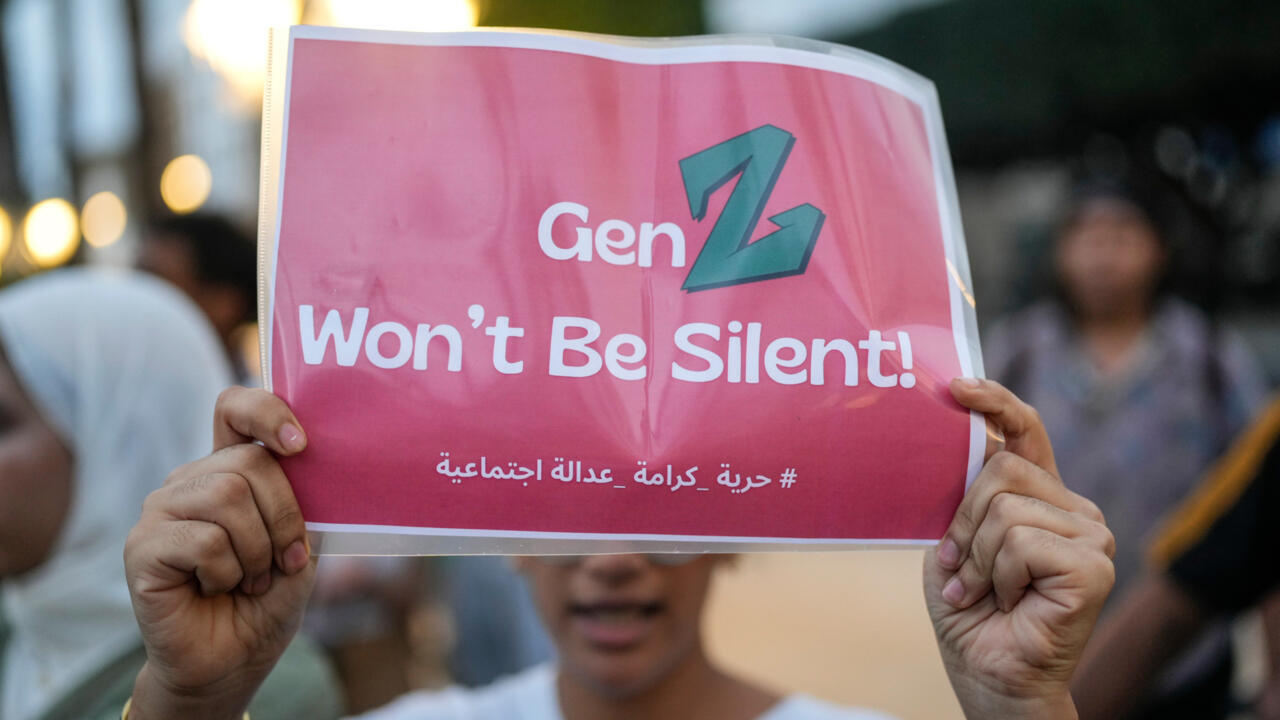
It is a moment of collective awareness, aiming to redefine citizenship, participation, and social justice within the current system, not against it.

On the positive side, the movement has shifted the national discourse. It broke a long silence, raised vital questions about justice and accountability, and compelled the state to recognize a new generation unwilling to accept paternalism. Its most significant contribution may be reigniting dialogue about public policy after years of stagnation.

But its most pressing challenge remains the lack of a stable organizational infrastructure to ensure longevity.

Without clear frameworks, representative leadership, or negotiation mechanisms, the movement risks fragmentation, absorption, or marginalization especially given its skepticism toward political parties and traditional mediators.

In the short term, the government may continue to pursue superficial appeasement through temporary programs. Meanwhile, the movement will likely cling to its symbolic power and digital presence. In the medium term, Generation Z’s fate will hinge on its ability to evolve from protest into proposition, from raw anger into tangible alternatives that reflect its core aspirations.

Its true turning point will be whether it can engage in a long-term political and social process without losing its autonomy or succumbing to traditional alignments. Its success won’t be measured solely by immediate victories, but by its ability to cultivate new leadership, create democratic spaces for youth, and foster a collective consciousness that is hard to erase.

In the end, Generation Z remains an open-ended experiment navigating the space between hope and disillusionment, dream and reality. But it has already achieved one crucial milestone: it has announced the arrival of a generation unwilling to stay silent in the face of injustice.
Download this article as PDF
Share this Article
Facebook Twitter Whatsapp Whatsapp Telegram Email Copy Link
فريق التحرير
By فريق التحرير تقارير يعدها فريق تحرير نون بوست.
Follow:
Previous Article نون بوست Who Is Fueling the Invasion of El Fasher and Bara?
Next Article نون بوست War in Sudan: Questions and Answers

Read More

  • U.S. Regime‑Change Policies: Why They Are Destined to Fail U.S. Regime‑Change Policies: Why They Are Destined to Fail
  • The Gulf’s Balancing Act: Iran, Israel, and Hidden Links
  • Iraq–Turkey Oil Export Treaty: Why Did Ankara Cancel It After 52 Years?
  • Syria’s Northeast on Edge: QSD Between Ankara and Damascus
  • Has Europe Changed Its Stance on Israel… or Just Its Language?
part of the design
NoonPost Weekly Newsletter

You May Also Like

U.S. Regime‑Change Policies: Why They Are Destined to Fail

U.S. Regime‑Change Policies: Why They Are Destined to Fail

إسراء سيد Esraa sayed 8 April ,2026
The Gulf’s Balancing Act: Iran, Israel, and Hidden Links

The Gulf’s Balancing Act: Iran, Israel, and Hidden Links

فريق التحرير Noon Post 8 April ,2026
Iraq–Turkey Oil Export Treaty: Why Did Ankara Cancel It After 52 Years?

Iraq–Turkey Oil Export Treaty: Why Did Ankara Cancel It After 52 Years?

فريق التحرير Noon Post 8 April ,2026

هل تدفع معركة حلب بتركيا إلى التدخل برًا في سوريا؟

فريق التحرير
Noon Post Published 12 November ,2015
Share
09

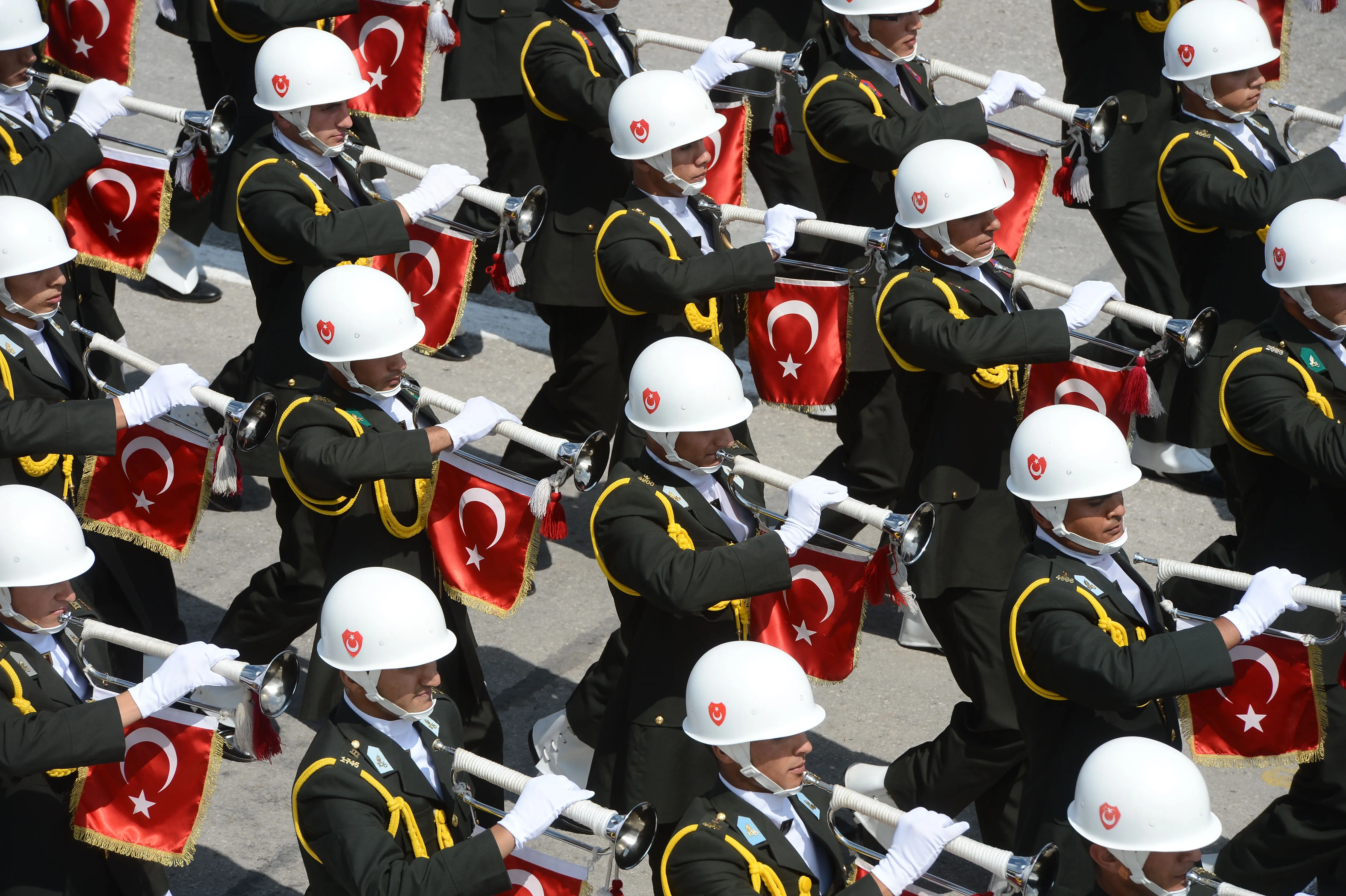
صرح رئيس الوزراء التركي أحمد داوود أوغلو منذ أيام بأن بلاده على استعداد للدخول برًا إلى سوريا في إطار العمليات العسكرية التي يقوم بها التحالف الأمريكي بوجه داعش لوقف عجلة توسعها الأخير، والذي أتى بعد إضعاف المعارضة السورية بالأساس نتيجة العملية العسكرية الروسية التي استهدفتها، وهي تصريحات تشي بوضوح بأن الخيار العسكري التركي على الطاولة، وأن الدخول لأرض سوريا برًا تحت غطاء دولي ليس أمرًا مستبعدًا مثله مثل التدخل التركي المنفرد الذي يرفضه الجيش التركي نفسه ولا ترجحه موازين المعارك الجارية الآن.

أهداف تركيا الثلاثة

لماذا يطلق أوغلو تلك التصريحات الآن إذن؟ أولًا لأن فوز حزبه في الانتخابات وتشكيل حكومة مستقرة لأربع سنوات قد أعطى دفعة قوية للموقف التركي في سوريا، والذي اتهمته أطراف عدة في الداخل والخارج سابقًا بعدم الواقعية، وبكونه واحدًا من أسباب تراجع رصيد حزب العدالة والتنمية بين مؤيديه في يونيو الماضي، وثانيًا فإن السياسة التي اعتمدتها تركيا بغض الطرف عن داعش لتحدث توازنًا مع القوات الكردية بشمال سوريا والمرتبطة بحزب العمال الكردستاني، لم تعد ذات فائدة بانقلاب الموقف في أنقرة ضد داعش، مما يخلق حاجة لمواجهة أكثر فاعلية للاثنين معًا.

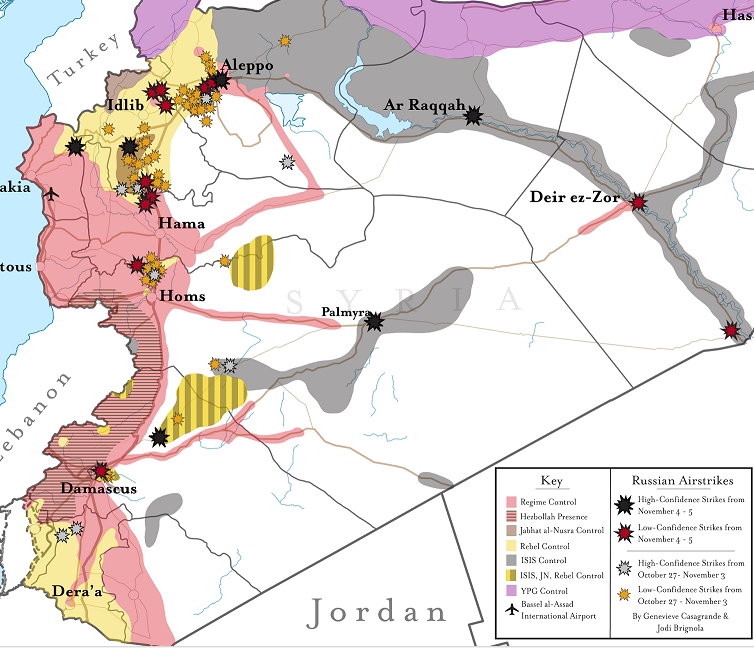
ثالثًا وهو الأهم على المدى البعيد، أن أية تواجد تركي برّي بشمال سوريا سيعطي ظهيرًا قويًا للمعارضة السورية التي تقاتل منذ أسابيع في محيط حلب يوجه نيران جيش الأسد المدعوم على الأرض بميليشيات حزب الله وإيران، وعن طريق الجو بالضربات الجوية الروسية، وهي معركة فاصلة استراتيجيًا ستحدد مصير الحل النهائي نظرًا لأهمية حلب كمدينة للسيطرة على الشمال الغربي بالكامل، والذي يُعَد بشكل أو آخر “نصف سوريا”، في مقابل نصفها الآخر المرتكز لدمشق الواقعة تحت قبضة النظام، فدمشق وحلب كولايتين سابقًا تحت الحكم العثماني ثم الاستعمار الأوروبي شكلتا باتحادهما سوريا اليوم.

لذلك فإن فوز الأسد بحلب يعني أنه نجح في توحيد سوريا بشكل أو آخر، تاركًا داعش فقط، المعزولة عن أي دعم دولي، إلى شرقه، ويعني أيضًا وصول الهيمنة الإيرانية والروسية للحدود مع تركيا بشكل غير مقبول لا في أنقرة ولا أوروبا ولا واشنطن، أما استمرار هيمنة المعارضة على حلب فهو يعني أن البلد منقسم إلى شمال وجنوب، وأن هناك فصيل سوري يحظى بدعم دولي لا يزال ضاغطًا بوجه كل من الأسد وداعش، كما يعني أن تركيا تحفظ عمقها الاستراتيجي إلى جنوبها، أو ما سماه أوغلو “ممر حلب،” نتيجة التحالف الوثيق بينها وبين المعارضة بكافة فصائلها.

حتى الآن تحاول تركيا في المقام الأول تحقيق كل تلك الأهداف معًا بشكل غير مباشر عن طريق المطالبة بمنطقة عازلة، على غرار كردستان العراق أثناء حرب الخليج، ممتدة بين حدودها مع سوريا إلى جنوبها الغربي وحتى نهر الفرات، وهي منطقة ستساعدها على دعم المعارضة على الأرض دون التدخل المباشر، ومحاصرة داعش عن الضغط على المعارضة في حلب، في حين ستحجز تمامًا الوجود الكردي إلى ما وراء الفرات، والذي أكد عليه داوود أغلو منذ أيام أيضًا حين صرح بأن القوات الجوية التركية تقصف بالفعل أية تحركات لأكراد سوريا تتجاوز الفرات باعتبار ذلك خط أحمر.

نون بوست

جيش الأسد بالأحمر، المعارضة بالأصفر، جبهة النصرة بالبُني، داعش بالرمادي، المناطق المتنازع عليها بين المعارضة وداعش مخططة بالأصفر والبني، تواجد حزب الله مخطط بالأسود والأحمر، سيطرة الأكراد بالبنفسجي، ضربات روسيا الجوية بالنقاط السوداء والحمراء خلال الأسبوع الماضي، وبالنقاط الصفراء والرمادية خلال الأسابيع السابقة

لو لم تنجح تركيا في مساعيها تلك فإن الخيار الثاني سيكون على الأرجح التدخل تحت غطاء دولي لتحقيق التواجد العسكري المباشر بدون الظهور رسميًا في صورة القيام بعملية تركية خالصة على غرار التدخل الروسي، وهو تدخل قد يكون مفيدًا في الحقيقة للأمريكيين نظرًا لحاجتهم لمساند على الأرض بوجه داعش في تلك اللحظة التي يعاني فيها التنظيم من فقدان زخم الزحف السريع الذي تمتع به سابقًا في العراق، لا سيما بعد انسحابه من أراضٍ حول مدينة البيجي، والضغط الذي يتعرض له في الرمادي، علاوة على مواجهته للقصف الروسي في مواقعه بشرق حلب وتدمر.

إما المنطقة العازلة أو التواجد العسكري

بالنظر لمحدودية الدور الكردي المدعوم أمريكيًا، واقتصاره على أماكن تواجد الأكراد بالشمال مع تحفظ الأتراك عليه أصلًا، فإن الدخول في عملية موسعة لاحتواء داعش وحصرها في صحراء “بادية الشام” بعيدًا عن المدن الكبرى لن يتم إذن بدون تركيا، فشمال حلب الواقعة الآن بيد داعش تُعَد النقطة الوحيدة التي تربطها بالعالم الخارجي بشكل فعال وتجلب لها مقاتلين وموارد عبر الحدود التركية، عدا ذلك فإن المدن الأصغر الواقعة تحت سيطرتها لا تملك نفس السهولة في الحركة والتواصل والثقل الاقتصادي الذي تمثله حلب، مما يشير لأهمية إبعاد داعش عن حلب في الفترة المقبلة كأولولية للتحالف الغربي المواجه لها، وبالتالي الحاجة للتنسيق مع تركيا.

كيف سيكون شكل التدخل التركي البري لو حدث بالفعل في إطار عملية دولية مدعومة أمريكيًا؟ على الأغلب فإن ذلك سيتضمن بعضًا من القوات البرية التقليدية، ولكن ليس بشكل كبير خوفًا من تحفظ الرأي العام التركي والانزلاق بشكل غير محسوب لصراع تشارك فيه إيران وروسيا على الناحية الأخرى، وبالتالي فإن القوات الخاصة هي التي ستقوم بنصيب الأسد من النشاطات العسكرية التركية إذا وقعت، مع حماية قوات برية محدودة، وغطاء جوي غربي بالطبع، بشكل يعزز عمليات المعارضة في كل من حلب واللاذقية، والقريبتين من الحدود التركية.

لن يجلب كل ذلك بطبيعة الحال أية مواجهات مباشرة بين القوى الكبرى كما يتصور البعض، إذ أن تحركاتها ستكون منسقة بالتواصل الدبلوماسي ولو اختلفت الأهداف لضمان عدم تحول سوريا لساحة حرب مفتوحة على مستوى أكبر، وهو ما يحدث الآن بالفعل بين موسكو وواشنطن رغم تضارب مصالحهما بشكل واضح، إذ يقوم الطرفان بالتنسيق بين عملياتهما الجوية والإبلاغ بأماكنها لكيلا يصطدما بالأجواء السورية، وهو ما يتوقع أن يحدث أيضًا بين تركيا وروسيا إذا ما دخل الأتراك للساحة عسكريًا.

لا يمكن إنكار فعالية عملية تركية كتلك في تحقيق أهداف أنقرة بالطبع، فالتواجد المباشر سيوفر على تركيا الكثير من المتاعب التي تتكبدها نتيجة تشرذم المعارضة السورية أولًا، وغياب الدعم الحاسم الأمريكي لمطلب المنطقة العازلة ثانيًا، وهو ما يعني أن تشكيل تلك المنطقة بالقوة التركية مباشرة سيتيح لتركيا استقلالية أكبر عوضًا عن الصعوبات الدبلوماسية التي تواجهها الآن، والدخول أمر مغري استراتيجيًا في الحقيقة، لا سيما وأن أيًا من الأمريكيين والروس لم ولن يتواجد على الأرض برًا بنفس الدرجة، في حين ستظل الميليشيات المدعومة من جانب إيران أضعف من أن تواجه قوى المعارضة ومن خلفها دعم عسكري تركيا مباشر.

كما ذكرنا، يظل ذلك السيناريو على الطاولة كأولوية ثانية نتيجة تخوف الكثيرين داخل الحكومة والجيش التركي من ردود الفعل في داخل تركيا، وفتح جبهة واسعة في ساحة معقدة بشكل غير مسبوق ربما منذ حرب الاستقلال التركية التي وقعت قبل مائة عام، وانشغال الجيش حاليًا بمواجهة حزب العمال الكردستاني في الداخل، علاوة على الحاجة إلى التنسيق مع الأمريكيين لتتمكن عملية كتلك من تحقيق أهدافها، وهي أهداف إن أذعنت لها الولايات المتحدة فإنها لن تختلف كثيرًا عن الموافقة على المنطقة العازلة على أي حال، وهو ما تحاول أنقرة أن تقنع به صناع القرار في واشنطن لتفادي حتمية تدخلها لحماية مصالحها في وقت لاحق قد تكون ساحة المعارك فيه تغيّرت بشكل لا يجعل المنطقة العازلة كافية كما كانت.

TAGGED: أحرار الشام ، الجيش التركي ، العملية العسكرية الروسية ، القاعدة ، جبهة النصرة
TAGGED: الأزمة السورية
Download this article as PDF
Share this Article
Facebook Twitter Whatsapp Whatsapp Telegram Email Copy Link
فريق التحرير
By فريق التحرير تقارير يعدها فريق تحرير نون بوست.
Follow:
Next Article نون بوست The Stigma of “ISIS”: A Heavy Legacy Haunting Women and Children of Former Members

Read More

  • U.S. Regime‑Change Policies: Why They Are Destined to Fail U.S. Regime‑Change Policies: Why They Are Destined to Fail
  • The Gulf’s Balancing Act: Iran, Israel, and Hidden Links
  • Iraq–Turkey Oil Export Treaty: Why Did Ankara Cancel It After 52 Years?
  • Syria’s Northeast on Edge: QSD Between Ankara and Damascus
  • Has Europe Changed Its Stance on Israel… or Just Its Language?
part of the design
NoonPost Weekly Newsletter
dark

An independent media platform founded in 2013, rooted in slow journalism, producing in-depth reports, analysis, and multimedia content to offer deeper perspectives on the news, led by a diverse young team from several Arab countries.

  • Politics
  • Society
  • Rights & Liberties
  • Opinions
  • History
  • Sports
  • Education
  • Technology
  • Economy
  • Media
  • Arts & Literature
  • Entrepreneurship
  • Travel
  • Cinema & Drama
  • Food
  • Health
  • Culture
  • Latest Reports
  • Files
  • Long Reads
  • Interviews
  • Podcast
  • Interactive
  • Encyclopedia
  • In Pictures
  • About Us
  • Our Writers
  • Write for Us
  • Editorial Policy
  • Advanced Search
Some rights reserved under a Creative Commons license

Removed from favorites

Undo
Go to mobile version