NoonPost NoonPost

NoonPost

  • Home
  • Politics
  • Economy
  • Society
  • Culture
  • Files
  • Long Reads
  • Podcast
AR
Notification Show More
نون بوست
“There Are Nights I Can’t Close My Eyes”: How Gazans Are Living in Homes on the Brink of Collapse
نون بوست
From al-Jolani to Ahmad al-Shara: The Evolution of Syria’s New Leader
نون بوست
When Political Islam Receded in Egypt: Who Filled the Void?
نون بوست
An Extension of Genocide: Gaza’s Detainees Speak Out
نون بوست
A Tightrope Between Survival and Sovereignty: The Syrian Government Faces Normalization Pressures
نون بوست
American Aircraft Carriers: Has the Era of “100,000 Tons of Diplomacy” Ended?
نون بوست
U.S. Regime‑Change Policies: Why They Are Destined to Fail
نون بوست
Transformations of Israeli Judaism: Between the Victim Complex and the Colonizer’s Doctrine
نون بوست
The Gulf’s Balancing Act: Iran, Israel, and Hidden Links
نون بوست
Iraq–Turkey Oil Export Treaty: Why Did Ankara Cancel It After 52 Years?
نون بوست
Syria’s Northeast on Edge: QSD Between Ankara and Damascus
نون بوست
Has Europe Changed Its Stance on Israel… or Just Its Language?
NoonPost NoonPost
AR
Notification Show More
نون بوست
“There Are Nights I Can’t Close My Eyes”: How Gazans Are Living in Homes on the Brink of Collapse
نون بوست
From al-Jolani to Ahmad al-Shara: The Evolution of Syria’s New Leader
نون بوست
When Political Islam Receded in Egypt: Who Filled the Void?
نون بوست
An Extension of Genocide: Gaza’s Detainees Speak Out
نون بوست
A Tightrope Between Survival and Sovereignty: The Syrian Government Faces Normalization Pressures
نون بوست
American Aircraft Carriers: Has the Era of “100,000 Tons of Diplomacy” Ended?
نون بوست
U.S. Regime‑Change Policies: Why They Are Destined to Fail
نون بوست
Transformations of Israeli Judaism: Between the Victim Complex and the Colonizer’s Doctrine
نون بوست
The Gulf’s Balancing Act: Iran, Israel, and Hidden Links
نون بوست
Iraq–Turkey Oil Export Treaty: Why Did Ankara Cancel It After 52 Years?
نون بوست
Syria’s Northeast on Edge: QSD Between Ankara and Damascus
نون بوست
Has Europe Changed Its Stance on Israel… or Just Its Language?
Follow US

War in Sudan: Questions and Answers

فريق التحرير
Noon Post Published 26 March ,2026
Share
نون بوست
نون بوست

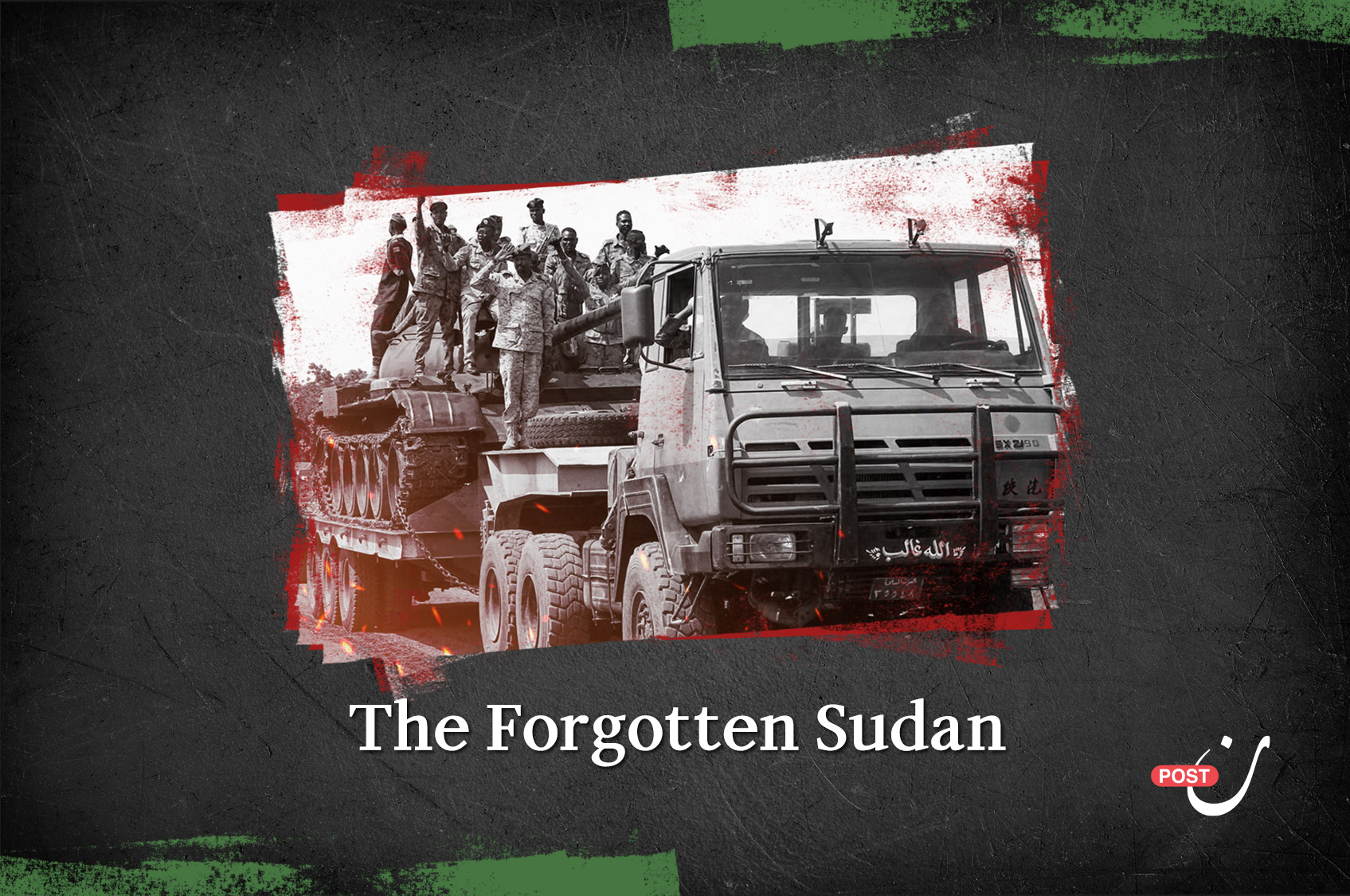
On April 15, 2023, fighting broke out in Sudan’s capital, Khartoum, between the Sudanese Armed Forces (SAF) and the Rapid Support Forces (RSF). Within hours, the conflict had spread across the capital’s tri-city area and quickly extended to other towns and cities nationwide, including Darfur and Kordofan in the west, Gezira in central Sudan, and Sennar in the southeast.

The Sudanese Armed Forces are led by General Abdel Fattah al-Burhan, who also serves as head of the Transitional Sovereignty Council. The RSF is commanded by Mohamed Hamdan Dagalo, commonly known as “Hemedti.” The two men jointly orchestrated a coup against Sudan’s transitional civilian government on October 25, 2021.

After the coup, their uneasy alliance began to unravel as both men vied for dominance. Tensions spiked after a new political framework agreement was signed in early December 2022 between the civilian bloc “Forces of Freedom and Change” and the military leadership represented separately by the SAF and the RSF.

How did the war in Sudan start?

The framework agreement outlined key principles and a vision for a transitional government, but deferred five contentious issues among them, security sector reform to a second phase of negotiations. These matters were partially discussed in early 2023 before the outbreak of war.

Once talks over military and security reforms began, fierce disagreements emerged between Burhan and Hemedti, especially concerning the timeline for integrating the RSF into the national army. Burhan proposed a two-year window for the process, while Hemedti insisted on a much longer period no less than ten years. In the lead-up to the conflict, both sides began stockpiling weapons at strategic locations, including in Khartoum.

On April 4, 2023 ten days before the outbreak of war the Sudanese newspaper Al-Sudani reported that the RSF had repositioned some 60,000 fighters inside Khartoum. Darfur regional governor Minni Arko Minnawi later stated that RSF forces in the capital had numbered around 25,000 to 30,000 six months prior to the war, but Hemedti managed to mobilize over 120,000 troops just hours before the fighting erupted clear signs of advanced preparation.

Further evidence includes the RSF’s relocation of dozens of armored vehicles from Darfur to Khartoum. These were spotted on Airport Road just 48 hours before hostilities began.

Who started the war?

There are three competing narratives about who initiated the war:

  1. The RSF’s account: It claims its forces stationed in the Al-Madina Al-Riyadiya (Sports City) district in southern Khartoum were attacked by the army on the morning of April 15, prompting a counterattack.

  2. The Forces of Freedom and Change’s account: It blames remnants of the former regime, accusing them of sparking the war through loyalists embedded in the army.

  3. The most widely accepted account: It holds that the RSF launched a preemptive strike with the aim of seizing power. On the morning of April 15, the RSF rapidly captured key infrastructure, including Khartoum International Airport, the Presidential Palace, various ministries, and other government institutions. Hemedti declared that he had encircled the army’s general command and that Burhan had no option but to surrender or face arrest.

This version is endorsed by numerous global think tanks, including the Council on Foreign Relations, Yale University’s Sudan Conflict Observatory, and Alex de Waal, Executive Director of the World Peace Foundation at Tufts University’s Fletcher School.

What is the current map of territorial control more than a year into the war?

The RSF continues to control most of Khartoum, with the exception of Omdurman, where the army has regained about 70% of the city in a large-scale operation. Hemedti’s forces also hold most of the Darfur region excluding its capital, El Fasher as well as the state of Gezira, except for parts of Al-Qurashi and Al-Manaqil localities.

The RSF has recently advanced into Sennar State, capturing parts of the city of Sennar and the entire strategic area of Jabal Moya. This puts them in a position to threaten Sennar city and neighboring states including White Nile, Blue Nile, and Gedaref unless the army manages to push them out.

Conversely, the Sudanese Armed Forces maintain control over White Nile and Blue Nile states, the northern states, the eastern region including the temporary capital, Port Sudan and parts of Kordofan, as well as El Fasher in Darfur. In defending El Fasher, the SAF is joined by a joint force composed of allied armed movements.

Overall, the map reveals that Hemedti’s RSF controls a larger share of territory than the SAF, prompting the following question:

Why does the RSF hold a military edge?

From the outset of the battle for Khartoum, the RSF made unexpectedly swift gains. The militia, originally established by the army as an auxiliary force, ended up defeating the SAF in the capital and then advanced into Gezira and Sennar, eventually seizing most of Darfur.

The RSF’s military superiority stems from three main factors:

  1. High-quality, unrestricted arms supply from the UAE via neighboring Chad: The SAF has failed to disrupt RSF supply lines or secure equivalent support from potential allies like Turkey or Egypt.

    A New York Times report revealed that Hemedti’s forces had received surface-to-air missiles and armored vehicles through an Emirati air bridge. Photographs also surfaced showing RSF fighters armed with Israeli-made LAR-160 precision-guided rockets.

  2. Tribal recruitment and foreign mercenaries: The RSF has successfully mobilized large numbers through tribal networks and has enlisted thousands of foreign fighters. Many joined either due to tribal allegiance or to engage in looting. Areas captured by the RSF were systematically looted—especially valuables like vehicles, gold, and cash.

  3. Structural weaknesses in SAF leadership: The army has adopted a largely defensive posture, with the exception of earlier battles in Omdurman. It faces widespread criticism for failing to protect civilians.

    Over a year into the war, the SAF has lost the trust of much of the population. For instance, while it repeatedly promised to retake Wad Madani (Gezira’s capital), it instead lost parts of neighboring Sennar State in just days and with little resistance.

What are the casualties and humanitarian toll of the war?

The International Rescue Committee estimates that the war has killed around 150,000 people ten times higher than UN figures, which stand at 15,000.

Reports indicate that tens of thousands of civilians have been arbitrarily detained by the RSF and subjected to severe human rights abuses. The SAF’s intelligence apparatus is also detaining civilians, though in smaller numbers.

Salima Ishaq, Director of the Unit to Combat Violence Against Women and Children, revealed that 191 cases of sexual violence against women had been documented since the war began most involving the RSF, according to survivors.

She noted that these figures were collected in Khartoum, Gezira, South and West Darfur, and North Kordofan but actual numbers may be far higher due to poor communication and internet blackouts.

Sudan is now facing the world’s worst humanitarian crisis. Over 12 million people have been displaced 10 million internally and 2 million across borders.

Roughly 25 million people more than half the country’s population of 44 million urgently need humanitarian aid and protection. Some 18 million are suffering from acute food insecurity due to shortages of food, water, medicine, and fuel.

Why do civilians flee when the RSF arrives?

From the onset of the war, civilians have fled en masse from towns and cities at the RSF’s approach. Over 80% of Khartoum’s residents left the capital after the RSF seized control early in the conflict. The same occurred in Gezira State, and most recently, more than 55,000 people fled Sennar and surrounding villages as soon as the RSF entered the area.

The mere arrival of the RSF typically signals widespread atrocities summary executions, rape, looting, humiliation, and abuse of unarmed civilians.

How can people show solidarity with the Sudanese people?

Economists estimate that Sudan has suffered $100 billion in direct economic losses. Over 90% of the country’s factories have been destroyed. Agricultural production has plummeted by 70% following the RSF’s takeover of Gezira, and the service sector is operating at just 25% capacity.

To alleviate the suffering of Sudanese civilians, international governments and institutions must be pressured to focus on the crisis. More crucially, they should pressure foreign actors fueling the conflict like the UAE to stop arming the RSF.

It is vital for Arab states and regional and international organizations to recognize the scale of this escalating humanitarian catastrophe. Over half of the population now requires urgent assistance. Humanitarian aid must increase, and partnerships with reliable local actors are essential to ensure it reaches those in need.

Solidarity on social media also plays an important role. Every post, article, or voice helps raise awareness and keeps Sudan’s tragedy in the public eye despite global distractions.

Finally, Sudanese refugees abroad victims of a war they did not start need emotional, psychological, and financial support. Host societies must push back against racism and anti-refugee sentiment, and challenge efforts to scapegoat Sudanese communities for economic or political issues in their new countries.

Download this article as PDF
Share this Article
Facebook Twitter Whatsapp Whatsapp Telegram Email Copy Link
فريق التحرير
By فريق التحرير تقارير يعدها فريق تحرير نون بوست.
Follow:
Previous Article نون بوست Generation Z in Morocco: Where Did the Energy Go?
Next Article نون بوست “Al Fashir Under Siege: A City Killed by Gunfire and Media Blackout”

Read More

  • U.S. Regime‑Change Policies: Why They Are Destined to Fail U.S. Regime‑Change Policies: Why They Are Destined to Fail
  • The Gulf’s Balancing Act: Iran, Israel, and Hidden Links
  • Iraq–Turkey Oil Export Treaty: Why Did Ankara Cancel It After 52 Years?
  • Syria’s Northeast on Edge: QSD Between Ankara and Damascus
  • Has Europe Changed Its Stance on Israel… or Just Its Language?
part of the design
NoonPost Weekly Newsletter

You May Also Like

U.S. Regime‑Change Policies: Why They Are Destined to Fail

U.S. Regime‑Change Policies: Why They Are Destined to Fail

إسراء سيد Esraa sayed 8 April ,2026
The Gulf’s Balancing Act: Iran, Israel, and Hidden Links

The Gulf’s Balancing Act: Iran, Israel, and Hidden Links

فريق التحرير Noon Post 8 April ,2026
Iraq–Turkey Oil Export Treaty: Why Did Ankara Cancel It After 52 Years?

Iraq–Turkey Oil Export Treaty: Why Did Ankara Cancel It After 52 Years?

فريق التحرير Noon Post 8 April ,2026

الانتفاضة الفلسطينية ودلالة الكلمات البسيطة

محمود سمير
محمود سمير Published 13 November ,2015
Share
9998648081

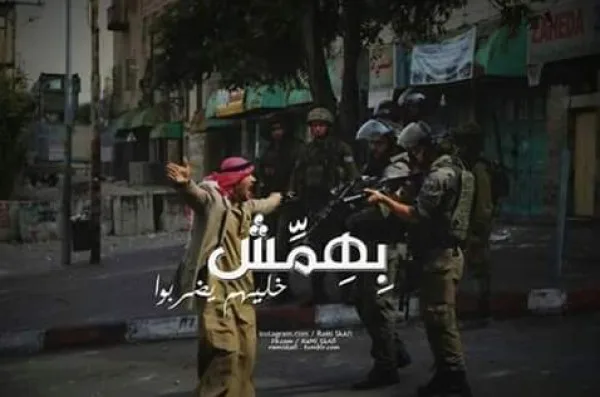
انطلاقا من الحوار الذي دار مؤخرا في أحد ساحات المواجهة بين الحاج الفلسطيني زياد أبو هليل والعسكري الاسرائيلي الخائف الذي اشتكى إليه أن شبانا فلسطينيين في مدينة الخليل يرشقونه بالحجارة، فما كان من الحاج أبو هليل إلا أن قال له “بهمّش” أي لا يهم، فليلقوا عليكم الحجارة والأحذية أيضا، ولسان حاله أنتم سلطة احتلال غاشم لا يهم أن يرشقكم الشباب بالحجارة. وبعد الحادثة التي تم توثيقها بالفيديو انتشر منذ عدة أيام وسم “# بهمش” على مواقع التواصل الاجتماعي ولعل في الانتشار الواسع والسريع لهذا الوسم دلالات ورسائل مهمة  ينبغي التوقف عندها.

ولعلنا نتساءل في البداية أي وقاحة تلك التي تجعل جنديا احتلاليا مقتحما لمدينة فلسطينية بكل عنجهية يطلق النار والغاز المسيل على سكانها وشبابها ويروع أطفالها ونساءها ثم يشتكي لمواطن فلسطيني من ردة فعل طبيعية، ولكن العجب يزول عندما نعلم أن هذه هي سياسة حكومة الاحتلال التي تطالب دولا عربية بالتدخل لتهدئة الأوضاع في فلسطين ومنعها من الانفجار في وجه الاحتلال حيث طالب نتنياهو الأردن والسلطة الفلسطينية ومسئولين عرب آخرين بتهدئة مشاعر الفلسطينيين، لكننا لم نسمع حتى الآن مثل ما قاله المسن الفلسطيني أبوهليل من أي دولة عربية، ربما باستثناء الموقف القطري الذي عبر عنه أمير قطر والذي أكد التزامه  بدعم حق الشعب الفلسطيني في انتفاضته للذود عن نفسه من ممارسات الاحتلال والذود عن مقدسات الامة.

في الحقيقة ليست هذه المرة الأولى التي يقول فيها الشعب الفلسطيني كلمته من خلال هذا المعنى المصاحب لكلمة ” بهمّش” لكن هذا التفاعل الكبير من الفلسطينيين والعرب مع هذا الوسم يشير  إلى  عدة رسائل لعلنا نقف  هنا على بعض منها:

أولا: أن الشعب الفلسطيني سيستمر في مقاومته للاحتلال حتى في أحلك الظروف ومهما بدت الظروف العربية والاسلامية متشابكة وسوداوية وحتى لو تم حصاره والتضييق عليه سيقابل ذلك  بمعنى هذه الكلمة البسيطة ” بهمش” التي هي تعبير عن إرادة كبيرة مفعمة بالأمل.

ثانيا : مهما قام الاحتلال الصهيوني بكل أنواع الممارسات من اعتقال للأطفال و هدم للمنازل ومصادرة للأراضي  وترحيل للناس وزيادة الاستيطان وإغلاق المسجد الأقصى أمام المصلين فإن هذا لن يجدي نفعا، فقد هدم الاحتلال 1350 بيتا في الضفة الغربية منذ عام 2000 إلى عام 2014 وصادر 6000 دونم واقتلع 50 ألف شجرة زيتون وها هي الهبة مستمرة.

ثالثا: أن الشعب الفلسطيني مع ذلك لا يمكن أن يتحمل هذه الممارسات الاسرائيلية والصمت الدولي عليها وخاصة الاعتداء على المقدسات وهو مستعد لمواجهتها بكل ما يملك وأن الانتفاضة التي بدأها الشعب الفلسطيني سوف تستمر وأن الشعب يعبر فيها عن الحياة التي تسري في عروقه.

رابعا: أن التهديدات والتلويح بمزيد من القمع والإذلال والقتل والاعتقال لن يوقف مسيرة هذه الانتفاضة بل سيشعلها، وأن رسالة الشعب الفلسطيني من خلال ” بهمش” هي رسالة تحمل في طياتها بعد الصبر والعطاء كما تحمل بعد الرد والانتقام، فعندما يقوم الاحتلال بالقتل والقمع من أجل ثني  الشعب الفلسطيني عن المطالبة بحقه ويهدده بالمزيد من القمع فإن الشعب الفلسطيني سيواجه هذا القمع وسيرد عليه.

خامسا: أن الفلسطيني الذي يواجه الأمثلة والنماذج الحية سواء الوطنية أو المتخاذلة من خلال كلمة ” بهمش” يفرق بين المعنيين فيرد على اعتقال الشيخ رائد صلاح من خلال كلمة ” بهمش” وعلى اعتقال الشيخ حسن يوسف من خلال كلمة ” بهمش” وعندما يرى من يوافق على وضع كاميرات المراقبة في داخل باحات المسجد الأقصى أو يصر على الاستمرار في التنسيق الأمني بالرغم من كل ما يحدث فإنه يواجه هذا أيضا بكلمة ” بهمش” وهذا يعني أن الشعب قد سجل الموقفين في ذاكرته وأن رسالته من خلال هذه الكلمة هو أن كل ما يجري لن يزيده إلا إصرارا على المواصلة في طريق حريته.

سادسا: أن الشعب الفلسطيني بات مدركا  بشكل أكبر لطبيعة الصراع وللخطط الاسرائيلية التي تستهدف تركيعه وأنه يعلن عن مواجهتها مهما كانت مخططة ومحكمة ومهما حققت من نجاحات جزئية فإن مصيرها الفشل والاندثار، ولعل الانتفاضة الحالية هي اختبار لخطة السور الواقي  التي نفذت في عام 2002 وما تبعها من خطط، حيث يمكن هنا أن نلتقط رسالة مفادها أن مقاومة الشعب الفلسطيني لديها من الافكار والسلوك ما يمكن أن يتجاوز كل التدابير والاجراءات.

سابعا:  أن الشباب الفلسطيني الذي استخدم خلال العدوان على غزة  في 2014 وسم “مسافة صفر” وها هو اليوم يستخدم وسم “بهمّش” بكثافة يحاول أن يظهر سخريته من ذلك الجندي الصهيوني المدجج بالسلاح والتكنولوجيا الفائقة والأجهزة الاستخبارية ثم يهرب مهرولا متعثرا من شاب فلسطيني لم يتسلح إلا بالإرادة مع حجر أو سكين صغير، أو ذلك الجندي الذي لا يستطيع أن يتسلق حائطا صغيرا أو ذلك الجندي الذي يسقطه أرضا إطار سيارة مهترئ دحرجه فتى فلسطيني، وهذه الصور تفيد مع هذا المعنى أنه لم يعد  للجندي الصهيوني الجبان هيبة ولم يعد منه خشية وسوف تتنهد طويلا عندما تتذكر زمنا كان يطلب فيه من طفل فلسطيني بداخل سيارة ألا يؤشر مجرد إشارة بيده إلى جندي صهيوني يحتمي بجدار اسمنتي على أحد الحوا جز.

ثامنا: ومن الرسائل المهمة في ظل هذه الانتفاضة أن الشعب الفلسطيني جاهز لامتلاك زمام المبادرة عند عجز قيادة السلطة أو غيابها أو عند عدم قدرتها على حمل مطالب الشعب الحقيقية وجعلها في صدر الأجندة الدولية وأن الشعب الذي يدرك رمزية بعض الأمور مثل رفع العلم في الأمم المتحدة غير مقتنع بهذا فهو يريد انجازات حقيقية.

تاسعا: إن انتشار هذه الكلمة بشكل سريع من خلال استخدامها في عدد من الاناشيد الوطنية وبعض إعلانات العطور والملابس فضلا عن تناولها الكبير في مواقع التواصل الاجتماعي يدل على تقبل الشعب الفلسطيني لثقافة المقاومة واحساسه بمسئولية ما من أجل العمل على نشرها.

عاشرا: لعل كلمة ” بهمّش”  تحمل في بعض سياقاتها عكس معناها أو بعدا سلبيا و تخديريا للكلمة من اللامبالاة وعدم الاهتمام أو الاحتياط وهو ما نحذر منه لكن المعنى المنتشر و الذي يترافق مع هذه الانتفاضة المتصاعدة هو المعنى الايجابي وهو يؤكد على الاهتمام الكامل من الشعب الفلسطيني بمقدساته وبحريته وبمستقبل أطفاله وأنه قد قام بحساب المعادلة بشكل جيد وتبين له أن كل ما يواجه من صعوبات وعقبات وتحديات وكل ما يقدم من تضحيات لا يهم أمام أهدافه السامية ومطالبه العادلة التي يواجه بها واحدة من أخس دول الاحتلال في العالم.

 وفي الختام أتمنى أن يتخيل القارئ معي شابا فلسطينيا يتوشح كوفيته ويقف بتحدٍّ أمام جندي صهيوني قائلا له وهو يهز رأسه:  “بهمّش”، إن احتمالات كثيرة قد تأتي في ذهن القارئ الكريم حول ما يمكن أن يفعله هذا الشاب ولكن كيف يكون الحال إذا تخيلت آلاف الشباب بل مئات الآلاف فإن علم الاحتمالات قد يعجز عن التنبؤ بما يمكن أن يقوم به الشباب الفلسطيني، لذا فإن حكومة الاحتلال لن تستطيع أن توقف النضال الفلسطيني ومهما فعلت سنقول لها ” بهمّش”.

TAGGED: #بهمش ، ائتلاف شباب الانتفاضة ، الانتفاضة الفلسطينية
TAGGED: الانتفاضة الثالثة
Download this article as PDF
Share this Article
Facebook Twitter Whatsapp Whatsapp Telegram Email Copy Link
محمود سمير
By محمود سمير باحث في مركز سيتا للدراسات بأنقرة
Follow:
Next Article نون بوست The Stigma of “ISIS”: A Heavy Legacy Haunting Women and Children of Former Members
part of the design
NoonPost Weekly Newsletter
dark

An independent media platform founded in 2013, rooted in slow journalism, producing in-depth reports, analysis, and multimedia content to offer deeper perspectives on the news, led by a diverse young team from several Arab countries.

  • Politics
  • Society
  • Rights & Liberties
  • Opinions
  • History
  • Sports
  • Education
  • Technology
  • Economy
  • Media
  • Arts & Literature
  • Entrepreneurship
  • Travel
  • Cinema & Drama
  • Food
  • Health
  • Culture
  • Latest Reports
  • Files
  • Long Reads
  • Interviews
  • Podcast
  • Interactive
  • Encyclopedia
  • In Pictures
  • About Us
  • Our Writers
  • Write for Us
  • Editorial Policy
  • Advanced Search
Some rights reserved under a Creative Commons license

Removed from favorites

Undo
Go to mobile version