NoonPost NoonPost

NoonPost

  • Home
  • Politics
  • Economy
  • Society
  • Culture
  • Files
  • Long Reads
  • Podcast
AR
Notification Show More
نون بوست
“There Are Nights I Can’t Close My Eyes”: How Gazans Are Living in Homes on the Brink of Collapse
نون بوست
From al-Jolani to Ahmad al-Shara: The Evolution of Syria’s New Leader
نون بوست
When Political Islam Receded in Egypt: Who Filled the Void?
نون بوست
An Extension of Genocide: Gaza’s Detainees Speak Out
نون بوست
A Tightrope Between Survival and Sovereignty: The Syrian Government Faces Normalization Pressures
نون بوست
American Aircraft Carriers: Has the Era of “100,000 Tons of Diplomacy” Ended?
نون بوست
U.S. Regime‑Change Policies: Why They Are Destined to Fail
نون بوست
Transformations of Israeli Judaism: Between the Victim Complex and the Colonizer’s Doctrine
نون بوست
The Gulf’s Balancing Act: Iran, Israel, and Hidden Links
نون بوست
Iraq–Turkey Oil Export Treaty: Why Did Ankara Cancel It After 52 Years?
نون بوست
Syria’s Northeast on Edge: QSD Between Ankara and Damascus
نون بوست
Has Europe Changed Its Stance on Israel… or Just Its Language?
NoonPost NoonPost
AR
Notification Show More
نون بوست
“There Are Nights I Can’t Close My Eyes”: How Gazans Are Living in Homes on the Brink of Collapse
نون بوست
From al-Jolani to Ahmad al-Shara: The Evolution of Syria’s New Leader
نون بوست
When Political Islam Receded in Egypt: Who Filled the Void?
نون بوست
An Extension of Genocide: Gaza’s Detainees Speak Out
نون بوست
A Tightrope Between Survival and Sovereignty: The Syrian Government Faces Normalization Pressures
نون بوست
American Aircraft Carriers: Has the Era of “100,000 Tons of Diplomacy” Ended?
نون بوست
U.S. Regime‑Change Policies: Why They Are Destined to Fail
نون بوست
Transformations of Israeli Judaism: Between the Victim Complex and the Colonizer’s Doctrine
نون بوست
The Gulf’s Balancing Act: Iran, Israel, and Hidden Links
نون بوست
Iraq–Turkey Oil Export Treaty: Why Did Ankara Cancel It After 52 Years?
نون بوست
Syria’s Northeast on Edge: QSD Between Ankara and Damascus
نون بوست
Has Europe Changed Its Stance on Israel… or Just Its Language?
Follow US

How Israel Turned Gaza’s Rubble Into the Spoils of War

أميرة نصار
Amira Nassar Published 26 March ,2026
Share
نون بوست
نون بوست

On a pitch-black night in Rafah, the stillness was swiftly shattered by the whistling of missiles and Israeli shell fragments. Safaa Al-Omassi’s ears rang from the deafening blasts that forced her and her family to flee for their lives leaving behind the home that had sheltered them throughout the war. What they didn’t expect was for Israeli soldiers to return and loot even the rubble of their destroyed home.

Safaa opens up with a flood of pain, her face etched with fury, her voice heavy with anguish: “The lifelong home built by my father, the martyr Khaled Al-Omassi, thirty years ago filled with the laughter of my siblings was reduced to ruins by Israel’s war of extermination.
نون بوست
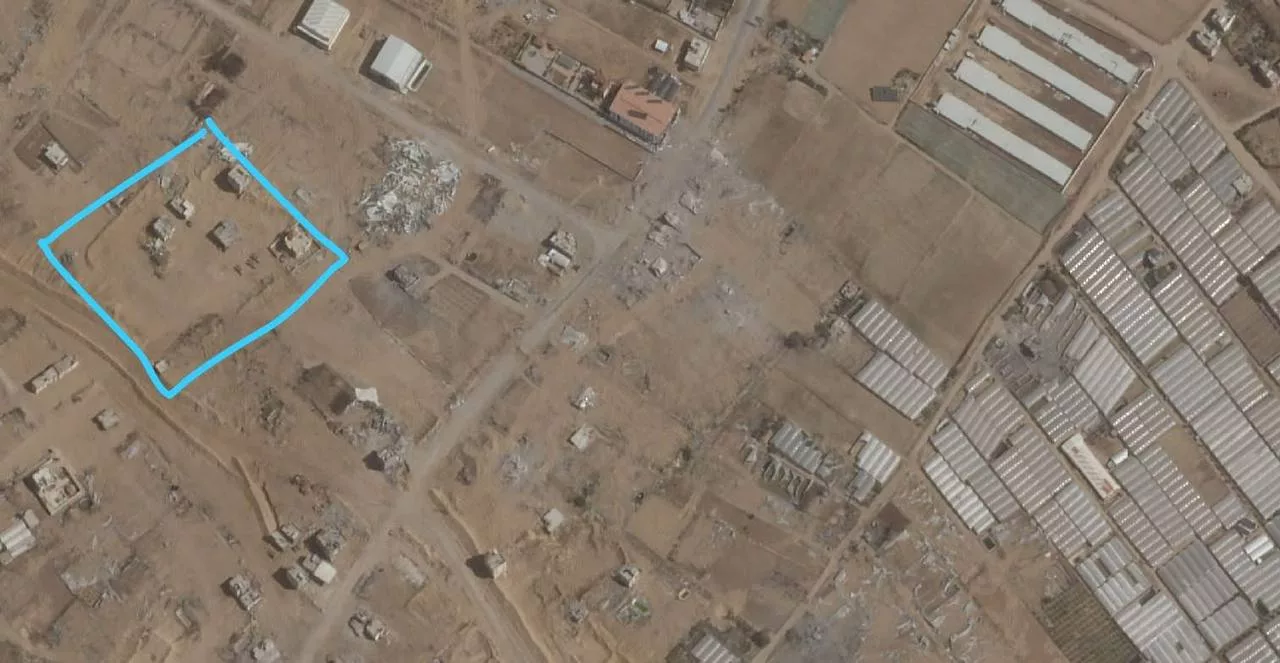
Satellite image of Rafah showing the Al-Omassi family’s home and farmland, bulldozed and looted by Israeli forces.

That same war also stole the life of my eldest brother, Mohammad, a lawyer and the father of four little girls.” She pauses briefly, sighs deeply, and adds, “As if killing us and destroying our home weren’t enough, Israel had the audacity to steal even the rubble our stone, our cement, our steel.”

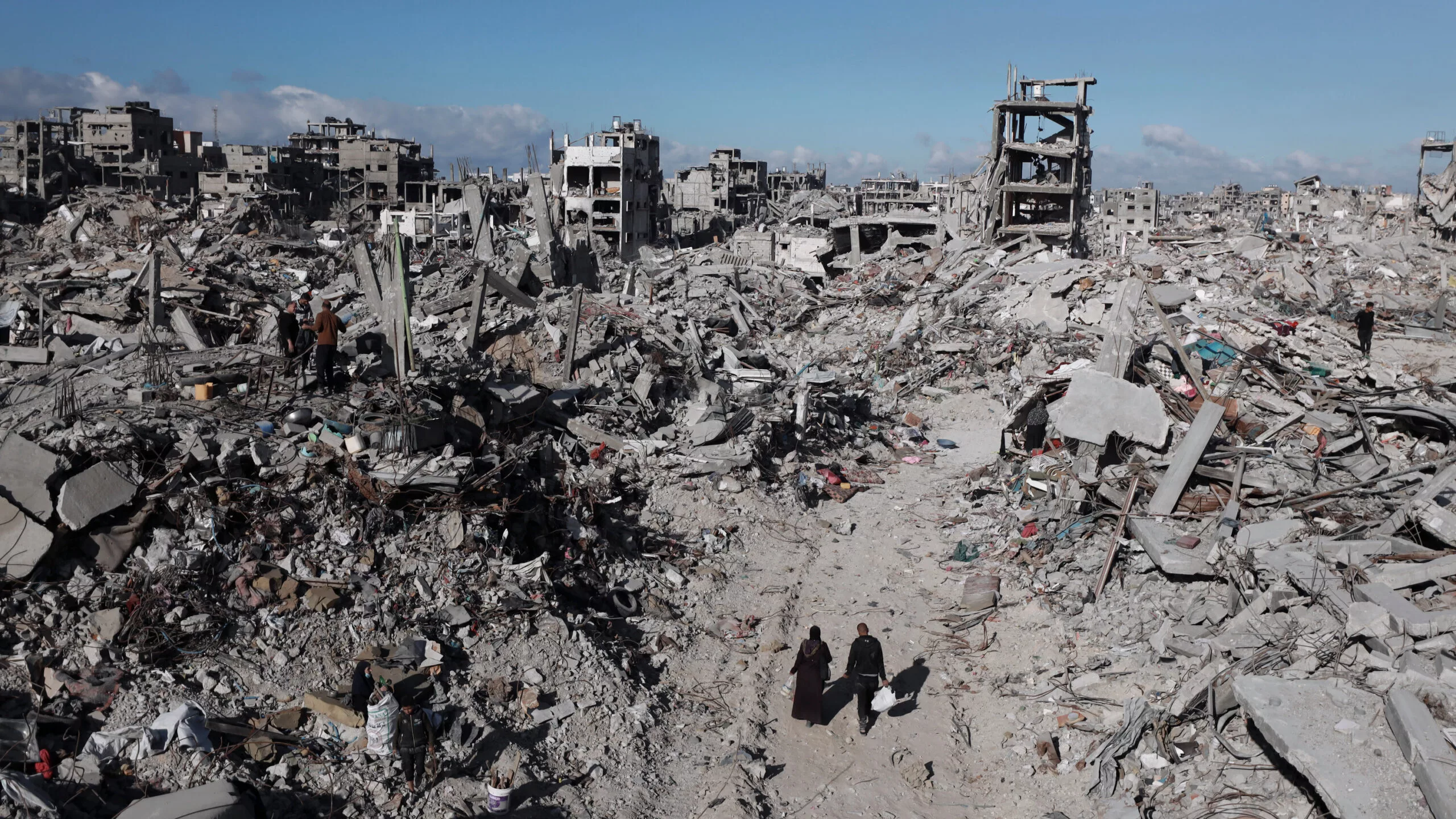
Since the onset of Israel’s genocidal war, the Gaza Strip particularly its eastern, northern, and southern regions has witnessed a massive demolition campaign carried out by Israeli forces. The army enlisted heavy machinery companies and contractors to take part in what became one of the most extensive destruction operations ever documented, widely shared on social media.
نون بوست
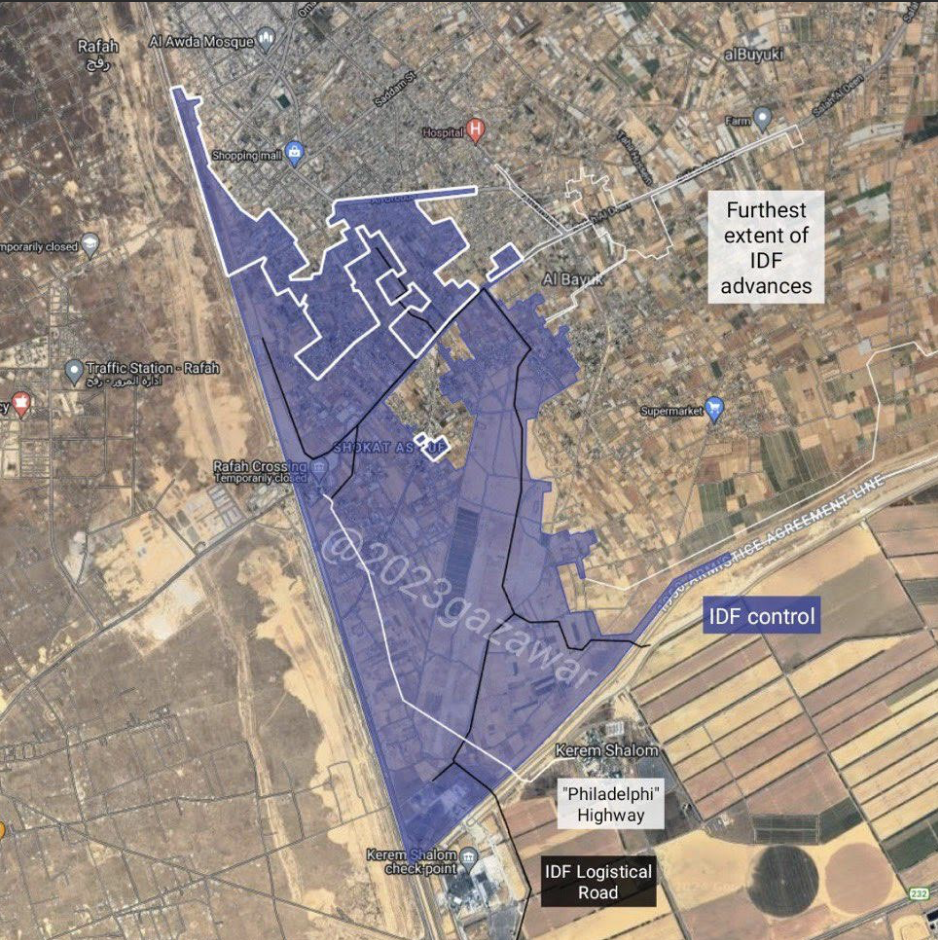
Satellite analysis shows Israeli forces encircling Tel Al-Sultan and seizing eastern Rafah.

The mother of three recalls, her eyes darting between her children: “Our home is located in northern Rafah, behind it ten dunams of fertile farmland planted with eggplants, tomatoes, cucumbers, and ancient olive, guava, and orange trees. The house had a strategic location just 1.5 kilometers from the Egyptian border and two kilometers from the Morag military axis making it a prime target for the Israeli ground invasion.”

Safaa reflects on their first displacement: “We fled in a panic, under the roar of Israeli shelling that rained down on our homes and farmlands. Our tent in Deir al-Balah became our only shelter for months. After the first ceasefire came into effect, we returned to Rafah—only to find our three-story home reduced to a pile of rubble. We pitched a tent next to the ruins.”

Tears welled in Safaa’s eyes, but her voice remained steady as she told Noon Post: “I always followed the news on Telegram. Even though we haven’t returned to Rafah since fleeing, a few months ago I came across aerial photos of the city shared by an activist. I was stunned our neighborhood, our houses, our farmland were gone. All I saw was a barren desert, coated in yellow sand. Even the rubble had been stolen.”

According to a 2025 World Bank report, the Israeli military turned Gaza into towering mounds of rubble, estimated to weigh between 41 and 47 million tons piled up in a tiny, besieged geography. That figure dwarfs the estimated 11 million tons of rubble left behind in Mosul, Iraq (2016–2017), and the 13–15 million tons generated by the 2010 Haiti earthquake.

Safaa untwines her fingers and wipes away a tear. “After zooming in on the photo and realizing the location, I was shocked to find no trace of our neighborhood. Even the debris was gone! I saw videos on X and TikTok of Israeli soldiers boasting about leveling our homes, killing our loved ones, and destroying the lives we built with decades of hard work.”

Palestinians interviewed by Noon Post reported witnessing the destruction firsthand from locations near the Israeli border in northern Gaza. They saw Israeli bulldozers and trucks enter and leave the Strip loaded with rubble from the destroyed homes, particularly in Beit Hanoun and Beit Lahia.

This was confirmed by the Israeli newspaper Haaretz, which reported that the Israeli military had hired private contractors and companies to carry out the demolition. Each contractor was paid 5,000 shekels (approximately $1,474) per home destroyed in Gaza. One soldier interviewed by the paper explained, “Every contractor using engineering equipment was paid 5,000 shekels for each house demolished. They’re making a fortune.”

The soldier added in the report that “any time not spent demolishing homes was seen as a financial loss. The military protected their operations.” Demolition, in this context, was no longer merely a military strategy it had become a lucrative industry. Israeli media even glorified the contractors, labeling them “heroes” and “national symbols.”

According to Article 33 of the Fourth Geneva Convention (1949) and Article 47 of the Hague Regulations (1907), looting is strictly prohibited whether public or private property is involved. Article 8(2)(b)(xvi) of the Rome Statute of the International Criminal Court classifies pillaging as a war crime.

Dr. Salah Abdel Ati, head of the International Commission to Support Palestinian Rights (ICSPR), told Noon Post that the Israeli military’s theft of rubble from tens of thousands of demolished homes and buildings in Rafah and northern Gaza and its transfer into Israel for use in construction or industry constitutes a grave, multifaceted crime with legal, humanitarian, and environmental dimensions.

“This is not merely the theft of physical material,” Abdel Ati explained. “It is a continuation of Israel’s systematic destruction and appropriation of Palestinian property—even after leveling it to the ground. It reflects a settler-colonial model aimed at erasing both the physical and symbolic presence of Palestinians.”

He emphasized that removing the rubble from Gaza violates Palestinian sovereignty and denies the population the ability to rebuild using local materials. “This debris is a vital resource for future reconstruction,” he added.

Moreover, Abdel Ati warned that Israel may be systematically removing debris to eliminate forensic evidence of war crimes and genocide undermining international justice efforts and obstructing cooperation with UN investigation teams.

He held the Israeli occupation authorities fully responsible under international law, as the occupying power is obligated to protect civilian property and infrastructure.

In response to Noon Post‘s question about potential prosecution, the legal expert affirmed: “Israeli army commanders and the companies involved in transporting and exploiting this material can be prosecuted before the International Criminal Court for unlawfully profiting from occupied property.”

He concluded, “The theft of rubble is not a minor detail it is a new chapter in the occupation’s project to strip Palestinians of land, memory, and place. This demands urgent legal and diplomatic action to hold Israel accountable and to prevent Gaza’s ashes from becoming the building blocks of future settlements.”

Download this article as PDF
Share this Article
Facebook Twitter Whatsapp Whatsapp Telegram Email Copy Link
أميرة نصار
By أميرة نصار صحفية وكاتبة من غزة
Follow:
Previous Article نون بوست “Al Fashir Under Siege: A City Killed by Gunfire and Media Blackout”
Next Article نون بوست Middle East Corridor: How It Could Redraw the Region’s Trade Map

Read More

  • "There Are Nights I Can’t Close My Eyes": How Gazans Are Living in Homes on the Brink of Collapse "There Are Nights I Can’t Close My Eyes": How Gazans Are Living in Homes on the Brink of Collapse
  • From al-Jolani to Ahmad al-Shara: The Evolution of Syria’s New Leader
  • When Political Islam Receded in Egypt: Who Filled the Void?
  • An Extension of Genocide: Gaza’s Detainees Speak Out
  • A Tightrope Between Survival and Sovereignty: The Syrian Government Faces Normalization Pressures
part of the design
NoonPost Weekly Newsletter

You May Also Like

“There Are Nights I Can’t Close My Eyes”: How Gazans Are Living in Homes on the Brink of Collapse

“There Are Nights I Can’t Close My Eyes”: How Gazans Are Living in Homes on the Brink of Collapse

فريق التحرير Noon Post 8 April ,2026
From al-Jolani to Ahmad al-Shara: The Evolution of Syria’s New Leader

From al-Jolani to Ahmad al-Shara: The Evolution of Syria’s New Leader

أحمد سيف النصر Ahmed Seif EL-Nasr 8 April ,2026
When Political Islam Receded in Egypt: Who Filled the Void?

When Political Islam Receded in Egypt: Who Filled the Void?

أحمد عبد الحليم أحمد عبد الحليم 8 April ,2026

تحليل اجتماعي لنتائج الانتخابات في تركيا

مروة تشالهان
مروة تشالهان Published 14 November ,2015
Share
1447287120747

ترجمة وتحرير نون بوست

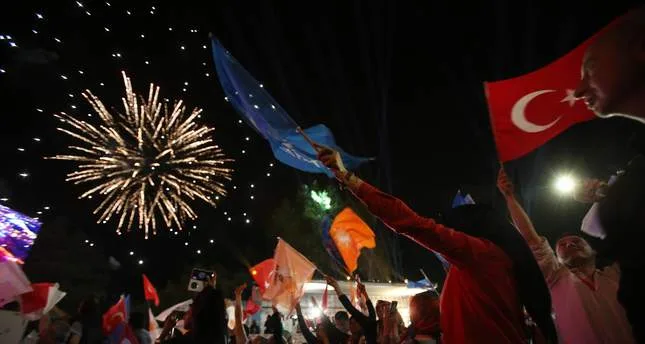
ذُهل جميع المحللين وشركات الاستطلاعات من حصيلة التصويت التي اغتنمها حزب العدالة والتنمية البالغة 49.48% من الأصوات في انتخابات 1 نوفمبر، والتي خولته الحصول على 317 مقعدًا في البرلمان التركي، وأظهرت دون أدنى شك استمرار هيمنة الحزب على السياسة التركية بالمجمل.

عشية الانتخابات، سلّط الجميع أنظارهم على التوقعات الأخيرة لشركات استطلاعات الرأي، التي لم تستطع أي منها التنبؤ بأن حزب العدالة والتنمية كان على مشارف انتصار كبير؛ فوفقًا لاستطلاعات ما قبل الانتخابات، كانت حظوظ حزب العدالة والتنمية في الانتخابات تحوم دون تحقيق الأغلبية البرلمانية اللازمة لتشكيل حكومة الحزب الواحد، وباختصار، حتى شركات الاستطلاع التي كانت قادرة على التنبؤ بنتائج قريبة جدًا من محصلة انتخابات 7 يونيو، فشلت بالتنبؤ بنتائج انتخابات 1 نوفمبر، وبالمحصلة مُنيت جميع شركات استطلاعات الرأي بإخفاق ذريع، وعند هذه النقطة، من المهم أن نتساءل عمّا حدث بين يونيو ونوفمبر، وتسبب بهذا الفشل الهائل لشركات الاستطلاع.

منذ مارس 2013، سيطر حزب العدالة والتنمية على أغلبية المقاعد في البرلمان، ولكن بعد أن خسر الحزب الأغلبية في انتخابات يونيو للمرة الأولى، واجهت تركيا فجأة مشاكل عدم الاستقرار الاجتماعي والاقتصادي وبعض المشاكل الأمنية الضخمة؛ فأولًا، وقبل كل شيء، وبمجرد انهيار اتفاق وقف إطلاق النار مع حزب العمال الكردستاني، شهدت تركيا انتكاسًا متجددًا ومفاجئًا في حملة العنف المستمرة بين الدولة التركية والأكراد منذ عقود، حيث أسفرت هجمات حزب العمال الكردستاني على القوات التركية في جنوب شرق تركيا عن مقتل عشرات الجنود الأتراك، ودعا بعض الخبراء تصاعد عنف حزب العمال الكردستاني بأنه ثورة واضحة المعالم ضد جمهورية تركيا، أفضت بالنتيجة إلى فرض حظر للتجول في بعض من أجزاء المدن الجنوبية الشرقية، وبالمختصر، كان هنالك شيء ما يحدث في جنوب شرق البلاد، ولم يستطع أحد، وخاصة مواطني غرب تركيا، استيعاب البعد الدقيق لتلك الأحداث على الإطلاق.

ثانيًا، يمكن افتراض أن أحد المعالم الرئيسية لبزوغ المناخ الأمني المتدهور في تركيا تمثل بهجمات تنظيم الدولة الإسلامية في العراق والشام على البلاد؛ ففي فجر يوم الإثنين في أكتوبر الماضي، فجر انتحاريان من داعش نفسيهما في أنقرة مزهقين أرواح أكثر من 100 شخص وتاركين مئات الأشخاص الآخرين يعانون من جروح بليغة، وكان هذا الهجوم أكبر الهجمات الإرهابية في تاريخ البلاد، حتى أنه اضطر رئيس الوزراء التركي أحمد داود أوغلو إلى إعلان ثلاثة أيام من الحداد الوطني.

في ظل الظروف غير المستقرة التي كانت تركيا تمر بها، أكد حزب العدالة والتنمية بأن خلفية الأحداث الجديدة التي تتمثل بارتفاع عدم الاستقرار الاجتماعي والاقتصادي والسياسي، لا يمكن أن تستقر إلا من خلال إعادته للسيطرة المنفردة على السياسة التركية بأكملها، وكان هذا الرهان يمثل تحديًا حقيقيًا لحزب العدالة والتنمية، خاصة بعد نتيجة انتخابات يونيو، ولكن الحزب استطاع أن يُثبت بأنه لا يزال يسيطر على تركيا، سواء من خلال الهجمات العسكرية الناجحة ضد حزب العمال الكردستاني، أو من خلال الحملة الانتخابية الناجحة التي خاضها ضمن الانتخابات الوطنية الأخيرة، فضلًا عن سياسة الحزب الناجحة والحكيمة في ظل حكومة الانتخابات المؤقتة التي قادها داود أوغلو، وهو النجاح الذي تزامن مع فشل أحزاب المعارضة بتحليل السلوكيات السياسية للناخبين في بيئة الأزمة.

رغم أن وسائل الإعلام المحلية حاولت تصوير النتائج الفاشلة لمحادثات تشكيل الحكومة الائتلافية عقب انتخابات 7 يونيو، على أنها خطأ حزب العدالة والتنمية الذي عرقل هذه المحادثات، إلا أن الناخبين كانوا يعرفون حق المعرفة بأن المسؤول عن فشل هذه المحادثات هو حزب الحركة القومية (MHP) اليميني.

حزب الشعب الجمهوري (CHP) هو أكثر أحزاب المعارضة استقرارًا دون أدنى شك، حيث اعتمد موقفًا متعاونًا في كامل أوقات محادثات تشكيل الحكومة الائتلافية، ولكنه لم ينجح بالحصول على أكبر عدد من الأصوات إلا في ست مقاطعات فقط من أصل 81 في جميع أنحاء البلاد، ولم يكن قادرًا على زيادة عدد أصواته بشكل كبير في 1 نوفمبر، رغم أن الحزب أدار حملته الانتخابية بناء على وعود الإصلاح الاقتصادية.

من الناحية الثانية، أدى تصعيد حزب العمال الكردستاني للعنف ضد الحكومة التركية إلى فشل مساعي حزب الشعوب الديمقراطي (HDP) الموالي للأكراد، حيث تلاشت أصواته في الانتخابات الأخيرة جنبًا إلى جنب مع خسارة حزب الحركة القومية لعدد كبير من الأصوات، ووجد الكثير من ناخبي هذين الحزبين بأن حزب العدالة والتنمية أكثر جاذبية هذه المرة، والصورة العامة لانتخابات 1 نوفمبر، تشير إلى أن حزب العدالة والتنمية نجح باغتنام مقاعد كلًا من حزبي الحركة القومية والشعوب الديمقراطي، حيث بقيت مقاعد حزب الشعب الجمهوري بدون تغيير مقارنة مع انتخابات يونيو.

حوصرت شركات استطلاعات الرأي بضجيج انتخابات 1 نوفمبر، ولم تستطع تحليل ما يبتغيه الناخبون حقًا، ولم تلمس مخاوفهم الرئيسية المتجذرة ضمن المشهد السياسي الحالي، وبالإضافة إلى ذلك، فشلت في تقييم تأثير مختلف العوامل النفسية والاجتماعية والسياسية على تحديد اتجاه الأصوات؛ فالنتائج لا يمكن تفسيرها من خلال الميول التي تهيمن عليها الهويات الحزبية، لأن الأحزاب التي ناصرت باستمرار سياسات الهوية هُزمت وفشلت في الانتخابات الأخيرة، ويمكن تحليل ذلك وفق منطق أن هويات الأحزاب المعارضة تبلورت في انتخابات 1 نوفمبر، ففي الواقع، صوّت الناخبون التابعون لحزبي الحركة القومية وحزب الشعوب الديمقراطي، وهما الحزبان اللذان يستقطبان صراعات الهوية، لحزب العدالة والتنمية.

الناخبون كانوا يبحثون عن حزب قادر على أن يكون شريكًا رئيسيًا في الحلول التي يبتغيها الشعب، والغرائز السياسية للرئيس رجب طيب أردوغان أثبتت بأنه قادر على تلبية الاهتمامات والشواغل الرئيسية للناخبين، المتمثلة بإيجاد حلول لانعدام الأمن والاستقرار السياسي.

إذن، تحليل النتائج كان ينبغي أن ينطلق من القاعدة الاجتماعية والنفسانية للناخبين، وهو الأمر الذي فشلت جميع شركات الاستطلاع بتحليله بشكل شامل، مما أدى إلى إخفاقها بقياس التغيرات في نوايا الناخبين الفردية ما بين انتخابات 7 يونيو وانتخابات 1 نوفمبر.

استخدم حزب العدالة والتنمية الحملة العسكرية لتعزيز رصيده القومي التركي، ولذلك بزغ الحزب بشكل أقوى في الانتخابات الأخيرة، واليوم، وبعد أن كشفت النتائج عن عودة الحكومة الموحدة للحزب الواحد، يقف حزب العدالة والتنمية أمام تحديين كبيرين، الأول يتمثل بتنشيط عملية المصالحة التي تم إيقافها مع حزب العمال الكردستاني في المستقبل القريب، والآخر هو صياغة دستور جديد وإجراء تغييرات دستورية لتوسيع السلطة الرئاسية للهيمنة على المشهد السياسي التركي بشكل دائم.

إثارة حزب أردوغان، حزب العدالة والتنمية، لفرص إجراء التعديل الدستوري، من شأنه أن يمهد الطريق للانتقال إلى نظام رئاسي، ولكن الحزب يحتاج لأغلبية عظمى، تبلغ 330 صوتًا داخل البرلمان، حتى يستطيع تغيير الدستور، وهو ما يعني عمليًا، بأنه يستحيل على الحزب أن يفعل ذلك دون دعم أحد أحزاب المعارضة الرئيسية، وفي المستقبل القريب، وبعد تشكيل مجلس الوزراء، هذه الأمور ستكون القضايا الأساسية التي سيتم مناقشتها باستفاضة في البرلمان الجديد.

المصدر: ديلي صباح

TAGGED: الأكراد في تركيا ، حزب الحركة القومية ، حزب الشعب الجمهوري ، حزب العدالة والتنمية ، حزب العمال الكردستاني
TAGGED: الانتخابات التركية
Download this article as PDF
Share this Article
Facebook Twitter Whatsapp Whatsapp Telegram Email Copy Link
مروة تشالهان
By مروة تشالهان حاصلة على ماجستير في دراسات الشرق الأوسط
Follow:
Next Article نون بوست The Stigma of “ISIS”: A Heavy Legacy Haunting Women and Children of Former Members
part of the design
NoonPost Weekly Newsletter
dark

An independent media platform founded in 2013, rooted in slow journalism, producing in-depth reports, analysis, and multimedia content to offer deeper perspectives on the news, led by a diverse young team from several Arab countries.

  • Politics
  • Society
  • Rights & Liberties
  • Opinions
  • History
  • Sports
  • Education
  • Technology
  • Economy
  • Media
  • Arts & Literature
  • Entrepreneurship
  • Travel
  • Cinema & Drama
  • Food
  • Health
  • Culture
  • Latest Reports
  • Files
  • Long Reads
  • Interviews
  • Podcast
  • Interactive
  • Encyclopedia
  • In Pictures
  • About Us
  • Our Writers
  • Write for Us
  • Editorial Policy
  • Advanced Search
Some rights reserved under a Creative Commons license

Removed from favorites

Undo
Go to mobile version