NoonPost NoonPost

NoonPost

  • Home
  • Politics
  • Economy
  • Society
  • Culture
  • Files
  • Long Reads
  • Podcast
AR
Notification Show More
نون بوست
“There Are Nights I Can’t Close My Eyes”: How Gazans Are Living in Homes on the Brink of Collapse
نون بوست
From al-Jolani to Ahmad al-Shara: The Evolution of Syria’s New Leader
نون بوست
When Political Islam Receded in Egypt: Who Filled the Void?
نون بوست
An Extension of Genocide: Gaza’s Detainees Speak Out
نون بوست
A Tightrope Between Survival and Sovereignty: The Syrian Government Faces Normalization Pressures
نون بوست
American Aircraft Carriers: Has the Era of “100,000 Tons of Diplomacy” Ended?
نون بوست
U.S. Regime‑Change Policies: Why They Are Destined to Fail
نون بوست
Transformations of Israeli Judaism: Between the Victim Complex and the Colonizer’s Doctrine
نون بوست
The Gulf’s Balancing Act: Iran, Israel, and Hidden Links
نون بوست
Iraq–Turkey Oil Export Treaty: Why Did Ankara Cancel It After 52 Years?
نون بوست
Syria’s Northeast on Edge: QSD Between Ankara and Damascus
نون بوست
Has Europe Changed Its Stance on Israel… or Just Its Language?
NoonPost NoonPost
AR
Notification Show More
نون بوست
“There Are Nights I Can’t Close My Eyes”: How Gazans Are Living in Homes on the Brink of Collapse
نون بوست
From al-Jolani to Ahmad al-Shara: The Evolution of Syria’s New Leader
نون بوست
When Political Islam Receded in Egypt: Who Filled the Void?
نون بوست
An Extension of Genocide: Gaza’s Detainees Speak Out
نون بوست
A Tightrope Between Survival and Sovereignty: The Syrian Government Faces Normalization Pressures
نون بوست
American Aircraft Carriers: Has the Era of “100,000 Tons of Diplomacy” Ended?
نون بوست
U.S. Regime‑Change Policies: Why They Are Destined to Fail
نون بوست
Transformations of Israeli Judaism: Between the Victim Complex and the Colonizer’s Doctrine
نون بوست
The Gulf’s Balancing Act: Iran, Israel, and Hidden Links
نون بوست
Iraq–Turkey Oil Export Treaty: Why Did Ankara Cancel It After 52 Years?
نون بوست
Syria’s Northeast on Edge: QSD Between Ankara and Damascus
نون بوست
Has Europe Changed Its Stance on Israel… or Just Its Language?
Follow US

“Hope 3”: Is This the Beginning of the End for al-Hol Camp?

زين العابدين العكيدي
Zain Al-Abdin Published 26 March ,2026
Share
نون بوست
نون بوست
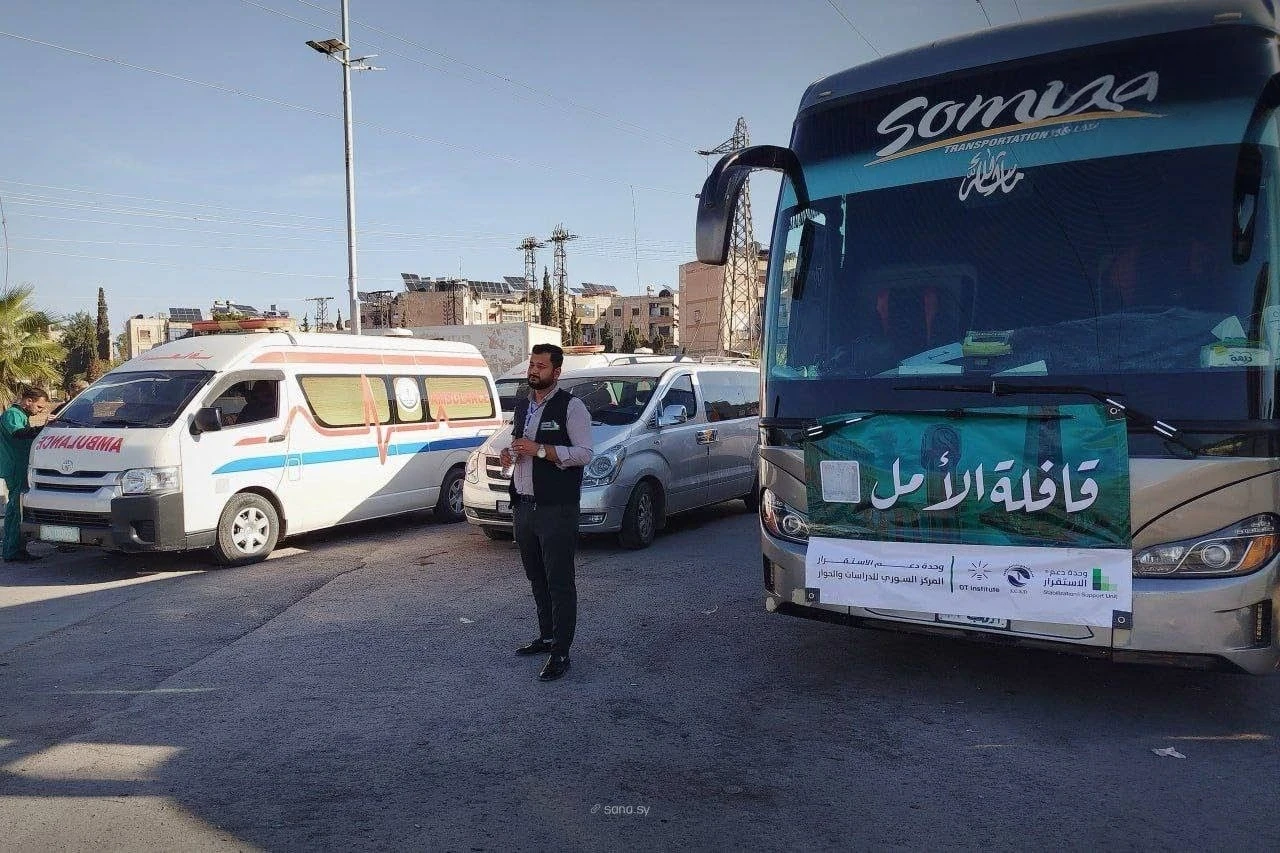
The “Convoy of Hope 3” arrives in Aleppo from al-Hol camp, carrying women and children in preparation for their transfer to northwestern Syria – SANA

A new group of families arrived in Aleppo on Monday, October 27, from the notorious al-Hol camp in eastern al-Hasakah province. The group comprised 12 families 55 individuals, mostly women and children from the provinces of Aleppo, Homs, Hama, and Idlib.

This was the third convoy of families to leave the camp for Aleppo, coordinated between the Autonomous Administration led by the Democratic Union Party (PYD) and the Syrian government. The transfer was supervised by the UN High Commissioner for Refugees (UNHCR) office in Damascus and its Qamishli branch, with logistical support from the NGO Stabilization Support Unit (SSU). The convoy was dubbed “Hope Caravan 3.”

A source from al-Hol camp told Noon Post that most of the families relocated to Aleppo suffer from chronic illnesses such as cancer and kidney failure. They were escorted by the Syrian Democratic Forces (SDF) from al-Hasakah to Aleppo, where they were received by Syrian internal security forces.

The reception was also attended by medical teams from Aleppo’s Health Directorate, including doctors and nurses, who were equipped with mobile medical units and ambulances to accompany the families to their new residences. The following day, Tuesday, October 28, several families were transported to their home provinces of Idlib, Homs, Daraa, and Hama.

The source added that several international organizations halted support for al-Hol residents at the beginning of the year, prompting authorities to begin evacuating the most vulnerable cases first.

It is worth noting that this convoy was preceded by two others under the “Hope Caravans” initiative aimed at transferring residents from the camp to areas under Syrian government control.

The second convoy was evacuated on July 30 and included 36 families (127 people) from Homs, Aleppo, and Raqqa. The first group, transferred on June 15, comprised 42 families (178 people), all classified as humanitarian or medical priority cases.

These convoys are part of a broader initiative to close al-Hol camp under the oversight of the US-led international coalition, the Syrian government, and the Autonomous Administration.

The aim is to resolve the issue of internal displacement in Syria. However, the challenge of detention centers and prisons housing ISIS fighters and their families remains one of the most pressing concerns for the coalition, neighboring states, and the nascent Syrian government.

The fate of those leaving al-Hol raises numerous questions. Syrian government statements consistently emphasize the goal of reintegrating returnees into society. Notably, on May 25, Interior Ministry spokesperson Nour al-Din al-Baba announced a shift in camp management policy, describing plans to transform al-Hol “from an inhumane epicenter to a comprehensive social rehabilitation file.” He stressed that these families are part of Syrian society and should not be punished for the actions of a few. He also promised new integration programs to help them become productive citizens.

This appears to be part of a defined government policy to rehabilitate children, empower women to rejoin society, and remove legal barriers against returnees.

The Autonomous Administration and the Syrian government have also agreed on a joint mechanism to regulate the evacuation of Syrian families from the camp. On May 26, Sheikhmous Ahmad, head of the IDPs and Refugees Bureau in the Autonomous Administration, said the purpose of this mechanism is to return Syrian families to their areas of origin and end their suffering.

Ahmad also mentioned that a tripartite meeting was held at the camp involving representatives from the Syrian government, the international coalition, and the Autonomous Administration. The meeting concluded with an agreement on the joint evacuation mechanism.

Located east of al-Hasakah, al-Hol has long been a focal point in international media coverage. The SDF often uses the camp as a bargaining chip, occasionally launching high-profile security raids such as one on September 5, which they claimed aimed “to protect camp residents and ensure humanitarian organizations could continue operating safely inside.”

Al-Hol continues to face dire humanitarian conditions, with frequent smuggling operations. The situation has deteriorated further recently due to reduced support from the United States, which is shifting toward a policy of shutting down all camps that house ISIS-affiliated families.

Washington is also urging countries with citizens in the camp to repatriate them. This is part of a comprehensive plan to reduce military presence in Syria and delegate detention oversight to the Syrian government, in coordination with the SDF.

Originally established in 1991 during the Gulf War to shelter Iraqi refugees, al-Hol was repurposed during the Syrian conflict to host thousands of displaced people from various nationalities. However, since 2019, the camp has seen a massive influx of ISIS families after the group’s defeat by the international coalition and the SDF.

Thousands more were displaced from areas recaptured by the Assad regime and its allies in late 2017, contributing to the camp’s significant population of internally displaced Syrians. Today, the majority of al-Hol’s residents are Syrians and Iraqis affiliated with or suspected of affiliation with ISIS.

The camp currently houses over 30,000 people, including foreign nationals suspected of ISIS ties and their families. Most of the residents are women and children. Approximately 60% are under the age of 18, with most being under 12. Foreign nationals number around 8,500 from over 62 countries.

Iraqis and Syrians represent the bulk of al-Hol’s population. According to available data, Iraq has taken the lead in repatriation efforts, pressured by the international coalition.

Over 19,000 Iraqis have returned through a series of evacuations, the latest of which took place on Monday, October 27, when 249 families about 840 individuals left the camp in coordination with the Iraqi government, the Iraqi Parliament, and the Migration and Displacement Committee.

The buses are heading to the al-Jadaa camp in Nineveh province, accompanied by international coalition forces. This marks the 13th Iraqi convoy to leave al-Hol in 2025, and the 30th since 2021.

The situation of Iraqis and Syrians in the camp is largely similar: many are merely displaced individuals who fled battles in their hometowns and were labeled as ISIS affiliates without evidence. Many are hesitant to return to Iraq for fear of reprisal.

To support their reintegration, Iraq’s Ministry of Migration and Displacement has launched 78 rehabilitation programs targeting returnees, according to ministry spokesperson Ali Abbas. These programs are part of a comprehensive strategy that includes security screening and ideological and psychological rehabilitation at the “Hope Center” in Nineveh.

During a meeting held on Monday, October 27, Iraq’s High Committee on al-Hol reaffirmed its commitment to repatriating its citizens until the mission is fully complete, according to the Iraqi News Agency (INA).

President Abdul Latif Rashid of Iraq reiterated the country’s goal of closing al-Hol and similar camps permanently, to “cut off the return of terrorism.”

Over the past months, a number of Syrian families have left the camp under local agreements between the Autonomous Administration and tribal leaders in Deir ez-Zor, Raqqa, and al-Hasakah.

These deals aimed to facilitate the return of families to their original communities while ensuring they are not implicated in security issues. Several international organizations have since launched reintegration programs, supporting former residents in starting small businesses and rebuilding their lives.

Download this article as PDF
Share this Article
Facebook Twitter Whatsapp Whatsapp Telegram Email Copy Link
زين العابدين العكيدي
By زين العابدين العكيدي صحفي من دير الزور
Follow:
Previous Article نون بوست What Role Is Israel Playing in Sudan’s Equation?
Next Article نون بوست How Drones Tipped the Balance of Power Over El Fasher

Read More

  • U.S. Regime‑Change Policies: Why They Are Destined to Fail U.S. Regime‑Change Policies: Why They Are Destined to Fail
  • The Gulf’s Balancing Act: Iran, Israel, and Hidden Links
  • Iraq–Turkey Oil Export Treaty: Why Did Ankara Cancel It After 52 Years?
  • Syria’s Northeast on Edge: QSD Between Ankara and Damascus
  • Has Europe Changed Its Stance on Israel… or Just Its Language?
part of the design
NoonPost Weekly Newsletter

You May Also Like

U.S. Regime‑Change Policies: Why They Are Destined to Fail

U.S. Regime‑Change Policies: Why They Are Destined to Fail

إسراء سيد Esraa sayed 8 April ,2026
The Gulf’s Balancing Act: Iran, Israel, and Hidden Links

The Gulf’s Balancing Act: Iran, Israel, and Hidden Links

فريق التحرير Noon Post 8 April ,2026
Iraq–Turkey Oil Export Treaty: Why Did Ankara Cancel It After 52 Years?

Iraq–Turkey Oil Export Treaty: Why Did Ankara Cancel It After 52 Years?

فريق التحرير Noon Post 8 April ,2026

هل قبل هادي بحل الدولتين في اليمن كأمر واقع؟

فريق التحرير
Noon Post Published 16 November ,2015
Share
a1447347472

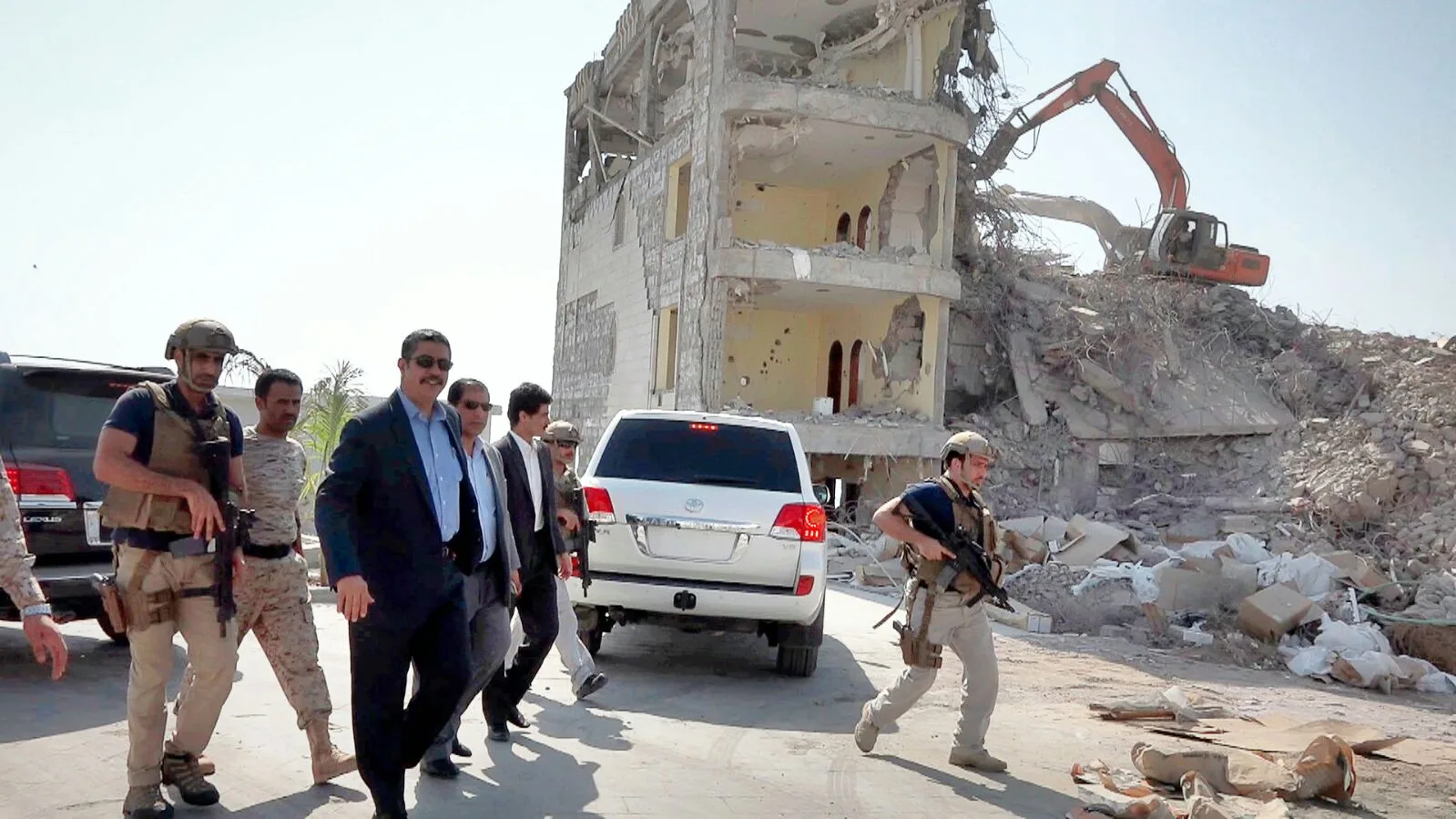
تحرك الرئيس اليمني عبدربه منصور هادي إلى مدينة عدن في العودة الثانية إليها منذ خروجه في مارس من العام الماضي بعد سيطرة جماعة أنصار الله الحوثي والقوات التابعة للرئيس اليمني السابق علي عبدالله صالح على المدينة، بعد عودته الأولى إلى المدينة زائرًا عقب تحريرها من مليشيا الحوثي على يد ما يُعرف بالمقاومة الشعبية والقوات الخليجية الداعمة لها.

هذه المرة يبدو أن عودة هادي إلى عدن ستكون عودة إقامة لا زيارة كسابقتها، حيث يمهد هادي إلى تثبيت أركان حكومته التي يستمر أعضاؤها في عملية العودة إلى عدن برئاسة نائب الرئيس اليمني ورئيس الوزراء خالد بحاح الذي وصل إلى المدينة وقام بجولة إلى جزيرة سقطرى المتضررة من السيول، في أول زيارة لمسؤول حكومي في حكومة هادي لهذه المنطقة.

هذا الأمر عده البعض تدشينًا لعودة الحكومة من جديد لكل المدن اليمنية المحررة من التواجد الحوثي، ونهاية لمرحلة حكومة الخارج بعدما طال أمد المعارك التي كان يُنتظر منها استعادة السيطرة على كافة الأراضي اليمنية.

كما وصلت في السابق قوة إماراتية إلى ميناء الزيت في عدن وتسلمت مهمة حماية القصر الرئاسي في المحافظة وهي إشارة أخرى لبداية عملية الاستقرار الحكومي في عدن، وأن زيارة هادي لن تكون عابرة.

في حين ذكرت مصادر محلية أن زيارة هادي تستهدف اللقاء بمختلف المكونات الجنوبية التي ساهمت في الحرب مع الحوثيين لمناقشة الأوضاع الأمنية والإنسانية معهم تمهيدًا لمساعدة الحكومة في استلام زمام الأمور، كما ألمح البعض إلى أن الرئيس اليمني بصدد تعيين قيادات بارزة في الحراك الجنوبي بعدن في مناصب متفاوتة في السلطة التنفيذية بالمحافظة ضمن إجراءات عودة الحكومة، في إجراء يهدف إلى إدماج الحراك الجنوبي في الحياة السياسية.

حيث كشفت المصادر المحلية أن الاتصالات متواصلة بين هادي وقيادات الحراك الجنوبي لاستيعابهم من خلال عروض بتولي مناصب قيادية في الجهاز التنفيذي للمحافظة بعد اكتمال عودة الحكومة، وقد تحفظت قيادات في الحراك الجنوبي على الحديث في هذا الأمر ولم تفصح عن نتائج هذه الاتصالات.

فيما قُرأت هذه التحركات على أنها قبولًا بالأمر الواقع من جانب عبدربه منصور هادي الذي قرر أن تحكم سلطته الجنوب اليمني في ظل معارك الشمال التي لا يُعرف لها نهاية حتى الآن، لذلك رجح البعض أن تكون عدن هي المقر الرسمي لإقامة الرئاسة والحكومة في الفترة القادمة، بعدما كانت اجتماعات الحكومة تُعقد في الرياض، ولكن مع هذا الإجراء من جانب هادي يخشى البعض أن يكرس حل تقسيم اليمن إذا ما استمر الوضع كما هو عليه لفترة أطول، حيث يدير هادي الجنوب من عدن باستخدام قيادات الحراك الجنوبي، ويدير الحوثيون الشمال من صنعاء.

على الصعيد العسكري بدأت القوات الموالية للرئيس اليمني عبد ربه منصور هادي مدعومة من التحالف العربي بقيادة السعودية، عملية عسكرية واسعة اليوم لاستعادة محافظة تعز جنوب غربي اليمن من مليشيات الحوثي التي تفرض سيطرتها على حدود المدينة، حيث تمكنت قوات التحالف العربي المدعومة بالآليات والعربات العسكرية وكاسحات الألغام من التقدم إلى منطقة الشريجة القريبة من مدينة الراهدة جنوبي محافظة تعز.

هذا الأمر يعني أن هادي مدعومًا من السعودية قرر ترسيخ حكمه على المدن المحررة وعدم انتظار حسم المعركة أنحاء اليمن، مع الحوثيين في باقي وهو قرار ستكون له تبعاته الانفصالية بين الجنوب والشمال، خاصة مع بروز نغمة الانفصال بقوة وسط الحراك الجنوبي الذي يحاول هادي اتقاء شره حتى الآن، كل ذلك إذا ما فشلت قوات التحالف العربي والمقاومة الشعبية على الأرض في حسم الصراع العسكري والقضاء على التمرد الحوثي.

يذهب البعض إلى أن هادي لن يستطيع الإعلان عن انفصال الجنوب بشكل رسمي، لأنه لن يستطيع التعامل مع تبعاته، خاصة مع علمه انتظار الحوثيين وعلي عبدالله صالح لخطوة مثل هذه لتنحية المشكلة الأساسية في اليمن وإعلان حرب أهلية بين الشمال والجنوب، ما سيأخذ بالقضية اليمينة كلها في اتجاه آخر.

ولكن هادي الآن يُفضل التعامل مع حل الدولتين بشيء من الواقعية؛ حيث بدأ بتجميع قوته العسكرية في عدن واتخاذ إجراءات كنقل العاصمة إلى هذا الإقليم ولو بشكل مؤقت، وكذلك العمل على استكمال بقية مقومات الدولة الخاصة بإنشاء إعلام خاص بعدن كبديل للإعلام الرسمي الذي تسيطر عليه مليشيا الحوثي.

الحراك الجنوبي الذي رحب باستضافة هادي غير راض عن هذا الشكل تمامًا رغم ظهوره بمظهر المساند لهادي في كافة قراراته، حيث إنهم غير متفهمين حتى الآن لقرار نقل العاصمة إلى عدن، لأنهم اعتبروا أن ذلك تجاهلًا لمطالبهم ولقضيتهم العادلة في وجهة نظرهم مع الشمال.

يظهر ذلك في تصريحات لما يسمى بـ “الحراك الثوري الجنوبي” في اليمن الذي شدد على مطالبه “باستقلال” جنوب البلاد، معبرين عن رفضهم لدعوة زعيم جماعة أنصار الله، عبد الملك الحوثي، للحوار، كذلك تدعم دول في التحالف العربي هذا الحراك ومنهم دولة الإمارات العربية المتحدة كما ذكرت عدة تقارير من المحافظات الجنوبية.

لذلك يبدو وأن هادي قد آثر القبول بحل الدولتين مؤقتًا ولو بدون إعطاء صبغة رسمية لهذا، ولكن الواقع سيفرض عليه التعامل مع جبهتين في البلاد ما لم تستطع القوات العربية بقيادة السعودية استعادة السيطرة على كامل اليمن وفرض سيطرة هادي على كافة المدن اليمنية شمالًا وجنوبًا، وفيما يبدو أن مخرج هذه الأزمة سيكون في ذلك مع العودة إلى مخرجات الحوار الوطني الذي أفضى إلى تحويل اليمن إلى دولة اتحادية من ستة أقاليم أربعة منهم في الشمال واثنين في الجنوب اليمني.

TAGGED: الحراك الجنوبي ، الحوثيين ، انفصال الجنوب اليمني ، انقسام اليمن ، حكومة بحاح
Download this article as PDF
Share this Article
Facebook Twitter Whatsapp Whatsapp Telegram Email Copy Link
فريق التحرير
By فريق التحرير تقارير يعدها فريق تحرير نون بوست.
Follow:
Next Article نون بوست The Stigma of “ISIS”: A Heavy Legacy Haunting Women and Children of Former Members

Read More

  • U.S. Regime‑Change Policies: Why They Are Destined to Fail U.S. Regime‑Change Policies: Why They Are Destined to Fail
  • The Gulf’s Balancing Act: Iran, Israel, and Hidden Links
  • Iraq–Turkey Oil Export Treaty: Why Did Ankara Cancel It After 52 Years?
  • Syria’s Northeast on Edge: QSD Between Ankara and Damascus
  • Has Europe Changed Its Stance on Israel… or Just Its Language?
part of the design
NoonPost Weekly Newsletter

You May Also Like

U.S. Regime‑Change Policies: Why They Are Destined to Fail

U.S. Regime‑Change Policies: Why They Are Destined to Fail

إسراء سيد Esraa sayed 8 April ,2026
The Gulf’s Balancing Act: Iran, Israel, and Hidden Links

The Gulf’s Balancing Act: Iran, Israel, and Hidden Links

فريق التحرير Noon Post 8 April ,2026
Iraq–Turkey Oil Export Treaty: Why Did Ankara Cancel It After 52 Years?

Iraq–Turkey Oil Export Treaty: Why Did Ankara Cancel It After 52 Years?

فريق التحرير Noon Post 8 April ,2026
dark

An independent media platform founded in 2013, rooted in slow journalism, producing in-depth reports, analysis, and multimedia content to offer deeper perspectives on the news, led by a diverse young team from several Arab countries.

  • Politics
  • Society
  • Rights & Liberties
  • Opinions
  • History
  • Sports
  • Education
  • Technology
  • Economy
  • Media
  • Arts & Literature
  • Entrepreneurship
  • Travel
  • Cinema & Drama
  • Food
  • Health
  • Culture
  • Latest Reports
  • Files
  • Long Reads
  • Interviews
  • Podcast
  • Interactive
  • Encyclopedia
  • In Pictures
  • About Us
  • Our Writers
  • Write for Us
  • Editorial Policy
  • Advanced Search
Some rights reserved under a Creative Commons license

Removed from favorites

Undo
Go to mobile version