NoonPost NoonPost

NoonPost

  • Home
  • Politics
  • Economy
  • Society
  • Culture
  • Files
  • Long Reads
  • Podcast
AR
Notification Show More
نون بوست
“There Are Nights I Can’t Close My Eyes”: How Gazans Are Living in Homes on the Brink of Collapse
نون بوست
From al-Jolani to Ahmad al-Shara: The Evolution of Syria’s New Leader
نون بوست
When Political Islam Receded in Egypt: Who Filled the Void?
نون بوست
An Extension of Genocide: Gaza’s Detainees Speak Out
نون بوست
A Tightrope Between Survival and Sovereignty: The Syrian Government Faces Normalization Pressures
نون بوست
American Aircraft Carriers: Has the Era of “100,000 Tons of Diplomacy” Ended?
نون بوست
U.S. Regime‑Change Policies: Why They Are Destined to Fail
نون بوست
Transformations of Israeli Judaism: Between the Victim Complex and the Colonizer’s Doctrine
نون بوست
The Gulf’s Balancing Act: Iran, Israel, and Hidden Links
نون بوست
Iraq–Turkey Oil Export Treaty: Why Did Ankara Cancel It After 52 Years?
نون بوست
Syria’s Northeast on Edge: QSD Between Ankara and Damascus
نون بوست
Has Europe Changed Its Stance on Israel… or Just Its Language?
NoonPost NoonPost
AR
Notification Show More
نون بوست
“There Are Nights I Can’t Close My Eyes”: How Gazans Are Living in Homes on the Brink of Collapse
نون بوست
From al-Jolani to Ahmad al-Shara: The Evolution of Syria’s New Leader
نون بوست
When Political Islam Receded in Egypt: Who Filled the Void?
نون بوست
An Extension of Genocide: Gaza’s Detainees Speak Out
نون بوست
A Tightrope Between Survival and Sovereignty: The Syrian Government Faces Normalization Pressures
نون بوست
American Aircraft Carriers: Has the Era of “100,000 Tons of Diplomacy” Ended?
نون بوست
U.S. Regime‑Change Policies: Why They Are Destined to Fail
نون بوست
Transformations of Israeli Judaism: Between the Victim Complex and the Colonizer’s Doctrine
نون بوست
The Gulf’s Balancing Act: Iran, Israel, and Hidden Links
نون بوست
Iraq–Turkey Oil Export Treaty: Why Did Ankara Cancel It After 52 Years?
نون بوست
Syria’s Northeast on Edge: QSD Between Ankara and Damascus
نون بوست
Has Europe Changed Its Stance on Israel… or Just Its Language?
Follow US

How Drones Tipped the Balance of Power Over El Fasher

يوسف بشير
Yousif basher Published 26 March ,2026
Share
نون بوست
نون بوست
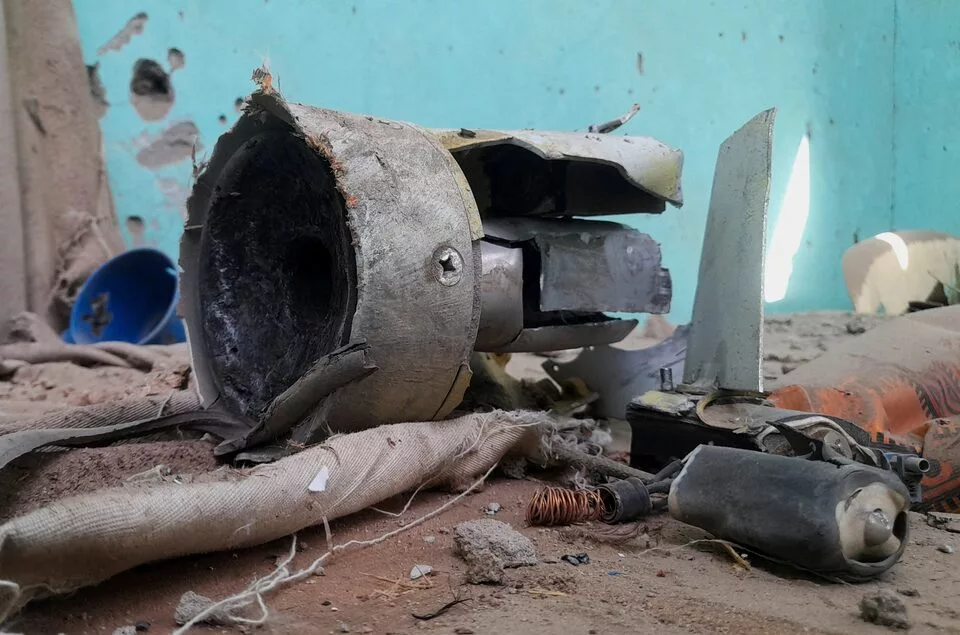
Remnants of a shell that targeted a refugee center in El Fasher, Sudan, on October 7, 2025 – Reuters

On October 27, fighters from the Rapid Support Forces (RSF) released videos showing civilian and pickup trucks engulfed in flames, surrounded by charred bodies in civilian clothes people who appeared to have attempted to flee their vehicles during an aerial strike in northwestern El Fasher, North Darfur. Time, however, was not on their side.

It was later revealed that the RSF had used drones to destroy a convoy stretching nearly 2.1 kilometers as it attempted to leave the city, shortly after El Fasher fell into RSF hands. The group then unleashed a wave of atrocities that may constitute crimes against humanity.

The use of drones to obliterate the convoy underscored just how critical these aircraft reportedly supplied by the United Arab Emirates had become to the RSF’s operations. Drones played a decisive role in the group’s capture of El Fasher, after multiple failed attempts prior to their large-scale deployment in August.

A Crumbling Status Quo

Nimir Abdelrahman, the former governor of North Darfur and a senior figure in the Sudan Liberation Movement – Transitional Council, which later aligned with the RSF, had previously brokered a ceasefire between the army, the RSF, and other armed movements. This agreement divided the city into zones of control.

That arrangement held until April 2024, when the RSF amassed a large force to lay siege to El Fasher. The blockade starved the population, forcing civilians to eat animal feed. In May, the RSF launched its offensive from its strongholds in the northern districts—areas it had emptied of residents.

For months, the RSF struggled to break through to the city center, meeting fierce resistance from the army and its allies despite starvation, a lack of medical supplies, and constant exhaustion. The RSF, however, had access to uninterrupted supply lines of military equipment, much of it provided by the UAE and routed through Libya, Chad, and Nyala Airport in South Darfur.

Its most significant breakthrough came after suffering thousands of casualties at the city’s gates: the RSF overran the Zamzam displacement camp, located 12 kilometers southwest of El Fasher, shortly after displacing the surrounding villages and cutting a critical supply route.

The RSF seized the Zamzam camp in April, just days after downing a military aircraft used by the army to ferry food and arms including short-range drones into the city. The downing came shortly after the RSF deployed Chinese-made FK-2000 air defense systems.

A Shift in Superiority

These air defense systems stripped the army of its aerial superiority, giving the RSF freedom to mass fighters and tighten its ground siege. The group began deploying strategic Chinese-made CH-95 or FH-95 drones for intensive nighttime airstrikes on El Fasher, likely to avoid satellite detection.

Civilians were forced into underground shelters to evade the drones. They limited their movements and avoided any source of light, knowing full well they faced a ruthless enemy that made no distinction between fighters and civilians children, the elderly, or women.

The RSF later used drones to support ground offensives starting August 3, pushing deeper into a city already weakened by hunger. They simultaneously destroyed water sources, healthcare facilities, and retail shops.

Under the relentless drone attacks launched from Nyala, the army was forced to retreat from its key defensive positions, particularly after losing control of the Abu Shouk displacement camp north of the city. This allowed the RSF to move in, displace the camp’s residents, and advance further.

As civilians fled neighborhoods and sought refuge in El Fasher’s upscale Al-Daraja Al-Oula district, the burden on the army and its allies grew. They had to restrict their movement to protect the displaced only for the RSF to pursue them with drones, killing hundreds in an apparent campaign of terror.

Drones Redefining Warfare

El Fasher may come to mark a turning point in the history of warfare a place where a major city was taken through remote-controlled tools that dehumanize their targets, treating civilians not as families of flesh and blood, but as objects. The drone campaign in Sudan represents a shift toward a new kind of war.

The RSF used drones not just for attacks but also for surveillance tracking army movements, supply lines, and troop concentrations. Fighters frequently published videos showcasing the drones’ precision and their effectiveness in intelligence gathering.

To say that El Fasher was not defeated is technically true it was butchered by modern drones like the Chinese Sunflower-200, which boasts a range of 2,500 kilometers. According to an RSF intelligence officer, the UAE remains the group’s principal weapons supplier.

The army had, in the past, managed to down several suicide drones using electronic jamming systems that cut communication between the drone and its operator, or by disrupting GPS signals. They also relied on heavy machine guns like the Dushka and visual camouflage.

But in El Fasher, the army had few means to counter modern drones, especially under a long-standing ground siege and an air blockade enforced by the RSF’s air defense systems. Though they succeeded in destroying some drones, this came only after the city was already on its last breath.

Leaked reports suggest that RSF drone operators were trained by experts in Libya, though Darfur Governor Minni Arko Minnawi claims the operations are directed from outside Sudan. He argues that the precision of the strikes exceeds the RSF’s known capabilities.

Minnawi attributed El Fasher’s fall to foreign “aggressor nations”—unnamed—which he says provided the RSF with logistical, financial, and intelligence support, including electronic warfare capabilities that disabled satellite-based communication systems. This effectively severed contact between army units in El Fasher and their command centers elsewhere.

He also alleged that after losing most of its leadership, the RSF turned to recruiting mercenaries from neighboring countries and beyond. It relied on drone warfare orchestrated from outside Sudan and on advanced technology to disrupt communications thanks to foreign intelligence agencies.

Control over communications and drones, Minnawi said, gives any force the upper hand on the battlefield, regardless of how heroic the resistance may be. Warfare has thus evolved: no longer centered on ground assaults and rapid maneuvers, but on AI-powered precision strikes.

Still, human will and determination can turn the tide. The army must seek effective deterrents and develop civil defense systems to protect civilians.

Ultimately, the battle for El Fasher has made one thing clear: wars are no longer fought solely with artillery and rifles. Drones now define the contours of victory and defeat. These small machines have redrawn the balance of power and if this pattern continues, we may be entering an era where humans no longer fight wars, but machines fight in their stead.

Download this article as PDF
Share this Article
Facebook Twitter Whatsapp Whatsapp Telegram Email Copy Link
يوسف بشير
By يوسف بشير صحافي سوداني
Follow:
Previous Article نون بوست “Hope 3”: Is This the Beginning of the End for al-Hol Camp?
Next Article نون بوست Nuh Yılmaz: The Strategic Envoy in Damascus

Read More

  • U.S. Regime‑Change Policies: Why They Are Destined to Fail U.S. Regime‑Change Policies: Why They Are Destined to Fail
  • The Gulf’s Balancing Act: Iran, Israel, and Hidden Links
  • Iraq–Turkey Oil Export Treaty: Why Did Ankara Cancel It After 52 Years?
  • Syria’s Northeast on Edge: QSD Between Ankara and Damascus
  • Has Europe Changed Its Stance on Israel… or Just Its Language?
part of the design
NoonPost Weekly Newsletter

You May Also Like

U.S. Regime‑Change Policies: Why They Are Destined to Fail

U.S. Regime‑Change Policies: Why They Are Destined to Fail

إسراء سيد Esraa sayed 8 April ,2026
The Gulf’s Balancing Act: Iran, Israel, and Hidden Links

The Gulf’s Balancing Act: Iran, Israel, and Hidden Links

فريق التحرير Noon Post 8 April ,2026
Iraq–Turkey Oil Export Treaty: Why Did Ankara Cancel It After 52 Years?

Iraq–Turkey Oil Export Treaty: Why Did Ankara Cancel It After 52 Years?

فريق التحرير Noon Post 8 April ,2026

الإرهاب الجديد في باريس، والقديم جدًا

نهى خالد
نهى خالد Published 17 November ,2015
Share
hajnon-1_copy

على بعد خطوات من متحف اللوفر في قلب باريس تقع كنيسة سانت جيرمان، والتي دق جرسها في إحدى أيام أغسطس 1572 ليعلن بدء مذبحة القديس بارثولوميو ضد المسيحيين البروتستانت، لتشهد شوارع المدينة صرخات مدوية جراء ذبح الكاثوليك للآلاف منهم في واحدة من أسوا المذابح الدينية في تاريخ أوروبا، وهي حرب دينية استمرت حين انتفضت العُصبة المقدسة كما عُرفَت أنذاك في باريس الكاثوليكية ضد الملك هنري الثالث المتسامح دينيًا، والذي قتل على يد أحدهم قبل أن يتولي الملك هنري الرابع البروتستانتي في الأصل، ويتحول للكاثوليكية ليضع نهاية لتلك الحروب.

في موقع آخر بباريس لا يبعد كثيرًا عن هجمات الجمعة الماضية، يقف عامود يوليو كما يعرف في قلب ميدان الباستيل، والذي استضاف المعركة الدموية الشهيرة التي وقعت بعد حوالي قرنين في نفس المكان، حيث قام الفرنسيون بأول ثورة شعبية في تاريخهم، واقتحموا سجن الباستيل، وهي أحداث تبعها “عهد الإرهاب” كما يُعرَف والذي قام فيه الثوار بحملة عنيفة ضد أعداء الثورة.

بعد ثلاث سنوات، عادت الدماء مجددًا بالقرب من اللوفر حين واجهت مجموعة سان كولوت (أي بدون ملابس في إشارة إليهم كفقراء) حرس الملك لويس السادس عشر في معركة سقط فيها أكثر من ألف قتيل، انتهت بالقبض على الملك وإلغاء الملكية لوقت قصير، وهي معركة تبعتها بأسابيع حادثة دموية جديدة، حيث قامت نفس المجموعة باقتحام السجون وتصفية 1300 من أعداء الثورة تخوفًا من تعاونهم مع هجوم ألماني (بوروسي) محتمل.

حتى عام 1871 كانت ساحة اللوفر محجوبة بقصر توليري، والذي احترق أنذاك بعد أن قامت القوات الجمهورية المحافظة بقمع حكومة “كوميون باريس” الشيوعية الراديكالية التي استمرت لشهرين، والتي شيدت كنيسة ساكريكور الكاثوليكية “تكفيرًا” عن ذنوبها كما تقول النقوش الموجودة عليها، وبالتحديد إعدام الراديكاليين لرئيس الأساقفة بالمدينة، في إشارة واضحة على رسوخ السلطة الرجعية الكاثوليكية حتى ذلك الوقت.

جغرافيا باريس دموية نوعًا ما إذن، ففي كل ميدان أو مكان شهير تخفي المباني التاريخية الجميلة الآن معركة عنيفة، وهو عنف انصب كله ولا يزال على مواضيع بعينها أسرت ذهن الباريسيين، كالعلمنة والدين من ناحية، والراديكالية والمؤامرات والأيديولوجية من ناحية أخرى، أو كل ما يتعلق بالاعتقاد بشكل عام، فالفرنسيون اليوم معروفون بكونهم الشعب الأكثر اهتمامًا بالأيديولوجيا في خياراته السياسية، كما شهد في الماضي أشد المعارك الدينية بينما حاول البعض التحول من مذهب لآخر.

العقائد بكافة أنواعها إذن أمر حساس في باريس، من الإيمان المسيحي وحتى الاعتقادات الثورية، وهي عقائد فتحت بسهولة باب الدماء كما فعلت على مدار القرون السالفة، وإن كانت باريس قد حاولت دومًا أن تخفي أثار العنف من طرقاتها، وأن تقصرها على كتب التاريخ والمتاحف، لتقدم نفسها كمدينة سلام وأناقة وحضارة في نهاية المطاف، يظل العنف الكامن في ثقافتها يطل برأسه بين الحين والآخر، لينفجر كالبركان بصور مختلفة.

***

نظر إيميل هنري إلى المقهى باعتباره تجسيدًا للمجتمع البرجوازي، وكان يهدف إلى قتل أكبر عدد ممكن من الناس حين وضع قنبلة في مقهى ترمينو عام 1894، وعندما سُئل في المحكمة عن سبب إيقاع الضرر بمجموعة كبيرة من الأبرياء، قال ببساطة أنه لا يعتقد بأن هناك أي أبرياء بين البرجوازيين، لتقرر المحكمة إعدامه خلال أشهر، وهو إعدام أطلق فيه هنري آخر كلماته، “تعيش الأناركية!”

نون بوست

لم تكن تلك أول مرة يقوم فيها هنري بعملية إرهابية في باريس، كما لم يكن أول إرهابي تعرفه المدينة، فقد سبقه أوغوست فايان بوضع قنبلة عام 1893 عند مجلس النواب الفرنسي، ورُغم ضعف قنبلته التي صنعها بالمنزل ولم تُحدث سوى جروحًا طفيفة لعشرين نائبًا، إلا أن الحادث أنذاك كان كالقشة التي قصمت ظهر البعير، ودفع الحكومة الفرنسية بعد حوادث مشابهة قام بها أناركيون لتمرير مجموعة قوانين عُرفت بالقوانين الخسيسة، تضمنت تقييد حرية الصحافة، ومنع أي شخص أو جريدة من استخدام الدعايا الأناركية.

كانت تلك الفترة تحديدًا هي التي انتشر فيها مصطلح الإرهاب بمعناه السلبي، حيث كان الإرهاب قبل ذلك مسألة خلافية بين من رأى بجدواها على غرار ثوريي القرن الثامن عشر، ومن نبذها تمامًا من المحافظين، غير أن المؤسسات الفرنسية التي ازدادت رسوخًا منذ تلك الفترة وصاعدًا خلقت سردية تنظر بشكل سلبي للعنف لتعزيز شرعية الجمهورية، بل واتخاذ الحوادث الإرهابية ذريعة لتمديد سلطاتها، ليقتصر العنف على سرديات ثورية لم تحظى بقبول واسع كالشيوعية والفاشية والأناركية وغيرها من المعتقدات.

كان آخر عهد باريس بالعنف الموسّع أثناء الحرب العالمية الثانية كما نعرف، قبل أن تؤسس الجمهورية الخامسة ويتولى شارل ديغول، غير أن العنف استمر على نطاق حوادث ضيقة، كما حدث أثناء حرب الاستقلال الجزائرية، والتي قتلت فيها الشرطة الفرنسية عام 1961 مائتين من المتظاهرين السلميين من الجزائريين في باريس وألقت جثثهم في نهر السين، وكذلك في الاضطرابات التي شهدتها المدينة عام 1968، وفر أثناءها ديغول لقاعدة عسكرية في ألمانيا، وأخيرًا في تسعينيات القرن الماضي حين شهدت الجزائر انقلاب السلطة على الإسلاميين، والذي وصلت أصداؤه لباريس عن طريق “إرهابيي” جزائريين.

***

بشكل أو آخر تُعد هجمات الجمعة، والتي قام بها فرنسيون مسلمون بالأساس، منتمية للسياق الفرنسي بقدر ما تتقاطع مع السياق الإسلامي الأوسع، ففرنسا دون غيرها لها نصيب وافر من تلك العمليات على العكس من بلدان أخرى في أوروبا كدول إسكندنافيا وألمانيا ذات الثقافات المحافظة والهادئة، بل ويمكن القول أن الثقافة الفرنسية نفسها بتاريخها وأفكارها طالما نظرت لذلك النوع من “الإرهاب” المُربِك للمجال العام بمشاعر مختلطة، فالجمهورية نفسها ترى فيه اضطرابًا بالطبع، غير أن الكثيرين يرون فيه راديكالية نوعًا ما، وهُم معظم الثوريين في الحقيقة على مدار تاريخها إن لم يكن كلها.

هناك شيء ما في راديكاليي فرنسا دومًا يوحي بأنهم يريدون قتلها لا إنقاذها، فمن الصعب تخيّل أن مجموعات السان كولوت كانت تمتلك رؤية لبناء فرنسا مختلفة بقدر ما كانت عازمة على استئصال كل ما يمثل فرنسا القديمة، كذلك معظم الأناركيين ممن قاموا بهجماتهم في تسعينيات القرن التاسع عشر، فإلقاء القنبلة أو إطلاق الرصاص والجري بعيدًا هو نشوة بذاتها كما يبدو من حوادث عدة شهدتها باريس وفرنسا كلها اتسمت بها حركات فلسفية وثورية عديدة دون أن تطرح ما ينبني عليها بالضرورة، وبالتبعية فإن جهاديي أو إرهابيي فرنسا (سمهم كما شئت) لم يأتو بجديد سوى على مستوى الأفكار ولكن ليس التكتيكات.

بقدر ما اتسمت الراديكالية الفرنسية بالعنف وطبيعته العدمية في آن، بقدر ما انعكس عُنفها على المنظومة القائمة، أو لربما كان الأمر بالعكس؛ فالمنظومة الكاثوليكية العنيفة ومذبحة بارثولوميو لعلها هي التي أرست بذور العنف والإرهاب في الثقافة الفرنسية ورسخت الإيمان بأنه ليس ثمة إصلاح ممكن في فرنسا، فالإصلاحيون يُقتَلون كما رأينا، وكل ما يمكن أن تفعله في فرنسا هو أن تمتلك آليات العنف بنفسك لفرض ما تريد بالقوة، أما الإصلاح فهو متروك للإنجليز الذي انتزعوا حقوقهم من الملكية بهدوء على مدار قرون أو الألمان الذين أعادوا النظر في تاريخهم بعد الحرب العالمية الثانية، لكن الفرنسيين لا قبل لهم بتلك الأعصاب الهادئة، ولا هم متواضعون كفاية كالألمان ليعيدوا النظر في تاريخهم.

كثيرون هم من أرادوا قتل “فرنسا” وأغلبهم فرنسيون في الحقيقة، وهناك تيارات فلسفية كثيرة كما ذكرنا تعتبر ذلك القتل مسألة إيجابية جدًا، منها الثوري ومنها العدمي وغيرها، وليس غريبًا إذن أن تكون العدمية كمعتقد بحد ذاته قد ولدت في فرنسا، وأن يكون الفرنسيون مهووسين بعملية الانتحار الفرنسي تلك، والتي تعود بجذورها ربما لقرون طويل وليس للأعوام السابقة فقط كما يتصور البعض، فالكتب التي تتكلم عن موت فرنسا أو انتحار فرنسا أو إسلامها بمعنى استسلامها على غرار رواية ميشيل ويلبك الأخيرة رائجة بين الملايين هناك (بغض النظر عن جودتها الأدبية).

نون بوست

كل ما هنالك أن الفرنسيين واعتزازهم بذاتهم ربما لا يسمح لهم بأن يتحملوا أن يقوم بتلك المهمة أحد غير فلاسفتهم وأدبائهم وإرهابييهم أيضًا، ولربما كان تعرض باريس لنيران الأجنبي هوالمسألة الوحيدة التي وحّدت الفرنسيين نسبيًا، كما فعلت نيران الألمان في الحرب العالمية الثانية، وكما تفعل الآن تفجيرات الجهاديين، وهي لحظات مناسبة بالطبع للجمهورية لتعيد توحيد صفوفها وإنقاذ نفسها من هلاك داخلي تجلبه بعض شرائح الفرنسيين على فرنسا.

هل تكفي هجمات باريس إذن لإنقاذ الجمهورية، أم أن الانحدار الشديد الذي يشعر به الفرنسيون سيدفعهم للانتحار كما يتنبأ بعض الفرنسيين؟ وكيف ستنتحر فرنسا؟ بالاستسلام للإسلام كما يقول ويلبك؟ أم بالقفز إلى مركبة اليمين المتطرف وانتخاب مارين لو بِن في 2017؟ وهل سيكون ذلك انتحارًا أصلًا؟ أم أنه انتحار فقط من منظور الجمهورية؟ فاليمينيون بالطبع سيرون دخول مارين لو بِن للسلطة باعتبارها إعادة إحياء لفرنسا الميتة في نظرهم بسبب جمهوريتها المنبطحة لأوروبا، والإسلاميون أيضًا سيرون “غزوهم” المستقبلي لفرنسا فتح الفتوح في قلب أوروبا، والتي وقفت يومًا ما جيوش المسلمين دون أن تدركها.

على أي حال، وبغض النظر عن أي الضفتين تمتلك سلطة تعريف الانتحار والإحياء من عدمه، لا يبدو أن فرنسا ستستمر على نفس شكلها، فهي أكثر بلد أوروبي مضطرب منذ سنوات ثقافيًا وفكريًا، وقد تكون هجمات باريس مجرد عامل مسرّع للتحول الذي كانت لتشهده في كل الأحوال نحو “فرنسا من نوع آخر.”

TAGGED: الأناركية ، الإرهاب ، الإسلاميون ، الباستيل ، التطرف
TAGGED: هجمات باريس
Download this article as PDF
Share this Article
Facebook Twitter Whatsapp Whatsapp Telegram Email Copy Link
نهى خالد
By نهى خالد باحثة وكاتبة مصرية ومترجمة
Follow:
Next Article نون بوست The Stigma of “ISIS”: A Heavy Legacy Haunting Women and Children of Former Members
part of the design
NoonPost Weekly Newsletter
dark

An independent media platform founded in 2013, rooted in slow journalism, producing in-depth reports, analysis, and multimedia content to offer deeper perspectives on the news, led by a diverse young team from several Arab countries.

  • Politics
  • Society
  • Rights & Liberties
  • Opinions
  • History
  • Sports
  • Education
  • Technology
  • Economy
  • Media
  • Arts & Literature
  • Entrepreneurship
  • Travel
  • Cinema & Drama
  • Food
  • Health
  • Culture
  • Latest Reports
  • Files
  • Long Reads
  • Interviews
  • Podcast
  • Interactive
  • Encyclopedia
  • In Pictures
  • About Us
  • Our Writers
  • Write for Us
  • Editorial Policy
  • Advanced Search
Some rights reserved under a Creative Commons license

Removed from favorites

Undo
Go to mobile version