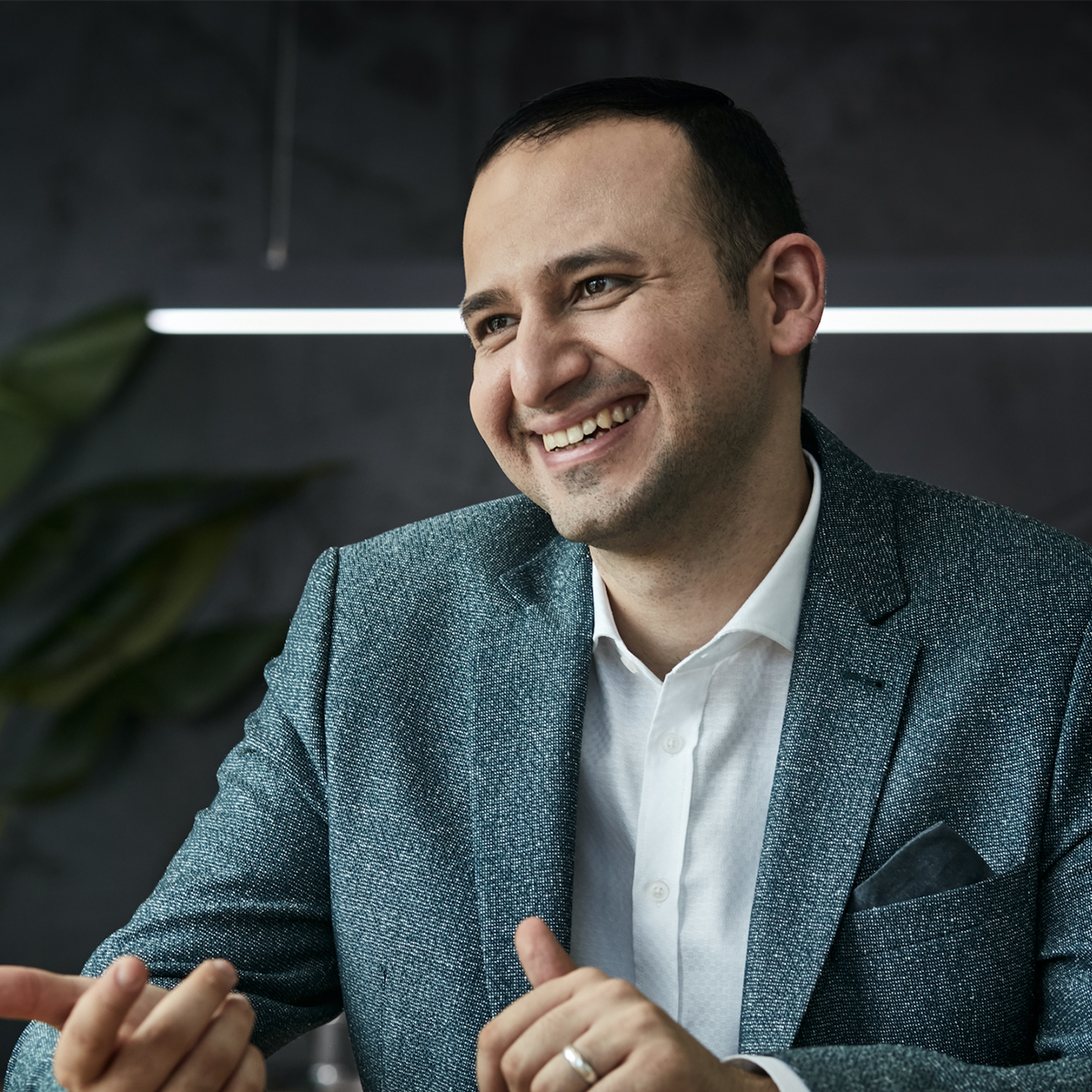

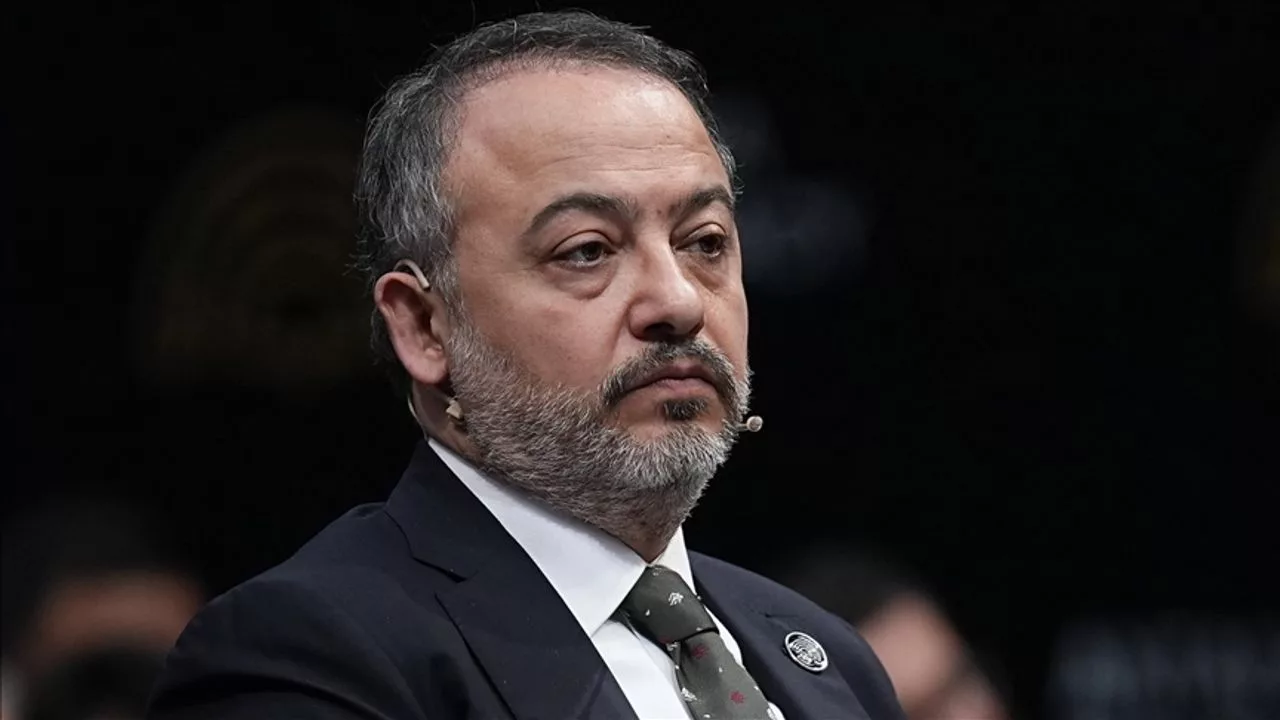
When Ankara announced the appointment of Nuh Yılmaz as Turkey’s ambassador to Damascus after more than a decade of estrangement from Bashar al-Assad’s regime the move seemed like the closing of one chapter and the careful opening of another.
The country that once engaged with the Syrian file using hard power is now sending a man shaped in the school of intelligence, seasoned in the corridors of diplomacy, and fluent in the art of narrative crafting.
A man with three distinct skill sets: a hand familiar with the map of security, a tongue fluent in the language of capitals, and a vision that sees politics in our region as shaped not only by force, but by the story told about it.
So, who is Nuh Yılmaz, Turkey’s new ambassador to Damascus?
From the Shadows to the Spotlight
Nuh Yılmaz is a familiar name among Turkish diplomats. Though his career began within the halls of the National Intelligence Organization (MİT), he quickly rose through the ranks, eventually intersecting with the world of diplomacy.
By the mid-2010s, he was leading the agency’s strategic analysis unit and overseeing its media and communications efforts a rare role that combined intelligence production with narrative framing. He became known as the unofficial public face of the agency, coordinating precise storylines around sensitive operations.
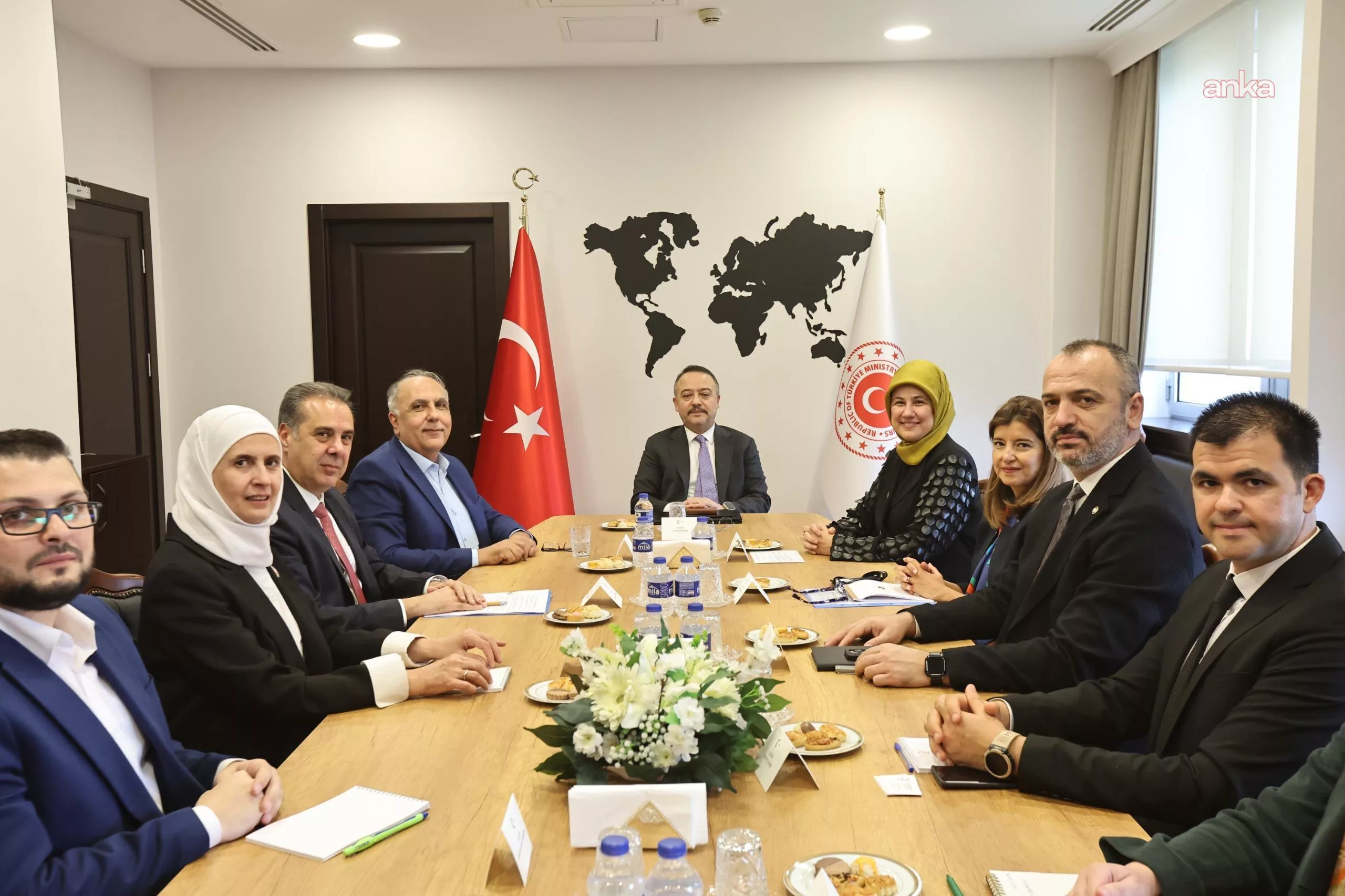
On the night of July 15, 2016, when rogue military units attempted a coup, Yılmaz was among the officials who sprang into action. While many details remain classified, official reports agree that the intelligence agency warned the military leadership early in the evening and took control of information flow as the battle played out on screens and in the streets.
By dawn, the coup attempt had collapsed. That night cemented Yılmaz’s reputation within Turkish security circles as a man who combined strategic foresight with composure under pressure.
The key lesson for him was what he later termed “narrative control”: that victory can be secured before the first bullet is fired if the state owns the story.
He soon stepped out of the shadows, becoming senior advisor to the foreign minister, then head of the Ministry of Foreign Affairs’ Center for Strategic Research (SAM). For those who had known him in Washington where he directed the local branch of the SETA Foundation this trajectory felt natural. Yılmaz had always moved fluidly between worlds: intelligence and academia, mosques and media, East and West.
Yılmaz holds a PhD in communications and, during his time at SAM, pushed for programs to train diplomats in what he called the “age of hybrid diplomacy,” where traditional tools of statecraft intermingle with information warfare and soft power strategies.
Deputy Minister for a File Called Syria
By 2024, his toolkit seemed ideal for one of Turkey’s most complex foreign policy challenges: Syria.
That summer, President Erdoğan appointed him deputy foreign minister responsible for the Syrian file. After 15 years of war, Syria was inching toward resolution. In late 2024, Bashar al-Assad fled to Russia amid a Turkish-led military operation dubbed “Deterrence Against Aggression.”
A transitional phase was launched, and Ankara saw in it an opportunity to reset ties with a neighboring country emerging from one of the bloodiest conflicts of our time. Yılmaz became the architect of Turkey’s policy toward Syria, blending the acumen of intelligence with the finesse of diplomacy.
From a secure wing of the foreign ministry, he led the Syrian Transition Coordination Unit, drawing in experts from various ministries. From mapping the northern mosaic of factions to polishing media talking points ahead of international summits, he navigated both the language of security and the dialect of peacebuilding. “He speaks the language of the intelligence officers and the peacemakers in the same breath,” said one aide.
His responsibilities were vast: backchannels with Russia and the US, working groups on the future of the YPG and SDF, refugee return arrangements, and the intricacies of sanctions and reconstruction.
With Washington, discussions centered on the fate of the Kurdish-led SDF in the fight against ISIS. Yılmaz pushed for either its structured integration into a unified Syrian military or its managed dismantling. With Moscow, his focus was dual: reconstruction and refugee repatriation.
In the Astana talks, joint committees were formed to ensure the safe return of millions of Syrians in Turkey security in return areas, international funding for housing, and mechanisms to prevent militant infiltration. Yılmaz approached the refugee issue with a careful balance between humanitarian duty and national interest.
He often invoked his own family’s history migrants from the Balkans a century ago framing Turkey’s hosting of 3.6 million Syrians as a moral obligation and a burden that must be managed responsibly.
Speaking Peace, Managing the Narrative
Simultaneously, Yılmaz coordinated Ankara’s efforts to ease sanctions and reopen pathways for Syria’s economy. In international forums, he argued that isolation fuels extremism and welcomed Western signals especially from the US and Europe about easing restrictions following the political transition in Damascus.
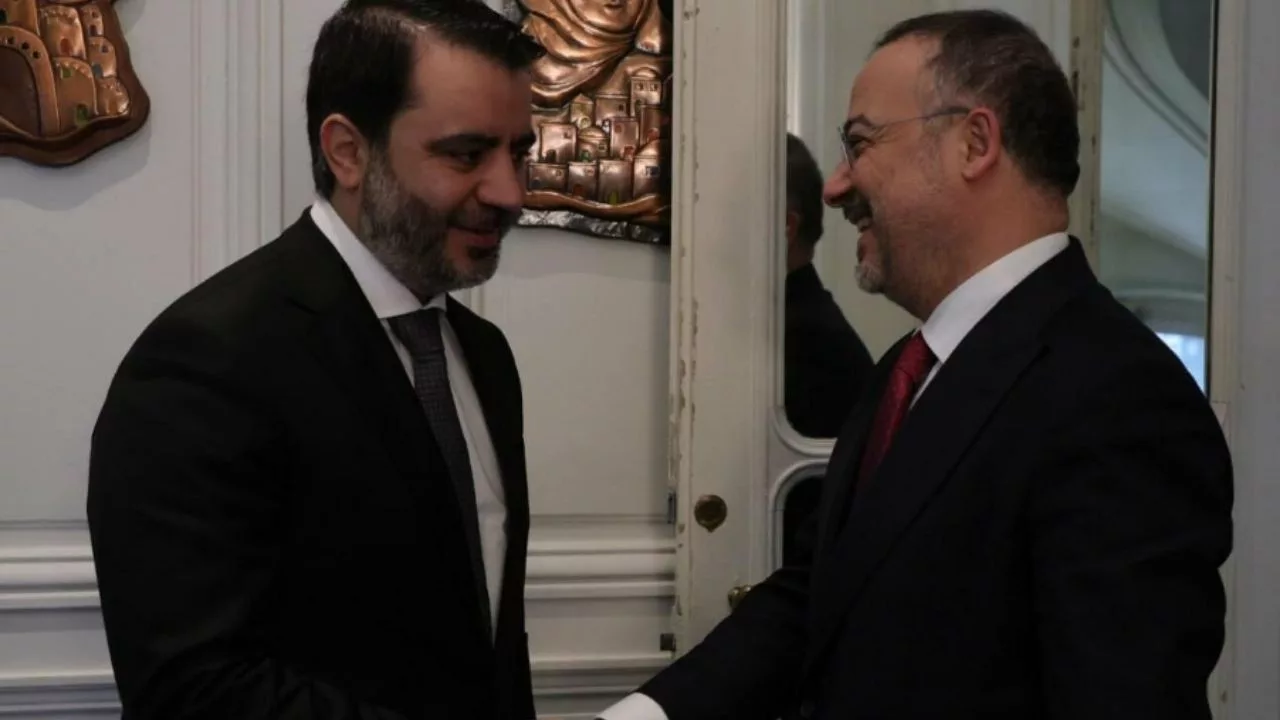
His most notable achievement was brokering a political-development bargain: Turkey would support European-funded reconstruction projects in Syria (hospitals, schools, energy infrastructure), in exchange for direct European contributions to refugee resettlement.
But he never lost sight of the intelligence lesson: the residual threat. He remained vigilant about remnants of ISIS, Kurdish militants, and the potential for renewed instability. On many mornings in 2025, he was on early flights to Gaziantep or Kilis, meeting with army and intelligence personnel.
In public, he maintained an optimistic tone “Syria for all Syrians” and “Turkey is a partner in building solutions” but remained grounded: “Hard power is part of the equation, but it must serve a political peace.”
The Power of Storytelling
Before delving into diplomacy, Yılmaz was a writer and theorist. At the end of the 2000s, he led SETA’s Washington office and organized seminars on political Islam and Turkish foreign policy.
His writings introduced what some called “Islamic realism” a fusion of cold realism with the cultural and religious identity of the region, framed as a soft power asset. He argued that faith and narrative could shift the balance where force alone could not.
In a piece for Foreign Policy, he criticized Western portrayals of Turkey as caught between “secular” and “Islamist” poles, writing: “The truth is, Turkey moved beyond those binaries long ago. We are writing a new narrative mosques and malls, ballot boxes and minarets coexisting in a uniquely Turkish synthesis.”
In 2017, he published a Turkish-language book titled The Discourse of Image Prohibition in Islam, blending history and philosophy to explore how visual symbols shaped Muslim politics from Ottoman banners to ISIS propaganda videos. “We live in the age of the image,” he wrote. “A single image can alter events more than a missile battery.”
The book’s most quoted line also serves as a motto for his career:
“Hearts and minds are the new battlegrounds, and stories are our most powerful weapons.”
This was no academic slogan. In practice, during the war against ISIS, he supervised counter-narrative efforts using rigorous religious content. In the arena of diplomacy, he grasped that every actor from Washington to Moscow, from Qamishli to the Hatay refugee camps carries a story. His job wasn’t merely negotiating interests, but weaving together a collective narrative inclusive enough to forge consensus.
A European diplomat who worked with him on the Syrian constitutional process said, “He has the heart of a poet and the mind of a commander. He crafts peace proposals in the language of dignity and redemption concepts that resonate with counterpartsand anchors them in solid security guarantees.”
Merging Soft Power with State Security
Yılmaz’s dual identity is evident in his personal life. In his fifties, soft-spoken, observant of dawn prayers, he is also prone to quoting cinema lines or French philosophers.
Colleagues call his worldview “Anatolian realism” rooted in cultural pride and historical narrative. He believes that religion and nationalism are not opposing forces but complementary powers. “A nation confident in its story excels at diplomacy,” recalls an old friend from SETA.
This philosophy aligns with Turkey’s post-2016 ethos: an assertive Islamic identity coupled with a strong state. Yılmaz is devout, yet keeps a small bust of Atatürk in his office a personal reconciliation, and a strategic one, between the twin pillars of the modern republic.
As ambassador to Syria, all this will be tested. He enters a wounded and complex nation: a new president in Damascus, local ceasefires, an indirectly elected parliament with lingering questions of inclusion, exiles watching closely, terrorist remnants in hiding, and foreign armies still shadowing the scene.
This is a file tailor-made for Yılmaz fraught with risk. He must reassure Damascus that Turkey comes as a partner, not a patron; persuade wary Syrians that Ankara’s past support for the opposition now translates into respect for Syria’s unity; and protect Turkey’s interests: preventing the resurgence of a Kurdish insurgency linked to the PKK, and averting any disintegration.
President Erdoğan stated recently and unequivocally: “We will not allow Syria to be divided.”
Yılmaz’s task is to prove that not through force alone, but through persuasion.
Nuh Yılmaz is not just a diplomat. He is the embodiment of a new Turkish doctrine. His journey from intelligence to diplomacy tells a story of statecraft: that security and diplomacy are two sides of the same coin.
In Syria, he turned battlefields into negotiation tables, summoned summits like brigades, and throughout, placed his bet on the power of narrative offering dignity and a unifying vision as a remedy for despair and division.
As he closed yet another file on Syria, Yılmaz told a colleague, “Inshallah, the hardest part is behind us.” Then, with the composure of a realist, he added: “But we must stay alert. Peace must be cultivated daily.”
Whether Syria’s fragile peace will hold and flourish is a judgment history will pass on Nuh Yılmaz. But for now, as he begins his ambassadorial mission, it is worth pausing at the narrative arc that brought him here an arc that mirrors Turkey’s own story over the past decade: turbulent, evolving, and anchored in belief.