NoonPost NoonPost

NoonPost

  • Home
  • Politics
  • Economy
  • Society
  • Culture
  • Files
  • Long Reads
  • Podcast
AR
Notification Show More
نون بوست
“There Are Nights I Can’t Close My Eyes”: How Gazans Are Living in Homes on the Brink of Collapse
نون بوست
From al-Jolani to Ahmad al-Shara: The Evolution of Syria’s New Leader
نون بوست
When Political Islam Receded in Egypt: Who Filled the Void?
نون بوست
An Extension of Genocide: Gaza’s Detainees Speak Out
نون بوست
A Tightrope Between Survival and Sovereignty: The Syrian Government Faces Normalization Pressures
نون بوست
American Aircraft Carriers: Has the Era of “100,000 Tons of Diplomacy” Ended?
نون بوست
U.S. Regime‑Change Policies: Why They Are Destined to Fail
نون بوست
Transformations of Israeli Judaism: Between the Victim Complex and the Colonizer’s Doctrine
نون بوست
The Gulf’s Balancing Act: Iran, Israel, and Hidden Links
نون بوست
Iraq–Turkey Oil Export Treaty: Why Did Ankara Cancel It After 52 Years?
نون بوست
Syria’s Northeast on Edge: QSD Between Ankara and Damascus
نون بوست
Has Europe Changed Its Stance on Israel… or Just Its Language?
NoonPost NoonPost
AR
Notification Show More
نون بوست
“There Are Nights I Can’t Close My Eyes”: How Gazans Are Living in Homes on the Brink of Collapse
نون بوست
From al-Jolani to Ahmad al-Shara: The Evolution of Syria’s New Leader
نون بوست
When Political Islam Receded in Egypt: Who Filled the Void?
نون بوست
An Extension of Genocide: Gaza’s Detainees Speak Out
نون بوست
A Tightrope Between Survival and Sovereignty: The Syrian Government Faces Normalization Pressures
نون بوست
American Aircraft Carriers: Has the Era of “100,000 Tons of Diplomacy” Ended?
نون بوست
U.S. Regime‑Change Policies: Why They Are Destined to Fail
نون بوست
Transformations of Israeli Judaism: Between the Victim Complex and the Colonizer’s Doctrine
نون بوست
The Gulf’s Balancing Act: Iran, Israel, and Hidden Links
نون بوست
Iraq–Turkey Oil Export Treaty: Why Did Ankara Cancel It After 52 Years?
نون بوست
Syria’s Northeast on Edge: QSD Between Ankara and Damascus
نون بوست
Has Europe Changed Its Stance on Israel… or Just Its Language?
Follow US

The Deferred Right to Farewell: Thousands Trapped Beneath Gaza’s Rubble

سماح شاهين
Samah shaheen Published 26 March ,2026
Share
نون بوست
نون بوست
Under the terms of the ceasefire agreement, Israel is obligated to return the bodies of 15 Palestinians for every Israeli body repatriated by Hamas. The New York Times

Amid the ruins of demolished homes and a deafening global silence, thousands of Palestinian bodies remain buried under the rubble in Gaza awaiting not a funeral, but simply to be retrieved. As mothers groan under the weight of loss and the debris silently mourns the children who perished without farewell, international teams race to recover the bodies of Israeli soldiers as though humanity were now measured by nationality, not tragedy.

Since the ceasefire agreement on October 10, international urgency has surfaced not to clear the rubble from civilian victims or aid the now-homeless but to help recover the remains of Israeli soldiers killed by their own army in Gaza.

In contrast, the remains of more than 10,000 Palestinian martyrs remain lost, silenced beneath shattered homes, some held for over two years without prompting any serious international action.

A Suffering Without a Voice

Rowa Omar, a witness to the collapse of the Taj Mall Tower in Gaza’s Yarmouk Camp, says her sister has been trapped under the rubble for two years alongside 12 others, with no serious effort made to retrieve their bodies or determine their fate. In her testimony to Noon Post, she says:

“My sister was martyred on October 16, 2023, inside the Taj Tower. We couldn’t bury her couldn’t even say goodbye. The rubble is still untouched. There are no resources, and no one is moving to save or recover those who remain underneath.”

She describes her deep sorrow and sense of betrayal, highlighting the painful contrast in how the world treats victims.

“The entire world sends equipment and specialized teams to Gaza to recover Israeli bodies as part of exchange deals. Meanwhile, we’ve been calling out for years, and no one listens. It’s as if we’re not human.”

She continues:

“We’re not asking for much just the dignity of a burial. To retrieve our dead and know their fate is the bare minimum of human rights.”
Rowa concludes with a final plea to humanitarian and international organizations:
“Don’t leave us alone. We don’t want the people we love to be swallowed by forgetfulness. The world’s silence is as deadly as the rubble.”

On November 16, 2023 more than a month into the war the al-Zaytoun neighborhood was devastated by a bombing that killed nearly 70 people, including around 40 children, alongside women and men. The area, a refuge for displaced people fleeing other threatened regions, witnessed a spike in casualties.

“For three years, we’ve lived in endless suffering,” says Mahmoud Malaka to Noon Post. “We’ve only been able to bury about 20 martyrs along the outskirts of the neighborhood during a brief truce that temporarily eased the situation. But more than 50 bodies remain beneath the rubble.”

He describes the grim scene:

“These buildings are completely destroyed floors collapsed atop one another. The bodies underneath are in horrific condition. We even know where some of them fell right beside my brother’s home. But the task remains unfulfilled. We’re still waiting to recover the rest of the martyrs children, women, and men.”

He affirms that global efforts have been far from equal:

“While Israel received assistance to recover the remains of its soldiers using modern machinery, Palestinians have been left to suffer alone without real support to extract their own sons and daughters. In my family alone, we have over 50 missing martyrs. There are thousands more across Gaza. We are living under this persistent injustice.”

He ends with a heart-wrenching appeal:

“The world today is unjust. It claims to uphold human rights, democracy, and equality, but what we see is deception and cruelty. We only ask for humanity for justice for our people who lie beneath the rubble. We call on the international community to act immediately to save what can still be saved and alleviate our people’s suffering.”

Awaiting Farewell

In the devastated Shujaiya neighborhood, Aya Jundi bears an unbearable burden. She lost two of her brothers during the latest Israeli assault on Gaza. One was killed inside a residential building; the other’s fate remains unknown. All the family knows is that he was last seen with a group of young men whose whereabouts were lost on March 2, 2025.

“Our pain is immense,” she tells Noon Post. “When countries sent in equipment to retrieve Israeli bodies, no one thought to help pull our sons from the rubble. We just want to bury them and find peace. I want them to have graves my mother can visit—to know they are at peace with their Lord.”

She recalls the moment her mother learned about the death of her first son:

“She went herself to the building, searching through the rubble with her bare hands determined to retrieve him. But she couldn’t. And she’s been waiting for news about the other ever since.”

Since that day, the family has oscillated between hope and despair, clinging to the memory of their sons and praying for a chance to say goodbye.

A Double Standard

Dr. Salah Abdul Ati, head of the International Commission to Support the Palestinian People (ICSPR), confirmed that Gaza has over 10,000 bodies trapped under the rubble. These victims need equipment and civil defense teams to assist in recovery efforts.
نون بوست
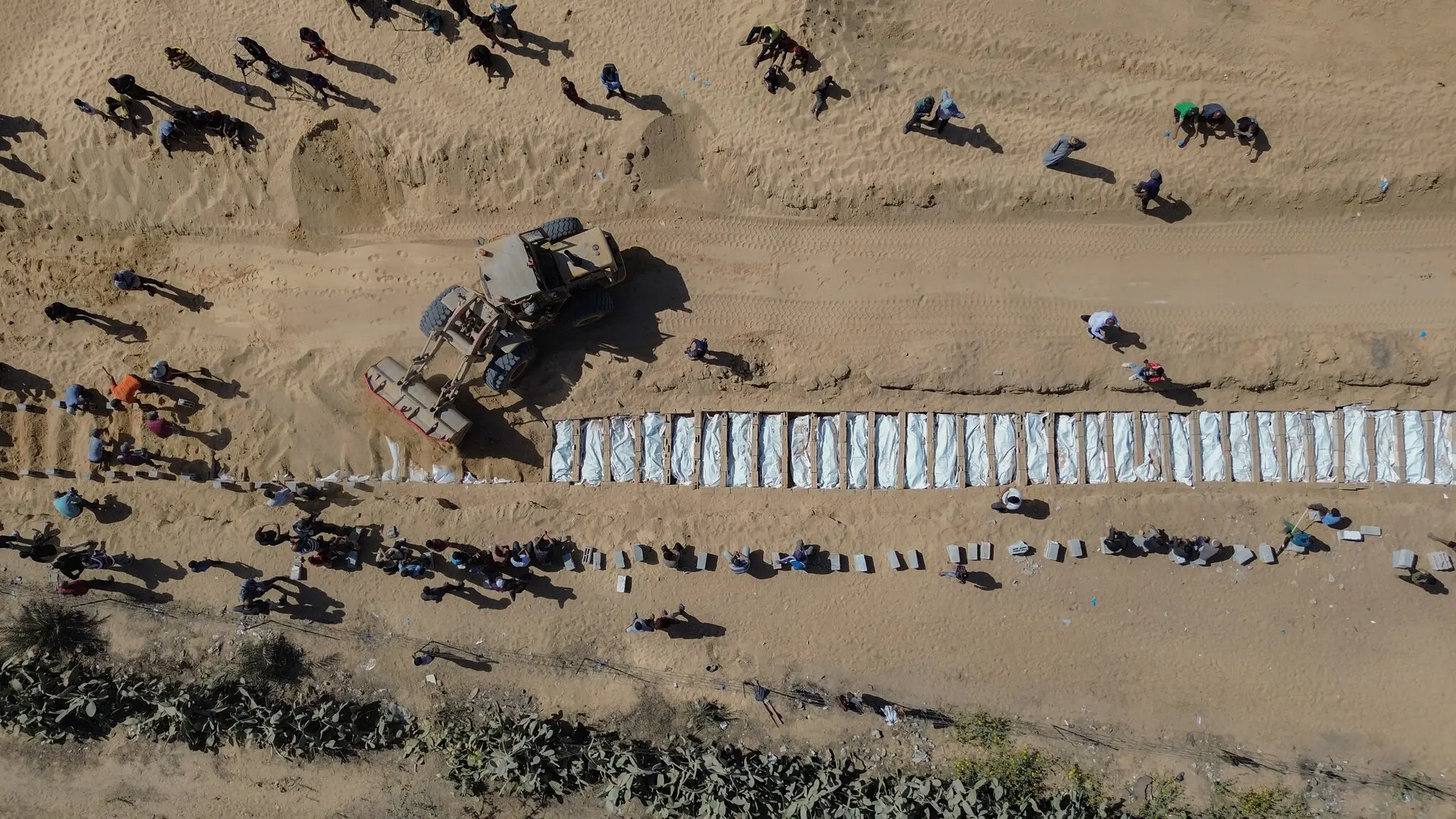
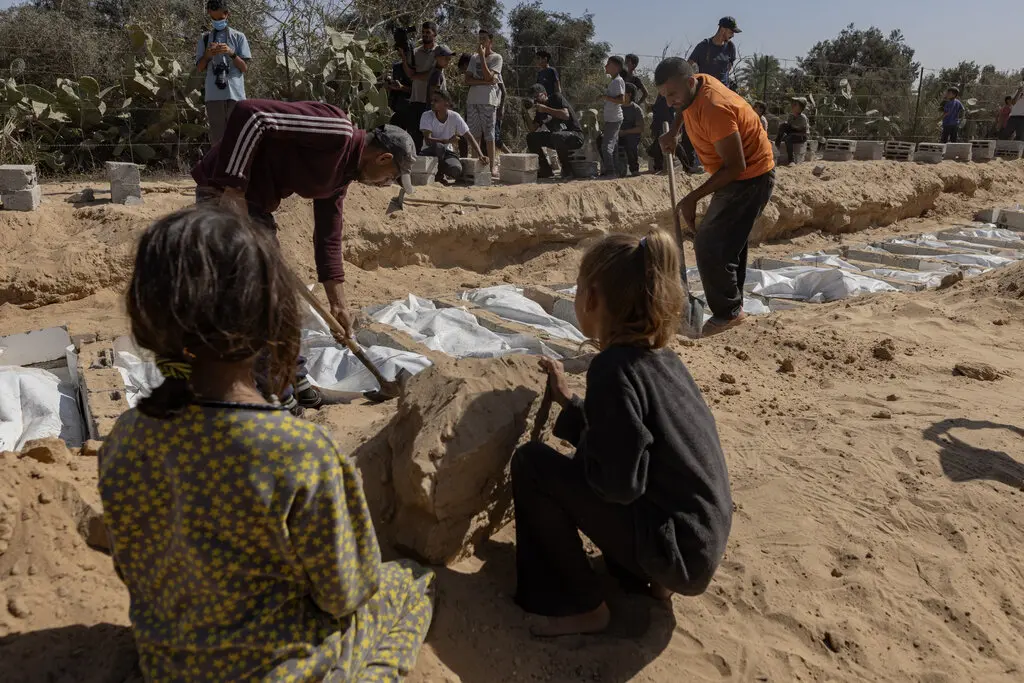
The bodies buried on Wednesday were among approximately 200 remains that Israel has returned to Gaza so far as part of the ceasefire deal. — The New York Times

He told Noon Post that due to severe shortages in equipment and Israel’s obstruction of humanitarian aid and heavy machinery, the recovery process faces major hurdles. Civil defense crews have resorted to retrieving bodies using extremely limited, primitive tools.

In contrast, the global community has shown readiness to deliver equipment to recover the remains of Israeli soldiers held by Palestinian resistance forces.

Dr. Abdul Ati emphasized this stark disparity:

“This reveals the extent of double standards and selective application of humanitarian principles. This must end. Border crossings must be opened to allow the entry of heavy machinery, civil defense teams, and humanitarian aid to help recover the bodies of martyrs. Only then can we alleviate this suffering and help Gaza recover from the genocide and its two-year aftermath.”

Download this article as PDF
Share this Article
Facebook Twitter Whatsapp Whatsapp Telegram Email Copy Link
سماح شاهين
By سماح شاهين صحفية من غزة
Follow:
Previous Article نون بوست Foreign Fighters in Syria: Mapping Alliances
Next Article نون بوست Al‑Fashir: The Memory of the Sultanate and the Mirror of War

Read More

  • U.S. Regime‑Change Policies: Why They Are Destined to Fail U.S. Regime‑Change Policies: Why They Are Destined to Fail
  • The Gulf’s Balancing Act: Iran, Israel, and Hidden Links
  • Iraq–Turkey Oil Export Treaty: Why Did Ankara Cancel It After 52 Years?
  • Syria’s Northeast on Edge: QSD Between Ankara and Damascus
  • Has Europe Changed Its Stance on Israel… or Just Its Language?
part of the design
NoonPost Weekly Newsletter

You May Also Like

U.S. Regime‑Change Policies: Why They Are Destined to Fail

U.S. Regime‑Change Policies: Why They Are Destined to Fail

إسراء سيد Esraa sayed 8 April ,2026
The Gulf’s Balancing Act: Iran, Israel, and Hidden Links

The Gulf’s Balancing Act: Iran, Israel, and Hidden Links

فريق التحرير Noon Post 8 April ,2026
Iraq–Turkey Oil Export Treaty: Why Did Ankara Cancel It After 52 Years?

Iraq–Turkey Oil Export Treaty: Why Did Ankara Cancel It After 52 Years?

فريق التحرير Noon Post 8 April ,2026

مثل عصا الساحر: جهاز يحرك الأشياء عن بُعد بموجات الصوت

فريق التحرير
Noon Post Published 18 November ,2015
Share
screen_shot_2015-11-19_at_10

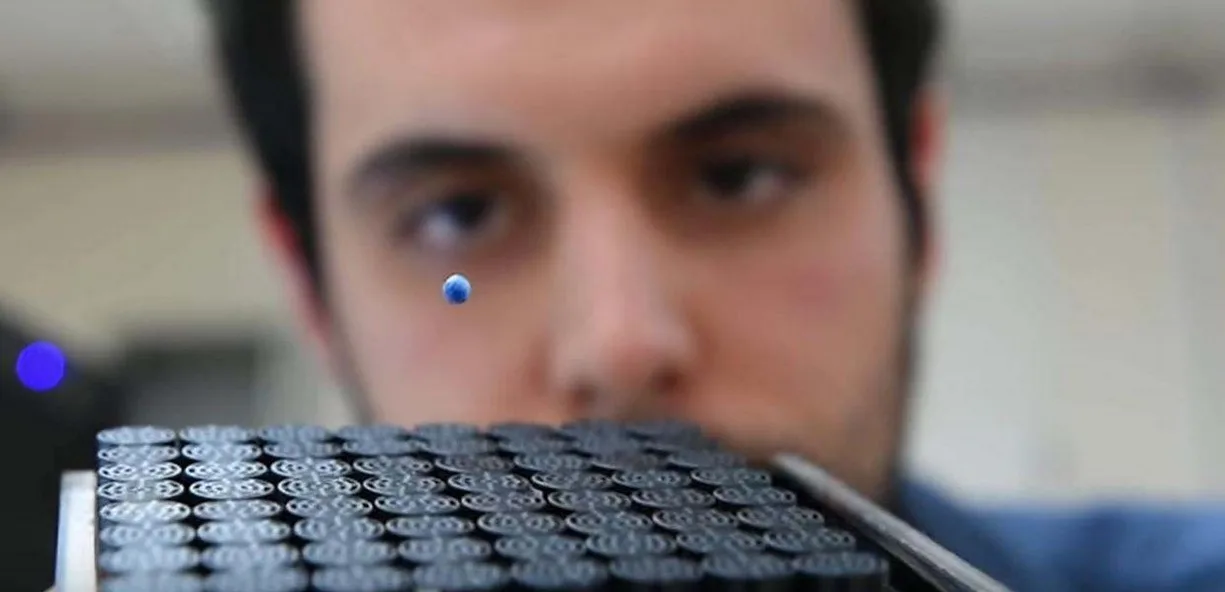
نحن نشاهد في أفلام الكرتون اللاخيالية، الساحر وهو يمسك بعصاه، ويحرك الأشياء في الهواء، يقربها ويبعدها، أو يثبتها ليتركها معلقة في المنتصف دون أن يلمسها، لكن الشيء المفاجئ هو أن هناك فريقًا من المهندسين في بريستول تمكن من صنع جهاز يستطيع القيام بهذا بالضبط في الحقيقة، عن طريق استخدام “هولوغرام” مكون من الموجات الصوتية.

الفريق قام بتجريب هذا الجهاز مع الأشياء الصغيرة فقط حتى الآن، مثل أشياء بحجم حبة البازلاء، لتتحكم بها على بعد 30 إلى 40 سنتيمترًا، وقد قال الفريق إن هذا الأمر قد يساعد في تطوير أدوات جراحية تعمل عن بعد.

الجهاز العجيب يقوم على فكرة، أن الشيء يمكن أن يبقى في موضعه معلقًا في الفضاء إذا تمت إحاطته بموجات صوتية عالية الشدة جدًا، وإذا تم تغيير نمط تشكل هذه الموجات، فإن الهدف يمكن أن يتحرك.

الباحثون قاموا ببرمجة شبكة من مكبرات الصوت كي تطلق موجات فوق صوتية معقدة، وذات أنماط متغيرة، وأشكال مختلفة مكونة من موجات تفاعلية تشبه الملقط، أو الزجاجات، أو مشابهة لأعاصير صغيرة، لتحرك الشيء في المكان المراد، هذه الأشكال الفراغية ثلاثية الأبعاد، استطاعت التحكم بحركة خرز صغير وصل قطره إلى 5 مليمترًا، ويمكن للجهاز أن يحركه في أفق واحد، فوق أو تحت، لأن الحركة في كل الاتجاهات تتطلب أن يكون محاطًا بشكل كلي بمكبرات الصوت.

وقد قال البروفيسور بروس درينكووتر من جامعة بريستول وأحد مؤلفي هذه الدراسة، أن الشيء السحري الذي يمكن أن نستفيد فيه من هذه التقنية، هو توصيل الدواء إلى الهدف بطرق مبتكرة، مضيفًا أن فريقه يأمل أن يطبق ابتكارهم على نطاق صغير في المجال الطبي مثلًا، وعلى نطاق كبير في التعامل مع المواد الخطرة، حين نريد تحريك الأشياء بدون لمس.

هذه ليست المرة الأولى التي تتناول فيها دراسة هذا الأمر، فقد كانت هناك الدراسة التي أجراها فريق من الباحثين في جامعة دوندي، ونشرت العام الفائت، وقد أظهروا فيها أن موجات الصوت تستطيع أن تجر غرضًا ما ناحية مصدر الصوت، وقد قال البروفيسور درينكووتر إنه استلهم جهازه المبتكر من هذا البحث أول مرة، مضيفًا أنه كانت نقطة بداية تفكيرهم أن شيئًا كهذا قد يكون ممكنًا، فقد أثبتوا أن هذه القوة موجودة وأنهم استطاعوا قياسها بالتجربة، لكنهم لم يتمكنوا من إمساك أي غرض بشكل ثابت في الهواء .

وقد قال أحد مؤلفي الدراسة الأولى، الدكتور مايكي مكدونالد، إن هذا العمل من جامعة بريستول، كان إثباتًا لطيفًا جدًا لقوة هذه التكنولوجيا.

الفارق الأساسي بين العملين، كما شرح، هو أن فريق جامعة بريستول قد قام ببناء مكبرات الصوت الخاصة به من الصفر، ما جعله قابلًا للتكيف جدًا، أما فريق جامعة دوندي فقد استخدم جهازًا حائزًا على الموافقة الإكلينيكية في مجال الطب من قبل، مصمم للتركيز على الجراحات فوق الصوتية، ثم قاموا ببرمجته لكي يكون نفس نوع الأشكال “الهولوغرام” فوق الصوتية التي يريدونها، أما فريق بريستول، فقد كان لديهم نظام التشغيل الخاص بهم للجهاز، لهذا كانت لديه قابلية أكبر للبرمجة، والتي سمحت لهم بتغيير الأشكال الصوتية التي تحدث في الحقيقة، الجهاز الجديد مختلف تمامًا عن الأول،  لكن في نفس الوقت الفرق ليس شاسعًا تمامًا.

تخيل إذا أمكنك أن تقتني في المستقبل نسخة مطورة من هذا الجهاز، ما الذي تريد استخدام “عصا الساحر” فيه، أو تخيل مشاهدة عملية جراحية تتم بها، الأمر مثير.

TAGGED: ابتكار ، التكنولوجيا ، الموجات الصوتية ، تحريك الأشياء عن بُعد
TAGGED: تقنية
Download this article as PDF
Share this Article
Facebook Twitter Whatsapp Whatsapp Telegram Email Copy Link
فريق التحرير
By فريق التحرير تقارير يعدها فريق تحرير نون بوست.
Follow:
Next Article نون بوست The Stigma of “ISIS”: A Heavy Legacy Haunting Women and Children of Former Members

Read More

  • U.S. Regime‑Change Policies: Why They Are Destined to Fail U.S. Regime‑Change Policies: Why They Are Destined to Fail
  • The Gulf’s Balancing Act: Iran, Israel, and Hidden Links
  • Iraq–Turkey Oil Export Treaty: Why Did Ankara Cancel It After 52 Years?
  • Syria’s Northeast on Edge: QSD Between Ankara and Damascus
  • Has Europe Changed Its Stance on Israel… or Just Its Language?
part of the design
NoonPost Weekly Newsletter
dark

An independent media platform founded in 2013, rooted in slow journalism, producing in-depth reports, analysis, and multimedia content to offer deeper perspectives on the news, led by a diverse young team from several Arab countries.

  • Politics
  • Society
  • Rights & Liberties
  • Opinions
  • History
  • Sports
  • Education
  • Technology
  • Economy
  • Media
  • Arts & Literature
  • Entrepreneurship
  • Travel
  • Cinema & Drama
  • Food
  • Health
  • Culture
  • Latest Reports
  • Files
  • Long Reads
  • Interviews
  • Podcast
  • Interactive
  • Encyclopedia
  • In Pictures
  • About Us
  • Our Writers
  • Write for Us
  • Editorial Policy
  • Advanced Search
Some rights reserved under a Creative Commons license

Removed from favorites

Undo
Go to mobile version