






NoonPost NoonPost

NoonPost

  • Home
  • Politics
  • Economy
  • Society
  • Culture
  • Files
  • Long Reads
  • Podcast
AR
Notification Show More
نون بوست
“There Are Nights I Can’t Close My Eyes”: How Gazans Are Living in Homes on the Brink of Collapse
نون بوست
From al-Jolani to Ahmad al-Shara: The Evolution of Syria’s New Leader
نون بوست
When Political Islam Receded in Egypt: Who Filled the Void?
نون بوست
An Extension of Genocide: Gaza’s Detainees Speak Out
نون بوست
A Tightrope Between Survival and Sovereignty: The Syrian Government Faces Normalization Pressures
نون بوست
American Aircraft Carriers: Has the Era of “100,000 Tons of Diplomacy” Ended?
نون بوست
U.S. Regime‑Change Policies: Why They Are Destined to Fail
نون بوست
Transformations of Israeli Judaism: Between the Victim Complex and the Colonizer’s Doctrine
نون بوست
The Gulf’s Balancing Act: Iran, Israel, and Hidden Links
نون بوست
Iraq–Turkey Oil Export Treaty: Why Did Ankara Cancel It After 52 Years?
نون بوست
Syria’s Northeast on Edge: QSD Between Ankara and Damascus
نون بوست
Has Europe Changed Its Stance on Israel… or Just Its Language?
NoonPost NoonPost
AR
Notification Show More
نون بوست
“There Are Nights I Can’t Close My Eyes”: How Gazans Are Living in Homes on the Brink of Collapse
نون بوست
From al-Jolani to Ahmad al-Shara: The Evolution of Syria’s New Leader
نون بوست
When Political Islam Receded in Egypt: Who Filled the Void?
نون بوست
An Extension of Genocide: Gaza’s Detainees Speak Out
نون بوست
A Tightrope Between Survival and Sovereignty: The Syrian Government Faces Normalization Pressures
نون بوست
American Aircraft Carriers: Has the Era of “100,000 Tons of Diplomacy” Ended?
نون بوست
U.S. Regime‑Change Policies: Why They Are Destined to Fail
نون بوست
Transformations of Israeli Judaism: Between the Victim Complex and the Colonizer’s Doctrine
نون بوست
The Gulf’s Balancing Act: Iran, Israel, and Hidden Links
نون بوست
Iraq–Turkey Oil Export Treaty: Why Did Ankara Cancel It After 52 Years?
نون بوست
Syria’s Northeast on Edge: QSD Between Ankara and Damascus
نون بوست
Has Europe Changed Its Stance on Israel… or Just Its Language?
Follow US

Development That Devours Sovereignty: Egypt Cedes Agricultural Resources to Abu Dhabi

عبد الحميد أحمد
Ahmed Abdelhalim Published 26 March ,2026
Share
نون بوست
نون بوست
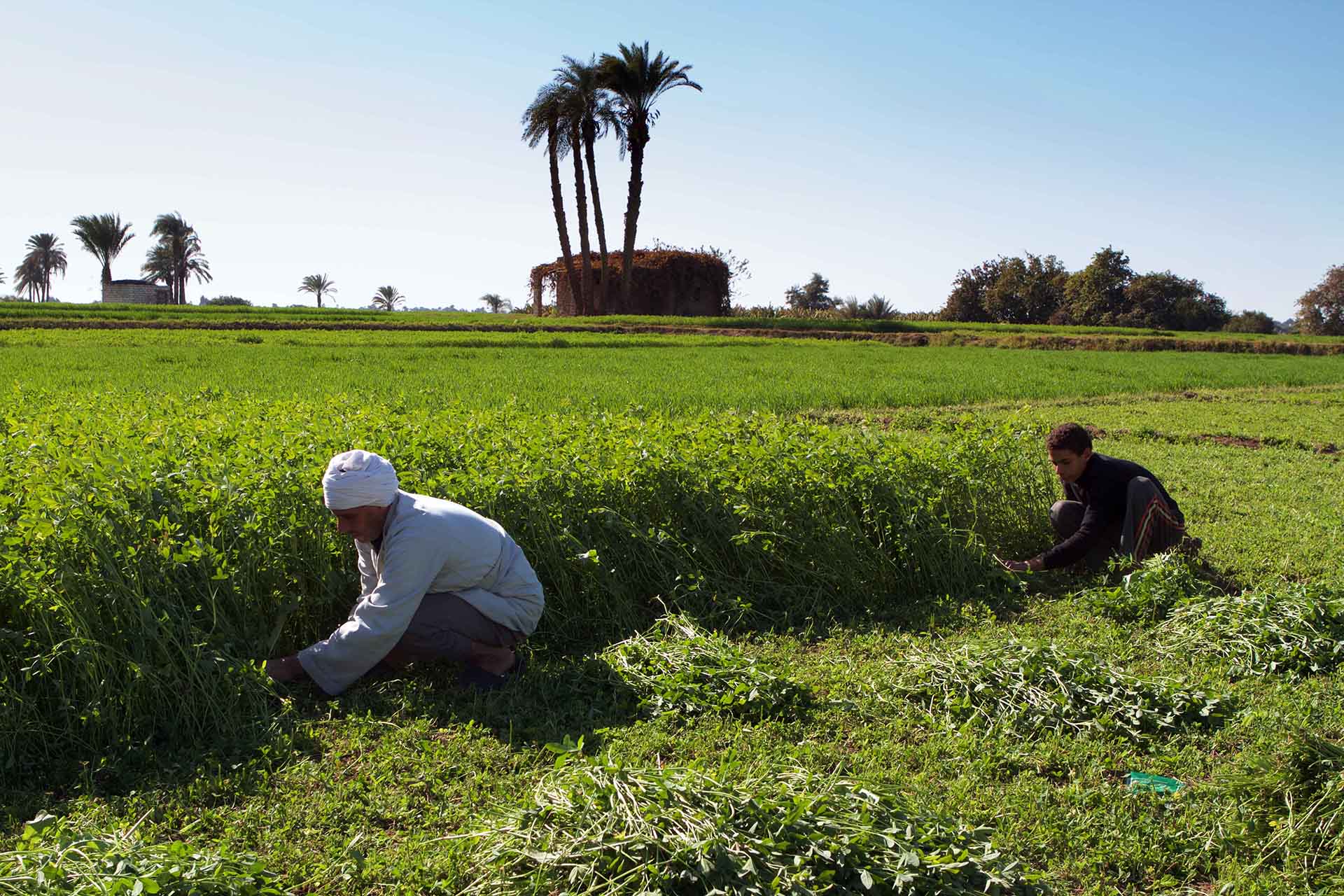
Traditional farmers harvest fodder for livestock in the Nile Valley. Sohag, Egypt – January 1, 2013. (Shutterstock)

The growing Emirati expansion in acquiring agricultural land in Egypt particularly in strategic desert reclamation zones such as Toshka and East Oweinat represents a critical intersection between Egypt’s urgent need for foreign direct investment and rising geopolitical concerns over national sovereignty and control of vital resources.

This expansion, spearheaded by major corporations such as Al Dahra and sovereign-linked entities like ADQ, is viewed through two contrasting lenses: on one hand, it appears to drive economic development by injecting capital and creating jobs; on the other, it poses a serious risk in terms of relinquishing control over water resources and food security, potentially reinforcing a new form of economic dependency.

This article explores the nature of this expansion across three key dimensions: the developmental impact of such projects, the risks of dependency and loss of sovereignty, and the sustainability and governance of the investments.

Gulf Agricultural Investment in Egypt

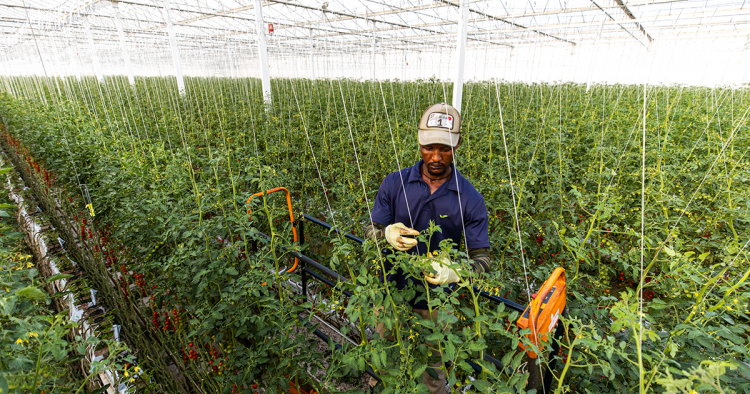
The primary motive behind the UAE’s agricultural investments abroad including in Egypt is rooted in strategic food security. The Emirates relies on imports for 85% of its food needs, making it one of the world’s top buyers and leasers of agricultural land, especially in Africa.

This strategy accelerated following the global food crisis between 2008 and 2010, which saw prices for wheat and rice skyrocket and underscored the importance of securing reliable and sustainable supply chains, away from volatile global markets. Egypt’s agricultural lands particularly in newly reclaimed zones are thus seen as key nodes in the UAE’s global supply chain.
نون بوست

Abroad, Emirati investments typically focus on acquiring or leasing large tracts of land, with an emphasis on cultivating grains and fodder. Alfalfa (alfasfa), for instance a strategic crop for the UAE’s livestock sector reflects the primarily import-driven rationale behind these ventures. This model serves the investor country’s food security strategy rather than the sustainable development of the host nation.

Egypt’s mega agricultural reclamation projects in the Western Desert such as Toshka (spanning roughly 540,000 feddans) and East Oweinat are central to the country’s strategy to expand its limited arable land and move toward self-sufficiency in staple crops like wheat. These projects rely heavily on Nile-transferred water and groundwater, rendering them highly sensitive national assets.

Al Dahra, an Emirati firm linked to Sheikh Hamdan bin Zayed Al Nahyan, stands out as a dominant player in this vital sector. While Emirati investments have contributed to infrastructure such as the Abu Dhabi Fund for Development’s (ADFD) support for cultivating an additional 100,000 feddans in Toshka in 2014 the sovereign nature of these investors (including ADQ and entities linked to the ruling family) gives the transactions a strategic and political weight that far exceeds that of ordinary commercial investments.

Al Dahra is also reportedly negotiating to acquire an additional 500,000 feddans of agricultural land in Egypt as part of its expansion.

Legal and Historical Controversy Over Land Deals

Foreign ownership of agricultural land in Egypt is governed by strict legal restrictions intended to safeguard national sovereignty. However, amendments to the Investment Law (Law 72 of 2017) lifted the ban on foreign ownership of desert land when acquired for business or expansion purposes.

While the law theoretically requires that Egyptians own 51% of any foreign company holding desert land, this rule can be bypassed via presidential exemptions a critical legal loophole.

This heavy reliance on executive discretion undermines national safeguards and facilitates potential breaches of economic sovereignty under the banner of attracting foreign investment.

The historical controversy over land deals in Toshka is emblematic of the governance challenges surrounding this issue. Under President Hosni Mubarak, Al Dahra acquired 100,000 feddans in Toshka at a nominal price of just 50 Egyptian pounds per feddan when the market rate was approximately 11,000 pounds. This undervaluation resulted in significant financial loss for the Egyptian state.

Moreover, the government covered the costs of key infrastructure (such as canals and related works), while the investor bore only the internal land reclamation expenses amounting to a massive state subsidy for foreign capital, with minimal net return to the national treasury.

Following the 2011 revolution, a judicial ruling invalidated the contract. Although the government eventually reclaimed 62,600 feddans due to Al Dahra’s failure to cultivate more than 25,000 of them leaving the company with just 37,400 feddans the episode underscores how weak governance enabled the acquisition of strategic assets at unfair prices. This amounts to a de facto transfer of national wealth at minimal cost.

Foreign capital has undeniably played a role in developing Egypt’s agricultural infrastructure. The Abu Dhabi Fund for Development financed a project to cultivate 100,000 feddans in Toshka using advanced pivot irrigation systems. Al Dahra announced plans to invest around $230 million and acquire another 90,000 feddans, bringing its total investments in Egypt to roughly $250 million.

These large-scale investments are critical for Egypt, where the national prioritization of agriculture has lagged behind other sectors. Foreign capital provides essential funding for capital formation that local resources cannot cover. These projects also create jobs Toshka, for example, was projected to generate 25,000 jobs and introduce advanced agricultural technologies, theoretically boosting efficiency.

Egypt’s investment laws offer generous incentives, including a 30% deduction on capital costs, equal treatment with domestic investors, and residency permits. These benefits coupled with job creation are used by the state to frame such investments as drivers of national economic development.

However, the net effect on Egypt’s balance of payments remains limited and complicated. While exports (such as citrus) generate hard currency, the post-investment phase introduces negative impacts: profit repatriation, capital outflows, and expatriate wage transfers. These burdens can erode initial gains and transform foreign inflows into net foreign currency outflows signaling financial dependency.

Erosion of Resource Sovereignty

The increasing dominance of Emirati companies over vast tracts of wheat-producing and other strategic lands raises serious concerns about the “capture of food security” in Egypt. While some of the harvest is supplied domestically, foreign control over this critical supply chain grants investors significant leverage in pricing and distribution decisions vis-à-vis the Egyptian government deepening Egypt’s dependence on external actors.

Should geopolitical tensions escalate or the UAE choose to prioritize its own food security, Egypt’s reliance could become a sovereign threat. Al Dahra has openly stated its intention to secure strategic commodity reserves for the UAE.
نون بوست
Aswan Dam

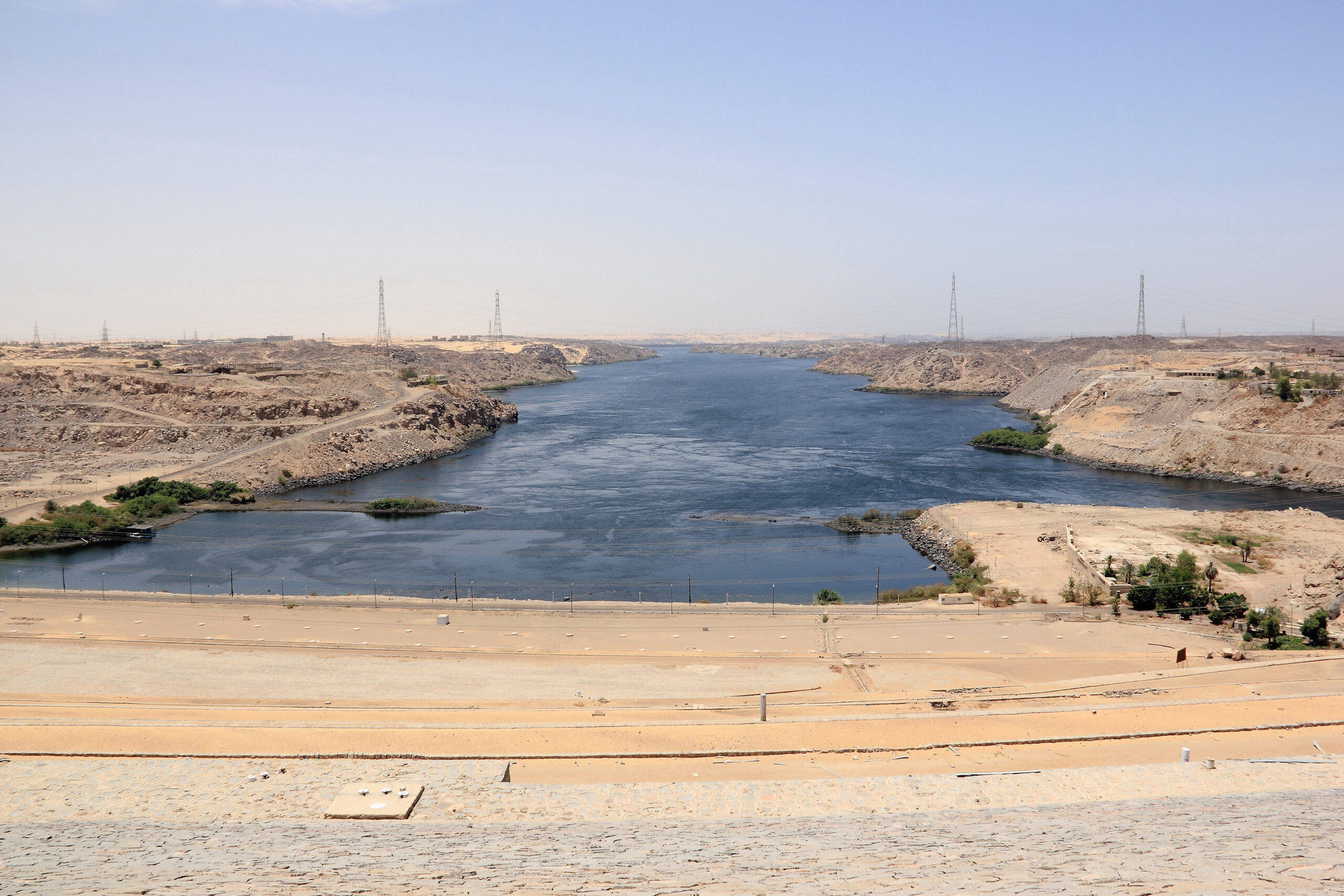
Moreover, the potential depletion of non-renewable groundwater in desert reclamation areas (like Toshka and East Oweinat) poses perhaps the gravest threat to national sovereignty. In a country plagued by water scarcity, the value of water far exceeds that of land. Agriculture in these zones is a matter of national water security.

Although Egypt’s Ministry of Agriculture mandates that only 5% of land may be used for cultivating water-intensive alfalfa, parliamentary reports suggest that up to 25% of the land in New Valley and Toshka may be used for this crop. This stark discrepancy between legal restrictions and on-the-ground practices represents a direct exploitation of one of Egypt’s most critical and finite resources.

Exporting alfalfa essentially exporting Egypt’s groundwater transforms these ventures from developmental to extractive and unsustainable, reflecting a profound loss of control over vital natural assets.

The UAE’s agricultural expansion is not an isolated phenomenon. It is part of a broader, multi-sector economic dominance in Egypt. Following the Ras El Hekma deal, the UAE became Egypt’s largest trading and investment partner, with total investments of approximately $65 billion in critical sectors such as real estate, telecommunications, ports, and energy.

This sweeping dominance translates into substantial political and economic leverage, limiting the Egyptian government’s ability to enforce regulatory oversight or penalize contractual violations related to land or water use out of fear of triggering instability in other strategically important sectors dominated by Emirati entities.

This integrated control strengthens Egypt’s position as an economically subordinate state within the regional order, where the UAE ranks among the top ten land acquirers across the African continent.

The Emirati expansion into Egypt’s agricultural lands presents a complex and contradictory reality. On one hand, it brings in essential foreign capital, infrastructure development, job creation, and some local production of strategic crops. On the other, deeper analysis reveals it is not a fully sustainable development model.

Instead, it involves high risks of dependency and sovereignty loss manifested in the unsustainable exploitation of groundwater through the cultivation and export of water-intensive crops like alfalfa, and in historical governance failures that enabled land to be sold at bargain prices with limited oversight.

Amid the UAE’s sweeping economic dominance across Egypt’s key sectors, the future of agricultural investment hinges on whether Egyptian policymakers can reinforce their sovereignty by enforcing fair resource pricing and implementing robust regulatory mechanisms that ensure foreign investments serve the national interest and protect Egypt’s water security in the long term, rather than merely advancing the investor country’s food security strategy.

Download this article as PDF
Share this Article
Facebook Twitter Whatsapp Whatsapp Telegram Email Copy Link
عبد الحميد أحمد
By عبد الحميد أحمد صحيفة الرأي العام السودانية
Follow:
Previous Article نون بوست Yemen’s Army Between Riyadh and Abu Dhabi: The Map of Influence and Division
Next Article نون بوست The Gaza Reconstruction Cake: Who Will Build It? Who Will Fund It? And At What Cost?

Read More

  • Militias and Iran Fuel Iraq’s Oil Crisis Militias and Iran Fuel Iraq’s Oil Crisis
  • Basra’s Water Crisis: Thirst Amid Oil and Salt
  • Chinese Investments in Egypt: Acceptable Privileges, Legitimate Concerns
  • Who Bears the Cost of Egypt's Generosity?
  • Money Laundering in Egypt: The Shadow Economy Devours the State
part of the design
NoonPost Weekly Newsletter

You May Also Like

Militias and Iran Fuel Iraq’s Oil Crisis

Militias and Iran Fuel Iraq’s Oil Crisis

فريق التحرير Noon Post 26 March ,2026
Basra’s Water Crisis: Thirst Amid Oil and Salt

Basra’s Water Crisis: Thirst Amid Oil and Salt

طه العاني Taha Alane 26 March ,2026
Chinese Investments in Egypt: Acceptable Privileges, Legitimate Concerns

Chinese Investments in Egypt: Acceptable Privileges, Legitimate Concerns

عماد عنان Emad Anan 26 March ,2026

خطة إماراتية للسيطرة على مقاليد الحكم في مصر

ديفيد هيرست
ديفيد هيرست Published 22 November ,2015
Share
866085714

تكشف وثيقة استراتيجية سرية من إعداد ولي عهد أبو ظبي الشيخ “محمد بن زايد آل نهيان” أن دولة الإمارات العربية المتحدة تفقد الثقة في قدرة الرئيس المصري “عبد الفتاح السيسي” على خدمة مصالح الدولة الخليجية.

الوثيقة، التي كتبها أحد أعضاء فريق “بن زايد”، والمؤرخة بتاريخ 12 أكتوبر/ تشرين الأول الماضي، تحتوي على اثنين من الاقتباسات الأساسية التي تصف شعور “بن زايد” بالإحباط حول “السيسي” الذي قام “بن زايد” بسكب المليارات جنبا إلى جنب مع السعودية من أجل تمويل انقلابه العسكري. وتقول الوثيقة: “هذا الرجل ينبغي أن يعرف أنني لست ماكينة صراف آلي”. وعلاوة على ذلك، فإن الوثيقة تكشف الثمن السياسي الذي تطلبه الإمارات حال استمرت في تمويل مصر.  

“ينبغي أن تستند الاستراتيجية المستقبلية ليس إلى مجرد محاولة التأثير على الحكومة في مصر ولكن السيطرة عليها”. ويلخص ذلك على النحو التالي: “الآن سأعطي ولكن وفق شروطي الخاصة. إذا أعطيت فسوف أحكم”.

مصر، التي حاولت في الآونة الأخيرة وقف المضاربة على قيمة الجنيه المصري تعتمد بشكل كبير على تدفق النقد من الإمارات، التي أصبحت أكبر مستثمر أجنبي مباشر في البلاد. خلال المؤتمر الاقتصادي في شرم الشيخ في مارس/ أذار الماضي، فإن رئيس وزراء دولة الإمارات العربية المتحدة وحاكم دبي، الشيخ “محمد بن راشد آل مكتوم”، أوضح أن دولة الإمارات العربية المتحدة قد قدمت لمصر فعليا 13.9 مليار دولار وتعهدت بتقديم 3.9 مليار دولار إضافية. ويقدر الرقم الحقيقي للمعونات التي حصل عليها “السيسي” من الإماراتيين من قبل المحللين بحوالي 25 مليار دولار، وهو ما يقرب تقريبا من نصف إجمالي المساعدات الخليجية إلى مصر.

لا يتبقى في الاحتياطي النقدي المصري سوى 16.4 مليار دولار، إضافة إلى 2.5 مليار دولار من الذهب، وفقا لمسؤول مصري سابق تحدث إلى “ميدل إيست آي” بشرط عدم الكشف عن هويته. “الباقي هو عبارة عن قروض هذا غير كاف لتغطية الواردات من السلع الأساسية لمدة شهرين”.

الوثيقة التي اطلعت عليها “ميدل إيست آي” بشكل خاص تتساءل عما إذا كان “بن زايد” يحصل على العائد المناسب من استثماره في مصر. كما تكشف أيضا عن استيائه من المسؤولين المصريين الذين تعتقد الإمارات أنها قد جندتهم لأنه أصبح واضحا لهم بعد ذلك أنهم لم يكونوا موالين لدولة الإمارات بقدر ولائهم لمصر.

وتقول الوثيقة الاستراتيجية أنه يجب على الإماراتيين في المستقبل اختيار شركائهم في مصر بعناية أكبر. في إشارة إلى الحملة الحالية في وسائل الإعلام المصرية ضد العاهل السعودي الجديد الملك “سلمان”، ونجله الأمير “محمد”، بسبب مواقف المملكة في سوريا وزعمهم سيطرتها المتعجرفة على مصر، قالت الوثيقة إن حرب الكلمات هذه لا بد أن تتوقف لأنها تضر بالمصالح الإماراتية.

ثلاث مراحل

وتحدد الوثيقة الاستراتيجية ثلاثة مراحل للاستثمار في مصر والتي ستبدأ مطلع العام المقبل. في المرحلة الثالثة، سوف تسعى دول الإمارات إلى التحول من ممول إلى شريك كامل.

“يجب على الإمارات تجنيد وتمويل مراكز الأبحاث المصرية والجامعات، ووسائل الإعلام”، وفقا لما تقوله الوثيقة. وغني عن القول أن هذه الاستثمارات المباشرة ينبغي أن يكون لها استراتيجية واضحة ورؤية، وأنه ينبغي التأكد من أن المنح المدفوعة سوف تعود بمزايا مكافئة على أبو ظبي.

ونوهت الوثيقة بعبارات صريحة إلى طموحات الإمارات للسيطرة على مصر. هذا الهدف كان متأصلا في قسم خاص حدد شروطا ثلاثة لاستمرار عمليات الدعم لإنقاذ حكومة “السيسي”.

وهذه الشروط هي: إزالة دعم البنزين على مدى السنوات الثلاث المقبلة عبر تخفيضه على 3 مراحل بنسبة 30% في العام الأول و30% في العام الثاني ثم 40% في العام الثالث. كما تطالب الإمارات بوضع استراتيجية لسعر الجنيه المصري في مقابل الدولار الأمريكي والتي ستضمن لها السيطرة على ى السياسة النقدية في مصر، وأخيرا محاربة البيروقراطية. الجدير بالذكر أن كل هذه السياسات هي في المقام الأول سياسات محلية.

تكشف الوثيقة كذلك إلى أي مدى تخلى “السيسي” عن مواطنيه. وعقب أحد المحللين الذي عكف على دراسة العلاقة المتدهورة بين البلدين: “تشير الانتقادات أن الإمارات ليست راضية عن السيسي  وأنه لا يخدم أغراضها. الفكرة الرئيسية لدى الإماراتيين هي أن محمد بن زايد ينبغي أن يكون الحاكم الحقيقي لمصر، وأنه أيا من كان يشغل موقع المسؤولية فإن عليه أن يفعل ما يطلبه منه”.

أسباب القلق

هناك ثلاثة أسباب للقلق الإماراتي.

أولا: يعتقد الإماراتيون أن الحرب الكلامية التي اندلعت بين مصر والمملكة العربية السعودية تضر بمصالح أبوظبي. ذكرت صحيفة اليوم السابعة المصرية سجالا بين رئيس مجموعة الأهرام الإعلامية المملوكة للدولة في مصر “أحمد السيد النجار” وبين السفير السعودي في مصر “أحمد قطان”، والتي انتهت بادعاء الأهرام أن “أي مبنى قديم في وسط القاهرة هو في الواقع أقدم من المملكة بأسرها”.

المذيع التفلزيوني الموالي للحكومة “إبراهيم عيسى” اتهم المملكة العربية السعودية بتمويل الجماعات الإرهابية في سوريا كما دعى “السيسي” إلى الكف عن أن يصبح “أسيرا للرياض” مطالبا مصر أن تتحرر من علاقة الامتنان للمملكة العربية السعودية.

ثانيا، فإن الإماراتيين غير راضين عن كسر “السيسي” لوعوده بإرسال قوات برية لصالح الحملة التي تقودها المملكة العربية السعودية في اليمن، وهي الحرب التي أجبرت دولة الإمارات العربية المتحدة في النهاية نحو الدفع بقواتها إليها. استخدم “السيسي” تعبيرا عاميا مصريا هو “مسافة السكة” للتعبير أن كل ما يستغرقه الأمر هو الوقت اللازم لعبور قواته لتقديم المعونة إلى دول الخليج حال احتياجها لأي مساعدات عسكرية. حتى الآن، لا توجد أي وقات مصرية على أرض الواقع في اليمن.

ثالثا، يشكو الإماراتيون أن “السيسي” لا يستمع إلى مطالباتهم بالإصلاح الاقتصادي والإداري، ونصائحهم بأن الحكم الرشيد هو الأساس اللازم لأي دولة مستقرة.

“من وجهة نظر أبو ظبي، فإن السيسي لم يؤد بشكل جيد. كما أن مستوى الخدمات سيء للغاية . لذلك فإنه، ومن وجهة نظر الإماراتيين، فإنه لا يفعل ما يجب عليه القيام به” وفقا للمحلل الذي تحدث لـ”ميدل إيست آي” شريطة عدم الكشف عن هويته. في المرحلة المقبلة بدءا من مطلع العام المقبل، تخطط الإمارات لحملتها المكثفة: “إنها لن تتخلى عنه وهو لا يزال رجلها ولكنها ليست راضية عنه. إنهم يريدون الخضوع التام بحيث يصيرون هم الحكام الحقيقيين”.

العلاقة مع الرياض

وقد ازدادت علاقة “السيسي” بالرياض سوءا في أعقاب اكتشافه أن جنرالا منافسا له في الجيش المصري كان في المملكة خلال الأسبوعين الماضيين لإجراء مباحثات خاصة.

مصادر مقربة من المملكة كشفت أن المخابرات العسكرية قد طلبت من السعوديين توضيحات حول أسباب زيارة رئيس الأركان الأسبق “سامي عنان” إلى البلاد. وقد قيل لهم أنه كان هناك في زيارة خاصة بصفته الشخصية ولم يكن هناك ما يمكن أن تفعله الحكومة في الرياض من أجل إيقافه.

وكان “عنان” في المرتبة الثانية في الجيش بعد المشير “محمد حسين طنطاوي” عندما أطيح مبارك في عام 2011. تمت إقالته من منصبه في العام 2012 من قبل “محمد مرسي” بعد أن أصبح رئيسا للبلاد. ومع ذلك بعدما أطيح بـ”مرسي” ذاته من مصبه بانقلاب عسكري في وقت لاحق فقد خرج عنان ليعلن طموحه ليكون مرشحا للرئاسة. يبلغ عنان من العمر 70 عاما ويصنف كأحد المقربين من واشنطن وقد كان في الولايات المتحدة وقت قيام ثورة 25 يناير/ كانون الثاني.

وفقا لمصادر سعودية مطلعة، فإن “عنان” هو أحد 3 أسماء يجري النظر فيها كي تحل محل “السيسي”. الآخر هو “أحمد شفيق”، وهو جنرال سابق ويعيش في الوقت الحاضر في المنفي في أبو ظبي والثالث هو “مراد موافي” الرئيس السابق للمخابرات العامة والذي أقاله “مرسي” أيضا. ويعتبر كل من شفيق وموافي أقرب إلى دولة الإمارات.

في محادثاته مع الرئيس التركي “رجب طيب أردوغان”، لم يخف الملك “سلمان” رغبته في إبقاء الجيش قيد المسؤولية في مصر. المملكة العربية السعودية تنظر إلى الجيش المصري باعتباره الضامن الوحيد لاستقرار البلاد، ومن الواضح أن الرياض تهتم بالاستقرار أكثر من اهتمامها بالديمقراطية في كل الأحوال.

ومع ذلك، فقد تغيرت هذه الحسابات في الأشهر الثلاثة الماضية إلى حد أن الملك “سلمان” لم يعد يعول على “السيسي” كقائد مستقر لمصر. إنهم يعتقدون أن “السيسي” قد استنفذ صلاحيته كزعيم لذلك فإنهم يدرسون الخيارات البديلة داخل الجيش كما يجرون اتصالات مع جميع شرائح المعارضة السياسية المصرية، ومعظمهم في المنفى.

“عنان”، الذي يعرف بأنه شخصية هادئة وماكرة، هو أحد المرشحين المفضلين بالنسبة للسعودية. لديه نفوذ كبير داخل الجيش المصري على الرغم من أن أوراق اعتماده تجعله موضع شك بالنسبة إلى قوى المعارضة المصرية الذين يتذكرون الفترة التي قضاها في المجلس الأعلى للقوات المسلحة، الذي حكم مصر بعد سقوط مبارك وحتى انتخاب “مرسي” وأشرف على البلاد، بينما كانت دماء المتظاهرين تراق بميدان التحرير بوسط القاهرة.

“إذا كانوا يبحثون عن شخصية عسكرية، فإن عنان هو الخيار الأفضل. ولكن شخص ما ذو خلفية عسكرية لن يكون مقبولا من قبل الأغلبية”. سوف تكون هذه هي مشكلة عنان الرئيسية. وفقا لما صرح به أحد أعضاء المعارضة السياسية المصرية.

المصدر: ميدل إيست آي

TAGGED: الانقلاب العسكري في مصر ، العلاقات الإماراتية المصرية
TAGGED: انقلاب مصر
Download this article as PDF
Share this Article
Facebook Twitter Whatsapp Whatsapp Telegram Email Copy Link
ديفيد هيرست
By ديفيد هيرست مدير تحرير ميدل إيست آي، وكبير الكتاب في الجارديان البريطانية سابقاً
Follow:
Next Article نون بوست The Stigma of “ISIS”: A Heavy Legacy Haunting Women and Children of Former Members
part of the design
NoonPost Weekly Newsletter
dark

An independent media platform founded in 2013, rooted in slow journalism, producing in-depth reports, analysis, and multimedia content to offer deeper perspectives on the news, led by a diverse young team from several Arab countries.

  • Politics
  • Society
  • Rights & Liberties
  • Opinions
  • History
  • Sports
  • Education
  • Technology
  • Economy
  • Media
  • Arts & Literature
  • Entrepreneurship
  • Travel
  • Cinema & Drama
  • Food
  • Health
  • Culture
  • Latest Reports
  • Files
  • Long Reads
  • Interviews
  • Podcast
  • Interactive
  • Encyclopedia
  • In Pictures
  • About Us
  • Our Writers
  • Write for Us
  • Editorial Policy
  • Advanced Search
Some rights reserved under a Creative Commons license

Removed from favorites

Undo
Go to mobile version