




NoonPost NoonPost

NoonPost

  • Politics
  • Economy
  • Society
  • Culture
  • In Depth
  • Focus
  • Explainers
  • Stories
AR
Notification Show More
نون بوست
How Is Turkish Military Technology Redrawing the Balance of Power in North Africa?
"أراد" هي وحدة "تدخل" مستحدثة في سلاح الجو التابع لجيش الاحتلال
“Arad”.. Why Did the Occupation Create an All-Female Force to Protect Its Air Bases?
عاد قطار الخليج إلى الواجهة بعد الإعلان عن إنجاز 50 ٪ من المشروع
A Revolution on Iron Rails: The Gulf Railway from the 2009 Dream to the 2030 Race
يقدّم عناصر من الحرس الثوري والباسيج دورات قصيرة للمدنيين على التعامل مع الكلاشينكوف
Kalashnikovs in the Squares.. How Is Iran Mobilizing Civilians for War?
نون بوست
From Public Service to Crisis Commerce: Commercial Electricity Deepens Taiz’s Suffering
سفن في مضيق هرمز، مسندم، عُمان، 27 أبريل/نيسان 2026 (رويترز)
A Digital Artery in a Minefield.. What Do We Know About Gulf Cables Beneath Hormuz?
نون بوست
Gaza Exposes the World’s Double Standards, and Ben-Gvir Destroys the Occupation’s Narrative
نون بوست
Why Washington Is Betting on Eritrea After Hormuz and the Red Sea Crisis
مقاتلون من بي كا كا خلال حفل نزع سلاح في جبال قنديل، 26 أكتوبر/تشرين الأول 2025 (رويترز)
Suspended Peace: 8 Questions About Why the PKK’s Disarmament Has Stalled
نون بوست
How Is the Pakistani Army Engineering Its Country’s Influence in the Region?
أرسلت تركيا مساعدات كبيرة إلى السودان في إطار جهودها لتقديم الإغاثة الإنسانية وسط الحرب (AA)
Relief and Development Diplomacy: A Map of Türkiye’s Quiet Presence in Sudan
نون بوست
“Aviation Diplomacy”: The Bet That Paid Off Economically but Collided Politically
NoonPost NoonPost
AR
Notification Show More
نون بوست
How Is Turkish Military Technology Redrawing the Balance of Power in North Africa?
"أراد" هي وحدة "تدخل" مستحدثة في سلاح الجو التابع لجيش الاحتلال
“Arad”.. Why Did the Occupation Create an All-Female Force to Protect Its Air Bases?
عاد قطار الخليج إلى الواجهة بعد الإعلان عن إنجاز 50 ٪ من المشروع
A Revolution on Iron Rails: The Gulf Railway from the 2009 Dream to the 2030 Race
يقدّم عناصر من الحرس الثوري والباسيج دورات قصيرة للمدنيين على التعامل مع الكلاشينكوف
Kalashnikovs in the Squares.. How Is Iran Mobilizing Civilians for War?
نون بوست
From Public Service to Crisis Commerce: Commercial Electricity Deepens Taiz’s Suffering
سفن في مضيق هرمز، مسندم، عُمان، 27 أبريل/نيسان 2026 (رويترز)
A Digital Artery in a Minefield.. What Do We Know About Gulf Cables Beneath Hormuz?
نون بوست
Gaza Exposes the World’s Double Standards, and Ben-Gvir Destroys the Occupation’s Narrative
نون بوست
Why Washington Is Betting on Eritrea After Hormuz and the Red Sea Crisis
مقاتلون من بي كا كا خلال حفل نزع سلاح في جبال قنديل، 26 أكتوبر/تشرين الأول 2025 (رويترز)
Suspended Peace: 8 Questions About Why the PKK’s Disarmament Has Stalled
نون بوست
How Is the Pakistani Army Engineering Its Country’s Influence in the Region?
أرسلت تركيا مساعدات كبيرة إلى السودان في إطار جهودها لتقديم الإغاثة الإنسانية وسط الحرب (AA)
Relief and Development Diplomacy: A Map of Türkiye’s Quiet Presence in Sudan
نون بوست
“Aviation Diplomacy”: The Bet That Paid Off Economically but Collided Politically
  • Politics
  • Economy
  • Society
  • Culture
  • In Depth
  • Focus
  • Explainers
  • Stories
Follow US

Is Israel Entering a Phase of Academic Isolation?

فريق التحرير
Noon Post Published 23 October ,2025
Share
نون بوست

نون بوست

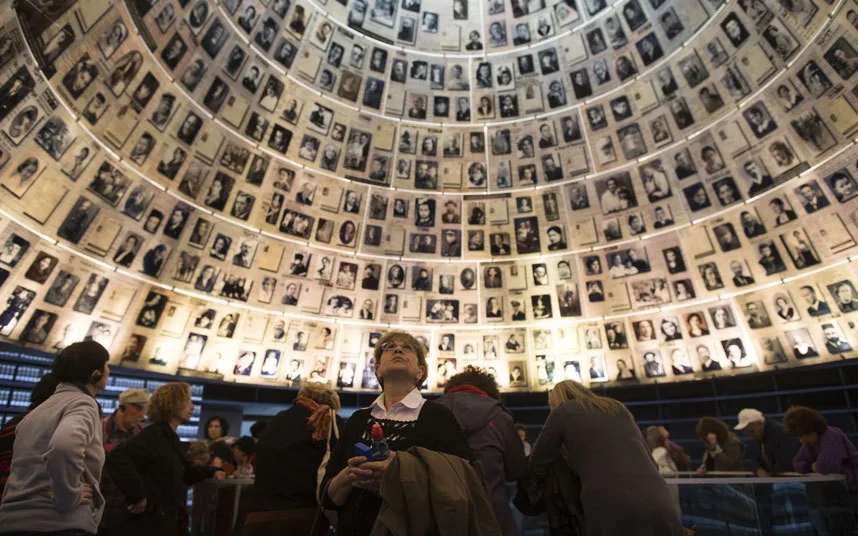
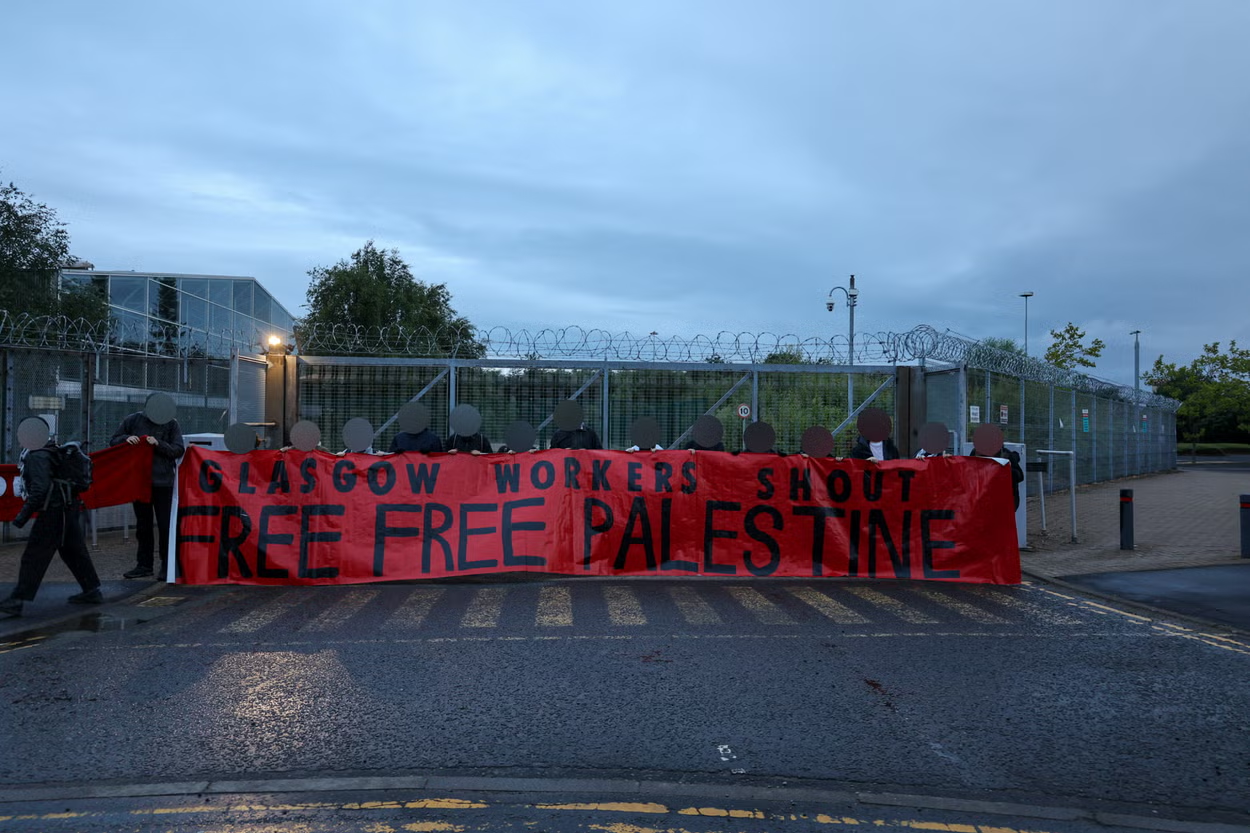
As Western academic solidarity with Palestine continues to grow, Israel finds itself grappling with an unconventional crisis targeting the core of its soft power. The battle is no longer being fought solely on the frontlines, but increasingly in university lecture halls and research labs, where signs of a gradual erosion of Israel’s decades-long scientific prestige are becoming evident.

Israeli authorities view this wave of academic backlash as a strategic threat to the state. In recent months, a series of actions have unfolded across Western academic institutions from canceled conferences and suspended research collaborations to petitions advocating a boycott of Israel.

Among the most striking of these was a call by nearly 1,000 scientists at CERN, the European Organization for Nuclear Research, urging a review of its partnership with Israel in the field of particle physics.

The Crumbling of the Scientific Halo

Despite some European governments’ hesitation to support such boycotts, several universities in the Netherlands, Belgium, Italy, and Spain announced the suspension or termination of joint projects with Israeli institutions following the Gaza war. This trend is largely driven by mounting public and academic pressure on universities and governments, often perceived as complicit with a regime accused of carrying out ethnic cleansing against Palestinians.

This backlash has emerged at a particularly sensitive moment for Israel, which has long built its global stature on scientific excellence. Leading Israeli research centers such as the Weizmann Institute of Science, Tel Aviv University, and the Hebrew University of Jerusalem have traditionally benefited from consistent European funding tied to collaborative projects and innovation hubs.

Since 2021, these institutions have received over €875 million through the Horizon Europe program. However, in July 2025, the European Commission proposed a partial suspension of Israel’s participation.

The Commission’s proposal aimed to partially restrict Israel’s access to Horizon Europe, a flagship EU research and innovation fund worth approximately €95 billion for the current financial period. This move could cost Israel nearly €200 million in future grants and investments, particularly within the European Innovation Council’s tech-focused programs.

To pass, the proposal required a qualified majority of EU member states. While major powers like Germany and Italy requested more time for review, countries including Ireland, Spain, France, Luxembourg, Slovenia, Portugal, Malta, and the Netherlands pushed for broader restrictions.

Austria, Hungary, Bulgaria, and the Czech Republic, however, insisted on keeping scientific collaboration open for strategic reasons. This division resulted in a temporary and partial freeze to avoid political fragmentation within the bloc.

As a result, Israeli participation in Horizon Europe dropped by 41%. In the European Research Council’s latest grants for early-career researchers (2025 cycle), Israeli scholars secured only 10 out of 478 awards a steep decline from 30 out of 494 the previous year. Furthermore, joint publications and citation metrics have declined, according to Scopus.

In Spain, for instance, joint research output dropped from 9.2% to 5.9%. Collaborations with the Netherlands and Canada also fell by roughly one-third. Even Germany which opposed boycott efforts saw its research partnership rate with Israel decline from 16% to 12.7%.

The Brain Drain Threat

European research funding has long been a vital pillar for Israeli science not just financially, but as part of a global scientific ecosystem. Losing access to such networks threatens the sustainability of Israeli research by potentially triggering a brain drain, with top minds migrating to more stable institutions that aren’t mired in ethical or political controversies.

The boycott strategy aims to disrupt the entire lifecycle of scientific research from ideation to application by severing symbolic and financial connections. These ruptures weaken the Israeli research ecosystem’s ties to Europe’s innovation chains. The loss is not merely monetary but also structural, cutting off Israel from knowledge-sharing platforms that accelerate technology transfer and skill development.

Safety concerns have also intensified on Western campuses. A survey of 548 Jewish and Israeli students and faculty across 30 Australian universities found a significant drop in feelings of safety and trust. Only 38% of students and 36% of staff reported feeling physically safe on campus, with around 30% feeling safe online.

Moreover, 60% of students and 54% of staff believed university administrations were not doing enough to address these concerns. Most respondents viewed existing complaint mechanisms as ineffective or risky, contributing to a growing sense of isolation.

What began as sporadic protest responses has now evolved into a coordinated, institutionalized academic boycott movement spanning more than 22 countries, primarily in Western Europe and North America. Estimates suggest that between 45 and 52 leading universities froze or severed ties with Israeli academic institutions between November 2023 and July 2025. At least 110 documented incidents involved canceled conferences, publication rejections, or academic participation bans.

A Limited-Impact Search for Alternatives

Israeli academic leadership was caught off guard by the speed and scale of the boycott. Early 2024 assessments had predicted a temporary and limited campaign. But by mid-2025, it had become a fully-fledged crisis. In response, the Israeli government allocated around 90 million shekels (€25 million) to launch the “Academic Shield” initiative.

Yet the results have been modest, with most new partnerships focused on low-budget technical fields, and a pivot toward institutions in Asia and Latin America to compensate for the European pullback.

The boycott has now spread to Latin America. On October 8, 2025, Brazil’s Federal University of Ceará announced the cancellation of its academic cooperation and student exchange agreement with Ben-Gurion University, following on-campus protests. Activists argued that any collaboration amounted to normalization with a regime responsible for siege and mass killings.

Though the agreement, signed in December 2022, had not resulted in active exchanges or joint programs, it had produced a first round of innovation workshops and a virtual hackathon by July 2023. The second round, scheduled for 2024, was canceled after the war began.

In the United States, no official nationwide academic boycott has been implemented, but several states have enacted legislation barring public universities from participating in economic or academic boycotts. Since May 2025, the National Science Foundation following an earlier move by the National Institutes of Health has required compliance with anti-boycott policies in its grant allocations.

In turn, some American universities have strengthened their partnerships with Israeli institutions to avoid losing federal funding. Harvard, for instance, expanded its academic collaborations with Israeli counterparts while simultaneously pledging to curtail pro-boycott activism on campus.

The Erosion of the Knowledge Economy

With academic isolation deepening and project suspensions mounting, the boycott’s effects now go beyond symbolism, striking at the heart of Israel’s knowledge-based economy. The crisis no longer merely jeopardizes Israel’s scientific image it casts doubt on its future as a regional innovation hub.

The government’s emergency fund underscores a clear recognition of the long-term strategic threat: continued isolation could undermine Israel’s appeal to international researchers and chip away at its standing in vital sectors like medicine, advanced technology, and artificial intelligence all foundations of its modern economy.

Global scientific networks are reshaping the geography of knowledge, and research institutions serve as critical junctions connecting scientists worldwide. Israel’s exclusion from these networks not only reduces funding but also alters research priorities and stymies the training of the next generation of scientists.

As a result, fields once led by Israeli researchers may stagnate, while alternative hubs emerge elsewhere, drawing the benefits of innovation away from Israel.

A knowledge-based economy depends on a constant flow of talent local innovation alone is insufficient without international collaboration. Even if Israeli firms continue to generate cutting-edge solutions domestically, their integration into global value chains may falter.

This could eventually hinder growth and job creation in strategic sectors. Any disruption to this flow especially through brain drain is not a theoretical risk, but a tangible threat to Israel’s ability to compete globally.

TAGGED: In Depth
Download this article as PDF
Share this Article
Facebook Twitter Whatsapp Whatsapp Telegram Email Copy Link
فريق التحرير
By Noon Post Reports by Noon Post Editorial Team
Follow:
Reports prepared by the Noon Post editorial team.
Previous Article نون بوست How Israel Views Turkey’s Growing Role in Gaza
Next Article نون بوست How the United Nations Lost Its Influence in Yemen

Read More

  • How Is Turkish Military Technology Redrawing the Balance of Power in North Africa? How Is Turkish Military Technology Redrawing the Balance of Power in North Africa?
  • "Arad".. Why Did the Occupation Create an All-Female Force to Protect Its Air Bases?
  • Kalashnikovs in the Squares.. How Is Iran Mobilizing Civilians for War?
  • A Digital Artery in a Minefield.. What Do We Know About Gulf Cables Beneath Hormuz?
  • Why Washington Is Betting on Eritrea After Hormuz and the Red Sea Crisis
part of the design
NoonPost Weekly Newsletter

You May Also Like

Why Washington Is Betting on Eritrea After Hormuz and the Red Sea Crisis

Why Washington Is Betting on Eritrea After Hormuz and the Red Sea Crisis

محمد مصطفى جامع Mohamed Gamie 20 May ,2026
“Aviation Diplomacy”: The Bet That Paid Off Economically but Collided Politically

“Aviation Diplomacy”: The Bet That Paid Off Economically but Collided Politically

محمد عادل Muhammed Adel 20 May ,2026
15 Years After the Revolution: How Has Syrians’ Political Consciousness Changed?

15 Years After the Revolution: How Has Syrians’ Political Consciousness Changed?

فريق التحرير Noon Post 16 March ,2026
NoonPost

An independent media platform founded in 2013, rooted in slow journalism, producing in-depth reports, analysis, and multimedia content to offer deeper perspectives on the news, led by a diverse young team from several Arab countries.

  • Politics
  • Society
  • Economy
  • Culture
  • Interviews
  • In Depth
  • Explainers
  • Stories
  • Profiles
  • Focus
  • Latest Reports
  • Long Reads
  • Interviews
  • Interactive
  • About Us
  • Our Writers
  • Write for Us
  • Editorial Policy
  • Advanced Search
Some rights reserved under a Creative Commons license

Removed from favorites

Undo
Go to mobile version