

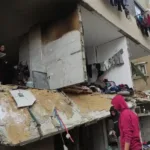











The devastation in Gaza has not been limited to modern buildings or homes it has extended to the very stones that preserve the memory of the place. In every corner of the old city, history has crumbled under bombardment, bringing down with it centuries of stories that had once withstood invaders and wars.
Hammam al-Samara, the oldest public bath in Gaza, no longer pulses with life. Once a communal haven and a living memory of the city, it now lies silent. The Great Omari Mosque—the oldest mosque in Gaza and a testament to the city’s layered past—has also not been spared. Its ashes now mingle with the dust rising from the ruins of the old market.
In these sites that once preserved the spirit of the city, Gaza today stands on the brink of losing its spatial memory. The people who used to walk between its ancient walls have lost their bearings, as if war has not only displaced them from their homes but exiled them from their history.
Among the Rubble, the Echo of Memory in Ishraq’s Voice
At the heart of the old market, Ishraq Ayad once found spiritual refuge in the Great Omari Mosque every Ramadan. She tells Noon Post, “The Omari Mosque was a beautiful and ancient site. I used to go there during Ramadan to pray taraweeh. The place gave me peace and comfort it made me feel rooted in this land.”
But the scene has changed entirely. Speaking with deep sorrow, she says: “It feels awful like the destruction of everything else, homes and landmarks alike.
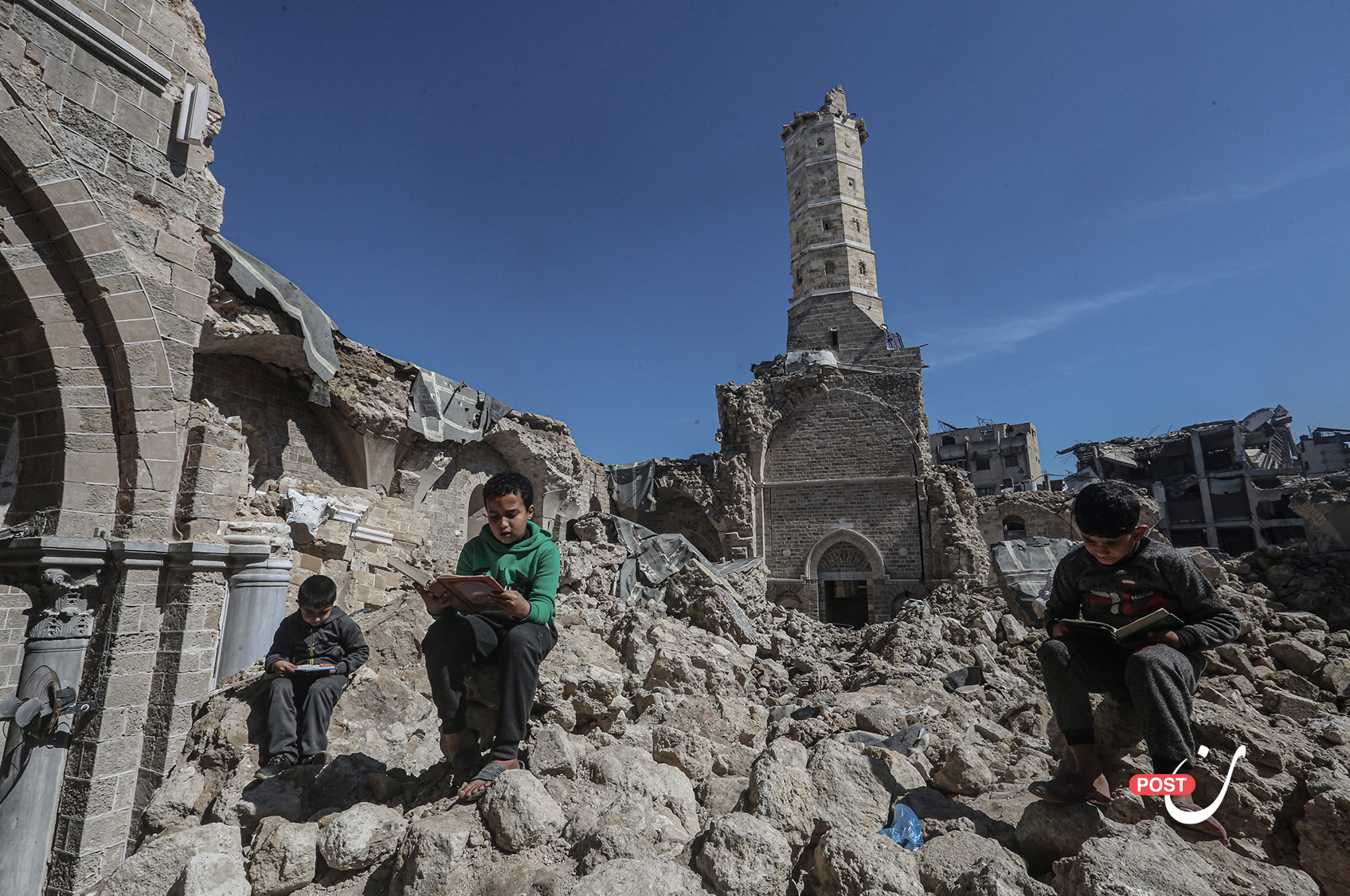
I’m heartbroken, not just over the mosque, but over the entire city. I think the goal is to erase our identity and break us psychologically.”
Ishraq is not alone in her grief. Everyone who passed through Gaza’s old city carries memories of places that now exist only as faded images on phones or in dreams. The loss wasn’t just physical stones it was the uprooting of memories that gave meaning and anchored Gazans to their roots.
The Heart of the City
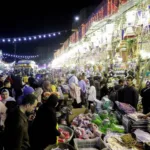
In an interview with Noon Post, Imam Ibrahim Al-Koulik of the Great Omari Mosque recalls the place where he experienced both his most joyful and most painful moments: “Before the war, the Omari Mosque was like the beating heart of the city. Anyone entering the old market would inevitably pass by.
You’d hear the call to prayer echoing through the alleyways and find hundreds of familiar faces inside, people of all ages. The minarets lit up the sky, and the mosque’s halls were full of worshippers and circles of remembrance.”
He pauses, then continues, his voice tinged with nostalgia and pain: “During Ramadan, the mosque turned into a canvas of light. Worshippers filled the courtyard, and the chants of praise mixed with people’s laughter. For us, Ramadan in Gaza didn’t truly begin until the Omari Mosque was lit.”
Al-Koulik adds: “Every day, I felt I was standing on ground where generations of Gazans had prayed over centuries. The walls whispered history from the Mamluks to the Ottomans, from the Nakba until now. Praying there felt different; it was both a house of God and a sanctuary of heritage.”
He concludes, his voice breaking: “Now, when I pass by the rubble, I still feel the call to prayer echoing from the stones. As if the place refuses to die.”
A Morning That No Longer Smiles
On the outskirts of Gaza’s al-Zaytoun neighborhood, Nidaa used to start her mornings with a beloved sight she had known since childhood: the gate of Hammam al-Samara, its surroundings filled with the hum of visitors and the sound of flowing water at its core.
“I’ve lived next to it for over thirty years,” she tells Noon Post. “I saw it every day from my window. It was a sight that lifted the heart. It reminded me of the old days, when people would go to the bathhouse during holidays and special occasions and come out smelling of traditional soap and basil. It was the soul of the neighborhood.”
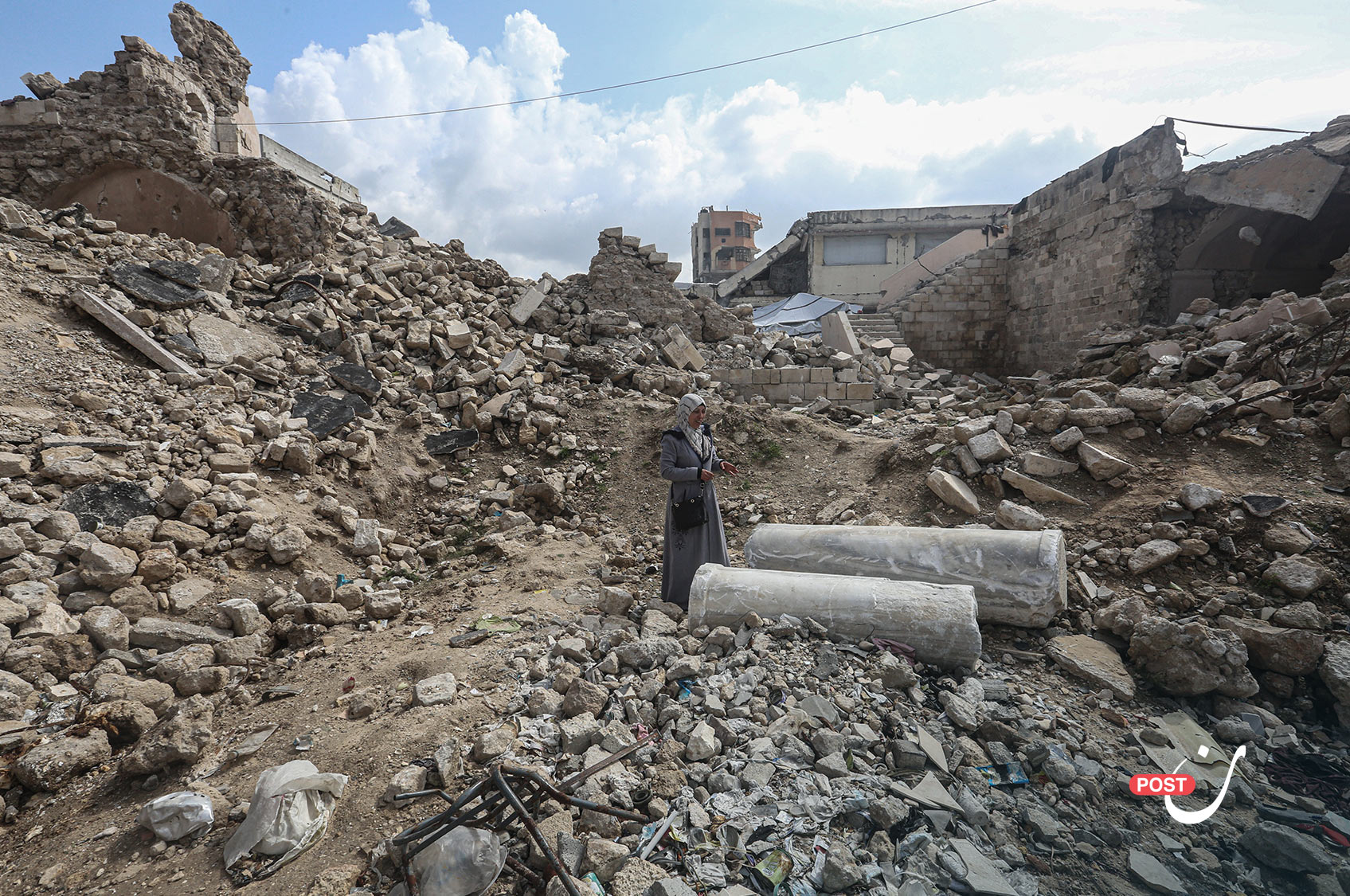
But after the war, all that remained were scattered stones and debris. She falls silent for a moment, then adds in a weary tone: “When I saw the rubble for the first time, it felt like the morning itself had shattered.
Nothing cheers me anymore when I open my window. Even the scent of the place is gone replaced by dust and destruction.”
For Nidaa, the destruction of Hammam al-Samara wasn’t just the loss of a heritage site; it was the loss of a daily presence that brought her solace amid chaos. “They tore down a stone that held our whole life a scene from our days that time can never return.”
In February 2025, the Ministry of Tourism and Antiquities, in cooperation with the Cultural Heritage Preservation Center, announced that 226 heritage sites in Gaza had been damaged due to direct Israeli targeting.
A report from the ministry titled “Assessment of Damage and Risks to Cultural Heritage Sites in Gaza” revealed that the study covered 316 cultural sites, including archaeological landmarks, heritage buildings, museums, religious institutions, historical cemeteries, cultural landscapes, natural sites, and iconic monuments.
Researchers conducted a comprehensive field survey, analyzed satellite imagery, collected data, and created detailed models for each location. The information was processed to assess the extent of damage to each site.
When Memory Is Targeted
Mohammed Jaradat, Deputy Director General of the National Registry at the Ministry of Tourism and Antiquities, described the extent of Gaza’s cultural loss: “There’s barely a single historical or archaeological site in Gaza that hasn’t been affected either directly by bombing or indirectly through displacement and the immense pressure on historic areas.
The old city of Gaza, with its architecture dating back to the Ayyubid, Mamluk, and Ottoman periods, was among the hardest hit, along with the northern areas and Rafah.”
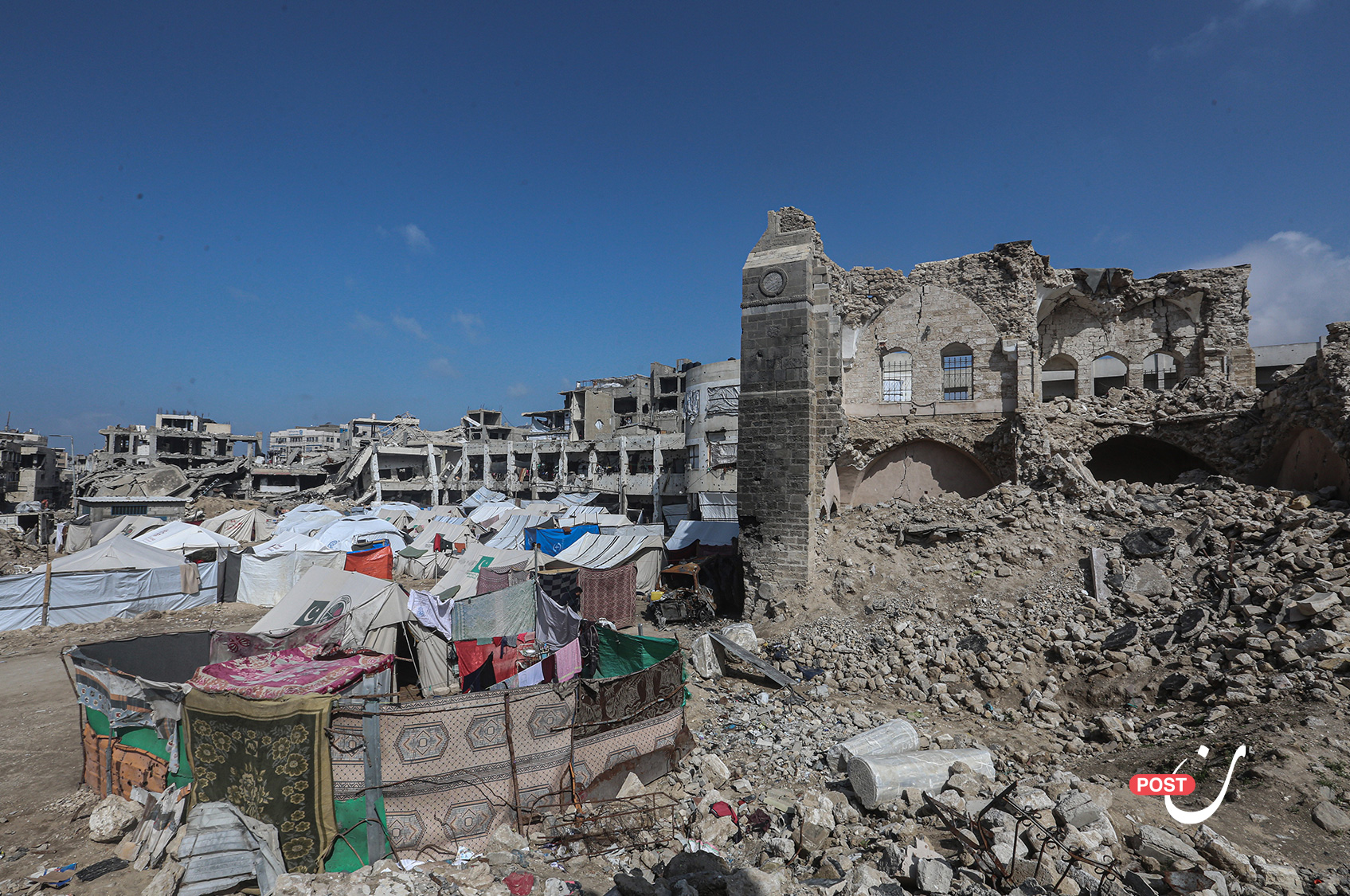
He told Noon Post that the ministry, with the help of volunteers and support from UNESCO, has launched an emergency documentation effort that will continue after the war as part of Gaza’s reconstruction plan. “We’ve lost significant landmarks like the Hāshim Mosque, Qasr al-Basha, and many historic buildings in old towns that were completely destroyed.
Still, there is a vision to revive and restore these sites. We’ve already started training teams in documentation and restoration through courses held in Egypt earlier this year, so we can be ready to resurrect the memory of the place.”
Jaradat warns that targeting these sites is “a direct assault on the spatial memory of the Palestinian people.” He adds, “When our landmarks are erased, so is our visual link to the past. The lifeline connecting generations to their roots is severed.
Despite providing the UN and UNESCO with exact coordinates of heritage sites to avoid targeting, they were bombed deliberately from mosques and churches to shrines and zawiyas.”
He concludes that the war on stone is no less dangerous than the war on people. It is “a form of warfare against identity, culture, and the bond between people and their land.”
In Gaza, war doesn’t end when the shelling stops. Every pile of rubble holds a lost story and a memory waiting to be restored. And between the stones of the Omari Mosque and Qasr al-Basha, the Palestinian spirit resists oblivion, insisting that the story lives on.


