








In recent hours, tensions between Pakistan and Afghanistan have surged once again, with border clashes between the two neighbors leaving dozens dead or injured. Both sides have traded blame over who instigated the latest flare-up. While the confrontation may appear to be a mere border dispute, it in fact reflects a complex web of regional interests and international power dynamics raising concerns about the broader implications that could spill far beyond the two countries’ borders.
Although Afghanistan’s Ministry of Defense announced on Saturday evening, October 11, that military operations along the shared border with Pakistan had ceased—following Qatari, Saudi, and Chinese mediation the tension between Kabul and Islamabad remains one of Asia’s most sensitive fault lines, given the intricate security, economic, and religious entanglements it represents.
With recurring flashpoints and a lack of permanent solutions, the border remains a volatile zone that could ignite at any moment reshuffling alliances across South Asia. This volatility holds significant implications for Arab security, particularly for the Gulf states, elevating the issue on the strategic priority list of regional governments.
What Happened?
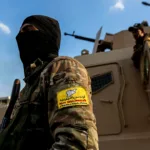
The latest round of violence began on Friday, October 10, when the Tehrik-i-Taliban Pakistan (TTP)—a Pashtun armed group made up of several militant factions operating along the Durand Line within Pakistani territory claimed responsibility for coordinated attacks on Pakistani security forces in the Khyber Pakhtunkhwa province, killing 23 people, including 20 security personnel and three civilians.
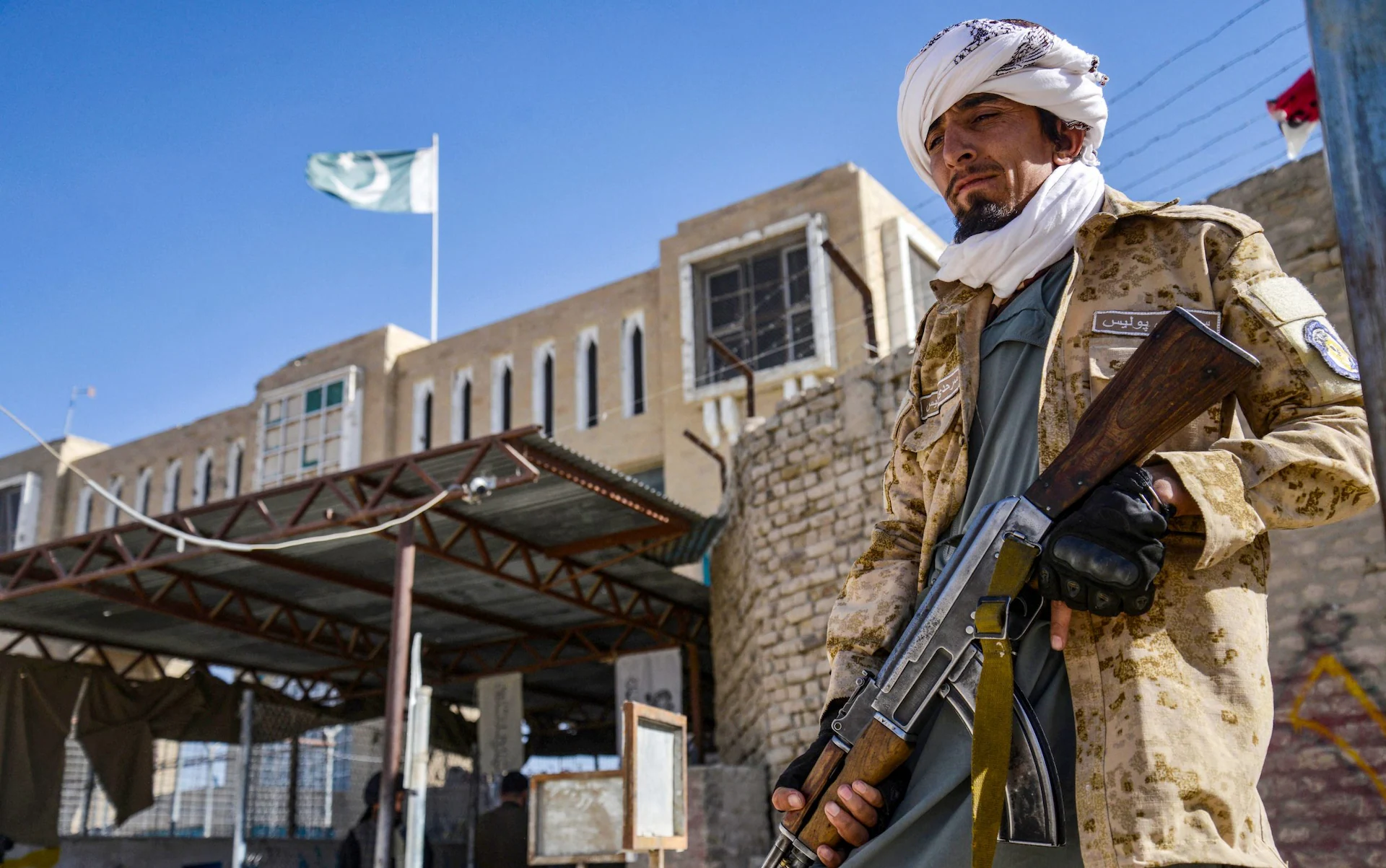
The following day, Pakistani forces launched a fierce offensive across several Afghan provinces, including the capital Kabul, as well as Khost, Paktia, Kunar, and Helmand. The strikes resulted in numerous casualties and significant destruction.
Later that evening, Afghan forces responded with coordinated retaliatory attacks on several border outposts. They reportedly seized control of at least five Pakistani military positions in Paktia, Helmand, and Zabul provinces, and destroyed a number of military vehicles and equipment.
The clashes left 58 Pakistani soldiers dead and another 30 injured, according to official military statements from both sides. In contrast, nine members of the TTP and more than 200 Taliban fighters were killed.
Trading Blame
At the heart of the conflict is a deepening blame game. Islamabad has voiced strong frustration over continued TTP attacks launched from Afghan soil, directly accusing the Taliban-led Afghan government of failing to curb the group’s activities. Pakistan further alleges that the TTP receives funding from India and uses Afghan territory as a base of operations.
Kabul, for its part, firmly rejects these accusations and insists the current crisis began with a breach of its sovereignty. Afghan officials have accused Pakistan of carrying out unauthorized airstrikes inside Afghanistan, inflaming the already volatile border dispute.
In a dramatic escalation on Sunday, October 12, Afghan government spokesperson Zabihullah Mujahid claimed that intelligence pointed to the presence of Islamic State Khorasan (ISIS-K) leader Shahab al-Muhajir, along with other operatives, inside Pakistan. Mujahid called on Islamabad to either hand them over to Afghan authorities or expel them immediately.
65 Years of Tension
Since its founding in 1947, Pakistan has never enjoyed lasting stability in its relationship with Afghanistan. The Durand Line a border drawn by British colonial powers in the 19th century to divide Pashtun tribes has been a perpetual source of tension. Kabul refuses to recognize the line as a legitimate boundary and continues to assert claims to territories across the border, while Islamabad insists it is the internationally recognized frontier.
Following the Soviet invasion of Afghanistan in 1979, Pakistan became a staging ground for Afghan mujahideen, backed by the US and Arab states. This deepened security and political ties between the two countries but also bred mutual distrust. Kabul later accused Islamabad of seeking undue influence over Afghan affairs, while Pakistan viewed ongoing instability in Afghanistan as a direct threat to its own security.
When the Taliban returned to power in 2021 after the US withdrawal, Pakistan hoped to regain a traditional ally. But that expectation quickly unraveled. The new Taliban leadership has resisted Pakistani influence and refused to act against the TTP, which continues to launch cross-border attacks, repeatedly reigniting tensions between the two neighbors.
In recent years, these political and security rifts have worsened, turning the border into a chronic flashpoint threatening broader regional stability. Despite multiple mediation attempts by Arab and Chinese actors, the root causes remain unresolved amid a tangled contest of tribal loyalties, national interests, and disputed borders.
A Dispute That Crosses Borders
Framing the Afghan–Pakistani conflict as a mere border skirmish misses the broader picture. The crisis has evolved into a geopolitical knot that influences the balance of power across South Asia and beyond.
On the security front, the mountainous border stretches over 2,600 kilometers making effective control nearly impossible for either side. With minimal coordination between the two governments, transnational militant groups such as ISIS-K continue to operate with relative ease, exploiting the chaotic borderlands and deepening hostilities.
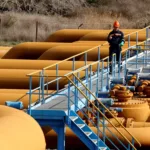
Economically and regionally, the ongoing conflict has stalled several major infrastructure projects, including the TAPI gas pipeline linking Turkmenistan to Afghanistan, Pakistan, and India, as well as the vital Kashgar–Gwadar corridor, part of China’s Belt and Road Initiative. Disruption of these routes not only undermines development opportunities for both countries but also affects trade and energy flows that are critical to the Arab world, particularly the Gulf.
India, meanwhile, sees the dispute as an opportunity to weaken Pakistan, while China grows increasingly anxious about its investments. Iran and Russia are watching cautiously, concerned about potential spillover into Central Asia making the Afghan Pakistani front a full-blown arena of global power competition.
Implications for the Arab Region
Although geographically distant, the Afghan–Pakistani conflict poses increasing risks to the Arab world, particularly the Gulf states, which now face a complex matrix of security, economic, and humanitarian challenges.
On the security side, fears are mounting over the possible resurgence of transnational jihadist networks. A full-blown conflict could turn Afghan territory into a safe haven for extremist groups with ideological links to militants in the Middle East stoking Gulf anxieties about a renewed wave of radicalization.
The crisis also puts Saudi Arabia in a sensitive position, following the joint defense agreement signed in September between Crown Prince Mohammed bin Salman and Pakistani Prime Minister Shehbaz Sharif. The pact stipulates that an attack on one party is considered an attack on both potentially drawing Riyadh into a deeper security entanglement if the conflict escalates.
Economically, instability threatens key land corridors connecting Central Asia to the Arabian Sea—routes vital to global trade and Gulf port infrastructure. The Gwadar Port in Pakistan, a cornerstone of China’s Belt and Road vision, serves as a strategic economic gateway to the Arab world. Any disruption there would directly impact shared regional interests.
Close economic ties between Pakistan and Gulf states such as Saudi Arabia, the UAE, and Qatar could also suffer if tensions intensify. In parallel, Arab–Afghan development and investment cooperation could be undermined.
On the humanitarian front, a prolonged conflict could trigger a new wave of Afghan refugees heading westward through Iran and Turkey some ultimately reaching Arab countries, placing further strain on humanitarian and economic resources already stretched by regional instability.
Where Do Gulf States Stand?
So far, Arab capitals have maintained a cautious neutrality, closely monitoring the developments between Kabul and Islamabad without becoming entangled in early-stage polarization—aware of the potential costs such an escalation could impose on regional security and stability.
Three key paths now lie before Arab decision-makers. First, advancing mediation and dialogue through Islamic and regional frameworks like the Organization of Islamic Cooperation, or via bilateral efforts led by diplomatically influential Arab states such as Saudi Arabia and Qatar.
Second, enhancing security and intelligence cooperation with Pakistan to confront the potential spread of militant groups exploiting the chaos along the Afghan Pakistani border thus safeguarding Arab security against possible incursions.
Third, strengthening economic partnerships by accelerating land and maritime connectivity between the Arab world and South Asia reducing the vulnerability of trade and energy flows to regional unrest.
Yet the most likely path will be a balanced, quiet engagement strategy eschewing direct alignment in favor of diplomatic bridge-building between Kabul and Islamabad. The trust Arab states enjoy on both sides positions them well to play this role effectively.
In conclusion, the Afghan–Pakistani tension is no longer a simple border issue; it has evolved into a layered geopolitical crisis rooted in a long-standing power struggle. Every new escalation carries the risk of a broader conflict unless addressed through a comprehensive diplomatic process that rebuilds trust and secures mutual interests.
Given this complexity, Arab and Gulf involvement must be strategic, cautious, and multidimensional supporting mediation efforts while deepening cooperation with both Pakistan and Afghanistan. After all, South Asia’s stability is a pillar of Gulf security, and measured Arab diplomacy could prove crucial in averting a new spiral of regional upheaval.