NoonPost NoonPost

NoonPost

  • Home
  • Politics
  • Economy
  • Society
  • Culture
  • Files
  • Long Reads
  • Podcast
AR
Notification Show More
نون بوست
“There Are Nights I Can’t Close My Eyes”: How Gazans Are Living in Homes on the Brink of Collapse
نون بوست
From al-Jolani to Ahmad al-Shara: The Evolution of Syria’s New Leader
نون بوست
When Political Islam Receded in Egypt: Who Filled the Void?
نون بوست
An Extension of Genocide: Gaza’s Detainees Speak Out
نون بوست
A Tightrope Between Survival and Sovereignty: The Syrian Government Faces Normalization Pressures
نون بوست
American Aircraft Carriers: Has the Era of “100,000 Tons of Diplomacy” Ended?
نون بوست
U.S. Regime‑Change Policies: Why They Are Destined to Fail
نون بوست
Transformations of Israeli Judaism: Between the Victim Complex and the Colonizer’s Doctrine
نون بوست
The Gulf’s Balancing Act: Iran, Israel, and Hidden Links
نون بوست
Iraq–Turkey Oil Export Treaty: Why Did Ankara Cancel It After 52 Years?
نون بوست
Syria’s Northeast on Edge: QSD Between Ankara and Damascus
نون بوست
Has Europe Changed Its Stance on Israel… or Just Its Language?
NoonPost NoonPost
AR
Notification Show More
نون بوست
“There Are Nights I Can’t Close My Eyes”: How Gazans Are Living in Homes on the Brink of Collapse
نون بوست
From al-Jolani to Ahmad al-Shara: The Evolution of Syria’s New Leader
نون بوست
When Political Islam Receded in Egypt: Who Filled the Void?
نون بوست
An Extension of Genocide: Gaza’s Detainees Speak Out
نون بوست
A Tightrope Between Survival and Sovereignty: The Syrian Government Faces Normalization Pressures
نون بوست
American Aircraft Carriers: Has the Era of “100,000 Tons of Diplomacy” Ended?
نون بوست
U.S. Regime‑Change Policies: Why They Are Destined to Fail
نون بوست
Transformations of Israeli Judaism: Between the Victim Complex and the Colonizer’s Doctrine
نون بوست
The Gulf’s Balancing Act: Iran, Israel, and Hidden Links
نون بوست
Iraq–Turkey Oil Export Treaty: Why Did Ankara Cancel It After 52 Years?
نون بوست
Syria’s Northeast on Edge: QSD Between Ankara and Damascus
نون بوست
Has Europe Changed Its Stance on Israel… or Just Its Language?
Follow US

After October 7… When the War Expanded to Encompass the Entire Ummah

فريق التحرير
Noon Post Published 26 March ,2026
Share
نون بوست
نون بوست

The reality of states in the world of politics lies not in what they see of themselves but in what their enemy sees of them and this perception may lead states either to triumph or to fall.

The events following October 7, 2023, with their military escalations and the crises endured by Gaza’s residents, were a true test for the Arab and Islamic nations, whose children are being killed by a common enemy that openly declares its ambitions against them. The Israeli viewpoint in this war revealed that the enemy considers the Arab and Islamic world as a single bloc. It deems weakening any part of it as weakening the whole.

While the Arab states act as independent territories with their own sovereignties, the enemy knows that these lands may, at some moment, connect and form a mighty torrent against it, nullifying its very project of existence. Thus, Israel’s scope of military targeting in the region expanded after October 7, in an attempt to fight all those who reject its existence in order to preempt coordinated resistance elements scattered across Arab and Islamic lands that might rise with a unified national project threatening its survival.

This article studies the signs and statements in which Israel, through its offensive operations across multiple areas and through statements by its leaders, made clear that it draws no distinction among Arab countries: Saudi, Jordanian, or Iraqi. In its eyes, they are all Arabs; the lands of the Arabs form one entity, and Israel does not acknowledge Sykes-Picot boundaries.

The Spread of Targeting: From Gaza to Qatar

The war that Israel has waged on Gaza over the past two years has shown that Gaza is not the only target. The Israeli targeting expanded from Palestine to cities across the Arab and Islamic world striking Syria, Iraq, Lebanon, Yemen, Iran, and ultimately Qatar.

Beyond that, Israeli media campaigns promote the expansionist Zionist project threatening even those states not on the front lines, and others on the borders of the Palestinian conflict primarily Jordan, which hosts the Gal’ed Brigade along its border under the pretext of protecting Israel. But reality indicates that Israel poses a tangible threat to Jordan.

What is happening can be easily read through the Israeli lens, which treats Arab states as a single entity posing an existential threat. Over decades, Israel has intervened in Arab conflicts and launched military operations to scatter Islamic alliance attempts.

It bombed Iraq’s Tammuz reactor in 1981, sought to undermine Pakistan’s nuclear projects, and fomented divisions among Arabs especially after the Arab Spring. Now, after October 7, its military movements across capitals and international organizations aim to ease its perception of threat from any pan-Arab cohesion.

After October 7, Israel launched dozens of airstrikes on Lebanon to target Hezbollah and its leadership, leading to hundreds of martyrs and widespread displacement, as well as closure of many border roads.

It exploited Syria’s transitional turbulence after the fall of Assad’s regime to expand in Daraa and strike various sites across Syria, shaping a security landscape to deter resistance and block weapons routes via Syria.

Also, there is a deeper motive in Israel’s expansionist ambitions: it exploits the weakness of each Arab state to place a foothold within it.

Yemen, too, did not escape: Israel struck ports like Hodeidah and Ras Issa to degrade infrastructure allegedly used by the Houthis for military supply, and hit electricity and fuel installations in Sana’a besides destroying civilian homes.

In Iraq, the prime minister of Sudan attempted, following escalation, to reach agreement with some Shiite figures to prevent them from joining the war on Hezbollah’s side. Israel had declared that dozens of potential targets in Iraq could be struck anytime for Israel considers Iraq a strategic component in the battle, owing to its relations with Iran, presence of resistance groups and militias, and its place on the map Israel envisions.

We may view Israel’s bombardment of Iran itself as a message: it is fighting anyone who supports Islamic and Palestinian resistance movements. Through powerful media amplification, Israel has portrayed the Iranian project as a dangerous axis to attract global support against Iran, in order to hinder its ambitions and weaken facilities all under the banner of safeguarding Israel.

Finally, Israel struck Qatar in a treacherous move, responding to Doha’s mediation role in the Palestine-Israel conflict. Israel threatened Qatar to expel Hamas leaders residing there.

This pattern of targeting reflects multiple insights into how Israel views Arab-Islamic unity: above all, it sees us all as a single enemy. It does not regard the conflicts in Gaza, Lebanon, Yemen, and Syria as separate but as a network of threats. Weakening any one link strengthens Israel; cutting any part alleviates its security and political burden.

The resistance axis, primarily backed by Iran in Syria, Iraq, Lebanon, and Yemen, reinforces the Israeli perception of multiple Arab fronts forming a unified bloc against Israel. To prevent this bloc, Israel legitimizes crossing sovereignty or borders of any Arab country under labels such as “containing a terrorist organization” or “housing military arsenals.”

Whether these claims are real or pretexts, Israel clearly does not believe in Sykes‑Picot divisions. It leaps over all borders under any justification reinforcing our belief that the enemy views us as one.

This expansion is not a dead ideology but a vivid reality expressed by these scattered targets, revealing that the targeted countries are interconnected in security, military, strategic fronts even if their official political discourse is fragmented. Regrettably, this unity is not our reality, but it is the enemy’s view of us.

Displacement and “Arab Alternatives”

When Israel and the United States proposed relocating Palestinians especially Gazans to Jordan and Egypt, they were not offering a solution to the Palestinian‑Israeli existential issue; they were offering Palestinians the notion that they are Arabs who came from the Arabian Peninsula and must return to their original countries.

Israeli historian Zvi Meshi‌nei presents a vision to resolve the regional existential conflict by rooting Palestine in Judaism: he claims that Palestine “was Israel” in essence, and its population became Muslim by force, while most Muslim Arabs in Palestine arrived from across the Arab world to work for Jews.

This narrative, which portrays Palestinians as migrants rather than indigenous citizens, has been expressed multiple times by Netanyahu regarding the displacement of Palestinians in February 2025, he proposed Saudi Arabia as an alternative homeland on the grounds that it is an Arab country with vast lands.

But if we scrutinize the idea, Netanyahu regards all Arab countries as alternative homes for Palestinians, since they are also Arabs. He views the Hijaz region as the cradle of Islam, thus making it a plausible homeland for Muslims in his narrative.

The term “displacement” has echoed strongly since October 7, frequently used by extreme right-wing and decision makers in Israel to the point it became central to U.S. and Arab diplomatic proposals.

This was met with Arab rejection as displacement is seen as an erasure of the Palestinian cause, a clear assault on the right of Palestinians to exist on their land. Yet Israel opened a door to achieve its aims by framing migration as voluntary.

As the brutal assault on Gaza and the West Bank continues, this proposal embeds itself psychologically in a Palestinian whose rights are stripped — making migration appear as a possible choice when alternatives vanish.

This idea is not limited to recent years. Zionist policy toward the Palestinian Arab presence has long operated on displacement and isolation. In 1948, operations like Plan Dalet showed that evacuation and forced transfer were part of Israel’s establishment path even if not openly stated, they were pushed through massacres and intimidation. In that sense, the displacement discourse in 2024–2025 is an extension of an old political Zionist vision.

Between the denial of the Palestinian people as a political entity and historical presence, and proposals for land-swaps and demographic restructuring in favor of a Jewish majority, lies the strategic diplomatic narrative that frames displacement and relocation as solutions.

The U.S. welcomed this through proposals for Gaza’s reconstruction, hinting at mass relocation and resettlement by neighboring states under a new urban framework.

Arab publics and governments rejected it, viewing it as a violation of international law prohibiting forced displacement. However, Israel’s cunning becomes evident as it attempts to package displacement under terms like “reconstruction” and “economic alternatives,” making the proposal appear developmental and palatable to the international community.

This Israeli stance on displacing Palestinians reveals that it does not see Arab boundaries as barriers for Palestinians for in its view they form a unified identity.

“Caliphate” in the Israeli Narrative

After the war on Gaza erupted, Netanyahu revived the term “Islamic caliphate” to reject the return of a caliphate on the “Palestinian” borders of Israel portraying Hamas and the resistance as such a threat. Though Hamas has not adopted the slogan of caliphate, Israeli anxiety lies in the possibility that resistance may become a unified Arab-Islamic project against Israel.

While Arabs consider that the era of caliphate and unity has ended, Arab-Islamic unity still lives in the Israeli consciousness as a potential danger: if this Ummah reunites politically, it threatens the very idea of the Jewish state. In their view, we are a single entity, and they must keep us weak and divided.

Although Hamas does not adopt caliphal rhetoric instead portraying itself as a national liberation movement Netanyahu’s use of “caliphate” aims to link Hamas to ISIS, reframing the Palestinian struggle as a religious extremism war.

This narrative intensifies Western hostility toward Hamas, given the post-September 11 climate, enabling him to legitimize Israel’s brutality in Gaza as part of a civilization confrontation against Islamic extremism.

This reveals a Zionist imagination that sees the abolition of the caliphate as a precondition for Israel’s establishment, but fears its return as a threat. The reemergence of an Arab political project contradicts Israel’s raison d’être and opens the door to a relentless resistance that could erase Israel from the region.

In the end, the events after October 7 revealed the symbolic idea of Arab-Islamic unity in the Israeli mindset: through broad targeting across Arab and Islamic lands, attempted displacement of Palestinians, and invoking the caliphate narrative in resistance.

This shows that our independent states are felt more strongly by our enemy than by ourselves. The potential for a united political-national project is real in the enemy’s view and this very fear may drive us, unwittingly, toward that unity.

Download this article as PDF
Share this Article
Facebook Twitter Whatsapp Whatsapp Telegram Email Copy Link
فريق التحرير
By فريق التحرير تقارير يعدها فريق تحرير نون بوست.
Follow:
Previous Article نون بوست International Justice on Trial: Two Years of Genocide and the Failures of the Legal System
Next Article نون بوست What the World Forgot After October 7

Read More

  • U.S. Regime‑Change Policies: Why They Are Destined to Fail U.S. Regime‑Change Policies: Why They Are Destined to Fail
  • The Gulf’s Balancing Act: Iran, Israel, and Hidden Links
  • Iraq–Turkey Oil Export Treaty: Why Did Ankara Cancel It After 52 Years?
  • Syria’s Northeast on Edge: QSD Between Ankara and Damascus
  • Has Europe Changed Its Stance on Israel… or Just Its Language?
part of the design
NoonPost Weekly Newsletter

You May Also Like

U.S. Regime‑Change Policies: Why They Are Destined to Fail

U.S. Regime‑Change Policies: Why They Are Destined to Fail

إسراء سيد Esraa sayed 8 April ,2026
The Gulf’s Balancing Act: Iran, Israel, and Hidden Links

The Gulf’s Balancing Act: Iran, Israel, and Hidden Links

فريق التحرير Noon Post 8 April ,2026
Iraq–Turkey Oil Export Treaty: Why Did Ankara Cancel It After 52 Years?

Iraq–Turkey Oil Export Treaty: Why Did Ankara Cancel It After 52 Years?

فريق التحرير Noon Post 8 April ,2026

النظام التونسي يُطوع الهجمات الإرهابية لسحق حقوق الإنسان

شيماء الحديدي
شيماء الحديدي Published 6 December ,2015
Share
441

تُحسن الأنظمة ولا سيما العربية تطويع الأزمات لخدمة مصالحها، كما تحسن استغلال عمليات إرهابية تشنها تنظيمات عنيفة في تمرير قوانين فاشية تطيح بجميع الخصوم السياسيين دون أن تمس شعرة من منفذي تلك العمليات، فتوقع الأنظمة مع كل أزمة كافة معارضيها في شركها ليكونوا دمية سهلة التحريك وإن أبوا فمصيرهم الهلاك وبشكل قانوني حفاظًاعلى شكل الدولة في الأعين، وتقوم بذلك تحت شعار محاربة ومكافحة الإرهاب في حملاتها القمعية واسعة النطاق.

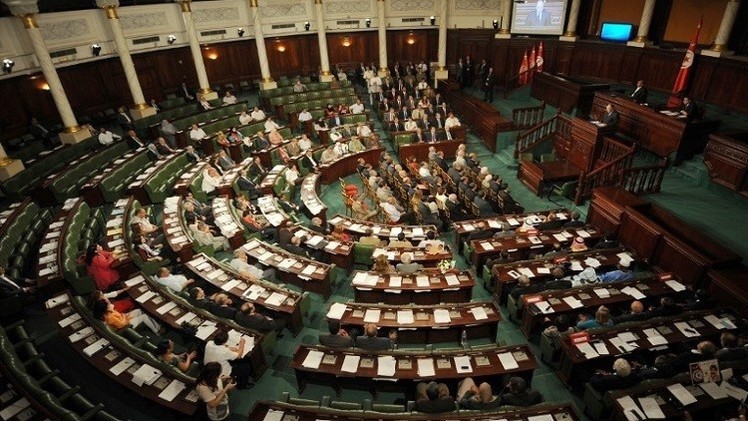
تونس التي أشعلت ثورات الربيع العربي في 2011، تعود تدريجيًا إلى ما كانت عليه من القمع قبل الثورة التونسية، والسبب في هذا القمع يعود بكل تأكيد إلى الأنظمة التي حكمتها بعد تلك الفترة وأسلوب الإدارة الذي اتخذته تلك الأنظمة، ونستطيع أن نأخذها هنا كمثالٍ لنهج الأنظمة المتبع في سوء استغلالها الأزمات لتقضي بها على معارضيها، يُظهر لنا أيضًا كيف تتحول تونس الثورة إلى تونس القمع ما قبل الثورة.

اعتقالات وأحكام قضائية بسبب تدوينات على فيسبوك

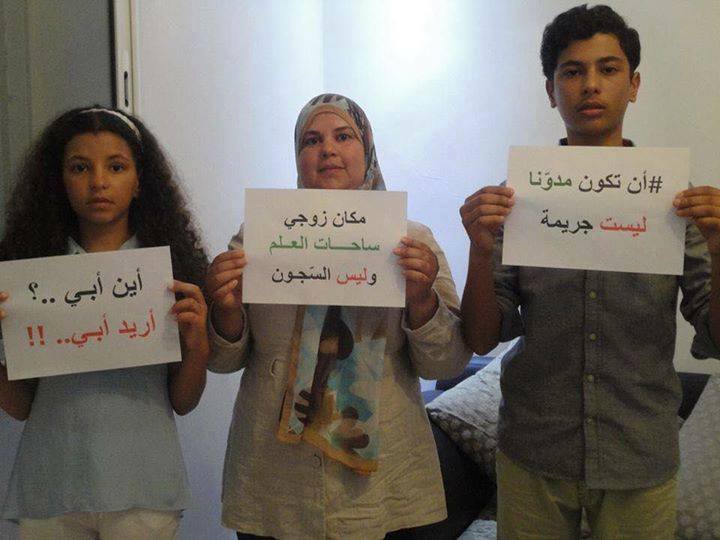
المحكمة الابتدائية بتونس قضت الخميس الماضي الذي وافق تاريخ 30 نوفمبر بالسجن لمدة عام على المدون وأستاذ الرياضيات عبد الفتاح سعيد، مع تغريمه ألفي دينار (960 دولارًا تقريبًا)، وأتى هذا الحكم على خلفية نشر سعيد كتابات تنتقد مسؤولين بالحكومة التونسية على حسابه على موقع التواصل الاجتماعي فيسبوك في شهر يوليو الماضي، وكذلك نشره فيديو عن العملية الإرهابية التي شهدها المنتجع السياحي بالقنطاوي في محافظة سوسة التونسية (وسط شرق) وحديثه عن تورط مسؤولين عموميين في العملية.

نون بوست

يجدر الإشارة إلى أن هذه الواقعة ليست الأولى من نوعها، فبسبب تدوينات نُشرت على الحساب الشخصي على فيسبوك لمدون تونسي آخر يدعى مهيب التومي، وانتقاده تجاوزالأمن في أحداث العنف التي وقعت خلال إحدى فعاليات حملة “وينو البترول”، تم اعتقال المدون في يوليو الماضي، ليحكم في قضيته التي اتهم فيها بالقذف العلني والتطاول على رئاسة الجمهورية بعدم سماع الدعوى في أواخر أغسطس الماضي.

في منتصف أبريل الماضي، أفرجت محكمة الاستئناف في تونس عن المدون، ياسين العياري، بعد قضائه ستة أشهر في السجن وهي نصف العقوبة التي قررتها المحكمة ضده، حيث حوكم العياري عسكريًا بتهمة انتقاد أداء المؤسسة العسكرية بسبب مجموعة من المقالات التي كتبها ونشرها على حسابه الخاص على شبكة التواصل الاجتماعي فيسبوك، بسبب تلك المقالات صدر حكم غيابي بحقه بالسجن 3 سنوات وبعد اعتقاله في ديسمبر من العام 2013 وتقديمه استئناف على هذا الحكم خُفف الحكم إلى سجن سنة مع النفاذ ليقضي نصف المدة قبل أن يُفرج عنه.

تقويض حرية التعبير لم يقتصر على مواقع التواصل الاجتماعي وحسب، بل طال أيضًا عمل الصحفيين والإعلاميين في نشر الأخبار والأحداث ومجريات الأمور، ففي منتصف الشهر الماضي أقيل رئيس التليفزيون الحكومي في تونس بعد بث التليفزيون صورًا لرأس الشاب، مبروك سلطاني، الذي ذُبح في سيدي بوزيد منتصف نوفمبر الماضي على يد أعضاء منتمين لتنظيم الدولة، وذهبت الدولة إلى تحذير الصحفيين الذين يبثون مثل تلك الصور، وقالت في بيان أصدرته وزارة العدل التونسية أن من يخالف ذلك من الصحفيين يمكن أن يواجه تهم تقويض جهود البلاد في مكافحة الإرهاب.

إعلان حالة الطوارئ مرتين في عامٍ واحد

عقب التفجير الذي وقع أواخر يونيو الماضي وأدى إلى مقتل نحو 39 سائحًا أغلبهم من السياح البريطانيين، دعا الرئيس التونسي الباجي قايد السبسي الحكومة إلى اتخاذ إجراءات “موجعة” لمكافحة الإرهاب، وقالت الرئاسة إن “المجلس الوطني للأمن” الذي يضم وزيري الدفاع والداخلية وعدد من القيادات العسكرية والأمنية، وضع خطة أمنية متكاملة لتفعيل التصدي لأي عملية إرهابية قد تستجد بالبلاد، لكن تلك الإجراءات الموجعة للإرهاب والخطة الأمنية المتكاملة للتصدي لأي عمليات مشابهة، لم تحاسب المتورطين في الحادث الذي تبناه تنظيم الدولة، ولم تتصد فعليًا للعمليات المشابهه، لكنها كانت ستارًا لتوقيف المدونين والناشطين المعارضين للنظام أمثال المدون عبد الفتاح سعيد.

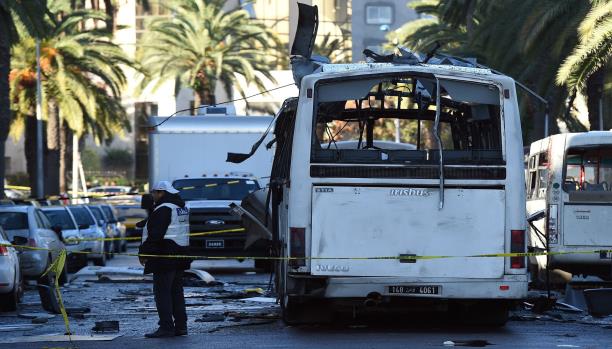
فقد شهدت العاصمة التونسية تفجيرًا تبناه تنظيم الدولة أيضًا في 24 من نوفمبر الماضي بعد تفجير حافلة تقل حرسًا رئاسيًا والتي راح فيها نحو 13 قتيلًا وأكثر من 20 جريحًا، لكن هذا الحادث ربما تم استغلاله كغيره ليتم انتهاك بعض الحقوق الإنسانية، فإبان الحادث تم الاعتداء اللفظي والجسدي على نحو 30 صحفيًا ممن وصلوا لتصوير مكان الحادث، وقامت قوات الأمن بتطويق المكان ورفضت السماح للصحافيين بمزاولة عملهم، كما قامت بتحطيم بعض المعدات وآلات التصوير الخاصة بالصحفيين، فاستغل الحادث للتضييق والتعدي على الصحفيين ومنعهم من مممارسة عملهم، ورأى البعض ذلك أنه تعدٍ على حق الجمهور في الحصول على المعلومات وحكر نشر المعلومات على المصادر الرسمية فحسب.

نون بوست

أما السبسي، فقد خرج معلنًا حالة الطوارئ مدة 30 يومًا، للمرة الثانية هذا العام، كما فرض حظر التجول في العاصمة من  التاسعة مساءً حتى الخامسة صباحًا إلى أجلٍ غير مسمى، وذلك بعد أقل من شهرين على رفعها، حيث رفعت السلطات التونسية حالة الطوارئ مطلع أكتوبر الماضي، بعد أن استمرت ثلاثة أشهر متتالية منذ أن فرضت في الرابع من يوليو إثر هجوم سوسة، وكان آخر وقت أُعلنت فيه حالة الطوارئ قبل الأخيرتين هو إبان الثورة التونسية في العام 2011، وقد رفعت في مارس 2014.

حالة الطوارئ تمنح السلطة التنفيذية سلطات كثيرة في حظر الإضرابات والمسيرات وكذلك حظر التجمعات التي تصنفها على أنها مخلة أو مهددة للأمن، وأيضًا تعطيها القدرة على فرض الإقامة الجبرية على الأشخاص الذين تعتبر السلطة التنفيذية نشاطهم خطيرًا على الأمن والنظام، كما يحق لها اتخاذ إجراءات لمراقبة الصحافة والبث الإذاعي وكل أنواع المنشورات، وحتى العروض السينمائية والمسرحية، في ظل غياب الرقابة القضائية المباشرة على تلك الإجراءات، ما يهدد المساس بالحقوق الأساسية للأفراد والجماعات.

تلك السلطات مُنحت إلى السلطة التنفيذية لا سيما وزارة الداخلية التونسية (الوالي أو المحافظ) بموجب حالة الطوارئ المفروضة، رغم أن متابعين يرون أنه لا يوجد ظروف استثنائية حقيقية كحالة حرب أو فتنة اجتماعية ستؤدي إلى اندلاع حرب أهلية أو غيرها من المخاطر الداهمة التي قد تعرض كيان الدولة للزوال والتي تستدعي إعلان حالة الطوارئ، كما يرون أن الاستناد في إعلان حالة الطوارئ على مرسوم صدر في 1978 الذي يمكن الرئيس من اتخاذ تلك الخطوة لا يتناسب مع أحكام الدستور الجديد ومنظومة الحقوق والحريات التي تقتضيها دولة مدنية ديمقراطية، كما أن الإجراءات المُتخذة لا تتناسب مع الواردة في المرسوم ولا تتناسب مع الشروط المستوجبة لإعلان الحالة الاستثنائية الواردة في الدستور التونسي.

وقد أشار تقرير لمنظمة العفو الدولية أن السلطات تسيء استخدام تدابير حالة الطوارئ، وقالت إنه منذ الإعلان عن فرض حالة الطوارئ في يوليو الماضي نفذ ما لا يقل عن 1880 مداهمة  لمنازل مواطنين في مختلف أنحاء البلاد، فيما اعتقل 155 شخصًا على الأقل بسبب الاشتباه بهم، بينما وضع 138 شخصًا قيد الإقامة الجبرية.

نون بوست

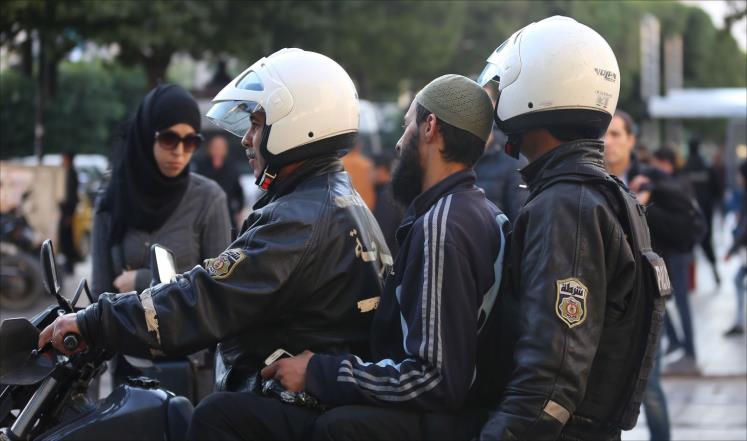
ولفتت إلى أن عمليات المداهمة التي يقوم بها مسلحون ملثمون من عناصر الشرطة تروع العائلات بسبب اقتحام وتكسير الأبواب وتفتيش المنازل دون التعريف عن أنفسهم أو إبراز أي مذكرات أو قرارات تسمح بالتفتيش، كما تحدثت عن تصويب البنادق إلى سكان تلك البيوت، الأمر الذي يسبب الرعب للأطفال والأمراض لكبار السن من أصحاب الأمراض المزمنة، وأشارت المنظمة الدولية إلى تعرض البعض ممن يتم اعتقالهم إلى الضرب أثناء نقلهم للاستجواب.

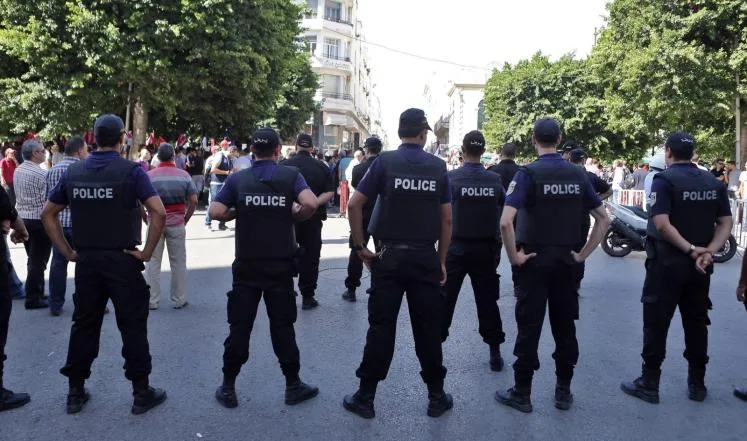
مع تلك الإجراءات التي اتخذتها السلطات التونسية في مقايضة الأمن بالحرية فإنها اتخذت إجراءات أخرى مع إعلان حالة الطوارئ في يوليو الماضي قضت بإغلاق نحو 80 مسجدًا تقول الحكومة إنها خارجة عن سيطرة الدولة، كما حظرت المظاهرات في جميع أنحاء الدولة التونسية، واستخدمت القوة المفرطة لتفريق المحتجين، وأوقعت العديد من الإصابات في صفوف المتظاهرين.

قوانين تعضد القمع

من ضمن الإجراءات “الموجعة لمكافحة الإرهاب” التي تحدث عنها السبسي أعقاب تفجير سوسة أواخر يونيو الماضي تمرير قانون جديد لـ “مكافحة الإرهاب وغسيل الأموال” من خلال البرلمان التونسي، القانون ثغرته الأساسية تكمن في كونه مطاطًا وفضفاضًا فلا يوجد به تعريف لـ “الإرهابي”، أو ما هو الإرهاب؟ وإنما يكتفي بتعريف “الجريمة الإرهابية”،  وهو ما قد يتسبب في قمع بعض الأعمال كالمظاهرات السلمية تحت هذه المزاعم، كما يسمح باحتجاز المشتبه بهم بمعزل عن العالم لمدة تصل إلى 15 يومًا دون السماح لمحامييهم أو عائلاتهم بزيارتهم ما يزيد من مخاطر تعرضهم لسوء المعاملة أو تعذيب.

نون بوست

القانون الجديد الذي يُعد بديلًا عن قانون 2003 الذي استغله الرئيس المخلوع زين العابدين بن علي في محاكمة نحو 3000 شخص، بحسب منظمات حقوقية، أبقى هذا القانون على عقوبة الإعدام، كما فرض رقابة كبيرة على مواقع التواصل الاجتماعي، ويسمح كذلك بعقد جلسات غيرعلنية للمحكامات دون أن يحدد المعايير الواجب توافرها في إجراء الجلسة المغلقة، كما أن القانون نص على عدم الكشف عن المعطيات التي من شأنها تحديد هوية الشهود، وهذا يحرم المتهمين من حق الاعتراض على تلك الشهادات وإعداد دفاع جيد.

كما استخدم عبارات فضفاضة في التهم الخاصة بالإشادة أو تمجيد الإرهاب، الذي قد يصل حكمه بالسجن حتى 5 سنوات، إذ يرى مراقبون أن القانون أفرط في المحاسبة على أساس الشبهة وليس على أساس ثبوت الجريمة، كما يمنح قوات الأمن سلطات واسعة في مراقبة الأشخاص، حيث يمنح القانون أجهزة الأمن والمخابرات سلطة استثنائية  في استخدام طرق تحرّي خاصة كالتنصّت واختراق المكالمات والاطلاع على محتوى الاتصالات ونسخها وتسجيلها.

TAGGED: الإرهاب في تونس ، القمع في تونس ، حالة الطوارئ ، حرية التعبير ، قانون مكافحة الإرهاب التونسي
Download this article as PDF
Share this Article
Facebook Twitter Whatsapp Whatsapp Telegram Email Copy Link
شيماء الحديدي
By شيماء الحديدي صحافية مصرية وباحثة في الشأن الحقوقي
Follow:
Next Article نون بوست The Stigma of “ISIS”: A Heavy Legacy Haunting Women and Children of Former Members

Read More

  • U.S. Regime‑Change Policies: Why They Are Destined to Fail U.S. Regime‑Change Policies: Why They Are Destined to Fail
  • The Gulf’s Balancing Act: Iran, Israel, and Hidden Links
  • Iraq–Turkey Oil Export Treaty: Why Did Ankara Cancel It After 52 Years?
  • Syria’s Northeast on Edge: QSD Between Ankara and Damascus
  • Has Europe Changed Its Stance on Israel… or Just Its Language?
part of the design
NoonPost Weekly Newsletter

You May Also Like

U.S. Regime‑Change Policies: Why They Are Destined to Fail

U.S. Regime‑Change Policies: Why They Are Destined to Fail

إسراء سيد Esraa sayed 8 April ,2026
The Gulf’s Balancing Act: Iran, Israel, and Hidden Links

The Gulf’s Balancing Act: Iran, Israel, and Hidden Links

فريق التحرير Noon Post 8 April ,2026
Iraq–Turkey Oil Export Treaty: Why Did Ankara Cancel It After 52 Years?

Iraq–Turkey Oil Export Treaty: Why Did Ankara Cancel It After 52 Years?

فريق التحرير Noon Post 8 April ,2026
dark

An independent media platform founded in 2013, rooted in slow journalism, producing in-depth reports, analysis, and multimedia content to offer deeper perspectives on the news, led by a diverse young team from several Arab countries.

  • Politics
  • Society
  • Rights & Liberties
  • Opinions
  • History
  • Sports
  • Education
  • Technology
  • Economy
  • Media
  • Arts & Literature
  • Entrepreneurship
  • Travel
  • Cinema & Drama
  • Food
  • Health
  • Culture
  • Latest Reports
  • Files
  • Long Reads
  • Interviews
  • Podcast
  • Interactive
  • Encyclopedia
  • In Pictures
  • About Us
  • Our Writers
  • Write for Us
  • Editorial Policy
  • Advanced Search
Some rights reserved under a Creative Commons license

Removed from favorites

Undo
Go to mobile version