NoonPost NoonPost

NoonPost

  • Home
  • Politics
  • Economy
  • Society
  • Culture
  • Files
  • Long Reads
  • Podcast
AR
Notification Show More
نون بوست
“There Are Nights I Can’t Close My Eyes”: How Gazans Are Living in Homes on the Brink of Collapse
نون بوست
From al-Jolani to Ahmad al-Shara: The Evolution of Syria’s New Leader
نون بوست
When Political Islam Receded in Egypt: Who Filled the Void?
نون بوست
An Extension of Genocide: Gaza’s Detainees Speak Out
نون بوست
A Tightrope Between Survival and Sovereignty: The Syrian Government Faces Normalization Pressures
نون بوست
American Aircraft Carriers: Has the Era of “100,000 Tons of Diplomacy” Ended?
نون بوست
U.S. Regime‑Change Policies: Why They Are Destined to Fail
نون بوست
Transformations of Israeli Judaism: Between the Victim Complex and the Colonizer’s Doctrine
نون بوست
The Gulf’s Balancing Act: Iran, Israel, and Hidden Links
نون بوست
Iraq–Turkey Oil Export Treaty: Why Did Ankara Cancel It After 52 Years?
نون بوست
Syria’s Northeast on Edge: QSD Between Ankara and Damascus
نون بوست
Has Europe Changed Its Stance on Israel… or Just Its Language?
NoonPost NoonPost
AR
Notification Show More
نون بوست
“There Are Nights I Can’t Close My Eyes”: How Gazans Are Living in Homes on the Brink of Collapse
نون بوست
From al-Jolani to Ahmad al-Shara: The Evolution of Syria’s New Leader
نون بوست
When Political Islam Receded in Egypt: Who Filled the Void?
نون بوست
An Extension of Genocide: Gaza’s Detainees Speak Out
نون بوست
A Tightrope Between Survival and Sovereignty: The Syrian Government Faces Normalization Pressures
نون بوست
American Aircraft Carriers: Has the Era of “100,000 Tons of Diplomacy” Ended?
نون بوست
U.S. Regime‑Change Policies: Why They Are Destined to Fail
نون بوست
Transformations of Israeli Judaism: Between the Victim Complex and the Colonizer’s Doctrine
نون بوست
The Gulf’s Balancing Act: Iran, Israel, and Hidden Links
نون بوست
Iraq–Turkey Oil Export Treaty: Why Did Ankara Cancel It After 52 Years?
نون بوست
Syria’s Northeast on Edge: QSD Between Ankara and Damascus
نون بوست
Has Europe Changed Its Stance on Israel… or Just Its Language?
Follow US

How Sudan’s Floods Are Undermining Food Security

يوسف بشير
Yousif basher Published 26 March ,2026
Share
نون بوست
نون بوست

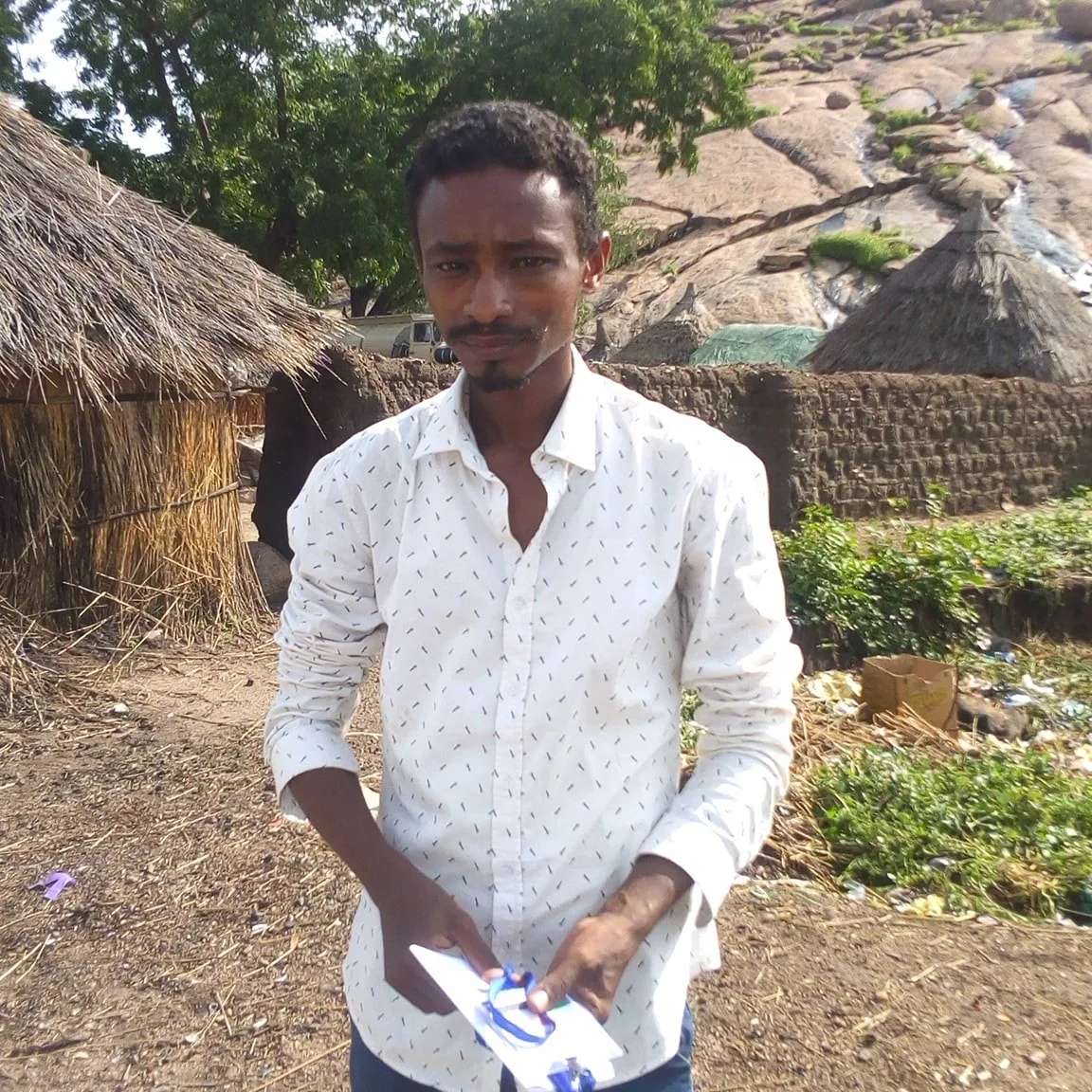
Suleiman Abdel-Hakam stands helplessly before his farm in the village of Mina, near the city of Sennar in southeastern Sudan, watching floodwaters destroy the crops he and his sons had painstakingly planted. The flood breached the earthen barrier they had built, and there is nothing he can do to stop it.

Abdel-Hakam says that, like most farmers in Sudan, they receive no early climate information from the authorities to help them take preventive measures to protect their crops. Instead, they rely on experience, which tells them that the level of the Blue Nile typically rises between August and mid-September each year.

Speaking to Noon Post, he explained that he planted vegetables and banana seedlings in mid-September after observing that the Blue Nile had not risen. But he was soon taken by surprise when the water level began to rise and submerge parts of his farm. He also expressed concern that mango and guava trees could be next.

Climate Shifts and Official Inaction

Unlike previous years, the government failed to implement large-scale preventive measures during this year’s flooding season. Apart from minor interventions by the Civil Defense in Khartoum, there was little response even as floodwaters impacted six states, according to the Ministry of Agriculture and Irrigation.

In the past, Civil Defense teams backed by the government would build earthen barriers in low-lying areas and issue evacuation warnings through the media. But this year, such efforts were virtually nonexistent, even as the disaster worsened day by day.

The Ministry of Agriculture and Irrigation reported that inflows from Ethiopia dropped from 750 million cubic meters to 382 million, causing a decline in Blue Nile levels from Roseires in the south to Khartoum. However, water levels rose from Khartoum to Kajbar in northern Sudan.

In a statement issued Wednesday, October 1, the ministry noted that the floodwaters were concentrated in the states of Khartoum, River Nile, and White Nile. A day earlier, the ministry had attributed the flooding to a shift in rainfall patterns, with the rainy season delayed into late October.

The ministry also reported that rainfall over the Ethiopian highlands the source of the Blue Nile, which supplies 80% of the Nile’s water had exceeded average levels. Meanwhile, the White Nile, originating from Lake Victoria, has seen a 60–100% increase in inflow since 2020, all attributed to climate change.

It added that the rise in water coincided with the filling of the Grand Ethiopian Renaissance Dam (GERD) reservoir, which began on September 10, 2025. As a result, floodwaters merged with dam discharge flows, reaching a peak daily discharge of 750 million cubic meters.

Some continue to insist that the dam is to blame for the flooding. This may explain why Prime Minister Kamil Idris announced his intention to conduct detailed reviews of the dam in coordination with Ethiopia and Egypt to avert future disasters though he has yet to specify how these reviews would be carried out. This comes despite Sudan having signed an agreement with Addis Ababa on October 26, 2022.

Widespread Impact

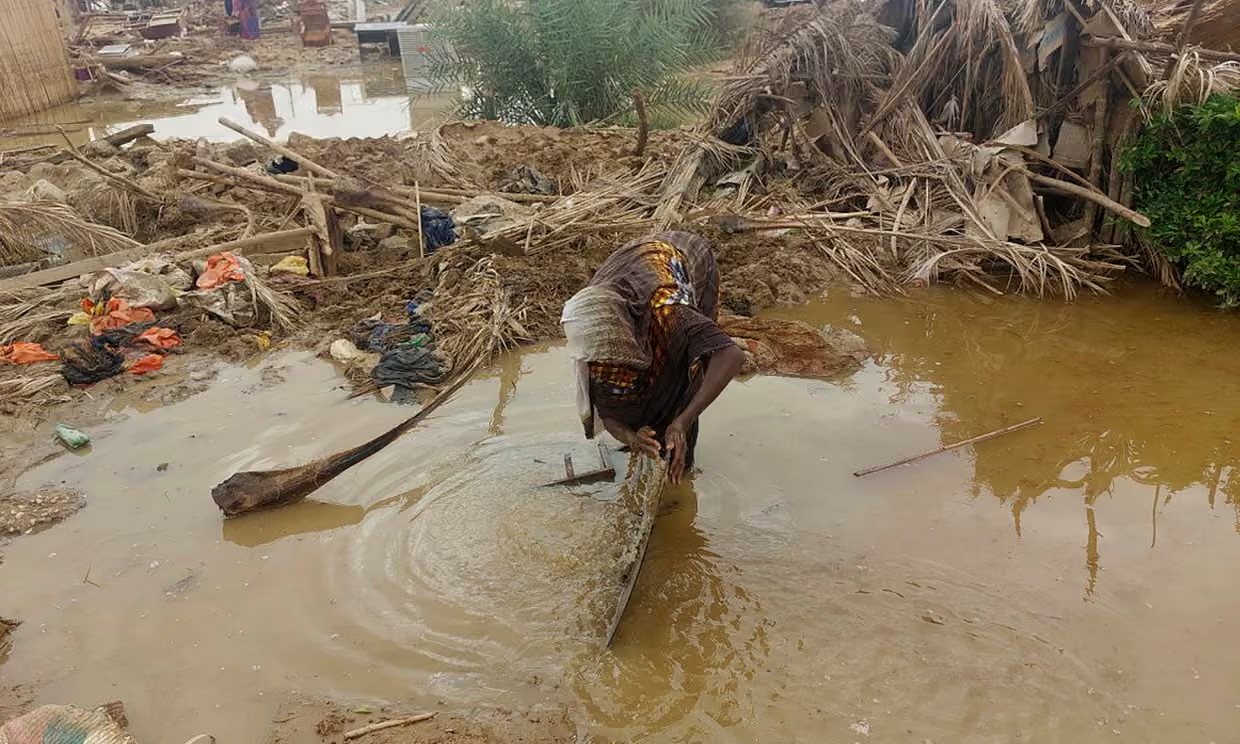
The full extent of damage to agricultural land from the current flooding and heavy rains in recent months remains unclear, but it is undoubtedly vast. Last year’s floods destroyed four million acres of cultivated land.

According to a report by Anadolu Agency, floodwaters submerged large swathes of farmland in areas north of Khartoum, River Nile, and Northern State, in addition to regions in Blue Nile, Sennar, and Gezira.

A government official from Gezira State told Al-Araby Al-Jadeed that more than 3,000 acres of farmland were submerged in the villages of Deem al-Mashayekh, Umm Dulkah, and Qandal some consisting of orchards, others of seasonal crops.

Farmer Abdullah Yaqoub described the situation as a “catastrophe,” saying the floods had compounded the losses farmers already suffered due to war. “For us, farming isn’t just an economic activity measured in profits and losses,” he said. “It’s the foundation of our families’ survival and the source of the bread we hoped to provide for our displaced families. But the floods have destroyed all our hopes.”

Yaqoub warned that villagers who lost their farms now face an acute shortage of staple grains, which they depend on heavily. Despite the massive damage, the authorities have largely stayed on the sidelines.

The floods have devastated Sudan’s agriculture and livestock sector, which employs roughly 80% of the country’s labor force. This sector contributed 31.8% of Sudan’s GDP which totaled $34.3 billion at the end of 2021, according to World Bank estimates but that figure has since plunged due to conflict that has decimated most productive industries.

Aftershocks of a Delayed Flood Season

Floods, once a lifeline for winter farming, are now a threat. Farmers usually begin preparing land in mid-September in anticipation of the winter season, especially in northern Sudan. But this year’s delayed floods have upended those plans.

Farmer Talal Al-Hassan told Noon Post that he relies on flood-based agriculture, “like most residents of Fadlab village near Atbara in northern Sudan. We grow onions, garlic, cilantro, and more. But this year, we need at least a month after the floodwaters recede for the land to dry. That means we won’t be able to plant, as winter is already approaching.”

He noted that residents of northern Sudan depend on fixed seasonal cycles to plant onions, spices, and harvest dates but these timelines have been upended. Local governments, he added, have provided no solutions to protect food security, even after it became clear that planting would be impossible within the coming month.

Most Sudanese farmers whether along rivers or in rain-fed areas rely on short-term loans from merchants secured by post-dated checks or loans from commercial banks against land or home mortgages. If they default, they risk jail time or having their collateral auctioned off.

Abdel-Hakam said he borrowed money from a merchant to buy vegetable seeds, fertilizer, and fuel. Now, unable to repay his debt, he fears the consequences.

This year’s floods have dealt a severe blow to the agricultural sector, especially after 89% of farmers in Darfur and Kordofan saw a decline in production due to ongoing conflict, collapsed supply chains for seeds, fertilizer, fuel, and equipment.

Those who managed to plant crops despite the lack of security also faced insufficient rainfall at the start of the season.

With Sudan requiring 7.7 million tons of grains annually, the drop in production will necessitate more imports pushing prices even higher. But most Sudanese, having lost their livelihoods and with the national currency in freefall, simply cannot afford imported food.

Relief Cannot Be the Sole Answer

The floods compounded by ongoing war pose a grave threat to food security. The crisis is deepening in the absence of a strong governmental response or innovative solutions in a country where 30.4 million people 64% of the population are in need of humanitarian aid this year.

The United Nations initially planned to assist around 21 million Sudanese in 2025, but later reduced the target to 17.3 million due to funding shortages. As of the latest update from the UN Office for the Coordination of Humanitarian Affairs, only $1.05 billion 25.2% of the $4.2 billion needed has been secured.

While aid agencies struggle to raise funds for war victims amid access restrictions, the flood crisis adds yet another burden one that relief groups may not be able to ease. Millions could be left without food.

The government must act urgently to rehabilitate damaged farmland, supply farmers with seeds and fertilizer, and finance farming operations. Without such support, Sudan risks a full-scale collapse of its agricultural sector and a long-lasting hunger crisis.

Download this article as PDF
Share this Article
Facebook Twitter Whatsapp Whatsapp Telegram Email Copy Link
يوسف بشير
By يوسف بشير صحافي سوداني
Follow:
Previous Article نون بوست “If We Are Determined to Succeed, We Will Survive Together”: An Interview with Syrian Novelist Fawwaz Haddad
Next Article نون بوست After a Long Silence: Is Ahmed Ali Preparing for a New Battle in Yemen?

Read More

  • Militias and Iran Fuel Iraq’s Oil Crisis Militias and Iran Fuel Iraq’s Oil Crisis
  • Basra’s Water Crisis: Thirst Amid Oil and Salt
  • Chinese Investments in Egypt: Acceptable Privileges, Legitimate Concerns
  • Who Bears the Cost of Egypt's Generosity?
  • Money Laundering in Egypt: The Shadow Economy Devours the State
part of the design
NoonPost Weekly Newsletter

You May Also Like

Militias and Iran Fuel Iraq’s Oil Crisis

Militias and Iran Fuel Iraq’s Oil Crisis

فريق التحرير Noon Post 26 March ,2026
Basra’s Water Crisis: Thirst Amid Oil and Salt

Basra’s Water Crisis: Thirst Amid Oil and Salt

طه العاني Taha Alane 26 March ,2026
Chinese Investments in Egypt: Acceptable Privileges, Legitimate Concerns

Chinese Investments in Egypt: Acceptable Privileges, Legitimate Concerns

عماد عنان Emad Anan 26 March ,2026

هل يُطبخ التعديل الوزاري في تونس على نار حارقة؟

عبد الحليم الجريري
عبد الحليم الجريري Published 9 December ,2015
Share
habib-essid-1

أن يعلن رئيس الحكومة عن نيته القيام بتعديل وزاري هام مباشرة بعد انتهاء مناقشة ميزانية السنة القادمة قريبًا، ثم يتبع هذا الإعلان بتصريح استثنائي لوسائل الإعلام يقول إن ظنه قد خاب في أداء العديد من الوزراء الذين اصطفاهم للقيام بمهام في صلب الحكومة، فذلك يحيلنا إلى عدة نقاط نوجزها كالتالي:

أولا: هنالك ارتباط وثيق لا يختلف حوله اثنان بين الإعلان عن التعديل والعملية الأخيرة التي استهدفت رجال الأمن الرئاسي، حيث يبدو أن السيل قد بلغ الزبى وأن تغيير بعض الحقائب الوزارية بات واجبًا وطنيًا.

ثانيًا: محاولة رأب الصدع الذي أصاب الحكومة على مستوى عدم قدرتها على الإيفاء بتعهداتها بخصوص الاقتصاد والتنمية والتشغيل والأمن، خاصة أن أولى تعهدات الحبيب الصيد كانت على هذه المستويات، تجعلنا شبه متأكدين من أن التعديلات ستلمس وزارة الداخلية، وزارة التشغيل، وزارة الصناعة والتجارة، ووزارة السياحة خاصةً باعتبارها عصب الحكومة “والمانيفيست” المحرك لدورة الاقتصاد في البلاد.

ثالثًا: الانتقادات المتكررة وحتى الحملات المشنة ضد بعض الوزراء وأدائهم مثل وزيرة السياحة ووزير الداخلية أوجبت على الحبيب الصيد الإعلان عن تعديل قريب، إذ تفيد بعض المصادر المطلعة أن هذا الأخير سوف يحيل سلمى اللومي الوزيرة الحالية للسياحة إلى منصب الاستشارة لدى رئيس الجمهورية بمعية سليم شاكر وزير المالية الذي سيكلف بمهمة مستشار للاقتصاد لدى رئاسة الجمهورية أيضًا، كما تعبر الإقالة الأخيرة لرفيق الشلي من منصب كاتب دولة لدى وزير الداخلية مكلف بالأمن على أن أداء وزارة الداخلية غير مرضي عنه، فبعض الأقاويل تذهب الى أن ناجم الغرسلي سوف يبقى على رأس وزارة الداخلية فيما سيشمل التغيير كوادر من العاملين بها واستبدالهم بكوادر أمنية سابقة عملت – كما يروج – مع نظام بن علي.

في لقاء الحبيب الصيد بالإعلامي توفيق مجيد على قناة فرانس 24 الأخير عبر رئيس الحكومة عن رضاه التام على بعض الوزراء وشبه الرضاء على وزراء آخرين وعدم رضاه على المتبقين، وبالاستناد إلى تسريبات جانبية لبعض المقربين من رئاسة الحكومة يمكننا تحديد الوزراء المزمع إقالتهم وتحديد أسباب هذه الإقالات:

ـ وزيرة السياحة سلمى اللومي التي يبدو أنها من الوزراء غير المرضي عنهم، خاصةً بعد الهبوط المطرد لمستوى السياحة بالبلاد بالإضافة إلى بعض القرارات الارتجالية المتخذة من قٍبلها في كل مناسبة، وسيتم على ما يبدو دمج وزارتها مع وزارة التجارة والصناعة ليحمل حقيبة الوزارتين وزير واحد.

ـ وزير الدفاع الذي سيُقال ويعوض، كما روج، برئيس الديوان الرئاسي رضا بلحاج والأسباب تنسحب ـ حسب مراقبين ـ إلى إرادة الائتلاف الحاكم تحييد وزارة الدفاع وتعيين وزير من المديرين أو الإطارات الذين لا دخل لهم بالعسكر (أي ليسوا من العسكريين).

ـ وزير المالية سليم شاكر الذي أسلفنا القول بأنه سيتحول إلى منصب الاستشارة لدى رئاسة الدولة.

ـ ناجم الغرسلي وزير الداخلية الذي نصنفه ضمن مجموعة الوزراء نصف المرضي عنهم باعتبار أن التغيير قد يشمل قواعد وزارته فقط.

ـ فرحات الحرشاني وزير العدل بالنيابة الذي عين بصفة استثنائية وغريبة بعض الشيء بعد إقالة محمد صالح بن عيسى بسبب خلاف بشأن المجلس الأعلى للقضاء كما صرح لوسائل الإعلام، لكننا نذهب إلى كون سبب الإقالة هو تصريحه المتحدي للسفير الأمريكي الذي اتهمه بالتدخل في الشأن التونسي.

ونرى أن الإبقاء سيكون لناجي جلول الوزير الأبرز إعلاميًا خاصةً وأن الشائعات تقول باتجاه النية إلى دمج وزارة التعليم العالي بوزارته وزارة التربية، كما سيتم الإبقاء على سعيد العايدي وزير الصحة وهما الوزيران المصنفان ضمن الوزراء المرضي عنهم كما نرى، ولا نغالي إذا أشرنا إلى أن الحكومة القادمة قد تشمل وزارات من حزب النهضة أكثر من سابقتها، إذ إن نجاة الحركة من واجهة الانتقادات التي أصابت وزراء النداء وأحزاب أخرى تحت الخاصرة، خلق لها نوعًا من التعاطف من المتابعين، وهو ما سيعكس اكتساحها للانتخابات البلدية القادمة على ما يبدو، ولا نظن أن رئيس الحركة راشد الغنوشي قد ذهب عنه هذا، لذلك فإننا نستشرف رفض مناصب حساسة في الوزارات إذا ما عرضت على بعض التابعين لحركة النهضة في التعديل الوزاري القادم، وهو ما أثبته الأخذ والرد من راشد الغنوشي بعد أن عرضت عليه حقيبة وزارة سيادية مؤخرًا.

يبقى في النهاية السؤال: ما مدى حرية الحبيب الصيد رئيس الحكومة ذي الصلاحيات الواسعة دستوريًا في اختيار الكفاءات التي يراها مناسبة لرفع تحديات المرحلة القادمة المثقلة المصاعب اقتصاديًا واجتماعيًا وسياسيًا، وهل إن رضي عن ـ واختار ـ بعض الكفاءات لن تتدخل أطراف من الائتلاف الحاكم بنفوذها لرفع الفيتو أمام هذا وتقديم بديل آخر يناسب حساباتها الحزبية الضيقة، لذلك نعتقد أن التعديل الحكومي سيُطبخ على نار حارقة إذا ما امتد إلى أسماء لها نفوذها وصلاتها وحتى قرابتها ببعض النافذين في أحزاب ذات الائتلاف، سلمى اللومي نموذجًا.

TAGGED: آفاق تونس ، أمن تونس ، اقتصاد تونس ، الأحزاب التونسية ، حكومة تونس
TAGGED: الأزمة التونسية
Download this article as PDF
Share this Article
Facebook Twitter Whatsapp Whatsapp Telegram Email Copy Link
عبد الحليم الجريري
By عبد الحليم الجريري كاتب وصحافي تونسي
Follow:
Next Article نون بوست The Stigma of “ISIS”: A Heavy Legacy Haunting Women and Children of Former Members
part of the design
NoonPost Weekly Newsletter
dark

An independent media platform founded in 2013, rooted in slow journalism, producing in-depth reports, analysis, and multimedia content to offer deeper perspectives on the news, led by a diverse young team from several Arab countries.

  • Politics
  • Society
  • Rights & Liberties
  • Opinions
  • History
  • Sports
  • Education
  • Technology
  • Economy
  • Media
  • Arts & Literature
  • Entrepreneurship
  • Travel
  • Cinema & Drama
  • Food
  • Health
  • Culture
  • Latest Reports
  • Files
  • Long Reads
  • Interviews
  • Podcast
  • Interactive
  • Encyclopedia
  • In Pictures
  • About Us
  • Our Writers
  • Write for Us
  • Editorial Policy
  • Advanced Search
Some rights reserved under a Creative Commons license

Removed from favorites

Undo
Go to mobile version