NoonPost NoonPost

NoonPost

  • Home
  • Politics
  • Economy
  • Society
  • Culture
  • Files
  • Long Reads
  • Podcast
AR
Notification Show More
نون بوست
“There Are Nights I Can’t Close My Eyes”: How Gazans Are Living in Homes on the Brink of Collapse
نون بوست
From al-Jolani to Ahmad al-Shara: The Evolution of Syria’s New Leader
نون بوست
When Political Islam Receded in Egypt: Who Filled the Void?
نون بوست
An Extension of Genocide: Gaza’s Detainees Speak Out
نون بوست
A Tightrope Between Survival and Sovereignty: The Syrian Government Faces Normalization Pressures
نون بوست
American Aircraft Carriers: Has the Era of “100,000 Tons of Diplomacy” Ended?
نون بوست
U.S. Regime‑Change Policies: Why They Are Destined to Fail
نون بوست
Transformations of Israeli Judaism: Between the Victim Complex and the Colonizer’s Doctrine
نون بوست
The Gulf’s Balancing Act: Iran, Israel, and Hidden Links
نون بوست
Iraq–Turkey Oil Export Treaty: Why Did Ankara Cancel It After 52 Years?
نون بوست
Syria’s Northeast on Edge: QSD Between Ankara and Damascus
نون بوست
Has Europe Changed Its Stance on Israel… or Just Its Language?
NoonPost NoonPost
AR
Notification Show More
نون بوست
“There Are Nights I Can’t Close My Eyes”: How Gazans Are Living in Homes on the Brink of Collapse
نون بوست
From al-Jolani to Ahmad al-Shara: The Evolution of Syria’s New Leader
نون بوست
When Political Islam Receded in Egypt: Who Filled the Void?
نون بوست
An Extension of Genocide: Gaza’s Detainees Speak Out
نون بوست
A Tightrope Between Survival and Sovereignty: The Syrian Government Faces Normalization Pressures
نون بوست
American Aircraft Carriers: Has the Era of “100,000 Tons of Diplomacy” Ended?
نون بوست
U.S. Regime‑Change Policies: Why They Are Destined to Fail
نون بوست
Transformations of Israeli Judaism: Between the Victim Complex and the Colonizer’s Doctrine
نون بوست
The Gulf’s Balancing Act: Iran, Israel, and Hidden Links
نون بوست
Iraq–Turkey Oil Export Treaty: Why Did Ankara Cancel It After 52 Years?
نون بوست
Syria’s Northeast on Edge: QSD Between Ankara and Damascus
نون بوست
Has Europe Changed Its Stance on Israel… or Just Its Language?
Follow US

Irregular Migration and the Plight of Yemenis in Libya: An Interview with the Yemeni Ambassador

بشرى الحميدي
Bushra Alhomidy Published 26 March ,2026
Share
نون بوست
نون بوست

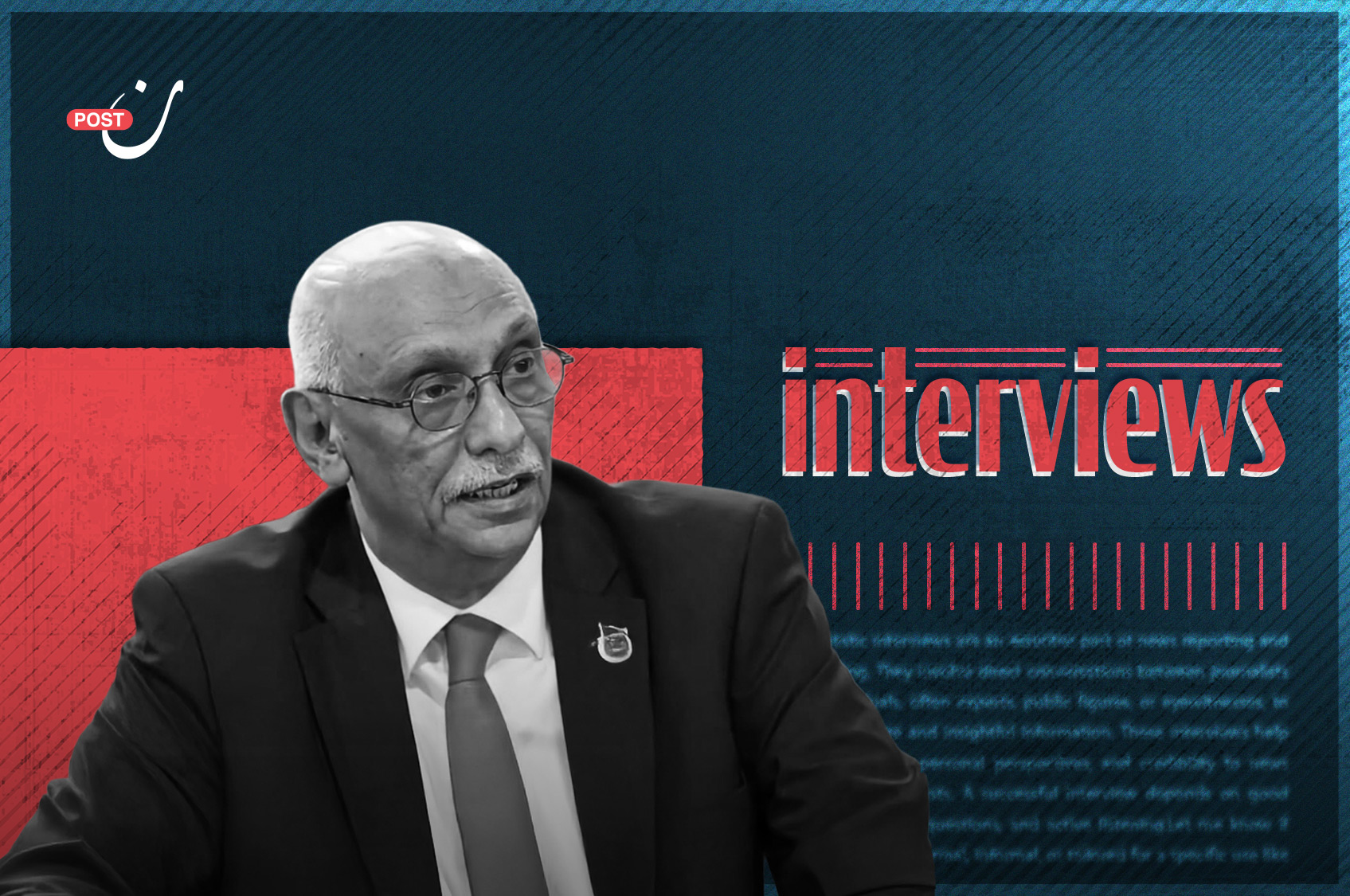
In the midst of Yemen’s protracted crisis, now entering its ninth year, Libya has emerged as a key transit point for hundreds of young Yemenis seeking refuge or a path to Europe. With deep political and security divisions within Libya, the country has become a treacherous corridor, where migrants face exploitation by smugglers operating with near-total impunity.

In this exclusive interview, Dr. Hassan Mohammed Al-Hard, Ambassador Extraordinary and Plenipotentiary of the Republic of Yemen to Libya, offers a comprehensive account of the situation facing Yemenis detained in Libya: their numbers, conditions of detention, and the dangers they face.

He also explores the socioeconomic and political factors driving this migration trend and outlines possible legal alternatives, highlighting the responsibilities of both Yemeni and international authorities in curbing trafficking networks and safeguarding citizens.

Q: According to the latest data, how many Yemenis are currently detained in Libya? How many have been released or repatriated since the beginning of the year?

Most Yemenis enter Libya irregularly via Egypt and Sudan, reaching the eastern part of the country. The embassy usually learns of their presence only after they are detained by Libya’s Department for Combating Illegal Migration (DCIM).

We receive information through relatives, friends, social media, international organizations such as the International Organization for Migration (IOM), or Libyan institutions and humanitarian groups like the Red Crescent. Often, former detainees provide leads on others still in custody. Naturally, those who enter Libya unlawfully avoid embassy contact, as their ultimate goal is reaching Europe via irregular means.

There are no consistent statistics until they’re detained. Every time we complete repatriation procedures, a new group is arrested. From January 2025 to the present, 73 Yemenis have been released and deported. Another 13 will be repatriated this week, while 4 remain in detention and are scheduled for repatriation in early October, pending flight arrangements between Benghazi, Cairo, and Aden.

On September 22, 2025, we learned that a Yemeni migrant drowned alongside Sudanese migrants when their boat capsized off the coast of Tobruk in eastern Libya. We are following up with Libyan authorities through the Yemeni community. Since 2019, four Yemenis have died trying to cross the Mediterranean.

Q: What are the living conditions of Yemenis detained in Libya’s immigration centers? Are they receiving medical and humanitarian support?

From our visits either by embassy officials in western Libya or through Yemeni community members in the east and south we can confirm that detainees are generally treated with respect. Libyan authorities understand Yemen’s difficult situation and treat Yemenis humanely.

Most government institutions in Libya cooperate with the embassy and the Yemeni community. There are no major obstacles to visitation or deportation processes, particularly for those with court orders or deportation notices. For those without such orders, the embassy or local community provides guarantees to secure their release and eventual repatriation.

Q: Are there administrative or political differences between eastern and western Libya that affect detained Yemenis?

Due to Libya’s political division, there are two governments: the internationally recognized Government of National Unity in the west and the unrecognized Government of National Stability in the east. We liaise with eastern institutions through the Yemeni community, given the grassroots nature of their work. In western areas like Tripoli, we formally communicate with relevant authorities to secure the release or repatriation of detainees.

Libyan officials are generally understanding and responsive to our requests. The embassy and the community regularly visit detention centers, coordinate with DCIM, issue temporary travel documents, and arrange deportation flights.

Q: Does the embassy face challenges in reaching detainees or contacting Libyan authorities in specific regions?

Most Yemeni migrants are young men (aged 20–35) hoping to improve their economic situation by reaching Europe. However, this journey exposes them to significant risks, including exploitation and extortion by human traffickers. Only a few successfully reach Europe; most are arrested and deported.

The risks are severe both on land and sea. Many cross the Mediterranean on dangerous inflatable boats. In some cases, smugglers abandon them at sea or off the Tunisian coast, misrepresenting it as European territory. Survivors often end up detained by Tunisian coast guards.

The phenomenon is growing. Those who succeed encourage others to try, worsening the crisis. Our biggest challenge is accessing detainees in Libya’s east and south, where our only channel is the Yemeni community despite the embassy’s limited resources.

Q: What are the main drivers pushing Yemenis to risk irregular migration through Libya, despite the dangers?

We strongly discourage Yemenis from entering Libya illegally. Despite the cooperation we receive from Libyan institutions, irregular migration puts lives at grave risk. The embassy’s role is to repatriate detainees not facilitate migration to Europe. If migration is unavoidable, it must be through legal and regulated means, both for entering Libya and for traveling to Europe.

We are working to open legitimate work opportunities in Libya for Yemeni expatriates, with proper sponsorship and legal protections in place.

Q: How would you assess the level of cooperation between the Yemeni embassy and Libyan authorities regarding detainee release and deportation? Is there balance between eastern and western regions?

Most Libyan institutions cooperate well with the embassy and Yemeni community, especially in facilitating visits and deportations. Those without deportation orders are often released on embassy or community guarantees. Relevant authorities are responsive and help coordinate with DCIM centers. The IOM has repatriated Yemenis in the past but later stopped, citing its policy against repatriating individuals from one conflict zone to another, as both Libya and Yemen are considered such areas.

Q: What steps is the embassy taking to protect Yemenis who may be victims of human trafficking or extortion?

The embassy’s core mission is to return detainees safely to Yemen—not support illegal migration. We aim to establish new legal avenues for Yemenis to work in Libya through legitimate recruitment channels. We also investigate cases of suspected trafficking or extortion and provide legal and humanitarian assistance for their safe return.

Q: Does the embassy have a mechanism to document missing persons or long-term detainees? What role does the Yemeni community play in this?

Yes, we document all cases of detention and disappearance, submitting regular reports to Yemen’s Ministry of Foreign Affairs, which then informs other relevant ministries. The Yemeni community plays a vital role, particularly in areas inaccessible to the embassy. They support detainees, supply essential goods, share information, and coordinate with us for deportations. Their efforts also include providing emotional support during detention.

Q: How can diplomatic representation be improved to ensure better protection for Yemenis in Libya?

We face serious limitations, especially in eastern and southern Libya. Strengthening the embassy’s financial and human resources is key. Improved communication with Libyan authorities in all regions is also essential. Coordination between the Yemeni embassies in Tripoli and Cairo is critical to stem illegal migration from Egypt into Libya and manage deportations, which often pass through Cairo. Increased logistical and financial support would enhance diplomatic representation and protect citizens from exploitation.

Q: What are the main dangers Yemenis face while trying to migrate from Libya to Europe? Are there accurate records of drownings or deaths since 2019?

The most serious risks include illegal entry into Libya, which leads to legal repercussions, imprisonment, and eventual deportation. Migrants are frequently trafficked, extorted, and sometimes thrown into the sea without safety measures. Since 2019, four Yemenis are known to have drowned in the Mediterranean, underscoring the perilous nature of the journey.

Q: What is your message to young Yemenis considering irregular migration, and what alternatives exist for them?

We strongly urge young Yemenis to avoid illegal migration to Libya. Despite the relative cooperation from Libyan authorities, the risks are enormous. The embassy’s role is repatriation not enabling migration to Europe. We advise youth to seek legal work opportunities, either in Libya or elsewhere. We are actively pursuing legal labor migration frameworks to help Yemenis travel and work safely.

Q: How can the Yemeni government, NGOs, and media collaborate to highlight the plight of detainees and prevent the issue from being forgotten?

This collaboration is crucial. The government must provide greater resources to the embassy to protect citizens abroad. NGOs can spotlight the plight of Yemeni detainees in international forums. The media plays a vital role in raising awareness and exposing violations. A coordinated effort among all three can reduce risks, improve protections, and ensure that detainees’ rights are upheld.

Q: Are there steps being taken to document Yemeni migrants’ experiences and help them reintegrate upon return?

Yes. We document the experiences of all deportees and submit reports to the Ministry of Foreign Affairs. In collaboration with the Yemeni community, we help them reintegrate into society, meet basic needs, and access legal employment. These experiences should be used to educate other young Yemenis and inform future protection and awareness efforts fostering a culture of safe, legal migration.

Download this article as PDF
Share this Article
Facebook Twitter Whatsapp Whatsapp Telegram Email Copy Link
بشرى الحميدي
By بشرى الحميدي
Follow:
Previous Article نون بوست After a Long Silence: Is Ahmed Ali Preparing for a New Battle in Yemen?
Next Article نون بوست The Industry of Destruction: How Israel Profits from Demolishing Our Homes

Read More

  • U.S. Regime‑Change Policies: Why They Are Destined to Fail U.S. Regime‑Change Policies: Why They Are Destined to Fail
  • The Gulf’s Balancing Act: Iran, Israel, and Hidden Links
  • Iraq–Turkey Oil Export Treaty: Why Did Ankara Cancel It After 52 Years?
  • Syria’s Northeast on Edge: QSD Between Ankara and Damascus
  • Has Europe Changed Its Stance on Israel… or Just Its Language?
part of the design
NoonPost Weekly Newsletter

You May Also Like

U.S. Regime‑Change Policies: Why They Are Destined to Fail

U.S. Regime‑Change Policies: Why They Are Destined to Fail

إسراء سيد Esraa sayed 8 April ,2026
The Gulf’s Balancing Act: Iran, Israel, and Hidden Links

The Gulf’s Balancing Act: Iran, Israel, and Hidden Links

فريق التحرير Noon Post 8 April ,2026
Iraq–Turkey Oil Export Treaty: Why Did Ankara Cancel It After 52 Years?

Iraq–Turkey Oil Export Treaty: Why Did Ankara Cancel It After 52 Years?

فريق التحرير Noon Post 8 April ,2026

توت عنخ آمون قد ينقذ السياحة المصرية مرة أخرى

أنطوني ساتين
أنطوني ساتين Published 10 December ,2015
Share
78768291f92c49759a93b5bff4553889_18

ترجمة وتحرير نون بوست

في نوفمبر، تم الإعلان عن إمكانية الانطلاق بالتنقيب لتأكيد اكتشافين أثريين كبيرين، ولكن من المرجح أن يكون لهذين الاكتشافين تأثيرات مختلفة ومتغايرة عن بعضهما البعض.

في المكسيك، تم العثور على نفق تحت معبد تينوتشتيتلان الكبير، في قلب مدينة مكسيكو، ويتضمن النفق رؤوسًا مقطوعة لطفلين، ولكن ما أثار اهتمام المتخصصين في حضارة الأزتيك هو اكتشاف غرفتين مغلقتين في نهاية النفق، ويعتقد أحد علماء الآثار الرائدين بأن الحفريات في المنطقة سوف تكشف على بقايا حرق بعض الحكام الأزتيك المهمين، بما في ذلك مونتيزوما الأول.

ولكن رغم كل الإثارة التي أحاطت بالإعلان الأثري المكسيكي، وما يقدمه هذا الاكتشاف من تطور وتقدم حول أبحاث حضارة الأزتيك، استولت الأخبار الأثرية القادمة من مصر على عناوين الصحف، مع إعلان علماء الآثار عن اتخاذهم لخطوات بغية إثبات أن قبر توت عنخ آمون في وادي الموك بالأقصر، يضم أكثر مما تراه العين المجردة.

احتمالية وجود غرفة واحدة – على الأقل – ضمن مقبرة الملك الشاب، تم طرحها لأول مرة في أغسطس من قِبل نيكولاس ريفز، عالم المصريات البريطاني، حيث كان ريفز يدرس نتائج مسح القبر الذي أدلت به فاكتوم آرت، مؤسسة الفن والحفاظ عليه، التي تتخذ من مدريد مقرًا لها، والتي أكملت مسحًا واسع النطاق للأسطح القديمة في خضم تأسيسها لنسخة طبق الأصل من حجرة الدفن.

بمعاينة مجموعة من عمليات المسح باللون الأبيض والأسود، لاحظ ريفز بأن جدار إحدى الغرف يمتلك آثارًا لما قد يكون مدخلين خلفيين لغرفة سرية واحدة على الأقل، وقام بنشر النتائج التي توصل لها ضمن ورقة بحث أكاديمية، علمًا أنني حين التقيت بريفز في لندن قبل أن تنتشر قصة الاكتشاف على عناوين الصحف، كان واثقًا بشدة من وجود غرفة واحدة على الأقل ضمن قبر الملك الشاب.

في 1 أكتوبر، وعندما أعلن ممدوح الدماطي، وزير الآثار المصري، عن فرصة تبلغ نسبة صحتها 70% لوجود غرف مخفية ضمن القبر، انفجرت الأخبار في جميع أنحاء العالم، وعلى الرغم من أن الدماطي كان حذرًا في تقييمه الأولي، إلا أنه تربع على عرش الصدارة في القصة التي انتشرت كالنار في الهشيم حول الاكتشافات الأثرية المصرية.

قبل أسبوعين، وبعد يومين من إجراء مسح بالرادار وغيرها من التجارب على القبر، أعلن الدماطي عن ارتفاع نسبة صحة اكتشاف غرفة إضافية في القبر إلى 90%، ولكن مع ذلك، وفي حال صحت هذه التوقعات، فإنه زميل الدماطي، هشام زعزوع، هو الذي سيكون الأكثر سرورًا لهذا الكشف الأثري المهم.

“معيار الذهب الفرعوني”

زعزوع هو وزير السياحة المصري، الذي عُين لأول مرة في عام 2012، خلال فترة رئاسة الإخوان المسلمين للبلاد، واستطاع النجاة بمنصبه الوزاري من عدة حكومات وسلسلة من الأزمات، كان آخرها تداعيات إسقاط طائرة ركاب روسية أقلعت من منتجع البحر الأحمر في شرم الشيخ .

في معظم البلدان الأخرى، يحق لنا أن نتساءل عن الرابط الذي يجمع الاكتشاف الأثري والاقتصاد الوطني؛ فمثلًا اكتشاف رفات الملك البريطاني ريتشارد الثالث تحت موقف للسيارات في ليستر كان أمرًا مذهلًا، ولكنه مع ذلك لم يؤثر على قيمة الجنيه الإسترليني.

ولكن في مصر، علم الآثار والسياحة يرتبطان ارتباطًا وثيقًا، وفي بعض النواحي، يتم الحفاظ على استقرارية الاقتصاد المصري من خلال معيار الذهب الفرعوني.

مصر، بشكل عام، تتمتع بأصول سياحة تتمثل بمئات الكيلومترات من شواطئ منتجعات البحر الأحمر، والآثار العظيمة التي تشهد على تاريخها الأثري الطويل والمعمر.

حازت السياحة الشاطئية في مصر على أهمية متزايدة بعد المشاكل الإسلامية التي حصلت على طول نهر النيل في تسعينيات القرن المنصرم، حيث ساعد إنشاء ريفييرا البحر الأحمر على فصل الساحل عمّا كان يحدث في الداخل، مما أدى إلى ازدهار المنتجعات في الغردقة وشرم الشيخ، وربما هذا هو السبب، الذي يقف خلف حصول سياحة النيل على أهمية متزايدة، رغم خروج الأمور عن السيطرة في شبه جزيرة سيناء، ومعاناة شرم الشيخ من إرهاصات تحطم الطائرة الروسية.

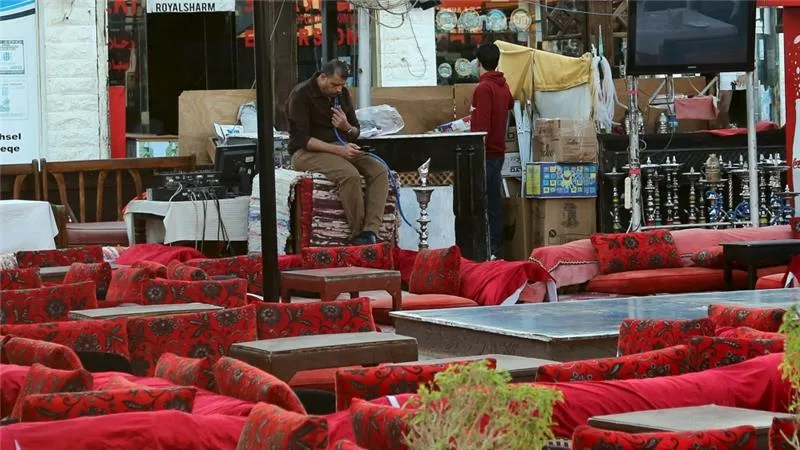
لكن سنوات الثورة والاضطرابات المدنية أسفرت عن إحداث خسائر في نهاية المطاف؛ ففي الشهر الماضي، والذي كان ينبغي أن يكون بداية موسم الذروة السياحية في الأقصر والجنوب، شهدت معظم فنادق المنطقة نسبة إشغال منخفضة، كما تم إلغاء الغالبية العظمى من الرحلات السياحية الـ300 إلى وادي النيل، علمًا أنه في الجنوب، حيث يعول غالبية السكان على الموارد المتحصلة من السياحة، يمثل هذا الواقع مصيبة حقيقية على الملايين من الأشخاص.

رغم أن سلسلة الاكتشافات الأخيرة في مصر فشلت في اجتذاب اهتمام الغرب، يأمل زعزوع بأن الاكتشاف الأخير المهم في مدينة الأقصر، والذي ينطوي على اكتشاف هائل في أحد أصول مصر العظيمة، المتمثلة بقبر توت عنخ آمون، سوف يشجع الغربيين للعودة إلى زيارة المعابد والمقابر.

قد يكون زعزوع مصيبًا في طرحه، كون البرامج السياحية المنظمة لزيارة النيل، والتي يعود تاريخها إلى عام 1869 عندما قاد توماس كوك أول مجموعة لمصر لرؤية الآثار، تم دعمها بالموجات السياحية التي تمتاز بالهوس بالمصريات، كما أن افتتاح مقبرة توت عنخ آمون في عام 1923، والاكتشافات المثيرة التي كُشف عنها بالتقسيط، والتي دُعمت بأساطير سلسلة الوفيات الغريبة المنسوبة إلى لعنة المومياء، كانت أعظم الأمور التي ساعدت في ازدهار السياحة الأثرية في مصر، حيث أصبحت هذه البلاد الوجهة التي نرغب جميعًا – كغربيين – بزيارتها ولو لمرة واحدة في حياتنا على الأقل.

فضلًا عما تقدم، لفتت جولة كنوز توت عنخ آمون إلى أوروبا والولايات المتحدة التي جرت في سبعينيات القرن الماضي، نظر الآلاف إلى المتحف البريطاني وأماكن أخرى، كما استطاعت خلق طفرة سياحية أخرى في مجال سياحة النيل.

إذن، الاكتشاف شبه اليقيني لغرفة أخرى في القبر المتخم بالكنوز، والتوقعات التي باشرت بالانتشار بالفعل حول العجائب التي قد تحتويها، بما في ذلك بقايا الملكة المصرية رائعة الجمال نفرتيتي، سوف تساعد على أقل تقدير على إحداث طفرة جديدة ضمن قطاع السياحة المصري، وأي شخص منا قام بزيارة مؤخرًا للجنوب المصري، سيدرك بأن هذه الطفرة تشتد الحاجة لها اليوم فعلًا في تلك المناطق.

المصدر: الجزيرة الإنجليزية

TAGGED: الآثار الفرعونية ، الاقتصاد المصري ، السياحة الآثرية في مصر ، السياحة في مصر ، توت عنخ آمون
Download this article as PDF
Share this Article
Facebook Twitter Whatsapp Whatsapp Telegram Email Copy Link
أنطوني ساتين
By أنطوني ساتين كاتب وخبير في شؤون الشرق الأوسط وشمال أفريقيا
Follow:
Next Article نون بوست The Stigma of “ISIS”: A Heavy Legacy Haunting Women and Children of Former Members
part of the design
NoonPost Weekly Newsletter
dark

An independent media platform founded in 2013, rooted in slow journalism, producing in-depth reports, analysis, and multimedia content to offer deeper perspectives on the news, led by a diverse young team from several Arab countries.

  • Politics
  • Society
  • Rights & Liberties
  • Opinions
  • History
  • Sports
  • Education
  • Technology
  • Economy
  • Media
  • Arts & Literature
  • Entrepreneurship
  • Travel
  • Cinema & Drama
  • Food
  • Health
  • Culture
  • Latest Reports
  • Files
  • Long Reads
  • Interviews
  • Podcast
  • Interactive
  • Encyclopedia
  • In Pictures
  • About Us
  • Our Writers
  • Write for Us
  • Editorial Policy
  • Advanced Search
Some rights reserved under a Creative Commons license

Removed from favorites

Undo
Go to mobile version