NoonPost NoonPost

NoonPost

  • Home
  • Politics
  • Economy
  • Society
  • Culture
  • Files
  • Long Reads
  • Podcast
AR
Notification Show More
نون بوست
“There Are Nights I Can’t Close My Eyes”: How Gazans Are Living in Homes on the Brink of Collapse
نون بوست
From al-Jolani to Ahmad al-Shara: The Evolution of Syria’s New Leader
نون بوست
When Political Islam Receded in Egypt: Who Filled the Void?
نون بوست
An Extension of Genocide: Gaza’s Detainees Speak Out
نون بوست
A Tightrope Between Survival and Sovereignty: The Syrian Government Faces Normalization Pressures
نون بوست
American Aircraft Carriers: Has the Era of “100,000 Tons of Diplomacy” Ended?
نون بوست
U.S. Regime‑Change Policies: Why They Are Destined to Fail
نون بوست
Transformations of Israeli Judaism: Between the Victim Complex and the Colonizer’s Doctrine
نون بوست
The Gulf’s Balancing Act: Iran, Israel, and Hidden Links
نون بوست
Iraq–Turkey Oil Export Treaty: Why Did Ankara Cancel It After 52 Years?
نون بوست
Syria’s Northeast on Edge: QSD Between Ankara and Damascus
نون بوست
Has Europe Changed Its Stance on Israel… or Just Its Language?
NoonPost NoonPost
AR
Notification Show More
نون بوست
“There Are Nights I Can’t Close My Eyes”: How Gazans Are Living in Homes on the Brink of Collapse
نون بوست
From al-Jolani to Ahmad al-Shara: The Evolution of Syria’s New Leader
نون بوست
When Political Islam Receded in Egypt: Who Filled the Void?
نون بوست
An Extension of Genocide: Gaza’s Detainees Speak Out
نون بوست
A Tightrope Between Survival and Sovereignty: The Syrian Government Faces Normalization Pressures
نون بوست
American Aircraft Carriers: Has the Era of “100,000 Tons of Diplomacy” Ended?
نون بوست
U.S. Regime‑Change Policies: Why They Are Destined to Fail
نون بوست
Transformations of Israeli Judaism: Between the Victim Complex and the Colonizer’s Doctrine
نون بوست
The Gulf’s Balancing Act: Iran, Israel, and Hidden Links
نون بوست
Iraq–Turkey Oil Export Treaty: Why Did Ankara Cancel It After 52 Years?
نون بوست
Syria’s Northeast on Edge: QSD Between Ankara and Damascus
نون بوست
Has Europe Changed Its Stance on Israel… or Just Its Language?
Follow US

Gaza Families Grapple with the Cost of Forced Exodus

فريق التحرير
Noon Post Published 26 March ,2026
Share
نون بوست
نون بوست
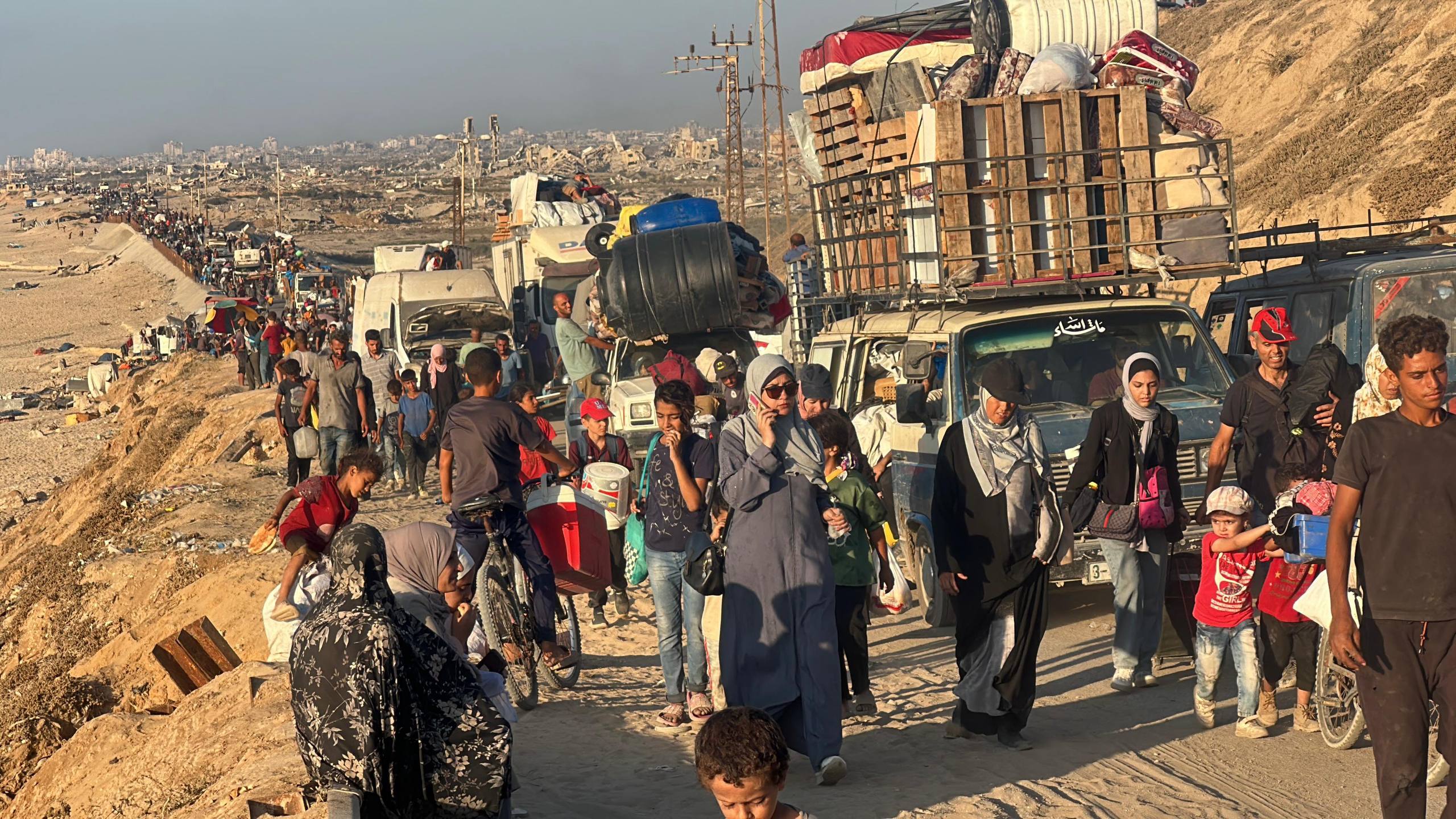
Displaced residents from Gaza City heading south following Israeli evacuation orders.

As Israel’s war on Gaza intensifies and its plans to invade Gaza City take shape, tens of thousands of Palestinian families find themselves forced once again to flee southward. The latest mass evacuation orders have driven residents to abandon their homes, dreams, and the few remaining memories buried beneath the rubble left by the relentless machinery of war.

Tiny bags, terrified children, the elderly collapsing from exhaustion, hunger, fear, and illness these are the scenes that now define Gaza’s roads, packed with displaced civilians seeking shelter.

Yet with every step southward, the emotional and financial toll of displacement grows heavier, turning this journey into one of pain and endless waiting for a future that only grows bleaker with each passing day.

Despite the poverty and famine that grip the region, those fleeing Gaza City to the center and south of the strip are forced to shoulder staggering costs. “The cost of displacement is far beyond what we can afford,” says Mohammad al-Basyouni, a resident of Beit Hanoun who fled from the al-Nasr neighborhood to Khan Younis in the south.

“It cost us around 5,000 shekels that’s about $1,500 at a time when people have lost their jobs, income sources are cut off, and humanitarian aid is scarce.”
نون بوست
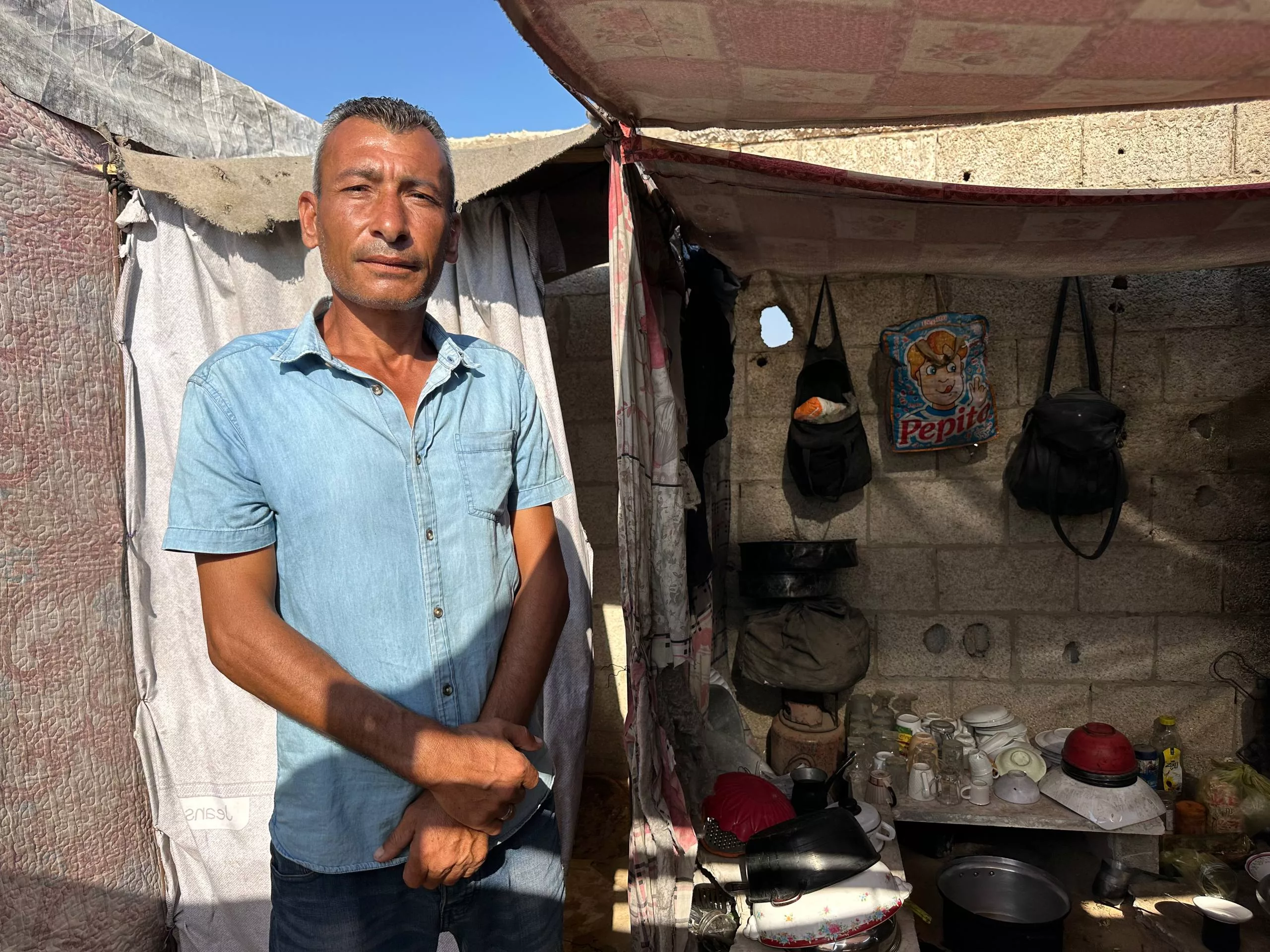
Mohammad al-Basyouni inside their displacement tent among the graves in Khan Younis.

According to the United Nations Relief and Works Agency for Palestine Refugees (UNRWA), the average cost of displacement from northern Gaza to the south has reached $3,180. Fuel is nearly nonexistent, and shelter supplies have been blocked from entering the Strip for over seven months due to Israel’s blockade.

Al-Basyouni dismisses Israeli claims that “safe humanitarian zones” exist in the south. He says the only space he could find to pitch his tent was among the graves in a cemetery in Khan Younis.

He recounts how he left Gaza City five days ahead of his family, searching for a plot of land to pitch their tent. Renting land a necessity for most displaced families due to the absence of public shelters or organized camps costs between 800 to 1,000 shekels per month (roughly $280–$300), a sum far beyond most families’ reach.

The available land in southern Gaza is already overcrowded with displaced people from Rafah and Khan Younis, cities previously emptied by Israeli offensives and whose populations were pushed toward the al-Mawasi area and the coastline. After nearly two years of war, there’s hardly any room left for new tents. Residents have lost all income and now rely entirely on limited and sporadic humanitarian aid.

The UN Office for the Coordination of Humanitarian Affairs (OCHA) reported that over 250,000 people were displaced from Gaza City in the past month alone, as Israeli ground forces advanced into densely populated neighborhoods like Sheikh Radwan and Tel al-Hawa.

With anguish and despair in his voice, Ahmad al-Tayyib, who fled northern Gaza for Khan Younis, tells Noon Post that every time he tries to settle in a new location, the cycle repeats — new evacuation orders force them to flee again. This time, he went to the al-Iqlimi area southwest of Khan Younis, but had to leave because of the heavy, random gunfire. The area is close to the Shakoush checkpoint, a hub for American aid distribution.
نون بوست
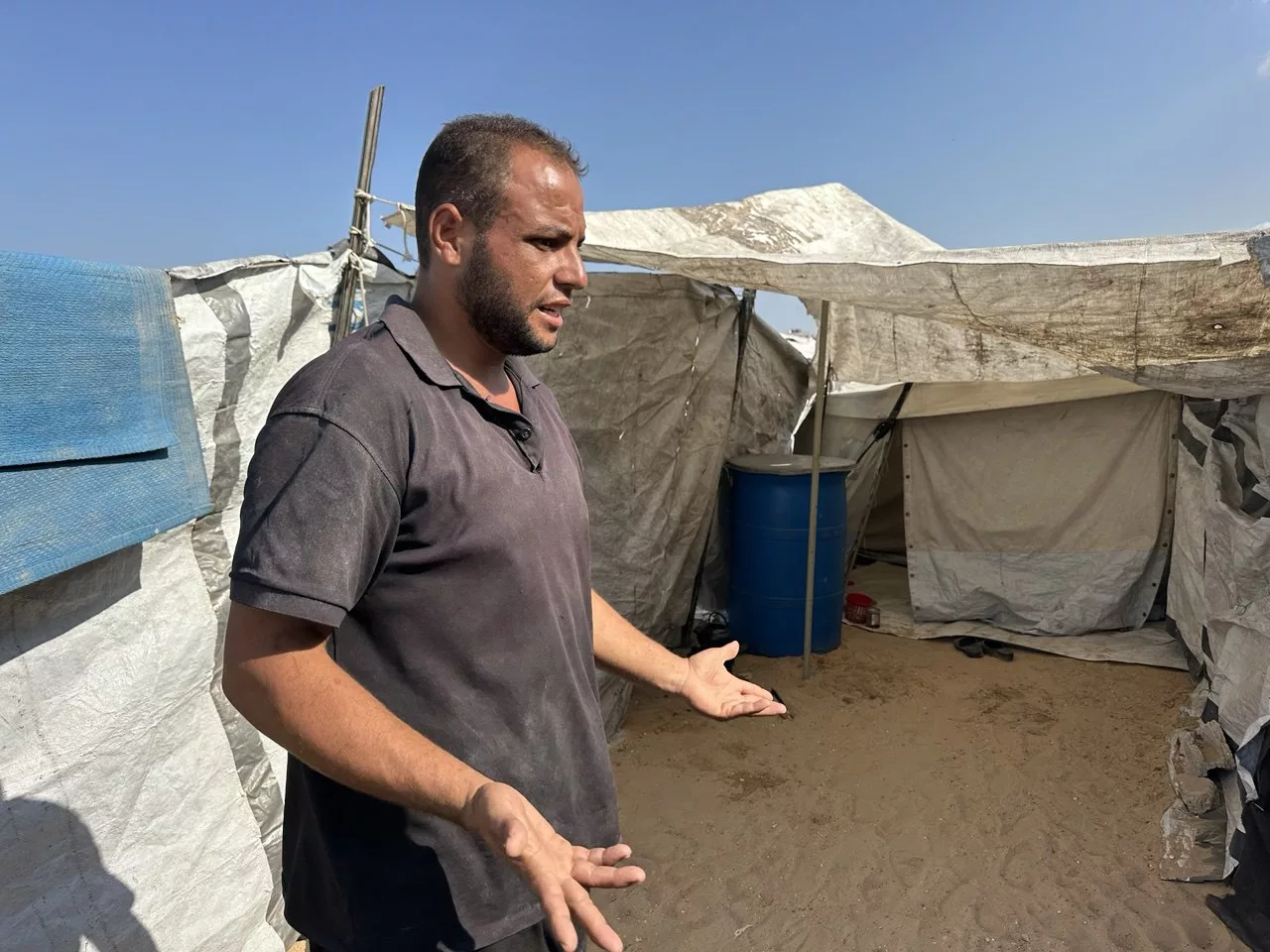
Ahmad al-Tayyib in his tattered tent.

“I fled from death only to find more death,” he says, adding that he was eventually forced to pitch his family’s tent inside a cemetery.

The psychological impact on children living in such grim surroundings is profound. Bayader al-Basyouni, 43, also displaced from the north, says this is her fifteenth time being displaced — but none of the previous ones compare to this. “The first night, my children couldn’t sleep. They were terrified, asking questions about the dead: Can they feel us? Will they rise from their graves?”

At dawn, the children rejoiced upon realizing the dead hadn’t come back and no figures in white had appeared. Bayader was further shocked when her children began to play by digging mock graves in the sand and placing stones on either side, mimicking funerals for imagined martyrs.
نون بوست
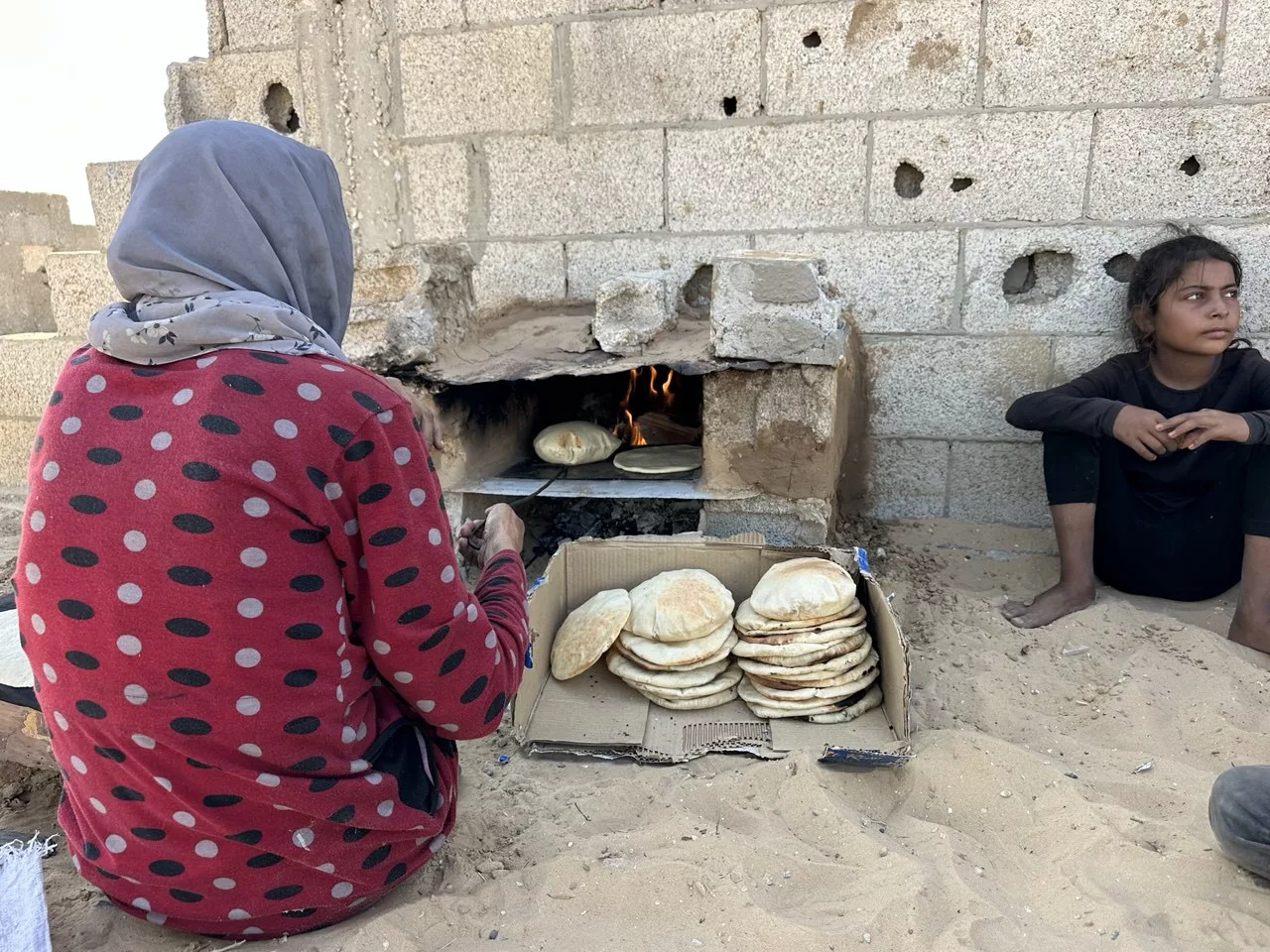
Bayader al-Basyouni tries to prepare bread for her family.

She says Gaza’s women have borne the brunt of this war and continue, with unyielding strength, to support their families. “I built a makeshift bread oven to provide for my children from nothing.” But she fears yet another evacuation order may come soon. “I just want this war to end. I want safety, even if we have to rebuild our lives atop the rubble of our homes. I want my children to go back to school.”

For Suha Sukkar and her family, deciding to flee the north for the south was agonizing. It was their first time leaving — they had endured the war in the north with all its horrors. The relentless bombardment, shelling, flares, and repeated attacks around Sheikh Radwan cemetery pushed her brother to rent a vehicle and urge the family to evacuate.

Upon hearing the decision, Suha burst into tears. “We had no money for the journey,” she says. The trip cost 6,000 shekels, so each family member had to contribute. Suha only had one item of value a gold necklace which she reluctantly gave up to help cover the costs.

She is not alone. Dozens of families have made similar sacrifices. Raed Ghorab sold off furniture and household belongings to pay for displacement. He managed to ship a few items to the south, but the family had to make the 30-kilometer journey from Beach Camp to Khan Younis on foot, dodging shellfire, and spent five nights sleeping outdoors.
نون بوست
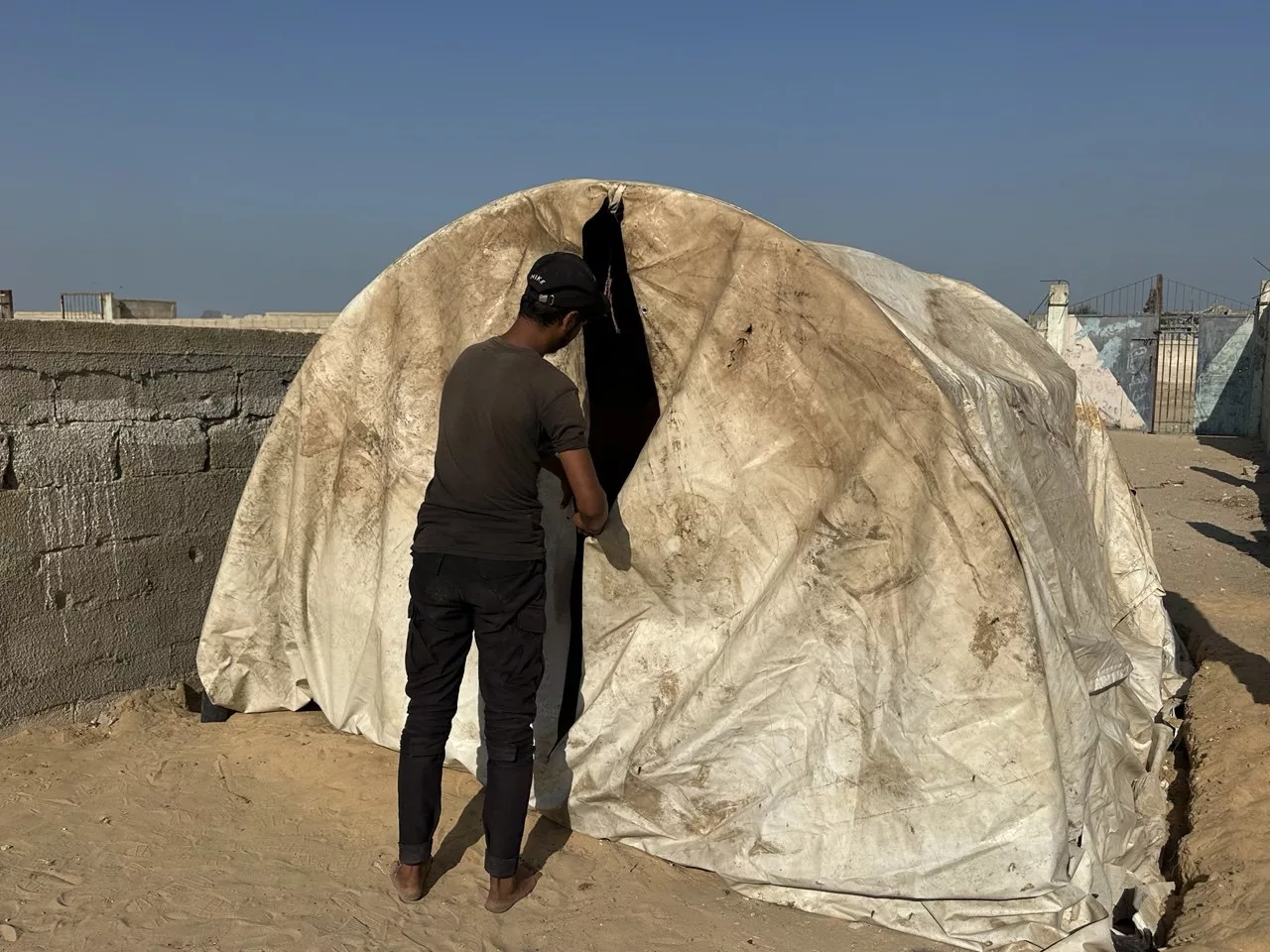
Raed Ghorab pitches his tent among the graves.

When Noon Post met him, he was pitching a tattered tent between two graves the only available space. “Israel talks about safe zones, but it’s all lies. There is not a single safe inch in Gaza,” he says, adding that he dreams of returning to the refugee camp where he was born and raised.

Hundreds of thousands remain trapped in Gaza City, surrounded by Israeli military vehicles. They simply cannot afford the cost of fleeing, placing them at severe risk as the military expands its operations, including booby-trapping entire residential blocks and using robotic devices.

According to on-the-ground reports from journalists still inside Gaza, Israeli forces now control large swathes of the city. Intensive air and artillery strikes threaten to obliterate homes and the city’s already-crumbling infrastructure.

Meanwhile, Israel continues to escalate its campaign, targeting residential buildings and high-rises while deploying explosives-laden robots to force more residents southward.

Download this article as PDF
Share this Article
Facebook Twitter Whatsapp Whatsapp Telegram Email Copy Link
فريق التحرير
By فريق التحرير تقارير يعدها فريق تحرير نون بوست.
Follow:
Previous Article نون بوست Breaking Free from Militarization: The New Syria Abolishes Mandatory Conscription
Next Article نون بوست Mass Mobilization in North Darfur: A Shift in the Military Balance?

Read More

  • U.S. Regime‑Change Policies: Why They Are Destined to Fail U.S. Regime‑Change Policies: Why They Are Destined to Fail
  • The Gulf’s Balancing Act: Iran, Israel, and Hidden Links
  • Iraq–Turkey Oil Export Treaty: Why Did Ankara Cancel It After 52 Years?
  • Syria’s Northeast on Edge: QSD Between Ankara and Damascus
  • Has Europe Changed Its Stance on Israel… or Just Its Language?
part of the design
NoonPost Weekly Newsletter

You May Also Like

U.S. Regime‑Change Policies: Why They Are Destined to Fail

U.S. Regime‑Change Policies: Why They Are Destined to Fail

إسراء سيد Esraa sayed 8 April ,2026
The Gulf’s Balancing Act: Iran, Israel, and Hidden Links

The Gulf’s Balancing Act: Iran, Israel, and Hidden Links

فريق التحرير Noon Post 8 April ,2026
Iraq–Turkey Oil Export Treaty: Why Did Ankara Cancel It After 52 Years?

Iraq–Turkey Oil Export Treaty: Why Did Ankara Cancel It After 52 Years?

فريق التحرير Noon Post 8 April ,2026

انتصار اليمين الفرنسي يعني هزيمة فرنسا

ميدل إيست آي
ميدل إيست آي Published 12 December ,2015
Share
National%20front%20victory%20AFP

ترجمة وتحرير نون بوست

كتبت حسينة ميتشاي وإميلي دينتري:

مع توضح نتائج الاقتراع الأول، أصبح من الواضح بأن الحزب المعادي للاتحاد الأوروبي، والمعادي للمهاجرين، حزب الجبهة الوطنية الفرنسي، استطاع الفوز بست مناطق من أصل 13 منطقة في فرنسا.

كانت استجابة أعضاء الحزب الاشتراكي سريعة للرد على تلك النتائج، فعلى شاشة التلفزيون كثرت الأحاديث التي تشير إلى ضرورة العودة إلى الخطوط القديمة للـ”الجبهة الجمهورية”، التي تنطوي على دمج أجنحة أحزاب اليسار واليمين بغية الحيلولة دون توسع حزب اليمين المتطرف، الذي يُعتبر تهديدًا للجمهورية.

وأمام الكاميرات، وبتعابير تفيض بالجدية والخطورة، دعا جان كريستوف كامباديليس، زعيم الحزب الاشتراكي، المرشحين الاشتراكيين، الذين احتلوا المركز الثالث في بعض المناطق، لسحب قوائم ترشيحهم لصالح تشكيل “جبهة الجمهوريين”، على أمل أن ترد الأحزاب الأخرى هذا المعروف قبل بداية الجولة الثانية من الاقتراع المقررة في يوم الأحد القادم.

ومع ذلك، وبصرف النظر عن الليبراليين الاجتماعيين، كحزب اتحاد الديمقراطيين والمستقلين وحزب الحركة الديمقراطية، اللذين رحبا بالمبادرة، تلاشت فكرة “الجبهة الجمهورية” بقيادة الحزب الاشتراكي بسرعة كبيرة؛ فمن جهته، عبّر نيكولا ساركوزي زعيم الحزب الجمهوري بأنه سيتمسك بشعار “لا ولا”، وهذا يعني لا للاندماج مع الجبهة الوطنية، ولا مع الحزب الاشتراكي.

كما أنه ووفقًا لتييري سولير، أوت دو سين، وفاليري بيكريس من الحزب الجمهوري، فإن فكرة الجبهة الجمهورية “ستشكل أفضل وقود لدعم حزب الجبهة الوطنية”.

“الأمر يبدو كما لو كنا نرغب بالتلاعب بأصوات الشعب الفرنسي، أو كأننا نمارس حيلًا ما بعد انتخابية” قال سولير لصحيفة الميدل إيست آي، وتابع: “الانتخابات الإقليمية تقوم على مبدأ تصويت الاقتراع من القوائم النسبية، فإذا حصلت على 10% من الأصوات، ستنجح وستحظى بممثلين في التجمع الإقليمي، وهذا الأمر حاسم بالنسبة لأحزاب المعارضة”.

من جهتها، صرّحت ماري آن كرافت، المستشارة الوطنية لحزب الحركة الديمقراطية، وإحدى مؤيدي الجبهة الجمهورية، بأن شعار ساركوزي “لا ولا” هو لعبة محفوفة بالمخاطر، ويمكن أيضًا أن يؤثر سلبًا على نتائج الانتخابات الرئاسية لعام 2017، حيث قالت: “خطوة الانسحاب من التصويت الثاني يجب أن تكون متوازنة، فإذا انسحب الحزب الاشتراكي، يتعين على الأحزاب اليمينية أن تفعل الأمر عينه”، وتابعت موضحة: “ولكن مع ذلك، فإن هذه ليست وجهة نظر نيكولا ساركوزي حول هذه المسألة، فالفرنسيون يجب أن يكونوا ممتنين لرئيس الوزراء، مانويل فالس، والحزب الاشتراكي للموقف الذي اختاروا أن يتخذوه”.

ذات هذا الرأي يعتنقه حزب اليسار، ولكن رئيس الحزب، جان لوك ميلانشان، رفض التصريح بأية تعليمات حول عملية التصويت، قائلًا في حديثه للوموند: “أنا لست مستغربًا، وأعرف أن صعود الجبهة الوطنية هو أمر مناسب للكثير من الأشخاص”.

موقف الحزب الاشتراكي الداعي لتشكيل الجبهة الوطنية بمواجهة اليمين المتطرف، يفسره دانييل سيمونيه، عضو مستشارية باريس عن حزب اليسار، حيث يقول: “الحزب الاشتراكي يستبقي صبغة معادة الجبهة الوطنية في خطاباته، حتى يظهر في عام 2017، كحزب اشتراكي ديمقراطي على الغرار الأمريكي، معارضًا للتطرف اليميني البالي الذي يمثله حزب الجبهة الوطنية، وحينها فقط سيحظى الحزب بفرصة للفوز في الانتخابات”.

بعد التصويت الأول، استبشر أغلبية كبار رجالات الحزب الاشتراكي بالنتائج الطيبة، إلا أن الأمر لم يستغرق الكثير من الوقت حتى تصاعدت تباينات الآراء؛ فعلى سبيل المثال، ألقى بوريا أميرشاهي، النائب الاشتراكي، اللوم بالخسارة الانتخابية على الحكومة الفرنسية، حيث أوضح ذلك بحديثه لصحيفة الميدل إيست آي قائلًا: “إنه فشل سياسي، فالكثير من الاشتراكيين في مناطق نور با دو كاليه و باكا تلقوا خسارة فادحة بالانتخابات، جرّاء أمور ليسوا مسؤولين عنها”.

علاوة على ما تقدم، من الملاحظ بأن نتائج الجولة الأولى من الانتخابات أقحمت فرنسا ضمن منطقة سياسية جديدة، فالمعركة السياسة اليوم لم تعد دائرة ما بين حزبين رئيسيين، بل بين ثلاثة أحزاب.

إيقاع الأحزاب الثلاثة: الاشتراكيين والجمهوريين والجبهة الوطنية

لم يكن من الصعب على المطلعين على الشأن السياسي الفرنسي أن يخمنوا بزوغ إيقاع حزبي ثلاثي جديد، فرغم أن الحديث في وسائل الإعلام لا يزال مقتصرًا على مناقشة دلالات كيفية إدارة العلاقة الثلاثية ضمن الحياة السياسية الفرنسية، تنبع الحقيقة من واقع أنه بعد أكثر من ثلاثين عامًا من تطبيق نظام الحزبين، وهي السنوات التي تميزت بتناوب اليسار الديمقراطي واليمين الليبرالي على حكم الدولة، تخطو فرنسا قدمًا للخروج من هذا النظام ثنائي القطبية، الذي كان يضمن التناوب المنتظم على حكم الجمهورية.

لا مندوحة من القول بأن فرنسا شهدت في الماضي ديناميكية الأحزاب الثلاثة؛ ففي ستينات القرن المنصرم شهدت سيطرة أحزاب الاشتراكيين والشيوعيين والدي غوليين (نسبة لشارل دي غول) على المشهد السياسي، وفي سبعينات القرن سيطرت أحزاب الوسط والدي غوليين والاشتراكيين، ولكن عندما اُنتخب فاليري جيسكار ديستان من الوسط السياسي في عام 1974 بفضل تحالفه مع الدي غوليين من حزب التجمع من أجل الجمهورية، وكذلك عندما انتخب فرانسوا ميتران في عام 1981 بفضل حملته المشتركة مع الحزب الشيوعي، تم التأسيس للنظام ثنائي القطب كما تعرفه فرنسا اليوم، حيث تم حينها إدماج الوسطيين والشيوعيين في ظل أحزاب اليمين واليسار.

ولكن مع فوز حزب اليمين المتطرف في الانتخابات الإقليمية، يقول الباحث الديموغرافي إيرفي لو برا، الذي نشر مؤخرًا كتابًا حول حزب الجبهة الوطنية، بأن فرنسا ستعاني ببساطة من تغيير جدي وجذري في المشهد السياسي، “نحن نتحول نحو نظام الأحزاب الثلاثة الذي لا نتمتع بدراية كافية عن ماهيته، وهذا النظام سيخلق مشاكلًا جمة لأنه سيغير من إعدادات الانتخابات، وسيخلط الطريقة التي ستتم من خلالها إعادة توزيع أصوات الناخبين بين الجولة الأولى والثانية من الانتخابات؛ ففي الأساس، النظام الديمقراطي يعمل بشكل متكامل بوجود حزبين رئيسيين فقط، ولكن عندما يدخل حزب ثالث إلى المشهد، فإن الأمور ستصبح أشد صعوبة”، قال لو برا لصحيفة الميدل إيست آي.

في الواقع، المؤسسات الفرنسية بحد ذاتها تتبع بنية وهيكلية النظام الثنائي الحزبي، فاستنادًا لنظام تعددية الاقتراع الثنائي الحاكم في فرنسا، لا يسمح إلا للمرشحين اللذين فازا في الاقتراع الأول بالدخول إلى الاقتراع الثاني، وهذا النظام كان يدرّ بفوائده على “الأحزاب الكبيرة” فقط، مانعًا الأحزاب الأصغر من فرصتها للحصول على المقاعد.

ولكن اليوم، هذا النظام بالذات، والذي كان حزب الجبهة الوطنية ينتقده ويحمله مسؤولية ضعف تمثيل الحزب في الدورات الانتخابية كونه يلعب لصالح الأحزاب الكبيرة فقط، يلعب الآن لصالح حزب الجبهة الوطنية ذاته؛ فلفترة طويلة كانت طريقة التصويت تمنع حزب الجبهة الوطنية من الوصول إلى الاقتراع الثاني، حيث كان مجمل عدد الأصوات التي يحصل عليها الحزب لا تتجاوز الـ15%، ولكن الآن، وبعد حصوله على حوالي 30% من الأصوات، أصبح حزب الجبهة الوطنية قادرًا على الاستفادة من النظام الانتخابي الفرنسي الذي لطالما انتقده.

وفقًا لماري آن كرافت: “إذا لم نقم بتغيير نظام التصويت بحلول عام 2017، فنحن نخاطر برؤية حزب الجبهة الوطنية يحصل على المزيد من الأصوات، المزيد من النواب، وتنامي قوته وشعبيته، وهذا لن يحصل في حال اعتمدنا على نظام التمثيل النسبي”.

بالنسبة للأحزاب الصغيرة، والتي لا يمكنها المشاركة في التمثيل، تحت حكم النظام الثنائي، إلا من خلال الاندماج في فلك الأحزاب الكبيرة، فيمكنها توسيع نفوذها في نهاية المطاف من خلال نظام الأحزاب الثلاثي، وهذا هو السبب الذي حذا بحزب الحركة الديمقراطية لدعم فكرة نظام التمثيل النسبي.

حزب الجبهة الوطنية يشكل تهديدًا على الاقتصاد، ولكن هل نسينا أيديولوجيته المنحرفة؟

أكثر الأمور الصادمة في المشهد السياسي الفرنسي الحالي والمتناقل على لسان وسائل الإعلام، هو التحول في الاتهامات التي يتم توجيهها ضد حزب الجبهة الوطنية؛ فسابقًا، كان الحزب يُتهم بشكل مستمر لعنصريته وآرائه المعادية للسامية، ولكن بعد الاقتراع الأول، ركزت الصحف الإقليمية، كتاب الأعمدة، المفكرون، والسياسيون على شجب برنامج الحزب الاقتصادي، ووصفه بغيرال واقعي أو المتخلف، حيث يدعو حزب الجبهة الوطنية إلى أفكار اقتصادية تتمثل بمغادرة منطقة اليورو، زيادة الضرائب على الشركات، وزيادة الإنفاق الحكومي بالترافق مع زيادة المرتبات والمزايا الاجتماعية.

هذه الخطة الاقتصادية التي ينتهجها حزب الجبهة الوطنية، تم انتقادها بشدة من قِبل رئيس منظمة أرباب العمل الفرنسيين (ميديف)، بيار غاتاز، الذي نعت خطة حزب الجبهة الوطنية بأنها “تؤدي تمامًا إلى عكس المأمول منها من حيث استعادة النمو الاقتصادي في فرنسا”.

من وجهة نظر إيرفي لو برا، ما من شك في أن التصويت لصالح الجبهة الوطنية هو رهان لا يمكن لفرنسا تحمله في الوقت الحاضر، حيث يقول: “الخطة الاقتصادية للجبهة الوطنية خطيرة للغاية، وهو الأمر الذي يتفق عليه جميع الاقتصاديين، فالحزب يستخدم شعارات سياسية تتناقض مع بعضها البعض في كثير من الأحيان، كما أنه يتبنى آراءً اقتصادية عالمية قد تسفر عن نتائج كارثية؛ فنحن لا يمكننا أن نعود إلى اقتصاد عام 1960، وهو الطرح الاقتصادي لبرنامج الجبهة الوطنية، لأن العالم اليوم لا يشبه العالم آنذاك البتة، سواء من حيث رأس المال أو من حيث تدفقات السلع”.

وتابع موضحًا: “بغض النظر عن أن الأشخاص الذين يصوتون للجبهة الوطنية يتخذون رهانًا خاسرًا، إلا أن الجزء الأسوأ من القضية هو أن هؤلاء الأشخاص يدركون ذلك، فبعضهم يدرك بأن التصويت للحزب قد يكون رهانًا خطيرًا للغاية، ولكن مع ذلك فإنهم يرون بأن التصويت للحزب هو الطريقة الوحيدة لتغيير الواقع، بمعنى آخر، هؤلاء الأشخاص يأملون أن تتحول الأمور نحو الأفضل، ولكنهم في قرارة أنفسهم يعرفون بأنها ستتحول للأسوأ”.

هذا يقودنا إلى السؤال الحقيقي، فقد يقول قائل، بأن حصر النقاشات حول حزب الجبهة الوطنية بانتقاد برنامجه الاقتصادي، يعني بأن الرأي العام أصبح يتقبل وجهات النظر المتطرفة التي يعتنقها الحزب، كموقفه من الأقليات في المجتمع، آرائه العنصرية، واتهاماته ضد الإسلام، علمًا أن برتران ديلانوي، العمدة الاشتراكي السابق لباريس، كان أحد الأصوات السياسية النادرة التي تجرأت على إدانة أيديولوجية الجبهة الوطنية المتطرفة، حيث وصف الحزب بأنه “حزب شمولي وديكتاتوري” على راديو فرانس إنتر.

وفي ذات السياق، كان نيكولا ساركوزي واضحًا للغاية في إدانة الخطة الاقتصادية للجبهة الوطنية، في الوقت الذي تغاضى به تمامًا عن انتقاد أيدلويوجيات الحزب المتطرفة؛ فمثلًا خلال الاجتماع الأخير، صرّح ساركوزي بأن: “التصويت لصالح الجبهة الوطنية ليس أمرًا غير أخلاقي”، وأضاف: “قضية الهجرة ليست وسيلة يستعملها حزب الجبهة الوطنية لاكتساب الأصوات، بل أنها قلق حقيقي لجميع أطياف الشعب الفرنسي”، علمًا أن وجهة النظر هذه، النابعة من طموح ساركوزي الانتخابي، كانت دائمًا منهجه وديدنه، وهذا واضح من تصريحه قبيل الانتخابات الفرنسية لعام 2011 الذي جاء فيه: “لا يمكننا أن ننكر حقيقة أن مارين لوبان تعالج قلق الشعب الفرنسي ومخاوفه الأساسية، ولكن مع ذلك، فإن فكرة مغادرة منطقة اليورو هي جنون محض، ونحن بحاجة لأن نكون حازمين بهذا الخصوص”.

في الختام، ومهما كانت نتيجة انتخابات يوم الأحد، يبقى التساؤل القائم، هل الاقتصار بالانتقاد على الجانب الاقتصادي فقط من برنامج الجبهة الوطنية يعني بأن الحزب قد ظفر بمعركته الأيديولوجية وفاز بالفعل بمعركته الثقافية والعقائدية في فرنسا؟

المصدر: ميدل إيست آي

TAGGED: الأحزاب الفرنسية ، الانتخابات البلدية الفرنسية ، الحزب الاشتراكي الفرنسي ، الخطة الاقتصادية للجبهة الوطنية ، اليمين الفرنسي
Download this article as PDF
Share this Article
Facebook Twitter Whatsapp Whatsapp Telegram Email Copy Link
ميدل إيست آي
By ميدل إيست آي تقارير ينشرها موقع ميدل إيست آي البريطاني
Follow:
Next Article نون بوست The Stigma of “ISIS”: A Heavy Legacy Haunting Women and Children of Former Members

Read More

  • U.S. Regime‑Change Policies: Why They Are Destined to Fail U.S. Regime‑Change Policies: Why They Are Destined to Fail
  • The Gulf’s Balancing Act: Iran, Israel, and Hidden Links
  • Iraq–Turkey Oil Export Treaty: Why Did Ankara Cancel It After 52 Years?
  • Syria’s Northeast on Edge: QSD Between Ankara and Damascus
  • Has Europe Changed Its Stance on Israel… or Just Its Language?
part of the design
NoonPost Weekly Newsletter

You May Also Like

U.S. Regime‑Change Policies: Why They Are Destined to Fail

U.S. Regime‑Change Policies: Why They Are Destined to Fail

إسراء سيد Esraa sayed 8 April ,2026
The Gulf’s Balancing Act: Iran, Israel, and Hidden Links

The Gulf’s Balancing Act: Iran, Israel, and Hidden Links

فريق التحرير Noon Post 8 April ,2026
Iraq–Turkey Oil Export Treaty: Why Did Ankara Cancel It After 52 Years?

Iraq–Turkey Oil Export Treaty: Why Did Ankara Cancel It After 52 Years?

فريق التحرير Noon Post 8 April ,2026
dark

An independent media platform founded in 2013, rooted in slow journalism, producing in-depth reports, analysis, and multimedia content to offer deeper perspectives on the news, led by a diverse young team from several Arab countries.

  • Politics
  • Society
  • Rights & Liberties
  • Opinions
  • History
  • Sports
  • Education
  • Technology
  • Economy
  • Media
  • Arts & Literature
  • Entrepreneurship
  • Travel
  • Cinema & Drama
  • Food
  • Health
  • Culture
  • Latest Reports
  • Files
  • Long Reads
  • Interviews
  • Podcast
  • Interactive
  • Encyclopedia
  • In Pictures
  • About Us
  • Our Writers
  • Write for Us
  • Editorial Policy
  • Advanced Search
Some rights reserved under a Creative Commons license

Removed from favorites

Undo
Go to mobile version