



NoonPost NoonPost

NoonPost

  • Home
  • Politics
  • Economy
  • Society
  • Culture
  • Files
  • Long Reads
  • Podcast
AR
Notification Show More
نون بوست
“There Are Nights I Can’t Close My Eyes”: How Gazans Are Living in Homes on the Brink of Collapse
نون بوست
From al-Jolani to Ahmad al-Shara: The Evolution of Syria’s New Leader
نون بوست
When Political Islam Receded in Egypt: Who Filled the Void?
نون بوست
An Extension of Genocide: Gaza’s Detainees Speak Out
نون بوست
A Tightrope Between Survival and Sovereignty: The Syrian Government Faces Normalization Pressures
نون بوست
American Aircraft Carriers: Has the Era of “100,000 Tons of Diplomacy” Ended?
نون بوست
U.S. Regime‑Change Policies: Why They Are Destined to Fail
نون بوست
Transformations of Israeli Judaism: Between the Victim Complex and the Colonizer’s Doctrine
نون بوست
The Gulf’s Balancing Act: Iran, Israel, and Hidden Links
نون بوست
Iraq–Turkey Oil Export Treaty: Why Did Ankara Cancel It After 52 Years?
نون بوست
Syria’s Northeast on Edge: QSD Between Ankara and Damascus
نون بوست
Has Europe Changed Its Stance on Israel… or Just Its Language?
NoonPost NoonPost
AR
Notification Show More
نون بوست
“There Are Nights I Can’t Close My Eyes”: How Gazans Are Living in Homes on the Brink of Collapse
نون بوست
From al-Jolani to Ahmad al-Shara: The Evolution of Syria’s New Leader
نون بوست
When Political Islam Receded in Egypt: Who Filled the Void?
نون بوست
An Extension of Genocide: Gaza’s Detainees Speak Out
نون بوست
A Tightrope Between Survival and Sovereignty: The Syrian Government Faces Normalization Pressures
نون بوست
American Aircraft Carriers: Has the Era of “100,000 Tons of Diplomacy” Ended?
نون بوست
U.S. Regime‑Change Policies: Why They Are Destined to Fail
نون بوست
Transformations of Israeli Judaism: Between the Victim Complex and the Colonizer’s Doctrine
نون بوست
The Gulf’s Balancing Act: Iran, Israel, and Hidden Links
نون بوست
Iraq–Turkey Oil Export Treaty: Why Did Ankara Cancel It After 52 Years?
نون بوست
Syria’s Northeast on Edge: QSD Between Ankara and Damascus
نون بوست
Has Europe Changed Its Stance on Israel… or Just Its Language?
Follow US

Mass Mobilization in North Darfur: A Shift in the Military Balance?

يوسف بشير
Yousif basher Published 26 March ,2026
Share
نون بوست
نون بوست

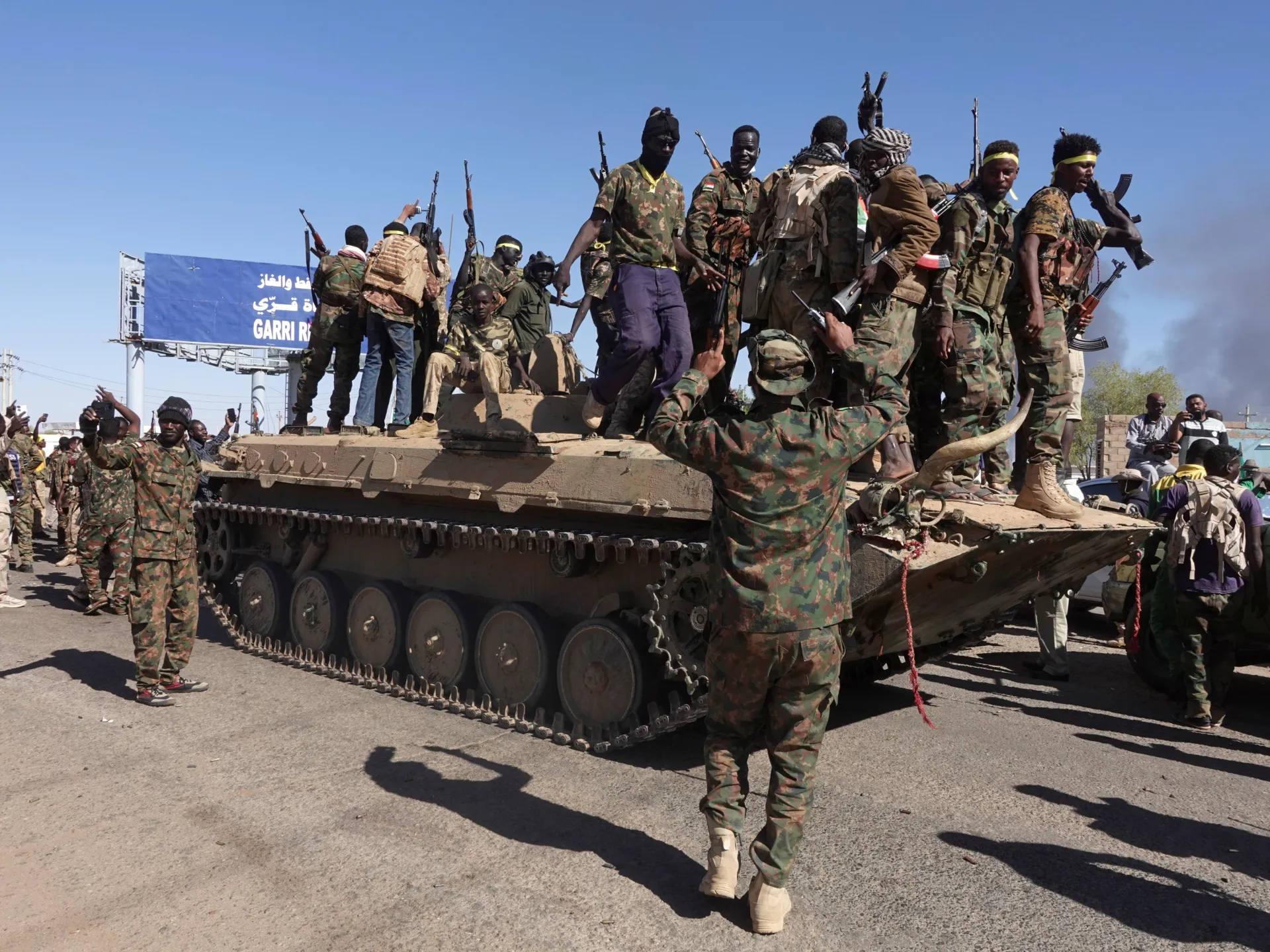
The ground beneath the Rapid Support Forces (RSF) is shifting rapidly in North Darfur, as the Sudanese army and its allies amass military forces in the desert stretching across northern Sudan and bordering regions with Chad setting the stage for potentially decisive battles that could break the backbone of the militia.

This vast desert is a lifeline for the RSF, serving as a conduit for most of its supply lines from the UAE via Libya and Chad, including four-wheel-drive vehicles. These routes have become especially critical after the RSF seized control of areas like Malha, Al-Rahib, and the Chevrolet base in Karb Al-Toum, extending to the border triangle.

North Darfur holds strategic significance it spans 296,000 square kilometers, accounting for 12% of Sudan’s landmass and 57% of the Greater Darfur region. It is a vital crossroads connecting the rest of Darfur with northern Sudan, Greater Kordofan, Libya, Egypt, and parts of Chad.

Military Movements

On September 21, Darfur24 reported troop mobilizations in the towns of Karnoi, Tina, and Umm Baru, as well as Wadi Hawar areas considered strongholds of the Zaghawa tribe, from which most fighters in the Joint Forces of the armed movements originate. These forces are fighting alongside the army against the RSF.

According to the report, army and joint forces, backed by military hardware, advanced into the Sahara Desert, aiming to reach El Fasher which has been under RSF siege since April 2024 and to seize the Zurug base, effectively severing supply lines between the border triangle and the rest of Darfur.

A military source told Noon Post that additional forces have been stationed in the Kababish region following the army’s capture of Bara in North Kordofan. The next objective is advancing through Hamrat Al-Sheikh to Al-Kuma in North Darfur, in parallel with the desert push.

In response, the RSF withdrew troops from North Kordofan to Malha after the army’s presence expanded into Takro a gold mining area on the border between Northern State and North Darfur. The militia also repositioned its fighters in Burairiq and Inka near the town of Arouri, currently held by the army and joint forces, according to the same military source.

The source explained that the army and its allies are targeting the Zurug base, a critical RSF stronghold. The joint forces have bolstered their presence in Wadi Hawar, approximately 100 km from Zurug, with plans for a multi-pronged offensive.

The Tribal Leverage Card

This military buildup coincides with a significant political shift: a new agreement between Musa Hilal the leader of the Revolutionary Awakening Council and head of the Mahameed clan (a sub-tribe of the Rizeigat, from which many RSF leaders and fighters hail) and the Joint Forces to form a unified military unit.

Council spokesperson Ahmed Abkar said the new joint force aims to reopen markets and roads, protect the agricultural season, and combat theft and criminal activity. Both the Awakening Council and the Joint Forces emphasized the importance of enhancing military coordination and addressing social grievances.

Although military alliances are typically not announced before completing internal arrangements such as establishing leadership, control mechanisms, and conflict resolution protocols Hilal appears poised to join the fight against the RSF, seizing an opportunity to settle his longstanding feud with RSF leader Mohamed Hamdan Dagalo, known as Hemedti.

Hilal previously commanded Janjaweed militias that fought on behalf of the ousted regime against Darfuri rebel movements, committing widespread atrocities. However, he later fell out with the regime over a weapons collection initiative that favored the RSF.

He was eventually arrested in a humiliating operation at his stronghold in the Mistiriyha region and transferred to Khartoum, only to be released following the ouster of President Omar al-Bashir.

Hilal declared his support for the army, providing financial and logistical backing via airdrops. Some of his forces even participated in the battles for Khartoum, though he avoided direct engagement in Darfur possibly due to the RSF’s dominance and its widespread support among Arab tribes in the region.

Most of Hilal’s forces remain in Mistiriyha, within Kabkabiya locality, not far from areas under army and Joint Force control in the far north of Darfur bordering Chad, particularly around Umm Baru and Karnoi. This proximity facilitates military coordination.

Hilal’s participation in upcoming battles in the North Darfur desert could severely rattle Arab tribal communities aligned with the RSF, given his enduring tribal influence. It could also prompt defections among RSF leaders who remain loyal to Hilal, such as Ali Rizgallah (Savana).

Who Will Win the Battle for Darfur?

It is notable that recent army and allied movements are focused on areas whose local tribal leadership does not support the RSF—depriving the militia of its critical social base, which supplies fighters, intelligence, and food.

Since the Darfur conflict is deeply embedded in tribal structures, the alliance between Hilal and the Joint Forces is a blow to the RSF. Hilal is not just a military leader but a tribal figure who has spent years consolidating his influence in the region. This alliance could reshape tribal dynamics in western Sudan, though not overnight.

The ongoing military mobilization and troop movements signal a likely turning point in the balance of power in North Darfur, including in El Fasher the political and administrative hub of the region. If the army and its allies succeed in lifting the siege, they could reclaim the strategic initiative.

On the other hand, if the RSF manages to capture El Fasher in the coming days, it will emerge exhausted after a battle that has dragged on since May 11, 2024. This would weaken its ability to sustain a prolonged war of attrition in the harsh North Darfur desert terrain that the Joint Forces and Awakening Council have known and navigated for over two decades.

The RSF is ill-equipped for a drawn-out war. It is used to swift, high-impact raids—an approach that has already failed to secure El Fasher or hold gains in central Sudan and parts of Kordofan. Moreover, it lacks a defensive doctrine, unlike the army, which is fundamentally structured around defense.

A protracted desert conflict appears increasingly likely. The RSF is unlikely to stand idle—it may reinforce its positions at the border triangle. However, defections among its tribal allies could occur if Musa Hilal persuades tribes to shift their allegiance to the army or declare neutrality.

Ultimately, developments in North Darfur go beyond military buildup or battlefield clashes—they signal a reshaping of tribal alliances and power dynamics. This could lead to the fragmentation of the RSF’s combat structure, which is built on loosely connected tribal networks rather than a cohesive command.

In the end, whoever manages to tip the balance in North Darfur by forging tribal alliances and leveraging the desert’s geography could quickly extend their control across the broader Darfur region, should no comprehensive political resolution emerge.

Download this article as PDF
Share this Article
Facebook Twitter Whatsapp Whatsapp Telegram Email Copy Link
يوسف بشير
By يوسف بشير صحافي سوداني
Follow:
Previous Article نون بوست Gaza Families Grapple with the Cost of Forced Exodus
Next Article نون بوست “We Do Not Fear Risk”: An interview with the Coordinator of Egypt’s Fleet of Steadfastness

Read More

  • U.S. Regime‑Change Policies: Why They Are Destined to Fail U.S. Regime‑Change Policies: Why They Are Destined to Fail
  • The Gulf’s Balancing Act: Iran, Israel, and Hidden Links
  • Iraq–Turkey Oil Export Treaty: Why Did Ankara Cancel It After 52 Years?
  • Syria’s Northeast on Edge: QSD Between Ankara and Damascus
  • Has Europe Changed Its Stance on Israel… or Just Its Language?
part of the design
NoonPost Weekly Newsletter

You May Also Like

U.S. Regime‑Change Policies: Why They Are Destined to Fail

U.S. Regime‑Change Policies: Why They Are Destined to Fail

إسراء سيد Esraa sayed 8 April ,2026
The Gulf’s Balancing Act: Iran, Israel, and Hidden Links

The Gulf’s Balancing Act: Iran, Israel, and Hidden Links

فريق التحرير Noon Post 8 April ,2026
Iraq–Turkey Oil Export Treaty: Why Did Ankara Cancel It After 52 Years?

Iraq–Turkey Oil Export Treaty: Why Did Ankara Cancel It After 52 Years?

فريق التحرير Noon Post 8 April ,2026

مؤتمر روما يدعو لتشكيل حكومة وحدة وطنية في ليبيا

فريق التحرير
Noon Post Published 14 December ,2015
Share
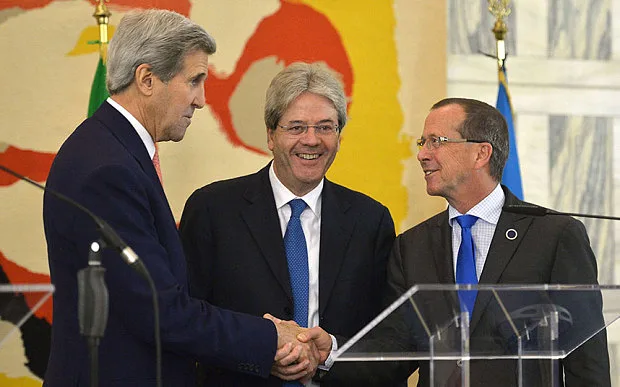
US_Secretary_of_St_3525404b

دعا المجتمعون في مؤتمر روما الدولي حول ليبيا أمس الأحد إلى وقف إطلاق النار لتمهيد الطريق أمام التوصل إلى اتفاق لتشكيل حكومة وحدة وطنية.

وقال وزير الخارجية والتعاون الدولي الإيطالي، باولو جينتيلوني، في مؤتمر صحفي مشترك مع نظيره الأمريكي جون كيري، والمبعوث الأممي إلى ليبيا مارتن كوبلر، في ختام مؤتمر روما أمس، إن المؤتمر الدولي حول ليبيا الذي استضافته بلاده، اليوم الأحد، “شهد توافقًا غير مسبوق على توقيع اتفاق حكومة الوحدة الوطنية، الأربعاء المقبل، ودعمًا من المشاركين بالإجماع لتشكيل هذه الحكومة”.

وأكد جينتيلوني على ضرورة بذل كل الجهود الممكنة لتعزيز الاتفاق بين الأطراف الليبية، مشيرًا إلى أن “مهمة القادة الليبيين هي تحمل مسؤولياتهم ودفع العملية السياسية إلى الأمام والتي ستحظى بمساندة المجتمع الدولي”، وتابع: “الوقت عامل حاسم، وعلينا تسريع حل الأزمة الليبية في سبيل مواجهة خطر الإرهاب”، مضيفًا “التطور الذي شهدناه اليوم، مع الدعم الكامل للاعبين الدوليين الرئيسيين، سيكون نقطة تحول في الأزمة الليبية المستمرة منذ فترة طويلة جدًا”.

وكانت الأطراف الليبية المتنازعة ، التي اجتمعت في تونس وسط الأسبوع الماضي، اتفقت على توقيع خطة الأمم المتحدة للتسوية في الـ 16 من ديسمبر الجاري.

ونص اتفاق أكتوبر الماضي على أن يتولى فائز السراج النائب في برلمان طرابلس رئاسة حكومة وفاق وطني تتكون من تسعة أعضاء يكون مقرها العاصمة طرابلس.

بدوره قال وزير الخارجية الأمريكي جون كيري إن غالبية الفصائل مستعدة للتوقيع على الخطة الأممية لإنهاء الصراع في ليبيا، وأضاف كيري: “ستُشكل في طرابلس حكومة معترف بها من قِبل المجتمع الدولي في غضون 40 يومًا، ولدينا خطة جاهزة لضمان تشكيلها، فهذا ما يريده الشعب الليبي”، وتابع “البعض ممن يعمل داخل وخارج ليبيا على إفشال الاتفاق حول حكومة الوحدة الوطنية، سوف يدفع الثمن، وأولئك الذين يريدون إلحاق الضرر بمستقبل ليبيا ليسوا سوى أقلية”.

وجمع مؤتمر روما بالإضافة إلى رئاسة المؤتمر المتمثلة في وزير الخارجية الإيطالي ونظيره الأمريكي والمبعوث الأممي إلى ليبيا، وفدان من المؤتمر الوطني العام (بطرابلس)، ومجلس نواب طبرق المنحل (شرق) ومستقلين، إلى جانب ممثلين عن الأعضاء الدائمين الآخرين في مجلس الأمن الدولي (الصين، فرنسا، المملكة المتحدة، وروسيا)، كما شارك مندوبون عن الجزائر، تونس، السعودية، مصر، الإمارات العربية المتحدة، ألمانيا، الأردن، المغرب، تركيا، قطر، إسبانيا، بالإضافة إلى مفوضة السياسة الخارجية الأوروبية فيديريكا موغيريني ممثلة عن الاتحاد الأوروبي، وممثلين عن جامعة الدول العربية والاتحاد الأفريقي.

وقال المبعوث الأممي الخاص إلى ليبيا، مارتن كوبلر إن “الاتفاق الذي سيوقع الأربعاء المقبل في المغرب ينص على مرحلة انتقالية مدتها سنة واحدة لتنفيذ العملية الدستورية”، وأضاف أن “هناك إجماع من الشعب الليبي على ضرورة وضع حد للانقسامات، وقد أعجبت بمدى التعاضد والشجاعة التي أظهرها أعضاء الحوار السياسي الليبيين الذين جاؤوا إلى هنا في روما لكي يمثلوا صوت الشعب الليبي”، ووعدت الدول المجتمعة في روما بتقديم الدعم السياسي والاقتصادي والأمني لحكومة الوحدة في ليبيا حسب بيان لها.

وفي مقابل ذلك سبق لممثلين آخرين عن المؤتمر الوطني العام وبرلمان طبرق المنحل التوقيع على إعلان مبادئ لاتفاق لحل الأزمة الليبية

وينص الاتفاق الذي وقعه رئيس وفد مجلس النواب المنحل المنعقد في طبرق إبراهيم عميش، ورئيس وفد المؤتمر الوطني المنعقد في طرابلس عوض عبد الصادق، في تونس الأحد الماضي، على ثلاث بنود لتسوية الأزمة السياسية، وهي العودة والاحتكام للشرعية الدستورية، المتمثلة في الدستور الليبي السابق لتهيئة المناخ العام، لإجراء انتخابات تشريعية لمدة أقصاها عامان.

كما نص الاتفاق في تونس على تشكيل لجنة من 10 أعضاء (خمسة من البرلمان ومثلهم من المؤتمر الوطني)، تعمل على المساعدة في اختيار رئيس حكومة وفاق وطني، ونائبين له الأول يمثل البرلمان والثاني المؤتمر، يشكلان مع الرئيس (رئاسة مجلس الوزراء) خلال أسبوعين، بالإضافة إلى تشكيل لجنة من 10 أعضاء من البرلمان والمؤتمر بالتساوي، تتولى مهمة تنقيح الدستور المشار إليه في حل النزاع التشريعي بما يتفق وخصوصية وطبيعة المرحلة.

وتم التوصل إلى توقيع هذا الإعلان من دون وساطة بعثة الأمم المتحدة، ما دفع المنظمة الدولية والولايات المتحدة والاتحاد الأوروبي إلى التشكيك به.

TAGGED: اتفاق حكومة الوحدة الوطنية ، الأطراف الليبية المتنازعة ، البعثة الأممية في ليبيا ، الحل السياسي في ليبيا ، حل الأزمة في ليبيا
TAGGED: الأزمة الليبية
Download this article as PDF
Share this Article
Facebook Twitter Whatsapp Whatsapp Telegram Email Copy Link
فريق التحرير
By فريق التحرير تقارير يعدها فريق تحرير نون بوست.
Follow:
Next Article نون بوست The Stigma of “ISIS”: A Heavy Legacy Haunting Women and Children of Former Members

Read More

  • U.S. Regime‑Change Policies: Why They Are Destined to Fail U.S. Regime‑Change Policies: Why They Are Destined to Fail
  • The Gulf’s Balancing Act: Iran, Israel, and Hidden Links
  • Iraq–Turkey Oil Export Treaty: Why Did Ankara Cancel It After 52 Years?
  • Syria’s Northeast on Edge: QSD Between Ankara and Damascus
  • Has Europe Changed Its Stance on Israel… or Just Its Language?
part of the design
NoonPost Weekly Newsletter
dark

An independent media platform founded in 2013, rooted in slow journalism, producing in-depth reports, analysis, and multimedia content to offer deeper perspectives on the news, led by a diverse young team from several Arab countries.

  • Politics
  • Society
  • Rights & Liberties
  • Opinions
  • History
  • Sports
  • Education
  • Technology
  • Economy
  • Media
  • Arts & Literature
  • Entrepreneurship
  • Travel
  • Cinema & Drama
  • Food
  • Health
  • Culture
  • Latest Reports
  • Files
  • Long Reads
  • Interviews
  • Podcast
  • Interactive
  • Encyclopedia
  • In Pictures
  • About Us
  • Our Writers
  • Write for Us
  • Editorial Policy
  • Advanced Search
Some rights reserved under a Creative Commons license

Removed from favorites

Undo
Go to mobile version