NoonPost NoonPost

NoonPost

  • Home
  • Politics
  • Economy
  • Society
  • Culture
  • Files
  • Long Reads
  • Podcast
AR
Notification Show More
نون بوست
“There Are Nights I Can’t Close My Eyes”: How Gazans Are Living in Homes on the Brink of Collapse
نون بوست
From al-Jolani to Ahmad al-Shara: The Evolution of Syria’s New Leader
نون بوست
When Political Islam Receded in Egypt: Who Filled the Void?
نون بوست
An Extension of Genocide: Gaza’s Detainees Speak Out
نون بوست
A Tightrope Between Survival and Sovereignty: The Syrian Government Faces Normalization Pressures
نون بوست
American Aircraft Carriers: Has the Era of “100,000 Tons of Diplomacy” Ended?
نون بوست
U.S. Regime‑Change Policies: Why They Are Destined to Fail
نون بوست
Transformations of Israeli Judaism: Between the Victim Complex and the Colonizer’s Doctrine
نون بوست
The Gulf’s Balancing Act: Iran, Israel, and Hidden Links
نون بوست
Iraq–Turkey Oil Export Treaty: Why Did Ankara Cancel It After 52 Years?
نون بوست
Syria’s Northeast on Edge: QSD Between Ankara and Damascus
نون بوست
Has Europe Changed Its Stance on Israel… or Just Its Language?
NoonPost NoonPost
AR
Notification Show More
نون بوست
“There Are Nights I Can’t Close My Eyes”: How Gazans Are Living in Homes on the Brink of Collapse
نون بوست
From al-Jolani to Ahmad al-Shara: The Evolution of Syria’s New Leader
نون بوست
When Political Islam Receded in Egypt: Who Filled the Void?
نون بوست
An Extension of Genocide: Gaza’s Detainees Speak Out
نون بوست
A Tightrope Between Survival and Sovereignty: The Syrian Government Faces Normalization Pressures
نون بوست
American Aircraft Carriers: Has the Era of “100,000 Tons of Diplomacy” Ended?
نون بوست
U.S. Regime‑Change Policies: Why They Are Destined to Fail
نون بوست
Transformations of Israeli Judaism: Between the Victim Complex and the Colonizer’s Doctrine
نون بوست
The Gulf’s Balancing Act: Iran, Israel, and Hidden Links
نون بوست
Iraq–Turkey Oil Export Treaty: Why Did Ankara Cancel It After 52 Years?
نون بوست
Syria’s Northeast on Edge: QSD Between Ankara and Damascus
نون بوست
Has Europe Changed Its Stance on Israel… or Just Its Language?
Follow US

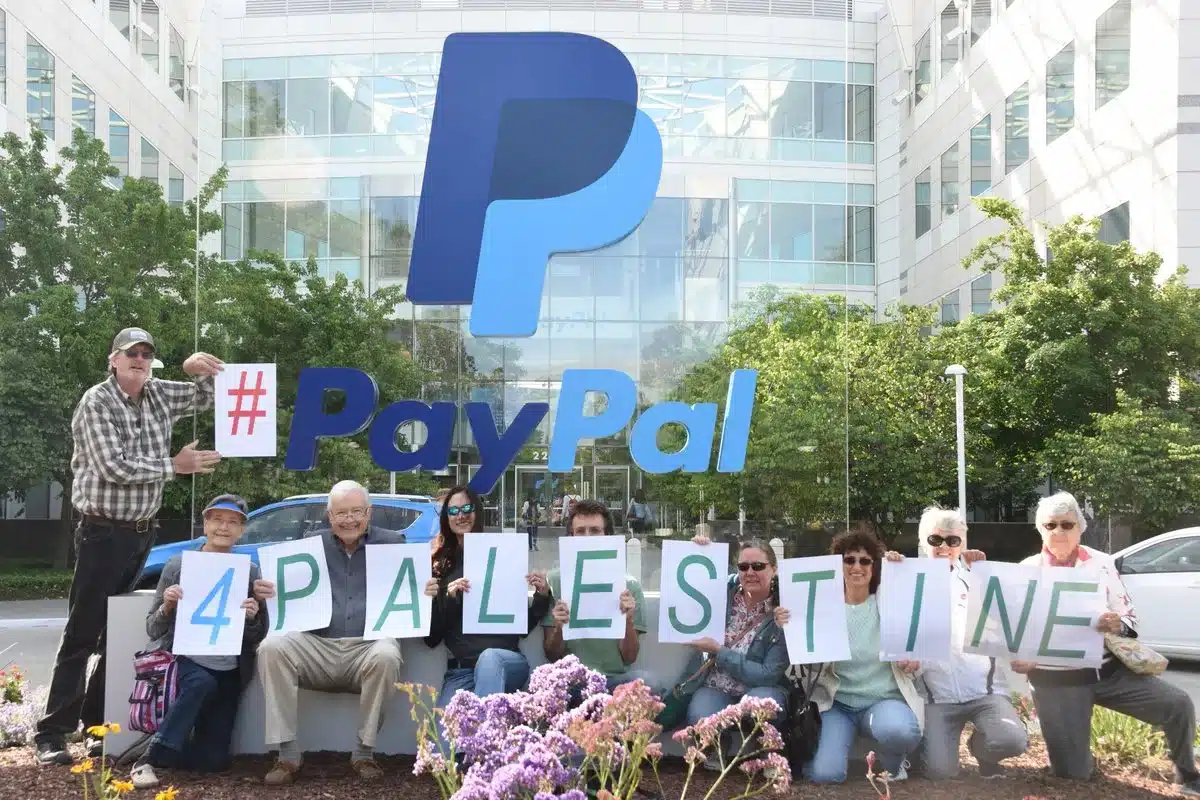
Financial Siege on Gaza: PayPal Account Bans Deepen the Crisis

أميرة نصار
Amira Nassar Published 26 March ,2026
Share
نون بوست
نون بوست

Inside a makeshift wooden studio, shielded from the deafening sounds of explosions and shelling across the Gaza Strip, voice-over artist Fawzi Al-Qassas, 33, stands before a microphone, holding a Gulf-accented script. His voice was selected from among twenty freelancers on “Mostaql,” the largest freelancing platform in the Arab world.

Suppressing his frustration after yet another internet and electricity blackout in the workspace he resorted to after his home studio was destroyed, Fawzi says bitterly:
“It’s not just the internet or electricity. Even the money I’ve earned is stuck on the platform because PayPal banned our accounts during the genocide—just because our residence is listed as Palestine.”

Fawzi is not alone. Hundreds of thousands of Palestinians in Gaza and the West Bank had their PayPal accounts frozen since the start of the genocidal war on October 7, 2023—and the ban remains in effect.

Recalling his journey, Fawzi shares:
“I studied financial and banking accounting and found myself in Gaza’s suffocating unemployment line. Freelancing became my lifeline—working with clients from all over the world, earning decent income, with easy payments and a modest 8% fee via PayPal, which I’d then transfer to my bank account.”

Many freelancers in Gaza rely on PayPal to receive payments from international clients, attracted by its seller protection features and seamless integration with freelancing platforms.

Fawzi tells Noon Post:
“After a harrowing displacement and losing all my recording equipment, I found a workspace where I now pay $100 a month just for internet and electricity so I can stay in touch with clients. Even after PayPal banned my account, I’ve been struggling to find costly alternatives to support my family.”

When asked what alternatives he turned to, he replies:
“My brother in Germany has a PayPal account. I used it for two months, but he eventually asked me to stop fearing his account might get banned too. Then I reached out to clients in Ireland, Egypt, Turkey, and Saudi Arabia. We agreed they’d hold my payments until I could collect them via local money changers, though this often meant losing up to 50% of the original amount in commissions.”

Before the war on Gaza, 11 members of the U.S. Congress had urged PayPal to lift its ban on Palestinians in the occupied territories—especially as Israeli settlers were allowed to use the platform. PayPal never publicly explained why it excludes Palestinians from its financial services.

Elsewhere in Gaza, 22-year-old Mahmoud Al-Borno sits before his second-hand laptop, salvaged from the rubble of his destroyed home. Recently released from Israeli prison, he also lost his job as a motion graphics designer and video editor.

“The Israeli genocide turned our lives upside down,” he says, his expression heavy with sorrow. “I lost my first laptop, several members of my family, and the ability to communicate with clients in Saudi Arabia. I was in desperate need of those payments during the peak of the war.”

PayPal wasn’t the only service to suspend operations. Even Western Union halted its services in Gaza, compounding the crisis for freelancers and remote workers reliant on international clients.

“Before the war,” Mahmoud recalls, “my main focus wasn’t just getting paid—it was improving my work and standing out in a competitive field full of talented designers. Payments were simple. I’d get them within minutes through Western Union agents, especially from countries that supported it.”

Long before the ongoing genocide—now in its 23rd month—Gaza’s youth had struggled with soaring unemployment, a result of the Israeli-imposed blockade in place since 2006. Many turned to remote work and freelancing as their only viable source of income.

“With no Western Union in Gaza now,” Mahmoud sighs, “I’m forced to use costly intermediaries who take more than half of what I earn. It makes work nearly unsustainable—but I have no choice. I must keep going for my family.”

“The financial restrictions imposed on Palestinians didn’t begin with this war,” says economic analyst Ahmed Abu Qamar. “They date back years, including economic sanctions on Palestinian banks during the Second Intifada. These restrictions are justified with false claims under the pretext of ‘combating terrorism.’”

He continues:
“During the Israeli blockade, many financial movements in Gaza were restricted in coordination with the international community, which economically covers up Israel’s crimes.”

Abu Qamar explains that the financial clampdown worsened during the current war:
“Transactions in and out of Gaza are now twice as difficult. Numerous digital wallets and platforms—like Binance, PayPal, Western Union, and MoneyGram—have closed accounts holding thousands of dollars. These accounts were Palestinians’ only workaround to the crippling economic sanctions.”

“PayPal has proven effective for financial transfers, operating in over 200 countries. It empowered freelancers and businesses alike with low-cost global transfers. At the end of 2024, the platform had over 430 million active accounts—demonstrating its vast user base. Blocking access in Gaza has dealt a massive blow to the financial lifeline of many, despite the company being well aware of the source of these funds,” Abu Qamar adds.

“Palestinian freelancers and remote workers are now facing a war on two fronts—military and financial,” he says. “Before the war, fees were as low as 2%. Now they exceed 30%, piling pressure on those already struggling.”

Abu Qamar notes that it’s difficult to assess the exact number of accounts affected due to the lack of pre-war data infrastructure in Gaza—a result of the siege and systemic financial marginalization.

He concludes:
“We urge the adoption of USDT (Tether) for banking and transfers. It allows for secure, anonymous cross-border transactions, offering a viable alternative for those living under financial sanctions.”

Download this article as PDF
Share this Article
Facebook Twitter Whatsapp Whatsapp Telegram Email Copy Link
أميرة نصار
By أميرة نصار صحفية وكاتبة من غزة
Follow:
Previous Article نون بوست Sudan: Who Benefits from the Fragmentation of Civil Forces?
Next Article نون بوست Yemen Trapped Between Internal Fires and External Ambitions

Read More

  • U.S. Regime‑Change Policies: Why They Are Destined to Fail U.S. Regime‑Change Policies: Why They Are Destined to Fail
  • The Gulf’s Balancing Act: Iran, Israel, and Hidden Links
  • Iraq–Turkey Oil Export Treaty: Why Did Ankara Cancel It After 52 Years?
  • Syria’s Northeast on Edge: QSD Between Ankara and Damascus
  • Has Europe Changed Its Stance on Israel… or Just Its Language?
part of the design
NoonPost Weekly Newsletter

You May Also Like

U.S. Regime‑Change Policies: Why They Are Destined to Fail

U.S. Regime‑Change Policies: Why They Are Destined to Fail

إسراء سيد Esraa sayed 8 April ,2026
The Gulf’s Balancing Act: Iran, Israel, and Hidden Links

The Gulf’s Balancing Act: Iran, Israel, and Hidden Links

فريق التحرير Noon Post 8 April ,2026
Iraq–Turkey Oil Export Treaty: Why Did Ankara Cancel It After 52 Years?

Iraq–Turkey Oil Export Treaty: Why Did Ankara Cancel It After 52 Years?

فريق التحرير Noon Post 8 April ,2026

100 عام على سايكس بيكو .. تقسيم دون حدود جديدة

مجاهد الطائي
مجاهد الطائي Published 17 December ,2015
Share
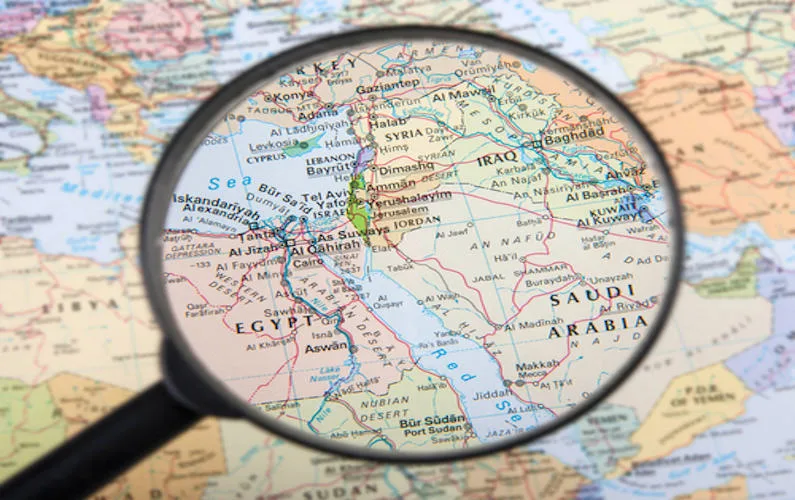
middle-east-under-magnifying-glass2

راج في المنطقة مؤخرًا حديث عن نهاية سايكس – بيكو التي وضعت ملامح الحدود السياسية لغالبية دول المنطقة قبل قرابة مائة عام خلت، والشروع في التأسيس لسايكس – بيكو جديدة، تبتغي تأسيس نظام إقليمي جديد بمنطقة الشرق الأوسط من قِبل القوى العظمى في زماننا عبر تقسيم دول عربية محورية على أسس عرقية ودينية وطائفية، مئة عام على اتفاقية تقاسم النفوذ في المنطقة من خلال اتفاقية سايكس بيكو التي ورثت خلالها الدول العظمى وخاصة فرنسا والمملكة المتحدة بعض أجزاء من تركة ما سُمي “الرجل المريض” إبان الحرب العالمية الأولى؛ فاقتسمت خريطة العالم العربي ووضعت حدوده وفقًا لمصالحها، وذلك في أعقاب مفاوضات سرية جرت بين نوفمبر من عام 1915 ومايو من عام 1916 بين الدبلوماسي الفرنسي فرانسوا جورج بيكو والبريطاني مارك سايكس.

إن حدود سايكس – بيكو أصبحت هشة بشكل يُرثى له وعُرضة للانهيار الكلي بأية لحظة، فاليوم هناك شرق أوسط جديد بصدد التشكل بناءً على معطيات جديدة بين عواصم القرار الغربي والدور العربي الإقليمي مع القوى الإقليمية الفاعلة (تركيا وإيران) مع حقوق الأقليات محليًا وآبار النفط التي تُشكل تداخل الجغرافيا بالديمغرافيا، أي أن الحدود الجديدة لن تُرسم كحدود سايكس بيكو طبقًا لمصالح القوى العظمى فقط وبالمسطرة والقلم، بل طبقًا للحدود الديمغرافية للأقليات والخرائط النفطية وبالدم والأشلاء والصراع الجزئي على المصالح والنفوذ والثروات وبرغبات وميول حق تقرير المصير وأزمة الحقوق والديمقراطية وقيمها.

لا يمكن الحديث عن تَشكُل خرائط ووجه جديد للشرق الأوسط بالاعتماد على نظرية المؤامرة والفوضى الخلاقة وتقسيم المقسم وتجزئة المجزأ والتباكي فقط، لأننا جزء من الحدث نتفاعل معه ونرصده ويعكس الحاجة الأمنية والاجتماعية والسياسية لتفاعلات المنطقة بين نظمها السلطوية التي تُسيطر عليها أقليات وصراعها مع الأكثريات، وانتظار تشكُل نظام دولي وإقليمي أقل صراعًا وتصادمًا بين مكوناته وقِواه وكتله.

لقد أصبح من المؤكد وبما لا يقبل الشك أن الدولتين (سوريا والعراق) المرشحتان الرئيسيتان في إعادة رسم حدودهما بعد أن وضعت داعش حدًا لحدود سايكس بيكو، ووضعت حدًا للثورة الشعبية ضد الظلم والطغيان في البلدين الجارين، وبنسب أقل لليبيا واليمن من حيث الترشح لتغير حدودهما، علمًا أن اجتماع المعارضة العراقية في مؤتمر الدوحة قبل شهرين قد أكد على بند مهم وهو التأكيد على وحدة العراق، كما أن اجتماع قوى المعارضة السورية في الرياض قبل أيام أكد أيضًا على وحدة سوريا، بمعنى أن تغير الحدود لا يعني سايكس بيكو جديد بل تغيير شكل الدولة وتطبيق الفيدراليات أو الكونفدراليات في أسوأ الحالات لكن بشكلها الإثني والطائفي بعد تمايز المنطقة بهويات غير وطنية فرعية.

إن المؤشرات التاريخية والسياسية والطموح الأمريكي يشيران إلى تشكُل شرق أوسط جديد ليس للمنافس الاستعماري التقليدي الفرنسي والبريطاني الدور الرئيسي فيه، رغم وجودهما كحليف، وإنما للدور الأمريكي الفعل الرئيسي؛ فهي غير راضية على الحدود السابقة لأنها لم تؤثر بصناعتها وصياغتها مباشرةً، فلو رجعنا مئة عام إلى الوراء وفي سياق الثورة العربية الكبرى 1916م بقيادة الشريف الحسين الذي كان يرغب بإنشاء خلافة إسلامية، لوجدنا أن التدخل الخارجي أفسد الثورة وغير مسارها باتفاقية التقسيم، فالثورات العربية ما أفسدها هو التدخل الدولي ضد داعش والتدخل الإيراني بالمليشيات وقوى الثورة المضادة الذي تُشكل “داعش” إحدى وجوهها وسينتج عنهم ما انتجته اتفاقية الحدود لكن بفروق متعددة وصور متنوعة منها:

التشابه

– قُبيل إنشاء وتأسيس الحدود الجديدة يكون هناك هزات سياسية وأمنية عنيفة وخطيرة، تستثمرها القوى العظمى وتُسيرها لصالح أهدافها أو ألا تتعارض مع طموحاتها على الأقل.

– هناك دول تتراجع قبضتها وسلطتها، وتتسرب السلطة داخل المجتمع بشكل كبير وبيد قوى سياسية واجتماعية ودينية قد تُشكل هوية سياسية مستقبلاً.

– يكون هناك اتفاق دولي أممي وإقليمي لبناء الوجه الجديد للمنطقة مع المصالح النفطية للشركات متعددة الجنسيات وخاصة الأمريكية في الفترة الراهنة.

الاختلاف

– رسم الحدود كان بالمسطرة والقلم بتوزيع وتقسيم لمناطق الاستعمار البريطاني والفرنسي، بينما الواقع السياسي والاجتماعي بعد تصدع المجتمعات وتمايزها طائفيًا مع تفكك الدول، قد أسس حدودًا طائفية وعرقية أضيق من سابقاتها وانتماءات غير وطنية وتداخلها مع الخرائط النفطية والثروات؛ مما يعني أن حدود الفيدراليات أو الكونفدراليات ستُرسم بالدم وطبقًا للخرائط الديمغرافية والنفط.

– السلطة في دول سايكس بيكو سلطة استبدادية غير شرعية سيطرت عن طريق الانقلابات العسكرية، بينما تقاسم السلطة في الفيدراليات الجديدة يشير إلى سلطات (ديمقراطية) مع نظم فيدرالية هجينة، لأن الفيدرالية أو الكونفدرالية وحتى اللامركزية ديمقراطية بالضرورة.

– الشكل الجديد للدول سيكون مُرضي للهويات الرئيسية، للخلاص من حالة الفوضى والظلم الواقع عليها مع عدم استقرار قد يطول لعقد من الزمن قبل أن يستقر ويثبت.

إن الفيدراليات والكونفدراليات واللامركزية الإدارية التي ستعيد تجميع العراق وسوريا ستكون بأشكال طائفية وعرقية، كردية وعلوية وسنية وشيعية، وستُصاغ بعقد اجتماعي جديد فيما بينهم لتؤسس لعلاقة جديدة وشكل جديد للدولة الهجينة، فهي الصيغة المُرضية لأمريكا وادعائها بنشر الديمقراطية بصيغة الفيدرالية الشبيهة بالفيدرالية الأمريكية والكومفدرالية الأوروبية التي شكلت الاتحاد الأوروبي، وهي مُرضية لإسرائيل أيضًا، لأن الهدف الإسرائيلي هو أن تتصارع وتتفاعل هذه الطوائف والأعراق وتبقى إسرائيل في مأمن، وتبقى هي المشروع العرقي الأكبر والأقوى والمهيمن في المنطقة لذا هناك علاقة بين تطرف “داعش” على الجميع وبين الهوية اليهودية والهويات الفرعية الأخرى، وهي تحاول رعايتها ودعمها وربما تتوصل الأطراف حتى لحل جزئي للقضية الفلسطينية بحل الدولتين لكنه لن ينجح على المستوى الإستراتيجي.

أخيرًا، إن وجود الكيان الصهيوني تلك الخلية السرطانية العفنة في المنطقة ككيان له سلطة بدون حدود مرسومة بل مفترضة، قد نقل العدوى إلى سوريا والعراق فأنشئت كيانات بهويات فرعية ترفض الآخر وتتعامل بشكل جدي مع جيرانها، فربما يكون العلاج الجزئي هو الفيدراليات وإعادة الاندماج والتعايش، لكنهُ لن يكون سهلاً أبدًا بوجود الكيان الصهيوني وقد يكون مستحيلاً ولا ينجح إلا بعد تحرير فلسطين.

TAGGED: أزمات الشرق الأوسط ، التدخل الأمريكي في الشرق الأوسط ، التدخل الروسي في الشرق الأوسط ، حدود سايكس بيكو ، سايكس بيكو
Download this article as PDF
Share this Article
Facebook Twitter Whatsapp Whatsapp Telegram Email Copy Link
مجاهد الطائي
By مجاهد الطائي كاتب و باحث عراقي في المجالات السياسية ، ماجستير علوم سياسية جامعة الاردن
Follow:
Next Article نون بوست The Stigma of “ISIS”: A Heavy Legacy Haunting Women and Children of Former Members
part of the design
NoonPost Weekly Newsletter
dark

An independent media platform founded in 2013, rooted in slow journalism, producing in-depth reports, analysis, and multimedia content to offer deeper perspectives on the news, led by a diverse young team from several Arab countries.

  • Politics
  • Society
  • Rights & Liberties
  • Opinions
  • History
  • Sports
  • Education
  • Technology
  • Economy
  • Media
  • Arts & Literature
  • Entrepreneurship
  • Travel
  • Cinema & Drama
  • Food
  • Health
  • Culture
  • Latest Reports
  • Files
  • Long Reads
  • Interviews
  • Podcast
  • Interactive
  • Encyclopedia
  • In Pictures
  • About Us
  • Our Writers
  • Write for Us
  • Editorial Policy
  • Advanced Search
Some rights reserved under a Creative Commons license

Removed from favorites

Undo
Go to mobile version