NoonPost NoonPost

NoonPost

  • Home
  • Politics
  • Economy
  • Society
  • Culture
  • Files
  • Long Reads
  • Podcast
AR
Notification Show More
نون بوست
“There Are Nights I Can’t Close My Eyes”: How Gazans Are Living in Homes on the Brink of Collapse
نون بوست
From al-Jolani to Ahmad al-Shara: The Evolution of Syria’s New Leader
نون بوست
When Political Islam Receded in Egypt: Who Filled the Void?
نون بوست
An Extension of Genocide: Gaza’s Detainees Speak Out
نون بوست
A Tightrope Between Survival and Sovereignty: The Syrian Government Faces Normalization Pressures
نون بوست
American Aircraft Carriers: Has the Era of “100,000 Tons of Diplomacy” Ended?
نون بوست
U.S. Regime‑Change Policies: Why They Are Destined to Fail
نون بوست
Transformations of Israeli Judaism: Between the Victim Complex and the Colonizer’s Doctrine
نون بوست
The Gulf’s Balancing Act: Iran, Israel, and Hidden Links
نون بوست
Iraq–Turkey Oil Export Treaty: Why Did Ankara Cancel It After 52 Years?
نون بوست
Syria’s Northeast on Edge: QSD Between Ankara and Damascus
نون بوست
Has Europe Changed Its Stance on Israel… or Just Its Language?
NoonPost NoonPost
AR
Notification Show More
نون بوست
“There Are Nights I Can’t Close My Eyes”: How Gazans Are Living in Homes on the Brink of Collapse
نون بوست
From al-Jolani to Ahmad al-Shara: The Evolution of Syria’s New Leader
نون بوست
When Political Islam Receded in Egypt: Who Filled the Void?
نون بوست
An Extension of Genocide: Gaza’s Detainees Speak Out
نون بوست
A Tightrope Between Survival and Sovereignty: The Syrian Government Faces Normalization Pressures
نون بوست
American Aircraft Carriers: Has the Era of “100,000 Tons of Diplomacy” Ended?
نون بوست
U.S. Regime‑Change Policies: Why They Are Destined to Fail
نون بوست
Transformations of Israeli Judaism: Between the Victim Complex and the Colonizer’s Doctrine
نون بوست
The Gulf’s Balancing Act: Iran, Israel, and Hidden Links
نون بوست
Iraq–Turkey Oil Export Treaty: Why Did Ankara Cancel It After 52 Years?
نون بوست
Syria’s Northeast on Edge: QSD Between Ankara and Damascus
نون بوست
Has Europe Changed Its Stance on Israel… or Just Its Language?
Follow US

Yemen Trapped Between Internal Fires and External Ambitions

بشرى الحميدي
Bushra Alhomidy Published 26 March ,2026
Share
نون بوست
نون بوست
Hani Al-Ansi / Picture Alliance / AP

Since the eruption of the Gaza war, Yemen’s political landscape has undergone significant shifts on both regional and international fronts. The reverberations of the Israeli-Palestinian conflict have disrupted efforts toward a political settlement in Yemen, directly impacting a peace process that was already faltering due to a complex web of internal and regional dynamics.

No longer seen as merely a domestic battleground, Yemen has become entangled in a broader geopolitical chessboard where the interests of global powers intersect with the strategic calculations of regional actors in the Middle East.

As events in Gaza escalate, international and regional priorities have pivoted toward the Israeli-Palestinian conflict, sidelining the Yemeni file and easing the pressure on local factions to advance the peace process.

This shift has led to a decline in international coverage and effective political pressure on Yemeni actors, allowing some armed groups to expand their influence and strengthen their foothold both inside the country and beyond its borders.

In this context, the Egyptian Center for Political and Strategic Studies notes that the absence of a unified national project and the inability of any UN-backed political framework to enforce implementation severely limit the chances for a comprehensive settlement particularly as the Houthis expand their regional engagements and exploit shifting dynamics to bolster their position domestically and regionally.

The Center argues that the Yemeni crisis is now deeply intertwined with regional entanglements. The Houthis have emerged as a key regional player across the Red Sea, while the international community remains more preoccupied with managing the fallout from the Gaza conflict and securing economic interests tied to maritime routes than with earnestly pursuing viable solutions for Yemen.

Between Internal Conflict and External Tensions

Throughout his tenure, UN Special Envoy Hans Grundberg has remained engaged in mediating between Yemen’s warring parties and their regional and international backers, striving to broker a lasting truce and push the political process forward.

Yet despite his continued efforts, the challenges facing the peace process appear more complex than ever an assessment underscored in his latest briefing to the UN Security Council, which was laced with stark warnings and sober reflections on Yemen’s bleak trajectory.

Grundberg offered a precise reading of the current state of affairs, stressing that stability in Yemen cannot be isolated from broader regional dynamics. He described the conflict as a “fault line” whose tremors are spilling across borders, magnified by the regional power struggle.

He noted that the ongoing war in Gaza has cast a heavy shadow over Yemen. Escalating tit-for-tat attacks between the Houthis and Israel have deepened instability.

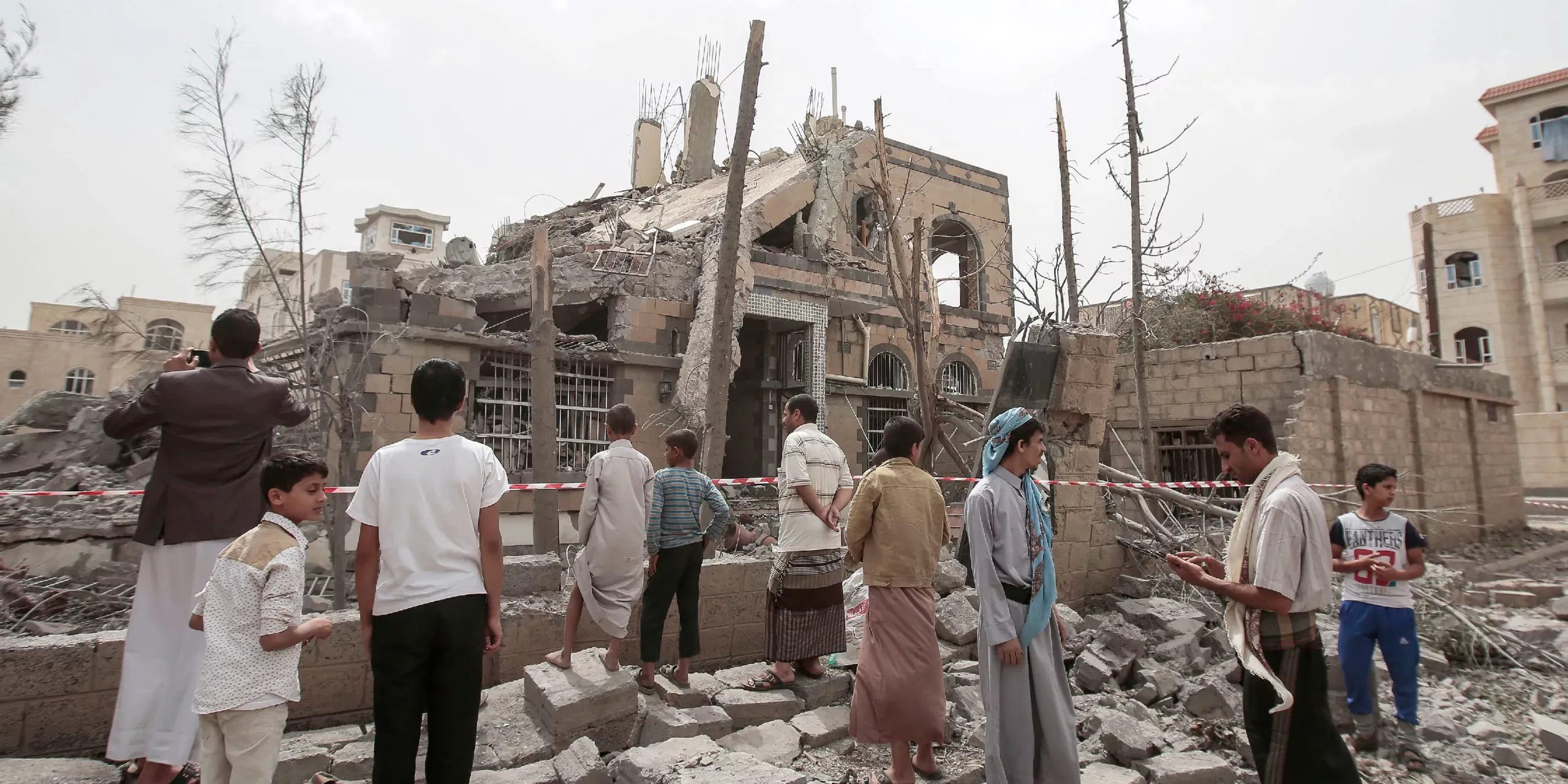
The Houthis have ramped up their drone and missile strikes on Israeli territory, while Israel has responded with a series of airstrikes targeting Sana’a and other Houthi-controlled areas, leaving dozens dead including individuals directly connected to Grundberg’s office.

The envoy cautioned that focusing solely on regional rivalries risks marginalizing Yemeni voices and ignoring the people’s real needs and aspirations. He warned that this approach is driving the country further away from a political resolution and delaying any prospect of lasting peace or sustainable development.

As regional tensions widen and foreign interventions intensify in neighboring conflicts, Yemen remains a critical nexus where the interests of global powers converge. Its internal strife is increasingly a mirror of regional rivalries.

In this vein, international relations scholar Adel Al-Musani argues that Yemen’s situation has become extraordinarily complex due to the rapid pace of regional developments. He noted that repeated Israeli strikes on Houthi positions have broadened the zone of regional tension, embedding Yemen deeper into the strategic calculus of major powers.

Speaking to Noon Post, Al-Musani highlighted that regional power dynamics are shifting rapidly, especially after the recent Arab-Islamic Summit labeled Israel an “enemy”—a clear departure from the previous stance of some Gulf states that had viewed it as a “moderate ally.”

He added that developments in the Red Sea, increased involvement from major powers like China and Russia, and the Houthis’ inflammatory rhetoric are all factors that further complicate the landscape and obstruct any possible political resolution.

Al-Musani concluded by stating that the Yemeni crisis now sits open-ended, with no clear indicators of either a military breakthrough or a political settlement. This underscores the fragility of Yemen’s position amid relentless regional and global upheavals.

From “Al-Aqsa Flood” to the Red Sea

In recent years and especially since the “Al-Aqsa Flood” operation in 2023 Yemen’s crisis has taken a distinctly different turn. No longer merely a local conflict among rival Yemeni factions, the crisis has become inseparable from broader regional and international considerations.

As global attention has shifted to other, more urgent regional conflicts, Yemen has slipped down the list of priorities for major powers. This has created space for armed actors to entrench themselves further, both domestically and regionally, by capitalizing on political turbulence.

In this context, the Houthis have visibly emerged as a regional actor along the Red Sea coast, leveraging escalating regional tensions to cement their position and expand their popularity both at home and abroad. At the same time, Saudi Arabia has taken on a mediating role, seeking to act as a regional broker rather than an active party in the conflict.

Meanwhile, the United States has focused on managing the crisis in ways that safeguard its interests and Israel’s security, rather than enforcing a standalone political solution for Yemen.

The internationally recognized Yemeni government remains largely incapable of asserting control or implementing political strategies, either on the ground or diplomatically. As a result, the crisis has become increasingly tied to shifting regional and international tides far removed from the real needs and future aspirations of the Yemeni people. The possibility of a stable political settlement or sustainable solution appears increasingly elusive.

Commenting on this, writer and researcher Abdul Sattar Saif Al-Shamiri told Noon Post that the expanding front from Gaza to Yemen reflects a war of attrition between Iran’s regional project, Israel, and the United States. Yemen, he said, has become yet another arena for this power struggle.

Al-Shamiri noted that the Houthis have capitalized on the ineffectiveness of Israeli and American strikes to bolster their political standing domestically and internationally. Meanwhile, the Palestinian issue has suffered from growing international neglect, allowing Israel to tighten its control over the conflict’s trajectory.

He added that the recent international meeting in Saudi Arabia on securing Red Sea navigation routes illustrates that global priorities now revolve around trade and maritime security, rather than promoting a comprehensive political settlement in Yemen.

Still, Al-Shamiri observed that Yemen’s internal situation remains relatively stable. The recognized government retains its positions, while the Houthis face external pressures that could eventually erode their strength though there is no clear horizon for a military or political breakthrough.

Yemen on the Margins

As political and regional actors exchange messages across Gaza and the Red Sea, it is the Yemeni people who bear the greatest burden of marginalization. For ordinary Yemenis, the crisis is no longer just a political file it is a daily struggle largely ignored by the international community.

Activist Mansour Al-Shaddadi points out that Yemen has suffered from clear neglect both regionally and globally. He emphasized that international media and humanitarian support have failed to offer adequate attention both before and after the Gaza war.

Speaking to Noon Post, Al-Shaddadi said that since the war began in 2014, Yemen has never received fair coverage of its humanitarian catastrophe. He attributed this to the country’s lack of strategic value to major powers and to the weakness of the Yemeni diaspora, which might otherwise have helped bring attention to the crisis.

He added that the war in Gaza has only deepened this neglect, as regional developments have dominated media and public discourse. As a result, coverage of Yemen has dwindled—even as famine continues, salaries go unpaid, and humanitarian aid declines.

This erosion of international concern has had devastating consequences for millions of Yemenis, effectively rendering Yemen a forgotten conflict that surfaces only when global powers deem it relevant to their interests not in response to the humanitarian reality on the ground.

Thus, Yemen remains in a precarious position its crisis managed according to the priorities of powerful nations, while civilians shoulder the steep cost of political stagnation and rising tensions. The current landscape reflects the fragility of political pathways, the waning of international attention, and the opportunistic expansion of armed groups exploiting power vacuums at home and abroad.

In light of these dynamics, the question remains: Will Yemen once again rise to the top of the global agenda, offering its people a path toward sustainable peace and meaningful development? Or will it remain trapped in an unending cycle of conflict, a daily tragedy for a nation exhausted by more than a decade of war?

Download this article as PDF
Share this Article
Facebook Twitter Whatsapp Whatsapp Telegram Email Copy Link
بشرى الحميدي
By بشرى الحميدي
Follow:
Previous Article نون بوست Financial Siege on Gaza: PayPal Account Bans Deepen the Crisis
Next Article نون بوست “Our Land Is Forbidden to Us”: Occupation Strips Quneitra of Its People

Read More

  • U.S. Regime‑Change Policies: Why They Are Destined to Fail U.S. Regime‑Change Policies: Why They Are Destined to Fail
  • The Gulf’s Balancing Act: Iran, Israel, and Hidden Links
  • Iraq–Turkey Oil Export Treaty: Why Did Ankara Cancel It After 52 Years?
  • Syria’s Northeast on Edge: QSD Between Ankara and Damascus
  • Has Europe Changed Its Stance on Israel… or Just Its Language?
part of the design
NoonPost Weekly Newsletter

You May Also Like

U.S. Regime‑Change Policies: Why They Are Destined to Fail

U.S. Regime‑Change Policies: Why They Are Destined to Fail

إسراء سيد Esraa sayed 8 April ,2026
The Gulf’s Balancing Act: Iran, Israel, and Hidden Links

The Gulf’s Balancing Act: Iran, Israel, and Hidden Links

فريق التحرير Noon Post 8 April ,2026
Iraq–Turkey Oil Export Treaty: Why Did Ankara Cancel It After 52 Years?

Iraq–Turkey Oil Export Treaty: Why Did Ankara Cancel It After 52 Years?

فريق التحرير Noon Post 8 April ,2026

بريطانيا تراقب الإخوان ولا تراهم إرهابيين

فريق التحرير
Noon Post Published 17 December ,2015
Share
4839

انتهى تقرير أعدته الحكومة البريطانية حول نشاطات حركة الإخوان المسلمين ونشرته الخميس على موقع مجلس العموم إلى أنه لا ينبغي تصنيف الجماعة كمنظمة إرهابية ولا ينبغي حظرها، لكن التقرير خلص أيضًا إلى أن عضوية الحركة أو الارتباط بها يجب أن يُعد مؤشرًا محتملاً على التطرف.

وتناول التقرير مدى اتساق أفكار التنظيم ونشاطه بالقانون البريطاني أو تهديده للأمن في البلاد ووقوعه تحت طائلة إستراتيجية مكافحة الإرهاب البريطانية.

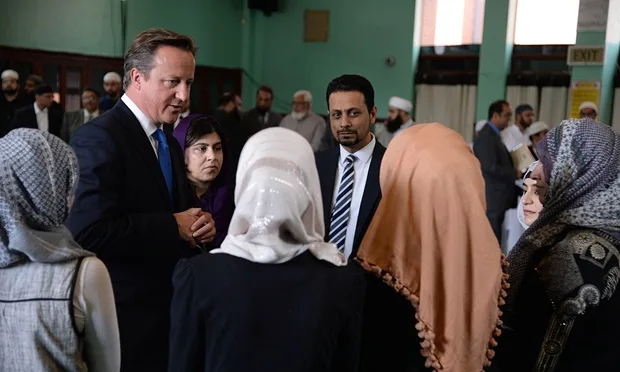
وقال رئيس الوزراء البريطاني ديفيد كاميرون في بيان مصاحب للتقرير إن “هناك قطاعات من الإخوان المسلمين لها علاقة مشبوهة بقوة مع التطرف المشوب بالعنف”، وتابع “أصبحت الجماعة كفكرة وكتنظيم ممر عبور لبعض الأفراد والجماعات ممن انخرطوا في العنف والإرهاب”.

وأشار خطاب لرئيس الوزراء البريطاني موجه لمجلس العموم إلى أنه على الرغم من تصريح الإخوان بمعارضتهم لتنظيم القاعدة لكنهم لم يشجبوا بشكل مقنع استغلال بعض المنظمات الإرهابية لكتابات سيد قطب، وهو أحد أبرز مفكري الإخوان المسلمين.

وجاء في التقرير وفقًا لخطاب رئيس الوزراء البريطاني ديفيد كاميرون الموجه لمجلس العموم البريطاني “إن تقارير إعلامية وأكاديمية ذات مصداقية تشير إلى مشاركة أقلية من مؤيدي الإخوان المسلمين في مصر، إلى جانب إسلاميين آخرين في أعمال عنف، في حين عاود بعض كبار قيادات الإخوان المسلمين التأكيد بشكل علني التزام الجماعة بعدم العنف، لكن هناك آخرين فشلوا في نبذ الدعوة للانتقام في بعض البيانات الصادرة مؤخرًا عن الإخوان المسلمين”.

في غضون ذلك، التقط نشطاء متعاطفون مع الإخوان المسلمين عدة إشارات لما يعتقدون أنه تعاون بريطاني مع أحد أجنحة الصراع داخل جماعة الإخوان في الوقت الحالي، ونوه بعضهم إلى أن التقرير لم يصدر إلا بعد أن أصدر عدد من قيادات الإخوان التاريخيين عدة قرارات بإقالة قيادات “ثورية” في الجماعة إلا أن تلك القرارات لم تحصل على دعم أغلبية الإخوان المسلمين في مصر.

لكن كاميرون كان قد قال الشهر الماضي إن التقرير سينشر قبل حلول أعياد الميلاد، لكنه أشار إلى أن الحركة لن تحظر في بريطانيا بوصفها مجموعة إرهابية. 

وقال كاميرون في بيانه، إن حكومته خلصت في التقرير الذي نشر الخميس إلى أن بعض أقسام حركة الإخوان المسلمين لهم علاقة ملتبسة جدًا بالتشدد الذي يقود إلى العنف، وأضاف أن حكومته ستكثف مراقبتها بشأن آراء وأنشطة أعضاء الإخوان المسلمين، لكن كاميرون قال أيضًا إن قرار حظر الجماعة من عدمه في بريطانيا مازال قيد المراجعة.

وأكد رئيس الحكومة البريطانية على أن الحكومة ستقوم بالتدقيق والفحص في أفكار الجماعة وأعضائها في بريطانيا، كما أن بريطانيا ستمتنع عن إصدار تأشيرات السفر لأعضاء الجماعة الذين يدلون بتصريحات متطرفة.

في تعليقه أيضًا قال كاميرون إن “العديد من أوجه أيديولوجيا الإخوان المسلمين ونشاطاتها تتعارض مع القيم البريطانية كالديمقراطية وحكم القانون والحرية الشخصية والمساواة والاحترام المتبادل والتسامح مع الأديان والمعتقدات المختلفة”.

كما أعلنت الحكومة في ختام تعليق كاميرون عن حزمة من الإجراءات ضد الإخوان المسلمين، مثل رفض تأشيرات الدخول لأعضاء الإخوان أو المرتبطين بهم ممن لهم تصريحات تؤيد العنف، التأكد من أن المنظمات الخيرية المرتبطة بالإخوان لا تستخدم في تمويل الجماعة وإنما تقوم بعمل خيري فقط، فرض تجميد الأصول المعمول به أوروبيًا على حركة حماس،  واستمرار متابعة وتدقيق إذا كانت آراء ونشاطات الإخوان تتسق مع القانون البريطاني.

وكانت صحيفة “الغارديان” قد نشرت تقارير تفيد بأن قرار الحكومة البريطانية بإجراء المراجعة بشأن جماعة الإخوان المسلمين، كان في الواقع قد اتخذ تحت تأثير ضغوط مارستها حكومات أجنبية تعادي التوجه الديمقراطي في الشرق الأوسط.

وكشفت التقارير النقاب عن أن دولة الإمارات العربية المتحدة كانت تقف وراء قرار الحكومة إجراء المراجعة، وأن السلطات في الإمارات كانت “تلوح بالراية الحمراء” احتجاجًا على عدم المبالاة التي تظهرها المملكة المتحدة تجاه جماعة الإخوان المسلمين.

وكشف تقرير “الغارديان” عن أن ولي عهد أبو ظبي كان قد اشتكى إلى رئيس الوزراء ضد جماعة الإخوان المسلمين في عام 2012، عندما أصبح أحد زعماء الجماعة، محمد مرسي، أول رئيس لمصر ينتخب ديمقراطيًا.

وقد أشارت الصحيفة إلى أنها اطلعت على وثائق تؤكد أن دولة الإمارات العربية المتحدة عرضت على كاميرون إبرام صفقات مغرية في مجال السلاح والنفط، من شأنها أن تعود بمليارات الجنيهات على الشركة البريطانية لتقنيات الطيران والفضاء “بي إيه إي” وأن تسمح لشركة النفط البريطانية “بي بيه” بالمنافسة على التنقيب على النفط في منطقة الخليج.

كما أوضح المقال أن التقرير الذي أشرف عليه جون جنكينز، سفير بريطانيا سابقًا لدى المملكة العربية السعودية، يدعو على ما يبدو إلى تشديد المراقبة على جماعة الإخوان والمؤسسات التابعة لها ببريطانيا، ولفت إلى أن نتائج التقرير كان مبرمجًا لنشرها في يوليو 2014 لكنها تأجلت لوقت طويل، دون أن يقدم مكتب رئيس الوزراء البريطاني أي توضيحات بهذا الشأن.

وتنوه الصحيفة إلى أن ولي عهد أبو ظبي الشيخ محمد بن زايد التقى كاميرون في مقر الحكومة في لندن، وعبر عن مظاهر قلقه من تداعيات انتصار مرسي، وخططت الإمارات لتقديم سلسلة من المحفزات لرجال الأعمال والمؤسسة العسكرية، مقابل اتخاذ إجراءات ضد الإخوان المسلمين.

وتختم “الغارديان” تحقيقها بالإشارة إلى أن سياسيين تساءلوا حول اهتمام الحكومة بالإخوان المسلمين، وقال زعيم الليبراليين الديمقراطيين السابق بادي أشادوان إن الحكومة أمرت بتحقيق في نشاطات الإخوان المسلمين، وتوصلت إلى أنهم ليسوا متطرفين، وهذه نتيجة “لا تساعد السعوديين”.

وكانت الحكومة البريطانية قد أخرت نشر التقرير، وهو ما دفع الكثيرين إلى توجيه انتقادات للحكومة تتهمها “بعدم نشر التقرير حتى لا يثيروا غضب السعودية وحلفاء آخرين”.

وعلق الإخوان المسلمون على التقرير عبر عدة وسائل، حيث علق المتحدث الرسمي باسم الجماعة محمد منتصر معتبرًا أن اتهام بريطانيا للجماعة بالتطرف أمر غير مقبول، ويمثل رغبة سياسية مبيتة ضد الجماعة، وأضاف “إذا كانت بريطانيا ترى أن التظاهرات السلمية تطرفًا فبالتأكيد أن لديها خللاً وعليها أن تعالجه”.

من جانبه قال أمين لجنة العلاقات الخارجية بحزب الحرية والعدالة المهندس محمد سودان إن التقرير الذي أعلنته حكومة ديفيد كاميرون “متجنٍّ”، وأضاف سودان في تصريح صحفي: “سنتوجه إلى المحكمة للرد على التقرير، من خلال مكتب الاستشارات القانونية المتعاقدين معه”، متابعًا أن هناك تحركات سياسية أخرى نقوم بها من خلال التواصل مع قيادات حزب العمال، وأطراف سياسية أخرى ترفض وجهة النظر التي تتبناها حكومة كاميرون. 

TAGGED: الإخوان المسلمون في بريطانيا ، التنظيم الدولي لجماعة الإخوان المسلمين ، العلاقات الإماراتية البريطانية ، العلاقات الخليجية البريطانية ، حظر الإخوان
TAGGED: الإخوان المسلمون
Download this article as PDF
Share this Article
Facebook Twitter Whatsapp Whatsapp Telegram Email Copy Link
فريق التحرير
By فريق التحرير تقارير يعدها فريق تحرير نون بوست.
Follow:
Next Article نون بوست The Stigma of “ISIS”: A Heavy Legacy Haunting Women and Children of Former Members

Read More

  • U.S. Regime‑Change Policies: Why They Are Destined to Fail U.S. Regime‑Change Policies: Why They Are Destined to Fail
  • The Gulf’s Balancing Act: Iran, Israel, and Hidden Links
  • Iraq–Turkey Oil Export Treaty: Why Did Ankara Cancel It After 52 Years?
  • Syria’s Northeast on Edge: QSD Between Ankara and Damascus
  • Has Europe Changed Its Stance on Israel… or Just Its Language?
part of the design
NoonPost Weekly Newsletter
dark

An independent media platform founded in 2013, rooted in slow journalism, producing in-depth reports, analysis, and multimedia content to offer deeper perspectives on the news, led by a diverse young team from several Arab countries.

  • Politics
  • Society
  • Rights & Liberties
  • Opinions
  • History
  • Sports
  • Education
  • Technology
  • Economy
  • Media
  • Arts & Literature
  • Entrepreneurship
  • Travel
  • Cinema & Drama
  • Food
  • Health
  • Culture
  • Latest Reports
  • Files
  • Long Reads
  • Interviews
  • Podcast
  • Interactive
  • Encyclopedia
  • In Pictures
  • About Us
  • Our Writers
  • Write for Us
  • Editorial Policy
  • Advanced Search
Some rights reserved under a Creative Commons license

Removed from favorites

Undo
Go to mobile version