NoonPost NoonPost

NoonPost

  • Home
  • Politics
  • Economy
  • Society
  • Culture
  • Files
  • Long Reads
  • Podcast
AR
Notification Show More
نون بوست
“There Are Nights I Can’t Close My Eyes”: How Gazans Are Living in Homes on the Brink of Collapse
نون بوست
From al-Jolani to Ahmad al-Shara: The Evolution of Syria’s New Leader
نون بوست
When Political Islam Receded in Egypt: Who Filled the Void?
نون بوست
An Extension of Genocide: Gaza’s Detainees Speak Out
نون بوست
A Tightrope Between Survival and Sovereignty: The Syrian Government Faces Normalization Pressures
نون بوست
American Aircraft Carriers: Has the Era of “100,000 Tons of Diplomacy” Ended?
نون بوست
U.S. Regime‑Change Policies: Why They Are Destined to Fail
نون بوست
Transformations of Israeli Judaism: Between the Victim Complex and the Colonizer’s Doctrine
نون بوست
The Gulf’s Balancing Act: Iran, Israel, and Hidden Links
نون بوست
Iraq–Turkey Oil Export Treaty: Why Did Ankara Cancel It After 52 Years?
نون بوست
Syria’s Northeast on Edge: QSD Between Ankara and Damascus
نون بوست
Has Europe Changed Its Stance on Israel… or Just Its Language?
NoonPost NoonPost
AR
Notification Show More
نون بوست
“There Are Nights I Can’t Close My Eyes”: How Gazans Are Living in Homes on the Brink of Collapse
نون بوست
From al-Jolani to Ahmad al-Shara: The Evolution of Syria’s New Leader
نون بوست
When Political Islam Receded in Egypt: Who Filled the Void?
نون بوست
An Extension of Genocide: Gaza’s Detainees Speak Out
نون بوست
A Tightrope Between Survival and Sovereignty: The Syrian Government Faces Normalization Pressures
نون بوست
American Aircraft Carriers: Has the Era of “100,000 Tons of Diplomacy” Ended?
نون بوست
U.S. Regime‑Change Policies: Why They Are Destined to Fail
نون بوست
Transformations of Israeli Judaism: Between the Victim Complex and the Colonizer’s Doctrine
نون بوست
The Gulf’s Balancing Act: Iran, Israel, and Hidden Links
نون بوست
Iraq–Turkey Oil Export Treaty: Why Did Ankara Cancel It After 52 Years?
نون بوست
Syria’s Northeast on Edge: QSD Between Ankara and Damascus
نون بوست
Has Europe Changed Its Stance on Israel… or Just Its Language?
Follow US

“Our Land Is Forbidden to Us”: Occupation Strips Quneitra of Its People

فريق التحرير
Noon Post Published 26 March ,2026
Share
نون بوست
نون بوست

The cherry and almond seasons have passed, along with the harvests of wheat and barley. Olive season is now approaching, yet residents of Jubatha al-Khashab, a village in northern Quneitra, have been unable to harvest their land.

This tragedy is another face of the Israeli military operations in Quneitra incursions and the establishment of military bases were never just about security; they have cast a long shadow over the livelihood and resources of the local population.

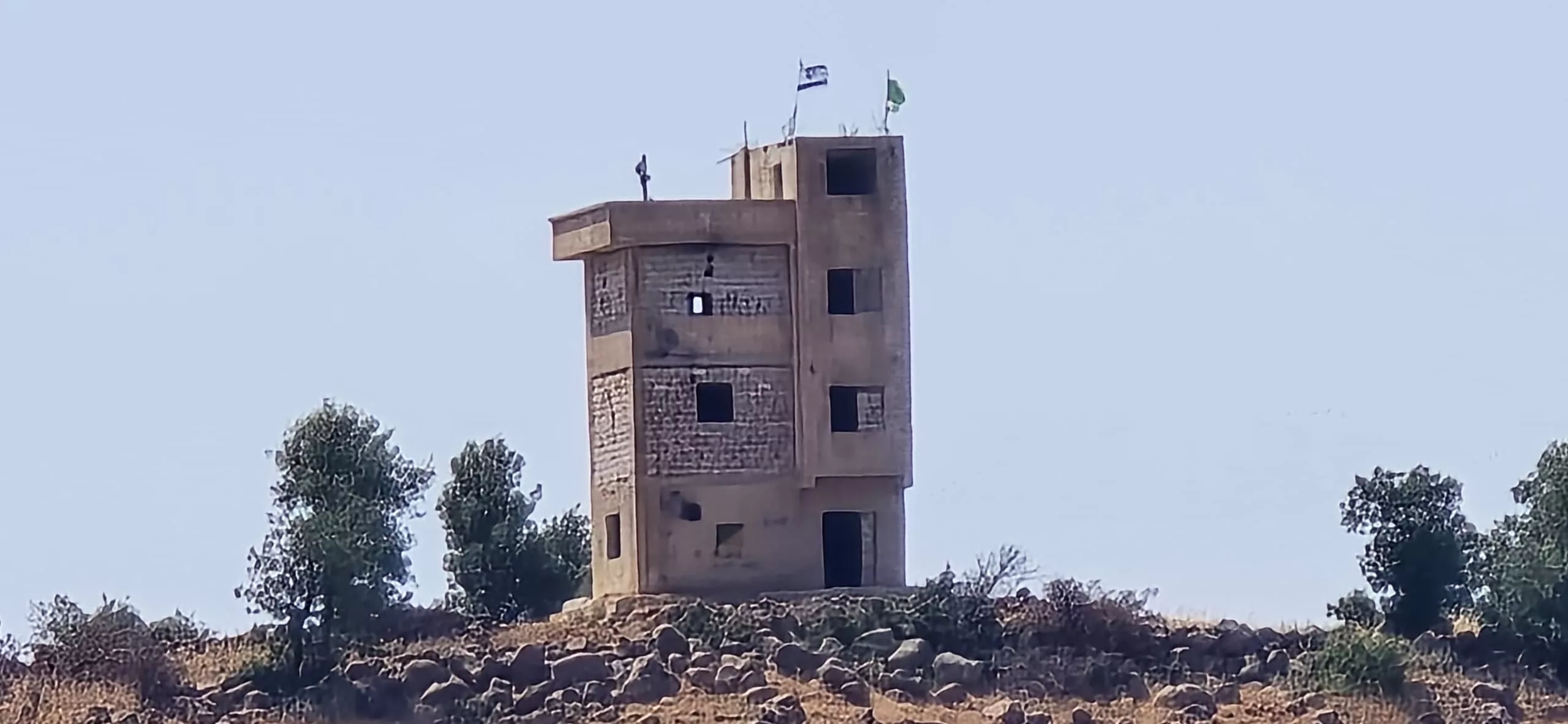
Since the fall of the Assad regime, Israel has exploited the security vacuum in southwestern Syria to establish a network of military bases stretching from the peak of Mount Hermon to the southern Yarmouk Basin.

Alongside its military entrenchment, it has imposed a new economic reality on the people of Quneitra through multiple means. The bases, the security zones around them, and the newly built “Sufa 53” road all were constructed on lands belonging to local villagers who depend primarily on agriculture and livestock to survive.

An Occupation of Military Restrictions

“These lands included residential plots, seasonally cultivated farmland, orchards, and grazing fields,” says Hassan Saad al-Din, a farmer from Jubatha al-Khashab, describing the lands seized by Israeli forces, who have barred their rightful owners from accessing them.
نون بوست
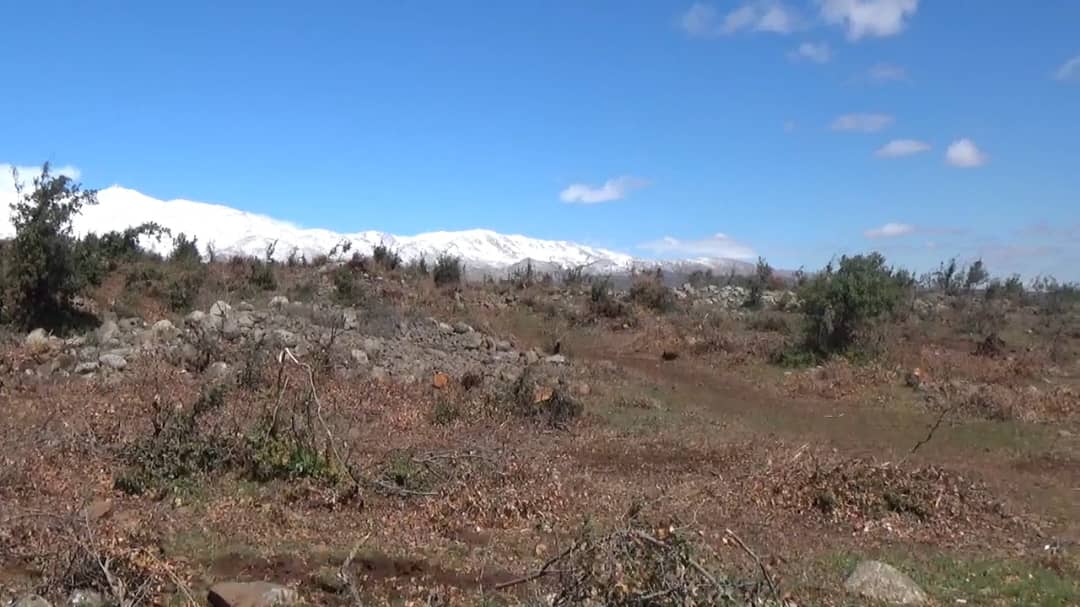
Jubatha al-Khashab forest after the bulldozing operations it was subjected to.

“Like many in my village, I’ve lost 16 dunams,” he adds, “part of it was olive trees, the rest grazing land for livestock. This year’s harvest was left to rot on the ground we weren’t allowed to pick it. Our situation was difficult, and now it’s worse than ever.”

According to the village mukhtar, some 7,000 dunams of land in Jubatha al-Khashab have been turned into closed military zones by the occupation. Fifty dunams of that were bulldozed and cleared of trees. In Hamidiyah, the head of the local council estimates that 4,000 dunams were confiscated.

In the southern countryside of Quneitra, residents also suffer due to Israeli control over Tel al-Ahmar al-Gharbi, where a military site was established. To facilitate incursions into its eastern counterpart, Tel al-Ahmar al-Sharqi, the occupation forces closed the road connecting central and southern villages.

Fayez al-Fawwaz, a farmer from the village of al-Asbah, is among those affected. “I lost access to 170 dunams,” he says. “They span Tel al-Sharqi and its surroundings. I have an olive grove there, which I rely on to feed my family. I also had pastureland for my livestock, which I’ve now started selling off just to afford feed for the rest.”

Shadi al-Azzam, another local resident, adds: “Things were already bad before the Israeli incursion now they’ve gotten worse. I can’t reach 100 dunams of my land, like many others in the village. We’re forced to buy expensive feed.

Some landowners were allowed access to their land on the condition they coordinate with Israeli soldiers but all of us categorically refuse any contact with the occupation under any circumstance.”

The violations haven’t stopped at land confiscation. Israeli soldiers have repeatedly seized livestock that stray near the ceasefire line, and there have been multiple instances of direct gunfire killing dozens of animals.

Between Neglect and “Humanitarian Aid”

Quneitra is Syria’s smallest province, but its strategic location and natural resources have long made it a target. Israel occupied most of it in 1967, forcibly displacing its residents.
نون بوست
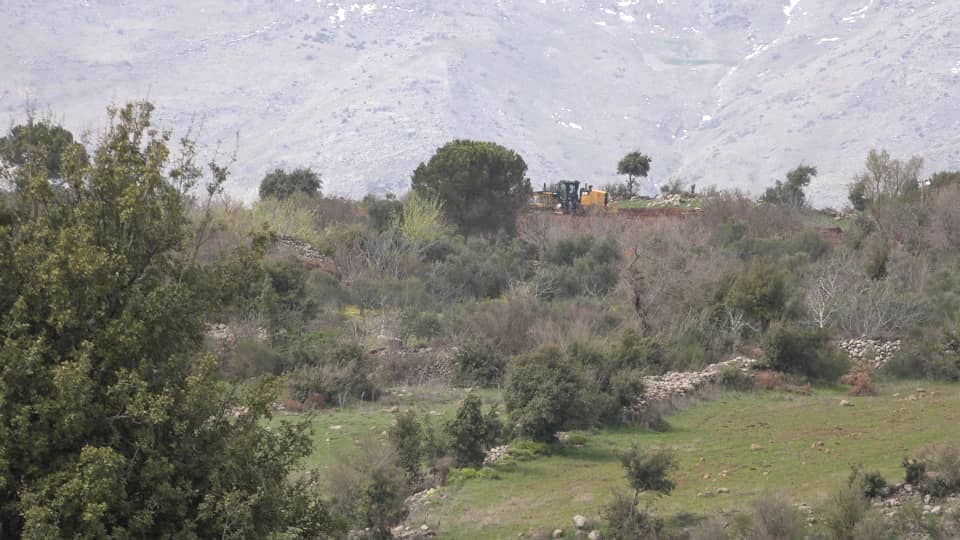
The Israeli observation post west of Jubatha al-Khashab village.

According to retired civil servant Ibrahim al-Numairi, the suffering has continued ever since. “Since the 1974 ceasefire agreement,” he explains, “the regime has imposed tight security controls over the area it holds.

Non-residents aren’t even allowed to enter without permission from the Sa’sa’ security branch. This clampdown deterred any investment, and the state never launched development projects either.”

The province’s neglected infrastructure reveals the extent of this abandonment. With an area of 460 square kilometers, Quneitra has only one hospital located in its center, the city of al-Baath and reaching it is no easy task. The distance from southern villages can exceed 45 kilometers, and public transport is scarce except in the early morning hours.

Water access is no better. Despite the presence of seven dams and abundant groundwater, drought struck the region this year. Villages faced shortages not due to low rainfall, but because of a decaying water network, electricity rationing that hindered pumping, and deliberate sabotage. Israeli forces destroyed the main water station in southern Quneitra, which had served several towns and villages.

Shadi al-Azzam notes: “The water delivery schedule in our village doesn’t align with electricity supply. So we end up buying water from tanker trucks to meet our basic needs.”

In the face of the economic hardship caused by military policies and deteriorating conditions, the occupation attempted to win over locals through so-called “humanitarian aid.” Food and medical supplies were distributed, promises were made to improve infrastructure, and job offers were extended inside the occupied territories targeting unemployed youth in particular.

But these efforts failed. In predominantly Sunni villages, young people responded by burning the contents of aid packages, sending a clear message: no normalization, no compromise.

Divide and Rule

The Israeli strategy doesn’t stop at military dominance or economic suffocation — it also targets the social fabric. Israeli officials have openly presented themselves as protectors of minorities, and this narrative has been implemented on the ground, particularly in relation to the Druze community.

Israel has opened supply lines to Druze villages along Mount Hermon’s slopes. On May 28, the Israeli army announced the opening of a field medical facility in the village of Hader in northern Quneitra, aimed at providing medical support to Druze residents.

Meanwhile, Sunni-majority villages have faced systematic disarmament and repeated arrests. In contrast, no comparable actions were reported in Druze villages. The only known arrest was of Zidan al-Tawil, accused of ties to the Quds Force, along with two minor raids on alleged weapons smuggling networks.

There were no widespread disarmament campaigns or sweeping raids like those regularly carried out in Sunni areas, where residents face daily restrictions.

Between land confiscations, forest clearings, economic strangulation, induced dependency, and efforts to fracture communities, the layers of Israeli occupation policy come into view a mix of military, economic, and social pressures. Yet, the people of Quneitra continue to cling to their national identity an identity expressed in their unwavering refusal to normalize or surrender.

Download this article as PDF
Share this Article
Facebook Twitter Whatsapp Whatsapp Telegram Email Copy Link
فريق التحرير
By فريق التحرير تقارير يعدها فريق تحرير نون بوست.
Follow:
Previous Article نون بوست Yemen Trapped Between Internal Fires and External Ambitions
Next Article نون بوست The Hebrew University: Zionism as Architecture, Settlement as Academia

Read More

  • U.S. Regime‑Change Policies: Why They Are Destined to Fail U.S. Regime‑Change Policies: Why They Are Destined to Fail
  • The Gulf’s Balancing Act: Iran, Israel, and Hidden Links
  • Iraq–Turkey Oil Export Treaty: Why Did Ankara Cancel It After 52 Years?
  • Syria’s Northeast on Edge: QSD Between Ankara and Damascus
  • Has Europe Changed Its Stance on Israel… or Just Its Language?
part of the design
NoonPost Weekly Newsletter

You May Also Like

U.S. Regime‑Change Policies: Why They Are Destined to Fail

U.S. Regime‑Change Policies: Why They Are Destined to Fail

إسراء سيد Esraa sayed 8 April ,2026
The Gulf’s Balancing Act: Iran, Israel, and Hidden Links

The Gulf’s Balancing Act: Iran, Israel, and Hidden Links

فريق التحرير Noon Post 8 April ,2026
Iraq–Turkey Oil Export Treaty: Why Did Ankara Cancel It After 52 Years?

Iraq–Turkey Oil Export Treaty: Why Did Ankara Cancel It After 52 Years?

فريق التحرير Noon Post 8 April ,2026

ماذا يريد محمد بن سلمان من الإسراع بإعلان التحالف الإسلامي؟

شمس الدين النقاز
شمس الدين النقاز Published 18 December ,2015
Share
380880

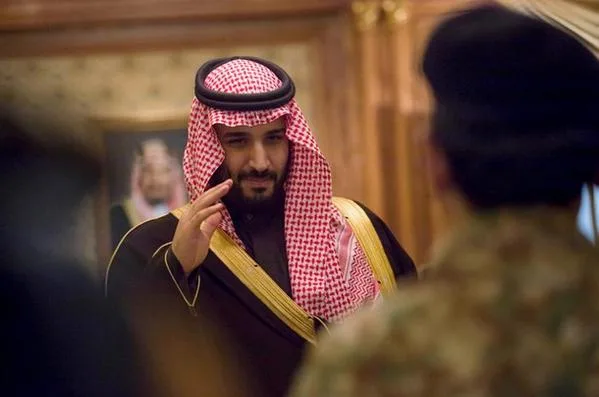
46 ثانية فقط استغرقها إعلان الأمير محمد بن سلمان ولي ولي العهد ووزير الدفاع في المملكة العربية السعودية عن تشكيل تحالف إسلامي سني لمجابهة الإرهاب وذلك خلال المؤتمر الصحفي الذي عقده في قاعدة الملك سلمان العسكرية إثر الإعلان عن تشكيل تحالف إسلامي عسكري لمحاربة الإرهاب بقيادة السعودية.

وزير الدفاع بدى مبتسما ومستبشرا في كلمته التي ألقاها بالمناسبة ولا يمكننا أن نعلم السبب الحقيقي لهذه الإبتسامة الّتي من المؤكّد أنّ الأيّام القادمة ستكشف لنا سرّها وتجيب عن سؤالنا هل كانت الإبتسامة والإستبشار في محلّهما أم لا؟

الأمير محمد بن سلمان الّذي تأخّر عن الصحفيين المنتظرين ظُهوره في الندوة الصحفية الّتي أقيمت خصّيصا لشرح ملابسات بيان الإعلان عن تشكيل تحالف إسلامي لمجابهة الإرهاب،كان واضحا منذ البداية عندما قال “إنّ هذا التّحالف الإسلامي شكّل حرصا من العالم الإسلامي لمحاربة هذا الدّاء-الإرهاب- الّذي تضرّر منه العالم الإسلامي أوّلا وقبل المجتمع الدّولي ككلّ”.

لا يمكننا تأويل كلام بن سلمان كثيرا ولن يستغرق تفسير الأسباب التي دفعت المملكة لتشكيل هذا التحالف الإسلامي كثيرا من الوقت لأنّنا كنّا نتوقّع تحرّكا مثل هذا في الأشهر الأخيرة خاصّة وأنّ ماكينة الإعلام الغربيّة كانت قد مارست هوايتها المفضلة المتمثّلة أساسا في التّوجيه والتّأثير في المدة الأخيرة،وذلك عبر اتهامها للمملكة بوقوفها وراء الإرهاب وتمويله وأنّها السبب فيما يحدث في العالم.

القادة والمسؤولون الغربيون بدورهم مارسوا ضغوطات كبيرة على القيادة السعودية خاصة والعربية عامة من أجل تشكيل تحالف إسلامي لمحاربة الإرهاب معلنين موقفهم القاضي بعدم إرسال جيوشهم للدفاع عن العرب والمسلمين بالنيابة مهما حدث.

الرئيس الأمريكي باراك أوباما من جهته كان قد أكّد في أكثر من مرّة أن الولايات المتحدة تحتاج إلى شريك فعال في محاربة “الدولة الإسلامية” على الأرض وأن القوات البرية المحلية هي التي يجب أن تحارب ميدانيا لا أن “نحارب مكانها”.

وفي السياق ذاته،استبعد الأمين العام لحلف شمال الأطلسي ينس شتولتنبرج في حواره مع صحيفة تاجس أنتسايجر السويسرية منذ أيّام نشر قوات برية قائلا “هذا ليس مطروحا على جدول أعمال التحالف وأعضاء حلف شمال الأطلسي” وأوضح سبب ذلك بأنّ “المسلمون على الخط الأمامي لهذه الحرب ومعظم الضحايا مسلمون ومعظم من يقاتلون ضد داعش مسلمون لذلك لا نستطيع أن نخوض هذا الصراع بالنيابة عنهم”.

لا يمكننا إلّا أن نحيّ شتولتنبرج على صراحته عندما قال إن القتلى مسلمون ومن يقتُل ويُقتل من المسلمين،فقوله هذا حجّة على حكّام المسلمين بدون استثناء.

إنّ المسؤولين الغربيّين ليسوا حمقى و لا مغفّلين لأنّهم يعلمون جيّدا حقيقة الصراع وطبيعته والفارق بين الإمكانيات المطلوبة والمتاحة لديهم للدخول في حرب برية جديدة وهذا ما لم يفقهه البعض،ولهذا لن يقدروا على تكرار نفس الأخطاء التي ارتكبوها في هذه الألفيّة الثالثة والتي كلفتهم تريليونات الدولارات و عشرات الآلاف من القتلى والجرحى وذلك إثر غزوهم لأفغانستان والعراق.

وسائل الإعلام الغربية هي الأخرى كانت قد نشرت تقارير عديدة في الأشهر الأخيرة حذّرت فيها بلدانها من المشاركة بقوات بريّة في الحربين السورية          والعراقية لأنّ الجيوش العربية من غير المعقول أن تقف مكتوفة الأيدي وتقاتل بالنيابة عنها الجيوش الغربية.

تصريحات المسؤولين الغربيين بالإضافة إلى التقارير الإعلامية التي تحذّر من قوّة تنظيم الدّولة الإسلاميّة وخطورة القيام بأي تحرّك برّي غربي ضدّه تدفعنا إلى التّساؤل عن مدى نجاح هذا التحالف الإسلامي السني في القضاء على الإرهاب مستقبلا خاصّة إذا ما كتب له التشكّل على الأرض في ظلّ المفاجئات غير السارة وهي إعلان كلّ من لبنان وباكستان وعمان وتركيا وإندونيسيا رفضها المشاركة العسكري في هذا “التحالف السّني”.

المملكة السعودية تريد أن تثبت للعالم أنّها ضدّ الإرهاب وأن التهم الموجهة لها بأنها تقف وراءه وتدعم الجماعات الإرهابيّة عارية عن الصّحّة حتّى أنّ جناحها الإعلامي المتمثّل في قناة العربيّة كان قد نشر منذ أسبوعين وثائقي بعنوان كيف واجهت السعودية القاعدة تمّت صياغته بحرفيّة تقنيّة عالية وبطمس كبير للحقائق.

الأجنحة الإعلامية للسعودية في كل أنحاء العالم لم تقدر على صدّ الهجمة الشرسة على السعودية واتهامها بدعم وتشجيع الإرهاب والسبب في هذا الفشل يعود إلى أنّ معظم وسائل الإعلام ذات التمويل السعودي فاقدة للمصداقية في العالم بل وفي المملكة نفسها.

التحالف العربي الإسلامي السنّي لم ولن يكون إلّا زوبعة في فنجان والمتابع لما يحدث على الساحة اليمنية سيتأكّد من أنّ الأمّة العربية والإسلامية في فترة حساسة تتطلب العقلانية والجلوس للتحاور لحل المشاكل لا أن تنجرّ إلى الحروب المتتالية.

مليارات الدولارات التي أنفقتها الدول العربية لشراء الأسلحة المتطورة والمتنوعة للدفاع عن وحدة أراضيها من الأطماع الخارجية ذهبت هباءً منثورا ووجه أكثرها صوب الشعوب.

الوضع متأزم جدّا وحالة الإختقان داخل المجتمعات العربية والغربيّة على أشدّها في الأيّام الأخيرة،كما أنّ العام 2014 تأكّد لنا بما لا يدع مجالا للشّكّ أنّه أقل عنف ودموية وإرهاب.

التحالف الإسلامي الجديد جاء تلبية لطلب العم سام والعم هولاند والخالة ميركل والخال كاميرون،ولا يمكن لنا كعرب أصيلين أن نردّ طلب هؤلاء فهم وكما لا يخفى على الجميع لم يبخلوا علينا بالسلاح لكي نقتل به بعضنا البعض.

لقد حقّق المحرّضون غايتهم وبدأ المسلمون في مقاتلة بعضهم البعض،لكي يحافظ زيد وعمر على مناصبهم ولو كلفهم ذلك أكثر من 300 ألف تثل وضعفهم من الجرحى وأضعافهم من النازحين والمهجرين.

لا نبالغ إن قلنا إن تنظيم الدولة الإسلامية يبدو مستبشرا هو الآخر من تشكيل هذه التحالفات،لأنّه ومع كلّ تحالف جديدا يشعر بأنّه “غريب” والغربة في النصوص الإسلامية الّتي تتحدّث عن أحداث آخر الزمان تعني النصر بعد الصبر والفرج بعد الشدّة.

تنظيم الدّولة بدأ في تطويع النصوص لصالحه وبدأت عملية حساب الرايات والجيوش ودراسة الجغرافيا السورية والعراقية،فالمتأمّل في إصداراته الأخيرة عن دابق وعن الرايات سيتأكّد من قولنا هذا.

سوريا،أمريكا،فرنسا،ألمانيا،بريطانيا،مصر وغيرها من الدول المشاركة في التحالفات العربية الغربية لمقاومة الإرهاب خائفة ومُحرجة في الوقت نفسه،فالخوف نابع لتحوّل المعركة إلى داخل الدول الغربيّة،والحرج ناتج عن موقفهم أمام شعوبهم بعد أن فشلت حملاتهم للقضاء على الإرهاب.

على الرئيس المصري الجنرال عبد الفتاح السيسي أن ينتهي من الإرهاب في محافظة سيناء وصحاريها قبل أن ينتقل إلى العراق وسوريا،وعليه أيضا أن يكفّ إرهابه وقمعه لشعبه ولمعارضيه قبل أن يلقي علينا دروسه ومواعظه.

الإرهاب إرهاب مهما كان مصدره ومهما حاول البعض تبريره،فما قامت به الولايات المتحدة الأمريكية في حروبها التي خاضتها وإسرائيل في حق الفلسطينيين وبشار بقصفه واستهدافه للمدنيين إرهاب يعاقب عليه القانون الدولي الذي لا يُطبّق إلا على الضعفاء  والفقراء.

الرئيس السوري بشار الأيد متكئا على أريكته يفاوض وأبو بكر البغدادي متخفيا ومختفيا من الرصد والإغتيال ينتظر،والعالم يتشقق وينفطر ولم يفقه الذّكي ما يحصل ولا يعلم النّبيه ماذا سيحدث.

ولي ولي العهد ووزير الدفاع السعودي محمد بن سلمان يبدو أنّه بدأ يقرّر وينفّذ بالنيابة عن أبيه العاجز عن إدارة شؤون المملكة الداخلية وسياستها الخارجية في نفس الوقت ولعلّ المتابع لتحرّكاته وتنقّلاته الأخيرة بالإضافة إلى التسريبات الصادرة من الديوان الملكي السعودي التي ينقلها المغرّد “مجتهد”يتأكّد بما لا يدع مجالا للشكّ أنّ هذا الأمير الشاب في عجلة كبيرة من أمره لتسلم زمام الحكم.

في الأخير يمكننا أن نقول إنّ لعنة المتاجرة بدماء الشعب السوري حلّت على العرب والعجم بلا استثناء وإن كان عام 2015 دمويا فمن المنتظر أن يكون 2016 أدمى بفضل هذه التحالفات العربية والغربية للقضاء على الإرهاب من جهة واحدة. 

TAGGED: التحالف الإسلامي ، الحرب على داعش ، الشرق الأوسط ، داعش
TAGGED: الحرب على الإرهاب
Download this article as PDF
Share this Article
Facebook Twitter Whatsapp Whatsapp Telegram Email Copy Link
شمس الدين النقاز
By شمس الدين النقاز كاتب وصحفي تونسي
Follow:
Next Article نون بوست The Stigma of “ISIS”: A Heavy Legacy Haunting Women and Children of Former Members
part of the design
NoonPost Weekly Newsletter
dark

An independent media platform founded in 2013, rooted in slow journalism, producing in-depth reports, analysis, and multimedia content to offer deeper perspectives on the news, led by a diverse young team from several Arab countries.

  • Politics
  • Society
  • Rights & Liberties
  • Opinions
  • History
  • Sports
  • Education
  • Technology
  • Economy
  • Media
  • Arts & Literature
  • Entrepreneurship
  • Travel
  • Cinema & Drama
  • Food
  • Health
  • Culture
  • Latest Reports
  • Files
  • Long Reads
  • Interviews
  • Podcast
  • Interactive
  • Encyclopedia
  • In Pictures
  • About Us
  • Our Writers
  • Write for Us
  • Editorial Policy
  • Advanced Search
Some rights reserved under a Creative Commons license

Removed from favorites

Undo
Go to mobile version