NoonPost NoonPost

NoonPost

  • Home
  • Politics
  • Economy
  • Society
  • Culture
  • Files
  • Long Reads
  • Podcast
AR
Notification Show More
نون بوست
“There Are Nights I Can’t Close My Eyes”: How Gazans Are Living in Homes on the Brink of Collapse
نون بوست
From al-Jolani to Ahmad al-Shara: The Evolution of Syria’s New Leader
نون بوست
When Political Islam Receded in Egypt: Who Filled the Void?
نون بوست
An Extension of Genocide: Gaza’s Detainees Speak Out
نون بوست
A Tightrope Between Survival and Sovereignty: The Syrian Government Faces Normalization Pressures
نون بوست
American Aircraft Carriers: Has the Era of “100,000 Tons of Diplomacy” Ended?
نون بوست
U.S. Regime‑Change Policies: Why They Are Destined to Fail
نون بوست
Transformations of Israeli Judaism: Between the Victim Complex and the Colonizer’s Doctrine
نون بوست
The Gulf’s Balancing Act: Iran, Israel, and Hidden Links
نون بوست
Iraq–Turkey Oil Export Treaty: Why Did Ankara Cancel It After 52 Years?
نون بوست
Syria’s Northeast on Edge: QSD Between Ankara and Damascus
نون بوست
Has Europe Changed Its Stance on Israel… or Just Its Language?
NoonPost NoonPost
AR
Notification Show More
نون بوست
“There Are Nights I Can’t Close My Eyes”: How Gazans Are Living in Homes on the Brink of Collapse
نون بوست
From al-Jolani to Ahmad al-Shara: The Evolution of Syria’s New Leader
نون بوست
When Political Islam Receded in Egypt: Who Filled the Void?
نون بوست
An Extension of Genocide: Gaza’s Detainees Speak Out
نون بوست
A Tightrope Between Survival and Sovereignty: The Syrian Government Faces Normalization Pressures
نون بوست
American Aircraft Carriers: Has the Era of “100,000 Tons of Diplomacy” Ended?
نون بوست
U.S. Regime‑Change Policies: Why They Are Destined to Fail
نون بوست
Transformations of Israeli Judaism: Between the Victim Complex and the Colonizer’s Doctrine
نون بوست
The Gulf’s Balancing Act: Iran, Israel, and Hidden Links
نون بوست
Iraq–Turkey Oil Export Treaty: Why Did Ankara Cancel It After 52 Years?
نون بوست
Syria’s Northeast on Edge: QSD Between Ankara and Damascus
نون بوست
Has Europe Changed Its Stance on Israel… or Just Its Language?
Follow US

Syria and Israel: Violations on the Ground, Understandings at the Table

يمان الدالاتي
Yaman Dalati Published 26 March ,2026
Share
نون بوست
نون بوست
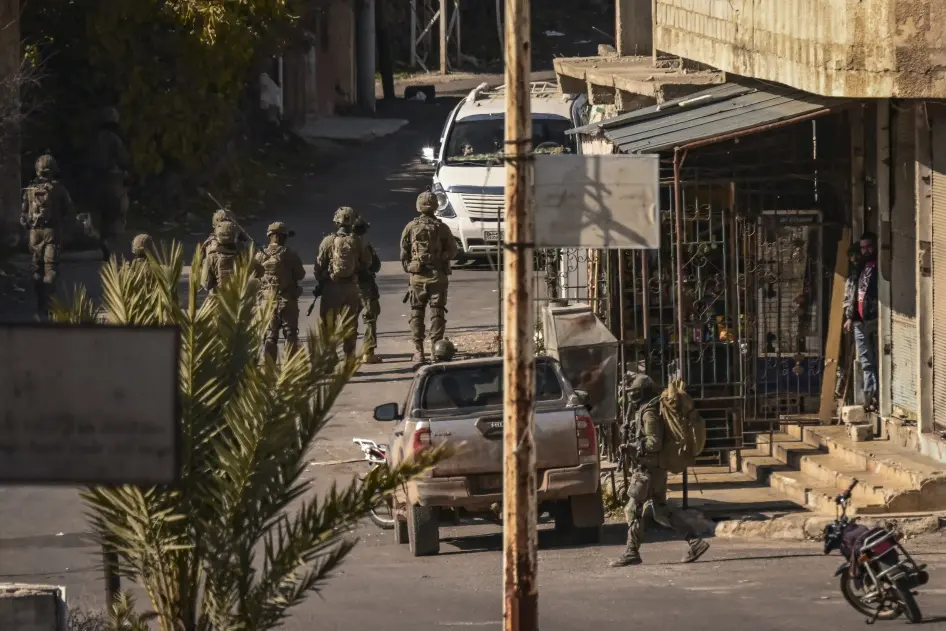
Israeli soldiers during a raid in the Syrian town of Jubata al-Khashab, December 20, 2024. Agence France-Presse.

In a strikingly timed move, Human Rights Watch has released a new report titled “Syria: Israel Forcibly Displaces Residents from Villages It Occupies in the South.” The report documents what it describes as systematic violations by Israeli forces in Syrian territories they have occupied since late 2024.

It details incidents of forced displacement of villagers, demolition of homes, seizure of property, and the unlawful transfer of Syrian detainees into Israel—clear breaches of international humanitarian law.

The release comes amid growing chatter about behind-the-scenes security negotiations between Damascus and Tel Aviv, with signs pointing to the possibility of an agreement.

In a televised interview aired by the state-run Al-Ikhbariya channel, Syrian President Ahmad Al-Shara confirmed “real progress” in the ongoing talks, indicating that preliminary understandings had been reached concerning security arrangements in the southern contact zones.

This confluence of events presents a stark paradox: while international organizations are documenting serious violations affecting Syrian civilians, diplomatic efforts are simultaneously underway to craft understandings that could redefine security relations between the two sides.

This raises critical questions about the prospects of these talks and their capacity to address the impact of such violations, especially those infringing upon the basic rights of residents in the occupied areas.

What Does the Report Reveal?

The Human Rights Watch report, published on September 17, 2025, paints a grim picture of life in southern Syrian villages under Israeli occupation—especially around the areas of Jubata al-Khashab and Al-Hamidiyah, near the Golan ceasefire line.

Based on direct testimonies, video evidence, and satellite imagery, the report accuses Israeli forces of a series of violations that qualify under international law as “crimes amounting to forced displacement.”

According to the organization, the escalation began in late 2024, following an attack launched by Iran-linked armed groups from southern Syria. Under the pretext of “neutralizing security threats,” Israeli forces carried out extensive raids and searches, followed by the forcible evacuation of residents and the imposition of a military cordon barring their return.
نون بوست
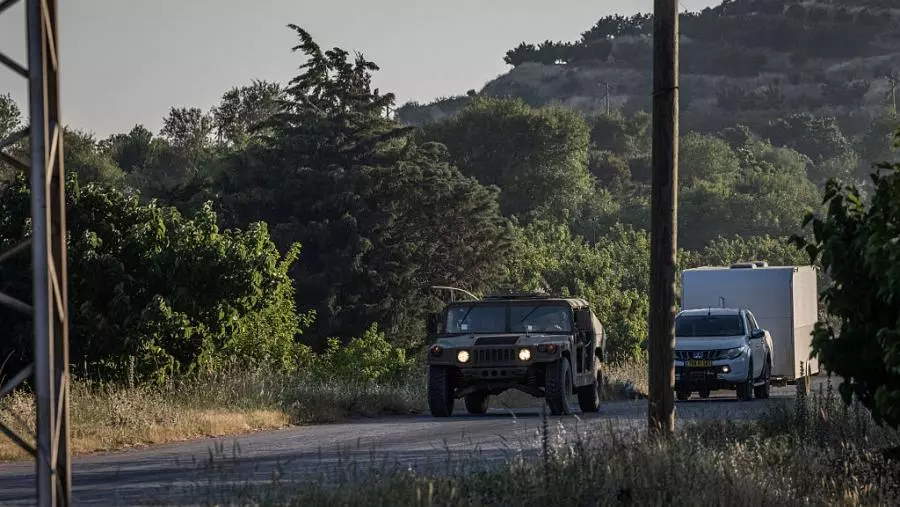
Israeli occupation forces during a raid in two towns in the Quneitra countryside following search operations – Getty.

The report documents cases where entire families were expelled without warning and denied the right to take essential belongings actions that directly violate Article 49 of the Fourth Geneva Convention.

The violations expanded to include the illegal demolition of homes following their seizure. The report notes that Israel invoked security pretexts to give a veneer of legality to these actions.

However, the recurring pattern of demolitions especially targeting homes never used for military purposes raises serious concerns about a deliberate attempt to alter the region’s demographic landscape. Satellite images show a significant transformation in residential patterns and a marked decline in vital infrastructure such as farms and wells, suggesting that locals were systematically deprived of their livelihoods.

One of the report’s most alarming findings is the unlawful transfer of Syrian detainees into Israel. Human Rights Watch documented field detentions in the vicinity of Jubata al-Khashab, with some individuals taken into Israeli territory without formal charges or access to legal counsel or family contact an act that constitutes enforced disappearance and a violation of both the Geneva Conventions and international human rights law.

The language of the report notably refers to a “recurring pattern” rather than isolated incidents, suggesting that Israeli policies in southern Syria are not reactive but part of a broader security-political strategy aimed at reshaping realities on the ground ahead of any potential regional understandings.

This inference is reinforced by concurrent Israeli military activity near contact zones, including in Tel Ahmar and Tal Kroum.

Human Rights Watch also highlighted the absence of a legal framework to protect local populations and the failure of the United Nations and other international bodies to intervene or even issue official statements.

This has deepened the perception among residents that they are abandoned caught between foreign military occupation and the collapse of Syrian state institutions in the south.

Thus, the report goes beyond documentation, sounding the alarm over an unprecedented deterioration in human rights conditions in Israeli-occupied southern Syria. The organization calls for urgent international action—not only to pressure Israel to halt these violations but also to ensure minimal protection for civilians until a political and security resolution is achieved.

A Security Agreement in the Making

In parallel, attention is increasingly focused on a quiet negotiation track that could redefine the rules of engagement between Damascus and Tel Aviv. In his remarks on Wednesday evening, President Ahmad Al-Shara officially confirmed the existence of security talks with Israel, stating that the understandings could lead to concrete outcomes within days provided they guarantee “respect for Syrian airspace and territorial integrity” under clear UN sponsorship.

Al-Shara made it clear that “peace and normalization are not on the table,” a calculated effort to distance these talks from ongoing regional normalization efforts. He also stressed that Washington was not applying direct pressure on Damascus but was instead playing a mediating role, reflecting Syria’s desire to maintain some degree of political autonomy amid complex international dynamics.
نون بوست
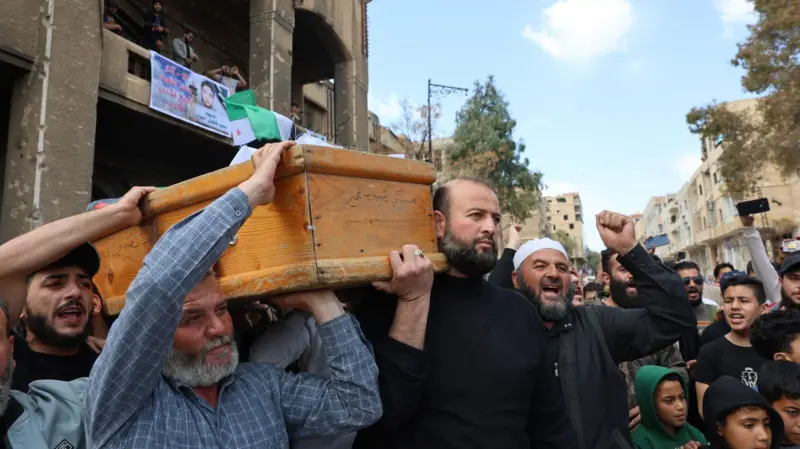
Funeral procession for the martyrs of the Israeli airstrikes in Daraa, March 18, 2025.

While Damascus has maintained a cautious tone, media and political leaks have revealed more precise details about the negotiations. A Syrian government source told Al Jazeera that a meeting took place in London between Syrian Foreign Minister Asaad Al-Shibani and his Israeli counterpart Ron Dermer. The two reportedly discussed de-escalation arrangements based on the 1974 Disengagement Agreement.

According to the source, the Syrian side conditioned any deal on Israel’s full withdrawal from territories it occupied after December 8, 2024, along with the redeployment of UN forces in the buffer zone.

So far, Syria’s position has remained firm on the principle of territorial unity, with officials declaring that no agreement would be acceptable if it undermined national sovereignty. The source also emphasized that any sustainable peace must address the root causes of tension, chief among them Israel’s ongoing occupation of the Golan Heights and surrounding areas.

Meanwhile, a report by Axios shed further light on Israel’s intentions, revealing a proposal presented to Damascus involving the division of southwestern Syria into three demilitarized zones mirroring the Camp David model with Egypt. The plan includes expanding the buffer zone by an additional two kilometers inside Syrian territory and establishing a no-fly zone for Syrian aircraft over the area stretching from southwest Damascus to the border.

The proposal also outlines a phased Israeli withdrawal from areas it captured after the collapse of the previous regime excluding Mount Hermon, which Israel now considers a strategic asset it cannot relinquish under current circumstances.

If accurate, these terms suggest an Israeli push to impose a new security reality that would severely restrict Syrian government movement even within its nominal jurisdiction, in exchange for limited territorial concessions.

Simultaneously, Al-Araby TV cited a Syrian government source confirming that the Syrian delegation presented a de-escalation blueprint during the London meeting. This plan involves recommitting to the 1974 lines in exchange for Syrian guarantees on border security and a halt to all military activity from the south.

Commenting on the leaked proposals, Dr. Marwan Kabalan, head of the Policy Unit at the Arab Center for Research and Policy Studies, said the Israeli plan—if confirmed—would be “unacceptable” and represents an attempt to entrench new facts under the guise of “security arrangements.”

In an interview with Al-Araby TV, Kabalan warned that Syria’s political and economic vulnerability could drive it to sign an agreement that serves only Israel’s strategic interests. He added that Syria’s primary option should be to build a strong domestic front capable of establishing a credible deterrent—not to accept security terms that come at the expense of sovereignty.

Amid this complex scene, three major developments are shaping the current phase in southern Syria: a human rights report documenting grave Israeli violations on the ground, ongoing political negotiations seeking yet-undefined security arrangements, and domestic voices warning against concessions imposed by battlefield realities rather than sovereign principles.

On one hand, Human Rights Watch’s findings reveal a systematic pattern of forced displacement and disruption of southern Syria’s demographic and economic fabric. Any deal that fails to address these violations will leave the roots of the conflict intact. On the other hand, the ongoing negotiations appear to aim more at containing escalation than offering a comprehensive solution, as the parties remain far apart in their conditions and the Syrian public is largely kept in the dark.

Download this article as PDF
Share this Article
Facebook Twitter Whatsapp Whatsapp Telegram Email Copy Link
يمان الدالاتي
By يمان الدالاتي صحفية ومحررة في موقع نون بوست
Follow:
Previous Article نون بوست “They Fight Us with a Sip of Water”: Ein Samia and the Spring Drained by Settlement Expansion
Next Article نون بوست Building Israel: The Role of the Jewish Colonization Association

Read More

  • U.S. Regime‑Change Policies: Why They Are Destined to Fail U.S. Regime‑Change Policies: Why They Are Destined to Fail
  • The Gulf’s Balancing Act: Iran, Israel, and Hidden Links
  • Iraq–Turkey Oil Export Treaty: Why Did Ankara Cancel It After 52 Years?
  • Syria’s Northeast on Edge: QSD Between Ankara and Damascus
  • Has Europe Changed Its Stance on Israel… or Just Its Language?
part of the design
NoonPost Weekly Newsletter

You May Also Like

U.S. Regime‑Change Policies: Why They Are Destined to Fail

U.S. Regime‑Change Policies: Why They Are Destined to Fail

إسراء سيد Esraa sayed 8 April ,2026
The Gulf’s Balancing Act: Iran, Israel, and Hidden Links

The Gulf’s Balancing Act: Iran, Israel, and Hidden Links

فريق التحرير Noon Post 8 April ,2026
Iraq–Turkey Oil Export Treaty: Why Did Ankara Cancel It After 52 Years?

Iraq–Turkey Oil Export Treaty: Why Did Ankara Cancel It After 52 Years?

فريق التحرير Noon Post 8 April ,2026

مستقبل السياسة الخارجية الخليجية 2016

أحمد التلاوي
أحمد التلاوي Published 22 December ,2015
Share
ltwn

تدخل السياسة الخارجية الخليجية عام 2016، وهي محملة بالكثير من الأعباء التي أثقلت أوزارها كاهل صنَاع القرار والدول خلال السنوات الخمس الماضية التي شكلت منعطفًا تاريخيًا هامًا، حفر لنفسه وجودًا دائمًا في تاريخ المنطقة، فيما يعرف بمرحلة الربيع العربي وثوراته الشعبية التي اكتسحت الكثير من القديم السياسي والمجتمعي، وأثارت خشية الأنظمة التقليدية الحاكمة في المنطقة، ممن نجا من موجاتها، ولو بشكل مؤقت.

ولعل أبرز ما يدخل به الخليج العربي، دول وإقليم، العام الجديد، الأزمة السورية وتبعات التدخل العسكري الروسي في الأزمة بشكل غير الكثير من الموازين والسياسات الإقليمية والدولية، بالإضافة إلى ملف الحرب في اليمن والتي ابتعلت الكثير من الجهد السياسي والتمويل الخليجي، بينما لم يبد في الأفق أي حل حقيقي للأزمة، في ظل كونها أكبر من حدود اليمن، ووقوعها في حيز حزام الأزمة الأكبر بين الخليج – إلا بعضه – وبين إيران، وبالتالي ترتيبات الأمن الإقليمي بالكامل، والتي تلعب قوى دولية كبرى بما فيها الولايات المتحدة وروسيا وبريطانيا وفرنسا، أدوارًا فارقة لا يمكن تجاهل تأثيراتها.

كما تدخل دول الخليج عام 2016، بأزمة اقتصادية حقيقية في ظل تراجع أسعار النفط إلى 40 دولارًا للبرميل، مع تبعات سياسية داخلية لهذا، خصوصًا في المملكة العربية السعودية التي تحملت ميزانيتها أعباء عدة خلال الفترة الماضية، ما بين الحرب في اليمن والأزمة في سوريا، بالإضافة إلى تكلفة تثبيت أركان النظام في مصر، والتي بلغت فاتورته – خليجيًا – حوالي 45 مليار دولار، بالإضافة إلى منظومة استثمارات “إجبارية”، مع تعهدات بسد احتياجات مصر النفطية خلال السنوات الخمس المقبلة، بعد سدها بالفعل في العامين الماضيَيْن.

كما لا يمكن إنكار أهمية عدم توحد المواقف الخليجية إزاء قضايا المنطقة، فتظل قطر منفردة بمواقفها، فيما أعلنت سلطة عمان منذ البداية، النأي بنفسها عن أزمات المنطقة – لم يمنعها ذلك من لعب دور في الأزمة اليمنية، في إطار علاقات وثيقة مع طهران – بينما تصدع التحالف الإماراتي – السعودي، في ظل تباين المواقف من ملفات أساسية مثل الأزمة في سوريا والموقف من الإخوان المسلمين حتى ديسمبر 2015 عندما عادت القيادة السعودية الحالية إلى مواقف عاهل البلاد الراحل، الملك عبد الله بن عبد العزيز آل سعود، من الإخوان.

وفي هذا الإطار، حاولت – ونجحت – المظلة الإقليمية الخليجية، ممثلة في مجلس التعاون الخليجي، في فترة السنوات الماضية، التي تلت اضطرابات الربيع العربي وما رافقها من صعود نجم خصوم عدة لبعض الأنظمة الخليجية مثل الإخوان المسلمين في مصر وتونس واليمن وليبيا، في امتصاص الكثير من الأزمات، متحدية بذلك الكثير من التقديرات التي أشارت إلى أن أزمة التباين في المواقف بين الدول الخليجية من الربيع العربي، والأزمات التي قادتها الانقلابات التي وقعت على الحكومات التي أتت بها الثورات العربية، في مصر وليبيا واليمن وتونس؛ سوف تقود إلى انهيار المجلس نفسه، بعد تهديدات سعودية وإماراتية لقطر في السابق، بالكف عن التغريد خارج سرب التحالف السعودي – الإماراتي الذي كانت البحرين، والكويت بدرجة أو بأخرى، جزءًا منه.

على المستوى السياسي الداخلي والأوضاع الأمنية، تدخل دول الخليج عام 2016، بأوضاع سياسية مستقرة نسبيًا، باستثناء المملكة العربية السعودية، التي تعرف صراعًا مستترًا، تناولته تقارير دولية عدة، بين ولي العهد ووزير الداخلية الأمير نايف بن عبد العزيز، وبين ولي ولي العهد ووزير الدفاع الأمير محمد بن سلمان نجل الملك، على النفوذ، ويبدو أنه حتى الآن، وفق تناولات الإعلام السعودي لمستوى نشاط هذا وذاك، محسومًا لصالح محمد بن سلمان.

أما الأوضاع الأمنية، فإن التباين كذلك هو سيد الموقف، فبينما تنعم قطر والإمارات وسلطنة عمان بحالة أمنية مستقرة، فإن البحرين والكويت والسعودية، يعانوا من موجات عنف تستهدف أمريْن، الدولة ومؤسساتها الأمنية، ومساجد الشيعة، من أجل إشاعة حالة من عدم الاستقرار الطائفي، التي يمكن تطويرها إلى حالة من عدم الاستقرار السياسي والمجتمعي.

هذه الأمور كلها بطبيعة الحال سوف تقود إلى تبعات وتأثيرات على السياسة الخارجية لدول الخليج، سواء كدول منفردة أو كمظلة إقليمية.

ويمكن القول في هذا الإطار، إن عام 2016 قد بدأ بالفعل في السياسة الخليجية؛ حيث في التحليل السياسي لا تتطابق الحدود السياسية مع الحدود الزمنية الجغرافية لمجال زمني سياسي ما.

دخلت السعودية، وقد تكون منفردة، عام 2016، بسلسلة من الإجراءات التي تسعى من خلالها إلى تفادي تأثيرات التدخل الروسي الذي قاد – سواء اتفقنا أو اختلفنا معه – إلى تحولات عظمى في معادلة السياسة والأمن في الإقليم، بتحالف حاولت من خلاله صناعة جبهة واسعة، استبدلت فيها مكونات تحالف سني أجهضته تباينات السياسة الإقليمية، كان يضم تركيا وقطر والإخوان المسلمين، بما في ذلك حركة “حماس” والتجمع اليمني للإصلاح “إخوان اليمن”.

إلا أن هذا التحالف الجديد ولِدَ ميتًا، مع رفض أطراف إقليمية ودولية إسلامية، مثل تركيا وماليزيا وإندونيسا، الانضمام إليه، بسبب عدم وضوح تفاصيله أو خطط تدخله العسكري في الدول التي تعرف أزمات أمنية وأنشطة إرهابية، حتى في سوريا المفتوحة للعالم بأسره، أو أنه من غير الممكن أن تنخرط بعض دوله في تحالف عسكري مع بعضها البعض، كما هو في حالة مصر وتركيا.

وبدا وكأن هذا التحالف خطوة مرتجلة من الدبلوماسية السعودية، من أجل إنقاذ ما يمكن إنقاذه مما تبقى لها في الأزمتين السورية واليمنية، ومحاولة استعادة موقفها الإقليمي المتراجع، في ظل طغيان هاجس إيران على الرياض، وهو هاجس لا تشاركها إياه العواصم الخليجية الأخرى، وترى – بما فيهم الإمارات – أن السياسة الإيرانية في الإقليم، براجماتية ويمكن التعاطي معها بمنطق المصالح المشتركة، ولا ترى في إيران تهديدًا جديًا لها.

لذلك؛ فإنه من المستبعد أن يشهد العام 2016، تحركًا خليجيًا منسجمًا في ملفات الإقليم المختلفة، في ظل هذه الصعوبات الاقتصادية والتحديات الأمنية والسياسية، التي تخيم بظلالها على أكثر من محور في سياسات الدول الخليجية، بما في ذلك قدرتها على تمويل حروب إقليمية لمدة عام إضافي.

إلى ذلك، فإنه من المتوقع أن يكون عام 2016، عامًا حافلاً بالتحديات التي سوف تعوق تبني دول الخليج لسياسات أكثر اقتحامًا واشتباكًا مع ملفات الإقليم، بشكل أكثر استقلالية عن مواقف القوى الكبرى.

التحدي الأول، هو السياسة الروسية، والتي فرضت واقعًا جديدًا في الملف السوري، وفي السياسة الإقليمية بشكل عام، ضمن سياسة خلق محاور جديدة في المنطقة، وهو ما بدا في الموقف العراقي المتشنج من أزمة القوات التركية في الموصل، وفي الموقف الروسي من تركيا عقب أزمة إسقاط السوخوي.

وقادت المواقف الروسية الحاسمة – مهما كان الموقف القيمي منها – مقارنة مع المواقف الأمريكية والغربية من الأزمة الروسية؛ لتبدل حتى قناعات الأمم المتحدة من الأزمة السورية، بحيث لم يعد مصير الرئيس السوري بشار الأسد مهمًا بنفس القدر في الماضي، وهو ما انسحب على المعارضة السورية التي اجتمعت في الرياض قبل فترة، ووافقت على أن يكون الأسد موجودًا ضمن مرحلة انتقالية مدتها ستة أشهر، وترغب روسيا في جعلها ما بين عام إلى عام ونصف.

التحدي الآخر، يتعلق بالأزمات القائمة بين القوى الإقليمية، والتي تمنع ظهور سياسة خليجية موحدة، وهنا نخص بالذكر أزمة العلاقات بين مصر، وكل من وتركيا وقطر، والتي لن يمكن معالجتها بأية وسيلة، في ظل كونها منبنية على أسس تتعلق بهوية الحكومة التركية ذاتها، وطبيعة النظام في مصر؛ حيث الأزمة هنا لا تتعلق بسياسات ومواقف، وإنما تتعلق بقيم متعارضة مع بعضها البعض بشكل كامل.

وهو ما كان نقطة افتراق بين تركيا والرياض، فيما يخص موضوع التحالف “الإسلامي” الجديد لمكافحة “الإرهاب”؛ حيث تراجعت تركيا عن موقف سابق لها أعلنت فيه عن تحالف مع السعودية، ودولة ثالثة – كانت قطر في الغالب – للتدخل العسكري في سوريا، ولكن خطوة التحالف “الإسلامي”، هذه عرقلت الخطط التركية، فاستبدلت أنقرة ذلك، بزيادة مستوى تعاونها العسكري مع قطر؛ حيث أعلن أن تركيا سوف تبدأ في بناء قاعدة عسكرية في قطر، بموجب اتفاقية دفاعية تم توقيعها بين الدولتَيْن في العام 2014.

ثم يأتي على رأس التحديات، تبدل الأولويات الدولية من أزمات المنطقة؛ حيث بات الهاجس الأمني مقدم على غيره من الأمور، بعد الحوادث التي طالت باريس وبروكسل ولندن وسانت برناردينو الأمريكية، ومن قبل تفجيرات برج البراجنة، وسقوط الطائرة الروسية “الغامض” فوق سيناء.

ولعله من الواضح أن الولايات المتحدة قد ضغط على الرياض لأجل إعلان “تحالف سني” لمكافحة الإرهاب، وهو ما قامت به الرياض “فورًا” تقريبًا؛ حيث لم يفصل بين إعلان الرياض عن تحالفها الإسلامي، والدعوة الأمريكية سوى ما لا يزيد على 72 ساعة، ولذلك ولد هذا التحالف من دون أية تفاصيل عسكرية أو حتى لوجستية.

وهنا نرى أن هناك توجهًا مفروضًا على دول الخليج لمعالجة أزمات المنطقة الأخرى مثل اليمن وليبيا؛ حيث مورست ضغوطًا على قطر وتركيا في الملف الليبي، بحيث تم كذلك حمل الفرقاء الليبيين على التوقيع في الصخيرات المغربية، يوم السابع عشر من ديسمبر، على اتفاق يبدو أنه قد أعد على عجل؛ حيث إنه خلا من أية تفاصيل تتعلق حتى بفترة زمنية لتشكيل حكومة الوفاق المزمعة.

نفس السيناريو نجده في اليمن؛ حيث لقاءات جنيف الحالية بين الحوثيين والحكومة الشرعية، لا تحمل أية رؤية، ومستمرة بينما العمليات العسكرية مستمرة على أرض الواقع.

إذًا، يدخل الخليج ودوله ومظلته الإقليمية، عام 2016، بشكل مرتبك، وربما وظيفي كذلك، كما هو واضح في خطوة التحالف الإسلامي لمكافحة الإرهاب، مما يثير الكثير من التساؤلات حول الموقف الإقليمي الراهن ومآلاته، سواء خليجيًا، أو فيما يتعلق بالقضايا والأزمات التي تشتبك فيها دول الخليج.

TAGGED: أمن الخليج ، الأزمة السورية ، السياسة الخارجية الإماراتية ، السياسة الخارجية السعودية ، السياسة القطرية
TAGGED: حصاد 2015
Download this article as PDF
Share this Article
Facebook Twitter Whatsapp Whatsapp Telegram Email Copy Link
أحمد التلاوي
By أحمد التلاوي باحث مصري
Follow:
Next Article نون بوست The Stigma of “ISIS”: A Heavy Legacy Haunting Women and Children of Former Members

Read More

  • U.S. Regime‑Change Policies: Why They Are Destined to Fail U.S. Regime‑Change Policies: Why They Are Destined to Fail
  • The Gulf’s Balancing Act: Iran, Israel, and Hidden Links
  • Iraq–Turkey Oil Export Treaty: Why Did Ankara Cancel It After 52 Years?
  • Syria’s Northeast on Edge: QSD Between Ankara and Damascus
  • Has Europe Changed Its Stance on Israel… or Just Its Language?
part of the design
NoonPost Weekly Newsletter
dark

An independent media platform founded in 2013, rooted in slow journalism, producing in-depth reports, analysis, and multimedia content to offer deeper perspectives on the news, led by a diverse young team from several Arab countries.

  • Politics
  • Society
  • Rights & Liberties
  • Opinions
  • History
  • Sports
  • Education
  • Technology
  • Economy
  • Media
  • Arts & Literature
  • Entrepreneurship
  • Travel
  • Cinema & Drama
  • Food
  • Health
  • Culture
  • Latest Reports
  • Files
  • Long Reads
  • Interviews
  • Podcast
  • Interactive
  • Encyclopedia
  • In Pictures
  • About Us
  • Our Writers
  • Write for Us
  • Editorial Policy
  • Advanced Search
Some rights reserved under a Creative Commons license

Removed from favorites

Undo
Go to mobile version