NoonPost NoonPost

NoonPost

  • Home
  • Politics
  • Economy
  • Society
  • Culture
  • Files
  • Long Reads
  • Podcast
AR
Notification Show More
نون بوست
“There Are Nights I Can’t Close My Eyes”: How Gazans Are Living in Homes on the Brink of Collapse
نون بوست
From al-Jolani to Ahmad al-Shara: The Evolution of Syria’s New Leader
نون بوست
When Political Islam Receded in Egypt: Who Filled the Void?
نون بوست
An Extension of Genocide: Gaza’s Detainees Speak Out
نون بوست
A Tightrope Between Survival and Sovereignty: The Syrian Government Faces Normalization Pressures
نون بوست
American Aircraft Carriers: Has the Era of “100,000 Tons of Diplomacy” Ended?
نون بوست
U.S. Regime‑Change Policies: Why They Are Destined to Fail
نون بوست
Transformations of Israeli Judaism: Between the Victim Complex and the Colonizer’s Doctrine
نون بوست
The Gulf’s Balancing Act: Iran, Israel, and Hidden Links
نون بوست
Iraq–Turkey Oil Export Treaty: Why Did Ankara Cancel It After 52 Years?
نون بوست
Syria’s Northeast on Edge: QSD Between Ankara and Damascus
نون بوست
Has Europe Changed Its Stance on Israel… or Just Its Language?
NoonPost NoonPost
AR
Notification Show More
نون بوست
“There Are Nights I Can’t Close My Eyes”: How Gazans Are Living in Homes on the Brink of Collapse
نون بوست
From al-Jolani to Ahmad al-Shara: The Evolution of Syria’s New Leader
نون بوست
When Political Islam Receded in Egypt: Who Filled the Void?
نون بوست
An Extension of Genocide: Gaza’s Detainees Speak Out
نون بوست
A Tightrope Between Survival and Sovereignty: The Syrian Government Faces Normalization Pressures
نون بوست
American Aircraft Carriers: Has the Era of “100,000 Tons of Diplomacy” Ended?
نون بوست
U.S. Regime‑Change Policies: Why They Are Destined to Fail
نون بوست
Transformations of Israeli Judaism: Between the Victim Complex and the Colonizer’s Doctrine
نون بوست
The Gulf’s Balancing Act: Iran, Israel, and Hidden Links
نون بوست
Iraq–Turkey Oil Export Treaty: Why Did Ankara Cancel It After 52 Years?
نون بوست
Syria’s Northeast on Edge: QSD Between Ankara and Damascus
نون بوست
Has Europe Changed Its Stance on Israel… or Just Its Language?
Follow US

The New Billionaire: How Gulf Money Built Kushner’s Empire

عماد عنان
Emad Anan Published 26 March ,2026
Share
نون بوست
نون بوست

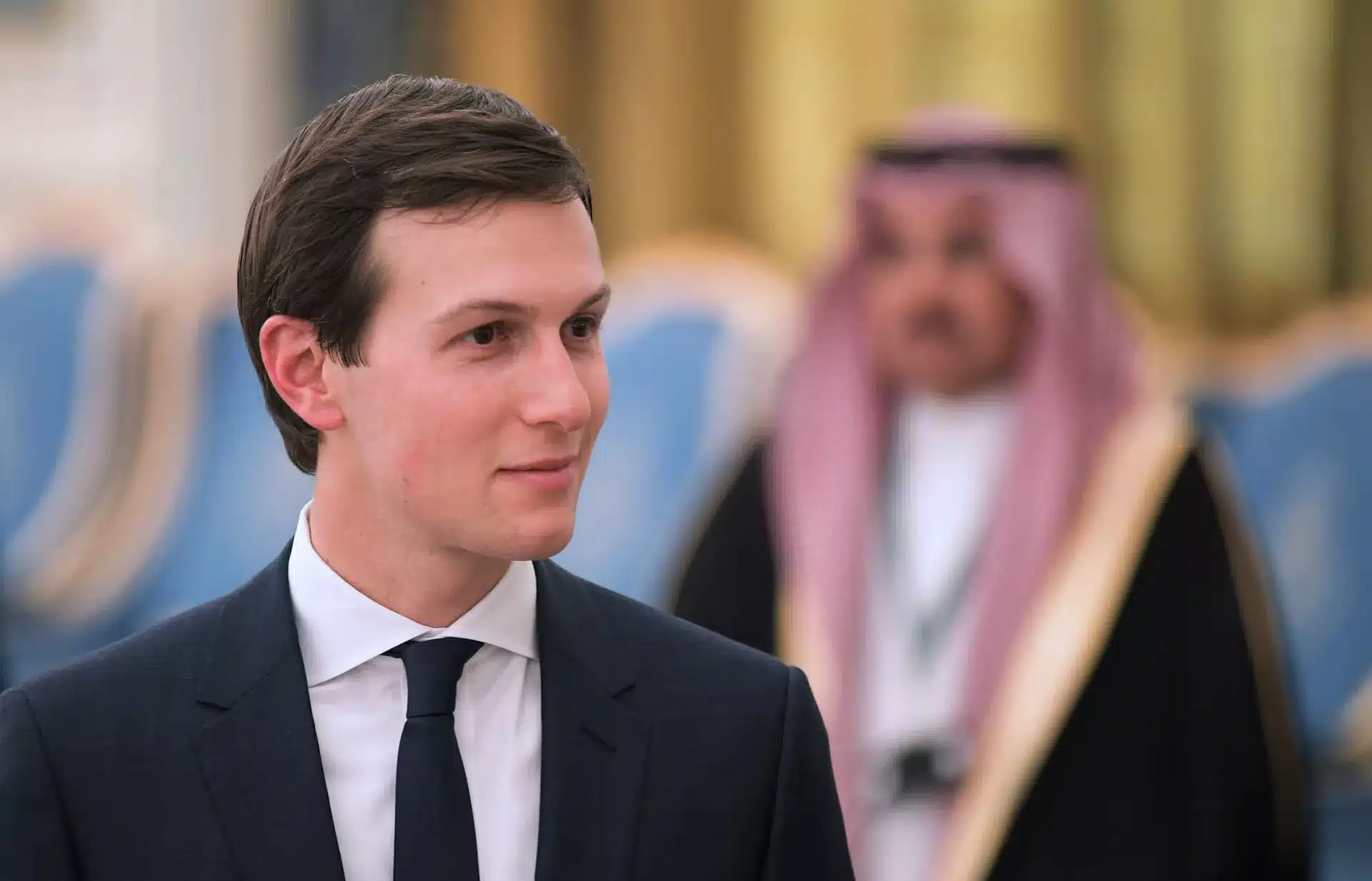
Jared Kushner, son-in-law and senior advisor to former U.S. President Donald Trump, has officially entered the billionaire club this year, with his net worth surpassing the $1 billion mark, compared to $900 million last year, according to Forbes. He now joins his brother Josh Kushner ($5.2 billion) and his father-in-law Trump ($7.3 billion).

An Orthodox Jewish businessman, Kushner first rose to prominence on the political stage, propelled by his family ties to Trump and his role as senior advisor during Trump’s first term (2017–2021). But politics soon became the springboard for his financial ambitions. At just 44, he has transformed his political connections into a financial empire that placed him among the world’s billionaires.

The driving force behind this dramatic leap in wealth is Gulf investment—an indispensable bridge that carried him from millionaire to billionaire status. After leaving the White House, many expected Kushner’s ties to Middle Eastern governments to fade.

Instead, his relationships, particularly with Gulf leaders, deepened into powerful and controversial business partnerships, strengthened further by his open support for what he calls the “resilience of the Israeli economy.”

Through his sharp instincts as the scion of a seasoned investment family, and his cultivated relationships with Gulf rulers, Kushner has built his private equity firm, Affinity Partners, into a $4.8 billion powerhouse, transforming it from an untested player just two years ago into a trusted partner, in his own words.

From Real Estate Heir to Billionaire

Kushner entered business as a Harvard student, making his first big profit by buying and selling residential units worth $9 million. His path shifted dramatically in 2005 when his father was imprisoned for tax evasion and witness tampering. At just 26, Jared took over the family business, Kushner Properties, expanding its scope and cementing his credentials. His success paved the way for his marriage to Ivanka Trump in 2009.

By 2017, Kushner was a rising force in U.S. real estate. But his father-in-law’s presidency drew him into the White House, where he served as a senior advisor and played a pivotal role in Middle East policy, particularly with Gulf leaders. These years laid the groundwork for a network of personal and political relationships that would later fuel his financial empire.

In 2021, after leaving government, Kushner launched Affinity Partners in Miami. Leveraging the trust and access he had built with global leaders, especially in the Gulf, he grew the firm’s assets under management from a modest $215 million base to $4.8 billion today.

Among his assets are a 20% stake in Kushner Companies worth $560 million, a $32 million Florida mansion purchased in 2020, and another property with Ivanka Trump now valued at around $105 million.

Within two years, Kushner deployed over $2 billion through Affinity across 25 investments in eight countries, spanning sports tech, car rentals, fintech, and AI. Recent deals include an 8% stake in the UK digital bank OakNorth, backing AI infrastructure firm Universal AI alongside Eric Schmidt and Elad Gil, and co-founding the San Francisco startup BrainCo with Gil, raising $30 million from prominent investors like Coinbase’s Brian Armstrong, LinkedIn’s Reid Hoffman, and Stripe’s Patrick Collison.

The Gulf Connection

None of Kushner’s meteoric rise would have been possible without Gulf capital. Saudi Arabia’s Public Investment Fund (PIF) injected $2 billion, while Qatari and Emirati funds provided another $1.5 billion, pushing Affinity’s assets from $1.3 billion to $4.8 billion. In 2023, Affinity reported a 60% surge in assets under management following fresh Gulf injections.

In a December 2023 podcast, Kushner revealed Affinity secured $1.5 billion in additional capital in 2024 from two existing backers: Abu Dhabi–based Lunate and the Qatar Investment Authority.

These investments build on Kushner’s deep political relationships with Saudi Crown Prince Mohammed bin Salman, UAE President Mohammed bin Zayed, and Qatari Emir Tamim bin Hamad. During Trump’s presidency, Kushner was central to arms deals with Saudi Arabia, efforts to end the Gulf crisis with Qatar, and the Abraham Accords that normalized relations between Israel, the UAE, and Bahrain.

After leaving the White House, his Gulf connections not only endured but expanded, making Kushner both a financial player and a political bridge for Gulf influence in Washington.

Investing in Israel

Kushner has never hidden his commitment to bolstering Israel’s economy. His first attempt came in 2014 with a bid to acquire 47% of an Israeli financial company, though regulatory hurdles killed the deal. In 2023, his firm acquired 15% of Shlomo Group for $110 million, and in 2024 he secured nearly 10% of Phoenix Holdings in a $250 million deal, calling it “a reflection of my belief in the resilience of Israel’s economy.”

According to Middle East Eye, Phoenix itself holds shares in 11 companies the UN lists as complicit in illegal settlement activity in the occupied West Bank, East Jerusalem, and the Golan Heights. This has fueled outrage among Palestinians and rights groups, who accuse Gulf sovereign wealth funds of indirectly financing Israel’s settlement enterprise through Kushner’s vehicles.

A Blurred Line Between Politics and Business

Jared Kushner’s story is a stark illustration of the entanglement between political power and financial gain. What began as White House diplomacy became a launching pad for his billionaire status, powered by Gulf capital and anchored in controversial Israeli investments.

While his financial success is undeniable, the moral and political questions surrounding his empire are likely to linger. In the end, Kushner embodies the clearest expression of the formula: money for politics, politics for money.

Download this article as PDF
Share this Article
Facebook Twitter Whatsapp Whatsapp Telegram Email Copy Link
عماد عنان
By عماد عنان كاتب صحفي وباحث في الإعلام الدولي
Follow:
Previous Article نون بوست Building Israel: The Role of the Jewish Colonization Association
Next Article نون بوست Surveillance and Punishment: How the Palestinian Body Becomes a Hostage

Read More

  • Militias and Iran Fuel Iraq’s Oil Crisis Militias and Iran Fuel Iraq’s Oil Crisis
  • Basra’s Water Crisis: Thirst Amid Oil and Salt
  • Chinese Investments in Egypt: Acceptable Privileges, Legitimate Concerns
  • Who Bears the Cost of Egypt's Generosity?
  • Money Laundering in Egypt: The Shadow Economy Devours the State
part of the design
NoonPost Weekly Newsletter

You May Also Like

Militias and Iran Fuel Iraq’s Oil Crisis

Militias and Iran Fuel Iraq’s Oil Crisis

فريق التحرير Noon Post 26 March ,2026
Basra’s Water Crisis: Thirst Amid Oil and Salt

Basra’s Water Crisis: Thirst Amid Oil and Salt

طه العاني Taha Alane 26 March ,2026
Chinese Investments in Egypt: Acceptable Privileges, Legitimate Concerns

Chinese Investments in Egypt: Acceptable Privileges, Legitimate Concerns

عماد عنان Emad Anan 26 March ,2026

الاقتصاد التركي: نظرة استشرافية لعام 2016

فريق التحرير
Noon Post Published 22 December ,2015
Share
5_d_1

الحديث عما يحمله العام القادم في تركيا خصوصًا على الصعيد الاقتصادي، شيء من أولى اهتمامات المواطن التركي بعد ما عصف بالاقتصاد التركي عدة أزمات، فحكومة داوود أوغلو تسعى بكامل طاقاتها المتوفرة لجعل عام 2016 هو “عام التنمية” من خلال تنفيذ مشروعات تنموية كبيرة لإضافتها إلى خانة إنجازات الحكومة بعد مرور شهر ونصف على انتخابها.

عاش المواطن التركي حزمة من الهموم تتعلق بأمن البلد بالدرجة الأولى بسبب ما شهدته تركيا من تفجيرات في عدة أماكن، وأخرى تتعلق بمعيشته بسبب انخفاض قيمة الليرة أمام الدولار وتوتر العلاقات بين روسيا وتركيا وما ستؤول إليه الأمور.

مع كل تلك المخاطر التي واجهت تركيا في هذا العام، نجد أن خطاب الحكومة بقيادة داوود أوغلو ورئيس البلاد رجب طيب أردوغان شابه كثير من المرونة تارة والحزم تارة أخرى ونظرة مستقبلية بخصوص توظيف الموارد المحلية بشكل أفضل.

إن الحديث عن الاقتصاد التركي خلال عام 2016 تفرض قضاياه الواقع الاقتصادي على مستوى الحكومة التركية وفيما يلي نتناول أهم القضايا التي يتوقع لها أن تشكل أجندة الحياة الاقتصادية بتركيا خلال العام القادم.

أزمة الطاقة

لا تخفى أزمة الطاقة التي تعاني منها تركيا على أحد، فتركيا مرتبطة بمعاهدات دولية حتى عام 2023 وغير قادرة على التنقيب واستخراج الموارد الطبيعية المدفونة في أراضيها، لذلك تستورد ما يقرب من 90.5% من النفط و98.5% من الغاز الطبيعي.

تعد روسيا مصدر الطاقة الرئيسي لتركيا إذ تزودها بـ 55% من احتياجاتها من الغاز و30% من احتياجاتها النفطية، وبعد إسقاط الجيش التركي لطائرة السوخوي على الحدود السورية في 24 نوفمبر الماضي أعلنت موسكو سلسة من العقوبات الاقتصادية ضد أنقرة تشمل قطاع السياحة والزراعة ووقف أعمال اللجنة الاقتصادية المكلفة بالتفاوض على خط “تورك ستريم” علمًا أنه لم يبدأ بعد لعدم تلبية الطلبات التركية من قِبل الروس.

وحتى الساعة لم تُفرض أي أعمال انتقامية على قطاع الطاقة من قِبل روسيا، إلا أن تركيا احترزت من هكذا خطوة كما صرّح أردوغان في خطاب له بعد تصاعد وتيرة الأزمة مع روسيا بخصوص الطاقة حيث قال: “من الممكن إيجاد مصادر أخرى”، مشيرًا إلى قطر وأذربيجان.

حيث ذهب رئيس الدولة أردوغان إلى قطر في 1 ديسمبر وقام بتوقيع 16 اتفاقية بين البلدين أهمها استيراد الغاز المسال القطري وتخزينه في تركيا، وذهب داوود أوغلو إلى أذربيجان في 4 ديسمبر لإيجاد بدائل في حال قطع إمدادات الغاز من قِبل روسيا، وحسب تصريحات لوزير الاقتصاد التركي مصطفى اليتاش فإن تركيا حصلت على خصم 40% من الغاز الطبيعي الذي ستستورده من أذربيجان.

كما قد تستعيض تركيا مشروع “ترك ستريم” بمشروع “TANAP” و”TAP”  المتوقع إنهاءه في عام 2018 والذي سيضع تركيا في موقع إستراتيجي مهم إقليميًا لتوزيع الغاز الأذربيجاني إلى أوروبا، حيث سيوصل الغاز من أذربيجان مارًا بتركيا إلى اليونان وبلغاريا ليصل إلى أوروبا بتكلفة تقدر بـ 45 -47 مليار دولار، ومن المتوقع أن تبدأ إمدادات الغاز الأذري إلى أوروبا عام 2020 بحجم 10 مليارات متر مكعب و6 مليار متر مكعب إلى مناطق غرب تركيا.

ومن المتوقع أن تخفض تركيا من الغاز البترولي المسال المستورد من روسيا بنسبة 25% العام القادم 2016 بهدف خفض وارداتها من روسيا، ومن الممكن أن تستعيض تركيا فيه بالنفط من نيجيريا والولايات المتحدة والسعودية والجزائر حسبما أفادت عدة مصادر في الحكومة التركية.

تسعى تركيا في العام القادم لاستبدال 16.45 مليار دولار ثمن واردات الطاقة من روسيا بإقامة محطات لتوليد الطاقة باستخدام محطات الطاقة الشمسية والمولدات الهوائية باستثمارات تصل إلى 10 مليار دولار.

تحاول تركيا إذا في عام 2016 لتنويع مصادرها الطاقوية من النفط والغاز، والانعتاق من الروس بشكل أكبر.

أزمة النمو

شهدت تركيا تفجيرات عدّة هددت مستوى الأمان في عموم البلاد وتخوف المسؤولون في وقت ما من أن تؤثر تلك التفجيرات على قطاع السياحة والاستثمارت الأجنبية.

ففي يونيو تبنى حزب العمال الكردستاني في ديار بكر تفجير بسيارة مفخخة أدى لمقتل جنديين تركيين، كما قام بعدة هجمات أدت لمقتل جنود أتراك على الحدود مع سوريا، وفي يوليو شهدت بلدة سوروج الحدودية التابعة لولاية شانلي أورفة في تركيا تفجير أدى لمقتل 30 شخصًا وخلف 100 جريح ووجهت أصابع الاتهام إلى تنظيم الدولة الإسلامية.

وردًا على هذه الهجمات دخلت تركيا بشكل رسمي في 27 يوليوحزيران مع التحالف الدولي لضرب الدولة الإسلامية وحزب العمال الكردستاني (تنظيم البي كي كي) وهذا أدى لانهيار مفاوضات السلام وعودة الصراعات بين البي كي كي والدولة التركية.

وفي أكتوبر وقع تفجيران انتحاريان في أنقرة أودى بحياة 128 شخصًا ومئات الجرحى واتهم تنظيم الدولة الإسلامية بتنفيذه، وأخيرًا جاء إسقاط الطائرة الروسية في نوفمبر من قِبل سلاح الجو التركي لتعلن روسيا عن حزمة عقوبات اقتصادية ضد أنقرة.

عززت حالة عدم الاستقرار الأمني في البلاد الغموض الذي اكتنف الاستقرار السياسي في البلاد بعد ذهاب البلاد إلى جولة إعادة للانتخابات النيابية في 1 نوفمبر أفرزت بالنهاية فوز العدالة والتنمية بنسبة 49.5%.

إلا أنّ فوز العدالة والتنمية في جولة الإعادة شكل منعطفًا مهمًا على الساحة السياسية والاقتصادية في تركيا حيث انتهت غمامة عدم الاستقرار الذي كان يشوب المشهد السياسي في البلاد، وتعزز شعور المستثمرين الأجانب بالاقتصاد التركي الذي أبهرهم بتحقيق معدلات نمو مرتفعة أكثر من السنة الماضية؛ حيث حقق الاقتصاد التركي نموًا في الربع الثالث من 2015 أكثر من المتوقع بنسبة 4% وشهدت نسبة النمو ارتفاعًا خلال الأرباع الثلاثة الأولى من هذا العام بمعدل 3.4% مقارنة بنفس الفترة في عام 2014.

كما ستعمل على إلغاء العقبات المفروضة أمام الصادرات والواردات؛ حيث سيتم تطوير النظام البيروقراطي الذي تعاني منه تركيا بهدف جلب المزيد من الاستثمارات وتعزيزها في الأراضي التركية،  حيث من المتوقع أن تتجاوز الصادرات التركية مع نهاية هذا العام إلى أكثر من 150 مليار دولار على الرغم من كل المشاكل والعقبات التي واجهتها البلاد وفي ظل المعطيات الحالية من المتوقع أن ترتفع الصادرات إلى 200 مليار دولار.وفي العام المقبل ستفتتح تركيا ثاني أطول نفق في العالم يربط بين ولايتي أرضروم وريزه التركيتين قُدّرت نفقته  719 مليون ليرة تركية،

وكنظرة استشرافية لعام 2016 ستحافظ حكومة أوغلو على زيادة قدرات النمو في البلاد للعام القادم من خلال إصلاحات سيجريها العدالة والتنمية خلال مدة حكمه في السنوات الأربع المقبلة حسب تعبير داود أوغلو في اجتماع يوم الخميس حيث عرض فيه خطته لعام 2016، لقد ساهمت التنمية والرخاء الذي تشهدهما تركيا عبر الاستقرار السياسي وإصلاحات الحكومة إلى تحول النظرة المستقبلية لتركيا إلى منحى إيجابي.

الانضمام للاتحاد الأوروبي

شهد ملف انضمام تركيا إلى الاتحاد الأوروبي انفراجًا هذه السنة كان آخرها اجتماعا في 14 ديسمبر لفتح فصل”السياسات الاقتصادية والنقدية” رقم 17 من فصول مفاوضات عضوية تركيا في الاتحاد الأوروبي الذي يهدف إلى بناء بنية اقتصادية قوية وتقوية التنسيق الاقتصادي بين دول الاتحاد.

يُذكر أن وتيرة المفاوضات ارتفعت بين تركيا والاتحاد الأوروبي في الآونة الأخيرة على خلفية أزمة تدفق اللاجئين السوريين نحو بلدان أوروبا الغربية.

تم فتح 14 فصل من أصل 33 فصلًا تفاوضيًا حتى اليوم، وأشار كبير المفاوضين الأتراك فولكان بوزكير أن فتح الفصل 17 له دلالة كبيرة لتركيا حيث يعد مؤشرًا مهمًا لمستوى الانسجام العالي الذي حققته في مجال التفاوض مع دول المفوضية الأوروبية، لافتًا أن تركيا ستتقدم في مفاوضاتها العام المقبل بسرعة مرضية بفضل هذا المستوى من الانسجام.

الليرة التركية

شهدت الليرة التركية خلال عام 2015 انخفاضًا في قيمتها أمام الدولار الأمريكي في سلسلة غير مسبوقة من الانخفاضات منذ عام 1999 علمًا أن معدلات النمو تشهد تحسنًا ملحوظًا عن السنة الماضية وواصل الناتج المحلي الإجمالي ارتفاعه للسنة الخامسة على التوالي وخلال الشهور الثمانية الأولى من عام 2015 حققت الحكومة التركية فائضًا في الموازنة بلغ 208 مليون دولار حسب وزارة المالية.

حقق سعر صرف الدولار أمام الليرة تراجعًا قياسيًا بلغ 3.07 وتعود أسباب هذا الانخفاض إلى انهيار عملية السلام الداخلي مع حزب العمال الكردستاني، وعدم الاستقرار الأمني بسبب سلسلة الانفجارات التي شهدتها البلاد وعدم الاستقرار السياسي بعد أول جولة انتخابات نيابية لم تحسم لصالح أحد من الأحزاب لتشكيل الحكومة ما أدى إلى شبه عدم استقرارسياسي في البلاد  انتهى بعد فوز العدالة والتنمية بالجولة الثانية في الأول من نوفمبرتشرين الثاني.

وأتت رفع الفائدة الأمريكية في منتصف هذا الشهر لترتفع إلى نطاق 0.25 – .0.5 % علمًا أن تركيا كانت أحد أكثرالمستفيدين من خفض سعر الفائدة الأمريكية إلى ما يقارب الصفر في عام 2008 حيث تدفقت الاستثمارات الأجنبية إلى تركيا بشكل هائل وحقق الاقتصاد التركي نموًا عاليًا بنسبة 9% في عام 2010 وعام 2011.

إلا أن الأثر سيكون محدودًا مادام سعر الفائدة بقيمة منخفضة لذلك من المستبعد أن تشهد تركيا في العام المقبل سحوبات استثمارية منها لأن سعر الفائدة لايزال منخفضًا، ولكن من غير المتوقع أن تعود الليرة التركية إلى مستوياتها السابقة عند مستوى 2 ليرة مقابل الدولار وذلك بسب تأثيره على ارتفاع تكلفة سلعها بالنسبة للمستورد، وعليه في ظل ارتفاع سعر الفائدة الأمريكية أكثر مستقبلاً فإنه من المتوقع أن تشهد الليرة خفضًا متعمدًا أكثر في سبيل تشجيع صادراتها.

المستقبل

الحديث عن عام جديد في تركيا يعني التفاؤل بالأفضل والحديث عن استثمارات جديدة ومشاريع جديدة، ستسعى حكومة أوغلو أن لا يمر 2016  كما مرّ 2015 ستعمل خلالها على تنويع مصادر الطاقة بشكل فعال واستبدال جزء من الواردات بالطاقة البديلة المولّدة من الرياح والشمس. ستركز على بناء قدراتها الإنتاجية المحلية أكثر دون الاعتماد على الخارج والارتهان باستثمارات أجنبية همها الربح دون المصلحة الوطنية.

معدلات النمو في تحسن ومؤشرات الاستثمار مفائلة وتسعى الحكومة لتعزيزها من خلال منح قروض بلافائدة للشباب الأتراك وفتح خطوط إنتاجية أخرى مثل إنتاج طائرات ركاب خاصة، وإطلاق قمر فضائي، ومشاريع في البنية التحتية تحقق معدلات عالية من التوظيف والنمو. 

TAGGED: أزمة الطاقة ، أزمة النمو ، الانضمام للاتحاد الأوروبي
TAGGED: الاقتصاد التركي
Download this article as PDF
Share this Article
Facebook Twitter Whatsapp Whatsapp Telegram Email Copy Link
فريق التحرير
By فريق التحرير تقارير يعدها فريق تحرير نون بوست.
Follow:
Next Article نون بوست The Stigma of “ISIS”: A Heavy Legacy Haunting Women and Children of Former Members

Read More

  • U.S. Regime‑Change Policies: Why They Are Destined to Fail U.S. Regime‑Change Policies: Why They Are Destined to Fail
  • The Gulf’s Balancing Act: Iran, Israel, and Hidden Links
  • Iraq–Turkey Oil Export Treaty: Why Did Ankara Cancel It After 52 Years?
  • Syria’s Northeast on Edge: QSD Between Ankara and Damascus
  • Has Europe Changed Its Stance on Israel… or Just Its Language?
part of the design
NoonPost Weekly Newsletter
dark

An independent media platform founded in 2013, rooted in slow journalism, producing in-depth reports, analysis, and multimedia content to offer deeper perspectives on the news, led by a diverse young team from several Arab countries.

  • Politics
  • Society
  • Rights & Liberties
  • Opinions
  • History
  • Sports
  • Education
  • Technology
  • Economy
  • Media
  • Arts & Literature
  • Entrepreneurship
  • Travel
  • Cinema & Drama
  • Food
  • Health
  • Culture
  • Latest Reports
  • Files
  • Long Reads
  • Interviews
  • Podcast
  • Interactive
  • Encyclopedia
  • In Pictures
  • About Us
  • Our Writers
  • Write for Us
  • Editorial Policy
  • Advanced Search
Some rights reserved under a Creative Commons license

Removed from favorites

Undo
Go to mobile version