







NoonPost NoonPost

NoonPost

  • Home
  • Politics
  • Economy
  • Society
  • Culture
  • Files
  • Long Reads
  • Podcast
AR
Notification Show More
نون بوست
“There Are Nights I Can’t Close My Eyes”: How Gazans Are Living in Homes on the Brink of Collapse
نون بوست
From al-Jolani to Ahmad al-Shara: The Evolution of Syria’s New Leader
نون بوست
When Political Islam Receded in Egypt: Who Filled the Void?
نون بوست
An Extension of Genocide: Gaza’s Detainees Speak Out
نون بوست
A Tightrope Between Survival and Sovereignty: The Syrian Government Faces Normalization Pressures
نون بوست
American Aircraft Carriers: Has the Era of “100,000 Tons of Diplomacy” Ended?
نون بوست
U.S. Regime‑Change Policies: Why They Are Destined to Fail
نون بوست
Transformations of Israeli Judaism: Between the Victim Complex and the Colonizer’s Doctrine
نون بوست
The Gulf’s Balancing Act: Iran, Israel, and Hidden Links
نون بوست
Iraq–Turkey Oil Export Treaty: Why Did Ankara Cancel It After 52 Years?
نون بوست
Syria’s Northeast on Edge: QSD Between Ankara and Damascus
نون بوست
Has Europe Changed Its Stance on Israel… or Just Its Language?
NoonPost NoonPost
AR
Notification Show More
نون بوست
“There Are Nights I Can’t Close My Eyes”: How Gazans Are Living in Homes on the Brink of Collapse
نون بوست
From al-Jolani to Ahmad al-Shara: The Evolution of Syria’s New Leader
نون بوست
When Political Islam Receded in Egypt: Who Filled the Void?
نون بوست
An Extension of Genocide: Gaza’s Detainees Speak Out
نون بوست
A Tightrope Between Survival and Sovereignty: The Syrian Government Faces Normalization Pressures
نون بوست
American Aircraft Carriers: Has the Era of “100,000 Tons of Diplomacy” Ended?
نون بوست
U.S. Regime‑Change Policies: Why They Are Destined to Fail
نون بوست
Transformations of Israeli Judaism: Between the Victim Complex and the Colonizer’s Doctrine
نون بوست
The Gulf’s Balancing Act: Iran, Israel, and Hidden Links
نون بوست
Iraq–Turkey Oil Export Treaty: Why Did Ankara Cancel It After 52 Years?
نون بوست
Syria’s Northeast on Edge: QSD Between Ankara and Damascus
نون بوست
Has Europe Changed Its Stance on Israel… or Just Its Language?
Follow US

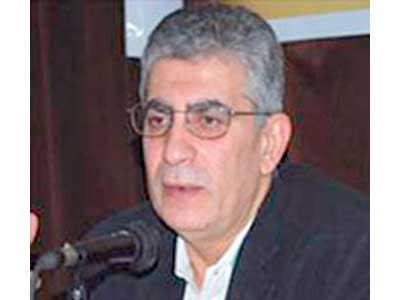
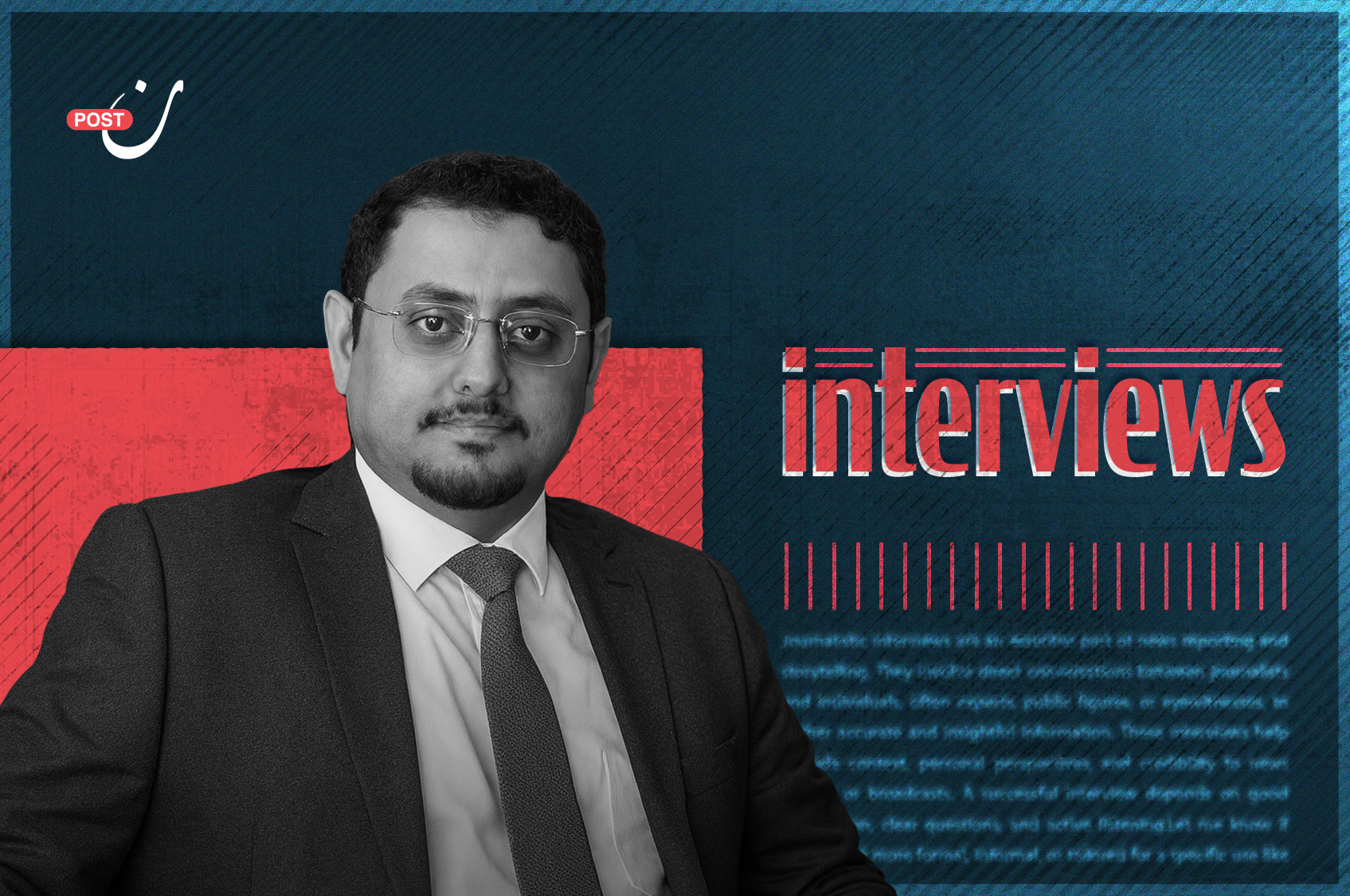
Yemen’s Chargé d’Affaires in Damascus: Reopening the Embassy Marks a Pivotal Moment

فريق التحرير
Noon Post Published 26 March ,2026
Share
نون بوست
نون بوست

On September 21, 2014, the Houthi group, also known as Ansar Allah, seized the Yemeni capital Sana’a in a coup against the Yemeni state. The group continued its military campaign across the country, eventually reaching the southern city of Aden.

Despite gaining control over numerous cities, the Houthis have never received international recognition and therefore were unable to assume control of Yemeni embassies abroad. Iran and Syria, however, proved to be notable exceptions.

In Damascus, the Houthi movement appointed an ambassador about a year and a half after taking control of Sana’a, and then named another ambassador in 2016. But in October 2023, Syrian authorities instructed the Houthi-appointed envoy to vacate the premises of the Yemeni embassy and leave immediately. From that point until April 26, 2024, Yemen had no formal diplomatic representation in Syria.

Dr. Mohammed Al-Ezzi Baakr was appointed as Acting Chargé d’Affaires. At the time, the Yemeni Ministry of Foreign Affairs released a statement declaring the embassy’s return to operational status in Syria a “historic and diplomatic milestone in the relations between the two brotherly countries and peoples.”

Before his appointment to Syria, Dr. Mohammed Al-Ezzi Baakr held several diplomatic positions in Turkey and other Arab states. In this exclusive interview with Noon Post, the senior Yemeni diplomat discusses the current state of Yemeni diplomatic missions worldwide, the challenges facing the Yemeni community in Syria, and his comparisons between Syria before the fall of Assad’s rule and the situation in Yemen today.

To what extent have Yemeni embassies fallen short in addressing the violations Yemenis are facing recently, particularly in Jordan, Egypt, and Djibouti?

Constructive criticism is a healthy phenomenon that contributes to institutional growth as long as it isn’t criticism for its own sake. What is sometimes perceived as failure often stems from individual shortcomings rather than systemic dysfunction within Yemeni embassies.

It’s only fair to acknowledge the efforts these diplomatic missions are making within their consular and diplomatic capacities, especially under the extraordinary pressures imposed by the ongoing crisis in Yemen.

These missions have done what they could with the resources available, in line with the laws of host countries which, it must be said, deserve appreciation for hosting large numbers of Yemenis during this critical period in our history.

You were responsible for Yemeni students in Turkey. Across many countries, Yemeni students often complain about delayed financial disbursements, which hinder their education. How did you manage to address this issue?

This issue is a direct reflection of the instability caused by the Houthis’ coup against Yemen’s legitimate institutions. It has significantly disrupted the timely payment of students’ financial aid abroad.

During my tenure, along with colleagues at the embassy, we prioritized full transparency with our students engaging in open dialogue, listening to their concerns, and explaining the difficult circumstances our country is going through.

We then worked to find practical solutions within the limitations we faced, despite the economic hardships caused by the war.

We were met with remarkable awareness and cooperation from our students, who demonstrated exceptional patience in light of the severity of the situation. Thanks to the government’s continued support, we were recently able to disburse two quarters’ worth of stipends (six months’ aid) within less than a month a positive step toward alleviating their burden and helping them continue their studies.

How would you assess the current state of Yemeni diplomatic missions around the world?

As I mentioned earlier, Yemeni diplomatic missions continue to carry out their consular duties, protect Yemen’s interests, and promote relations with other countries in accordance with the Ministry of Foreign Affairs’ strategic directives—guided by the Presidential Leadership Council. All of this, despite the considerable challenges they face on multiple fronts.

Let’s move to your recent appointment to represent Yemen in Damascus—a post that had been vacant for years. What does the resumption of diplomatic ties mean for the Yemeni government and people?

Yemen was among the first countries to announce the reopening of its embassy in Damascus on April 27, 2024. This came as the culmination of extensive coordination and diplomatic efforts led by H.E. Dr. Shaea Mohsen Al-Zandani, Yemen’s Deputy Foreign Minister, and H.E. Dr. Asaad Al-Shaibani of Syria’s Foreign Ministry.

This achievement carries significant political and symbolic weight. It restores the bilateral relationship to its proper course and reflects the shared history and values between our two nations. It also aligns with the Foreign Ministry’s broader efforts to reinforce the state’s legal legitimacy and revive its diplomatic presence both regionally and internationally.

Moreover, it marks a vital step in easing the suffering of Yemenis in Syria, helping to address the many issues that have accumulated over the past several years.

What are the main issues facing the Yemeni community in Syria?

The absence of a legitimate government representative created numerous difficulties for the Yemeni community here. Chief among them were problems obtaining passports, delays in verifying academic and professional documents, and a general lack of official channels to safeguard their interests and resolve disputes.

Those challenges largely ended with the reopening of the embassy. We’re now actively addressing these issues within our means and in close coordination with our Syrian counterparts.

What achievements has the Yemeni Embassy in Damascus made since you assumed leadership?

Since reopening, the embassy has worked diligently to restore bilateral cooperation after years of disconnection. We’ve held multiple official meetings with Syrian ministries and institutions, and we’re continuing down that path.

We’ve also prioritized the needs of the Yemeni community and students enrolled in Syrian universities. So far, three semesters’ worth of financial aid has been distributed. We’ve issued 73 passports and handled the cases of 185 citizens—out of 300 who visited the embassy between the reopening and mid-August.

We previously covered the case of the missing Yemeni officers in Syria. What’s the latest update on this issue? Has any progress been made in locating them?

This case dates back to 2012. Since then, the Yemeni Foreign Ministry has made numerous efforts to uncover their fate. However, the volatile situation in Syria at the time made it difficult to follow through.

Recently, the embassy reopened the case with relevant Syrian authorities through formal meetings and memos. We’ve received full cooperation, and we expect concrete results from these efforts soon.

How have you dealt with Yemeni figures in Syria who have ties to Houthi-linked investments and projects involving Iran?

According to the information available to us, the Houthi militias no longer have any visible presence or activity in Syria, following recent developments in the country.

How would you compare Syria’s pre-uprising period under Assad to the current situation in Yemen?

Both countries have endured extremely difficult periods. Yet we believe they are now on a path toward realizing the aspirations of their people—for development, security, stability, dignity, and equal citizenship. With their rich heritage and wise leadership, we are confident they will succeed.

In your view, where is Yemen heading?

Just causes never die, sacrifices are never in vain, and no people can be defeated. The Yemeni people—steeped in history and civilization—will overcome all foreign agendas and internal challenges. No matter how long the night lasts, dawn will come. The progress we are witnessing today—on diplomatic, economic, and development fronts—is clear evidence of that.

Download this article as PDF
Share this Article
Facebook Twitter Whatsapp Whatsapp Telegram Email Copy Link
فريق التحرير
By فريق التحرير تقارير يعدها فريق تحرير نون بوست.
Follow:
Previous Article نون بوست Schools in Yemen… A New Front for Houthi Domination
Next Article نون بوست Muwaffaq Tarif: The Druze Leader Who Blends Religion with Politics

Read More

  • U.S. Regime‑Change Policies: Why They Are Destined to Fail U.S. Regime‑Change Policies: Why They Are Destined to Fail
  • The Gulf’s Balancing Act: Iran, Israel, and Hidden Links
  • Iraq–Turkey Oil Export Treaty: Why Did Ankara Cancel It After 52 Years?
  • Syria’s Northeast on Edge: QSD Between Ankara and Damascus
  • Has Europe Changed Its Stance on Israel… or Just Its Language?
part of the design
NoonPost Weekly Newsletter

You May Also Like

U.S. Regime‑Change Policies: Why They Are Destined to Fail

U.S. Regime‑Change Policies: Why They Are Destined to Fail

إسراء سيد Esraa sayed 8 April ,2026
The Gulf’s Balancing Act: Iran, Israel, and Hidden Links

The Gulf’s Balancing Act: Iran, Israel, and Hidden Links

فريق التحرير Noon Post 8 April ,2026
Iraq–Turkey Oil Export Treaty: Why Did Ankara Cancel It After 52 Years?

Iraq–Turkey Oil Export Treaty: Why Did Ankara Cancel It After 52 Years?

فريق التحرير Noon Post 8 April ,2026

التقرير البريطاني حول الإخوان المسلمين: طبقة أخرى في تاريخ طويل من سوء الفهم

بشير موسى
بشير موسى Published 25 December ,2015
Share
pictures-2015-05-20-569fc0fc-c284-4301-8323-0657a24e6a1e

تقدم رئيس الحكومة البريطانية، الخميس 17 ديسمبر/ كانون أول الحالي، إلى أعضاء البرلمان، سواء في مجلس العموم أو اللوردات، بملخص لنتائج التقرير الذي سبق أن أمر بإعداده في إبريل/ نيسان من العام الماضي حول جماعة الإخوان المسلمين. رأس اللجنة التي أعدت التقرير سفير بريطانيا السابق في المملكة العربية السعودية، السير جون جنكنز، وضمت دبلوماسيين ورجال أمن واستخبارات.

ويعتقد أن اللجنة انتهت من عملها قبل شهور طويلة، ولكن ضغوطاً متعارضة، داخل جسم الحكومة والدولة البريطانية، ومن دول عربية صديقة لبريطانيا، أدت إلى تأجيل نشر التقرير إلى الخميس الماضي. صحيفة الغارديان البريطانية، التي تابعت التقرير منذ بدأ العمل على إعداده، وصفت نتائجه بأنها جاءت أكثر تشدداً مما كان يعتقد. ثمة عدد من المسائل الهامة التي تبرز في خلفية هذا التقرير، في السياق الذي أحاط بإعداده، وفي النتائج التي توصل إليها.

يتعلق أول هذه المسائل بعدد متواتر من التقارير الإعلامية، التي تستند إلى وثائق محققة، وتسريبات لا تقل أهمية من دوائر رسمية بريطانية، حول الدور الذي لعبته دولتان عربيتان خليجيتان في دفع كاميرون إلى تبني فكرة تقرير حول الإخوان المسلمين. بمعنى أن ليس هناك من مسوغ سياسي بريطاني أصلاً لكل هذا التمرين السياسي الغريب. بخلاف الحرب الصليبية التي تقودها دولة أو دولتان عربيتان ضد الإخوان المسلمين، فإن دولة غربية ما لم تتهم الإخوان مطلقاً بالإرهاب أو المساعدة على الإرهاب.

هذه جماعة ذات توجه إسلامي لا يخفى، تتواجد وتنشط داخل العالم الإسلامي وخارجه منذ عشرات العقود؛ وكما كل القوى السياسية في المشرق العربي – الإسلامي، شهدت تطوراً مستمراً في افكارها ورؤيتها السياسية. فلماذا يتوجب على الحكومة البريطانية، أو أي حكومة غربية أخرى، تشكيل لجنة طويلة، عريضة، وتحمل نفقات عمل هذه اللجنة طوال شهور، لإعداد تقرير حول الإخوان. لماذا لا تشكل بريطانيا لجنة لدراسة الجماعة الإسلامية الباكستانية، ذات الانتشار الملموس بين مسلمي بريطانيا من أبناء شبه القارة الهندية؟ أو حتى حزب بهاراتيا جناتا، الأوسع تأثيراً في أوساط الهنود البريطانيين من كل من الإخوان والجماعة الإسلامية، والمعروف بسجله الهندوسي – التمييزي العنيف؟ ولماذا، وقد بدأت الحكومة البريطانية دراسة التيارات السياسية في العالم، لا تشكل لجنة للتحقق من الخلفية الفكرية والسياسية لليمين النازي في بريطانيا وأوروبا، مثلاً؟

الحقيقة، أن عدد الأبحاث التي نشرها أكاديميون من حقول دراسات الشرق الأوسط وتاريخ الإسلام الحديث للإخوان المسلمين لا يمكن إحصاؤه. وقد تناولت هذه الأبحاث مختلف جوانب فكر وتاريخ وسياسات وتناقضات الإخوان، سواء في مصر أو خارجها. كما إن من المعروف أن الإخوان، باعتبارهم التيار السياسي الإسلامي الرئيس في مصر وعدد آخر من الدول العربية، محل اهتمام كبير للدبلوماسيين ورجال الاستخبارات البريطانيين. الحكومة البريطانية، باختصار، لم تكن بحاجة لهذا التقرير. ما ولد هذا التقرير كان خضوع حكومة كاميرون لابتزازات اقتصادية خارجية، ومحاولة التهرب من ضغوط عربية – خليجية طالبت بمنع الإخوان في بريطانيا. مدركاً عدم إمكانية إصدار قرار بمنع الإخوان، لجأ كاميرون إلى فكرة التقرير كمخرج من الضغوط وإرضاء الحلفاء العرب في الوقت نفسه.  

ولأن هذا النهج كان من البداية محفوفاً بالتناقضات، لم يكن غريباً أن يأتي التقرير بنتائج فادحة التناقض. كان ديفيد كاميرون قال في توجيهه بتشكيل لجنة إعداد التقرير أن هدف المشروع هو توفير فهم أفضل للإخوان المسلمين. ولكن الواضح من ملخص التقرير الذي أعلنه كاميرون، وما سيؤسس عليه من سياسات، أن التقرير لا يمثل سوى إضافة جديدة إلى سوء الفهم البالغ الذي يشوب العلاقة بين الدول الغربية الرئيسية ومسلمي العالم.

لسبب ما، يبدو أن كاتبي التقرير حاولوا صياغته بلغة العلوم الاجتماعية، ربما لإضفاء شيء من المصداقية الحيادية على نتائجه. ولكن أي طالب مبتدىء لدراسات الشرق الأوسط يعرف أن قراءة التقرير لميراث سيد قطب واستعارة بعض جماعات العنف لجوانب من هذا الميراث، وموقف الإخوان منه، هي قراءة خاطئة تماماً. فبغض النظر عن الجدل حول مقولات قطب، ليس ثمة شك أن الإخوان، ومنذ منتصف السبعينات، كانوا أول من حاول الرد على التفسيرات الراديكالية لقطب، على بعض مقولاته ذات التداعيات المتعارضة مع التيار الرئيسي لميراث أهل السنة، وأول من تنصل من هذه المقولات. ولكن الواضح أن لا كاميرون ولا لجنته العتيدة سمع بكتاب الهضيبي «دعاة لا قضاة»، ولا بالدراسات المستفيضة التي أجريت في جامعات بريطانية على الكتاب والسياق الذي كتب فيه.

في نص آخر مدهش، قال معدو التقرير أن الانتماء للإخوان قد يكون مؤشراً محتملاً على التطرف. الحقيقة، بالطبع، أن عدد أعضاء الإخوان المسلمين الذين تركوا الجماعة وحملوا السلاح في صفوف الجماعات الإسلامية المسلحة، منذ بدأت موجة العنف الإسلامي بعد إجهاض عملية الانتقال الديمقراطي في الجزائر في مطلع التسعينات، يكاد لا يذكر. وإن كانت القاعدة وتنظيم الدولة هما المستهدف بمقولة التطرف، فالأرجح أن كلا التنظيمين لم يستطع تجنيد أي عدد يعتد به من الإخوان، سواء من بلدان العالم الإسلامي أو خارجها.

ولكن المقولة نفسها، بالرغم من وضعها في صيغة إنكليزية حذرة، تبدو بالغة الغرابة. ألا يمكن القول، طبقاً للمنطق الذي يبدو أن المقولة تستند إليه، أن نمط الحياة الغربية مؤشر محتمل على التطرف؛ طالما أن عدداً متزايداً من الشبان والشابات من الدول الغربية يلتحق بداعش وأخواتها؟ أما الغائب الحاضر في منطق مقولة «المؤشر المحتمل» فيتعلق بالتعامي المعيب للتقرير عن الحروب، مثل الحرب الأنكلو – أمريكية، بالغة الغباء على العراق، وعن أنظمة الاستبداد في العالم العربي والإسلامي، مثل تلك التي ضغطت على الحكومة البريطانية لوضع هذا التقرير. السلفية الجهادية، وكل ما ولدته من تنظيمات عنف، هي صنيعة الانقلاب في الجزائر، أنظمة مبارك والأسد والمالكي، والانقلاب على الديمقراطية وإرادة الشعب في مصر، التي حافظت بريطانيا ولم تزل على علاقات وثيقة معها. 

لم يجد التقرير، كما كان متوقعاً، حالة لتنظيم إخواني مسلح سوى حركة حماس، التي تكررت الإشارة لها في الملخص الذي نشره رئيس الحكومة كاميرون. ولكن، وحتى في هذه الحالة، أخفق كاتبو التقرير في وضع الأشياء في سياقها الحقيقي. في فلسطين، ثمة حركة تحرر وطني، يخوضها، بالسلاح وبوسائل أخرى، كافة طبقات وشرائح الشعب الفلسطيني، منذ ما يقارب من القرن من الزمان. حماس لم تكن أول من حمل السلاح، ولا هي التنظيم الفلسطيني الوحيد الذي يحمل السلاح اليوم.

في خضم هذا النضال الطويل من أجل الوجود، حمل السلاح فلسطينيون ذوو توجه وطني، وفلسطينيون ذوو توجه قومي، وآخرون ذوو توجه ماركسي، تماماً كما الفلسطينيين الإسلاميين، مثل حماس. إثارة الشبهات حول الإخوان المسلمين لأن أحد أجنحتها حمل السلاح ضد مشروع احتلالي، أجنبي، استيطاني، توسعي، مثل إثارة الشبهات حول حزب المؤتمر الهندي لنضاله ضد الاحتلال البريطاني، وحزب المؤتمر الأفريقي لنضاله ضد نظام التفرقة العنصرية في جنوب إفريقيا. ما يجب أن يستدعي الاهتمام في حالة حماس هو الخلفية التحررية الوطنية وليس الخلفية الإخوانية. وإلا، فكان على واضعي التقرير أن يسألوا أنفسهم لماذا كان الإخوان الفلسطينيون، ضمن فروع الإخوان المتعددة، وحدهم من اضطر إلى حمل السلاح.

أحسن رئيس الحكومة البريطانية عندما أعلن أن حكومته لن تقوم بمنع الإخوان المسلمين. وليس من الواضح بعد كيف استطاع تبرير مثل هذه القرار لمن ضغطوا عليه من العرب للذهاب إلى هذا الطريق. ولكن قوله أن حكومته ستشدد الرقابة على نشاطات الإخوان داخل وخارج بريطانيا هو قول أقل ما يقال فيه أنه يعكس سياسة غير قابلة للفهم. كيف للحكومة البريطانية أن تتعهد نظاماً رقابياً على جماعة إسلامية، تقود حركة التحول الديمقراطي والحريات، وتنتشر في صفوف ملايين المسلمين في كافة أنحاء المشرق العربي – الإسلامي؟ وهل أصبحت الحكومة البريطانية وصية على نمط حياة وتفكير المسلمين؟

TAGGED: الإخوان المسلمون في بريطانيا ، الإخوان المسلمون وديفيد كاميرون ، التقرير البريطاني حول الإخوان المسلمين
TAGGED: الإخوان المسلمون
Download this article as PDF
Share this Article
Facebook Twitter Whatsapp Whatsapp Telegram Email Copy Link
بشير موسى
By بشير موسى كاتب وباحث عربي في التاريخ الحديث
Follow:
Next Article نون بوست The Stigma of “ISIS”: A Heavy Legacy Haunting Women and Children of Former Members
part of the design
NoonPost Weekly Newsletter
dark

An independent media platform founded in 2013, rooted in slow journalism, producing in-depth reports, analysis, and multimedia content to offer deeper perspectives on the news, led by a diverse young team from several Arab countries.

  • Politics
  • Society
  • Rights & Liberties
  • Opinions
  • History
  • Sports
  • Education
  • Technology
  • Economy
  • Media
  • Arts & Literature
  • Entrepreneurship
  • Travel
  • Cinema & Drama
  • Food
  • Health
  • Culture
  • Latest Reports
  • Files
  • Long Reads
  • Interviews
  • Podcast
  • Interactive
  • Encyclopedia
  • In Pictures
  • About Us
  • Our Writers
  • Write for Us
  • Editorial Policy
  • Advanced Search
Some rights reserved under a Creative Commons license

Removed from favorites

Undo
Go to mobile version