







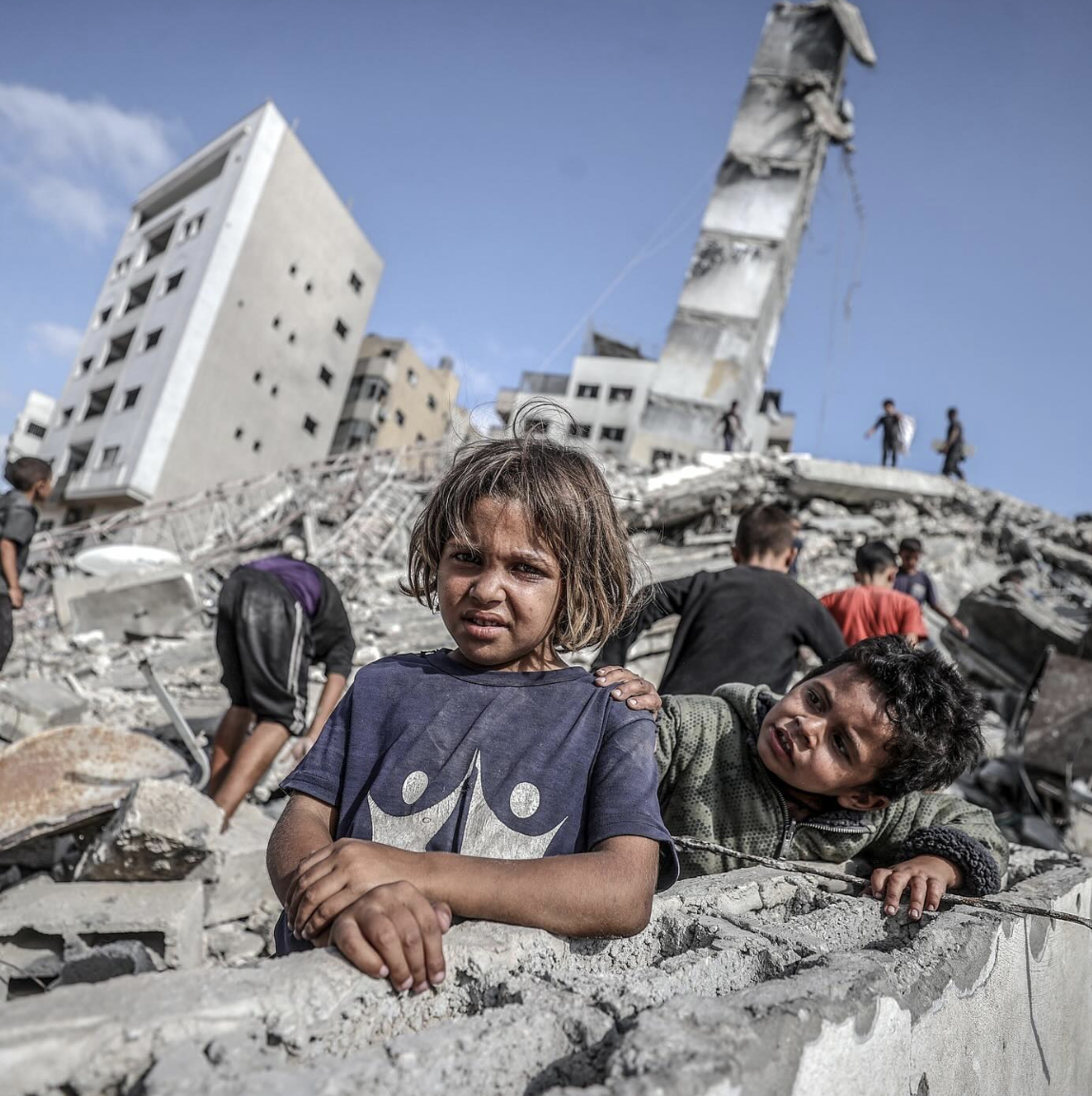
NoonPost NoonPost

NoonPost

  • Home
  • Politics
  • Economy
  • Society
  • Culture
  • Files
  • Long Reads
  • Podcast
AR
Notification Show More
نون بوست
“There Are Nights I Can’t Close My Eyes”: How Gazans Are Living in Homes on the Brink of Collapse
نون بوست
From al-Jolani to Ahmad al-Shara: The Evolution of Syria’s New Leader
نون بوست
When Political Islam Receded in Egypt: Who Filled the Void?
نون بوست
An Extension of Genocide: Gaza’s Detainees Speak Out
نون بوست
A Tightrope Between Survival and Sovereignty: The Syrian Government Faces Normalization Pressures
نون بوست
American Aircraft Carriers: Has the Era of “100,000 Tons of Diplomacy” Ended?
نون بوست
U.S. Regime‑Change Policies: Why They Are Destined to Fail
نون بوست
Transformations of Israeli Judaism: Between the Victim Complex and the Colonizer’s Doctrine
نون بوست
The Gulf’s Balancing Act: Iran, Israel, and Hidden Links
نون بوست
Iraq–Turkey Oil Export Treaty: Why Did Ankara Cancel It After 52 Years?
نون بوست
Syria’s Northeast on Edge: QSD Between Ankara and Damascus
نون بوست
Has Europe Changed Its Stance on Israel… or Just Its Language?
NoonPost NoonPost
AR
Notification Show More
نون بوست
“There Are Nights I Can’t Close My Eyes”: How Gazans Are Living in Homes on the Brink of Collapse
نون بوست
From al-Jolani to Ahmad al-Shara: The Evolution of Syria’s New Leader
نون بوست
When Political Islam Receded in Egypt: Who Filled the Void?
نون بوست
An Extension of Genocide: Gaza’s Detainees Speak Out
نون بوست
A Tightrope Between Survival and Sovereignty: The Syrian Government Faces Normalization Pressures
نون بوست
American Aircraft Carriers: Has the Era of “100,000 Tons of Diplomacy” Ended?
نون بوست
U.S. Regime‑Change Policies: Why They Are Destined to Fail
نون بوست
Transformations of Israeli Judaism: Between the Victim Complex and the Colonizer’s Doctrine
نون بوست
The Gulf’s Balancing Act: Iran, Israel, and Hidden Links
نون بوست
Iraq–Turkey Oil Export Treaty: Why Did Ankara Cancel It After 52 Years?
نون بوست
Syria’s Northeast on Edge: QSD Between Ankara and Damascus
نون بوست
Has Europe Changed Its Stance on Israel… or Just Its Language?
Follow US

Just 10 Minutes: How Much Time Is Enough to Flee the Home of a Lifetime?

فريق التحرير
Noon Post Published 26 March ,2026
Share
نون بوست
نون بوست

As Abu Arab al-Batran, 61, prepared for Friday prayers, his wife sat in the living room discussing lunch plans with their children and grandchildren. None of them could have imagined they were moments away from a sudden, collective displacement—without warning, without a chance to say goodbye to the walls that had sheltered them throughout the war. A phone call, barely a minute long, would shatter their lives.

With a voice thick with grief, Abu Arab recalls: “You have 10 minutes to evacuate the building. Inform all the residents.” He pauses to catch his breath. “Those words were uttered by an Israeli intelligence officer, speaking a crude mix of Arabic and Hebrew, laced with cold cruelty. One of our neighbors heard it and rushed to warn us all.”

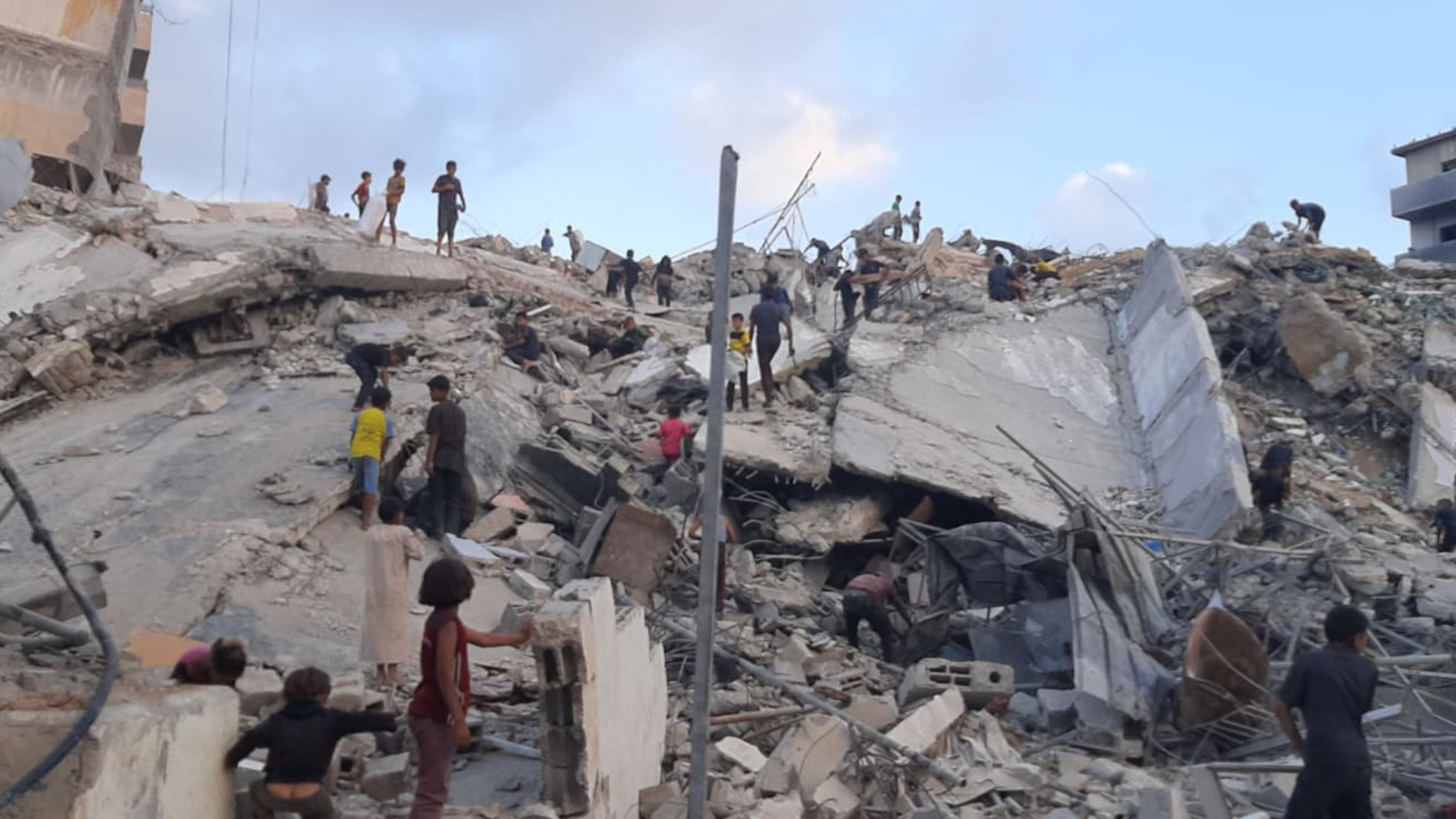
Ten minutes. That’s all the residents of the 11-story Mushtaha Tower were given. The building housed 75 families, many of them displaced, including children, the elderly, the wounded, and people with physical disabilities—many of whom could not possibly descend 11 flights of stairs in the time given before the tower was obliterated.

Speaking to Noon Post, Abu Arab recounts his long ordeal—how he first fled to Jabalia Camp, spent three months under siege at Kamal Adwan Hospital, lost his home, and moved between relatives’ houses before finally settling with 26 family members in his brother’s apartment in Mushtaha Tower.

“I spent everything I had repairing that apartment,” he says. “Windows, doors, plumbing… even managed to get a water line up to the eleventh floor.”
نون بوست

“We lived there for half a year,” he continues, “my children and my daughters—widows who lost husbands and sons. We made it a home. We shared bread in the worst days of famine. Lunch became our ritual of togetherness—our way to reclaim a smile after all the pain and loss inflicted by Israel’s war of extermination.”

His voice trembles. “Even in what we thought was our final refuge, we weren’t safe. My face betrayed my shock when I got the call. I was stunned. Terrified. How could I evacuate from the eleventh floor with my disabled sister? Where would we go?”

In a flash, thousands poured out of the tower, unable to take even the most basic items—no emergency bag, no bedding, not even a change of clothes.

During our interview, Abu Arab sat on a pile of broken stone in the street. His son joined in: “We ran out in the clothes we were wearing,” he said angrily. “I carried elderly, disabled people in my arms—sobbing, screaming in terror. Parents were shouting their children’s names, afraid they had been left behind in the chaos.”

“The building was reduced to rubble in less than 20 minutes,” Abu Arab continues. “A barrage of Israeli missiles shook the earth, bringing down the tower and burying with it our memories, our life’s work, and everything we owned. We were left with nothing.”

Tears welling up, he adds: “The women took refuge in tents set up by relatives at Al-Azhar University, while we men remained near the ruins of the tower. I won’t even consider heading south. I have nothing to help me survive there. I can’t manage away from here.”

Israel’s military strategy to demolish Gaza’s residential towers is part of a broader plan to forcibly depopulate the city in preparation for a reoccupation.

Um Hamza Abu al-Kas, 33, fared no better. After fleeing multiple displacement sites, she lost her apartment in the 14-story al-Sousi Tower. Now, only another heap of rubble remains.

Seven children huddled behind her as she sat on gray stones, her dust-covered black clothes a stark reminder of loss. “Where are we supposed to go?” she asks. “There’s no roof over our heads, not even a tent. We are seven families, each with ten members. At first, we squeezed into a ground-floor apartment. Then we set up tents below the tower—women and children inside the apartment, men in the tents.”

“We adapted the best we could,” she recalls. “We cooked as one big family, the children played together. For a brief time, they felt safe. But the fear returned with the evacuation order. And then the bombing.”

While rummaging through the rubble for medicine and children’s toys, Um Hamza adds: “We were expelled with nothing. I held my daughter, who suffers from a heart condition, and called to my kids to run ahead with a bag that had bread and water. We ran as instructed—500 meters away from the tower.”

She watched in horror as Israeli warplanes leveled the tower. “Fourteen floors flattened—along with all our food, clothes, and essentials.”

Her elderly neighbor interjects, hunched over, leaning on a cane: “I don’t even have a spoon or a pillow left. I left leaning on this stick. Everything is gone. But we will not leave Gaza. Let them destroy every tower—it won’t make me go south. I didn’t flee when death took my loved ones. I won’t flee now. Not from northern Gaza. Not even if I die here.”

Dr. Salah Abdul Ati, head of the International Commission to Support Palestinian Rights (ICSPR), says Israel’s destruction of residential towers has intensified this month. “Seven high-rises—Mushtaha, Sousi, Ru’ya, Tayba, and others—have been flattened. Fifty other multi-story residential buildings were also destroyed.”

“This strategy is meant to terrorize civilians,” he says, “to erase what remains of Gaza’s urban identity and render the city uninhabitable—forcing people into what are effectively concentration camps in the south, as part of a declared plan to depopulate the Strip.”

Abdul Ati stresses these are war crimes, part of an ongoing genocide in blatant violation of international law and humanitarian principles. “More than 86% of Gaza’s housing infrastructure has been destroyed. Israel’s justifications are false, especially as hundreds of thousands remain displaced, living on the streets.”

He confirms that legal action is underway: “We are pursuing cases with international courts, submitting files to the International Criminal Court, and maintaining direct contact with the UN and the Human Rights Council to expose the scale of devastation in Gaza.”

And yet, amid the ruins, a child emerges clutching a toy, smiling. Nearby, a woman brews tea over a small stove beside the remains of her bombed home.

Download this article as PDF
Share this Article
Facebook Twitter Whatsapp Whatsapp Telegram Email Copy Link
فريق التحرير
By فريق التحرير تقارير يعدها فريق تحرير نون بوست.
Follow:
Previous Article نون بوست “A Piece of Torment”: The Bitter Reality of Displacement in Gaza
Next Article نون بوست “The Mission”: The CIA’s Dark Legacy After 9/11

Read More

  • U.S. Regime‑Change Policies: Why They Are Destined to Fail U.S. Regime‑Change Policies: Why They Are Destined to Fail
  • The Gulf’s Balancing Act: Iran, Israel, and Hidden Links
  • Iraq–Turkey Oil Export Treaty: Why Did Ankara Cancel It After 52 Years?
  • Syria’s Northeast on Edge: QSD Between Ankara and Damascus
  • Has Europe Changed Its Stance on Israel… or Just Its Language?
part of the design
NoonPost Weekly Newsletter

You May Also Like

U.S. Regime‑Change Policies: Why They Are Destined to Fail

U.S. Regime‑Change Policies: Why They Are Destined to Fail

إسراء سيد Esraa sayed 8 April ,2026
The Gulf’s Balancing Act: Iran, Israel, and Hidden Links

The Gulf’s Balancing Act: Iran, Israel, and Hidden Links

فريق التحرير Noon Post 8 April ,2026
Iraq–Turkey Oil Export Treaty: Why Did Ankara Cancel It After 52 Years?

Iraq–Turkey Oil Export Treaty: Why Did Ankara Cancel It After 52 Years?

فريق التحرير Noon Post 8 April ,2026

هل هي نهاية المسيحية في الشرق الأوسط؟

فريق التحرير
Noon Post Published 27 December ,2015
Share
26christianity_ss-slide-18hn-articlelarge

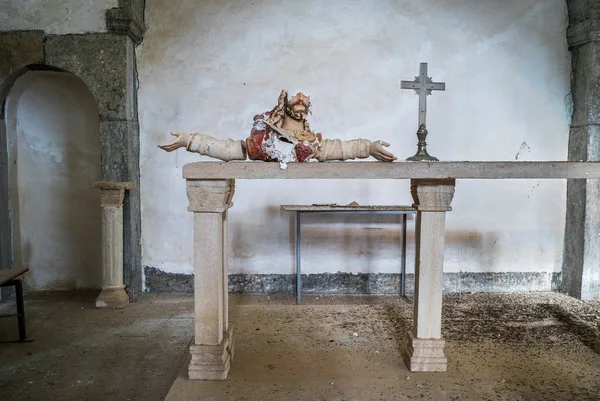
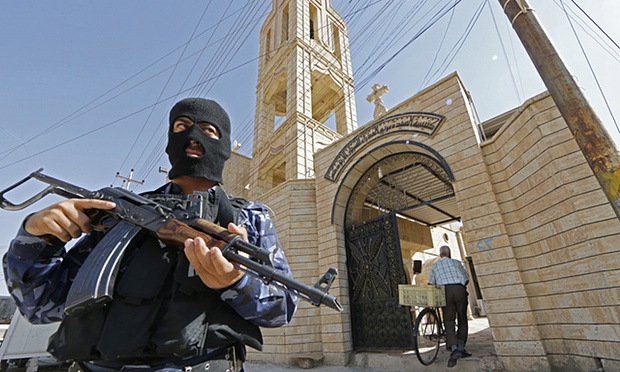
من الواضح أن لداعش لقب آخر في المسيحية، فالمسيحيون يلقبون داعش بـ “هيرودس اليوم”، وهو الطاغية في المسيحية الذي قتل كل مواليد بيت لحم حينما علم بمولد المسيح فيها، لذا تبدو داعش للمسيحيين كحركة إرهابية تعيد أفعال طواغيت الماضي ضدهم في الحاضر، فقتل داعش لأعداد أكبر من المسلمين لا ينفي التهمة عن خطابها التحريضي للأقليات غير المسلمة ومنها المسيحين في العراق والشام وكذلك الإيزيديين، مما جعلهم تحت تهديد تفريغ الشرق الأوسط من المسيحين في القريب العاجل.

اضطر مسيحيو العراق والشام إلى الهجرة إلى تركيا أو الدول الأوروبية بعد أن تم الاستيلاء على ممتلكاتهم من أراضٍ أو بيوت تحولت فيما بعد كثكنات لتنظيم الدولة، كانت الكثافة السكانية لمسيحي العراق تبلغ 1.5 مليون منذ عشر سنوات، الآن وفي نهاية 2015 وصل عددهم إلى 500.000 عراقي مسيحي فقط، كما كان العدد في سوريا يبلغ 1.1 مليون مسيحي، ووصل العدد بعد أربع سنوات من الحرب في سوريا إلى 600.000 مسيحي قد هاجر البلاد أو تمّ قتله في الحرب.

لبنان، أكبر الدول العربية كثافة للمسيحين، كانت الملجأ الأول قبل أوروبا لمسيحي العراق وسوريا، من بعدها تأتي الأردن وتركيا، ليكونوا مع نظائرهم المسلمين في مخيمات اللاجئين الهاربين من اضطهاد وتهديد داعش لهم أيضًا.

نون بوست

هل تفريغ الشرق الأوسط من المسيحيين مخطط إستراتيجي بعد حدود سايكس بيكو وقيام دولة إسرائيل؟ فأرقام اللاجئين العرب من المسيحين خير دليل على الشكوك التي تحوم على مظاهر تهجريهم، إذ إن الجالية الفلسطينية وحدها في أمريكا اللاتينية يبلغ عددها 80.000 لاجئ مسيحي، فالأمر في مجمله لا يقتصر على خطر داعش الإرهابي ضد الأقليات الدينية، فالأمر بدأ في فلسطين حيث إن عدد السائحين المسيحين في بيت لحم مهد المسيح أكثر من مسيحي بيت لحم أنفسهم، ومن قبله لعبة الاقتصاد على أيدي الأنظمة الطاغية والديكتاتورية، على يد بشار الأسد في سوريا وأنور السادات في مصر، حيث تم تأميم العديد من المؤسسات الاقتصادية وحكرها على المسلمين، بالإضافة إلى التضييق الاقتصادي عليهم والذي أدى إلى هجرة العديد من رجال الأعمال منهم إلى أمريكا وأوروبا لاستئناف أعمالهم في مجال أكثر حرية دينية تحت لافتة اللجوء الاقتصادي أو الاضطهاد الديني.

هجرة المسيحين من الشرق الأوسط تعتبر مؤلمة للإرث المسيحي بأكمله، حتى لبنان التي كانت تتمتع بأكبر نسبة للمسيحين في الشرق الأوسط والتي وصلت إلى 78% منذ قرن، قد وصلت نسبة المسيحين فيها الآن إلى 34%، وهي أكثر الدول المستقبلة للاجئين المسيحين من العراق وسوريا، كما حدث في العراق بعد الغزو الأمريكي في عهد صدام حسين مرورًا بتنظيم الدولة الإسلامية، هرب الكثير من المسيحين ليشكلوا نسبة 40% من اللاجئين العراقيين في أنحاء العالم.

على عكس ما حدث مع اليهود، فلا توجد وجهة اتجه إليها المسيحيون بعد أحداث العنف والحروب الأهلية في الشرق الأوسط، بالإضافة إلى هبوط معدل المواليد بينهم حتى وصل مؤخرًا إلى 4% ومن المتوقع هبوطه أكثر إلى 3% بحلول 2050، بالإضافة إلى أن عدم تمثيلهم في المناصب الحكومية أو المؤسسات العسكرية كما يحدث في مصر والسودان أدى إلى عدم شعورهم بالانتماء داخل جغرافيا الشرق الأوسط.

رغم كل المؤشرات السلبية التي تهاجم مسيحي الشرق الأوسط إلا أن المفاجأة تأتي في إسرائيل، حيث إنها الدولة الوحيدة في الشرق الأوسط التي يزداد فيها معدل المسيحين، باعتبارها آمنة لهم ولحريتهم الدينية، حيث يبلغ عدد المسيحين في إسرائيل 160.000 مسيحي، يعيشون في انقسام ما بين القومية العربية والهوية الفلسطينية بحسب الميثاق الوطني الفلسطيني الذي أقرته منظمة التحرير الفلسطينية، وبين الجنسية الإسرائيلية والحرية الدينية، خاصة في تل أبيب، حيث يُسمح للمسيحين ببناء كنائس لهم هناك، بالإضافة إلى ملكيتهم للعديد من الأراضي المقدسة في القدس.

يعيش 60% من مسيحي فلسطين داخل الأراضي الإسرائيلية مقارنة بنظائرهم العرب في الضفة الغربية وغزة، إلا أنه على الرغم من التمتع بالحرية الدينية في ظل إسرائيل، إلا أن مسيحي إسرائيل يعانون من التفرقة في دفع الضرائب وارتفاع ثمن الإيجار عليهم أكثر من غيرهم من الإسرائيلين، بالإضافة إلى عدم السماح لهم بتولي المناصب العسكرية في الجيش الإسرائيلي.

هناك مجموعة أخرى كبيرة نسبيًا تتمتع بموقفها الحيادي، فلا هي ضمن الفرقة القومية التي تنادي بقوميتها العربية وهويتها الفلسطينية، ولا هي من الفرقة المطالبة بالاندماج مع المجتمع الإسرائيلي، تفضّل عدم التدخل في الأمور السياسية لكي لا تُتّهم باطلاً بالخيانة للقضية الفلسطينية أو لمجتمعها المسيحي، أو أنها فقط تريد الابتعاد عن السياسة لتتفرغ لأمورها العائلية فقط، وهناك جماعة أخرى قليلة تفضل انتظار الوطن السماوي وعدم الدخول في صراعات أرضية، مؤمنين أن العدالة لن تتوفر قبل مجئ المسيح، لا من اليهود الحاكمين ولا من المسلمين إذا حكموا.

يغادر المسيحيون الذين يشعرون بالتهديد الشرق الأوسط بأعداد كبيرة، وبجميع الأحوال فإن الزيادة الطبيعية لديهم أقل من المسلمين، وظاهرة الهجرة السلبية تُقلّص من أعدادهم في المنطقة أكثر وأكثر، هناك من يشبه تدفق المسيحيين الحالي بتدفق نحو 900.000 يهودي من الدول العربية، والذين فرت غالبيتهم العظمى من أماكن عيشهم بعد قيام دولة إسرائيل عام 1948، وذلك لشعورهم بالتهديد وانعدام الحماية من السلطات، فهل الأمر يتكرر مع المسيحين في تلاشيهم من الشرق الأوسط؟

TAGGED: اضطهاد المسيحيين ، اللاجئون المسيحيون في لبنان ، المسيحيون في إسرائيل ، المسيحيون في الشرق الأوسط ، المسيحيون في العراق
Download this article as PDF
Share this Article
Facebook Twitter Whatsapp Whatsapp Telegram Email Copy Link
فريق التحرير
By فريق التحرير تقارير يعدها فريق تحرير نون بوست.
Follow:
Next Article نون بوست The Stigma of “ISIS”: A Heavy Legacy Haunting Women and Children of Former Members

Read More

  • U.S. Regime‑Change Policies: Why They Are Destined to Fail U.S. Regime‑Change Policies: Why They Are Destined to Fail
  • The Gulf’s Balancing Act: Iran, Israel, and Hidden Links
  • Iraq–Turkey Oil Export Treaty: Why Did Ankara Cancel It After 52 Years?
  • Syria’s Northeast on Edge: QSD Between Ankara and Damascus
  • Has Europe Changed Its Stance on Israel… or Just Its Language?
part of the design
NoonPost Weekly Newsletter

You May Also Like

U.S. Regime‑Change Policies: Why They Are Destined to Fail

U.S. Regime‑Change Policies: Why They Are Destined to Fail

إسراء سيد Esraa sayed 8 April ,2026
The Gulf’s Balancing Act: Iran, Israel, and Hidden Links

The Gulf’s Balancing Act: Iran, Israel, and Hidden Links

فريق التحرير Noon Post 8 April ,2026
Iraq–Turkey Oil Export Treaty: Why Did Ankara Cancel It After 52 Years?

Iraq–Turkey Oil Export Treaty: Why Did Ankara Cancel It After 52 Years?

فريق التحرير Noon Post 8 April ,2026
dark

An independent media platform founded in 2013, rooted in slow journalism, producing in-depth reports, analysis, and multimedia content to offer deeper perspectives on the news, led by a diverse young team from several Arab countries.

  • Politics
  • Society
  • Rights & Liberties
  • Opinions
  • History
  • Sports
  • Education
  • Technology
  • Economy
  • Media
  • Arts & Literature
  • Entrepreneurship
  • Travel
  • Cinema & Drama
  • Food
  • Health
  • Culture
  • Latest Reports
  • Files
  • Long Reads
  • Interviews
  • Podcast
  • Interactive
  • Encyclopedia
  • In Pictures
  • About Us
  • Our Writers
  • Write for Us
  • Editorial Policy
  • Advanced Search
Some rights reserved under a Creative Commons license

Removed from favorites

Undo
Go to mobile version