


NoonPost NoonPost

NoonPost

  • Home
  • Politics
  • Economy
  • Society
  • Culture
  • Files
  • Long Reads
  • Podcast
AR
Notification Show More
نون بوست
“There Are Nights I Can’t Close My Eyes”: How Gazans Are Living in Homes on the Brink of Collapse
نون بوست
From al-Jolani to Ahmad al-Shara: The Evolution of Syria’s New Leader
نون بوست
When Political Islam Receded in Egypt: Who Filled the Void?
نون بوست
An Extension of Genocide: Gaza’s Detainees Speak Out
نون بوست
A Tightrope Between Survival and Sovereignty: The Syrian Government Faces Normalization Pressures
نون بوست
American Aircraft Carriers: Has the Era of “100,000 Tons of Diplomacy” Ended?
نون بوست
U.S. Regime‑Change Policies: Why They Are Destined to Fail
نون بوست
Transformations of Israeli Judaism: Between the Victim Complex and the Colonizer’s Doctrine
نون بوست
The Gulf’s Balancing Act: Iran, Israel, and Hidden Links
نون بوست
Iraq–Turkey Oil Export Treaty: Why Did Ankara Cancel It After 52 Years?
نون بوست
Syria’s Northeast on Edge: QSD Between Ankara and Damascus
نون بوست
Has Europe Changed Its Stance on Israel… or Just Its Language?
NoonPost NoonPost
AR
Notification Show More
نون بوست
“There Are Nights I Can’t Close My Eyes”: How Gazans Are Living in Homes on the Brink of Collapse
نون بوست
From al-Jolani to Ahmad al-Shara: The Evolution of Syria’s New Leader
نون بوست
When Political Islam Receded in Egypt: Who Filled the Void?
نون بوست
An Extension of Genocide: Gaza’s Detainees Speak Out
نون بوست
A Tightrope Between Survival and Sovereignty: The Syrian Government Faces Normalization Pressures
نون بوست
American Aircraft Carriers: Has the Era of “100,000 Tons of Diplomacy” Ended?
نون بوست
U.S. Regime‑Change Policies: Why They Are Destined to Fail
نون بوست
Transformations of Israeli Judaism: Between the Victim Complex and the Colonizer’s Doctrine
نون بوست
The Gulf’s Balancing Act: Iran, Israel, and Hidden Links
نون بوست
Iraq–Turkey Oil Export Treaty: Why Did Ankara Cancel It After 52 Years?
نون بوست
Syria’s Northeast on Edge: QSD Between Ankara and Damascus
نون بوست
Has Europe Changed Its Stance on Israel… or Just Its Language?
Follow US

Hilltop Girls and Missionaries: Women in the Service of Colonialism

فريق التحرير
Noon Post Published 26 March ,2026
Share
نون بوست
نون بوست

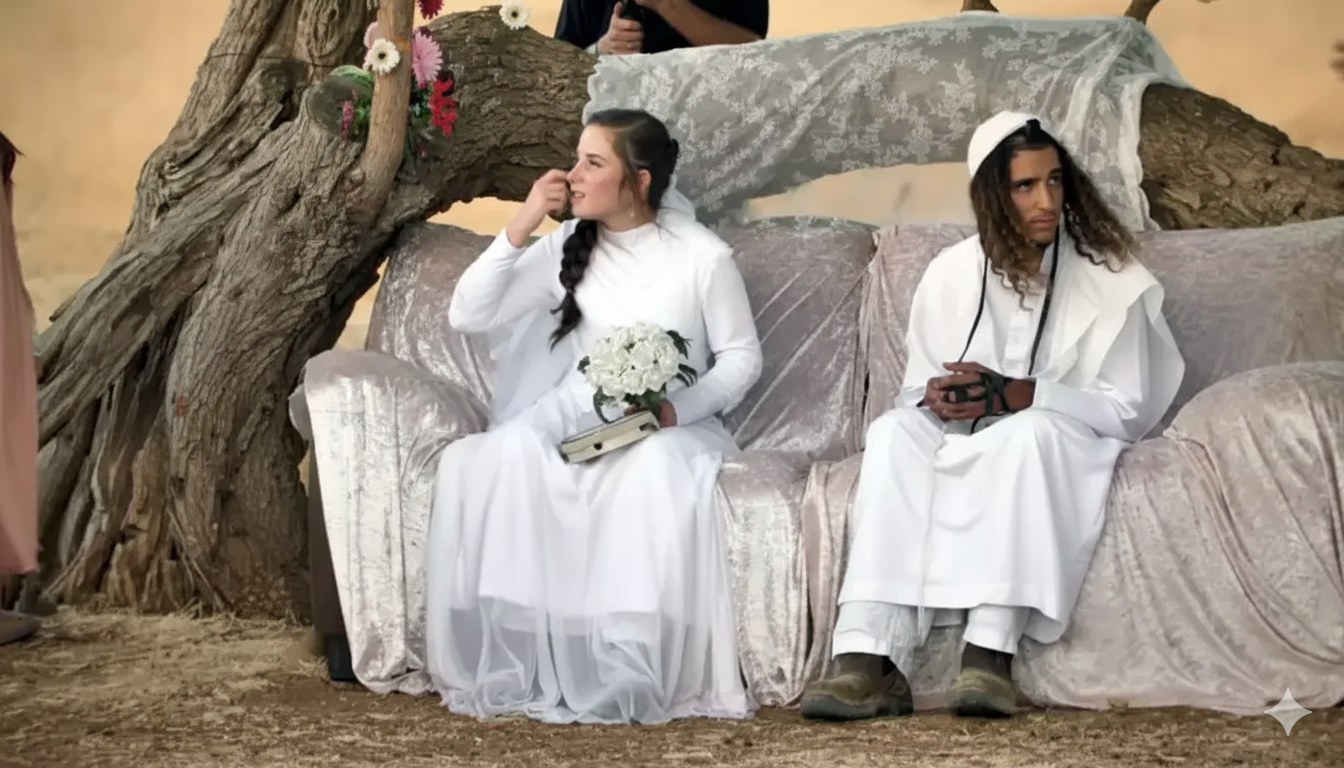
The West Bank is witnessing a new wave of settlement activity led by a group known as the “Hilltop Girls.” These are Israeli women who abandon formal education and urban life to live in tents and makeshift dwellings atop hilltops, in what they see as a sacrifice for the land.

This movement emerges as an extension of the “Hilltop Youth” phenomenon, which began in the late 1990s with official Israeli backing.

The “Hilltop Girls” adopt a pastoral, primitive lifestyle, deliberately isolated from modern urban life. Their media presence emphasizes mundane, domestic activities such as cooking or hanging laundry as a strategy to normalize settlement and present it as a wholesome, family-oriented existence. This stands in stark contrast to the violent imagery historically associated with settlers.

These female-led groups represent a softer form of colonization, often referred to as “soft settlement,” where the feminine image is strategically used to rebrand and sanitize the reality of a project that fundamentally involves dispossession of Palestinians and the entrenchment of Israeli control.

Far from being an isolated or exceptional case, the “Hilltop Girls” are part of a broader trajectory of colonial tactics in which women have been deployed in service of explicit colonial objectives.

This article traces similar female-led phenomena across various colonial contexts, where women have served as instruments of soft power, enabling control, penetration, and influence in ways that further overarching colonial ambitions.

Kibbutz Women and the Settler-Colonial Project

Since the early 20th century, the kibbutz has been a central pillar of the Zionist project to establish a Jewish state in Palestine. It functioned as a collective agricultural model based on shared ownership of tools and equal distribution of returns. It also served as a framework for integrating new immigrants and preparing them for life in Palestine.

In this setting, women in the kibbutzim played a vital role—not merely symbolic, but integral to consolidating this new social and economic order. The kibbutz offered a radically different model for women’s roles compared to bourgeois European norms. It promoted gender equality through women’s participation in agricultural labor and the rejection of traditional marriage and its economic dependencies.

Yet, as Abdul Wahhab Al-Kayyali notes in his book Kibbutz: Collective Farms in Israel, this so-called liberation was rife with contradictions. Rather than achieving genuine freedom, women in the kibbutz often experienced new forms of constraint. The unhappiness of many women was even cited as a reason why some couples left the kibbutzim.

The kibbutz sought to portray itself as a liberating alternative to domestic drudgery communal kitchens, shared housing but this structure merely repackaged traditional burdens. Women’s presence remained conditional on their ability to serve the collective system and ensure its continuity.

Thus, the kibbutz experience can be read as an early form of “soft colonialism,” in which women’s labor and image were instrumentalized to give a progressive façade to a settler-colonial project rooted in the dispossession of Palestinians.

European Women as Tools of Colonial Power

French colonialism in Algeria did not rely solely on military and political dominance. It also mobilized European women as intermediaries to penetrate local social structures. As researchers Ali Ghenabzia and Yamina Dhellassi show in their study The Impact of European Women on Algerian Families (1830–1962), colonial authorities employed European women in education, charity, and missionary work to give a gentler face to the colonial enterprise and embed it within Algerian Muslim families.

In the realm of education, European women aimed to turn Algerian women into active agents of French culture within their households. Workshops were established to teach Algerian girls French language, sewing, and arithmetic. While these initiatives provided practical skills, they simultaneously undermined traditional family values and introduced French language and culture as tools of soft domination.

In missionary work, Christian female missionaries were deployed to reach Algerian women—an audience inaccessible to European men due to religious and social boundaries. Religious sisterhoods, such as the Sisters of St. Joseph and the White Sisters, were instrumental in this effort, focusing specifically on reaching women within their domestic spheres.

At a deeper level, these efforts supported a broader policy of cultural Westernization aimed at severing Algerian women from their Arab-Islamic identity. European women led campaigns encouraging Algerian women to remove their veils, portraying it as a symbol of backwardness and repression.

This was not merely a cultural initiative but a symbolic battle—one in which the female body and appearance became tools for exerting control over the entire society.

Colonial Marriage Policies

Just as Israeli colonialism has utilized Israeli women in Palestine, and French authorities deployed European women to infiltrate Algerian homes, the apartheid regime in South Africa, established in 1948, turned to legal frameworks to control the bodies of colonized women. Society was rigidly segregated by race, and this extended even to marital and intimate relationships.

The 1949 Prohibition of Mixed Marriages Act which banned marriages between white and Black South Africans was a stark example of soft colonial dominance. It served to suppress Black women by restricting their freedom to choose partners, turning personal life into a domain of legal and political control.

Under such systems, women become tools for controlling land, identity, and culture. Their lives and bodies are exploited to legitimize and advance colonial rule. This demonstrates that colonialism is not merely a military or territorial force, but a sophisticated strategy that co-opts gender roles to subtly but effectively consolidate power.

Download this article as PDF
Share this Article
Facebook Twitter Whatsapp Whatsapp Telegram Email Copy Link
فريق التحرير
By فريق التحرير تقارير يعدها فريق تحرير نون بوست.
Follow:
Previous Article نون بوست Why Did Generation Z Turn Against Israel?
Next Article نون بوست Why Did the Arabs Abandon Gaza?

Read More

  • U.S. Regime‑Change Policies: Why They Are Destined to Fail U.S. Regime‑Change Policies: Why They Are Destined to Fail
  • The Gulf’s Balancing Act: Iran, Israel, and Hidden Links
  • Iraq–Turkey Oil Export Treaty: Why Did Ankara Cancel It After 52 Years?
  • Syria’s Northeast on Edge: QSD Between Ankara and Damascus
  • Has Europe Changed Its Stance on Israel… or Just Its Language?
part of the design
NoonPost Weekly Newsletter

You May Also Like

U.S. Regime‑Change Policies: Why They Are Destined to Fail

U.S. Regime‑Change Policies: Why They Are Destined to Fail

إسراء سيد Esraa sayed 8 April ,2026
The Gulf’s Balancing Act: Iran, Israel, and Hidden Links

The Gulf’s Balancing Act: Iran, Israel, and Hidden Links

فريق التحرير Noon Post 8 April ,2026
Iraq–Turkey Oil Export Treaty: Why Did Ankara Cancel It After 52 Years?

Iraq–Turkey Oil Export Treaty: Why Did Ankara Cancel It After 52 Years?

فريق التحرير Noon Post 8 April ,2026

2016 قد يكون عام كساد الاقتصاد العراقي

فريق التحرير
Noon Post Published 3 January ,2016
Share
5323514090c61f3e988baecc4765e44cb4636fe8

يواجه الاقتصاد العراقي انكماشًا حادًا وصل لمرحلة حرجة قد تفضي إلى “الكساد الاقتصادي” فيما إذا لم تعالج بالمستوى المطلوب، اتضح هذا الانكماش في أداء القطاعات الاقتصادية مثل الصناعة والتجارة والزراعة والسياحة إلى مستويات متدنية أدت إلى بطالة مرتفعة واتساع دائرة الفقر وخروج الاستثمارات الأجنبية.

استمرار استنزاف تلك القطاعات مع حالة الركود العام يؤدي إلى الكساد ممثلًا بانخفاض واسع النطاق في النشاط الاقتصادي ترافقه زيادة العرض مع انخفاض الطلب يدفع الإيرادات الصناعية والتجارية وقيمة الاستثمارات إلى الانخفاض بوتيرة شديدة وزيادة معدلات البطالة والفقر إلى مستويات عالية وما يرافقه من آثار اجتماعية سلبية.

ما الذي قاد الوضع في العراق إلى الانكماش حتى يتوقع الخبراء إمكانية حدوث كساد في عام 2016 على الرغم من امتلاك العراق لحصة كبيرة من النفط والغاز والثروات المعدنية والبشرية؟ وهل باتت هذه الثروات نقمة على الشعب عوضًا أن تكون له عونًا في حياة كريمة؟

تعود أسباب انكماش الاقتصاد العراقي إلى الحالة الأمنية التي تشهدها البلاد في الحرب على تنظيم الدولة الإسلامية فمصروفات وزارة الدفاع لشراء الأسلحة والذخيرة والمعدات وصرف رواتب الجنود سيطرت على جزء كبير من الإنفاق العام في الموازنة، ومن ثم اعتماد العراق على النفط كمصدر وحيد للموازنة وعدم توفر صناعات ومشاريع استثمارية في البلاد تدر القطع الأجنبي سوى النفط، بالإضافة إلى الفساد المالي المستشري في أجهزة الدولة وأخيرًا الهبوط الحاد لاحتياطي النقد الأجنبي في المصرف المركزي العراقي.

في ظل اعتماد العراق على سلعة النفط الذي هبطت أسعاره ما يزيد عن 60% خلال الـ 19 شهرًا الماضية لتلامس مستوى 34 دولارًا للبرميل انخفاضًا من 115 دولارًا قبل يوليو 2014، ومع اعتماد الموازنة على 90% من إيرادات النفط ووفق الأسعار الحالية للنفط بإمكان العراق تأمين ربع الموازنة المالية لعام 2016 فقط المُقرّة حديثًا من مجلس النواب العراقي والبالغة 105 ترليون دينار عراقي (90 مليار دولار تقريبًا)، بعجز مالي يبلغ 25 ترليون دينار (21 مليار دولار).

أصبح العنوان العريض لموازنة العراق المالية اليوم هو “التقشف” وما يلحقه من معاناة المواطنين ورفع الضرائب وأسعار السلع واللجوء للاقتراض الخارجي والمحلي لمواجهة العجز المالي الذي يعبر عن عجز الحكومة العراقية عن احتواء الوضع الاقتصادي والتعامل معه بحرفية، إذ استهلكت الحكومة قوانين وأموال بأرقام كبيرة لأجل تقديمها لجيوب الفاسدين، حتى دفع الفساد المالي لاقتصاد العراق “لحافة الانهيار” ونقل الطبقة المتوسطة والفقيرة إلى حافة الفقر المدقع.

حيث بات العراق مرتعًا لأكبر عمليات فساد منظمة في المنطقة، حيث ذكرت منظمة الشفافية العالمية في يوليو 2015 أن العراق خسر خلال سنوات حكم المالكي 1000 مليار دولار كان نصيب الفساد منها 100 مليار دولار.

لم يستفد المواطن العراقي من طفرة أسعار النفط والفائض على الموازنة حيث بالكاد أمّنت له الحكومة قوت يومه، وعمل الفاسدين على ملئ أرصدتهم البنكي، وعندما انخفضت أسعار النفط تعالت أصوات الحكومة من أجل فرض سياسة التقشف ورفع الضرائب وأسعار السلع وتخفيض الرواتب ليتحمل المواطن الأعباء المالية في أوقات التعثر والانتعاش بآن واحد.

الأدهى والأمر أنّ تلك المؤشرات الاقتصادية الآنفة الذكر مرشحة للتدهور في ظل توقعات تهاوي أسعار النفط أكثر، وهروب الاستثمارات الأجنبية بسبب زيادة المخاطر الجيوسياسية وارتفاع الإنفاق على الأمن والدفاع لمواجهة تنظيم الدولة الإسلامية، إضافة لانتشار الفساد والرشاوى والمحسوبية والتهرب الضريبي والجمركي وامتناع السكان من دفع الفواتير وغيرها من العقبات التي تنخر بعصب الاقتصاد العراقي وبالتالي تؤثر على موزنتها المالية.  

ما يزيد من الأزمة المالية أيضًا، هبوط احتياط النقد الأجنبي في المصرف المركزي العراقي من 88 مليار دولار في نوفمبر عام 2013 إلى 35 مليار دولار في شهر ديسمبر الذي يعتمد على النفط بنسبة 95% لتغذية البنك المركزي باحتياطي النقد الأجنبي حسب إحصائيات المصرف المركزي العراقي.

نزيف الاحتياطي النقدي للبلاد جاء بالدرجة الأولى لانخفاض أسعار النفط العالمية؛ حيث تصدر العراق يوميًا 3 مليون برميل، كما أن المركزي يبيع شهريًا ما يقدر بـ 4 مليارات دولار في السوق المحلية، في حين يُقدر الدخل الحقيقي للبلاد ملياري دولار شهريًا؛ وعليه فإن العراق يشهد نقصًا في عملته الصعبة شهريًا ملياري دولار حسب ما أفاد الخبير الاقتصادي عبد العزيز النعيمي، أضف إلى ذلك ما صرّح به محافظ المركزي العراقي أن العراق يمتلك من العملة الصعبة ما يكفي لتغطية واردات ستة أشهر فقط حسب المعايير الدولية.

من الناحية القانونية ساهم قانون الاستتثمار الذي أعفى الأجانب من الرسوم إلى استمرار تناقص الاحتياطي النقدي وأفقد البلاد مصدر دخل نقدي آخر.

 أما أمنيًا توجه اتهامات لحزب الدعوة والمجلس الأعلى لاستيراد تجهيزات وأسلحة وسيارات مصفحة بفارق سعري كبير عن السوق العالمي ما يثقل ميزانية الدولة بمبالغ طائلة تسبب تناقص احتياطي العملة الصعبة للعراق.

تم تخفيض سعر صرف الدينار مقابل الدولار بواقع 16 دينارًا أي بنسبة 1.37% ليصبح سعر الصرف 1182 دينارًا للدولار الواحد، في سبيل زيادة إيرادات الحكومة لتلبية الاحتياجات المحلية وتقليص العجز المالي.

 الجدير بالذكر أن للعراق تجربة تاريخية في تخفيض قيمة الدينار؛ ففي تسعينات القرن الماضي أثناء فترة الحصار الاقتصادي وصل التضخم إلى مستوى “التضخم الجامح” بنسبة 492%، واجه الناس حينها تآكلاً في قيمة العملة واظطروا لبيع ممتلكاتهم لتوفير لقمة العيش.

وعلى صعيد الاستثمارت الأجنبية فقد ألغت 37 شركة أجنبية عقود استثمار في العراق وقعتها مع الحكومة العراقية في عامي 2013 و2014 تتضمن مشاريع سياحية وصناعية وزراعية وأخرى تتعلق بقطاع النفط والغاز وبناء مجمعات سكنية وشبكة لتحلية المياه في البصرة وتصل تكلفة تلك الاستثمارات إلى 2.8 مليار دولار، وأفاد عضو الاستثمار والتنمية في البرلمان العراقي ماجد محمد أن موجة الاستثمارات للشركات الأجنبية والعربية توقفت بشكل شبه كامل بالعراق والوضع مقتصر حاليًا على بعض المستثمرين المحليين.

تحاول الحكومة العراقية الترويج لسندات حكومية بعوائد عالية للمستثمرين آملةً جمع ما قيمته 6 مليارات دولار، وتقدمت كذلك لطلب قرض من صندوق النقد الدولي الذي سيعمل على ألاّ يكون هناك عجز في الموازنة العامة للدولة وأن تكون الحكومة قادرة على سداد الديون الخارجية المستحقة للصندوق وسيفرض زيادة في الضرائب والرسوم والأسعار وتخفيض العملة الوطنية وخفض الدعم المقدم للوقود والمشتقات النفطية في سبيل خفض العجز الحكومي وتوفير المال، ما سينعكس بإجراءات تقشفية قاسية على المواطنين.  

في النهاية أنتجت الأزمة المالية الفقر والبطالة وسوء توزيع الثروة وسيبقى المواطن العراقي هو المتضرر الوحيد من برامج الحكومة الاقتصادية التي نجحت فقط في تعبئة جيوب الفاسدين وإرهاق الاقتصاد الوطني وفشلت في تحقيق حياة كريمة للمواطنين.    

TAGGED: الاقتصاد العراقي ، الركود الاقتصادي ، الفساد في العراق ، الموازنة العراقية لعام 2016
TAGGED: الاقتصاد العراقي
Download this article as PDF
Share this Article
Facebook Twitter Whatsapp Whatsapp Telegram Email Copy Link
فريق التحرير
By فريق التحرير تقارير يعدها فريق تحرير نون بوست.
Follow:
Next Article نون بوست The Stigma of “ISIS”: A Heavy Legacy Haunting Women and Children of Former Members

Read More

  • U.S. Regime‑Change Policies: Why They Are Destined to Fail U.S. Regime‑Change Policies: Why They Are Destined to Fail
  • The Gulf’s Balancing Act: Iran, Israel, and Hidden Links
  • Iraq–Turkey Oil Export Treaty: Why Did Ankara Cancel It After 52 Years?
  • Syria’s Northeast on Edge: QSD Between Ankara and Damascus
  • Has Europe Changed Its Stance on Israel… or Just Its Language?
part of the design
NoonPost Weekly Newsletter
dark

An independent media platform founded in 2013, rooted in slow journalism, producing in-depth reports, analysis, and multimedia content to offer deeper perspectives on the news, led by a diverse young team from several Arab countries.

  • Politics
  • Society
  • Rights & Liberties
  • Opinions
  • History
  • Sports
  • Education
  • Technology
  • Economy
  • Media
  • Arts & Literature
  • Entrepreneurship
  • Travel
  • Cinema & Drama
  • Food
  • Health
  • Culture
  • Latest Reports
  • Files
  • Long Reads
  • Interviews
  • Podcast
  • Interactive
  • Encyclopedia
  • In Pictures
  • About Us
  • Our Writers
  • Write for Us
  • Editorial Policy
  • Advanced Search
Some rights reserved under a Creative Commons license

Removed from favorites

Undo
Go to mobile version